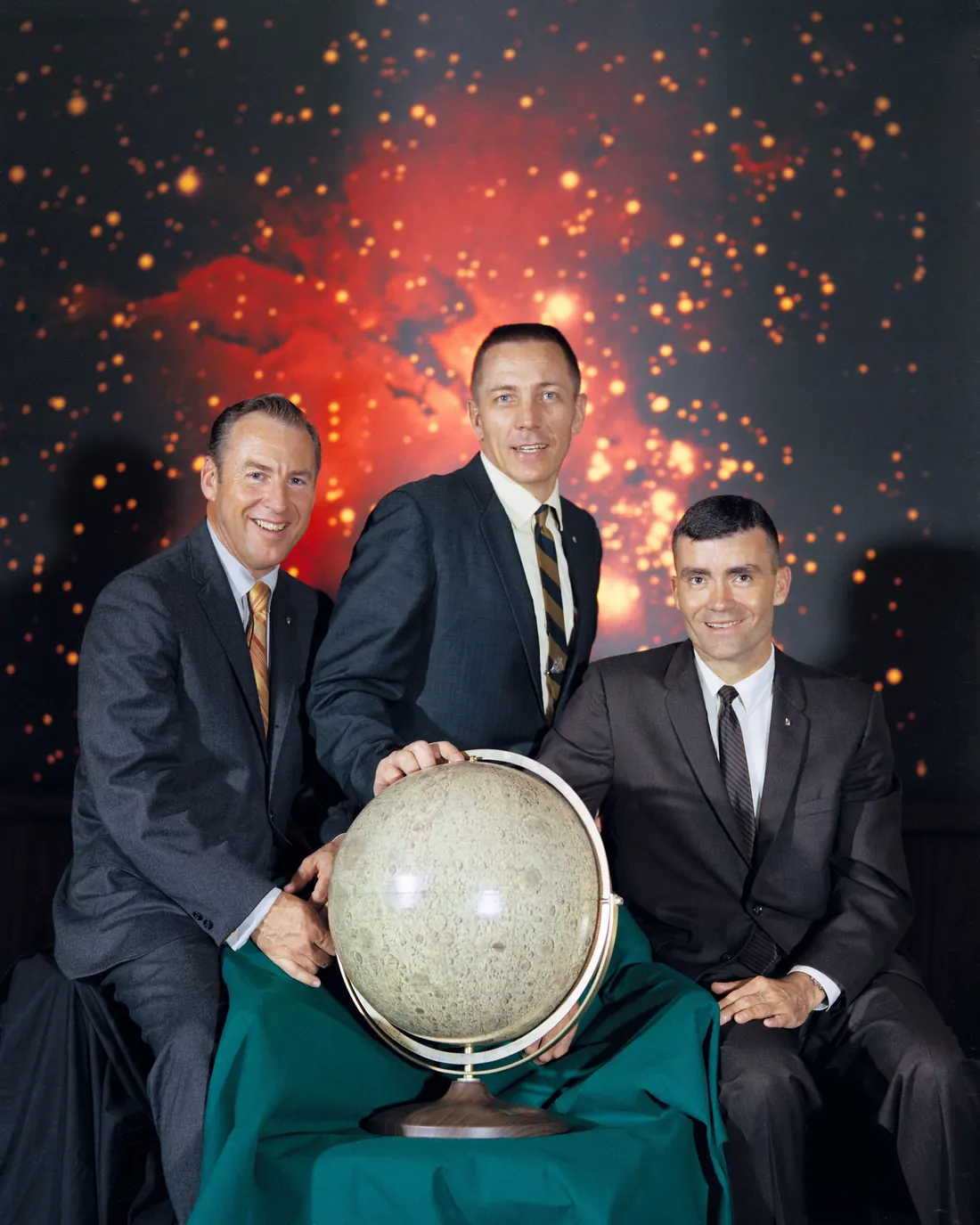
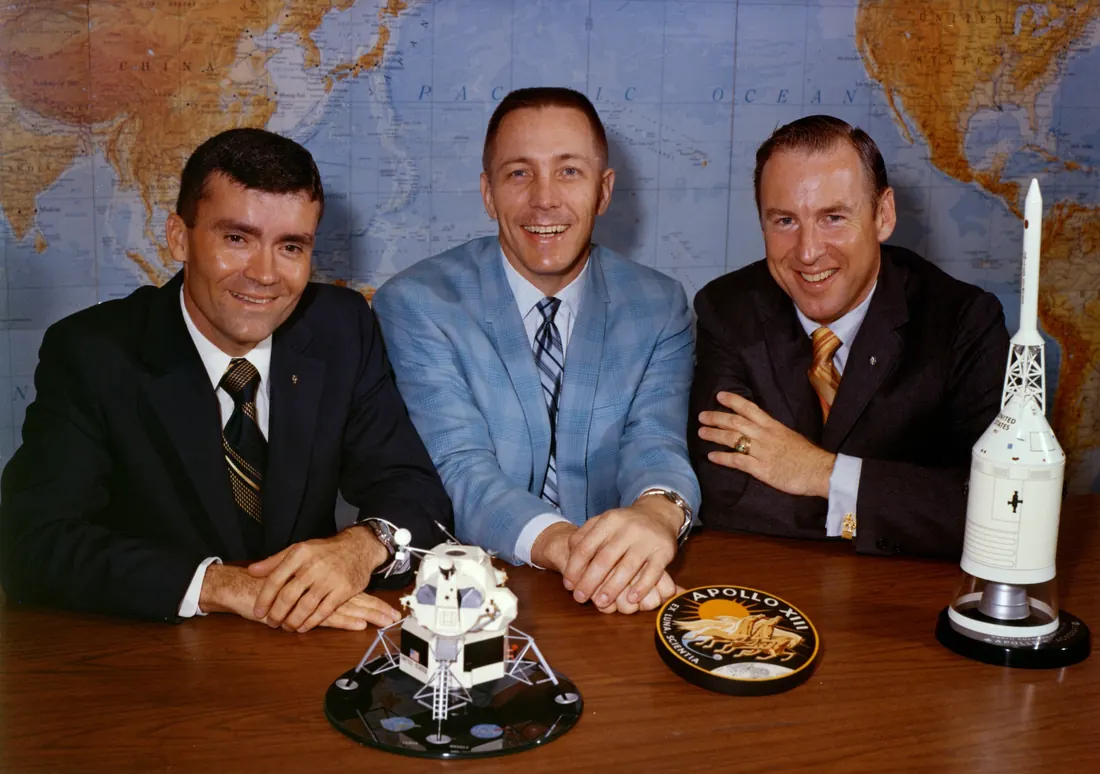
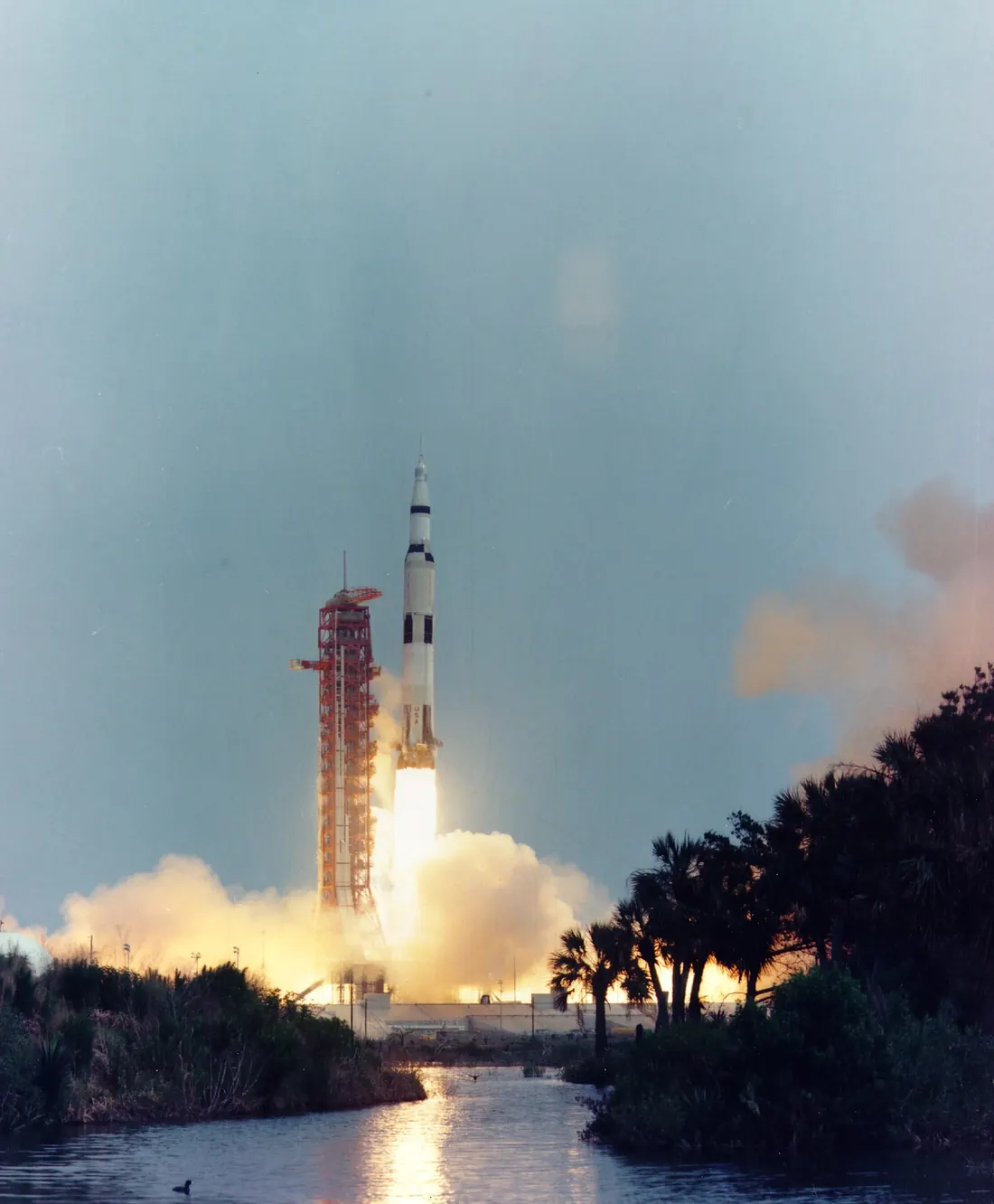
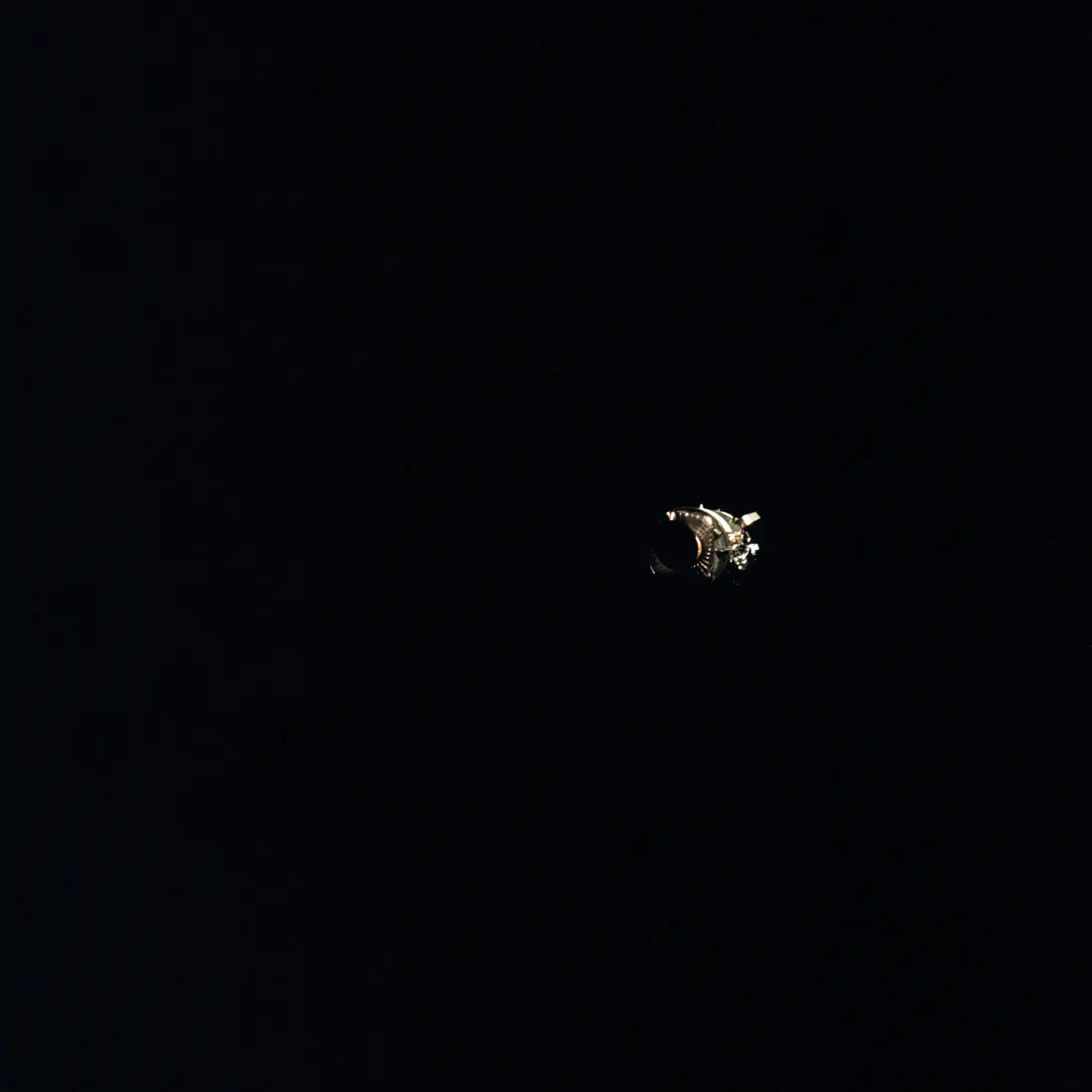
Apollo 13 launched on April 11, 1970, bound for the Moon. Two days later, more than 200,000 miles from Earth, an oxygen tank exploded. “Houston, we’ve had a problem,” Jim Lovell radioed.
The three astronauts moved into the lunar module and used it as a lifeboat. It was built to keep two men alive for two days. Now it had to keep three alive for four.
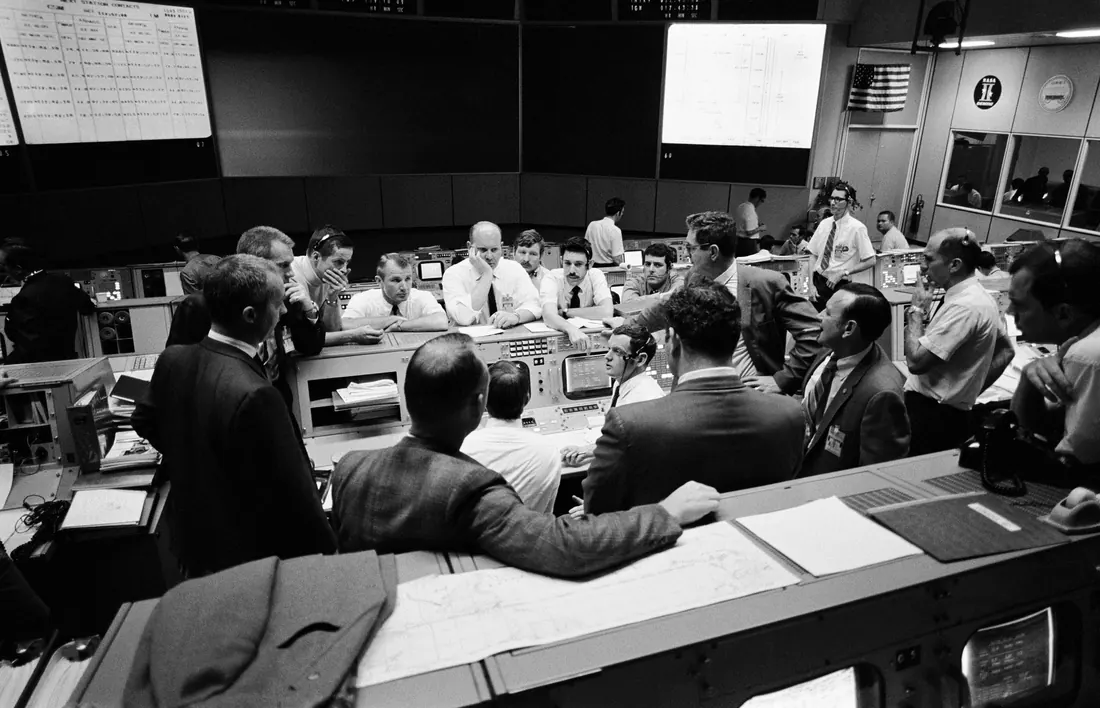
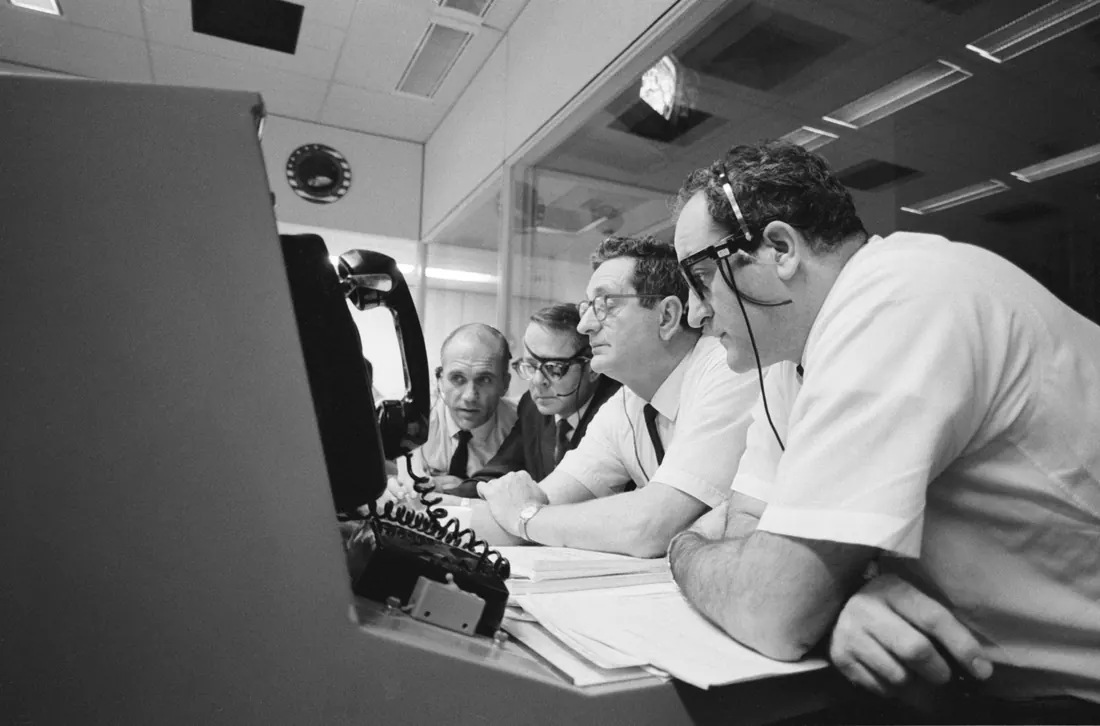
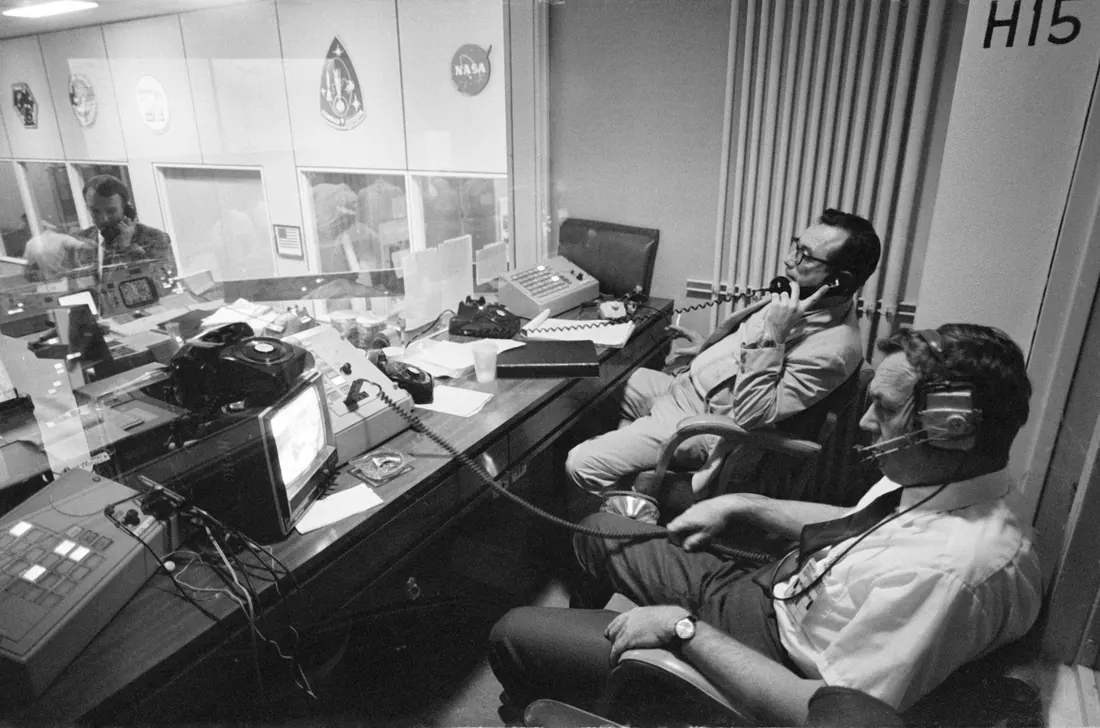
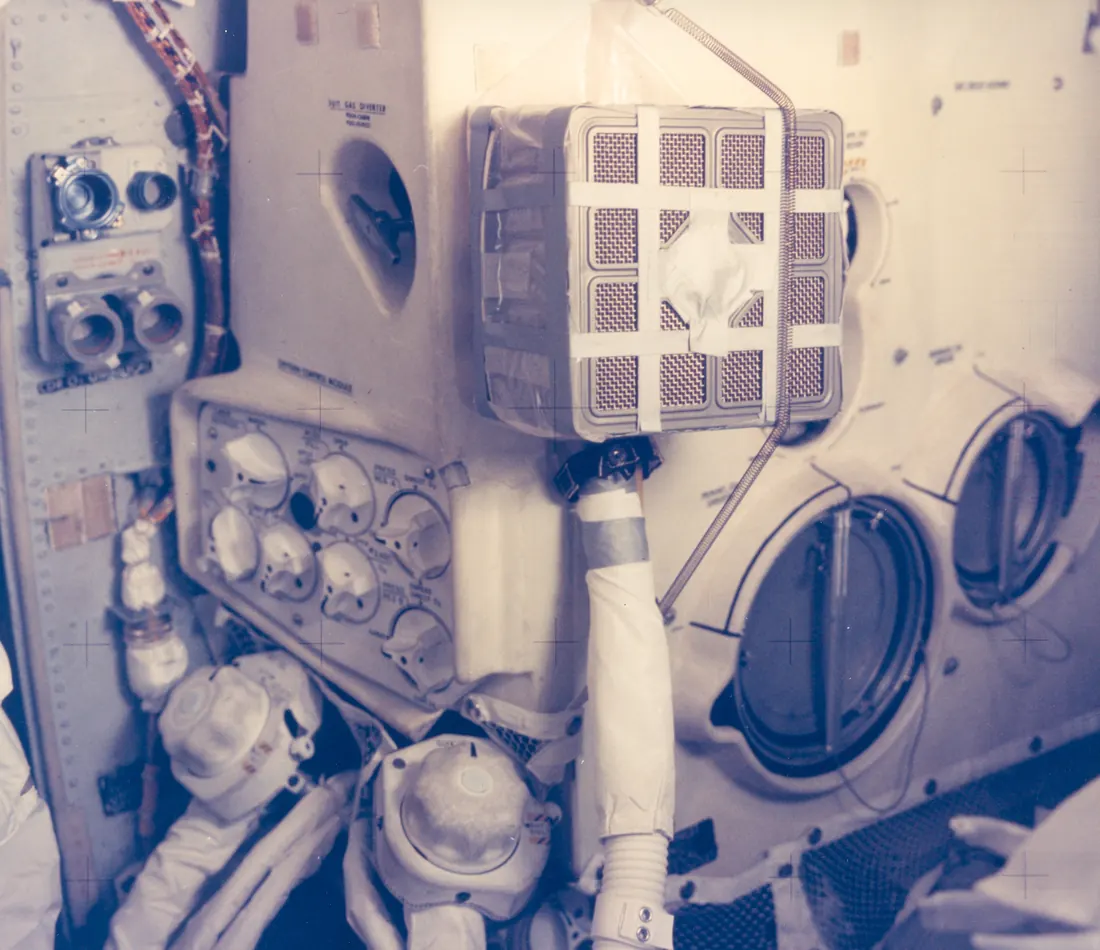
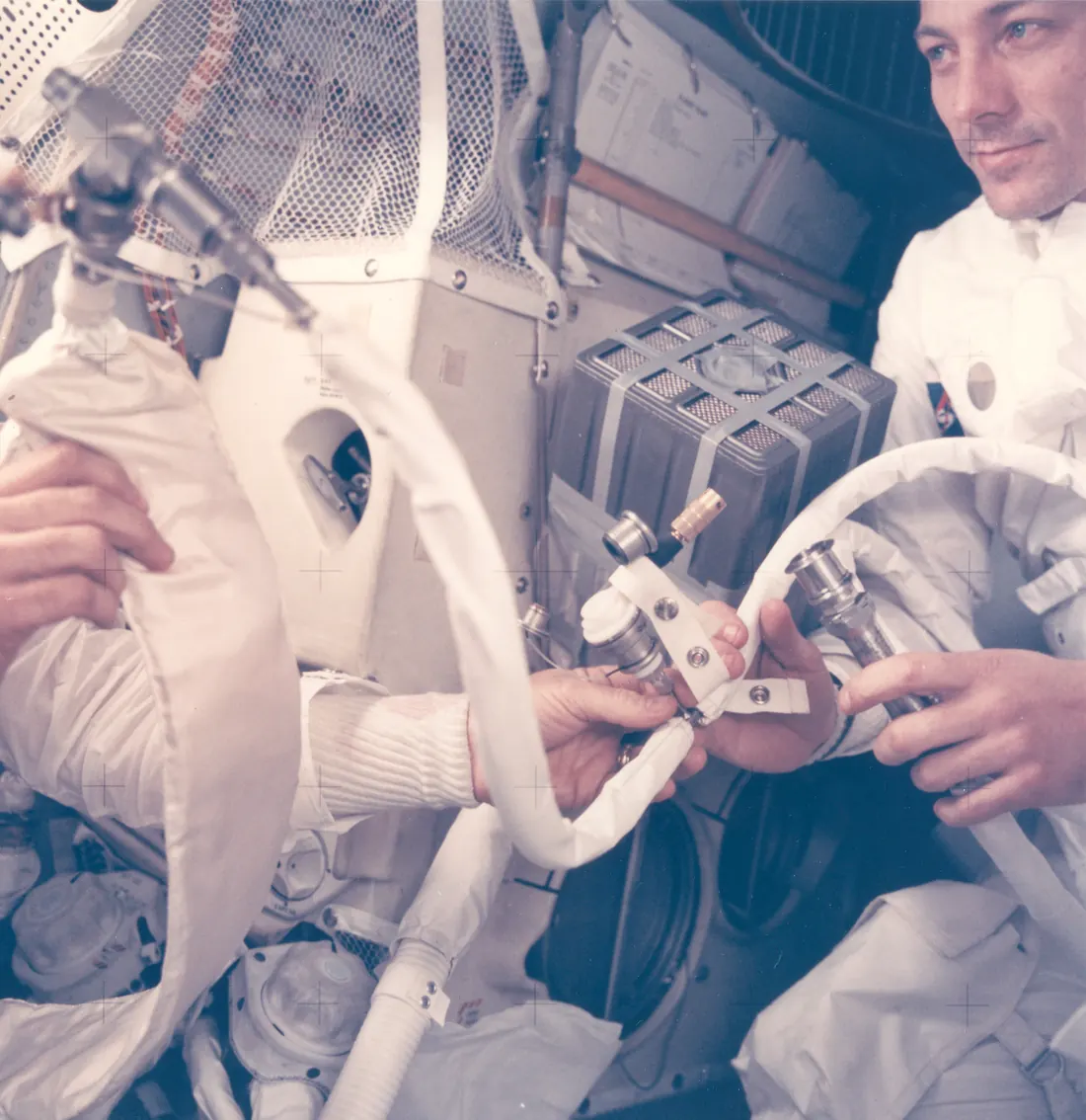
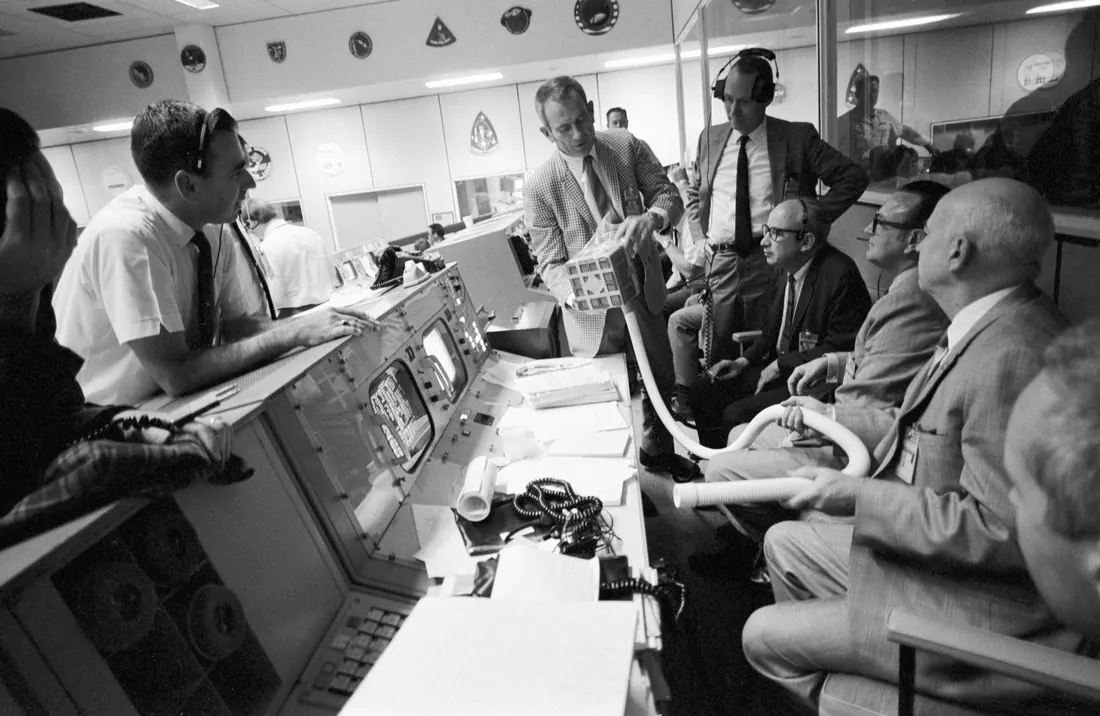
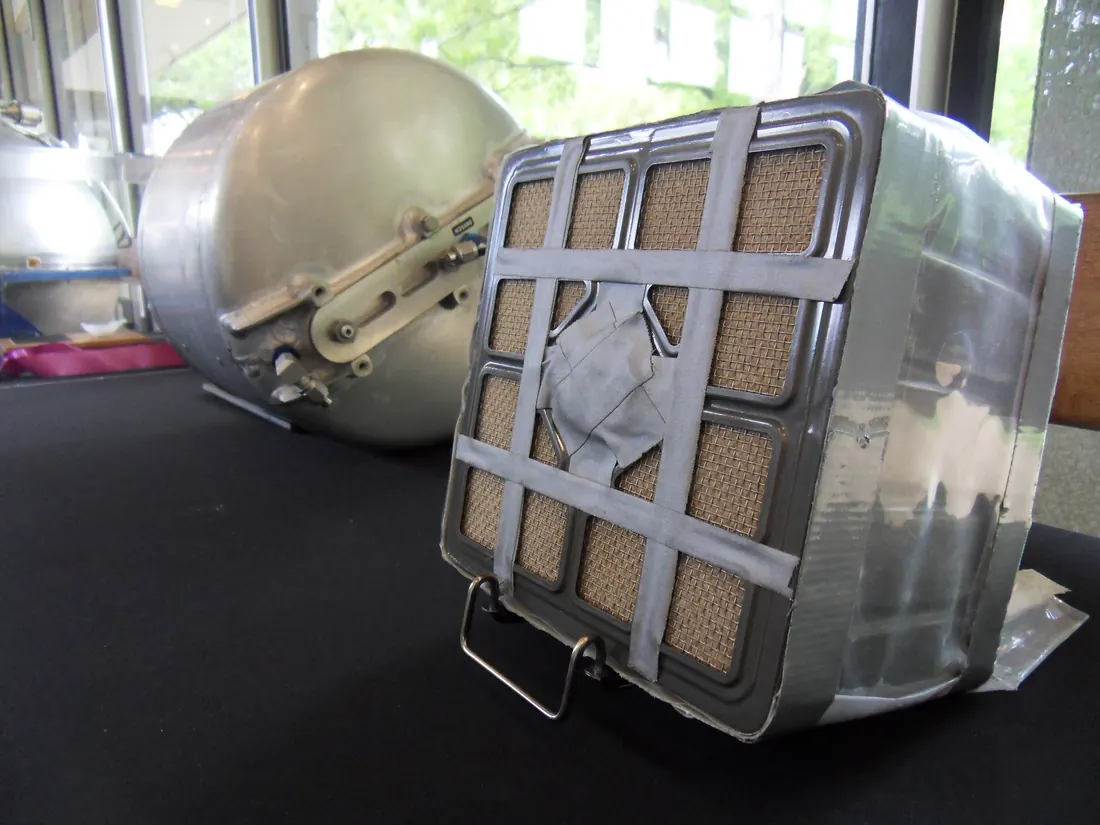
Then carbon dioxide began to build up. The command module had plenty of spare canisters to clean the air, but they were square, and the lunar module took round ones. Engineers in Houston designed an adapter from plastic covers torn from procedure manuals, duct tape and other things on board, known as “the mailbox,” and read the steps to the crew, who built it. The carbon dioxide levels began to drop straight away.
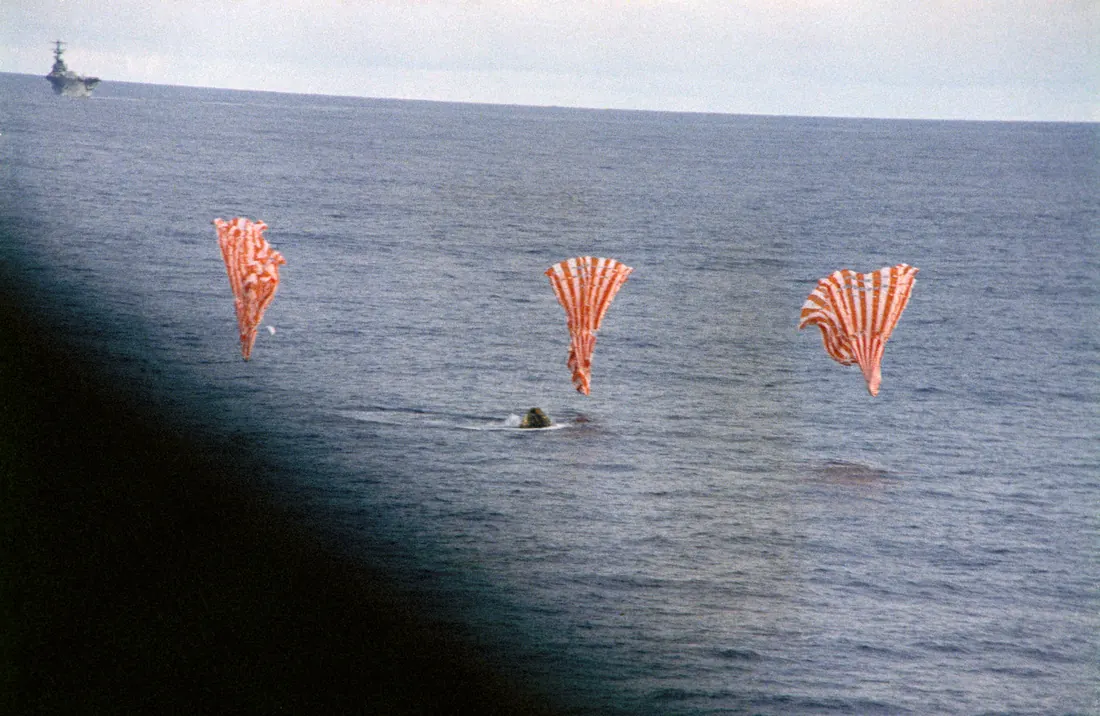
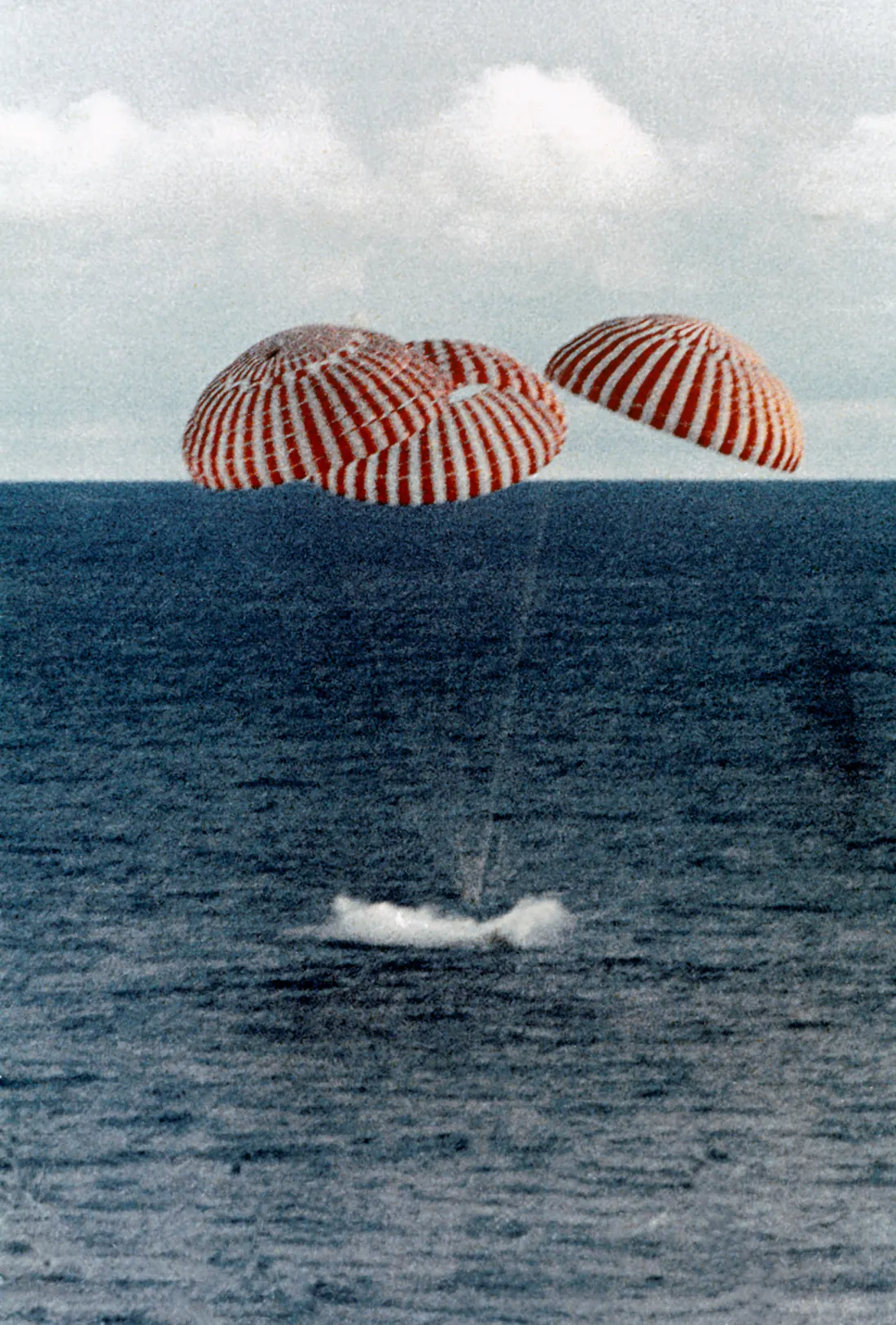
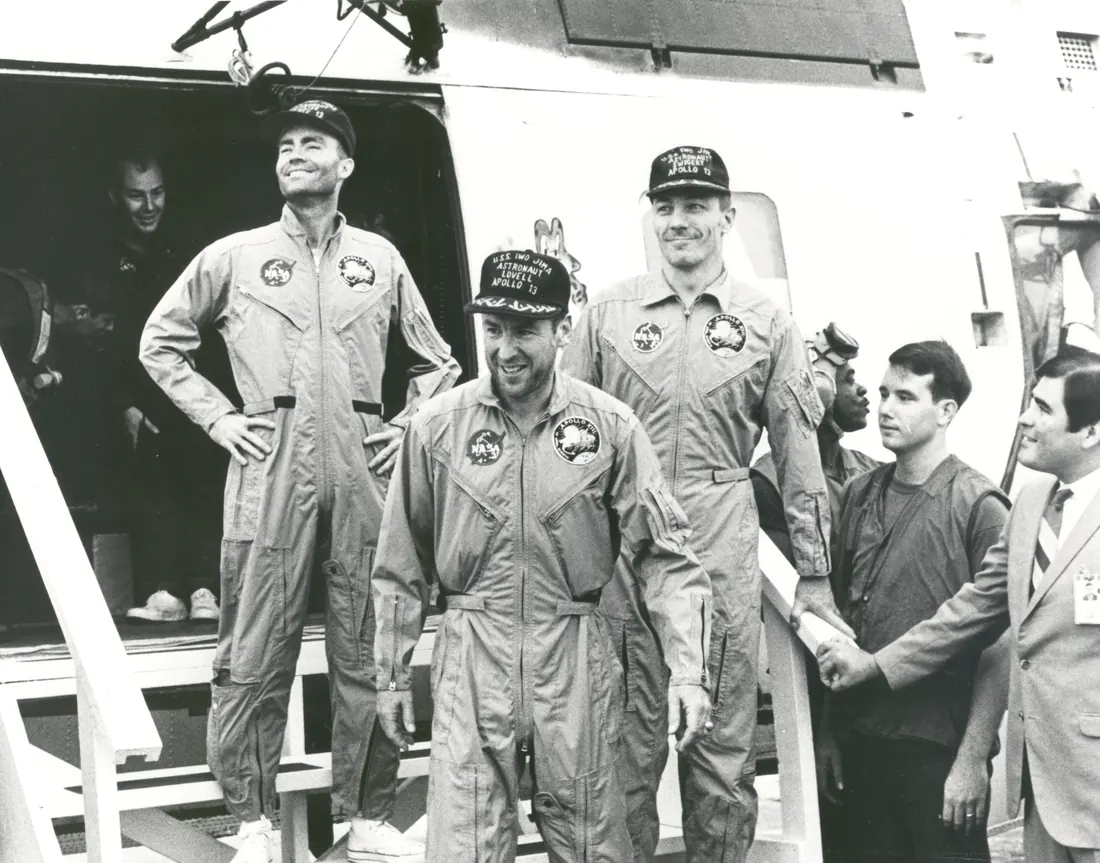
On April 17, 1970, all three splashed down safely in the Pacific and were picked up by USS Iwo Jima.
Fact check
The facts and where they come from
- Apollo 13 launched on April 11, 1970. An oxygen tank exploded on April 13 (April 14 UTC), about 210,000 miles from Earth. 1
- “Houston, we’ve had a problem,” said Jim Lovell. Jack Swigert had first said, “Okay, Houston, we’ve had a problem here.” 1
- The lunar module was used as a lifeboat. It was designed to support two men for two days, and had to support three men for four days. 1
- Carbon dioxide built up. The command module had enough lithium hydroxide canisters, but of a different shape: NASA’s caption calls them “square Command Module lithium hydroxide canisters,” and they couldn’t fit the holes meant for the lunar module’s round canisters. 123
- Engineers on the ground built “the mailbox” from plastic covers ripped from procedure manuals, duct tape and other items on board. The CAPCOM read the steps to the crew, who built it, and the carbon dioxide levels began dropping immediately. 12
- Splashdown came on April 17, 1970, with all three alive. They were recovered by USS Iwo Jima. 1
Sources
- Apollo 13 Wikipedia
- Apollo 13 Mailbox at Mission Control (NASA photo caption) Wikimedia Commons
- Apollo 13, We Have a Solution: Part 3 (Stephen Cass, 2005) IEEE Spectrum
Photo credits
The archive photos in this story
All the photographs and illustrations in this story are in the public domain. Tap one to enlarge it, or follow the link to its Wikimedia Commons page for the full record. The narration, music, captions and graphics in the Short are our own.