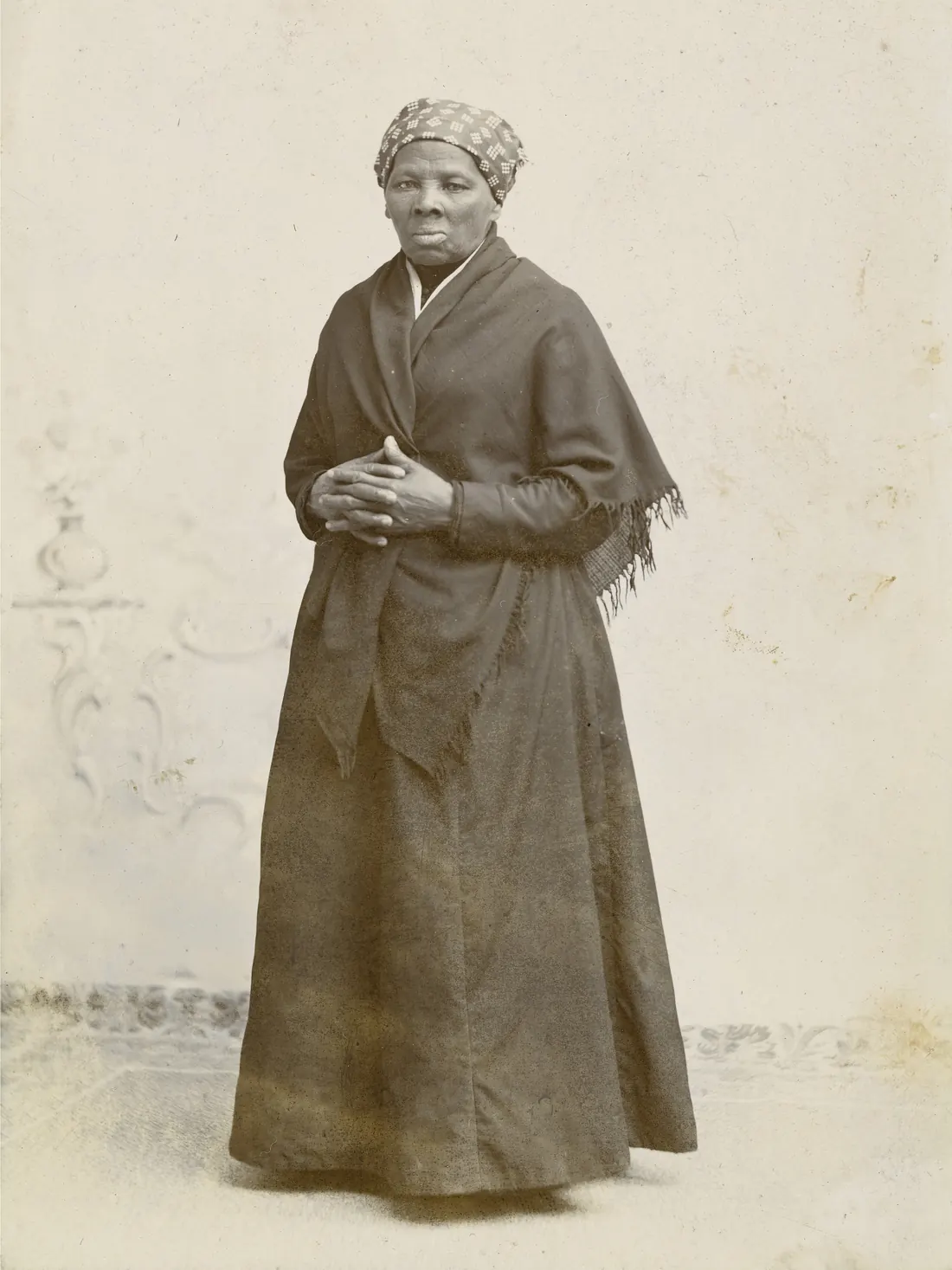
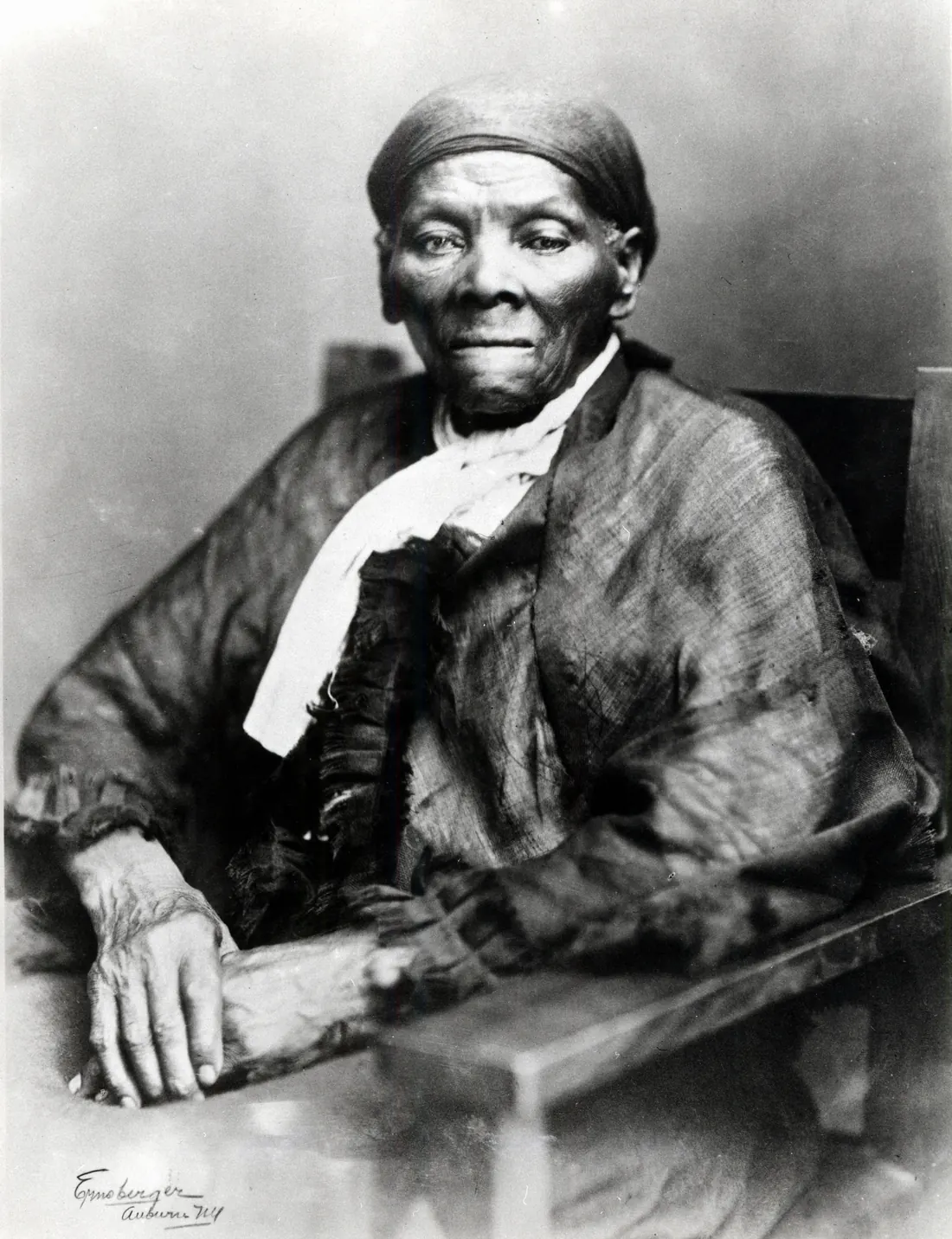
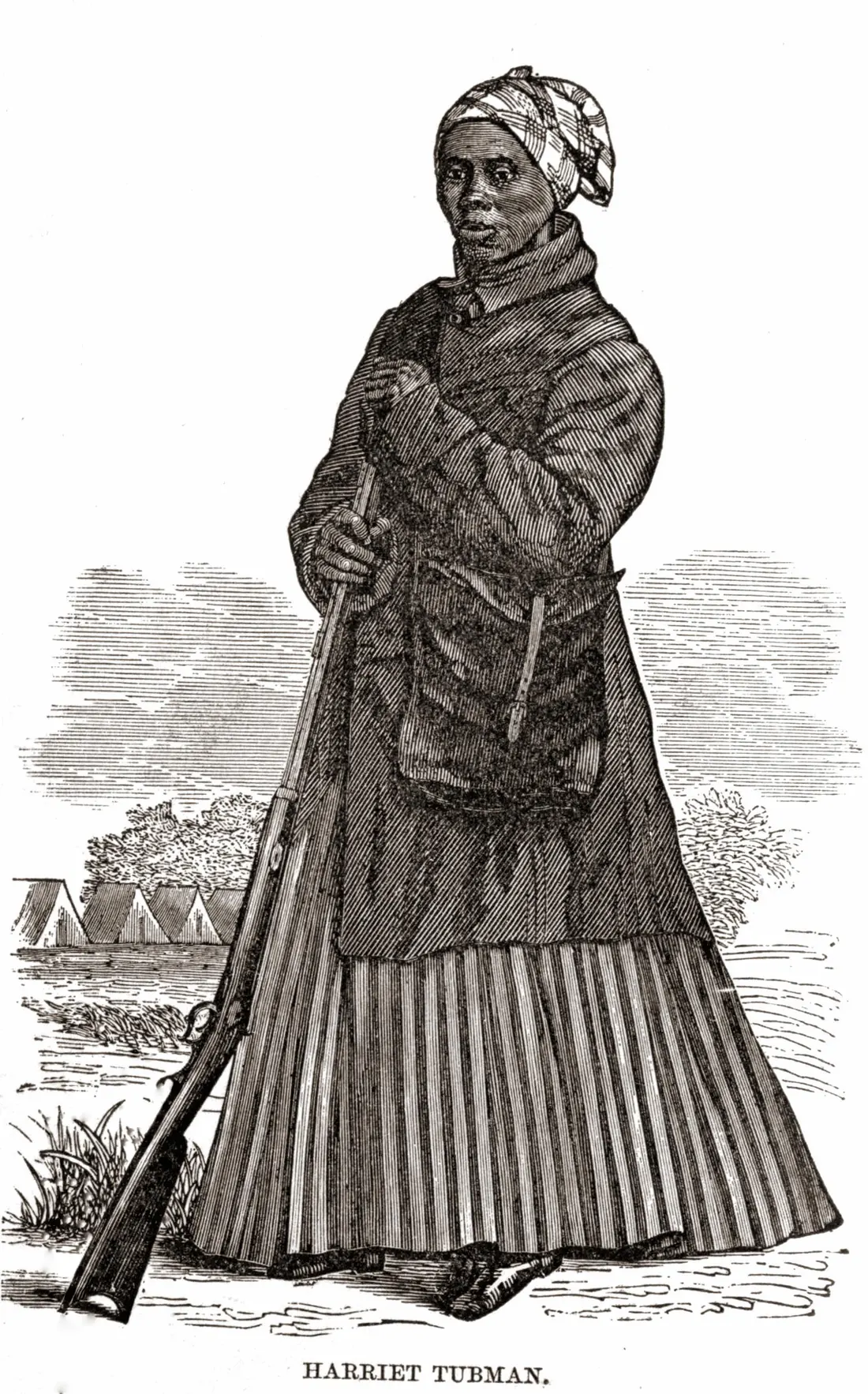
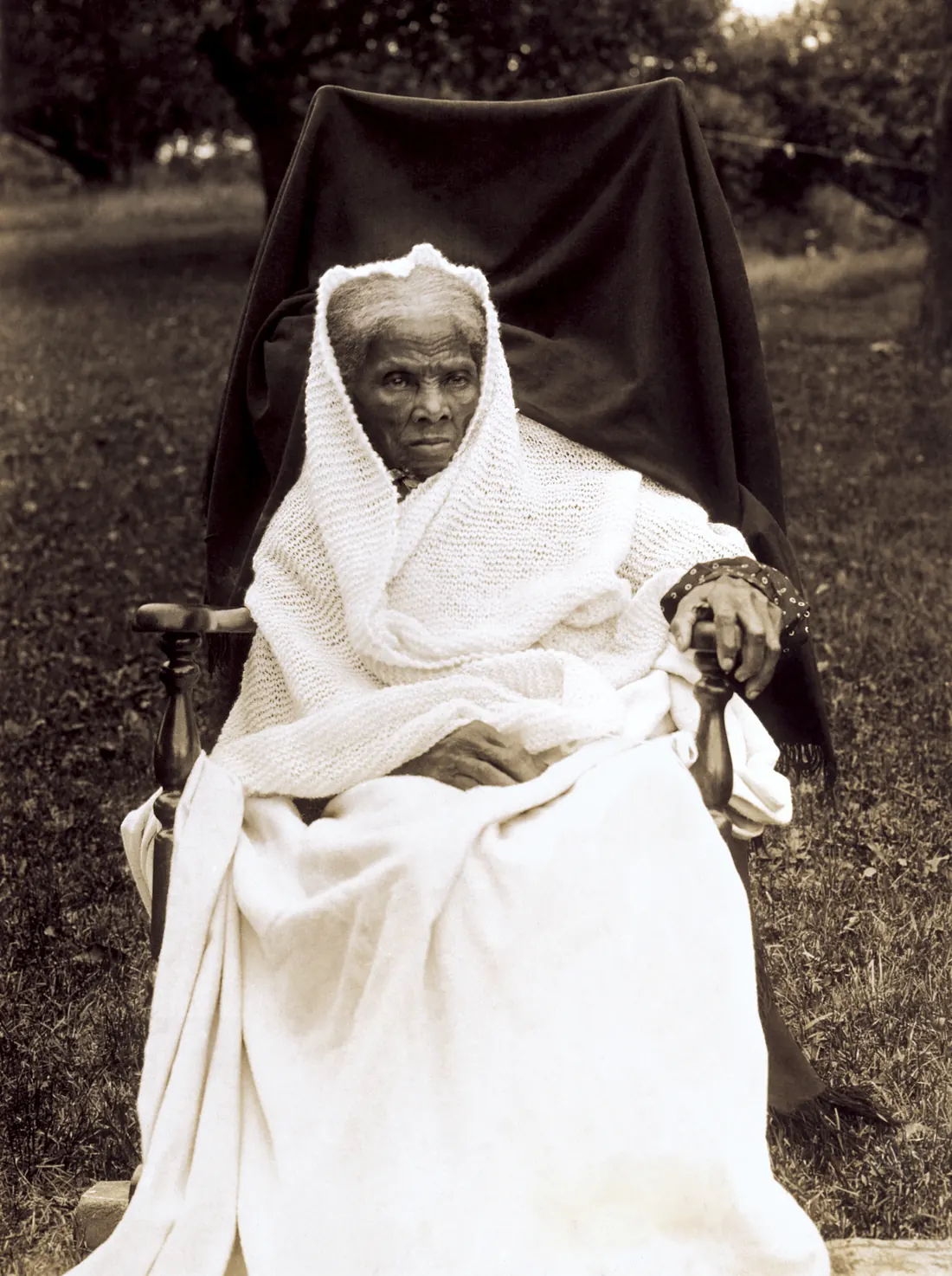
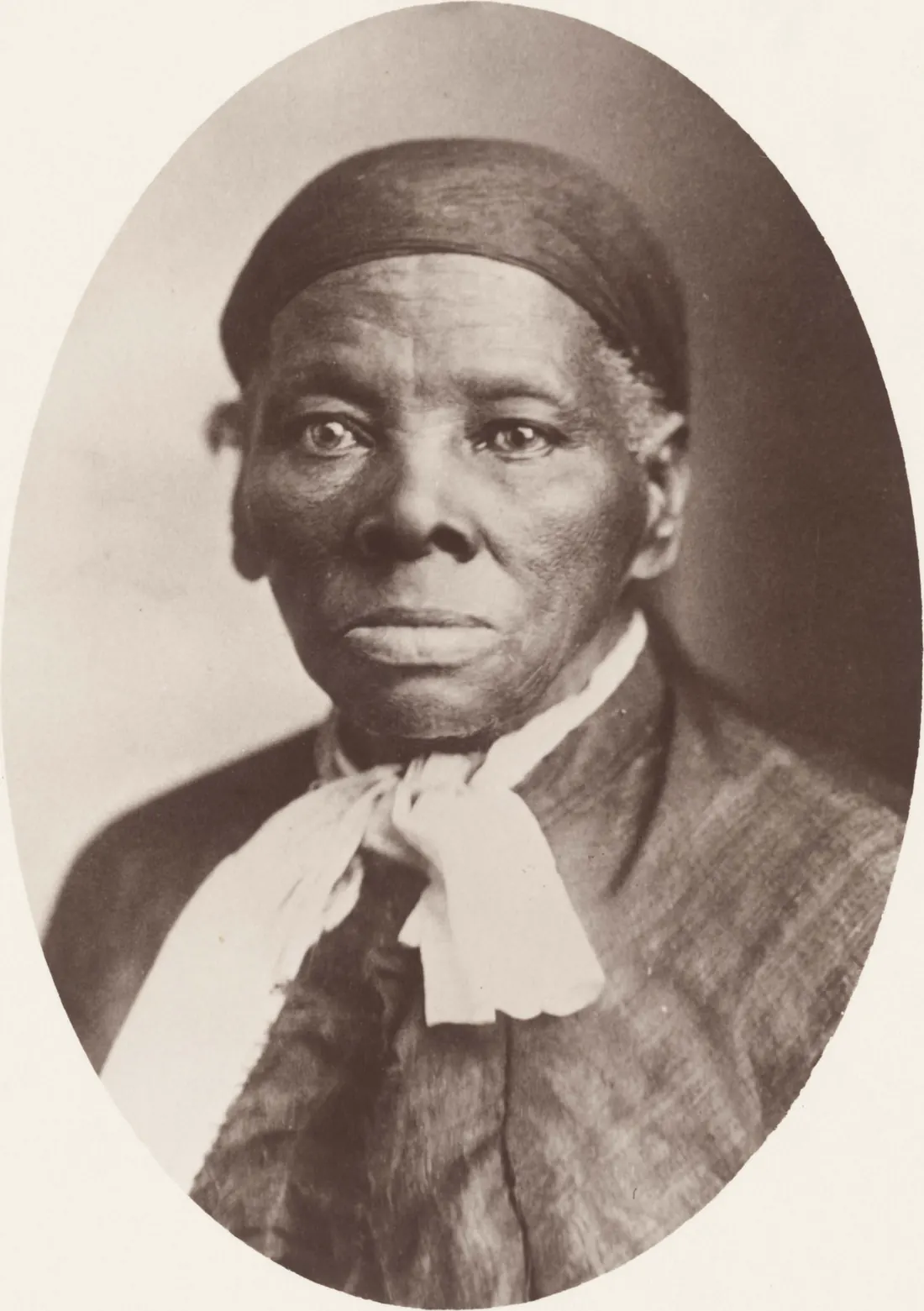
Harriet Tubman escaped slavery in 1849. She could not read or write, yet she went back about 13 times and led roughly 70 people to freedom. “I never ran my train off the track and I never lost a passenger,” she said.
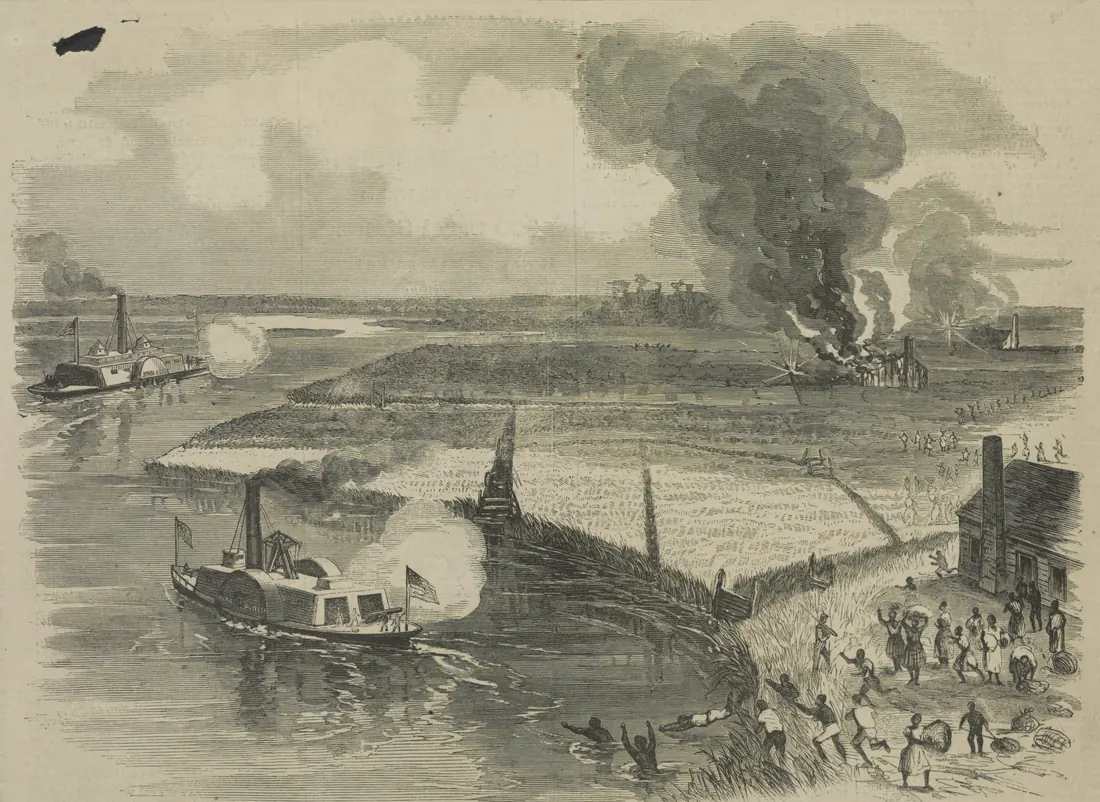
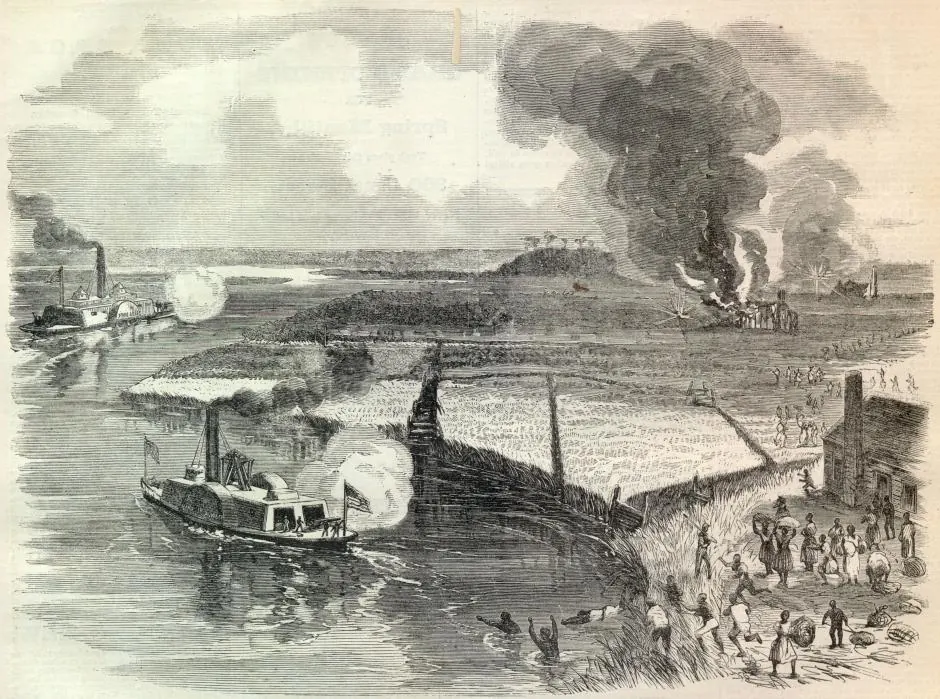
On June 1–2, 1863, during the Civil War, she guided three Union steamboats past Confederate mines on South Carolina’s Combahee River. Enslaved people heard the steam whistles and ran to the boats. More than 750 were freed.
She is widely credited as the first woman to lead an armed military operation in the United States. For more than three years of service, she was paid a total of $200.
Fact check
The facts and where they come from
- Tubman was illiterate. She escaped slavery on September 17, 1849. 1
- She made about 13 missions and rescued about 70 people: “I never ran my train off the track and I never lost a passenger.” 1
- On June 1–2, 1863, she guided three steamboats past mines on the Combahee River. Enslaved people heard the whistles and ran to the boats; more than 750 were freed. 12
- She is widely credited as the first woman to lead an armed military operation in the United States. 1
- For over three years of service, she received a total of $200. 1
Sources
- Harriet Tubman Wikipedia
- Raid on Combahee Ferry Wikipedia
Notes
The Short’s opening says “more than seven hundred,” the figure in the article’s summary; later it gives the raid’s own figure, more than 750.
Photo credits
The archive photos in this story
All the photographs and illustrations in this story are in the public domain. Tap one to enlarge it, or follow the link to its Wikimedia Commons page for the full record. The narration, music, captions and graphics in the Short are our own.