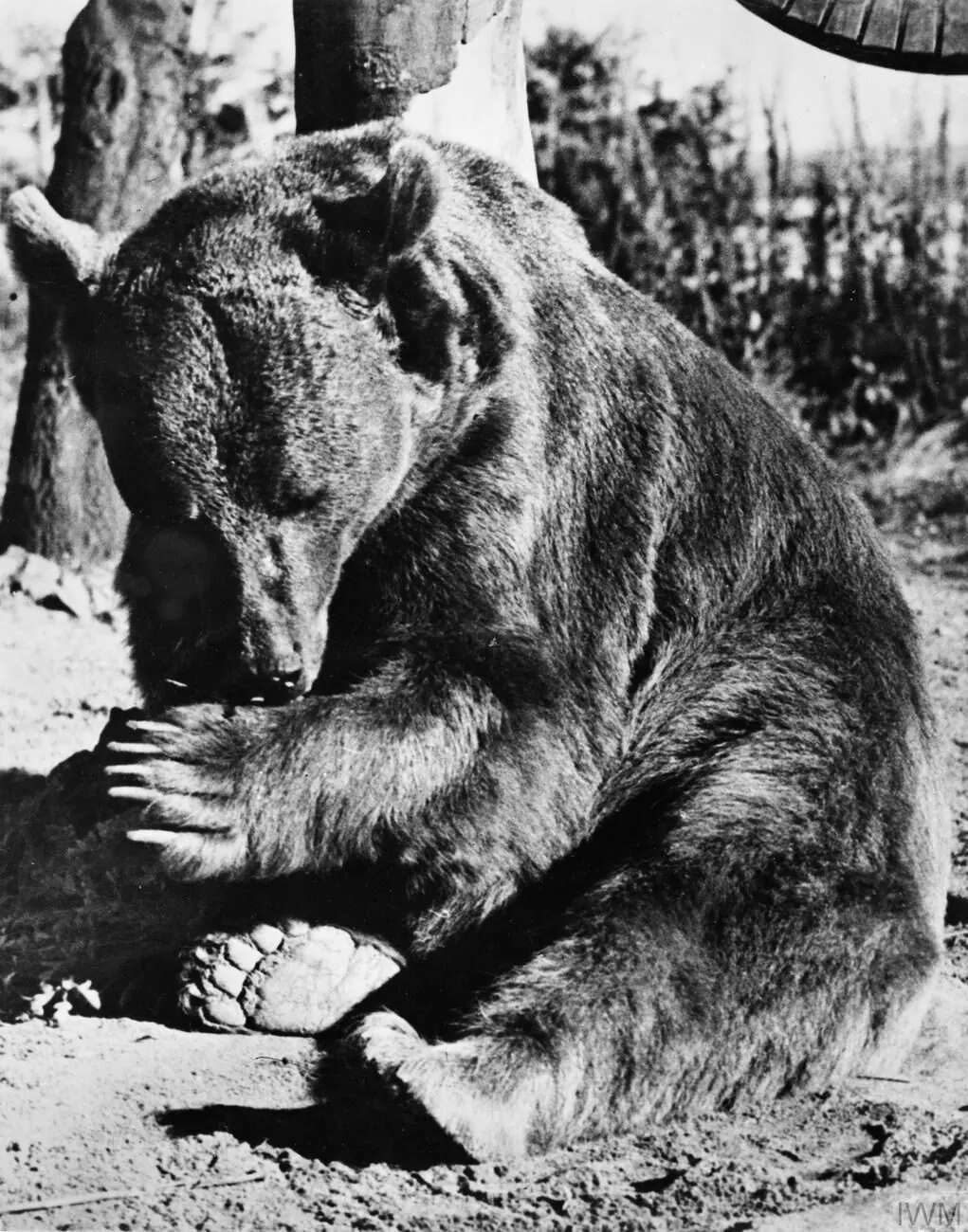
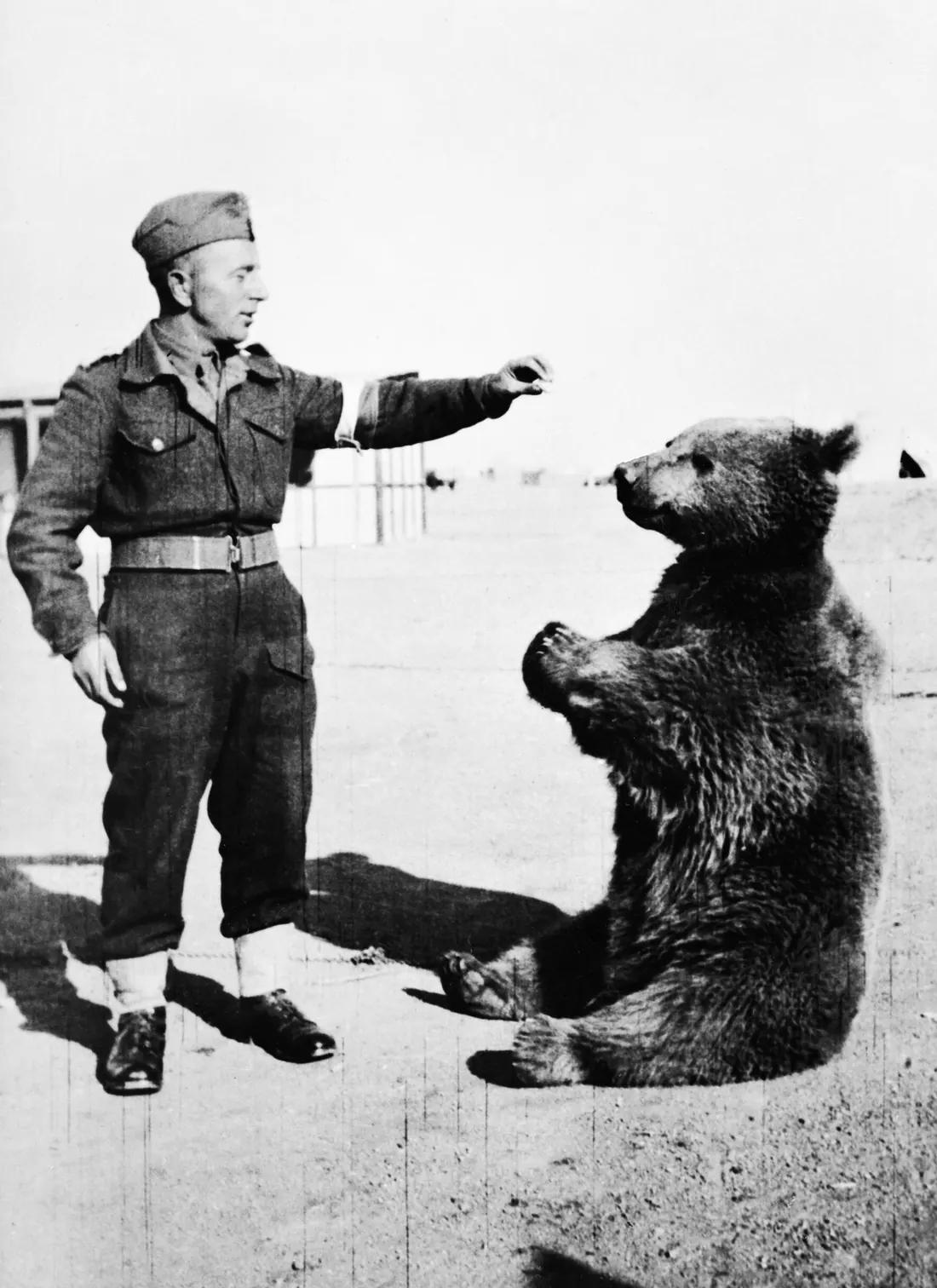
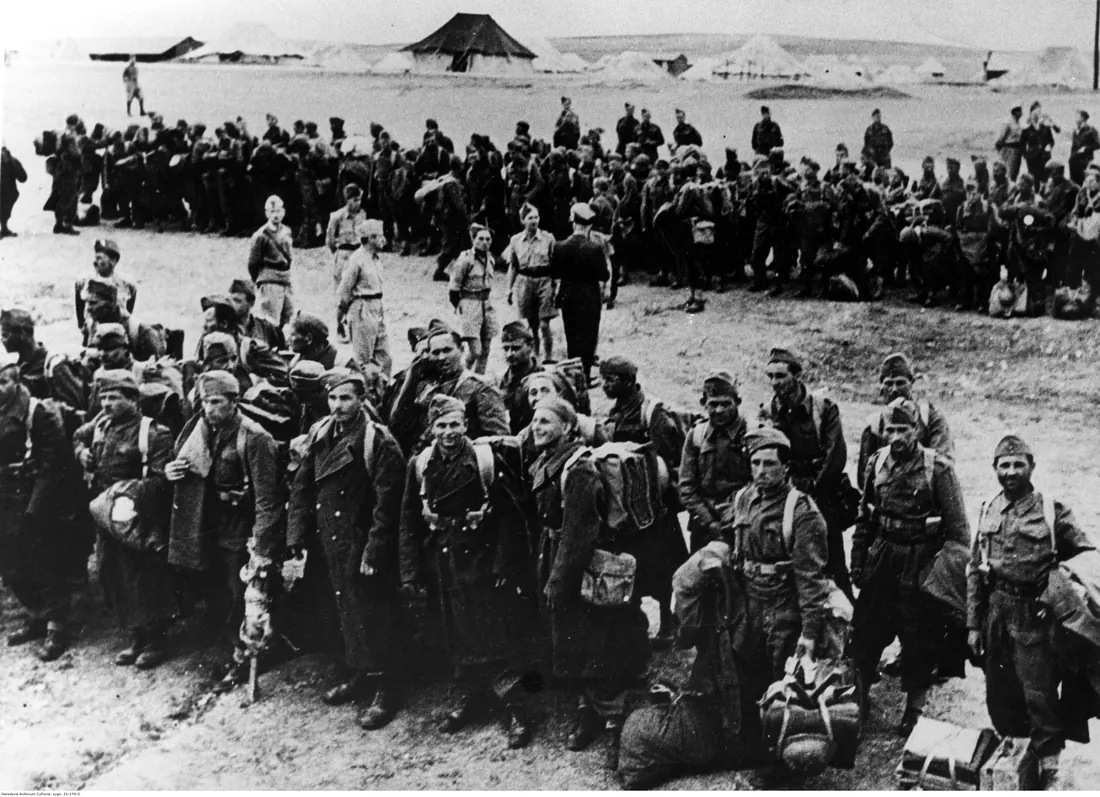
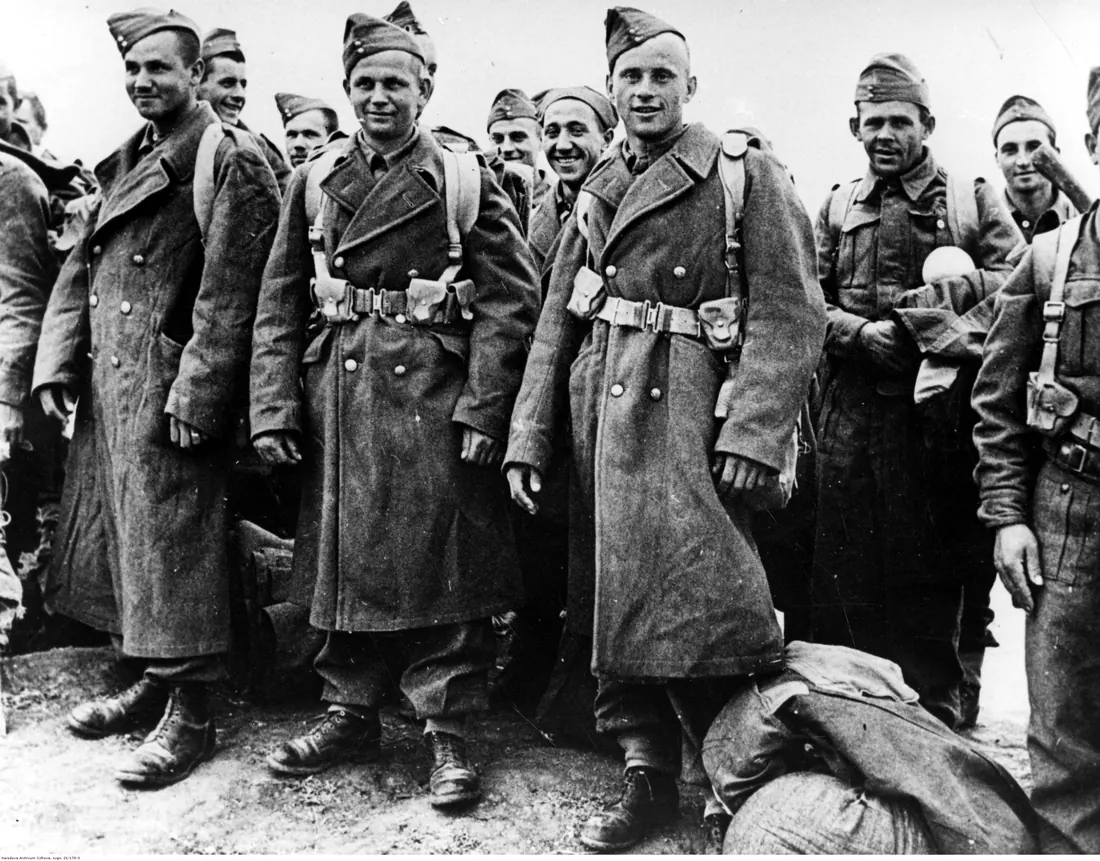
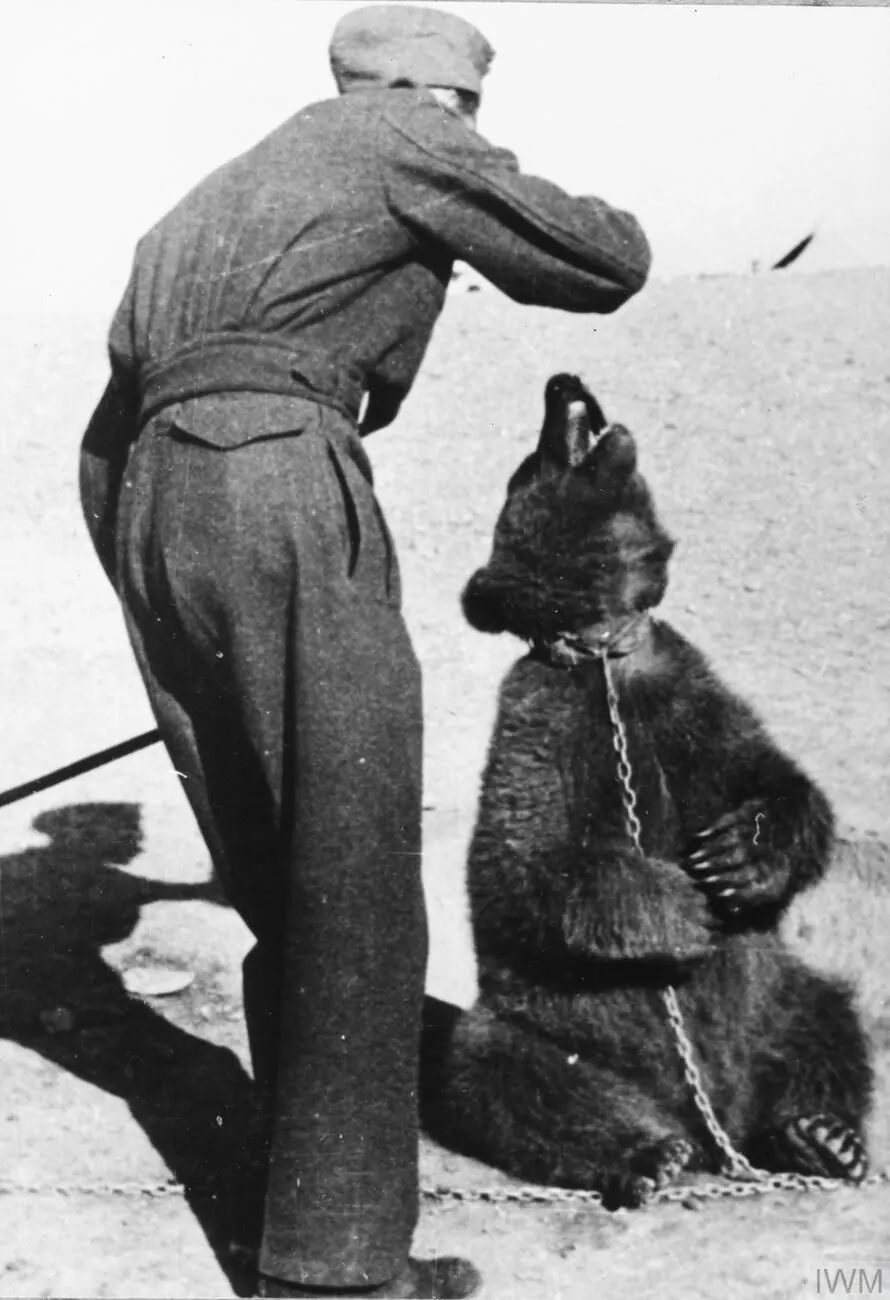
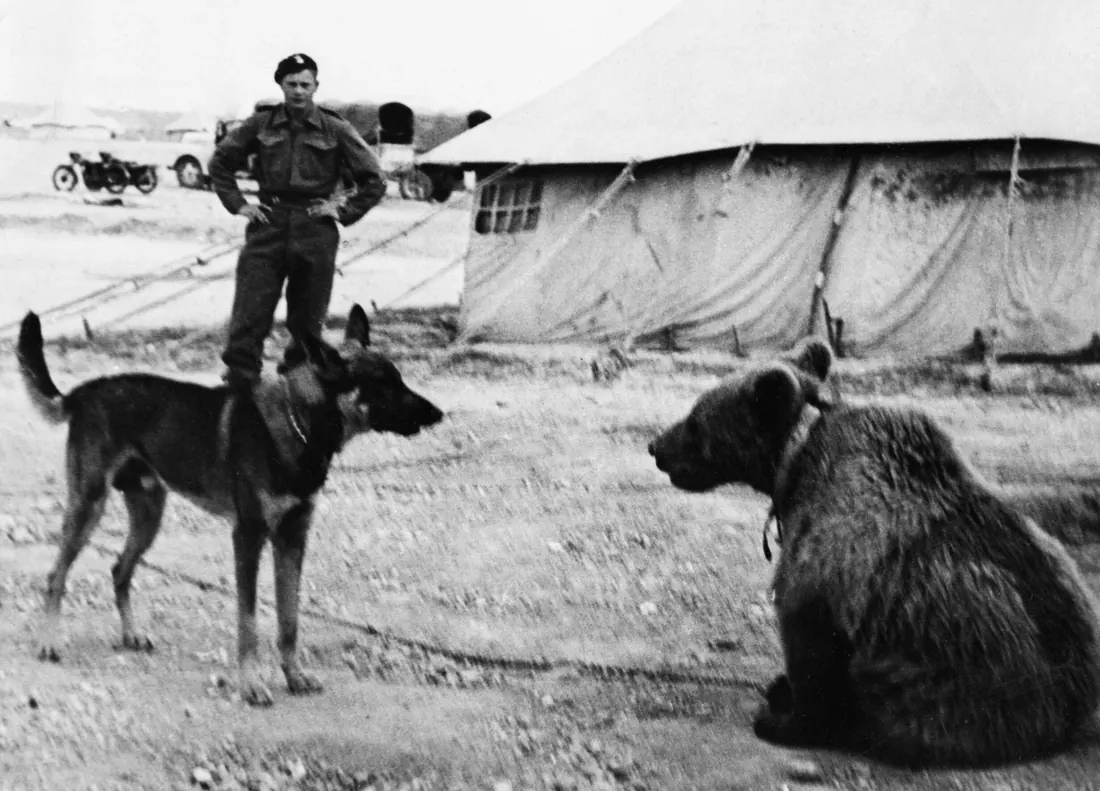
In 1942, Polish soldiers freed from Soviet camps were crossing Iran. They were Anders’ Army, formed mainly of prisoners released from the camps. In Iran they bought an orphaned brown bear cub from a local boy and named him Wojtek.
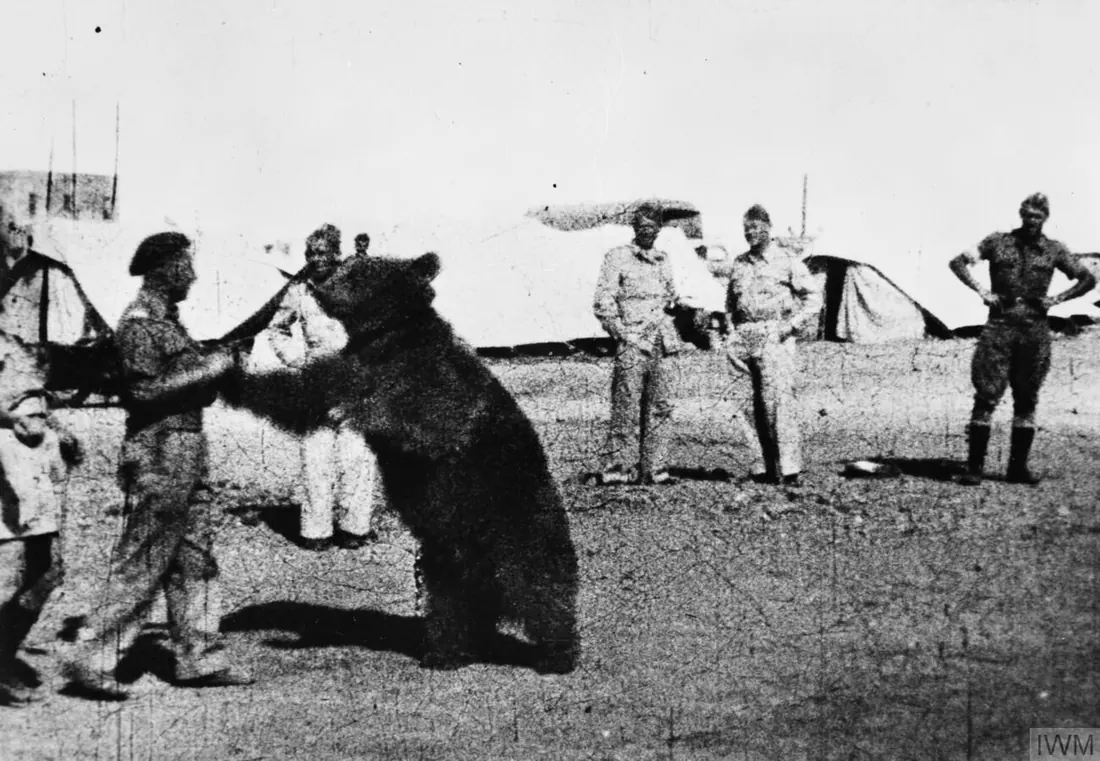
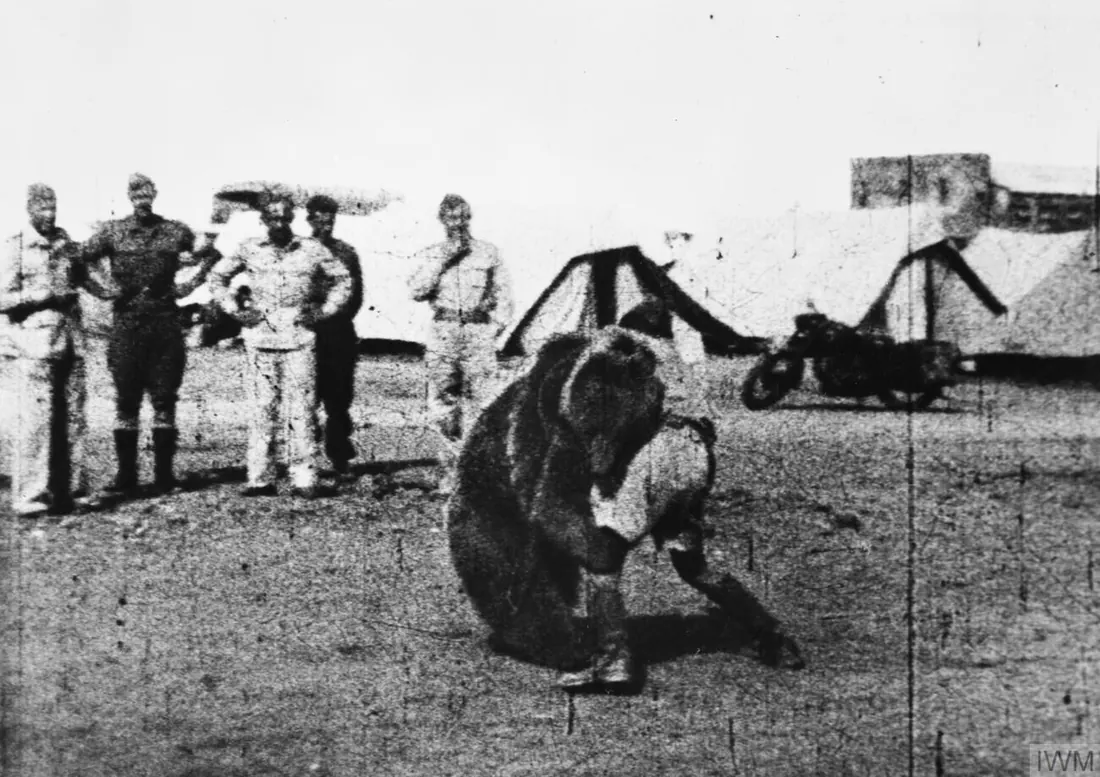
They fed him condensed milk from an old vodka bottle. He grew up wrestling with the soldiers, and beer became his favorite drink.
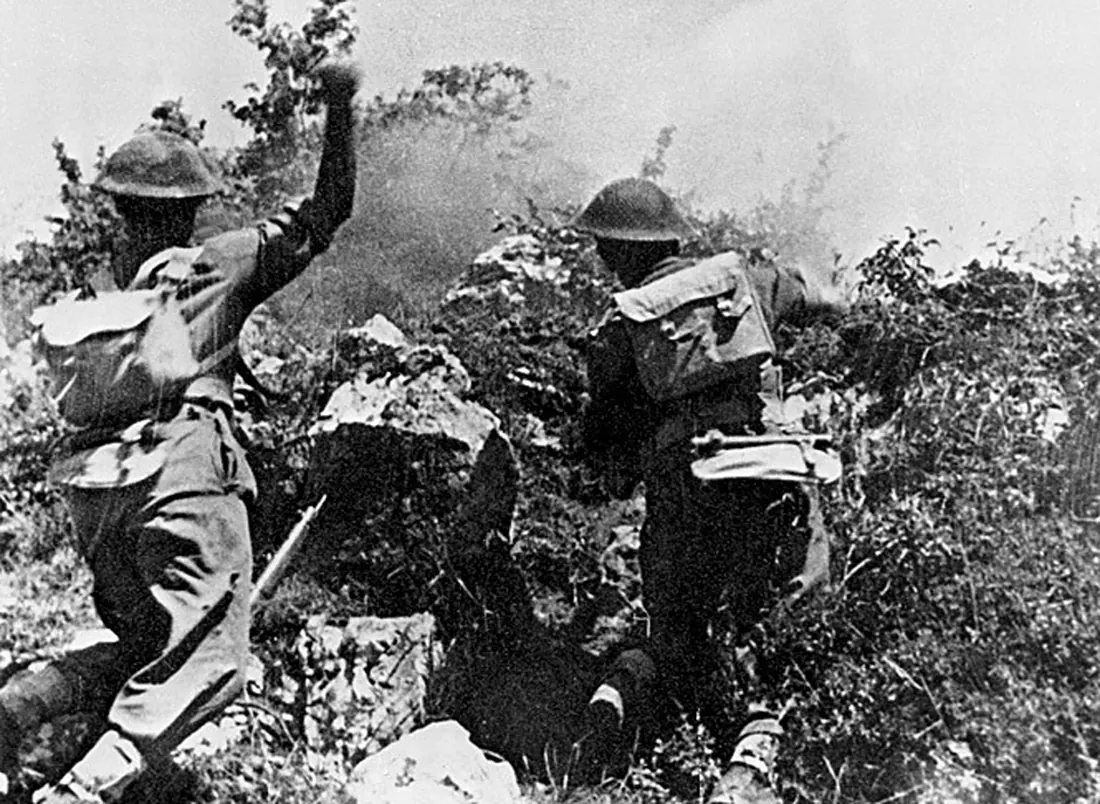
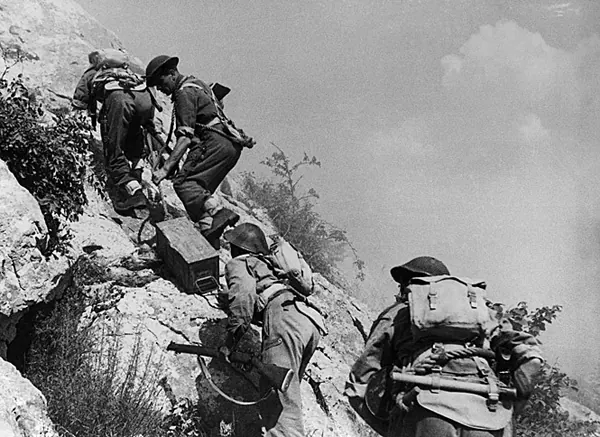
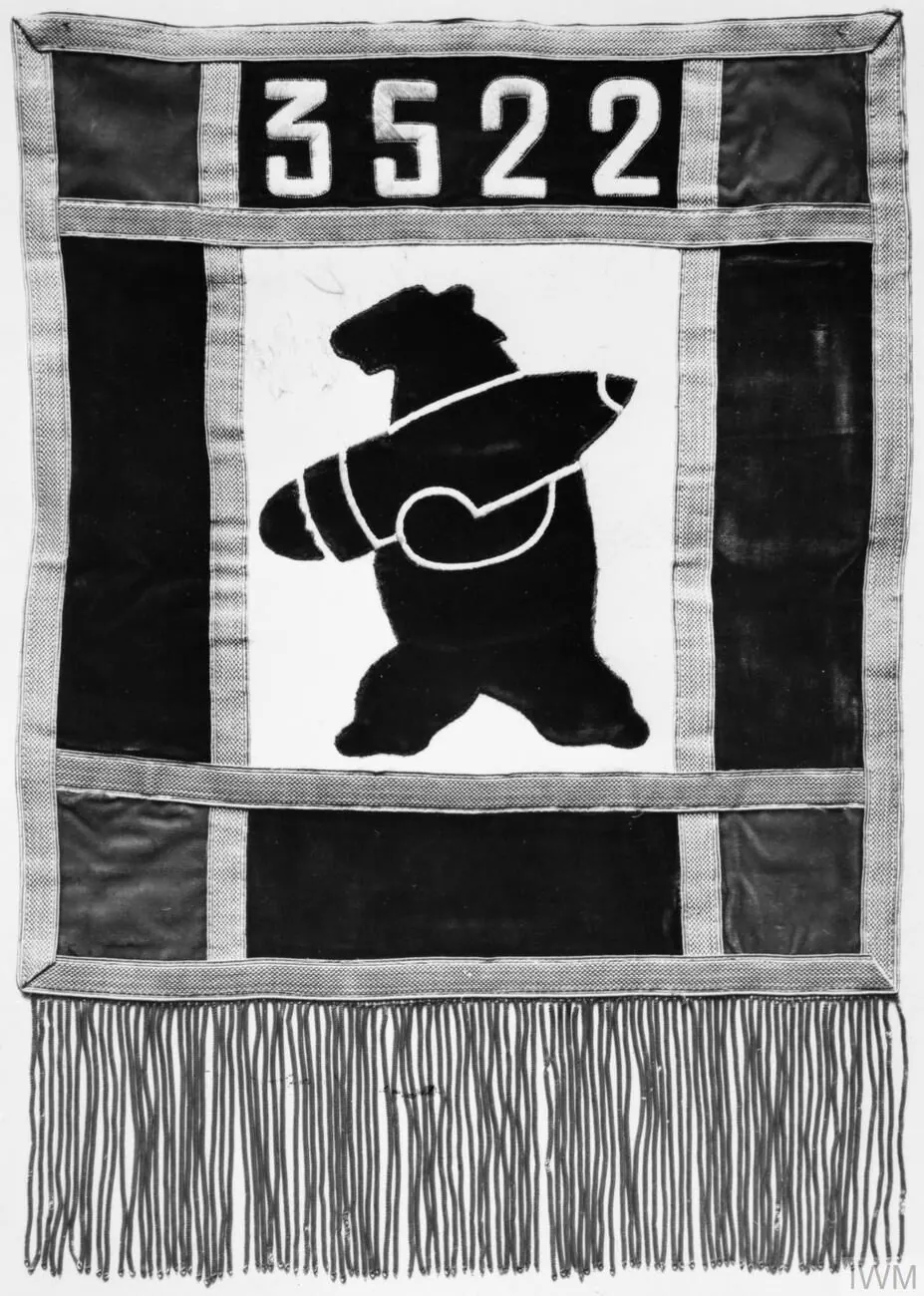
When the unit sailed from Alexandria to Taranto, Italy, the British transport ship’s rules forbade mascots and pets. So Wojtek was officially enlisted in the Polish Army as a private, in the 22nd Artillery Supply Company of II Polish Corps, with a service number and a pay book. His comrades said that at Monte Cassino in 1944 he carried crates of artillery shells, and his company adopted a bear carrying a shell as its badge. He was later promoted to corporal.
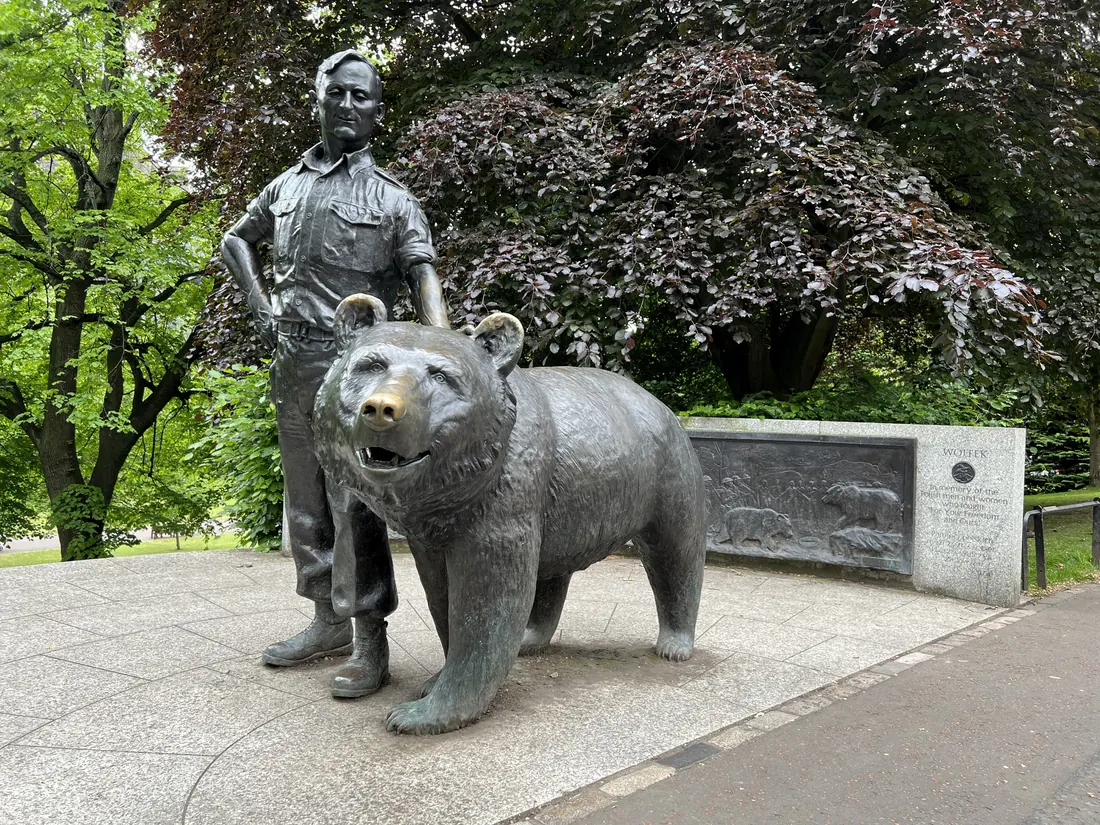
After the war, many Polish veterans could not safely return to Soviet-controlled Poland and settled in Britain. Wojtek went with his unit to Scotland, to Winfield airfield at Hutton, and in 1947 to Edinburgh Zoo. His former comrades kept visiting him, speaking Polish to him and tossing him cigarettes, and he still responded to Polish and recognized men of his unit. He died at the zoo on December 2, 1963. Today a bronze statue in Edinburgh’s Princes Street Gardens shows him beside a Polish soldier.
Fact check
The facts and where they come from
- Wojtek was officially enlisted, with a rank, a service number and a pay book. Historic Environment Scotland: “an army serial number and the rank of private.” 12
- His name was Wojtek, and he was a Syrian brown bear. 34
- In 1942 the soldiers were Anders’ Army, formed mainly of Polish prisoners released from Soviet camps and evacuated to Iran in 1942. Forces News says the cub was found in Iran in April 1942 by Polish prisoners of war moved from a Siberian labor camp; the IWM record says “Found in Persian mountains in 1942.” 514
- They bought the orphaned cub from a local boy. Accounts differ: Historic Environment Scotland and Stars and Stripes say a boy, while Wikipedia says a shepherd. What was paid is unknown. 267
- They fed him condensed milk from an old vodka bottle. 36
- He wrestled with the soldiers and drank their beer, which “became his favourite drink.” 32
- The British transport ship to Italy “forbade mascot and pet animals.” The unit sailed from Alexandria to Taranto. 37
- So he was officially drafted into the Polish Army as a private, in the 22nd Artillery Supply Company of II Polish Corps. 321
- Reported, not documented: at Monte Cassino in 1944 he carried crates of artillery shells. The IWM says “He is reported to have helped move artillery ammunition at Monte Cassino.” Wikipedia notes the story “generated debate over its accuracy” and cites one British soldier’s recollection (Der Spiegel, 2012). A caretaker quoted by Stars and Stripes says, “At Cassino, he carried full ones,” and Forces News cites “multiple witness statements.” Against that, the Hoover Institution says Stanisław Kroczak’s wartime memoir “puts those stories to rest.” No contemporary military record has been found. 43617
- His company adopted a bear carrying a shell as its badge. Historic Environment Scotland: they “adopted the figure of Wojtek carrying a shell as their official emblem.” 82
- He was promoted to corporal. 31
- After the war, many Polish veterans could not safely return to Soviet-controlled Poland and settled in Britain. 69
- He went with the unit to Scotland, to Winfield airfield at Hutton in the Scottish Borders, then to Edinburgh Zoo in 1947 (Forces News gives November 15, 1947). 21
- Former comrades kept visiting him, spoke Polish to him and tossed him cigarettes. Stars and Stripes: “Former Polish soldiers continued visiting him for years.” 36
- He still responded to Polish and recognized men of his unit; Wikipedia describes him “recognizing many of his former unit.” 36
- He died at the zoo on December 2, 1963. His age is given as 21 or 22. 32
- Today a bronze statue in Edinburgh’s Princes Street Gardens shows him beside a Polish soldier. Sources differ on the year it was unveiled (2015 or 2017). 23
Sources
- Wojtek: The bear who ate cigarettes and carried ammo for Polish troops in WW2 (2024) Forces News
- Wojtek the Bear That Went To War (2018) Historic Environment Scotland blog
- Wojtek (bear) Wikipedia
- Wojtek The Bear (memorial record 78065) Imperial War Museums, War Memorials Register
- Anders’ Army Wikipedia
- Wojtek the Polish soldier bear (2026) Stars and Stripes
- Wojtek, the Bear of Monte Cassino (2012) Hoover Institution
- The badge of the 22nd Artillery Support Company of the 2nd Polish Corps (IWM HU 16547) Wikimedia Commons
- Polish Resettlement Corps Wikipedia
Notes
Accounts differ on who sold the cub: Historic Environment Scotland and Stars and Stripes say a young boy, while Wikipedia says a shepherd. What the soldiers paid is not known.
Wojtek carrying shells at Monte Cassino is reported, not documented. It rests on soldiers’ recollections, the Hoover Institution says Stanisław Kroczak’s wartime memoir puts those stories to rest, and no contemporary military record has been found. That is why the story says “his comrades said.”
The Monte Cassino ammunition photo shows Polish soldiers, not Wojtek: no genuine photo of him carrying shells is known. No rights-safe photo of him at Edinburgh Zoo was found.
Photo credits
The archive photos in this story
All the photographs and illustrations in this story are in the public domain. Tap one to enlarge it, or follow the link to its Wikimedia Commons page for the full record. The narration, music, captions and graphics in the Short are our own.