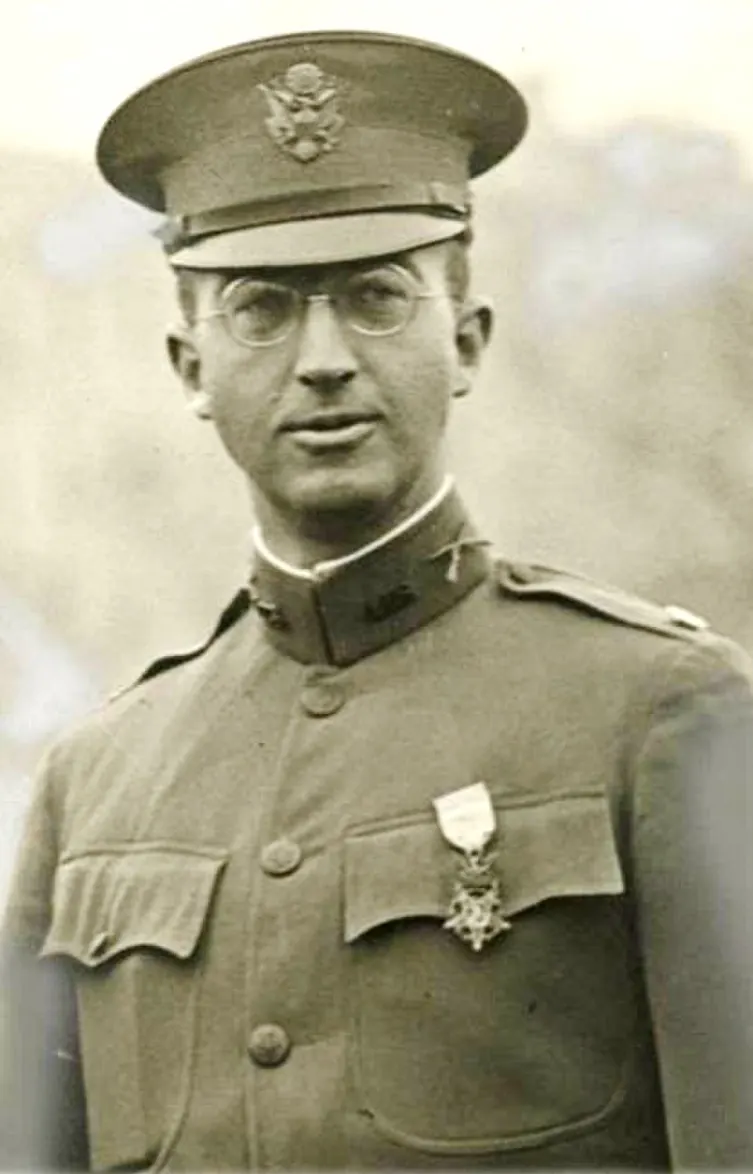
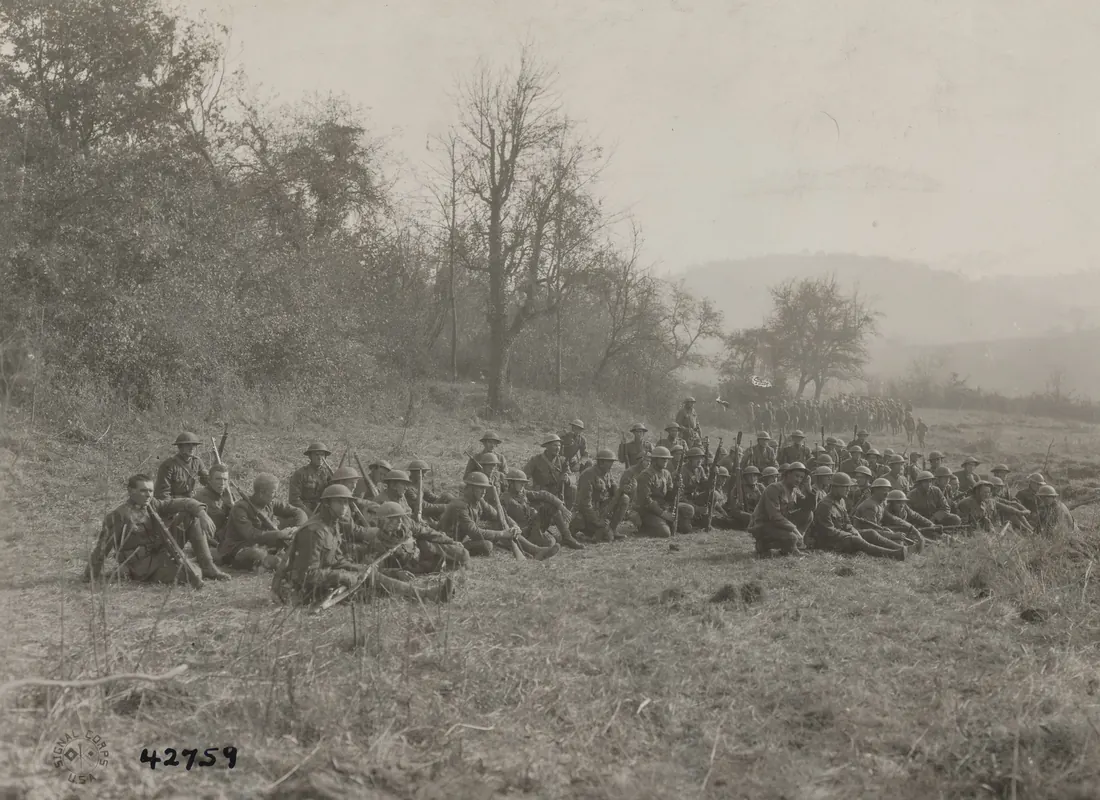
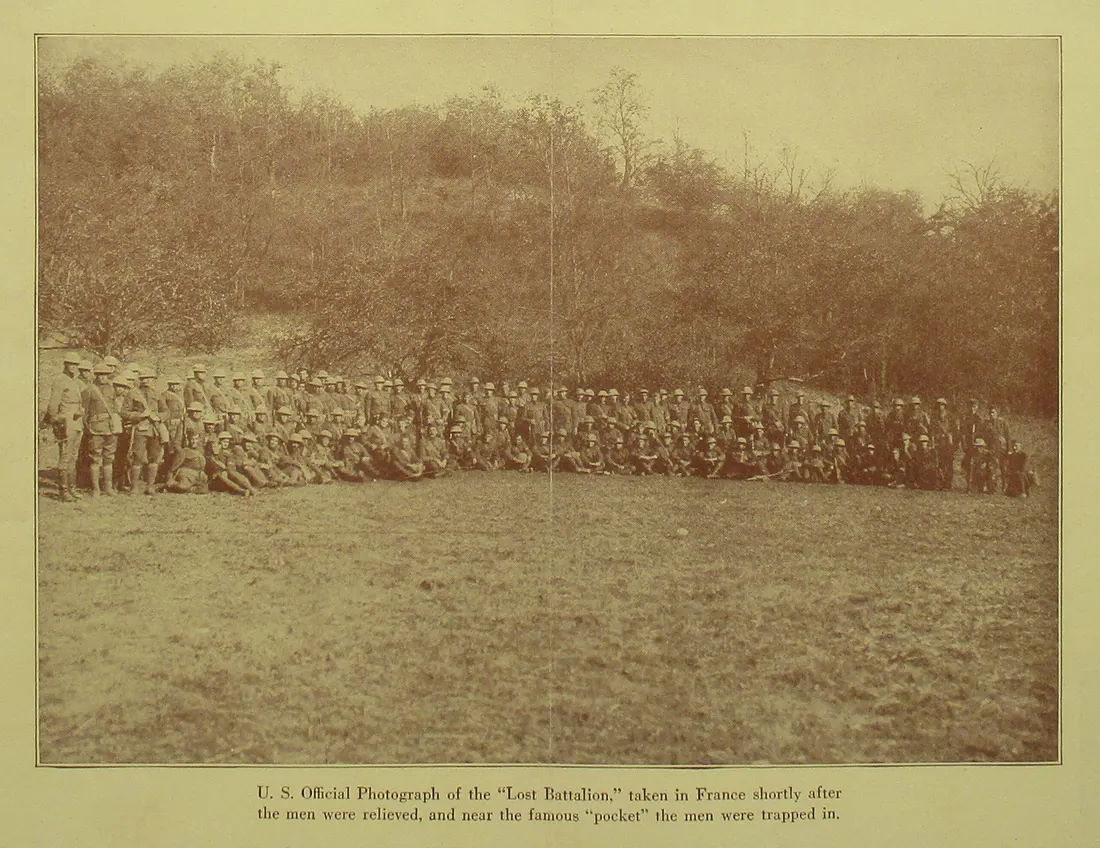
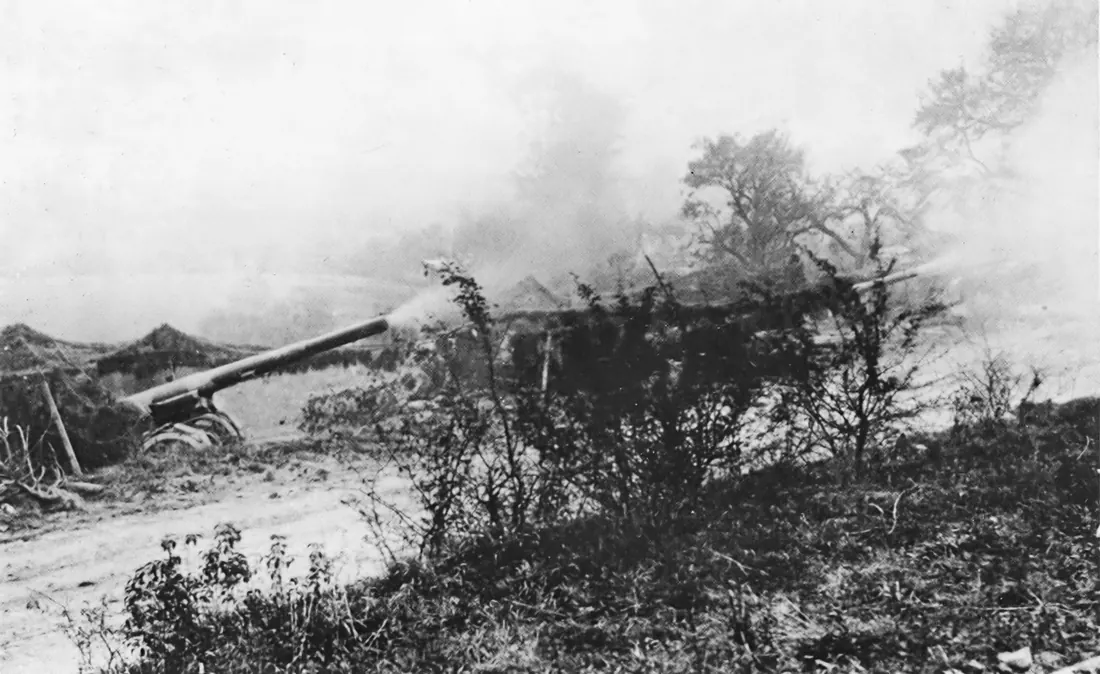
On October 4, 1918, Major Charles Whittlesey’s “Lost Battalion” of the 77th Division, over 500 men, was surrounded by German forces in the Argonne Forest in France. Then American artillery began shelling them by mistake, because of mistaken position coordinates.
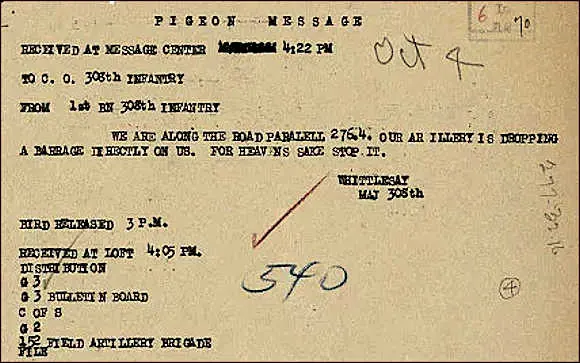
Whittlesey wrote down their position and ended his note: “For heaven’s sake stop it.” The message was attached to the leg of Cher Ami, a homing pigeon of the US Army Signal Corps, and he was released. The message record reads: “Bird released 3 P.M., received at loft 4:05 PM.”
He arrived with a deep chest wound that cut through his breastbone, from a bullet or a shell fragment, and the message tube hung from what was left of his right leg. The shelling had stopped by then, but the message gave the battalion’s exact coordinates, which helped their eventual relief. When it came days later, only 194 men walked out.
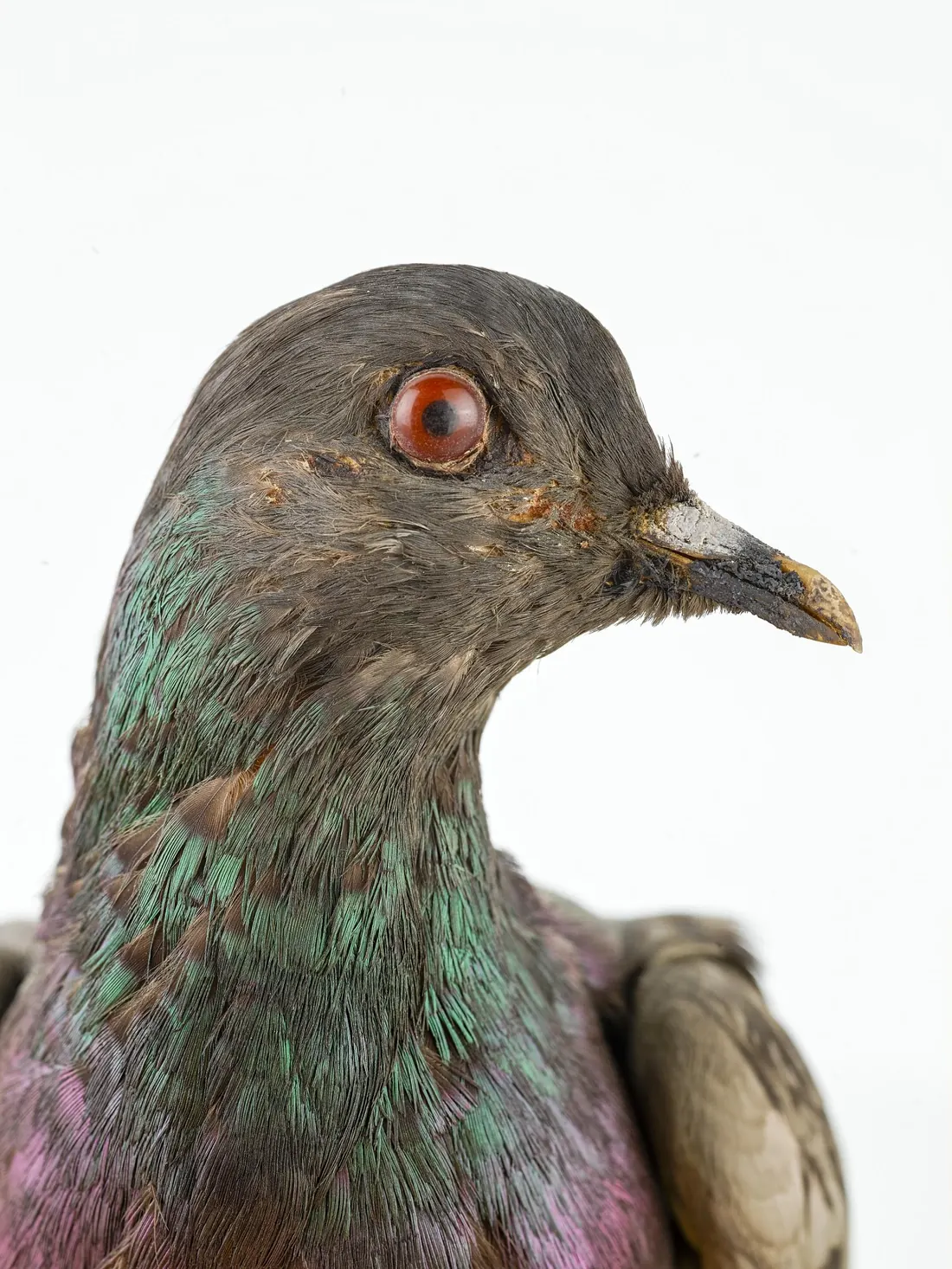
The US Army credits Cher Ami with saving the Lost Battalion, though the Smithsonian’s own record calls the surviving evidence “inconclusive.” France awarded him the Croix de Guerre with palm. His chest wound made him steadily weaker, and he died on June 13, 1919. Today his mounted body stands on one leg at the Smithsonian’s National Museum of American History.
Fact check
The facts and where they come from
- Cher Ami was a male (“cock”) homing pigeon of the US Army Signal Corps. A 2021 Smithsonian DNA test confirmed he was male. 16
- On October 4, 1918, Major Charles Whittlesey’s “Lost Battalion” (77th Division) was surrounded by German forces in the Argonne Forest, France. 14
- The battalion had over 500 men: about 554, though estimates vary (Wikipedia also gives 545). 45
- American artillery shelled them by mistake, because of mistaken position coordinates. 1
- Whittlesey’s note gave their position (the road at parallel 276.4) and ended “For heaven’s sake stop it.” Transcriptions of the earlier part of the note differ (“Our artillery” or “Our own artillery”), so we quote only the last five words, which every version shares. 123
- The message was attached to Cher Ami’s leg, and the bird was released. 13
- He reached his loft about an hour after release. The message record reads “Bird released 3 P.M., received at loft 4:05 PM.” 12
- He arrived with a deep chest wound cutting through the breastbone, from a bullet or a shell fragment. The message tube hung from the remains of his right leg, which the Army later amputated. 1
- The shelling had stopped by the time he arrived, but his message gave the battalion’s exact coordinates, which helped their eventual relief: on the night of October 7, according to the Smithsonian, or on October 8, when the relief linked up, according to Wikipedia. 14
- Only 194 men walked out. 345
- The US Army credits Cher Ami with saving the Lost Battalion (“credited with saving”; “allowed 194 Soldiers to survive”). The Smithsonian’s own record calls the surviving evidence “inconclusive” and calls parts of the story “legend.” 651
- France awarded him the Croix de Guerre with palm. 13
- His chest wound made him steadily weaker, and he died on June 13, 1919. One army.mil article says July 1919, but the Smithsonian, which holds him, and Wikipedia both say June. 13
- His mounted body is at the Smithsonian’s National Museum of American History (in the “Price of Freedom” exhibition), standing on one leg. 13
Sources
- Cher Ami (object record) Smithsonian National Museum of American History
- Whittlesey’s message carried by a pigeon named Cher Ami Wikimedia Commons
- Cher Ami Wikipedia
- Lost Battalion (World War I) Wikipedia
- Fine feathered friends US Army (army.mil)
- Century old mystery solved: Cher Ami US Army (army.mil)
Notes
We report the rescue as the US Army’s credit, not as settled fact: the Smithsonian calls the surviving evidence “inconclusive” and parts of the story “legend.”
The relief came on the night of October 7 according to the Smithsonian, or October 8 according to Wikipedia, so we say “days later.”
Left out as disputed or myth: an eye wound (Wikipedia says photos from April 1919 show no sign of it), “25 miles in 25 minutes” (the record says about an hour), that he was shot down and flew on (not in the Smithsonian’s record), that he was the eighth and last pigeon (the Smithsonian calls this legend), that his message stopped the barrage (the shelling had already stopped), and a Distinguished Service Cross, which he never received.
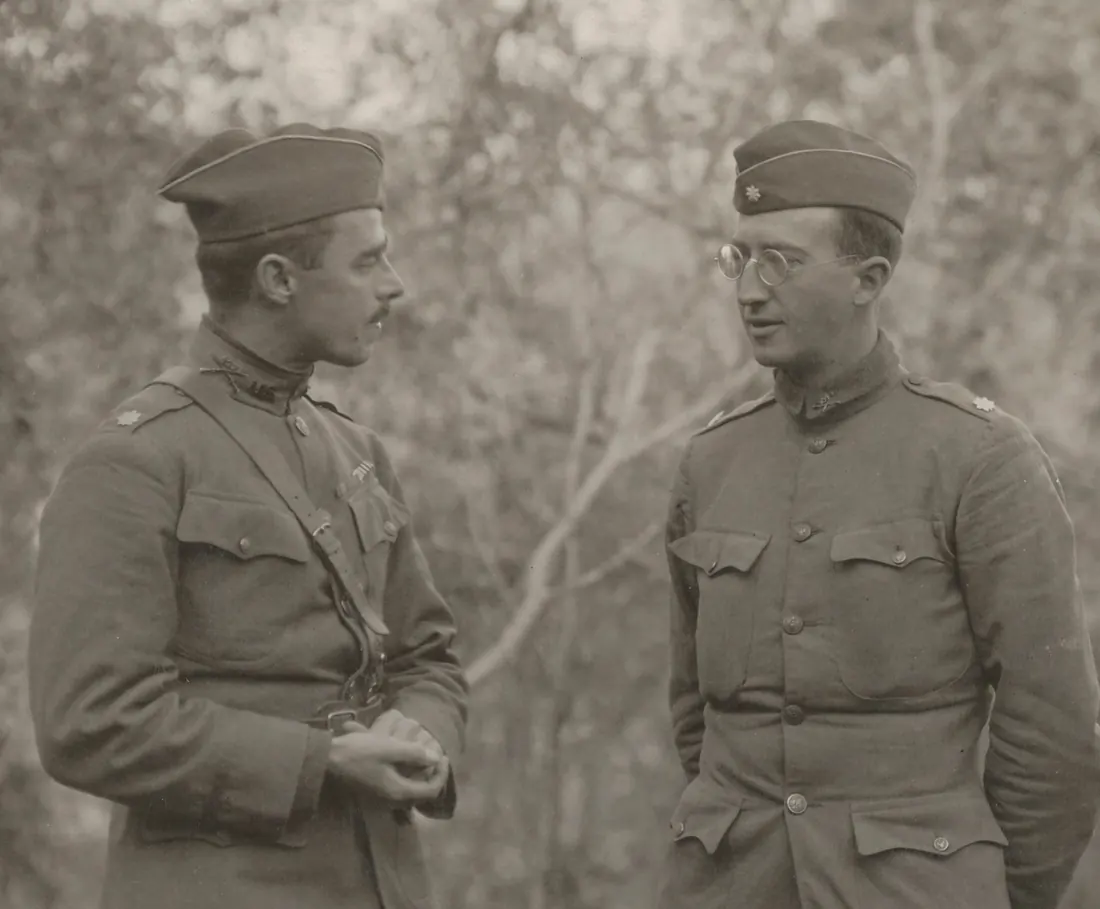
The photos of the Lost Battalion’s men were taken after the relief, in late October 1918. The artillery photo is from the same offensive, but not the battery that fired on them.
Photo credits
The archive photos in this story
All the photographs and illustrations in this story are in the public domain. Tap one to enlarge it, or follow the link to its Wikimedia Commons page for the full record. The narration, music, captions and graphics in the Short are our own.