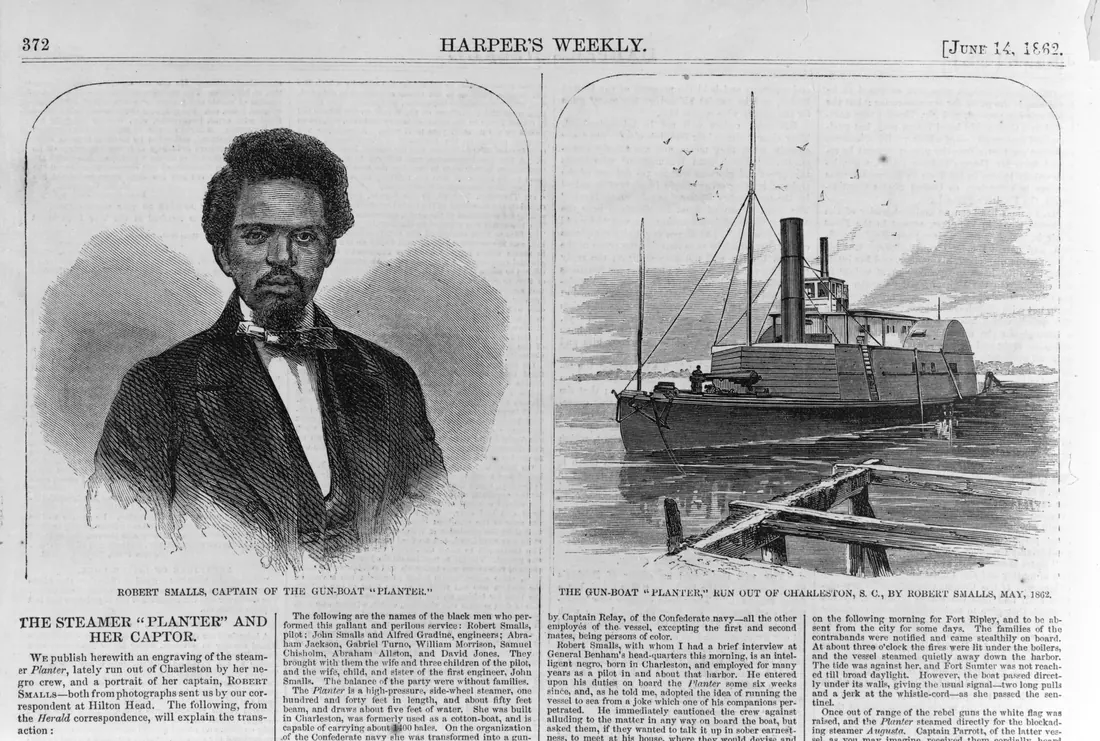
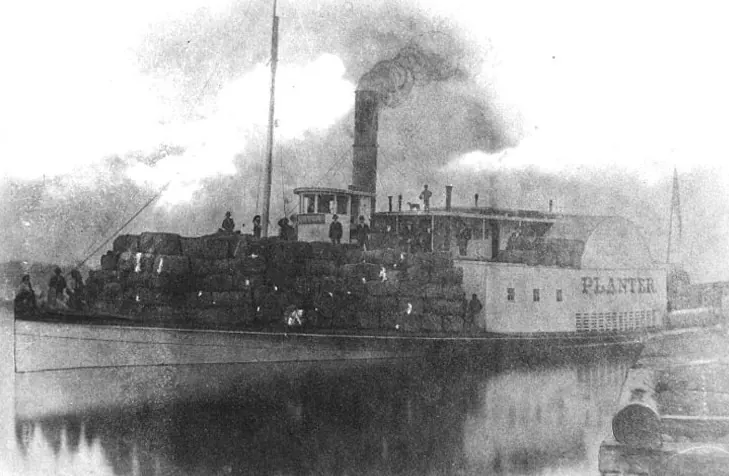
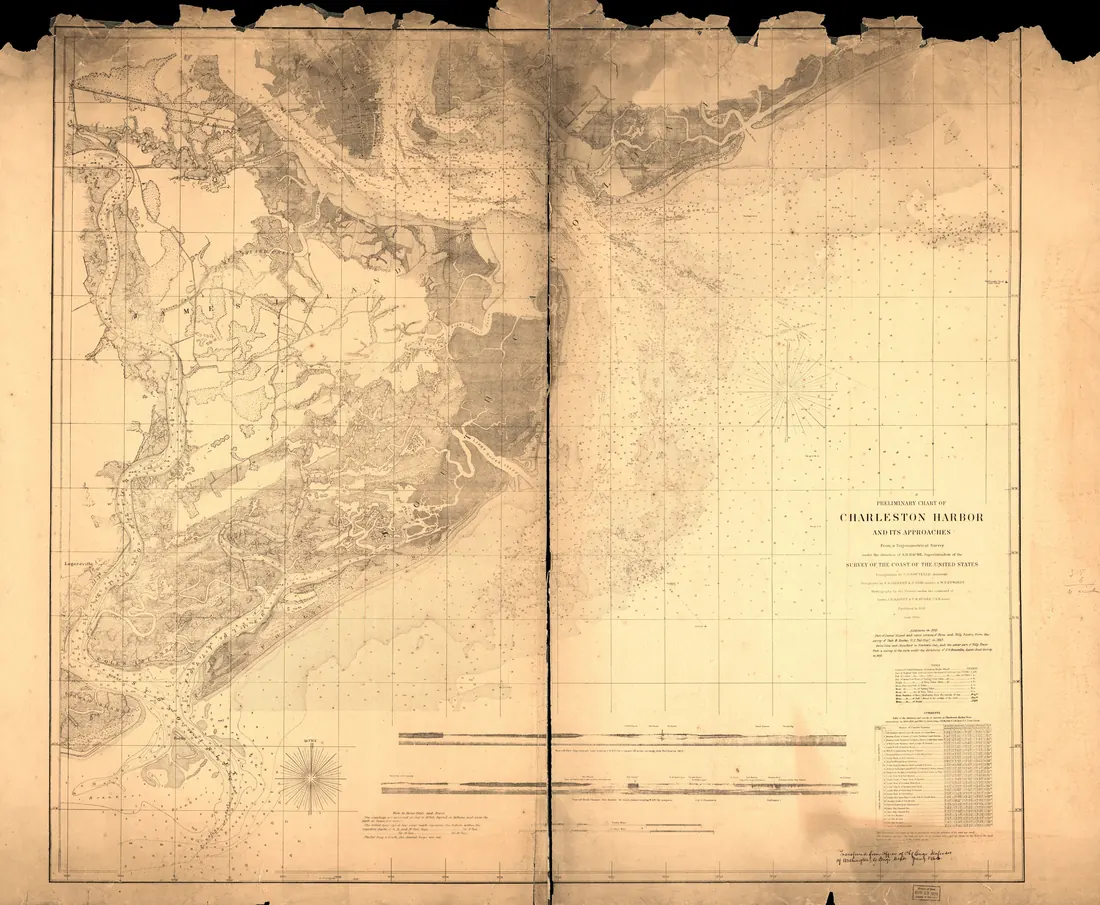
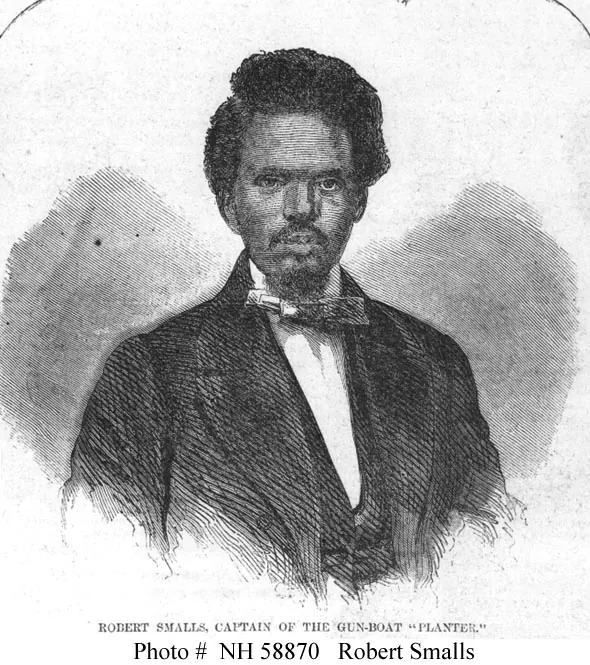
Robert Smalls was enslaved, and he steered the Confederate steamer Planter in Charleston harbor. Enslaved men were not allowed the title of pilot, so he was called its wheelman. He asked his wife’s owner if he could buy his family outright. The price was $800, and he had only $100.
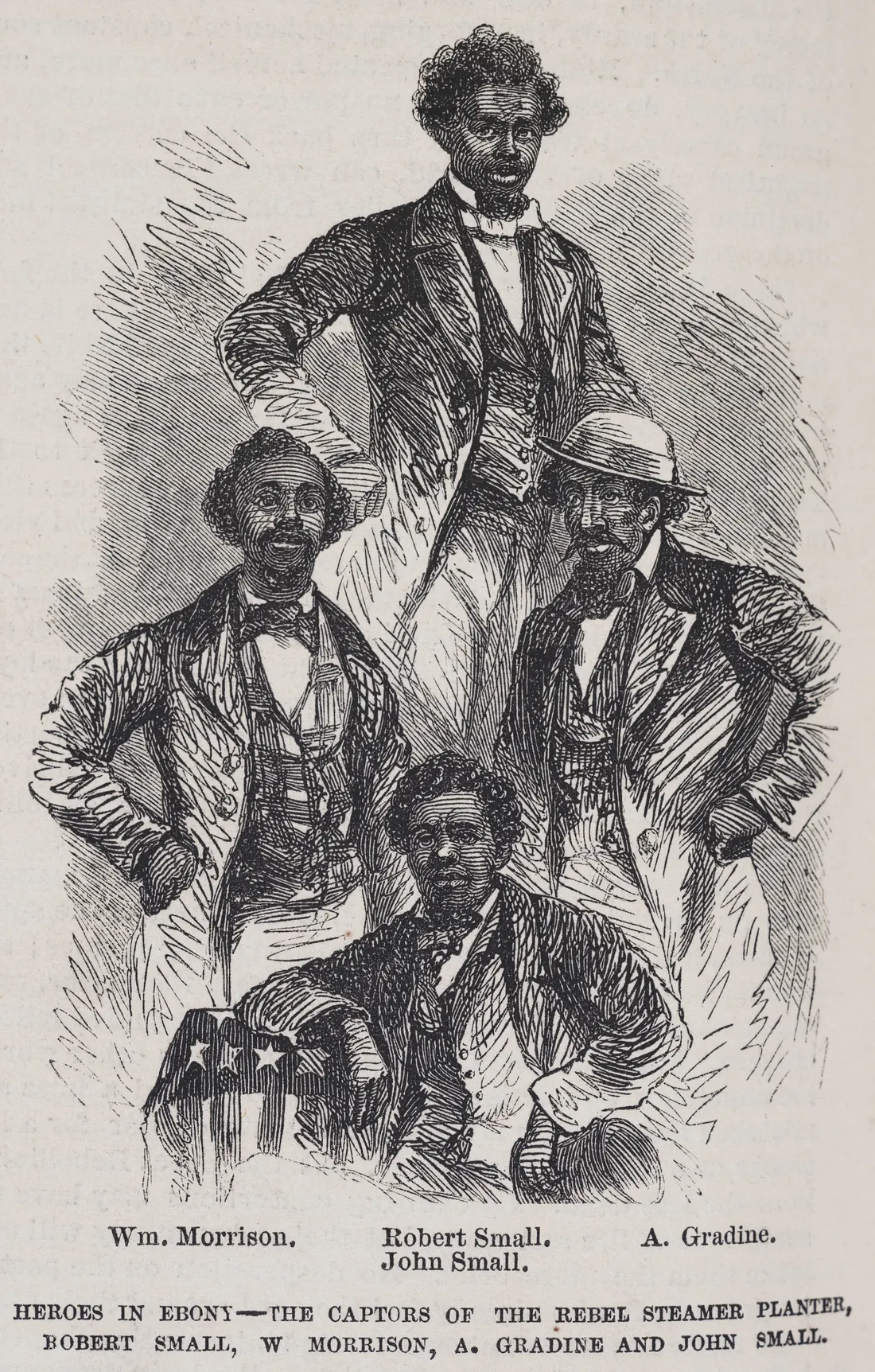
Before dawn on May 13, 1862, the white officers were ashore for the night. At about 3 a.m. the Planter’s boilers were fired. Smalls put on Captain Relyea’s straw hat and coat and picked up the families at another wharf. By the National Park Service’s count, 16 freedom seekers were aboard. They had no intention of being taken alive: they would fight and, if necessary, sink the ship.
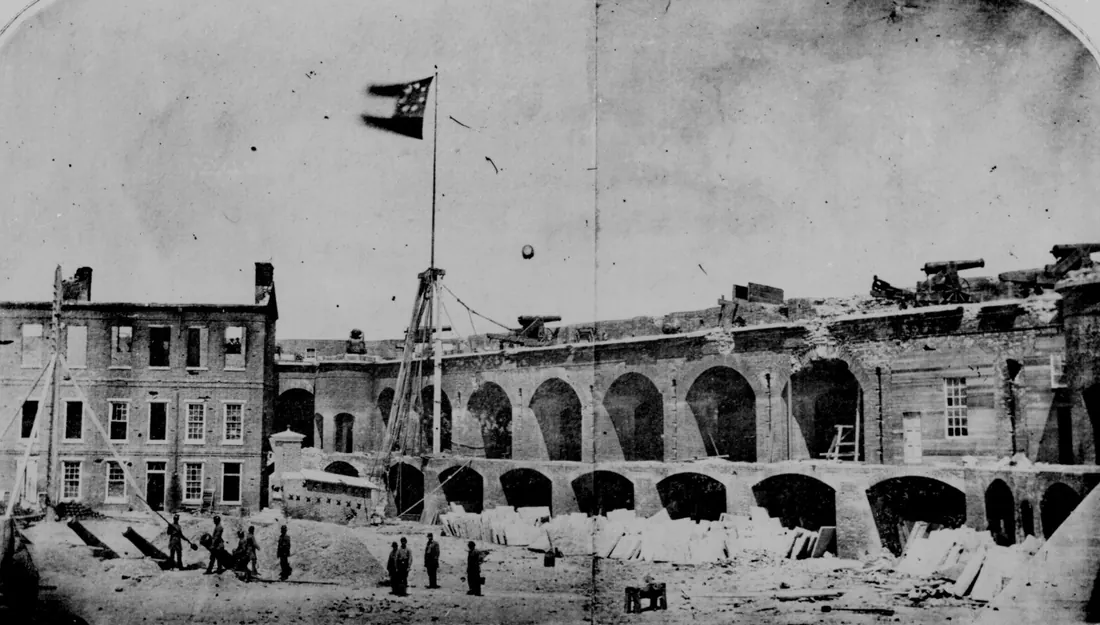
At about 4:15 a.m. they reached Fort Sumter. Smalls gave the correct signal, folded his arms like the captain, and was allowed to pass. Approaching the Union blockade, the crew replaced the Confederate flags with a white bed sheet his wife had brought. USS Onward readied its guns and was about to fire until a crewman spotted the white flag. In an Onward crewman’s account, Smalls called out: “Good morning, sir! I’ve brought you some of the old United States guns, sir!” The crew of the Planter and their families were free.
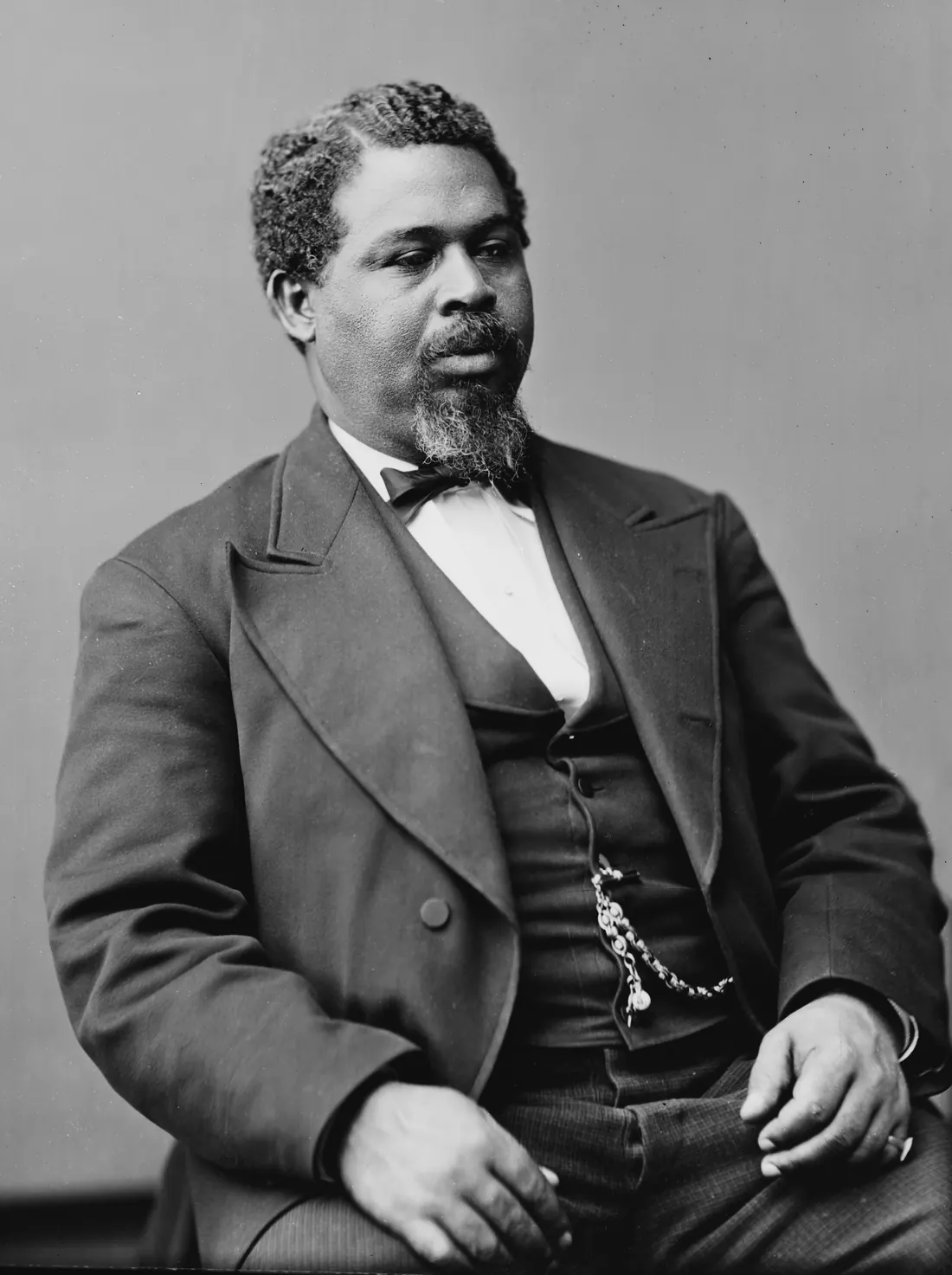
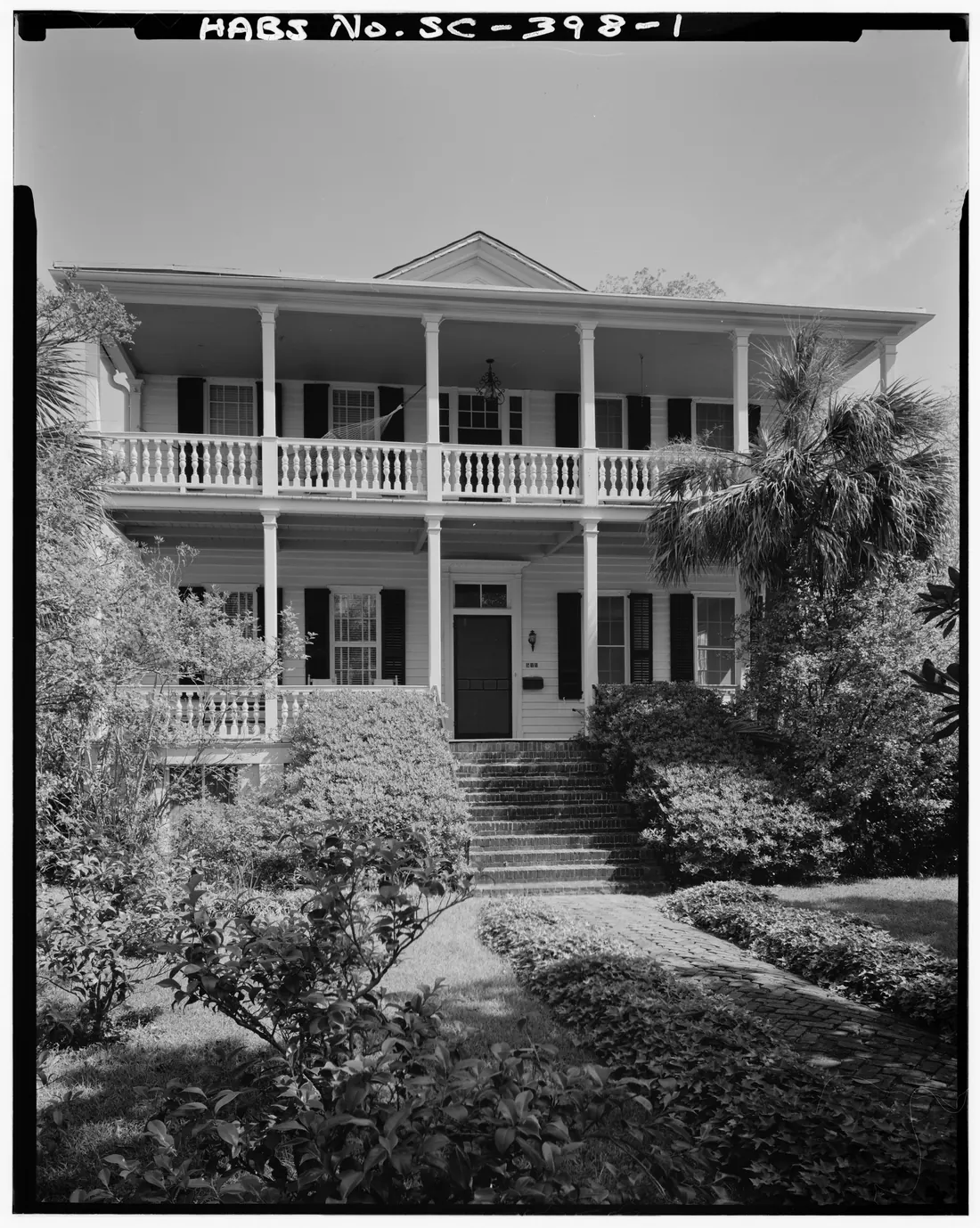
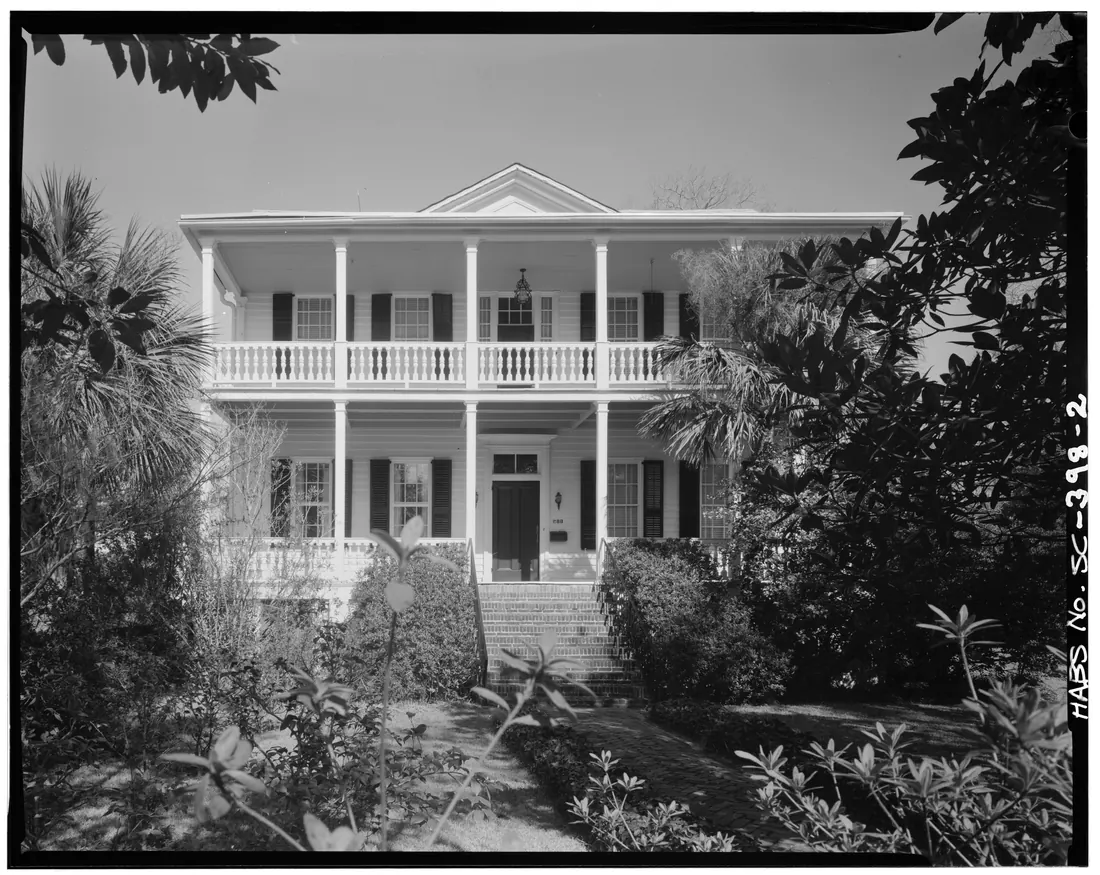
With prize money from the Planter (his own share was $1,500), Smalls bought the mansion of Henry McKee, the man who had once enslaved him. He served five terms in the US House of Representatives between 1875 and 1887. He had been born in a cabin behind that house, at 511 Prince Street in Beaufort, and in 1915 he died in that same house.
Fact check
The facts and where they come from
- Robert Smalls was enslaved. On May 13, 1862, he took the Confederate steamer Planter, a lightly armed military transport, and handed it to the US Navy, freeing himself and his family. 216
- He steered the Planter in Charleston harbor. Enslaved men were not allowed the title of pilot, so he was its “wheelman”; the National Park Service calls him a pilot. 12
- He asked his wife’s owner if he could buy his family outright. The price was $800, and he had only $100. 51
- The escape was before dawn on May 13, 1862: the boilers were fired at about 3 a.m., and the Planter passed Fort Sumter at about 4:15 a.m. 24
- The white officers had gone ashore for the night. 152
- He wore Captain Relyea’s straw hat and coat, and picked up the families at another wharf. 35
- Sixteen freedom seekers were aboard, according to the National Park Service: Smalls, nine other crewmen and six family members. PBS gives 17 passengers (nine men, five women and three children). 435
- They had no intention of being taken alive: they would fight and, if necessary, sink the ship (PBS, summarizing the Naval Committee report). 5
- At Fort Sumter he gave the correct signal and was allowed to pass. He folded his arms like the captain. 435
- Approaching the blockade, the crew replaced the Confederate flags with a white bed sheet his wife had brought. 53
- USS Onward readied its guns and was about to fire until a crewman spotted the white flag. 31
- “Good morning, sir! I’ve brought you some of the old United States guns, sir!” The words come from an Onward crewman’s account quoted by PBS, which identifies the speaker as Smalls. 5
- The crew of the Planter and their families were free. 3
- With prize money from the Planter, he bought the mansion of Henry McKee, the man who had once enslaved him. His own share was $1,500. 25
- He served five terms in the US House of Representatives between 1875 and 1887. 26
- He was born in a cabin behind McKee’s house at 511 Prince Street, Beaufort, and died in that same house in 1915. 156
Sources
- Robert Smalls Wikipedia
- Robert Smalls National Park Service
- The Planter National Park Service
- The Underground Railroad and Fort Sumter National Park Service
- Which Slave Sailed Himself to Freedom? (Henry Louis Gates Jr.) PBS
- Smalls, Robert US House of Representatives: History, Art & Archives
Notes
Sources differ on how many people were aboard: the National Park Service says 16, PBS says 17. We use the National Park Service figure.
Sources differ by a day on the date of his death (February 22 or 23, 1915), so we give only the year.
Left out because the sources disagree or don’t confirm it: the number of guns aboard (four or six), which wharf the families boarded at, and a meeting with Abraham Lincoln.
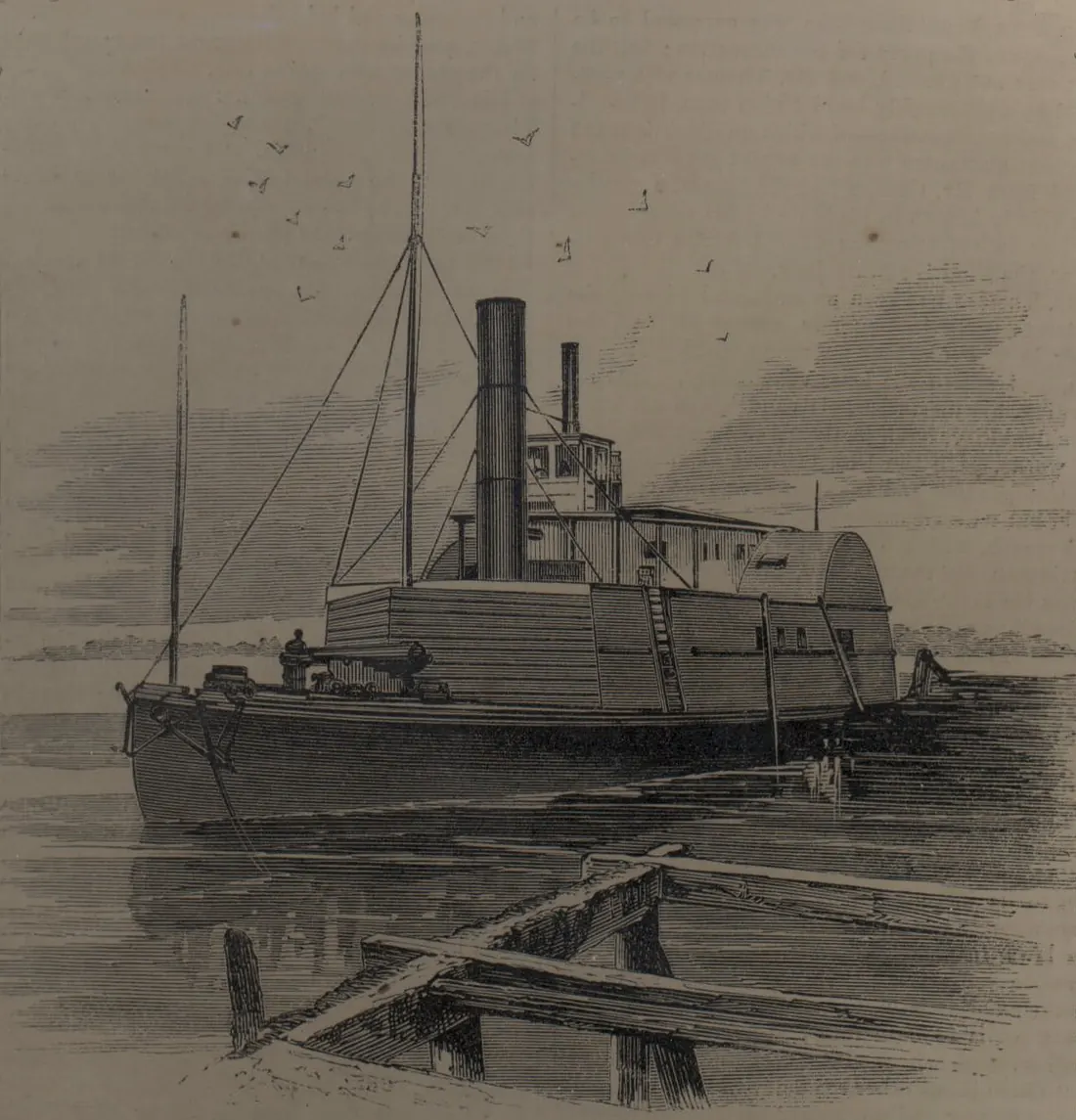
Harper’s Weekly called the Planter a “gun-boat” in June 1862; Wikipedia calls it a lightly armed Confederate military transport.
The Fort Sumter photo was taken in April 1861, a year before the escape, when the fort already flew the Confederate flag. The photo of the Planter is undated (1860s–70s), and the Brady portrait shows Smalls in the 1870s, his years in Congress.
Photo credits
The archive photos in this story
All the photographs and illustrations in this story are in the public domain. Tap one to enlarge it, or follow the link to its Wikimedia Commons page for the full record. The narration, music, captions and graphics in the Short are our own.