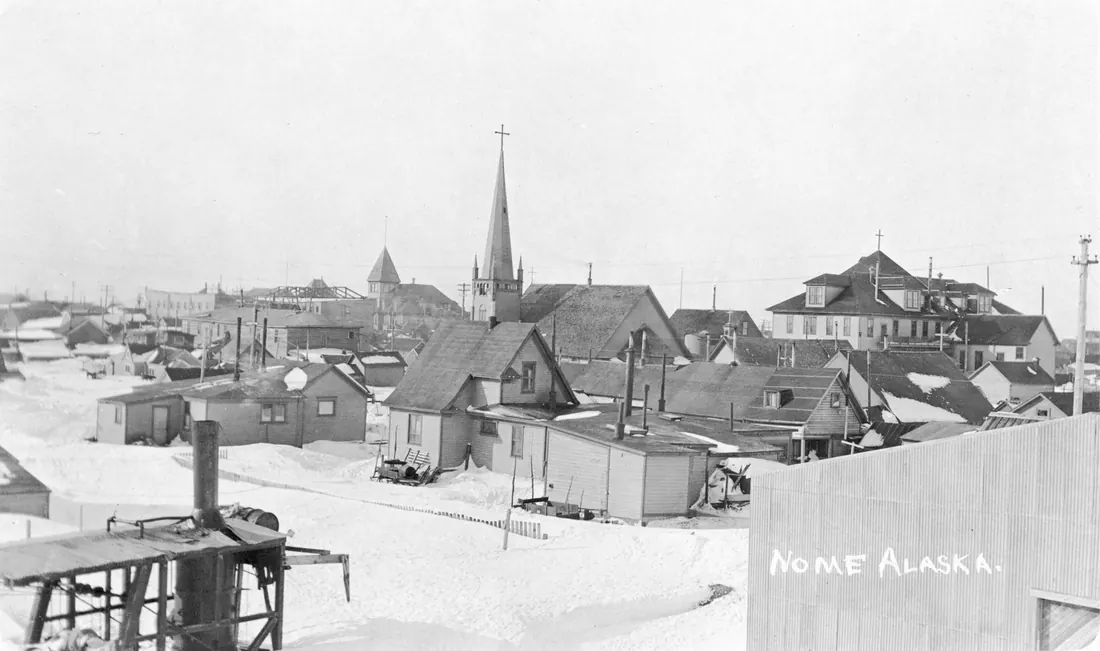
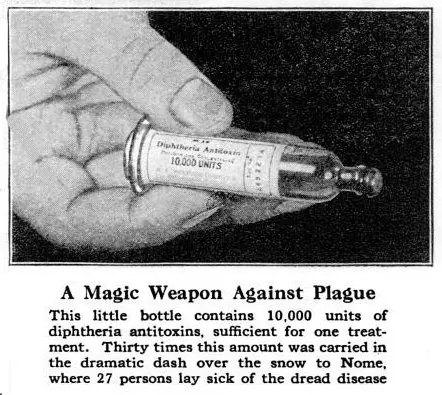
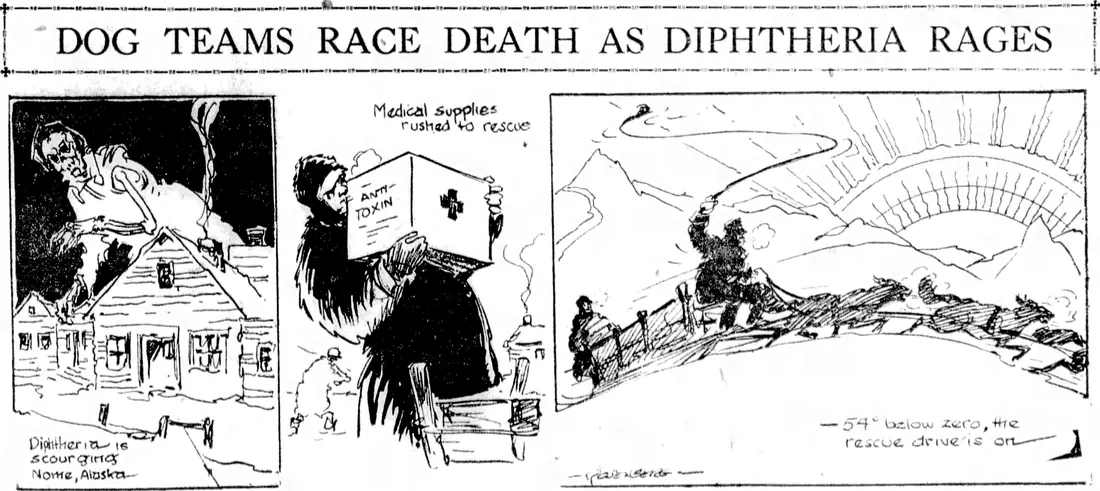
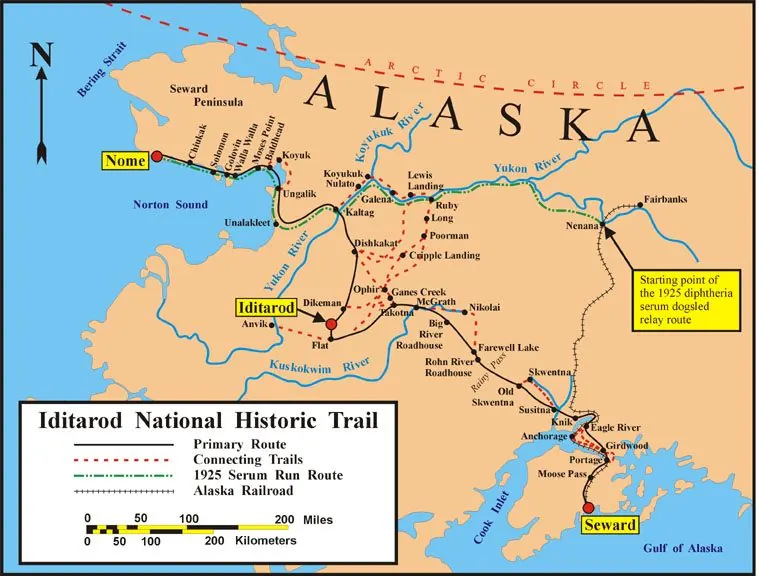
In January 1925, diphtheria broke out in Nome, Alaska. Children were dying: the first diagnosed case, a three-year-old boy, died, and so did a seven-year-old girl. The hospital’s entire batch of antitoxin had expired. New serum was found in Anchorage, and a relay of 20 mushers and about 150 dogs carried it 674 miles from Nenana to Nome in about five and a half days.
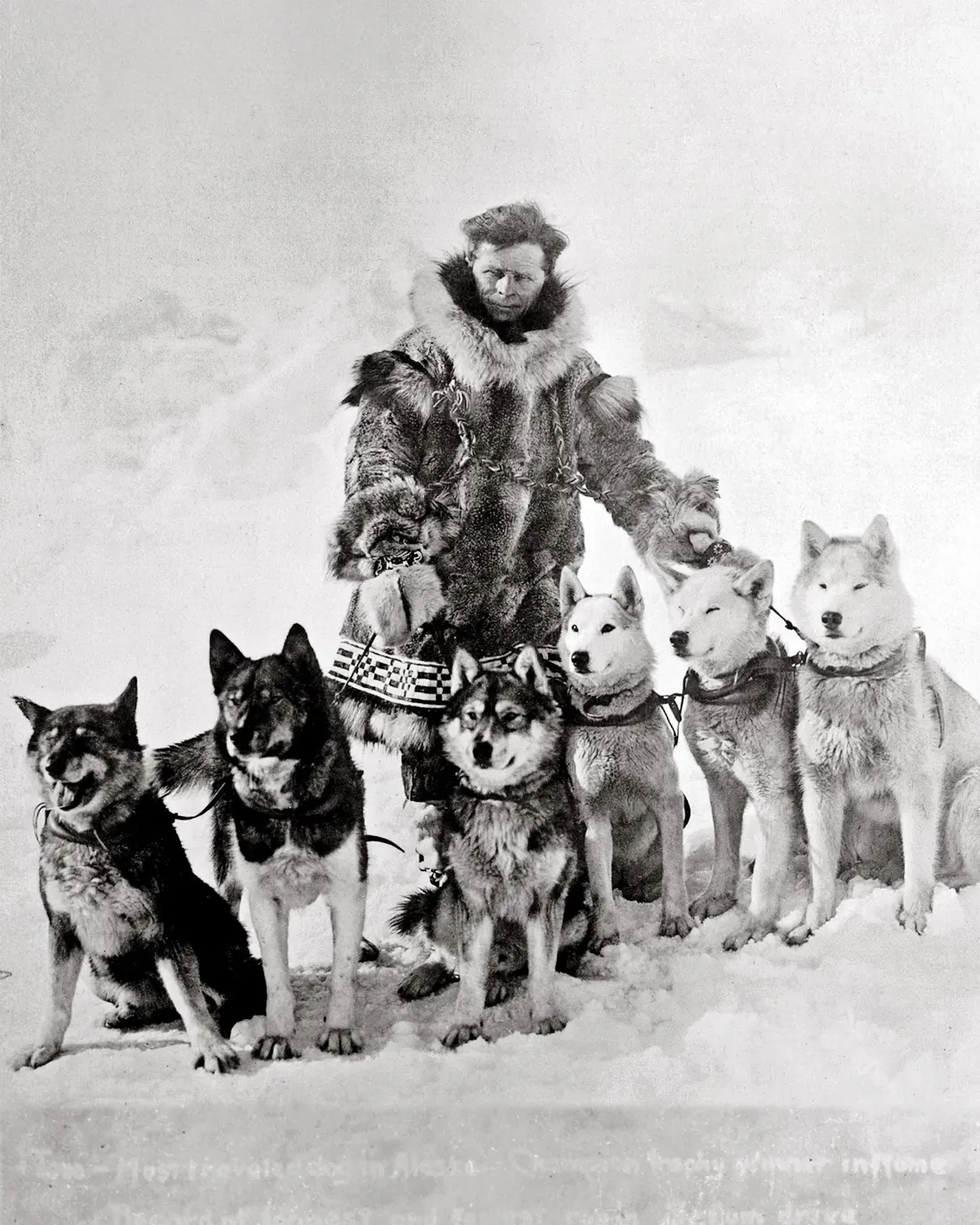
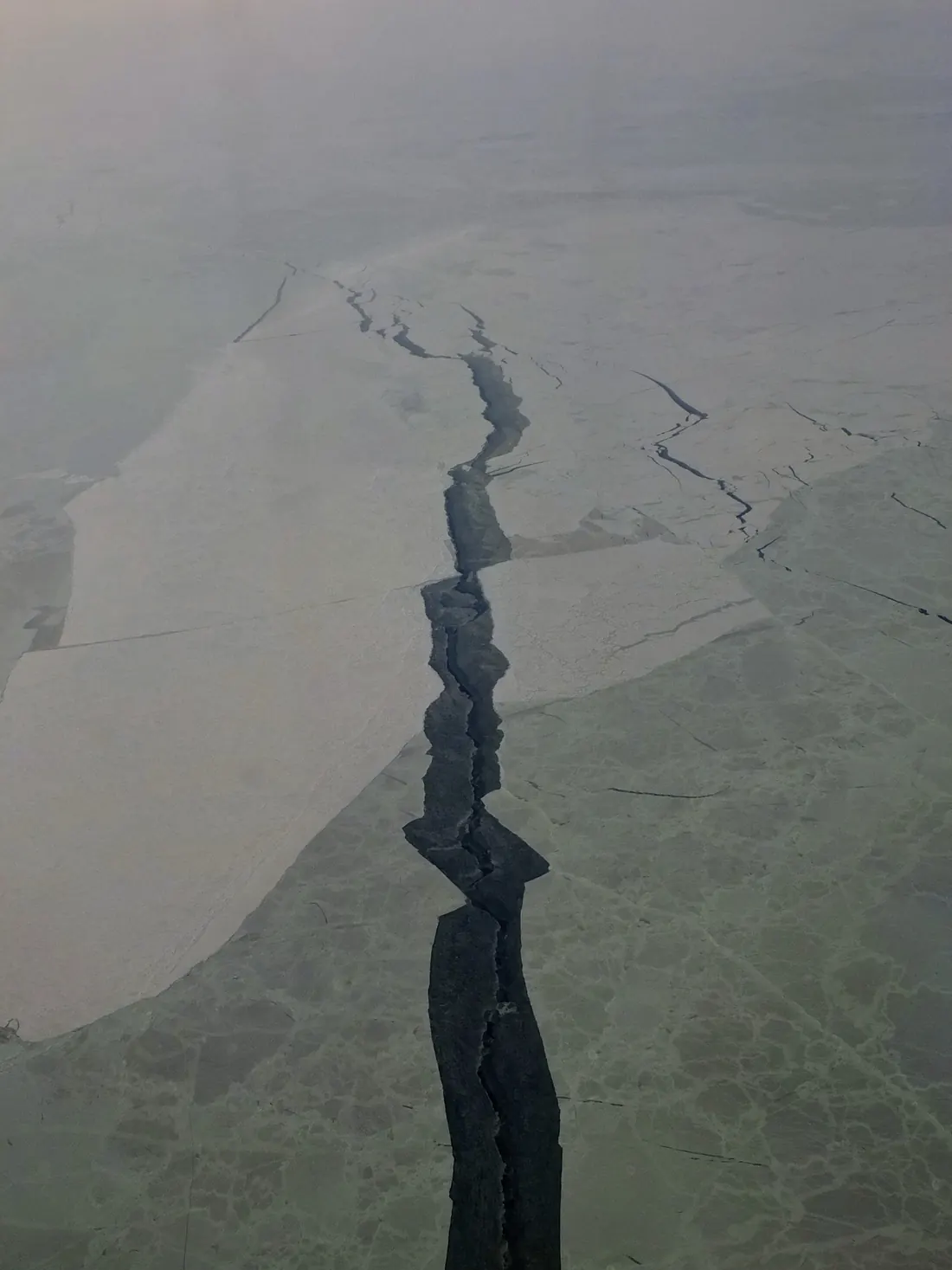
Musher Leonhard Seppala drove his 12-year-old lead dog, Togo, about 170 miles east from Nome to meet the relay near Shaktoolik on January 31. Coming back, they took a shortcut across the sea ice of Norton Sound. In the dark and a ground blizzard, at an estimated −40 °F with winds up to 65 mph, Togo found the way to the roadhouse at Isaac’s Point. That night, while they slept, the storm blew the ice they had just crossed out to sea.
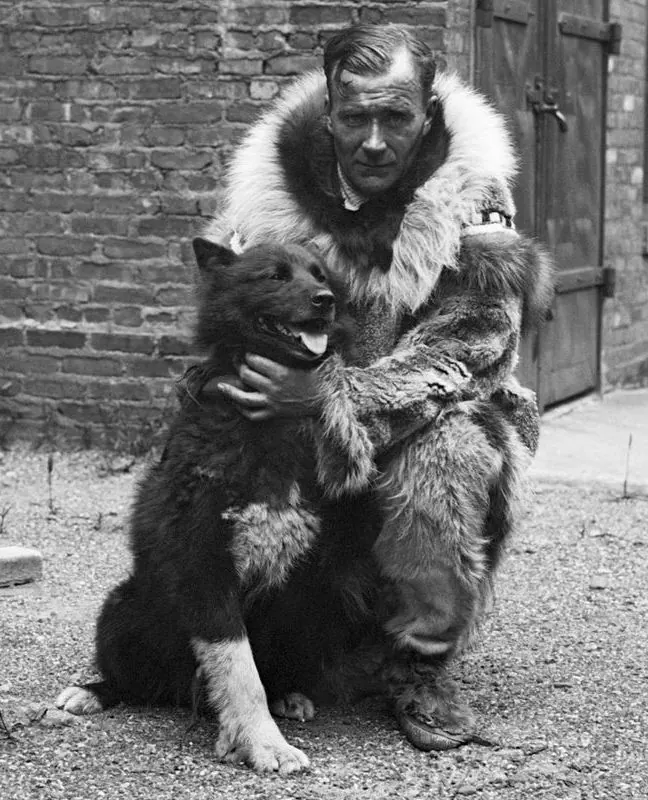
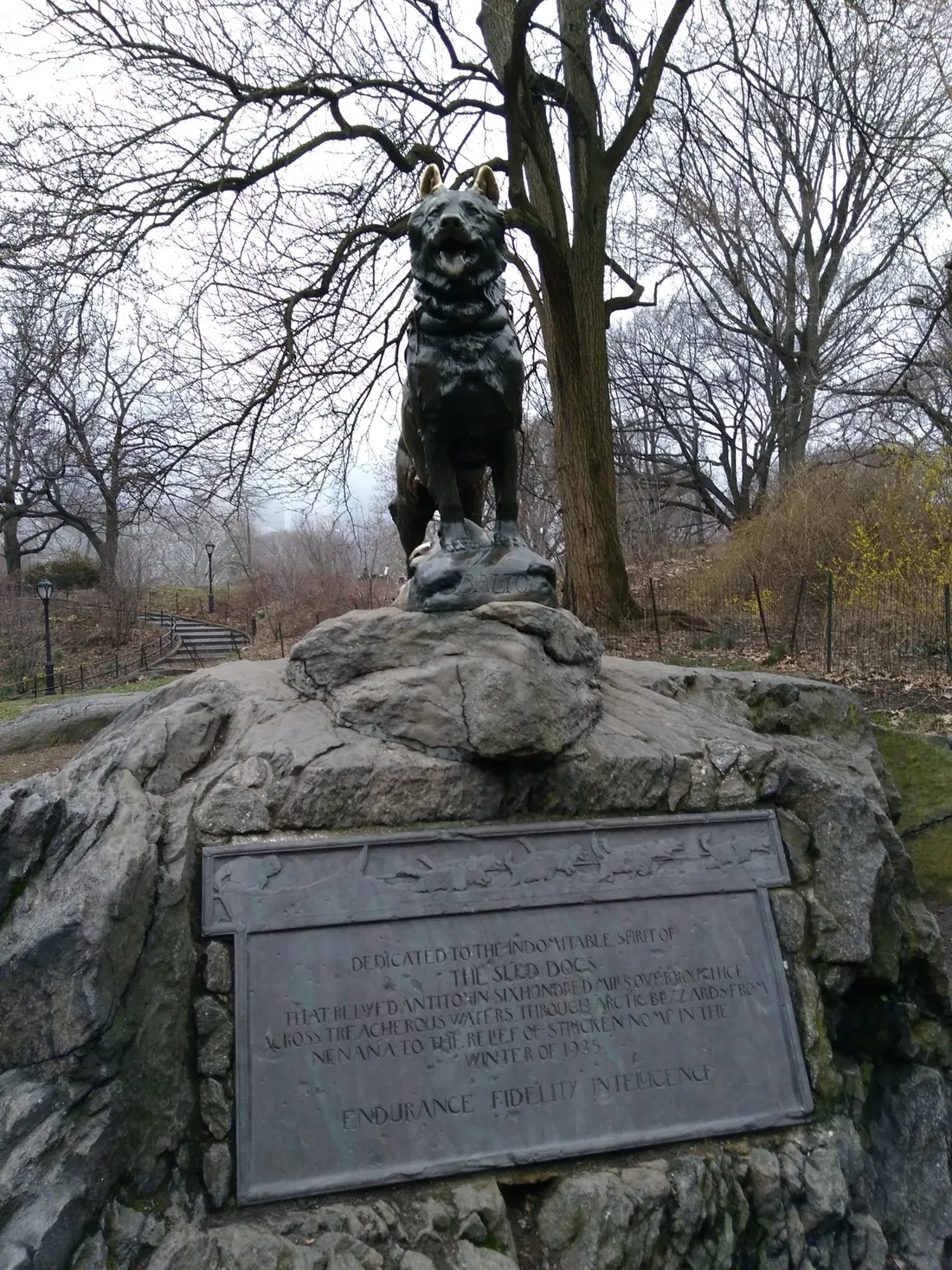
With the serum, Seppala and Togo ran 91 miles, and about 260 miles in all: the longest and most dangerous leg of the relay. Most teams carried it about 30 miles. But it was Balto who led Gunnar Kaasen’s final team into Nome, at 5:30 a.m. on February 2, 1925. The news made Balto the hero and left Togo out, and in December 1925 Balto got a statue in Central Park.
Seppala wrote in his memoir: “I resented the statue to Balto, for if any dog deserved special mention, it was Togo.” In 2001, 76 years after the run, Togo got a statue of his own in New York, on the Lower East Side in what is now Seward Park.
Fact check
The facts and where they come from
- Diphtheria broke out in Nome, Alaska, in January 1925; the first case was officially diagnosed in mid-January. 1
- Children were dying: the first diagnosed case, a three-year-old boy, died, and a seven-year-old girl died too. The hospital’s entire batch of antitoxin had expired. 1
- A relay of 20 mushers and their teams, about 150 dogs, carried new serum: 300,000 units found in Anchorage. 16
- The trail was 674 miles, from Nenana to Nome, run in about five and a half days (127.5 hours). 16
- Togo was 12 years old and had led Seppala’s team for seven years. 52
- Seppala drove Togo about 170 miles east from Nome to near Shaktoolik, where they met the relay on January 31. 2
- Coming back, they crossed the sea ice of Norton Sound as a shortcut. In the dark and a ground blizzard, at an estimated −40 °F with winds up to 65 mph, Togo found the way to the roadhouse at Isaac’s Point. 246
- That night, while they slept, the storm blew the ice they had just crossed out to sea. 14
- With the serum, Seppala and Togo ran 91 miles, from Shaktoolik to Golovin, and about 261 miles in all: the longest and most dangerous leg. 15
- Most teams carried the serum about 30 miles: the legs ran from 18 to 53 miles, and the American Kennel Club gives an average of 31 for the other teams. 16
- Balto led Gunnar Kaasen’s final team into Nome at 5:30 a.m. on February 2, 1925. 3
- The news made Balto the hero, and Togo was “left out of contemporary news of the event.” 28
- Balto got a statue in Central Park, unveiled in December 1925. 31
- Seppala wrote in his memoir: “I resented the statue to Balto, for if any dog deserved special mention, it was Togo.” 37
- Togo got his own statue in New York in 2001, on the Lower East Side (now Seward Park), 76 years after the run. 62
- The National Park Service says Balto “received the credit for saving the town,” while Togo’s leg was “the longest and most dangerous.” 5
Sources
- 1925 serum run to Nome Wikipedia
- Togo (dog) Wikipedia
- Balto Wikipedia
- Leonhard Seppala Wikipedia
- Togo National Park Service
- The True Story of Togo: Siberian Husky Sled Dog Hero of 1925 Nome Serum Run American Kennel Club
- Heroic Dog Togo Raced Across the Frozen Alaskan Wilderness to Deliver Life-Saving Medicine Smithsonian Magazine
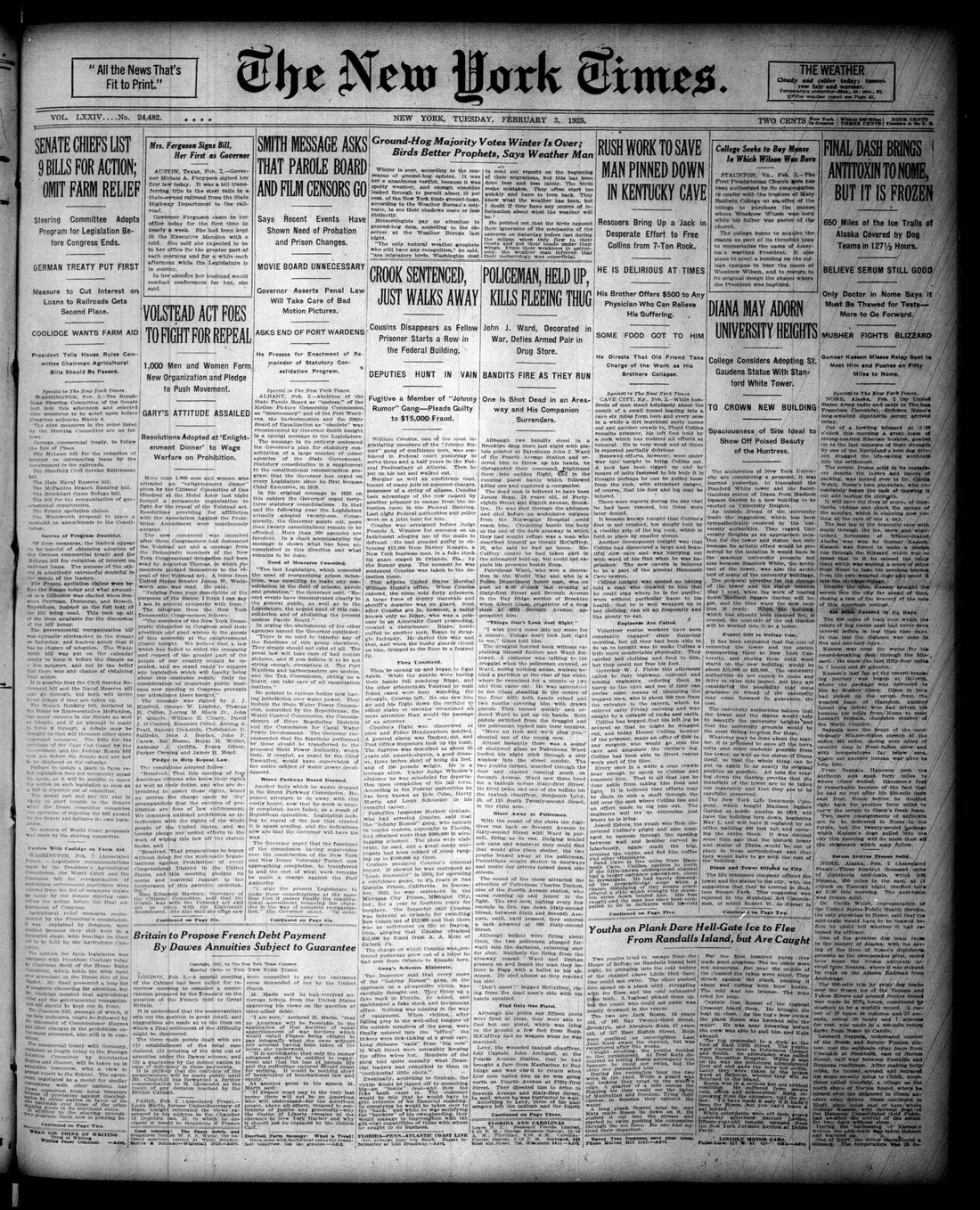
- The New York Times, February 3, 1925 (front page) Wikimedia Commons
Notes
Togo was not ignored entirely: Roald Amundsen gave him a gold medal at Madison Square Garden. “A statue of his own” means the 2001 statue of Togo alone; a 1997 statue at Cleveland Metroparks Zoo shows him alongside Balto.
Togo’s total is given as 261 miles (National Park Service, Wikipedia) or 264 (American Kennel Club), so the story says “about 260.” Balto’s leg is given as 53 or 55 miles, and some sources say up to 60, so we give no number for it.
Sources give the Balto statue’s unveiling as December 15 or 17, 1925.
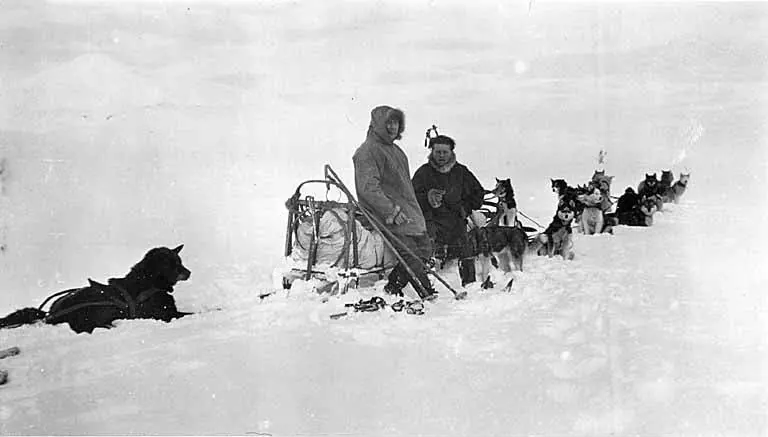
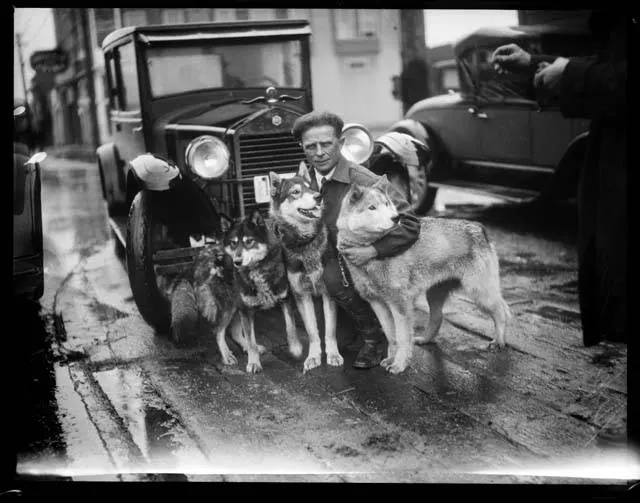
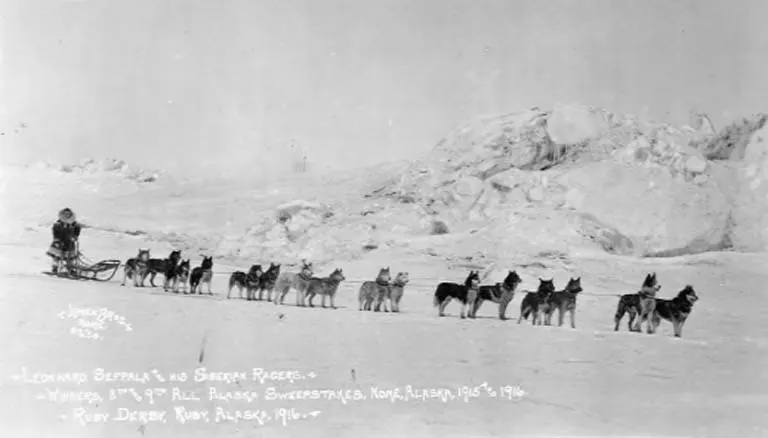
In the photo of Seppala with his dogs, Togo is the dog on the far left. The photos of Nome (1916), Seppala’s team (1916), the trail near Nome (1923) and Norton Sound’s sea ice (2013) show the people and places, not the 1925 run itself.
Photo credits
The archive photos in this story
All the photographs and illustrations in this story are in the public domain. Tap one to enlarge it, or follow the link to its Wikimedia Commons page for the full record. The narration, music, captions and graphics in the Short are our own.