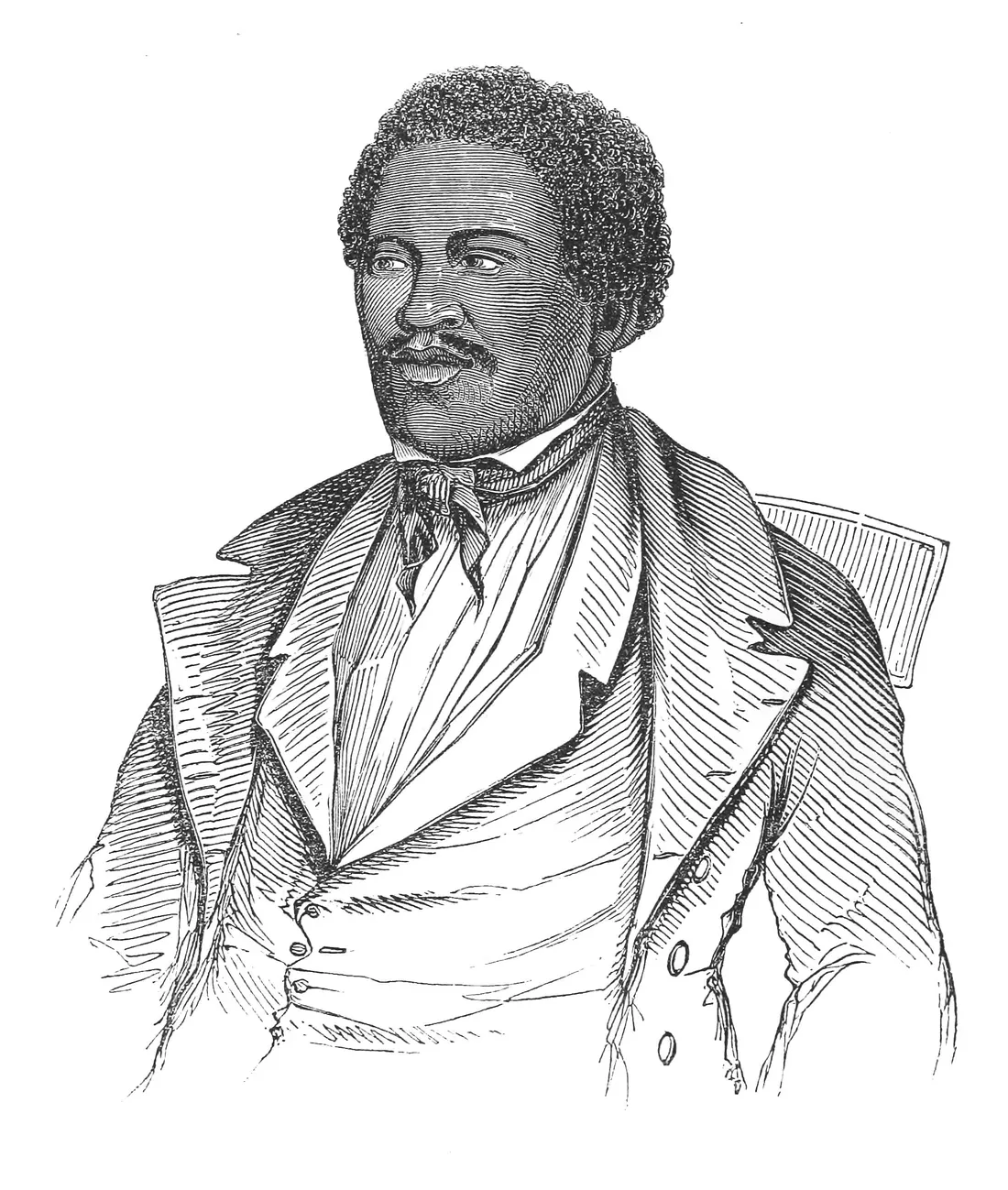
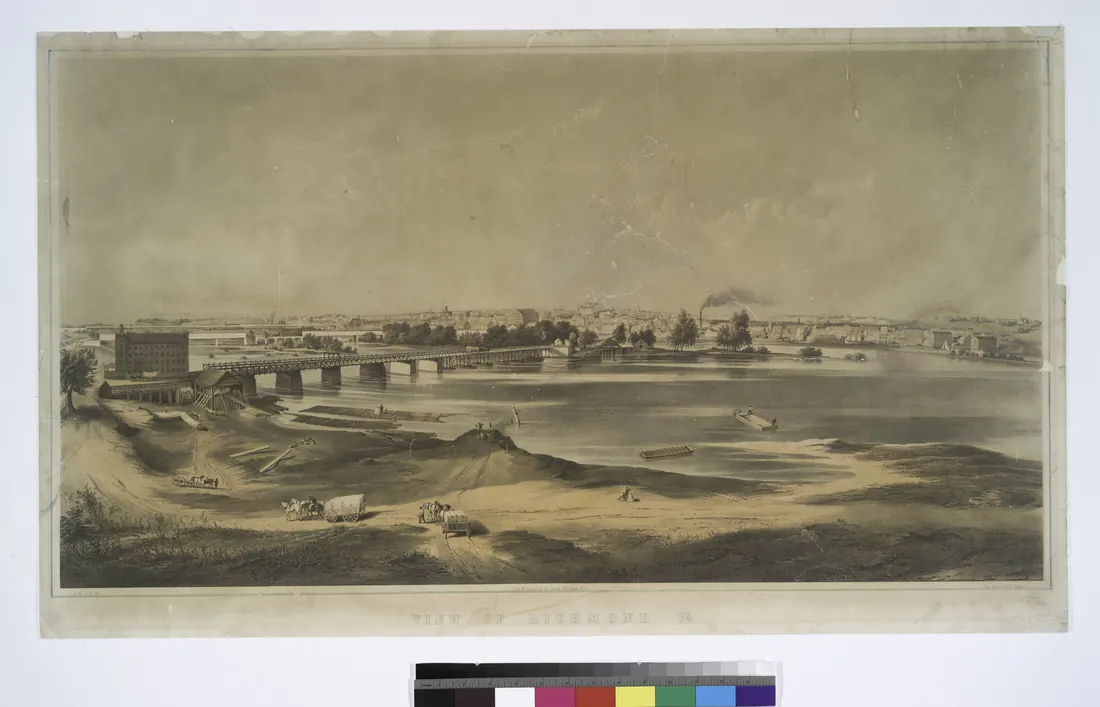
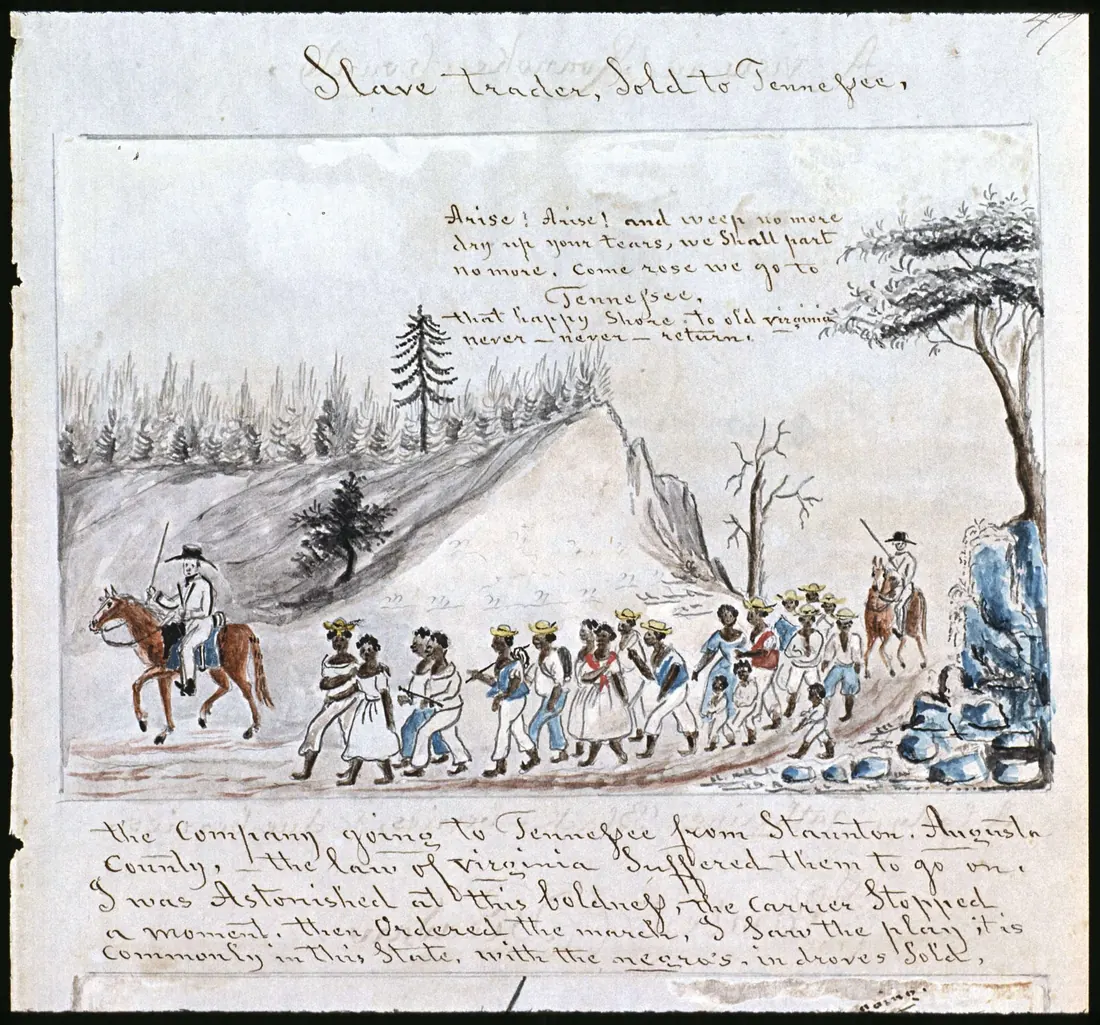
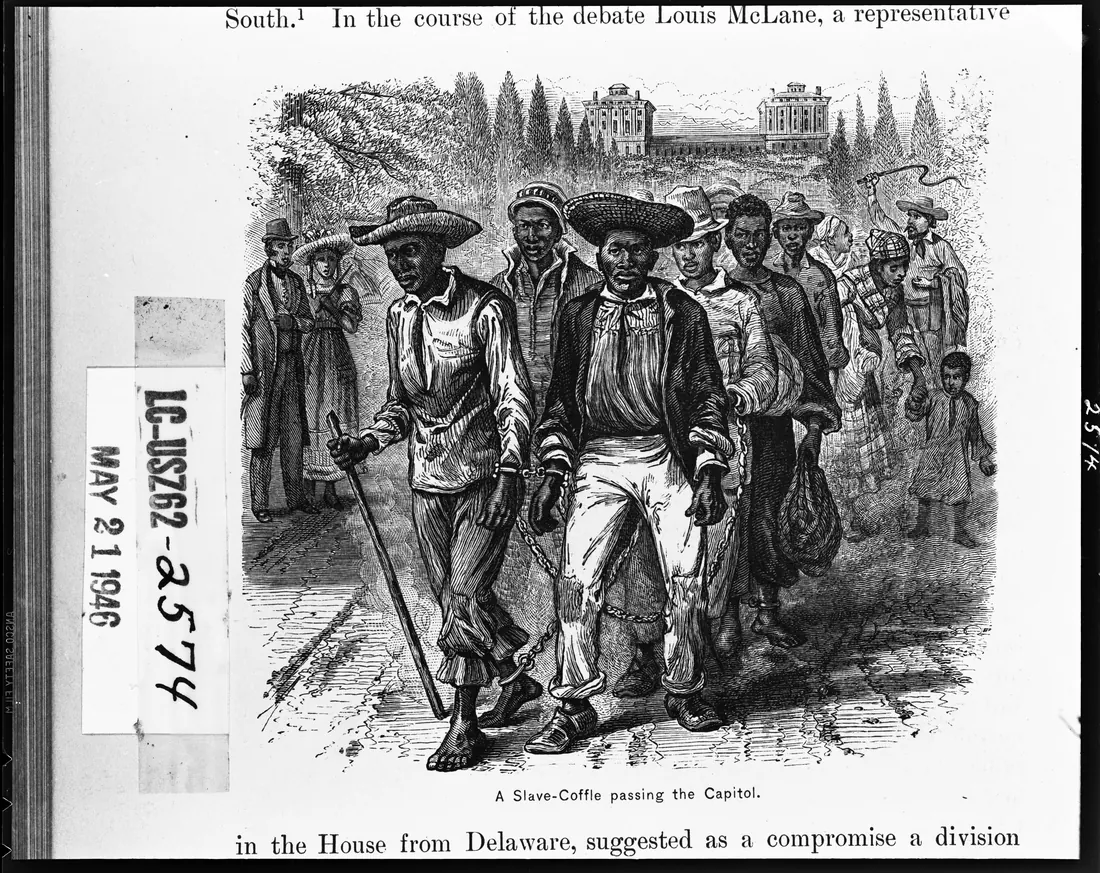
Henry Brown was enslaved in Richmond, Virginia, where he worked in a tobacco factory. In 1848 his wife, Nancy, pregnant with their fourth child, and their three children were sold to an enslaver in North Carolina. In his own account, he stood in the street as they were marched off in a gang of about 350 enslaved people, with ropes about their necks; his wife was “loaded with chains.” His eldest child called out from the foremost wagon, “father! father!” He went with his wife “for about four miles hand in hand.”
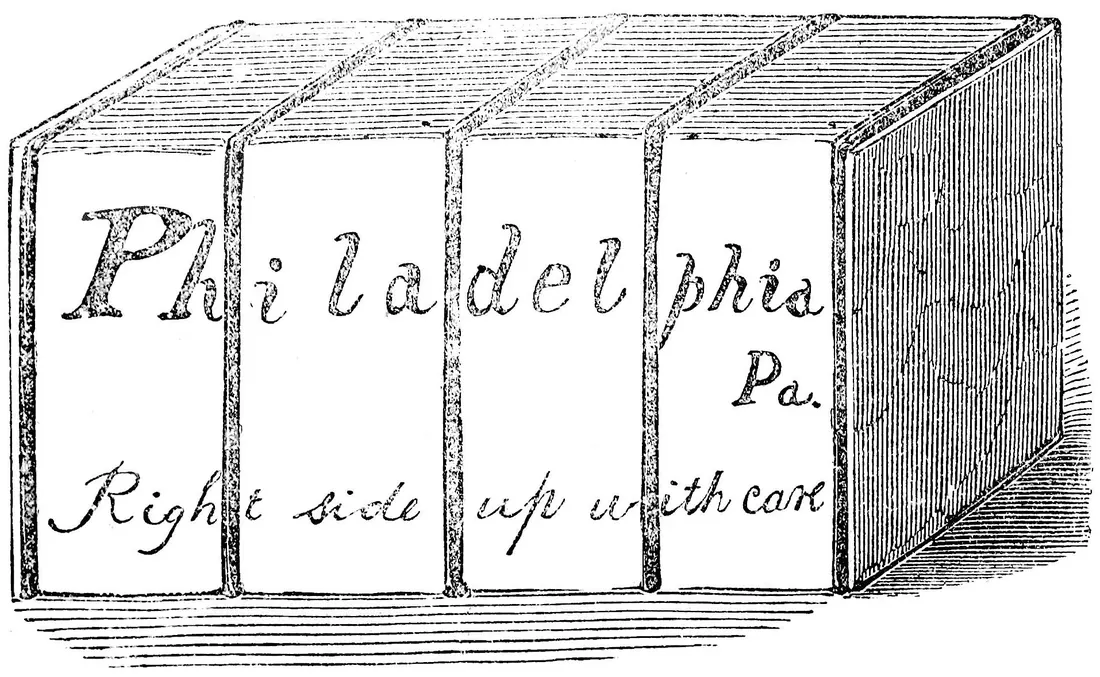
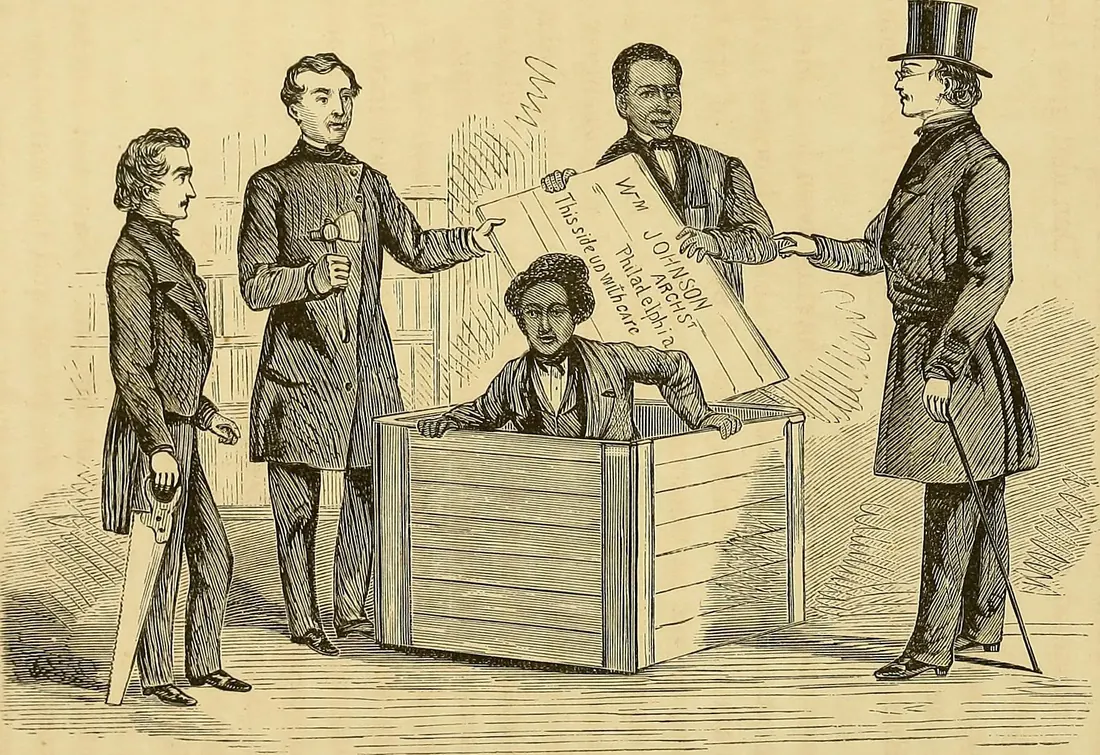
Months later, in March 1849, he burned his hand with oil of vitriol (sulfuric acid) to get leave from work. It ate “in to the bone.” Friends nailed him into a wooden box 3 feet 1 inch long, 2 feet wide and 2 feet 6 inches deep, marked “This side up with care,” and he was shipped as freight by Adams’ Express.
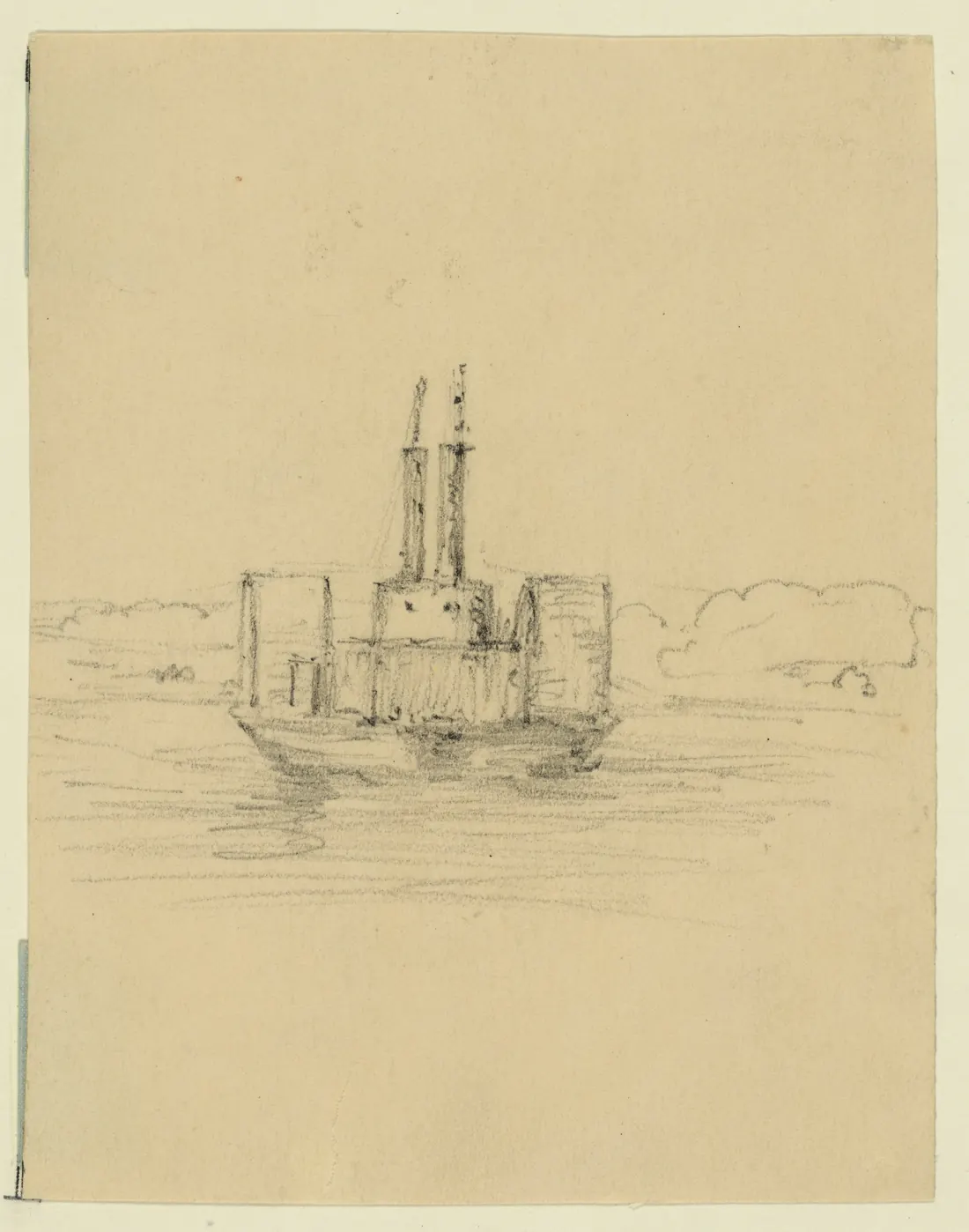
The box traveled by wagon, railroad, steamboat, ferry and delivery wagon. For over an hour he was upside down, on his head. He felt his eyes “swelling as if they would burst,” and on the steamboat he could not move, or he would have been heard. After about 27 hours, the box was delivered to the Pennsylvania Anti-Slavery Society office in Philadelphia.
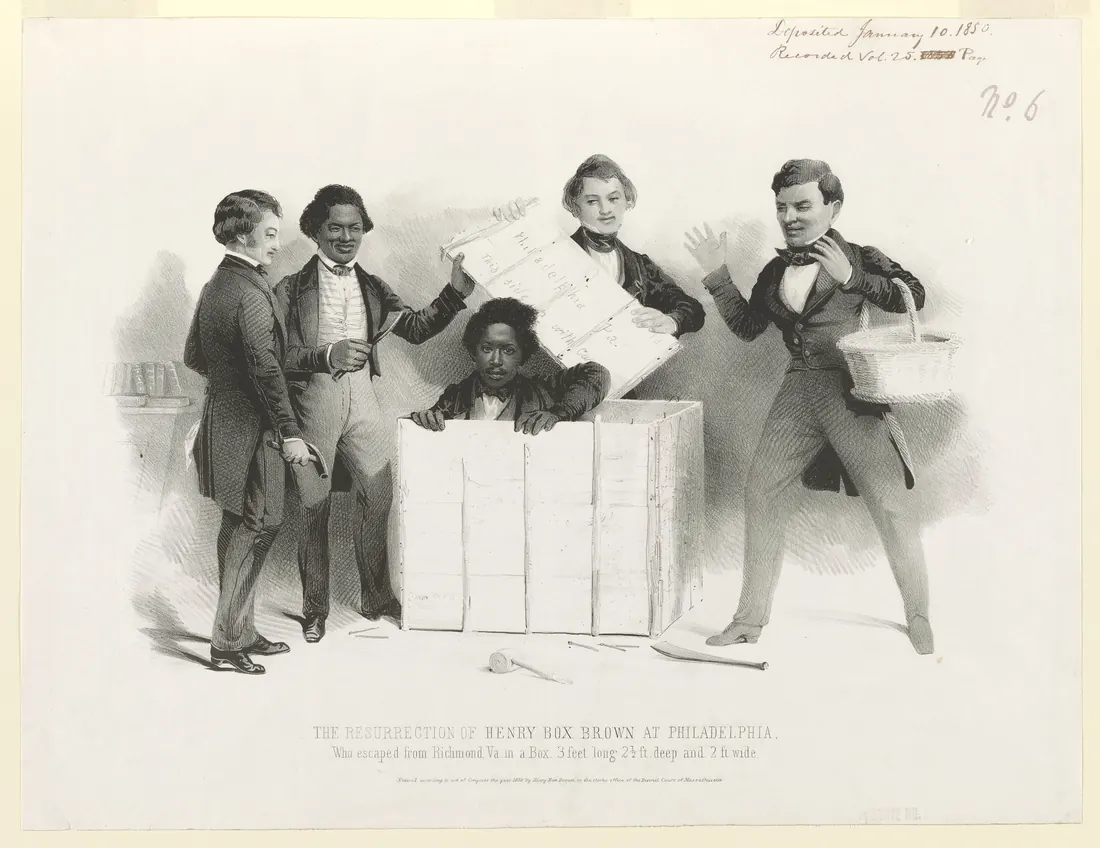
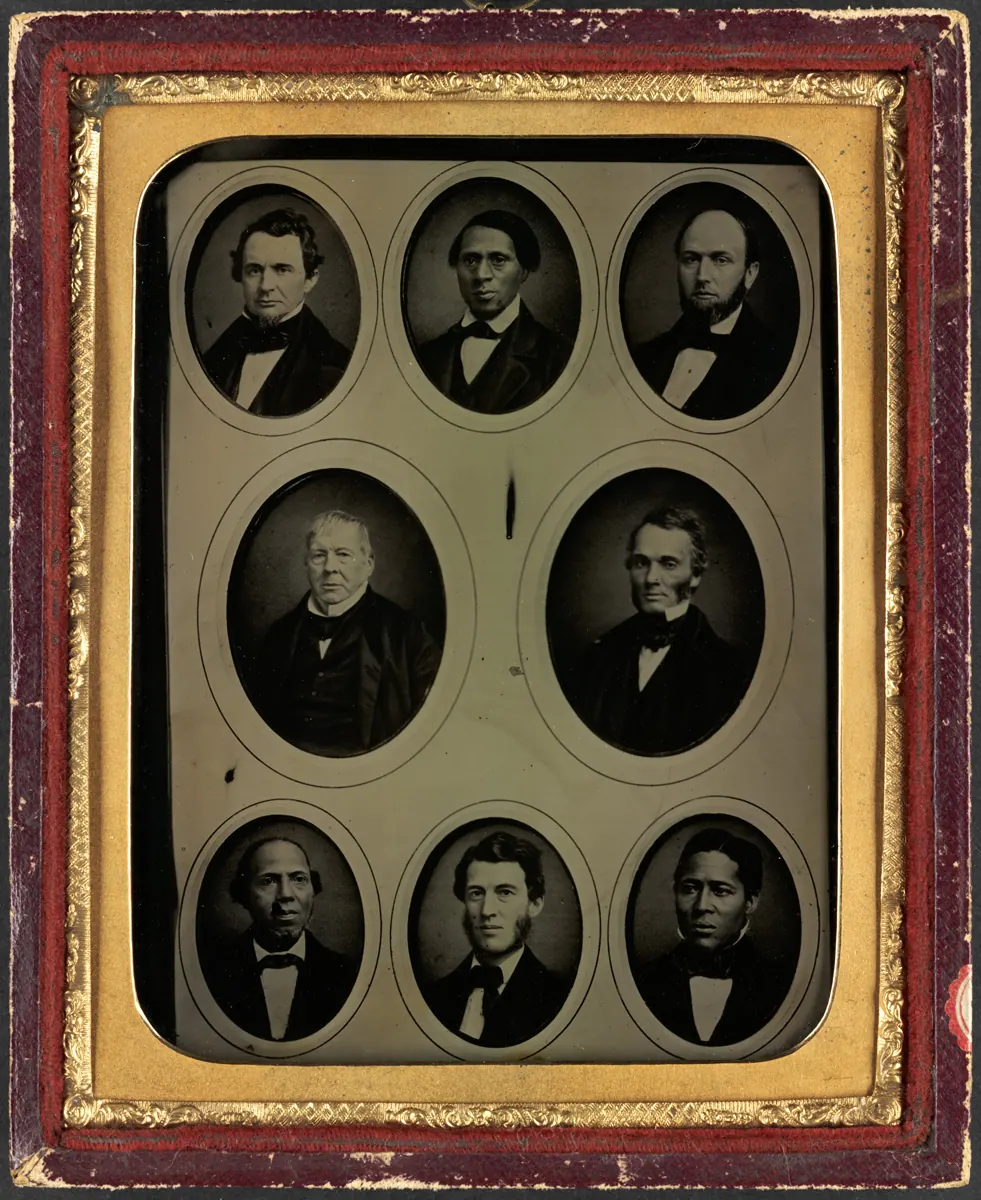
There, J. M. McKim rapped on the lid and called out, “All right!” From within came the answer: “All right, sir!” William Still, who was in the room, wrote that Brown rose up in his box and said, “How do you do, gentlemen?” Before leaving Richmond, he had picked a psalm to sing if he lived. Now he sang it. It begins, “I waited patiently for the Lord.”
Fact check
The facts and where they come from
- He arranged to have himself nailed into a wooden box and shipped as freight (“dry goods,” by Adams’ Express). 124
- He was enslaved in Richmond, Virginia, where he worked in a tobacco factory. 43
- In 1848 (in August, according to Encyclopedia Virginia), his wife, Nancy, pregnant with their fourth child, and their three children were sold to an enslaver in North Carolina. 34
- He stood in the street as they were marched off in a gang of about 350 enslaved people, with ropes about their necks; his wife was “loaded with chains.” 1
- His eldest child, in the foremost wagon, called out “father! father!” 1
- He went with his wife “for about four miles hand in hand.” 1
- Months later, in March 1849, to get leave from work, he burned his hand with oil of vitriol (sulfuric acid), which ate “in to the bone.” 14
- Friends nailed down the lid. The box was 3 feet 1 inch long, 2 feet wide and 2 feet 6 inches deep (Still gives 2 feet 8 inches deep), and was marked “This side up with care.” 12
- He was upside down, on his head, for over an hour. Sources give different lengths: “nearly an hour and a half” at Potomac Creek, while the box was moved onto the steamer (the 1851 Narrative); “for an hour or two” (its preface); “several hours” (Encyclopedia Virginia); “on his head for miles” (Still). 132
- He felt his eyes “swelling as if they would burst”; on the steamboat he could not move, or he would have been heard. 1
- The box went by wagon, railroad, steamboat, ferry and delivery wagon. 41
- He spent about 27 hours in the box: 27 according to the 1851 Narrative and Wikipedia, 26 according to Still and Encyclopedia Virginia. 1423
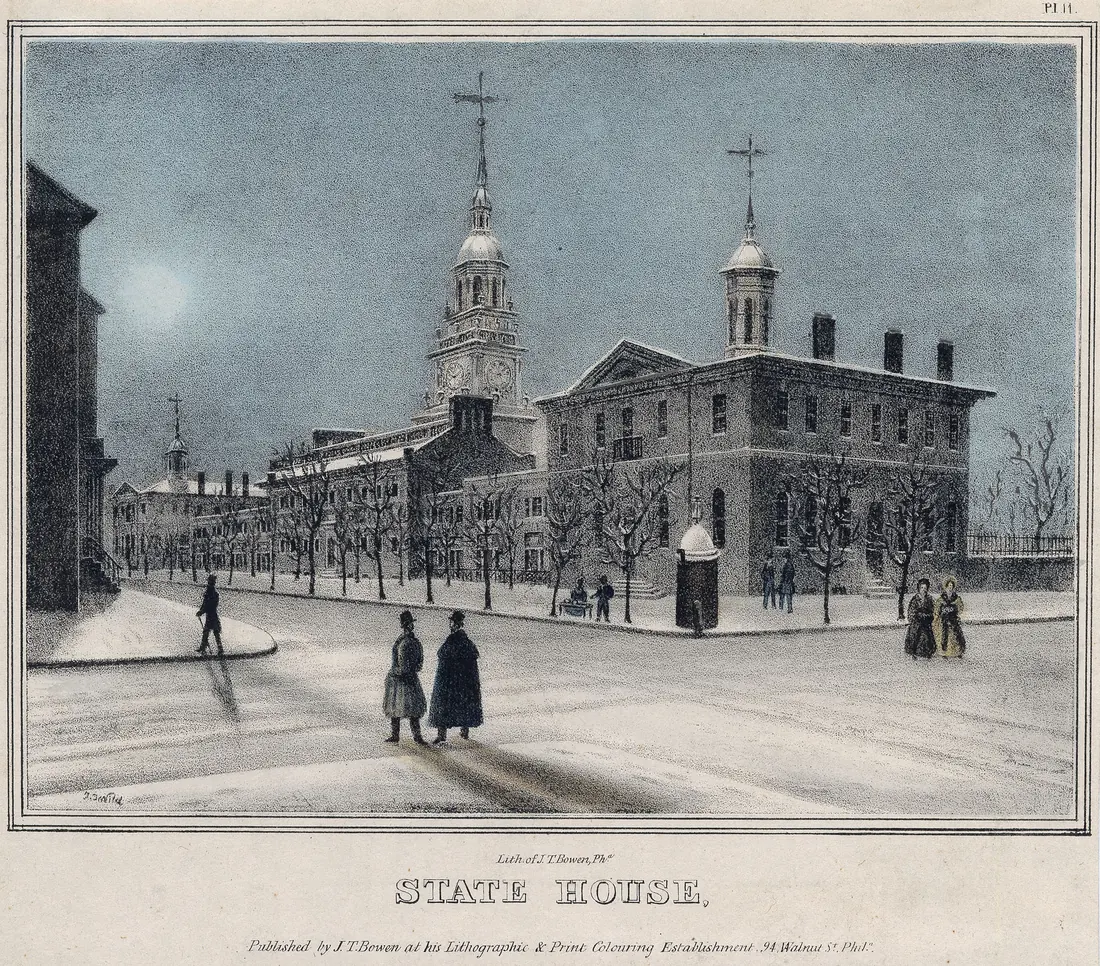
- The box was delivered to the Pennsylvania Anti-Slavery Society office in Philadelphia. 234
- McKim rapped on the lid and called out, “All right!”; the answer came from within, “All right, sir!” (William Still, an eyewitness). 2
- “Rising up in his box,” he said, “How do you do, gentlemen?” 24
- Before leaving Richmond he had picked a psalm to sing on arrival “if he lived.” He sang it; it begins “I waited patiently for the Lord.” 21
- The escape was in March 1849. The exact day is disputed: sealed on March 23 and delivered on March 24 (Encyclopedia Virginia; McKim’s letter of March 26 says he arrived “Saturday Morning last”), or March 29 (the 1851 Narrative and Wikipedia). 314
Sources
- Narrative of the Life of Henry Box Brown, Written by Himself (1851) Documenting the American South
- The Underground Rail Road (William Still, 1872) Project Gutenberg
- Henry Box Brown (1815 or 1816–1897) Encyclopedia Virginia
- Henry Box Brown Wikipedia
Notes
The exact day of the escape is disputed (March 23–24 or March 29, 1849), so we give only the month.
Sources give 27 hours in the box (the 1851 Narrative, Wikipedia) or 26 (Still, Encyclopedia Virginia), so we say “about 27 hours.” How long he was upside down varies too, from “nearly an hour and a half” to “several hours”; “over an hour” fits every account.
The 1851 Narrative follows the slave-narrative conventions of its time. The scene of his family’s sale is Brown’s own account.
Left out on purpose: a later dispute between Brown and J. C. A. Smith over whether he tried to buy his family back, and his later life in England.
The slave-coffle prints show the era, not Brown’s family.
Photo credits
The archive photos in this story
All the photographs and illustrations in this story are in the public domain. Tap one to enlarge it, or follow the link to its Wikimedia Commons page for the full record. The narration, music, captions and graphics in the Short are our own.