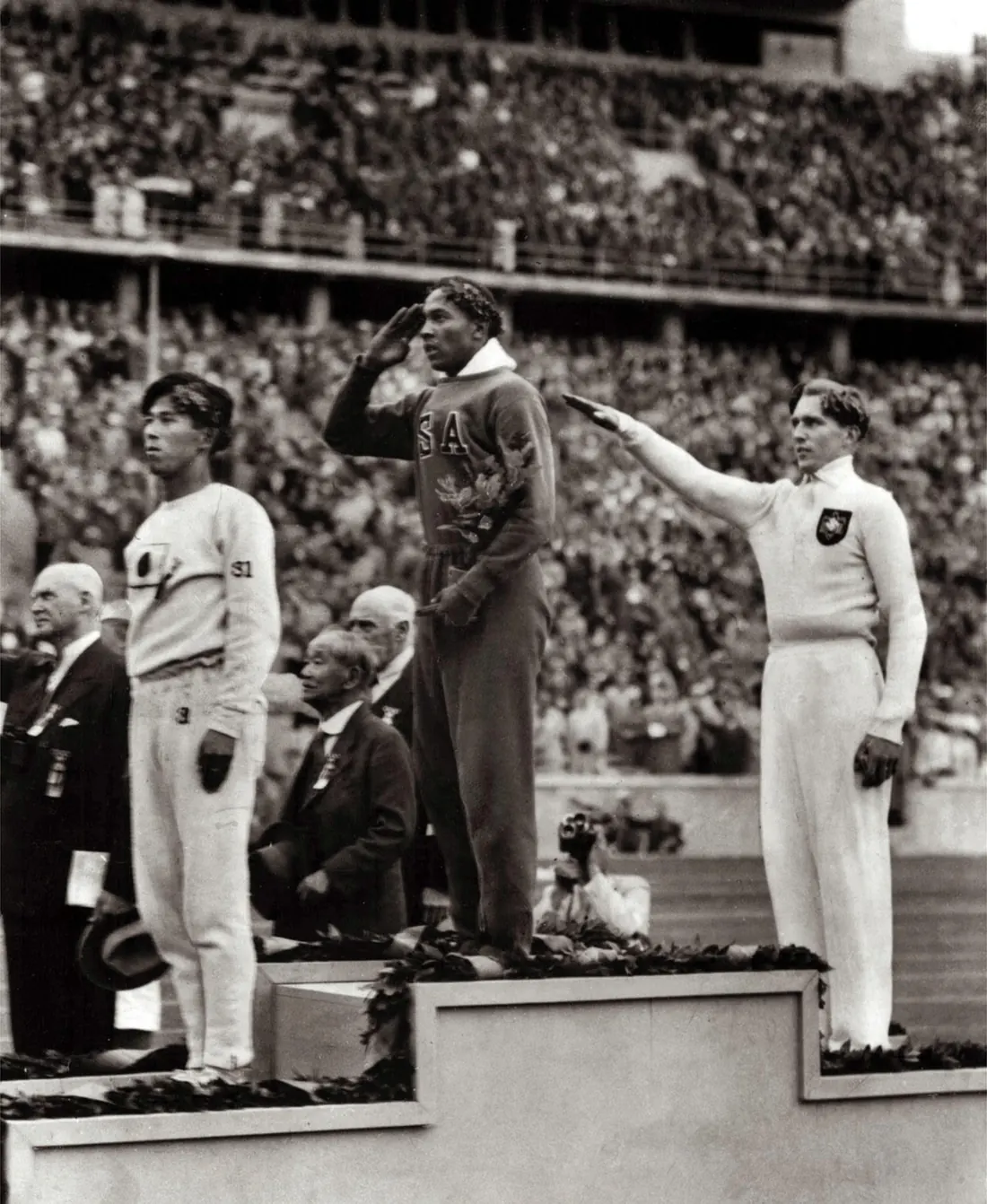
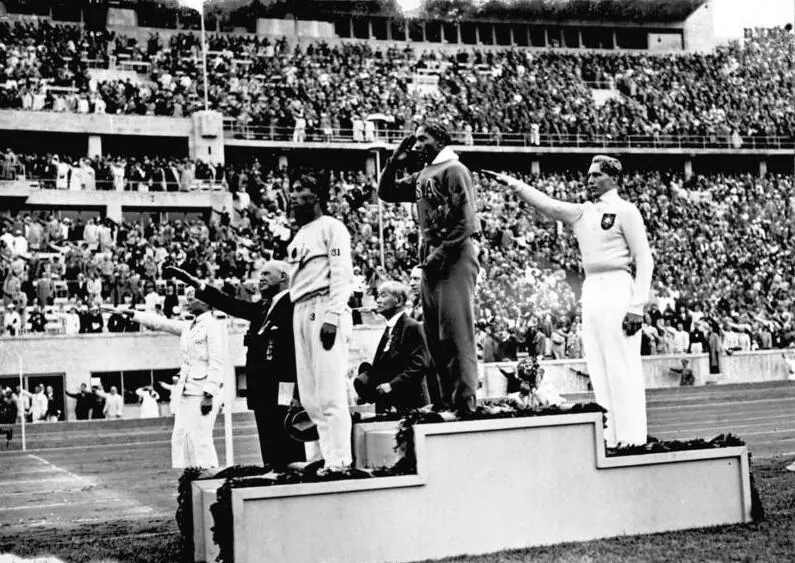
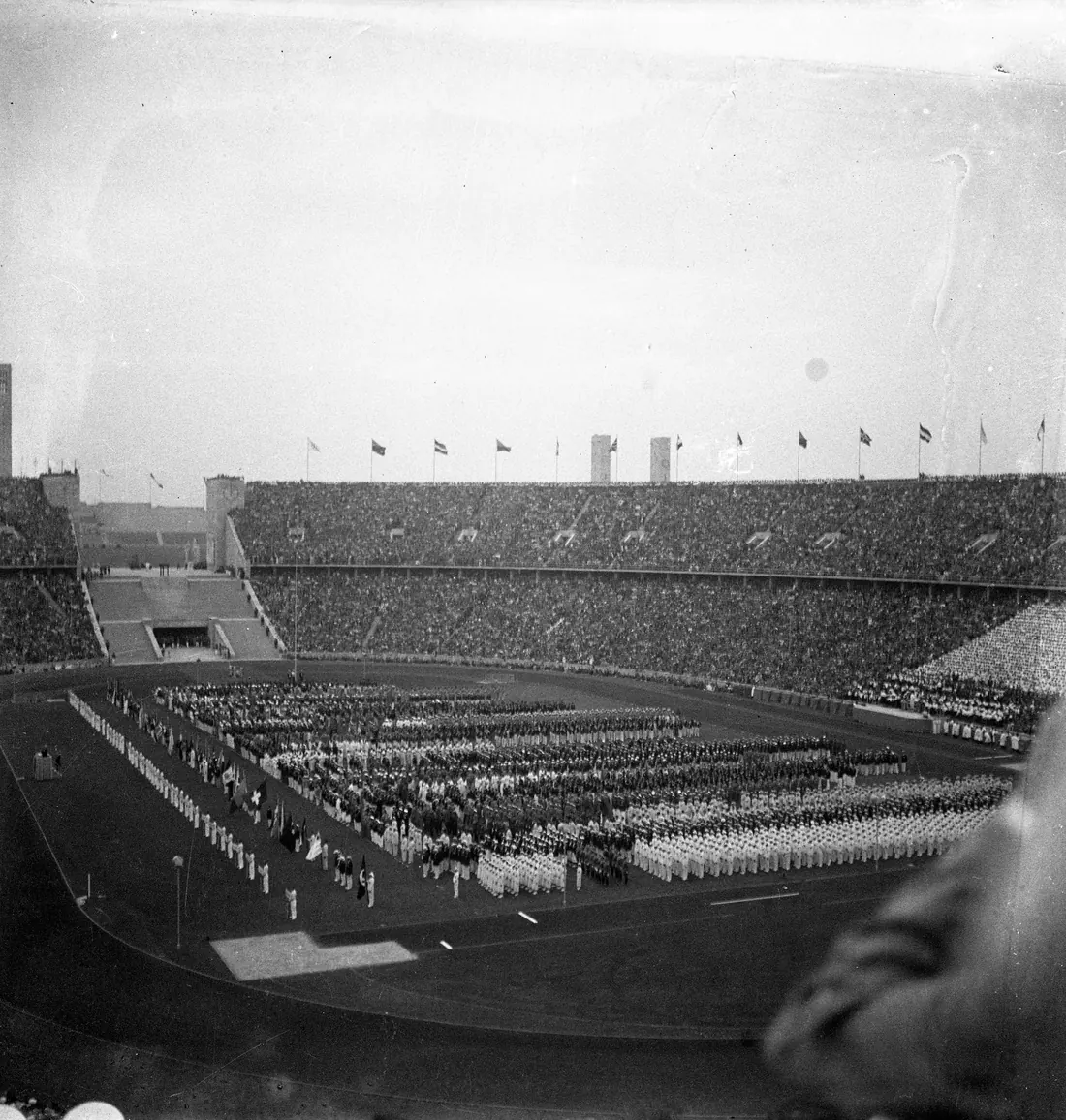
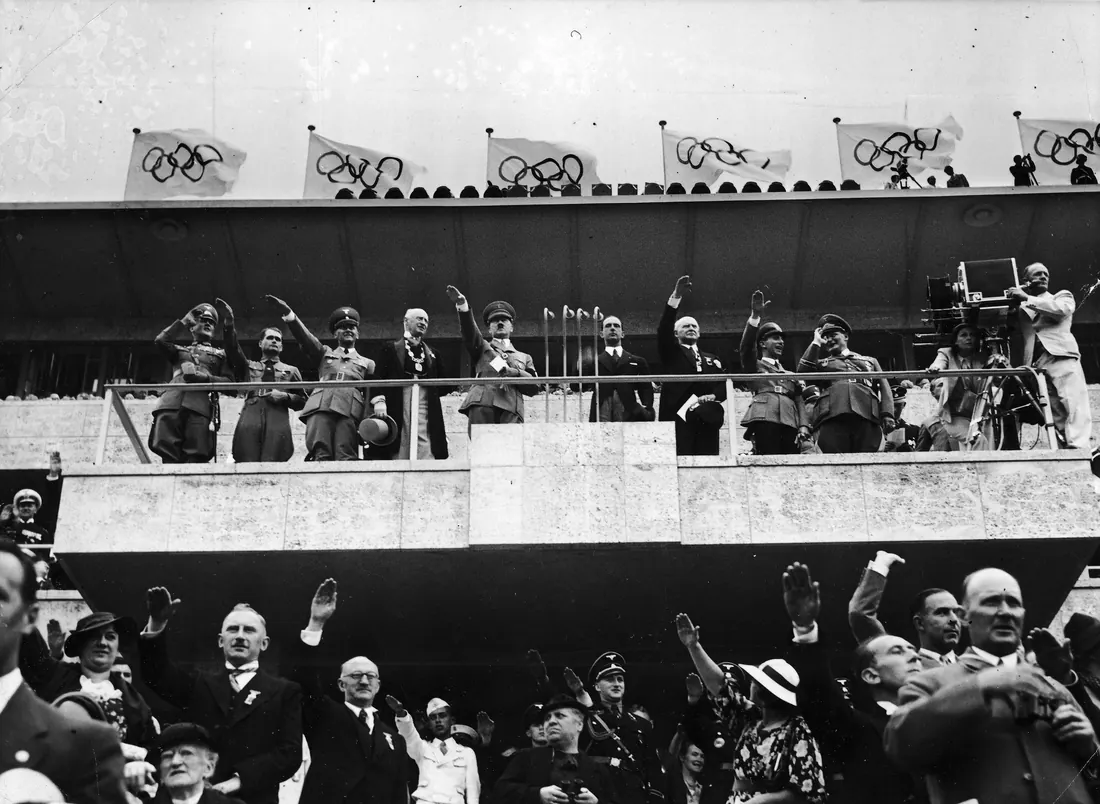
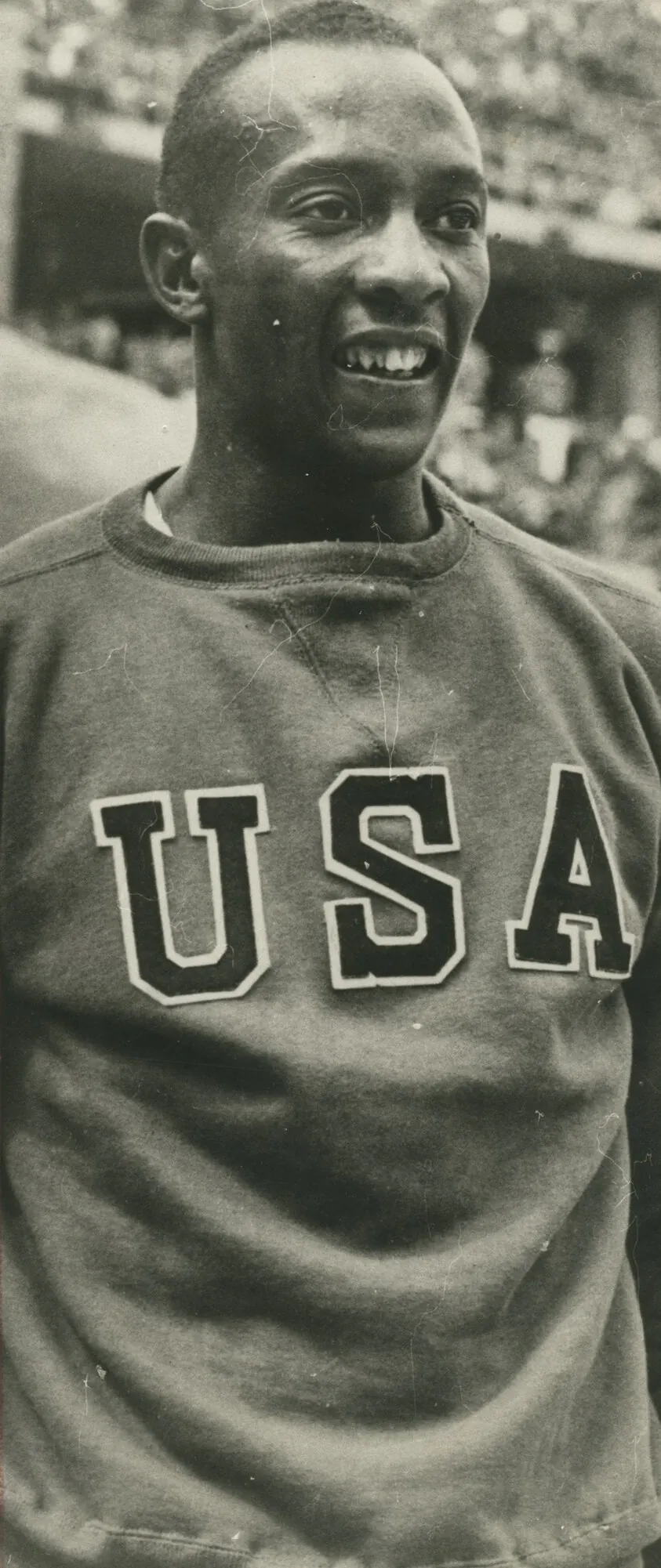
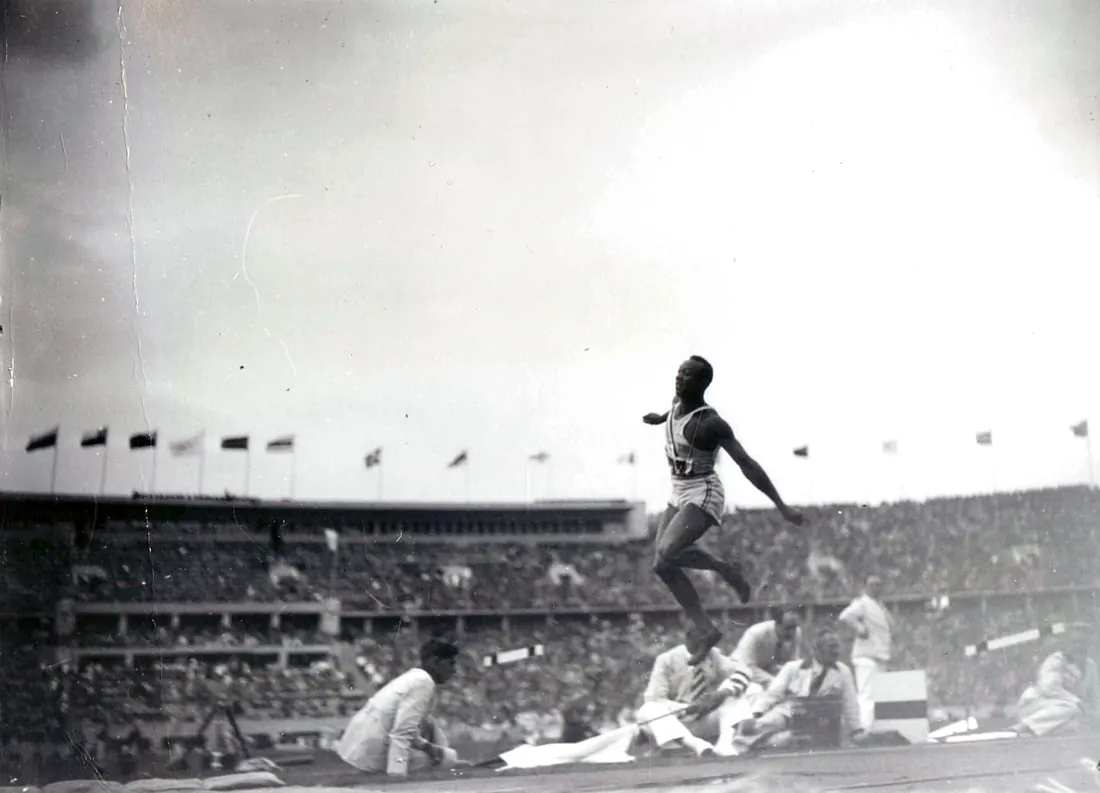
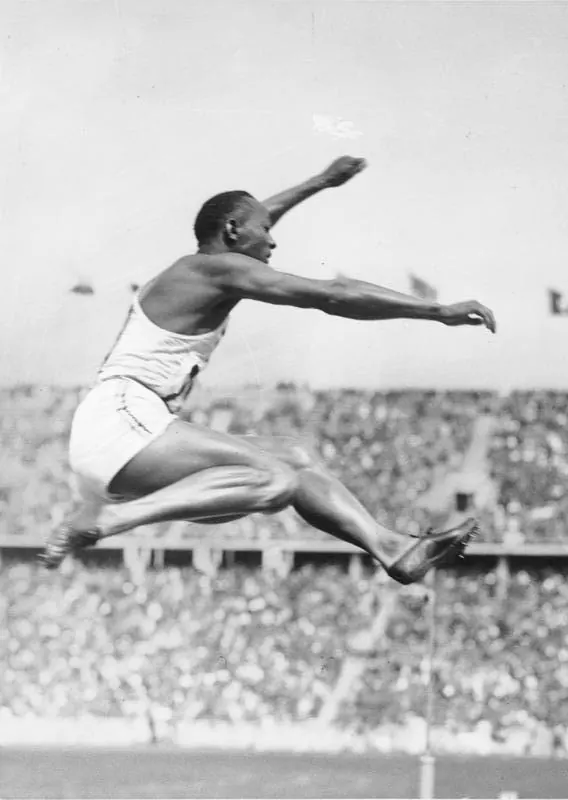
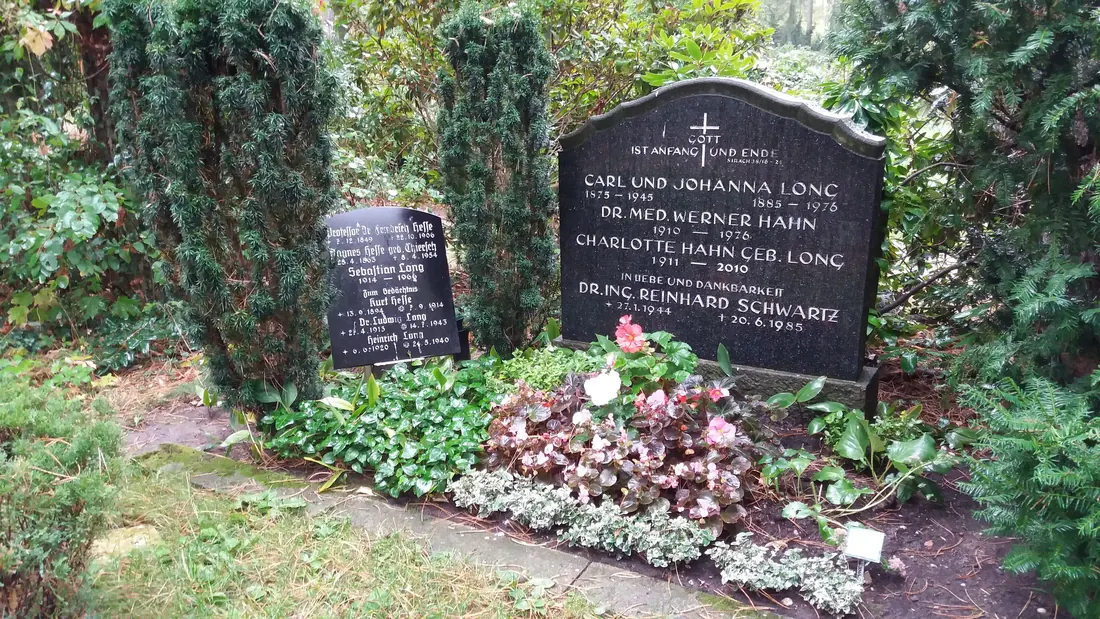
Luz Long was Germany’s long jump star. A couple of months before the 1936 Berlin Olympics, he set a European record of 7.82 meters. The long jump final was on August 4, 1936, and Hitler was in the Olympic Stadium. Long’s rival was Jesse Owens of the United States, the grandson of former slaves.
With his fifth jump, Long matched Owens’s leading distance of 7.87 meters, to the delight of the home fans. Owens answered with 7.94 meters, then a final leap of 8.06 meters, an Olympic record. The first to congratulate him and hug him was Long, who leapt into the sandpit. “I’m the first to congratulate him, to hug him,” Long later told his hometown paper. The two walked off arm in arm.
“It took a lot of courage for him to befriend me in front of Hitler,” Owens said. Long’s mother, Johanna, wrote in her diary of a warning from Rudolf Hess: her son had “received an order from the highest authority” that he should never again embrace a Black person.
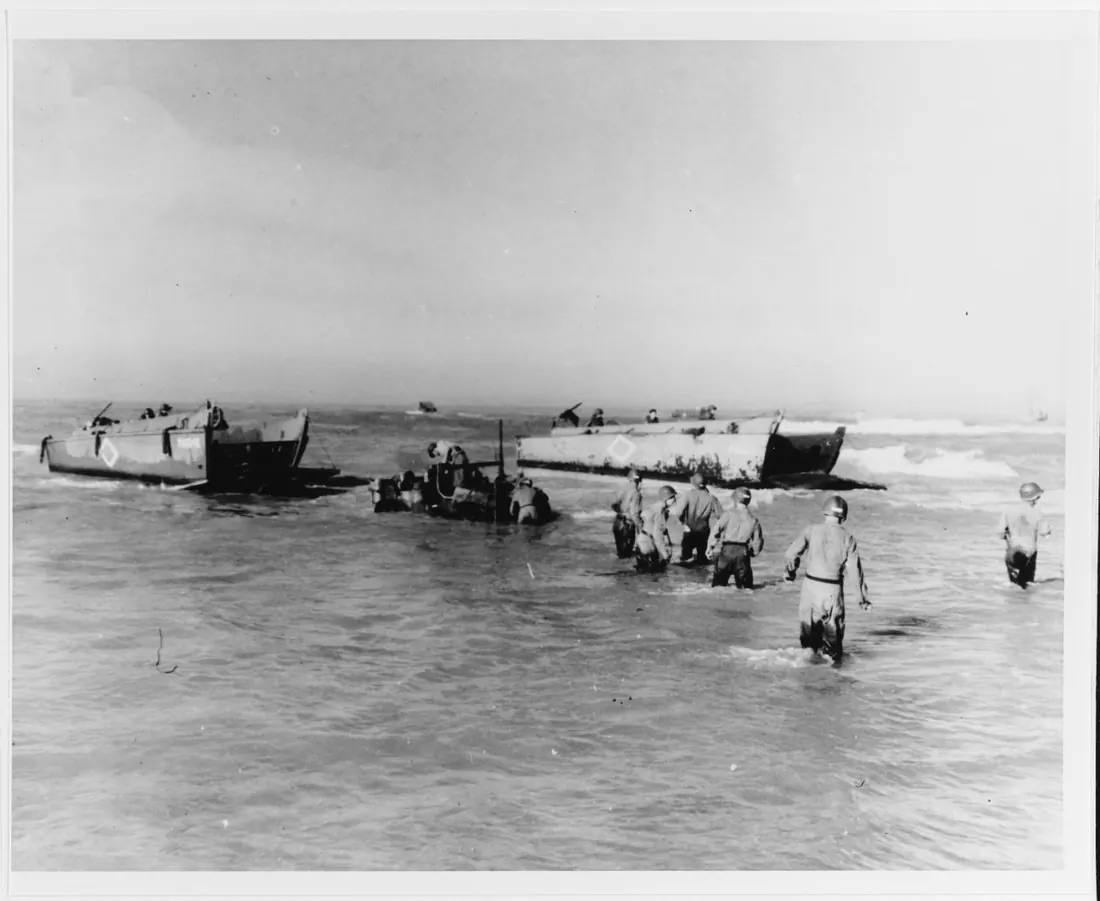
In 1943, Long was sent to Sicily with the German army. He died of his wounds on July 14, 1943, four days after the Allied landings. He was 30, and he left two little sons, Kai and Wolfgang; he never met Wolfgang. In 1951, on a trip to Germany with the Harlem Globetrotters, Owens reached out to Long’s family, met Kai and took him to the game in Hamburg as his guest of honor. The two families have stayed in touch to this day.
Fact check
The facts and where they come from
- Luz Long (Carl Ludwig Long, born in Leipzig on April 27, 1913) was Germany’s long jump star. A couple of months before the Games he set a European record of 7.82 m. 12
- The Berlin 1936 long jump final was on August 4, 1936. 3
- Hitler was in the Olympic Stadium during the long jump final. BBC: “Hitler was present at Berlin’s Olympic Stadium as Owens and Long contested one of the Games’ greatest long jump finals.” 1
- Owens was the grandson of former slaves. 1
- With his fifth (next-to-last) jump, Long matched Owens’s leading distance of 7.87 m, to the home fans’ delight. ESPN: “Long’s fifth jump matched Owens’ 25-10.” 14
- Owens answered with 7.94 m, then a final leap of 8.06 m, an Olympic record. 13
- Long was the first to congratulate and hug him. He leapt into the sandpit, and later told his hometown paper: “I’m the first to congratulate him, to hug him.” 12
- They walked off arm in arm. Wikipedia says they “walked arm-in-arm to the dressing room”; the BBC describes a lap of honor together, arm in arm. 21
- Owens said: “It took a lot of courage for him to befriend me in front of Hitler.” 42
- His mother, Johanna, wrote in her diary of a warning from Rudolf Hess: Long had “received an order from the highest authority” that he should never again embrace a Black person. 1
- In 1943 Long was sent to Sicily with the German army (10th Battery, Parachute Anti-Aircraft Regiment). 12
- He died of his wounds on July 14, 1943, four days after the Allied landings of July 10. Sources differ on when he was hit: the BBC says shrapnel struck him on the fourth day and he bled to death; Wikipedia says he was wounded on July 10 and died four days later in a British military hospital. 12
- He was 30 (born April 27, 1913, died July 14, 1943). 2
- He left two little sons: Kai, born in November 1941, and Wolfgang, born May 30, 1943, whom he never met. 1
- In 1951, on a trip to Germany with the Harlem Globetrotters, Owens reached out to Long’s family, met Kai and took him to the game in Hamburg as his guest of honor. 1
- The two families have stayed in touch to this day: the grandchildren are friends, and Long’s granddaughter and Owens’s daughter Marlene presented the long jump medals in Berlin in 2009. BBC: “Over the years, the Long and Owens families have stayed in touch.” 1
Sources
- An Olympic friendship that defied Hitler (Craig Nelson, 2024) BBC Sport
- Luz Long Wikipedia
- Jesse Owens Wikipedia
- Owens pierced a myth (Larry Schwartz, SportsCentury) ESPN
Notes
The popular story that Long advised Owens during qualifying to take off before the board comes from Owens’s later retellings, including the 1966 film Jesse Owens Returns to Berlin. Wikipedia calls it “apocryphal”: Grantland Rice watched the whole qualifying round and saw no conversation, Tom Ecker says Owens told him in 1965 it was just a good story, and Wikipedia’s Jesse Owens article says the two met only after the competition. It is not in our story.
No reliable source confirms that Owens and Long wrote to each other. The famous battlefield letter (“Tell him, Jesse…”), said to come from North Africa, is “almost certainly untrue,” per the BBC: Long never served in North Africa, and neither family has seen it. ESPN says Owens kept corresponding with Long’s family.
Hitler was in the stadium for the final, but whether he watched the hug itself is not documented.
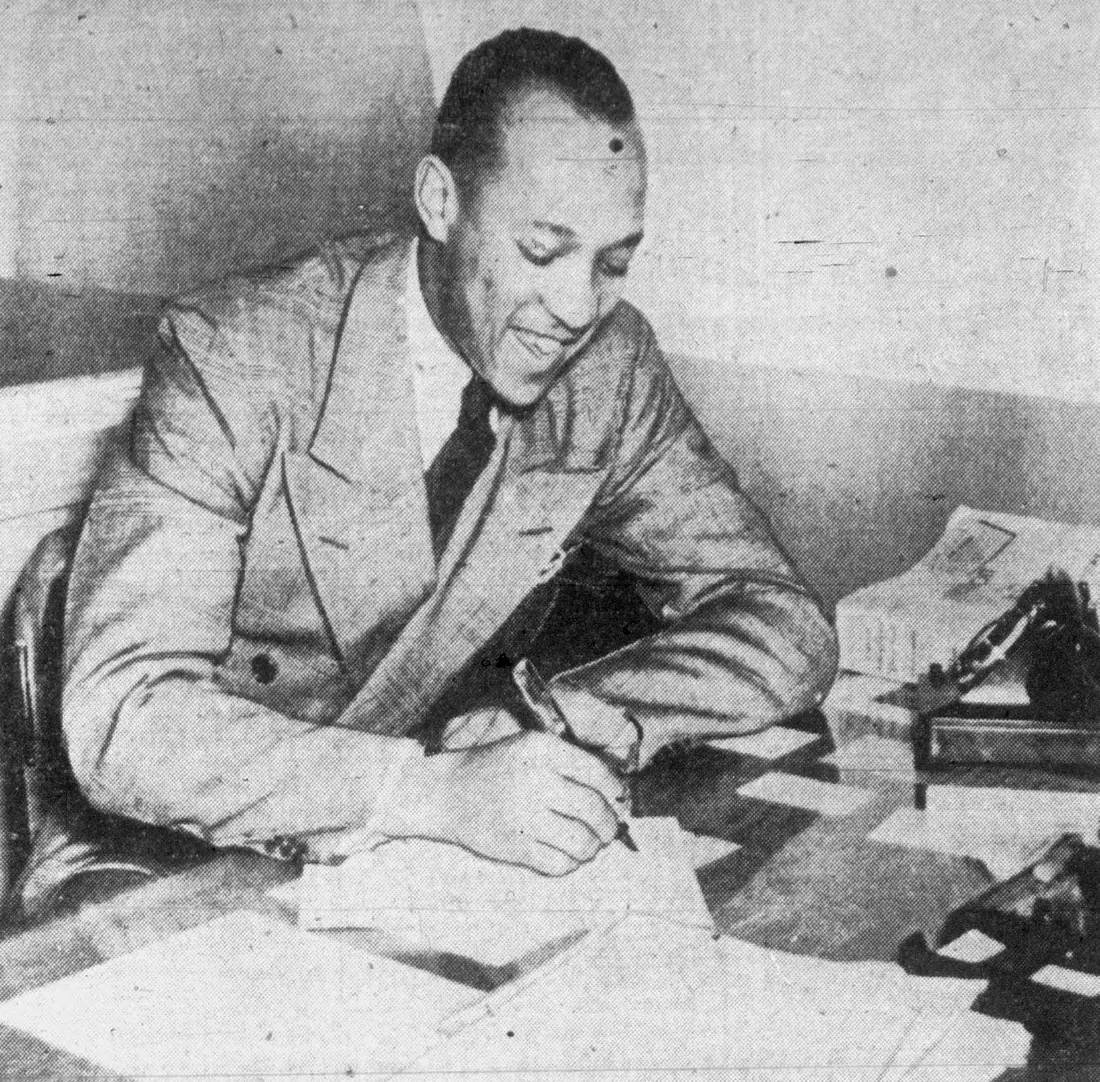
The portrait of Owens in his USA sweatshirt is filed by Brazil’s Arquivo Nacional as 1968, but it is a 1936 Olympic photo. The photos of Hitler’s honor box (which may be from the opening ceremony), the Gela landings and Owens in 1942 show the setting, not these moments.
Photo credits
The archive photos in this story
All the photographs and illustrations in this story are in the public domain. Tap one to enlarge it, or follow the link to its Wikimedia Commons page for the full record. The narration, music, captions and graphics in the Short are our own.