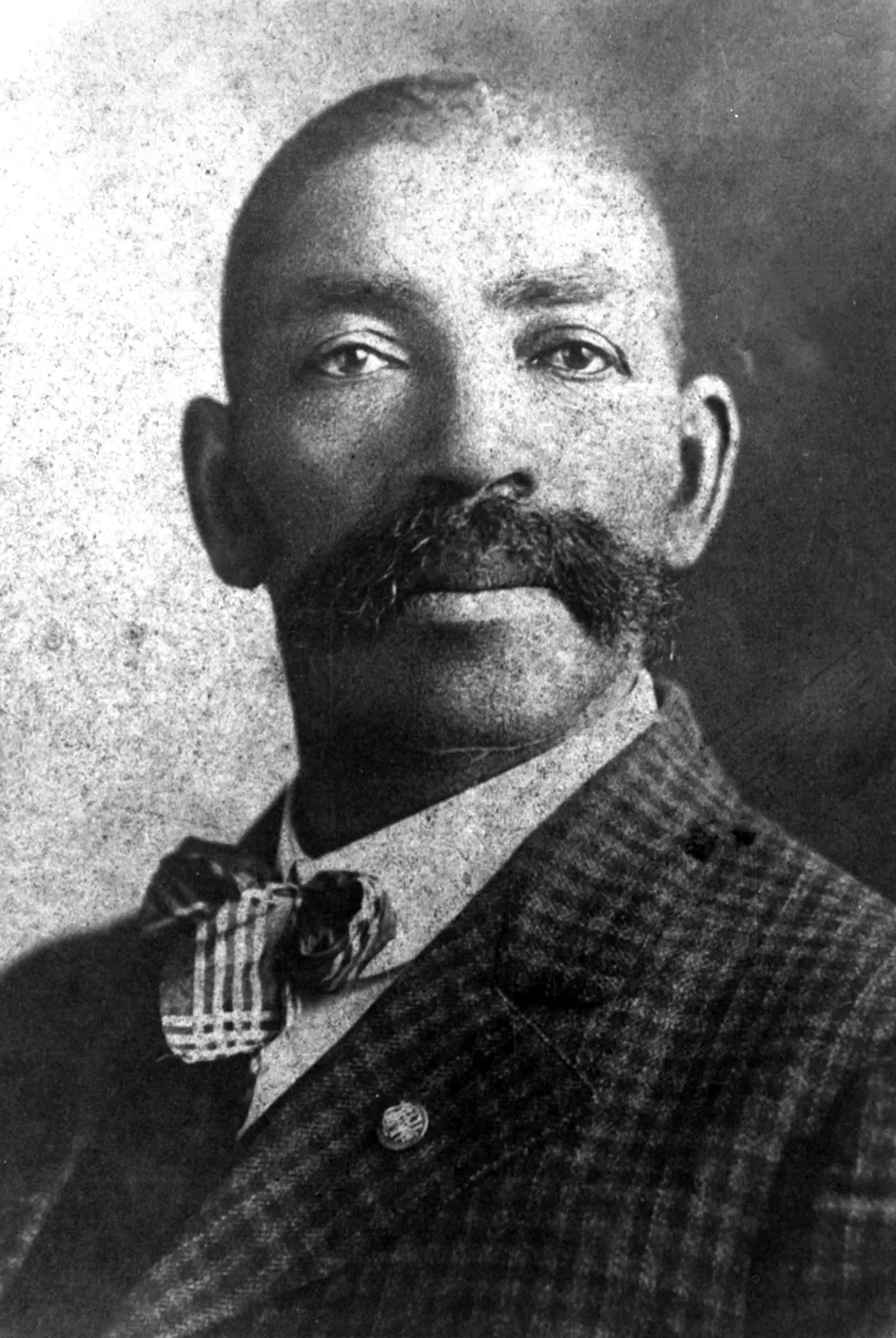
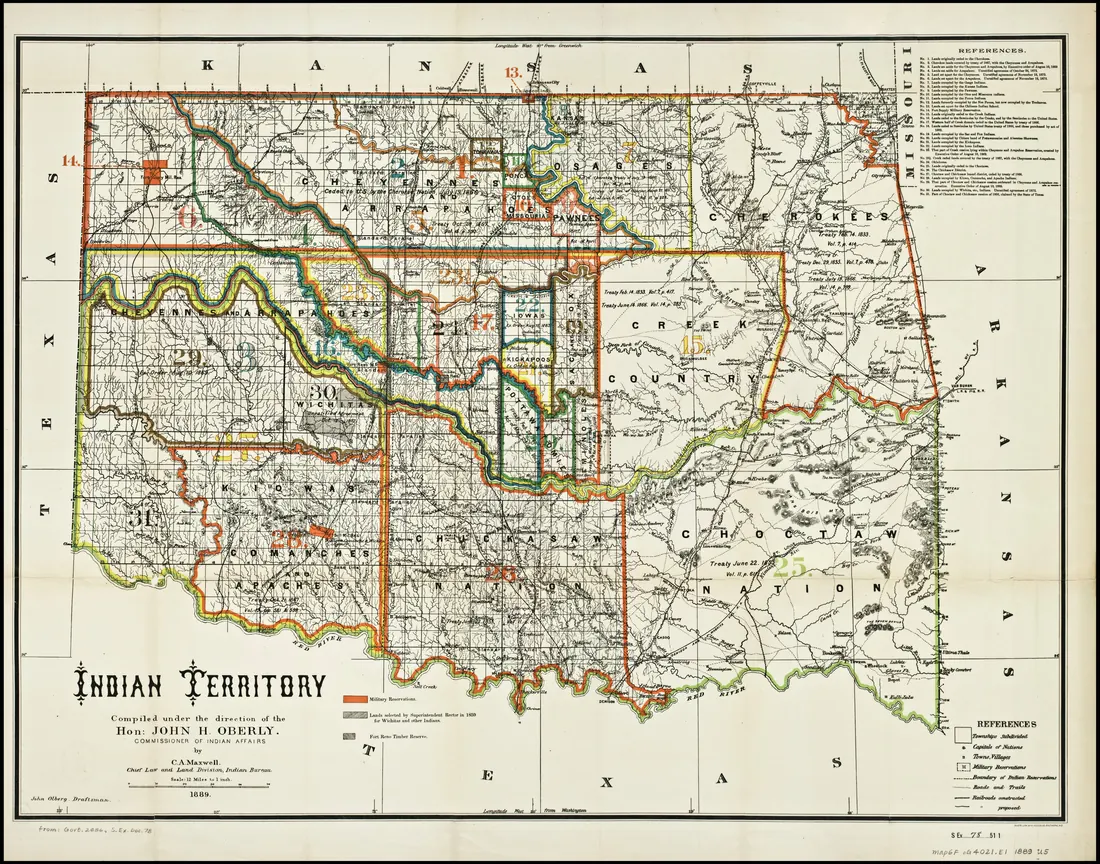
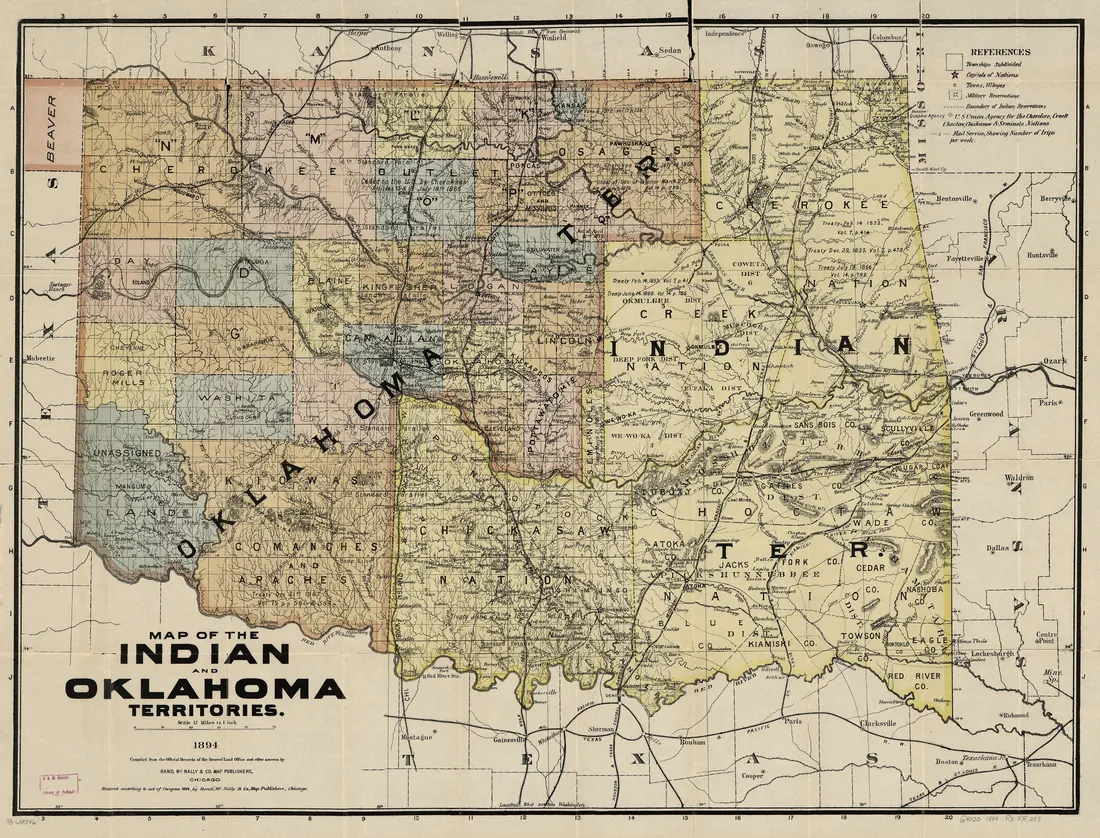
Bass Reeves was born enslaved in July 1838. During the Civil War he escaped and found refuge in Indian Territory, modern-day Oklahoma, among the Creek and Seminole, and he learned their languages.
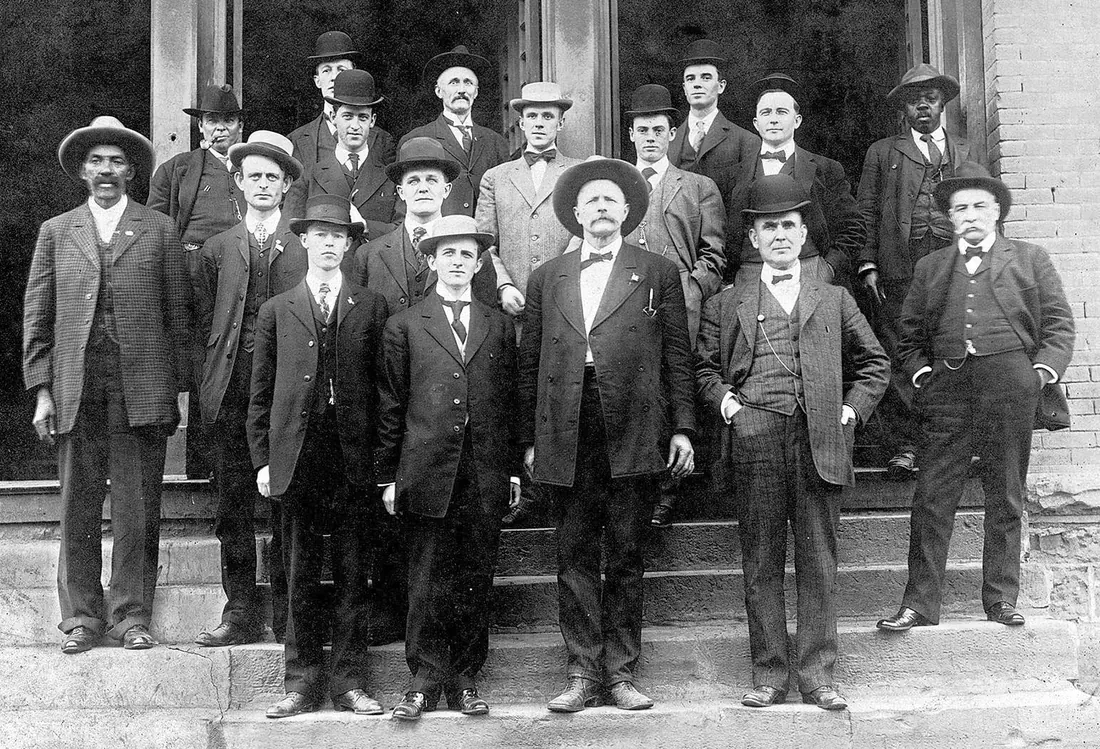
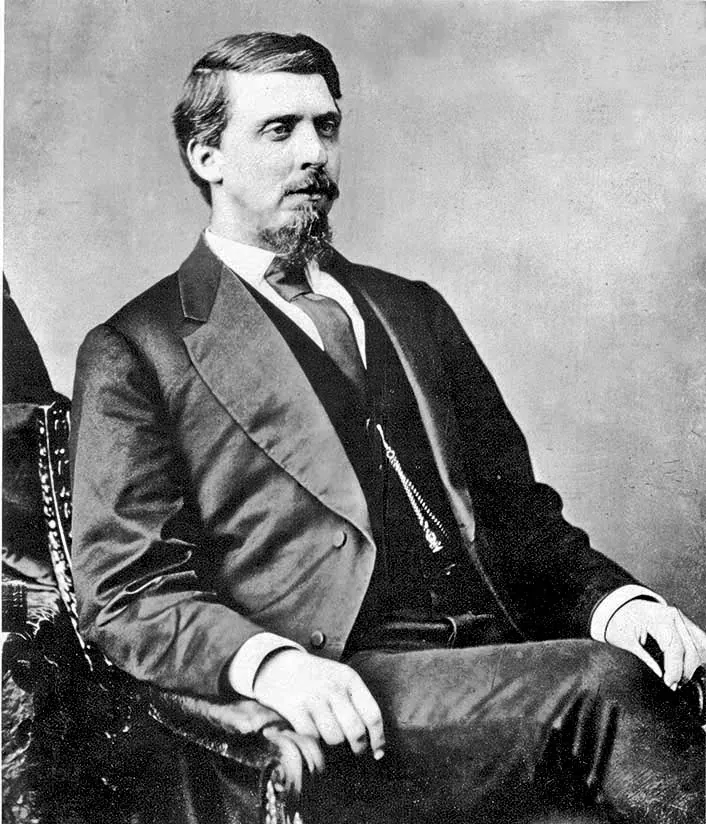
In the words of the National Park Service, “no area in the United States was a haven and a refuge for criminals like the Indian Territory.” In 1875 Judge Isaac C. Parker took over the federal court at Fort Smith, Arkansas, and called for 200 deputy marshals. That year Reeves was hired as a deputy US marshal, one of the first Black federal lawmen west of the Mississippi River.
Reeves couldn’t read. He had others read his warrants aloud until, as the Handbook of Texas puts it, “he memorized which name belonged to each warrant.” By his own count, he arrested more than 3,000 people. He served as a federal lawman for 32 years.
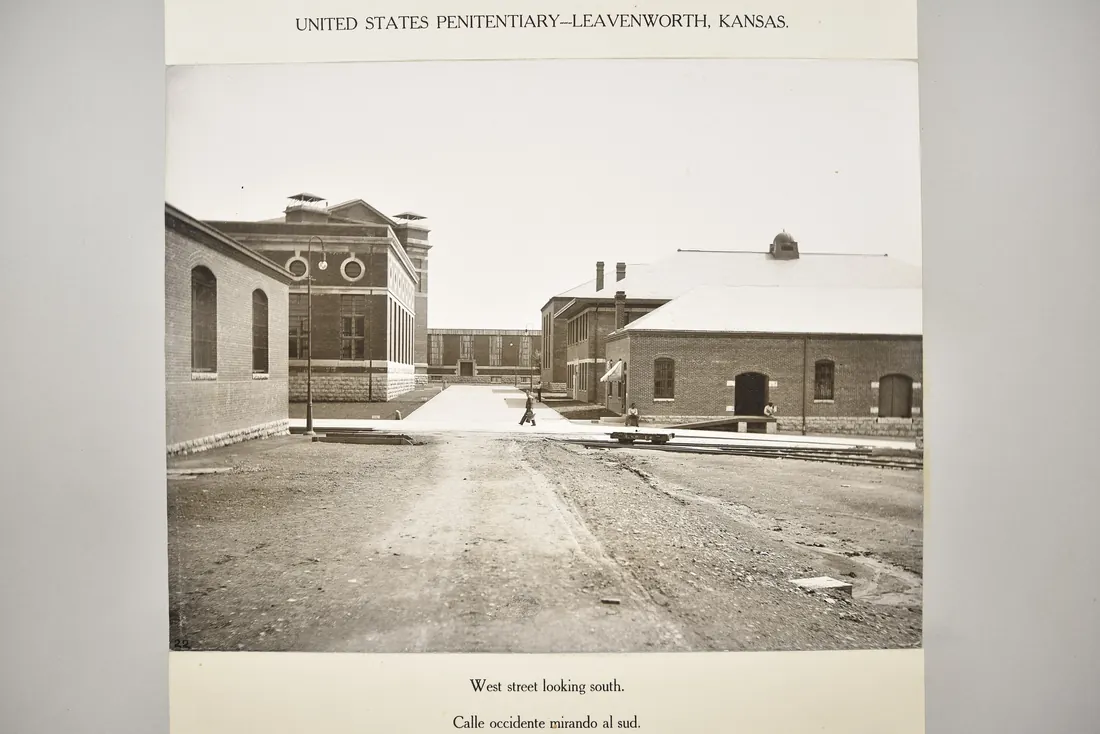
In 1902 a murder warrant was issued: his son Bennie was charged with killing his wife. Reportedly, no one wanted to serve it. Reeves took the warrant himself and brought his son in. Bennie was convicted and sentenced to life in prison at Leavenworth, and was released about eleven years later. Bass Reeves died in Muskogee on January 12, 1910.
Fact check
The facts and where they come from
- He was born enslaved in July 1838. 17
- During the Civil War he escaped and found refuge in Indian Territory (modern-day Oklahoma) among the Creek and Seminole. 15
- He learned their languages. HistoryNet says he “could speak several Indian languages”; the Handbook of Texas, “he knew the tribal languages.” 754
- Indian Territory was a haven for outlaws. National Park Service: “no area in the United States was a haven and a refuge for criminals like the Indian Territory.” 2
- Judge Isaac C. Parker took over the federal court at Fort Smith in 1875. The Handbook of Texas dates his appointment to May 10, 1875. 34
- Parker called for 200 deputy marshals. HistoryNet: “he promptly ordered his marshal to hire 200 deputies.” 547
- “In 1875, Reeves was hired as a commissioned deputy U.S. marshal, making him one of the first Black federal lawmen west of the Mississippi River” (Encyclopedia of Arkansas). 17
- He couldn’t read, so he memorized his warrants as they were read to him. National Park Service: “Being a former slave, Reeves was illiterate. He would memorize his warrants and writs.” 24
- By his own count, he made more than 3,000 arrests: “he stated he had arrested over 3000 men and women” (National Park Service). The Chickasaw Enterprise of November 28, 1901, reported more than three thousand. 23
- In 1902 a murder warrant was issued: his son Bennie was charged with killing his wife, in Muskogee. 1627
- Reportedly, no one wanted to serve it. This comes from later accounts: Police1, citing Art T. Burton’s biography, says “no one wanted to be the one to have to arrest his son.” 6
- Reeves took the warrant himself and brought his son in. National Park Service: “Bass took the warrant and brought in his son for murder.” 237
- Bennie was convicted and sentenced to life in prison. Wikipedia says he was found guilty on January 22, 1903, and sentenced to life at Fort Leavenworth. 741
- Bass Reeves served 32 years as a federal lawman. He died in Muskogee on January 12, 1910, at the age of 71. 52
- Bennie was released after about eleven years: his sentence was commuted (Wikipedia), or he was given a full pardon (Handbook of Texas). 74
Sources
- Bass Reeves (1838–1910) Encyclopedia of Arkansas
- Bass Reeves National Park Service: Fort Smith National Historic Site
- Reeves, Bass Oklahoma Historical Society: The Encyclopedia of Oklahoma History and Culture
- Reeves, Bass Handbook of Texas (Texas State Historical Association)
- Lawman Legend Bass Reeves: The Invincible Man Hunter (Art T. Burton) HistoryNet
- The story of a U.S. deputy marshal’s most difficult arrest in 1902 (Lt. Dan Marcou) Police1
- Bass Reeves Wikipedia
Notes
Sources differ on his birthplace: Crawford County, Arkansas (Encyclopedia of Arkansas, Wikipedia) or near Paris, Texas (Handbook of Texas). We name no place.
Left out: the family story that he escaped after a fight with his enslaver over a card game, which sources tell as “supposedly” (HistoryNet) or “according to the Reeves family” (Wikipedia).
The Handbook of Texas calls him the first Black deputy US marshal; HistoryNet says “this may not be true.” We say “one of the first.”
The arrest total comes from his own statement (National Park Service) and a 1901 newspaper (Oklahoma Historical Society), so we say “by his own count.”
How many men he killed is left out: 14 by his own account and his obituary, while newspapers said over 20.
Accounts differ on how Bennie was taken: after a two-week manhunt (Handbook of Texas), or he gave himself up to his father (Wikipedia; the 1902 Muskogee Phoenix, per Burton). “He brought his son in” is true either way.
“No one wanted to serve it” comes from later retellings (Burton, via Police1), so we say “reportedly.”
Bennie’s release: his sentence was commuted after 11 years (Wikipedia) or he was given a full pardon (Handbook of Texas).
Left out on purpose: the theory that he inspired the Lone Ranger (only a theory), the name of Bennie’s wife (sources differ: Castella Brown or Cassie) and an 1887 murder trial.
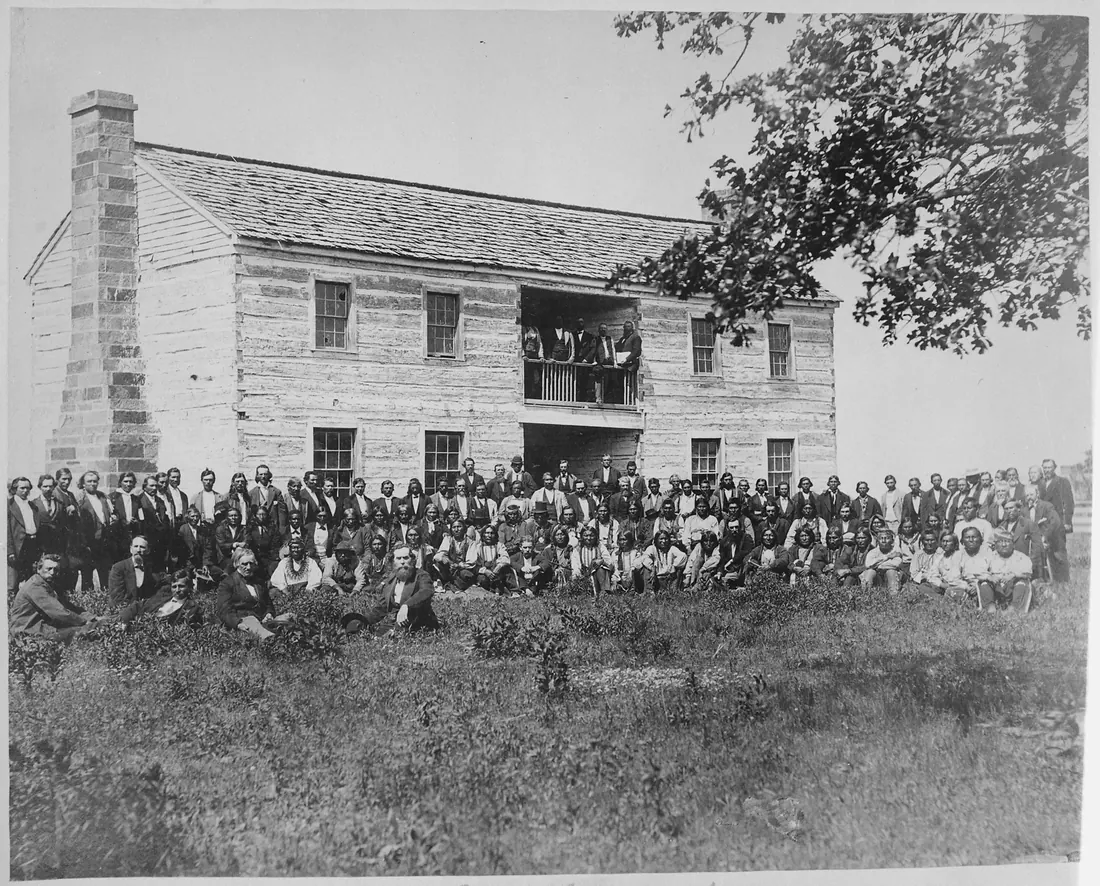
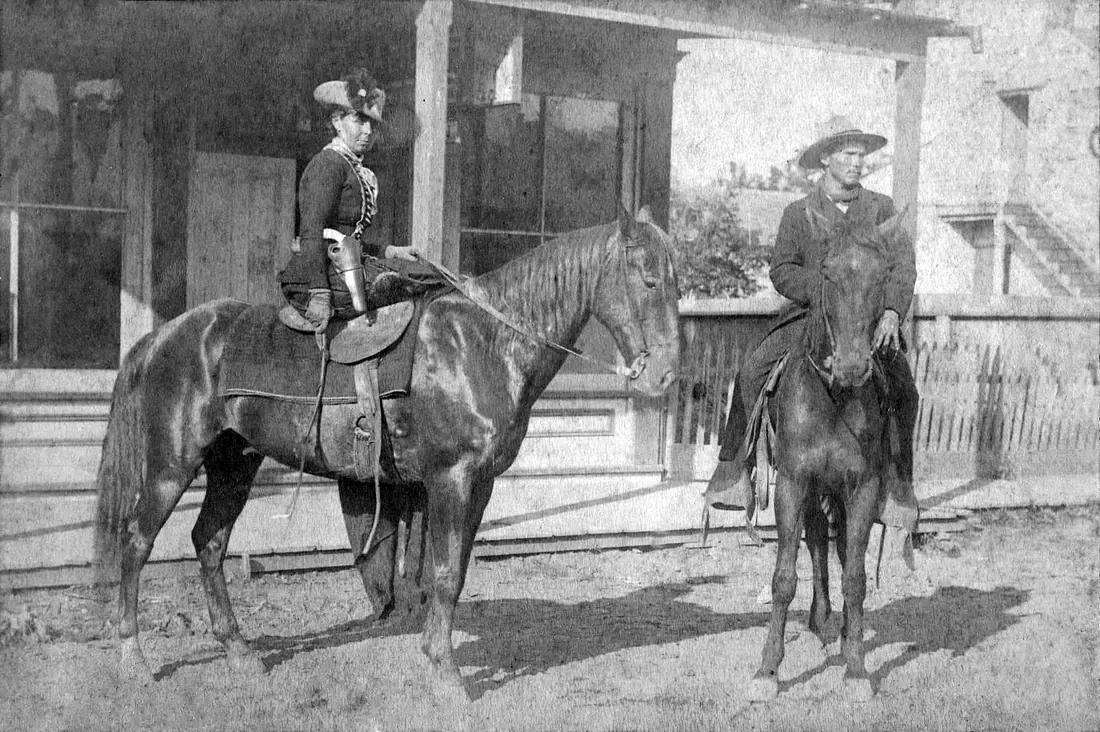
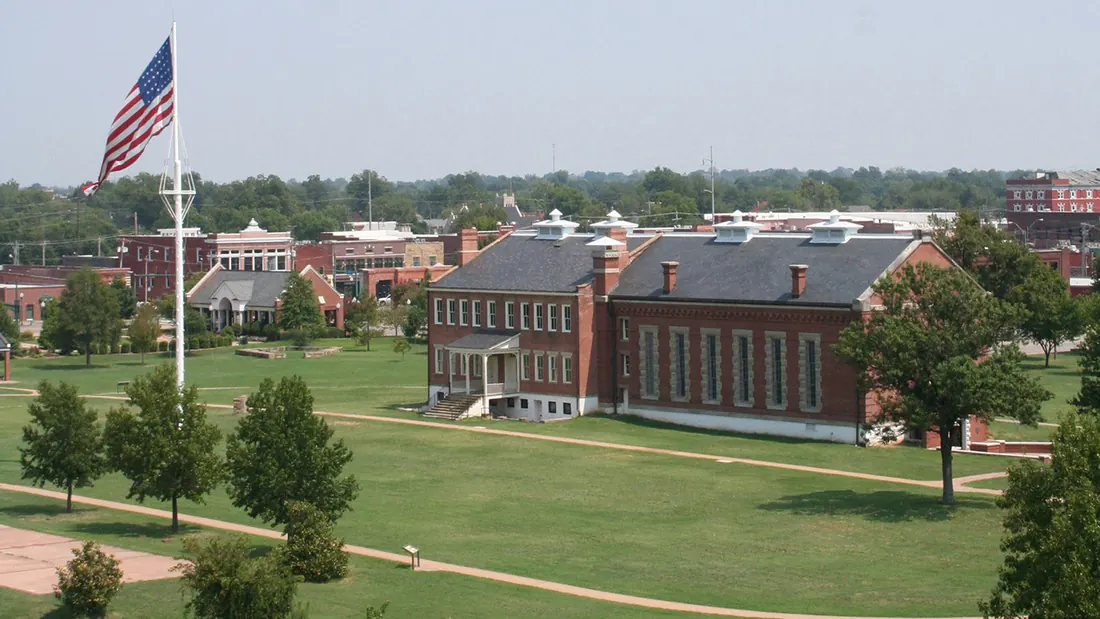
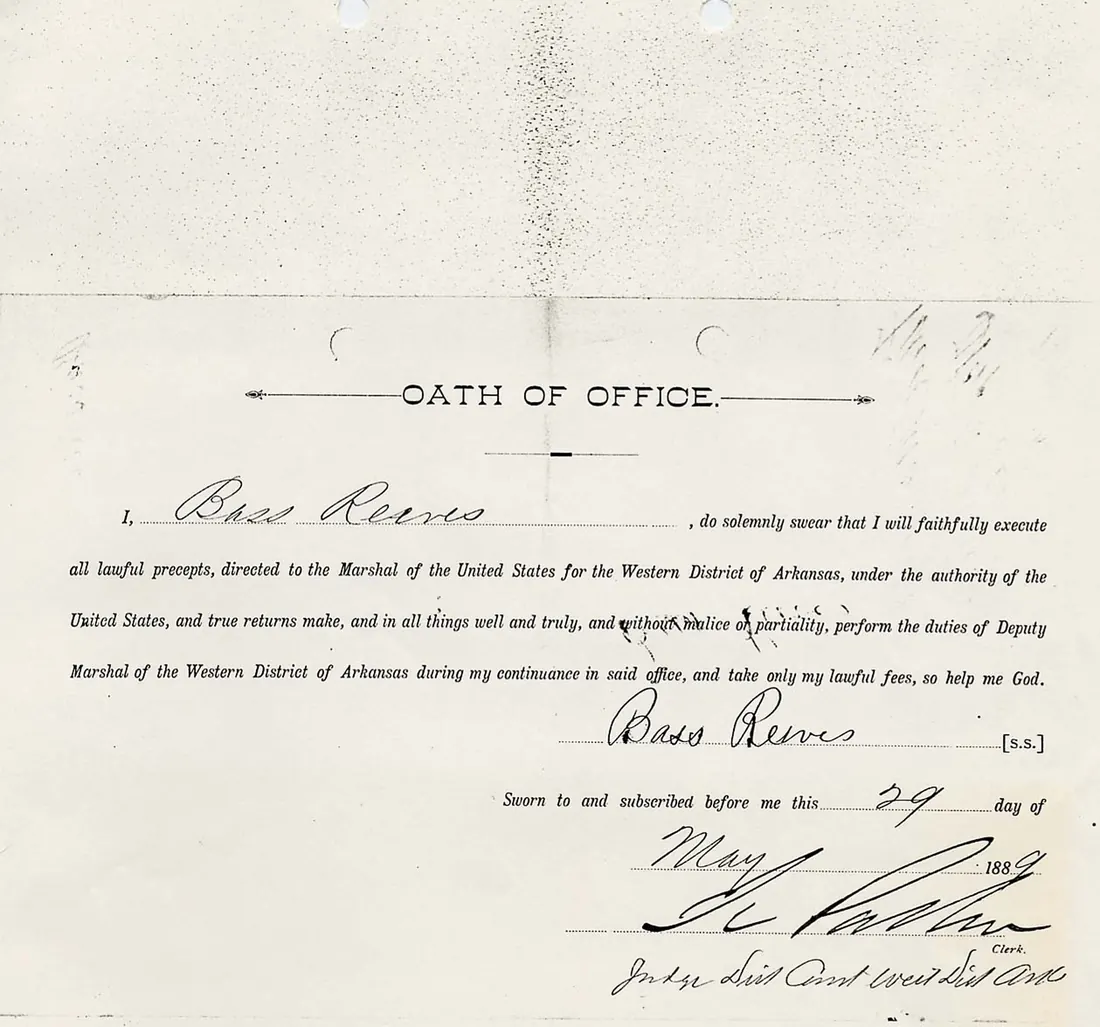
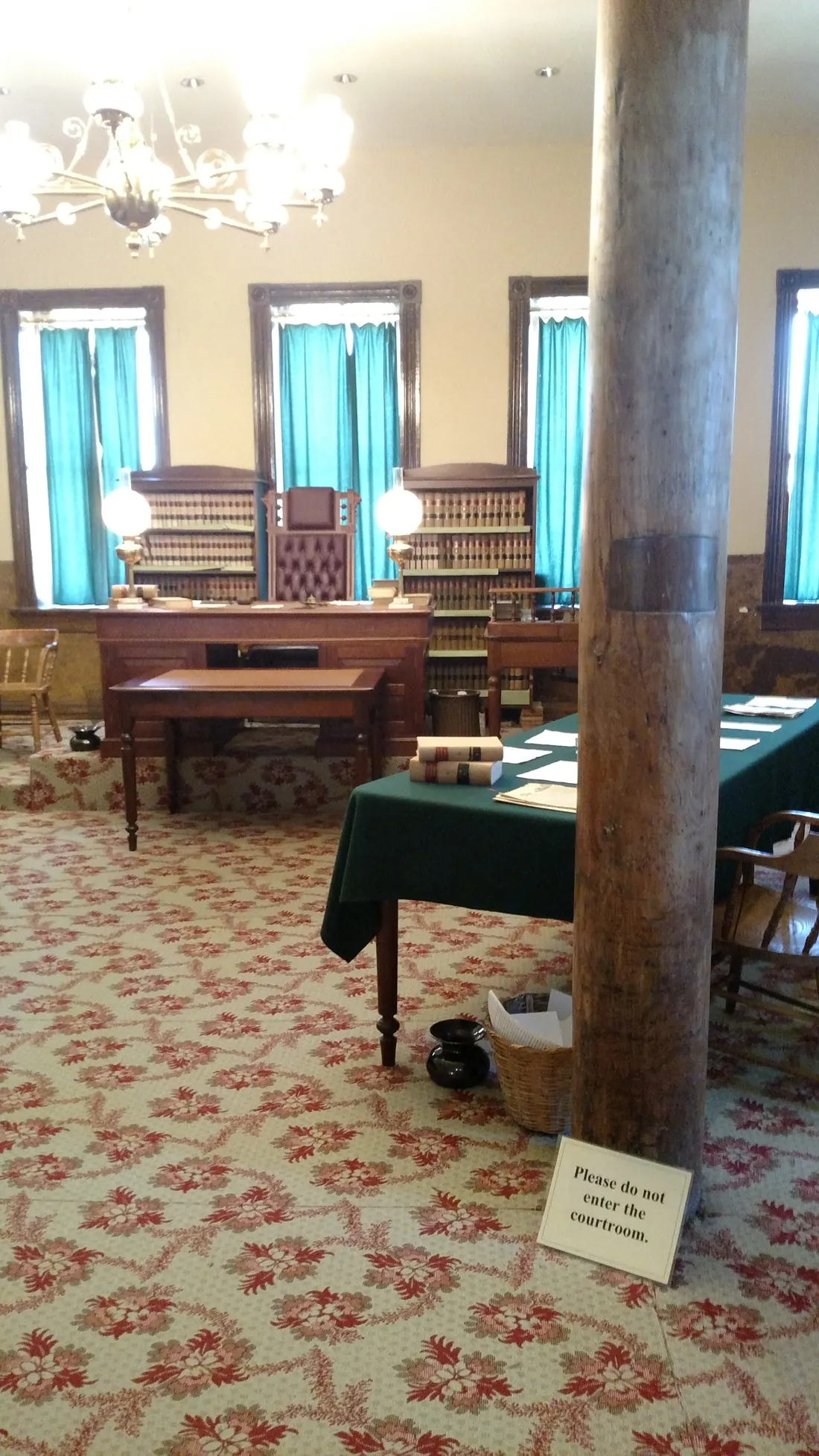
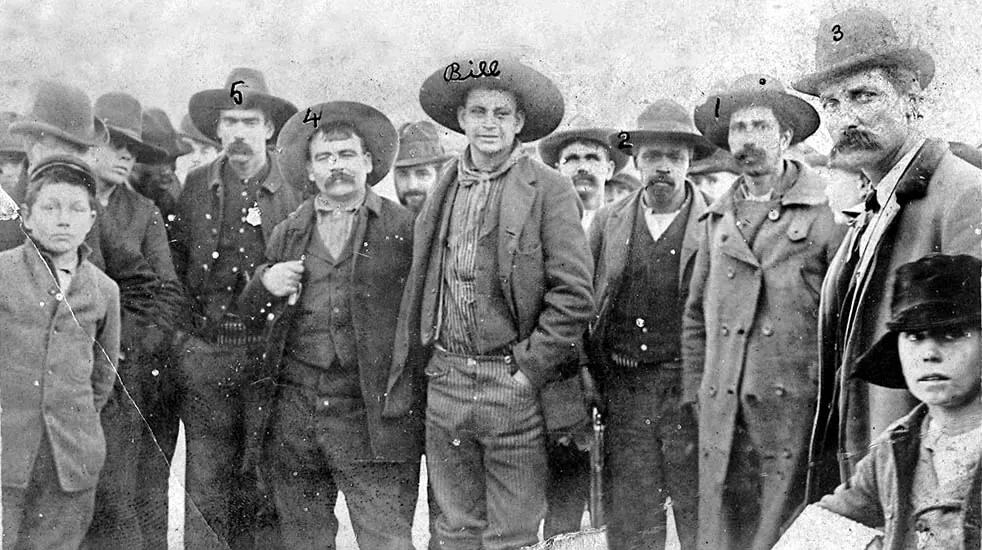
No photo of Bennie Reeves is known. The 1895 photo shows other deputies with the outlaw Cherokee Bill, illustrating the work, not Reeves. Belle Starr was an outlaw tried before Parker at Fort Smith. The courtroom and the Fort Smith buildings are today’s restored site, and the oath is his 1889 renewal; his first commission was in 1875.
Photo credits
The archive photos in this story
All the photographs and illustrations in this story are in the public domain. Tap one to enlarge it, or follow the link to its Wikimedia Commons page for the full record. The narration, music, captions and graphics in the Short are our own.