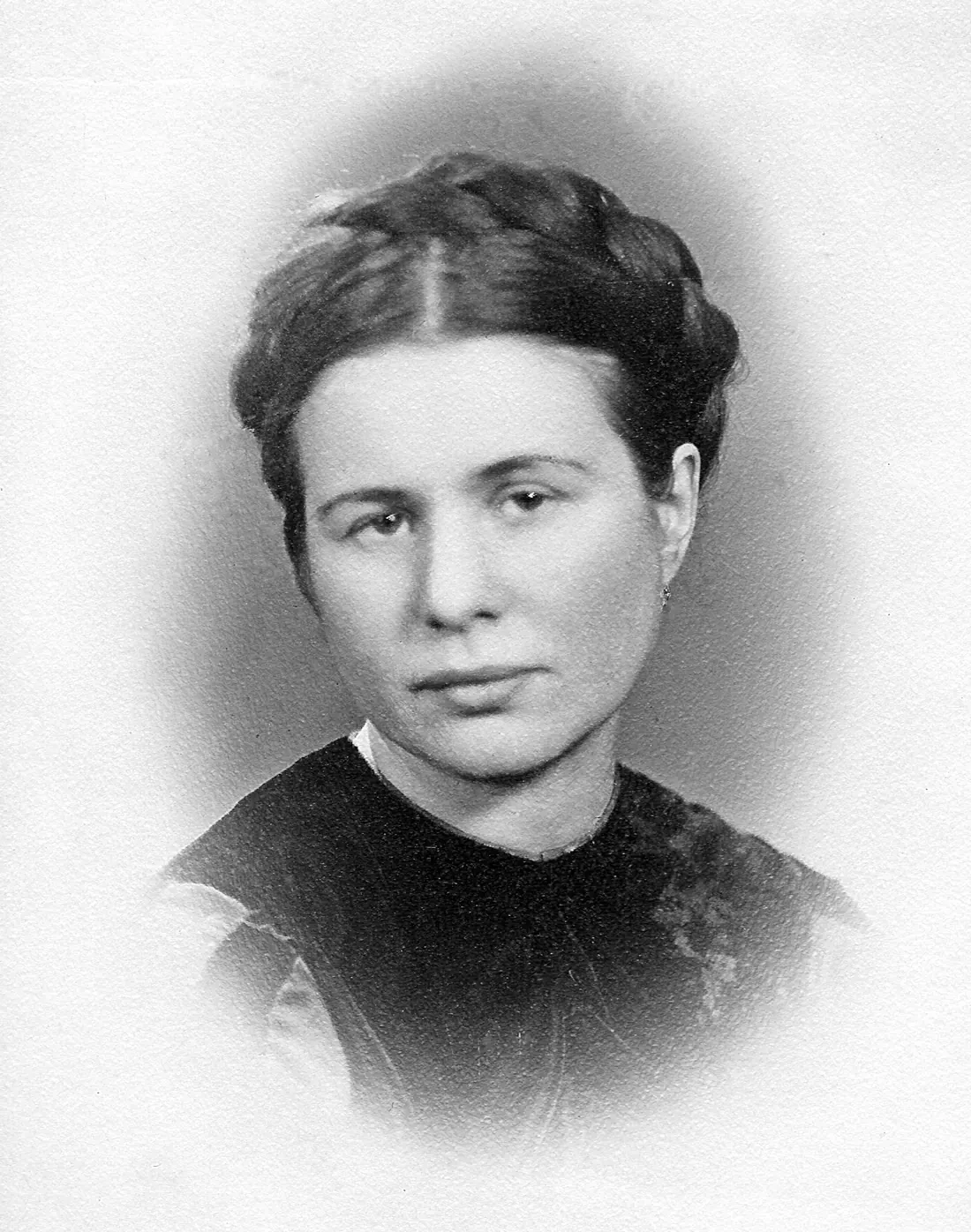
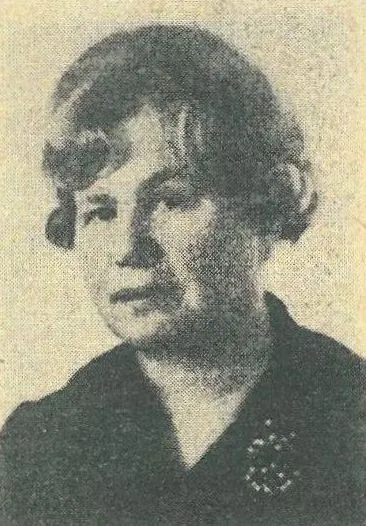
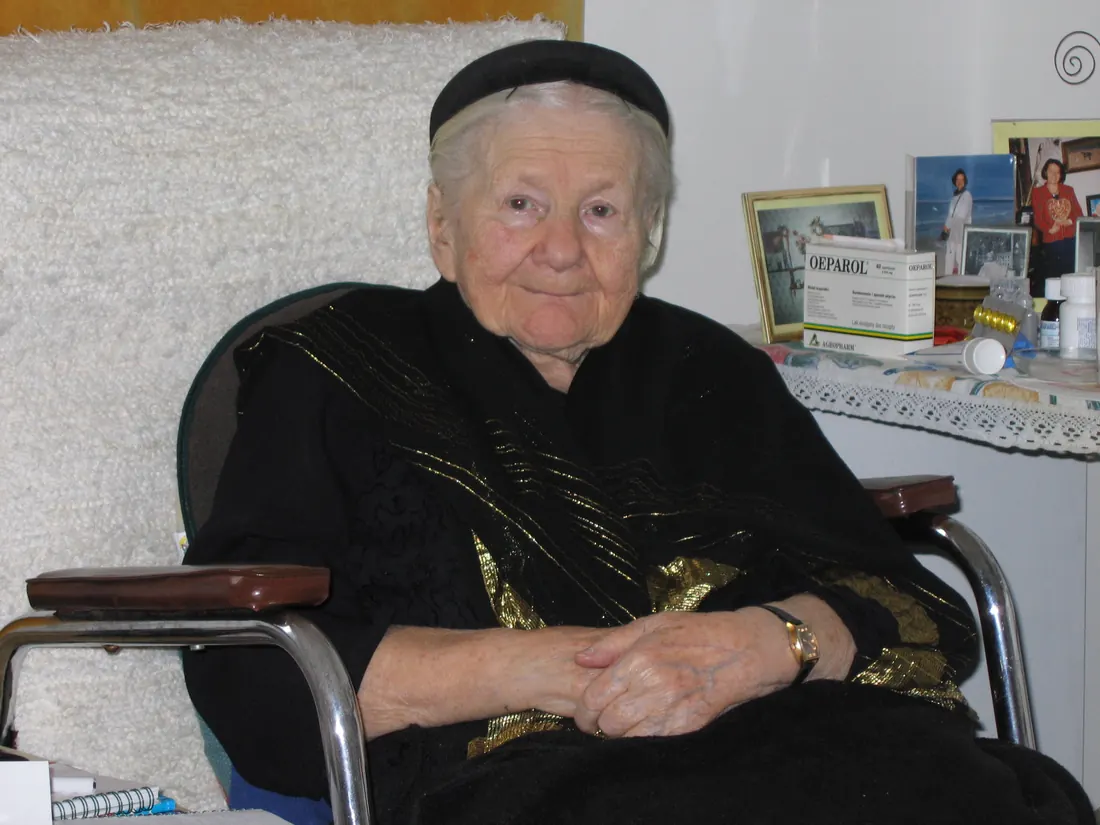
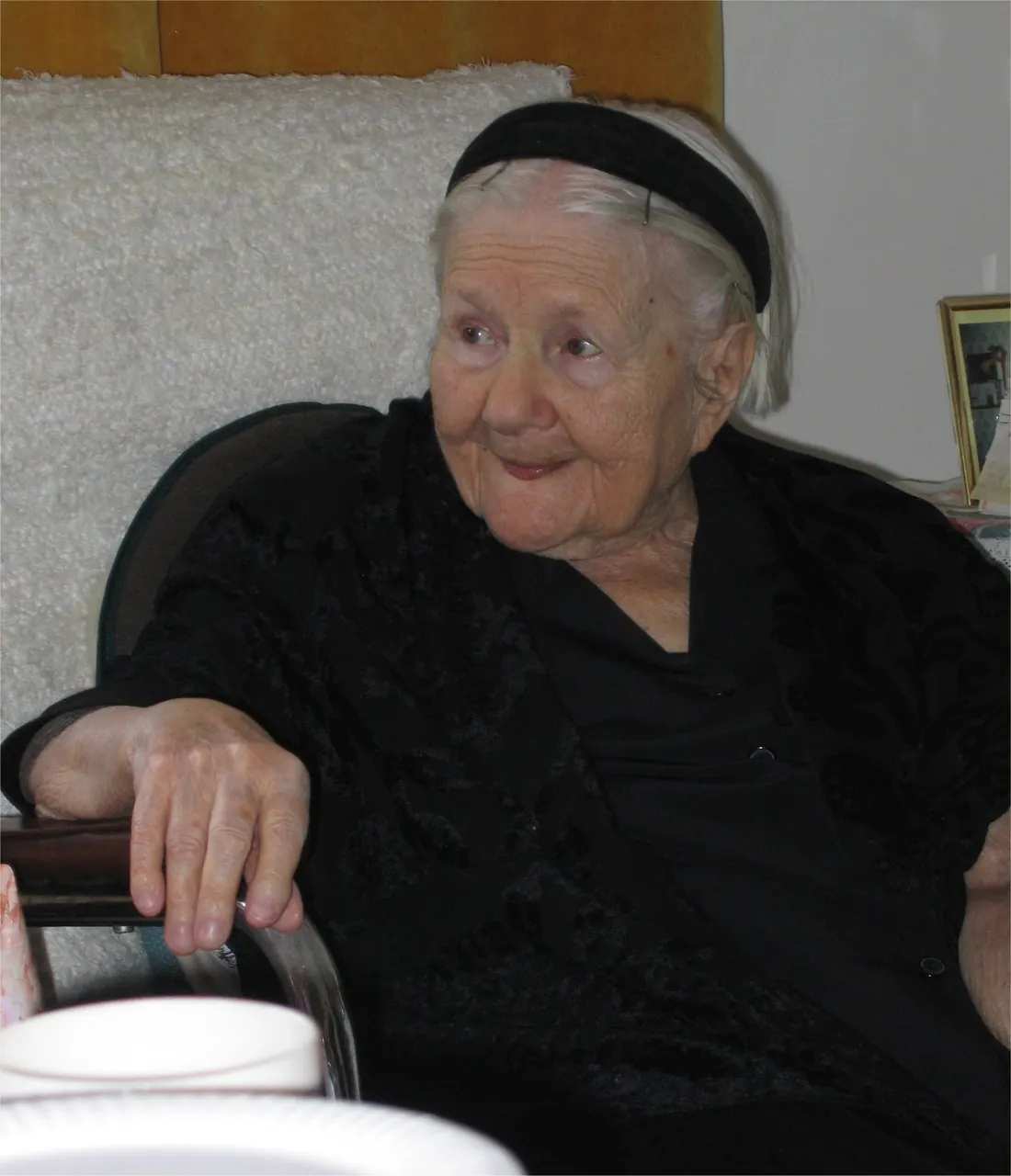
In 1942 Irena Sendler was a social worker in Nazi-occupied Warsaw, at the city’s Department of Social Welfare and Public Health. She had a special permit to enter the Warsaw Ghetto to check for signs of typhus, so she could walk in and out. With her network and the Żegota underground, she helped get Jewish children out. Babies and small children went out in ambulances and in trams, sometimes wrapped up as packages.
Each child got a new identity and a new home: false papers, and a place with a Polish family, in an orphanage or in a convent. But Sendler recorded the children’s real names, and she buried the lists in jars under an apple tree in a friend’s garden, so their families could find them after the war.
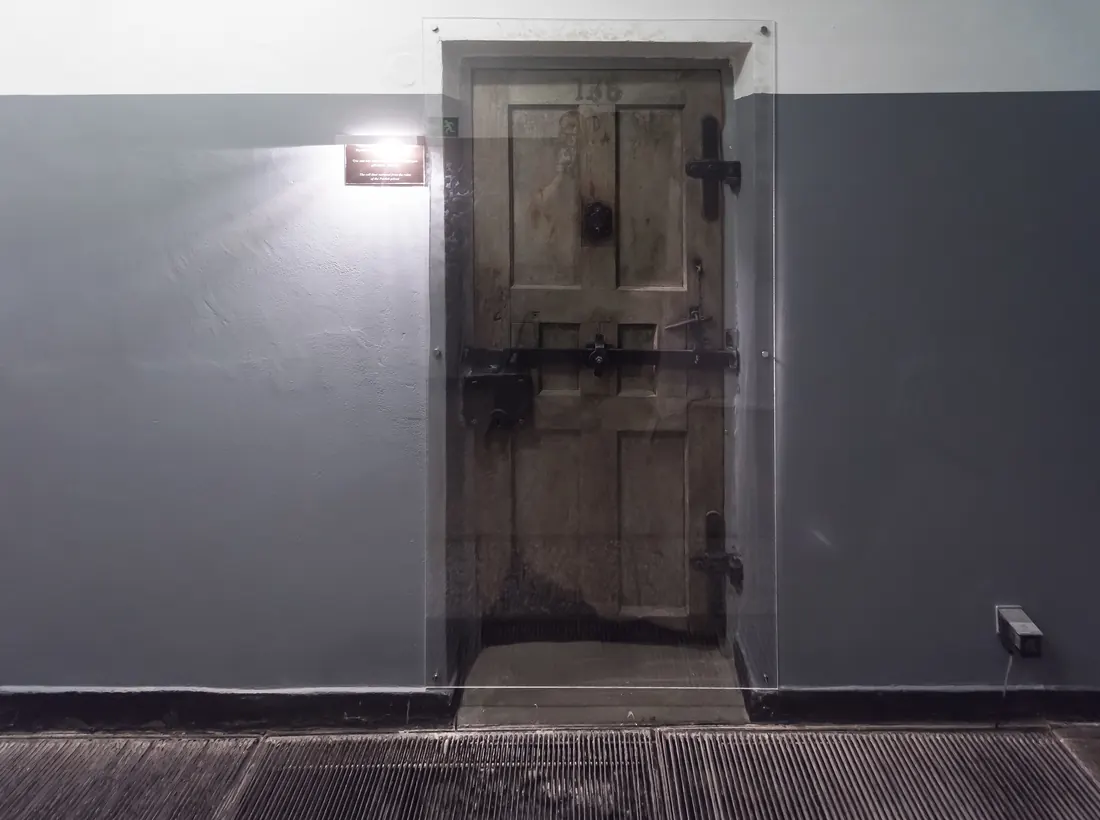
In October 1943 the Gestapo arrested her. In Pawiak prison she was beaten and tortured. In an oral history she said: “They beat me. Tortured me.” She never revealed the names of the children or of her colleagues, and she was sentenced to death. On the day set for her execution, members of Żegota bribed a guard, and she was set free.
Her network is credited with saving about 2,500 children, though the exact number is not known. Yad Vashem recognized her as Righteous Among the Nations in 1965, but her story was largely unknown in North America until 1999, when students in Uniontown, Kansas, wrote and staged a play about her, Life in a Jar. “I could have done more,” she said. “This regret will follow me to my death.” She died in 2008, aged 98.
Fact check
The facts and where they come from
- The Gestapo tortured her for the names of the hidden children, but she never gave them up. USHMM: “The Gestapo brutally beat and tortured her. Nonetheless, Irena never revealed the names of the children or her colleagues.” Jewish Virtual Library: “refusing to betray either her associates or any of the Jewish children in hiding.” 12
- In 1942 she was a social worker in Warsaw, at the Department of Social Welfare and Public Health of the City of Warsaw (1935 to October 1943). 34
- She had a permit to enter the ghetto to check for typhus: “special permits for entering the ghetto to check for signs of typhus” (Wikipedia). 3
- She and her network got children out. The AP: they “smuggled out babies and small children in ambulances and in trams, sometimes wrapped up as packages.” 52
- Each child got a new identity and a new home: false papers, and a place with a Polish family, an orphanage or a convent. The Holocaust Memorial Day Trust: “provided them with false papers and placed them with the substitute Polish families.” 43
- She recorded the children’s real names and buried the lists in jars under an apple tree in a friend’s garden, so they could be found after the war. Wikipedia: “buried lists of the hidden children in jars”; the Holocaust Memorial Day Trust: “in jars in a friend’s garden,” “so that they could be found easily after the war”; Hanna Piotrowska: “burying the jars in the back under an apple tree”; Jewish Virtual Library: “jars buried beneath an apple tree.” 3462
- In October 1943 the Gestapo arrested her: on October 18 (Wikipedia) or October 20 (Jewish Virtual Library). 32
- She was beaten and tortured in Pawiak prison. Wikipedia: “She was placed in the Pawiak prison.” Her own words (USHMM): “They beat me. Tortured me.” The Holocaust Memorial Day Trust: “brutally tortured to make her reveal information.” 314
- She gave them nothing and was sentenced to death: “Irena gave nothing away and she was condemned to death” (Holocaust Memorial Day Trust). In her USHMM oral history: “very quickly I got a death sentence.” 41
- On the day of her execution, Żegota bribed a guard and she was freed. The Holocaust Memorial Day Trust: “on the day set for her execution, other members of Zegota were able to bribe one of the Gestapo agents.” Wikipedia: “the German guards escorting her were bribed, and she was released on the way to the execution.” 43
- Her network is credited with saving about 2,500 children. The Holocaust Memorial Day Trust: “nearly 2,500 children”; the AP: “Sendler’s team of about 20 people saved nearly 2,500 children.” Wikipedia: “the number of Jewish children saved through Sendler’s efforts is not known”; the USHMM: “several hundred.” 4531
- Her story was largely unknown in North America until 1999, when students in Uniontown, Kansas, wrote and staged the play Life in a Jar. Wikipedia: “Sendler’s achievements were largely unknown in North America until 1999, when students at a high school in Uniontown, Kansas …”; Jewish Virtual Library: “Her achievement went largely unnoticed for many years.” 32
- Her words, quoted word for word: “I could have done more,” she said. “This regret will follow me to my death.” 2
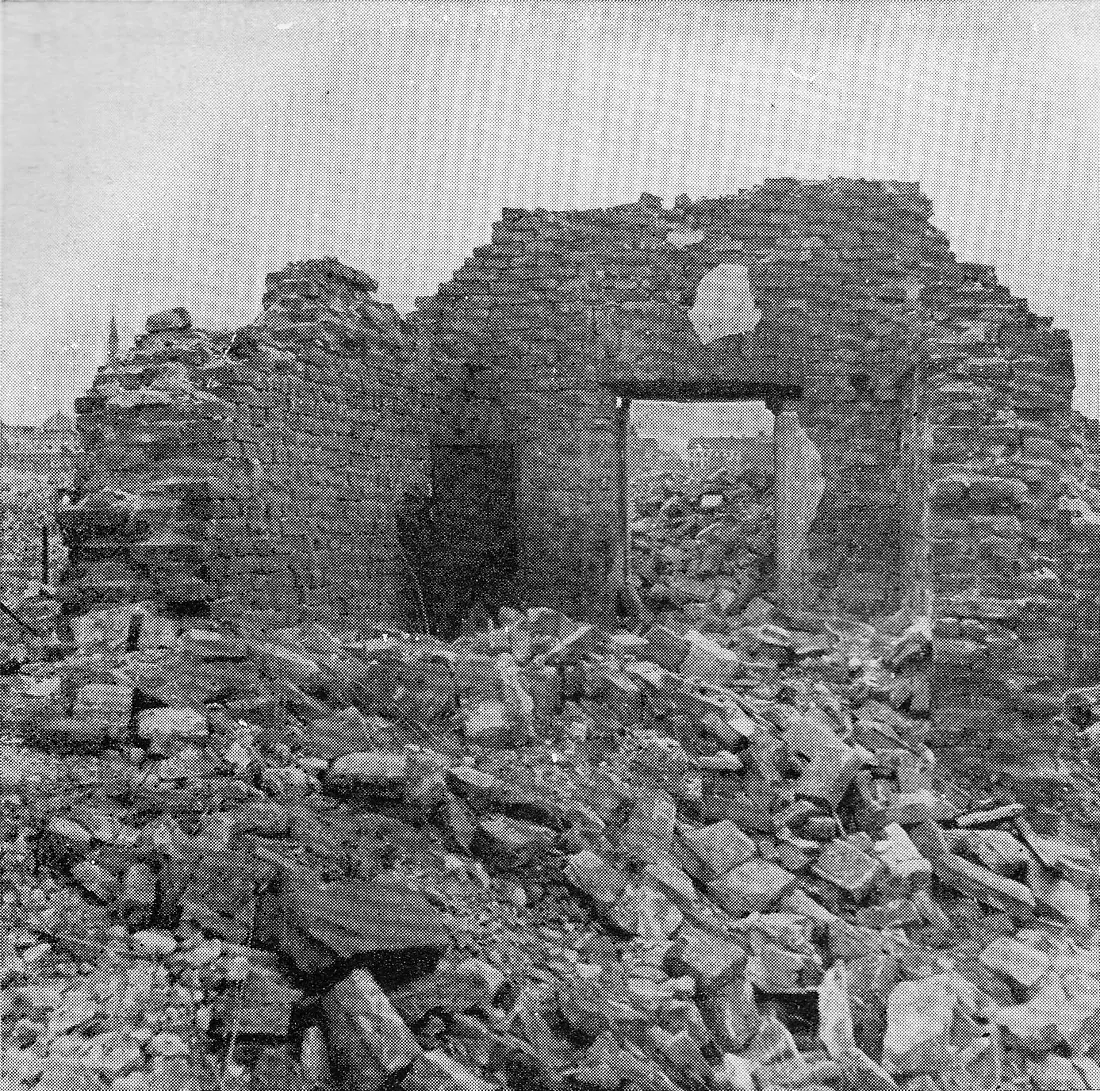
- Pawiak’s women’s wing was called Serbia, and the Germans blew up the prison in August 1944. Wikipedia: “Its ward for females was called Serbia”; the Germans “burned and blew up the buildings.” 7
- Yad Vashem recognized her as Righteous Among the Nations in 1965. She died in 2008, aged 98. 32
Sources
- Irena Sendler describes how she was arrested and tortured by the Gestapo (oral history) Holocaust Encyclopedia, United States Holocaust Memorial Museum
- Irena Sendler Jewish Virtual Library
- Irena Sendler Wikipedia
- Irena Sendlerowa (life story, PDF) Holocaust Memorial Day Trust
- Irena Sendler, who smuggled Jewish children to safety, dies at 98 (AP obituary, 2008) HeraldNet
- The Tree Life in a Jar: The Irena Sendler Project
- Pawiak Wikipedia
Notes
How many children: 2,500 is Sendler’s own figure, repeated by the Holocaust Memorial Day Trust, the AP and the Jewish Virtual Library. Wikipedia says the true number “is not known” (no list of 2,500 has been found; she first gave the figure in 1979), and the USHMM says she personally helped smuggle “several hundred.” We say her network is credited with about 2,500.
Smuggling methods: coffins, sacks, a mechanic’s toolbox and a barking dog appear in popular retellings (the Jewish Virtual Library, Life in a Jar) but not in Wikipedia or the USHMM. We use only the AP’s wording: ambulances, trams, and children wrapped up as packages.
Broken legs and feet are widely repeated (Jewish Virtual Library) but not in Wikipedia; in the USHMM interview she says only “my bad legs.” We say she was beaten and tortured, and don’t mention broken bones.
The apple tree comes from Hanna Piotrowska’s account (Life in a Jar), the AP and the Jewish Virtual Library; Wikipedia and the Holocaust Memorial Day Trust say only jars in a friend’s garden. Whether the lists were later used to reunite families is disputed (Wikipedia says they went to Adolf Berman’s committee), so we say only what they were for.
The arrest date is October 18 (Wikipedia) or October 20, 1943 (Jewish Virtual Library); we say October.
“Largely unknown”: she was honored by Yad Vashem in 1965 and known in Poland and Israel; Wikipedia says her achievements were largely unknown in North America until 1999.
The escape: “a guard” (Wikipedia says the German guards escorting her; the Holocaust Memorial Day Trust says one of the Gestapo agents). Left out: her being listed as executed on public notices (Holocaust Memorial Day Trust).
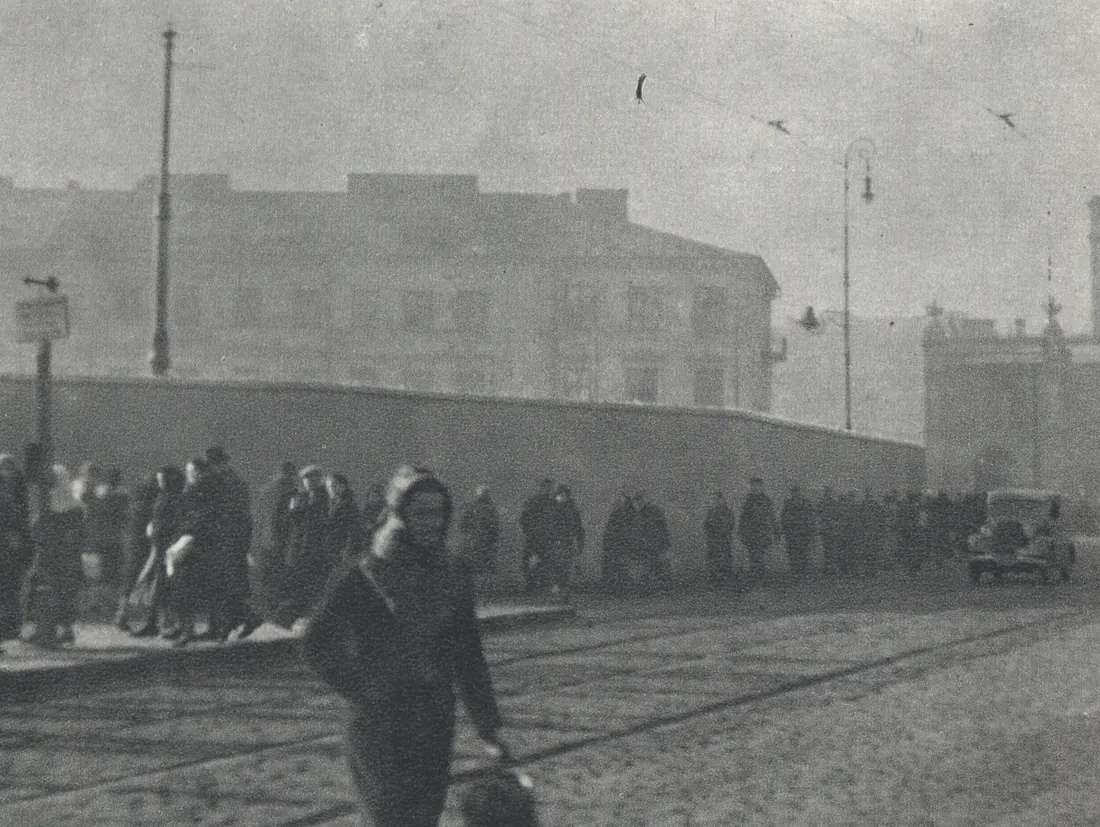
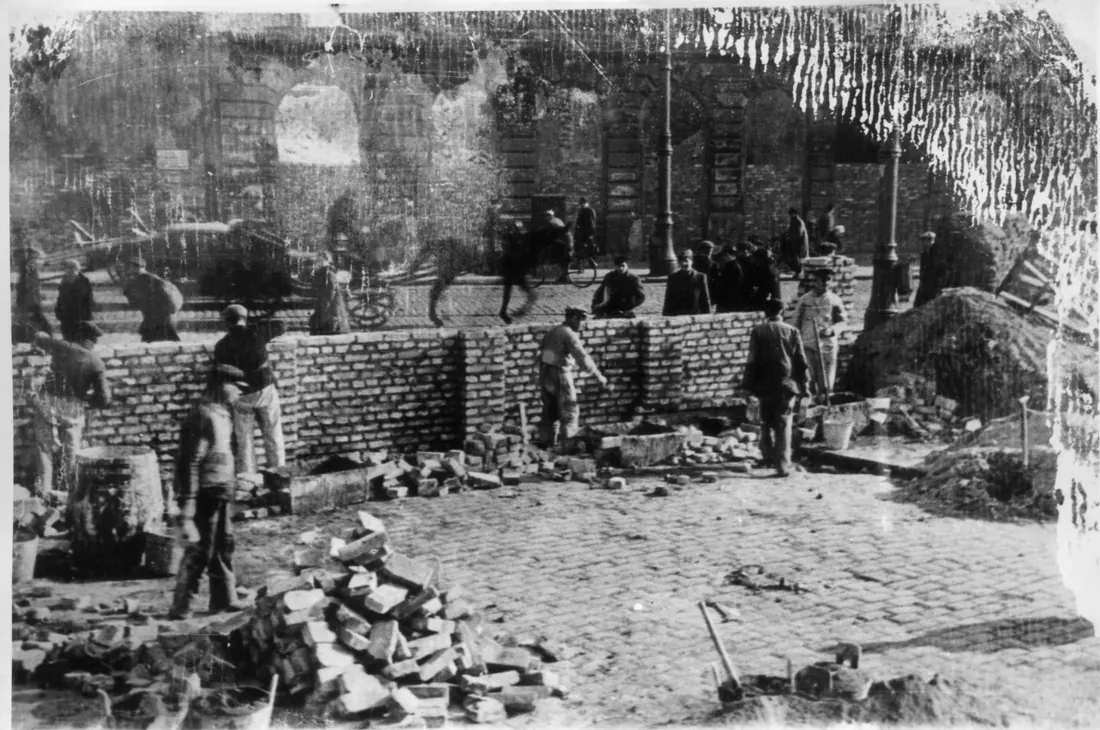
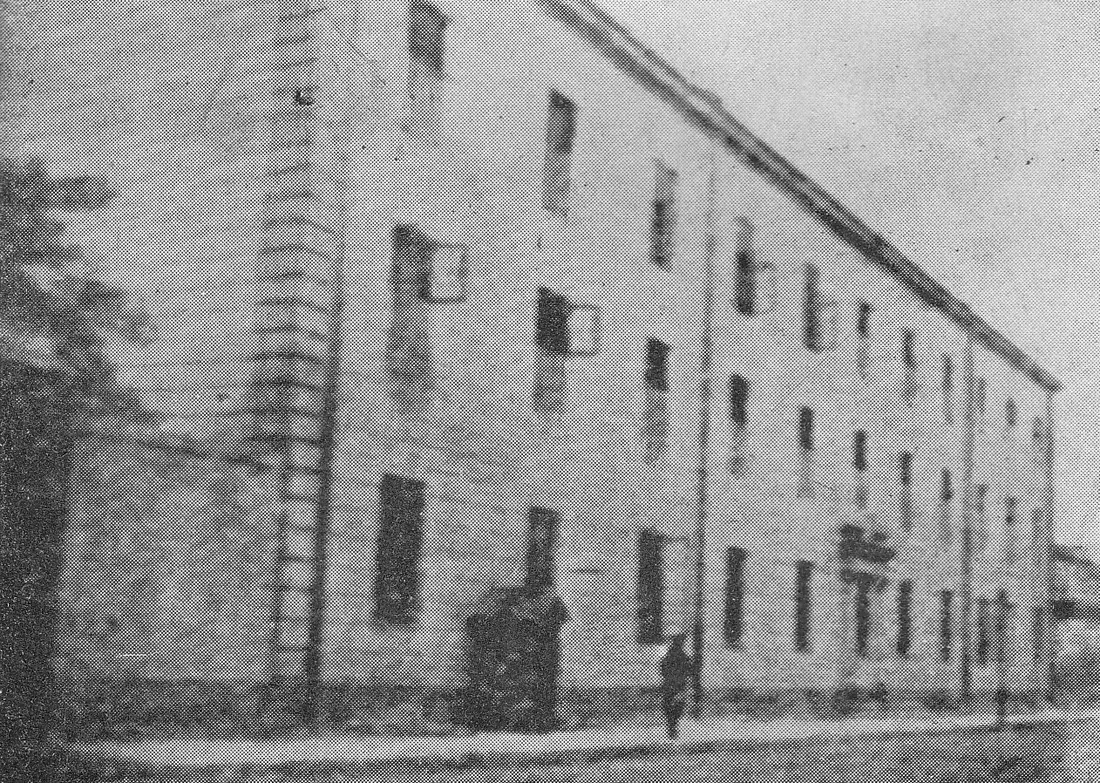
The ghetto photos show the ghetto she entered (1940–42), not her or the rescues. The Serbia photo shows the women’s wing of Pawiak, where she was held; the cell door is an original Pawiak door in today’s prison museum (2020); the ruined cell was photographed in 1945, after the Germans blew up the prison in August 1944. The apple tree is a modern photo from Germany, not the tree in the story.
Photo credits
The archive photos in this story
The photographs and illustrations in this story are in the public domain or shared under open licenses; each one is credited below with its license. Tap one to enlarge it, or follow the link to its Wikimedia Commons page for the full record. The narration, music, captions and graphics in the Short are our own.