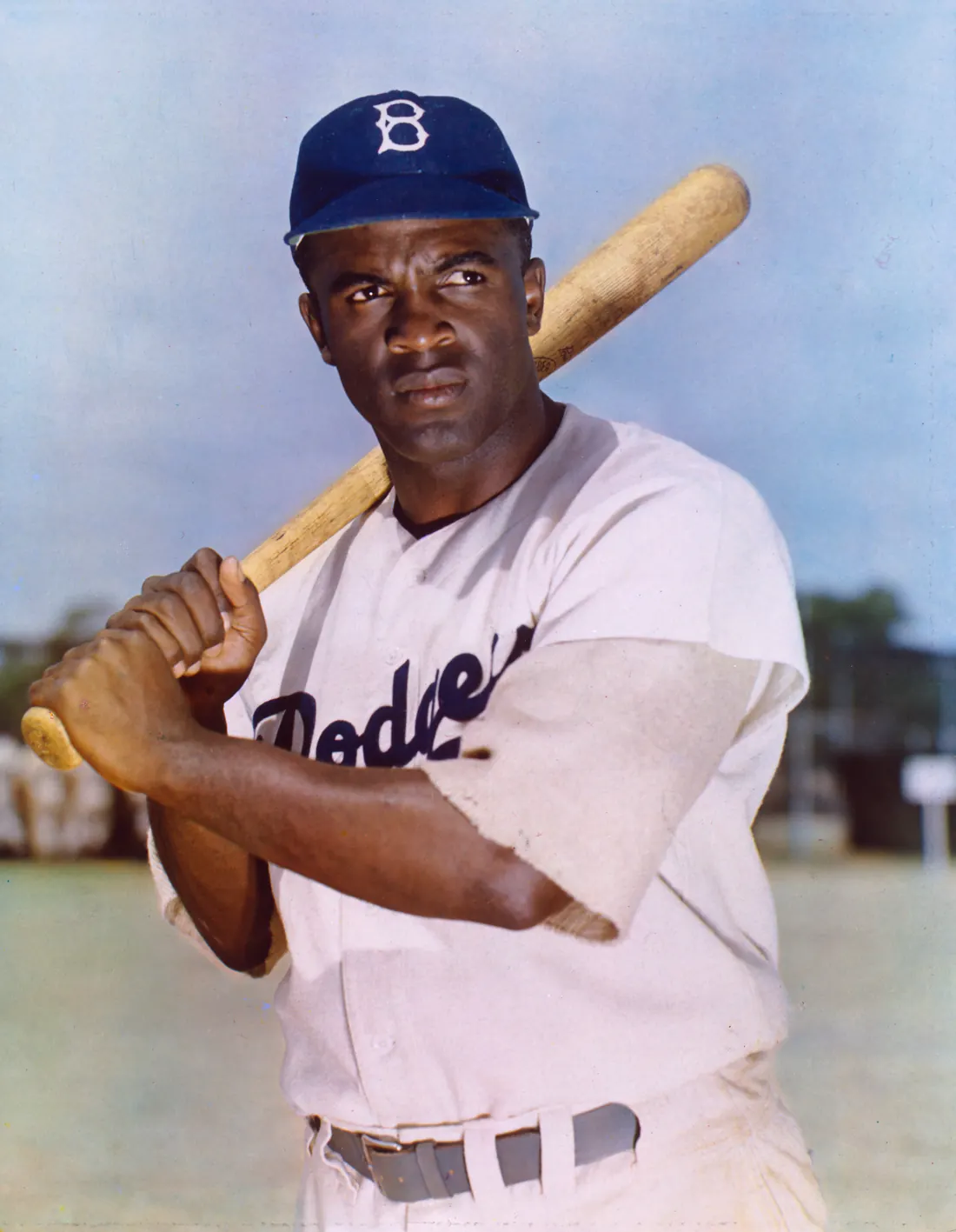
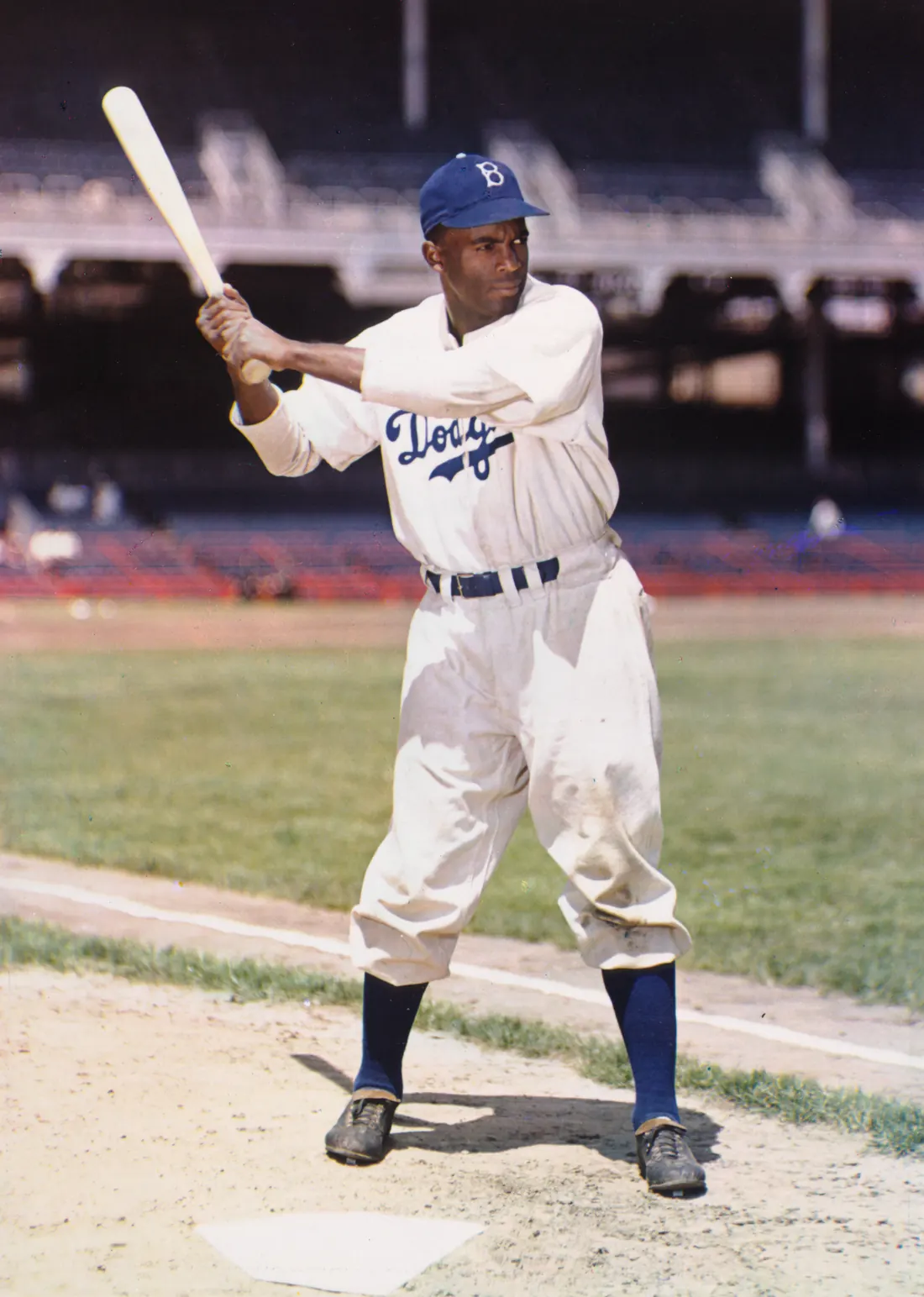
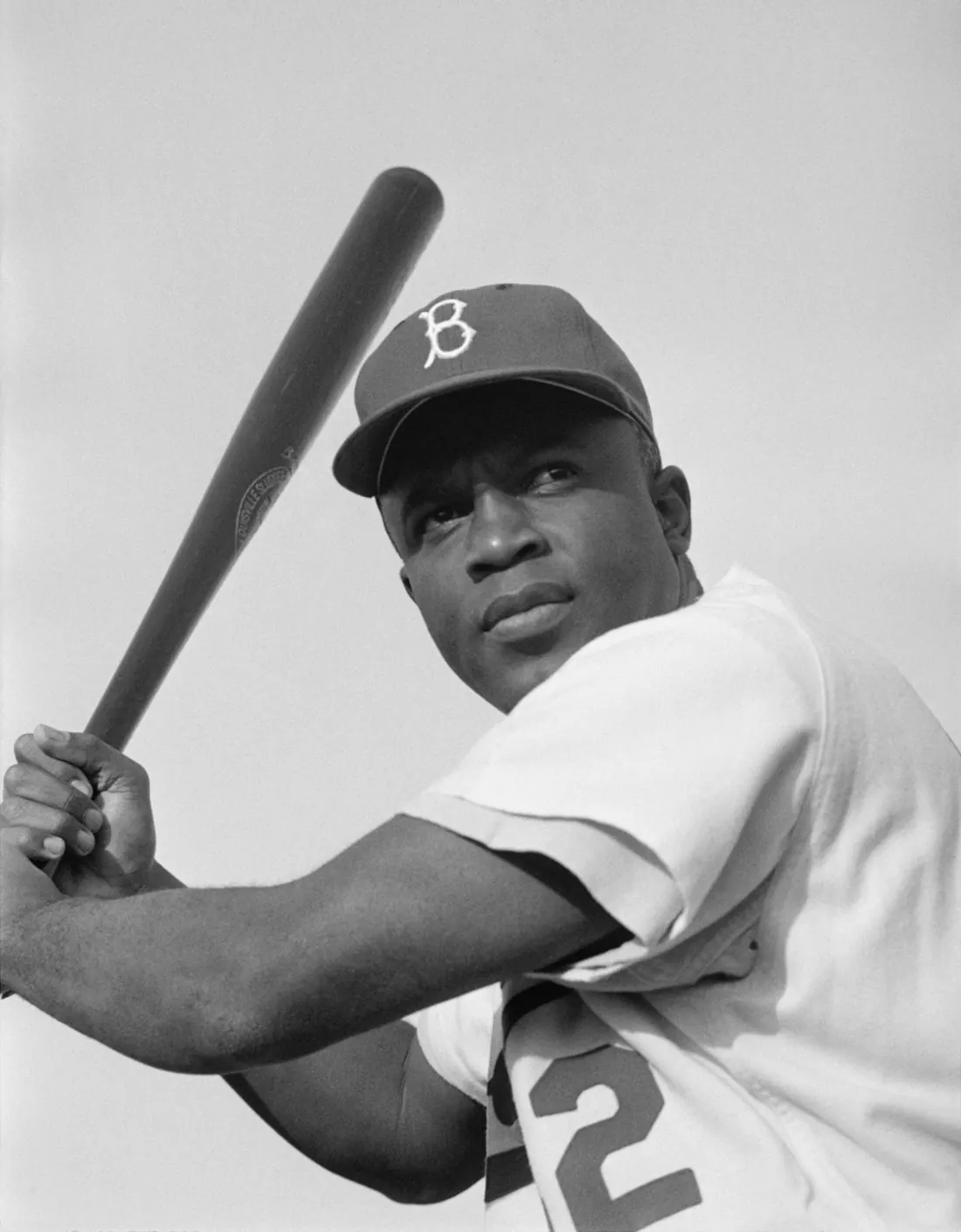
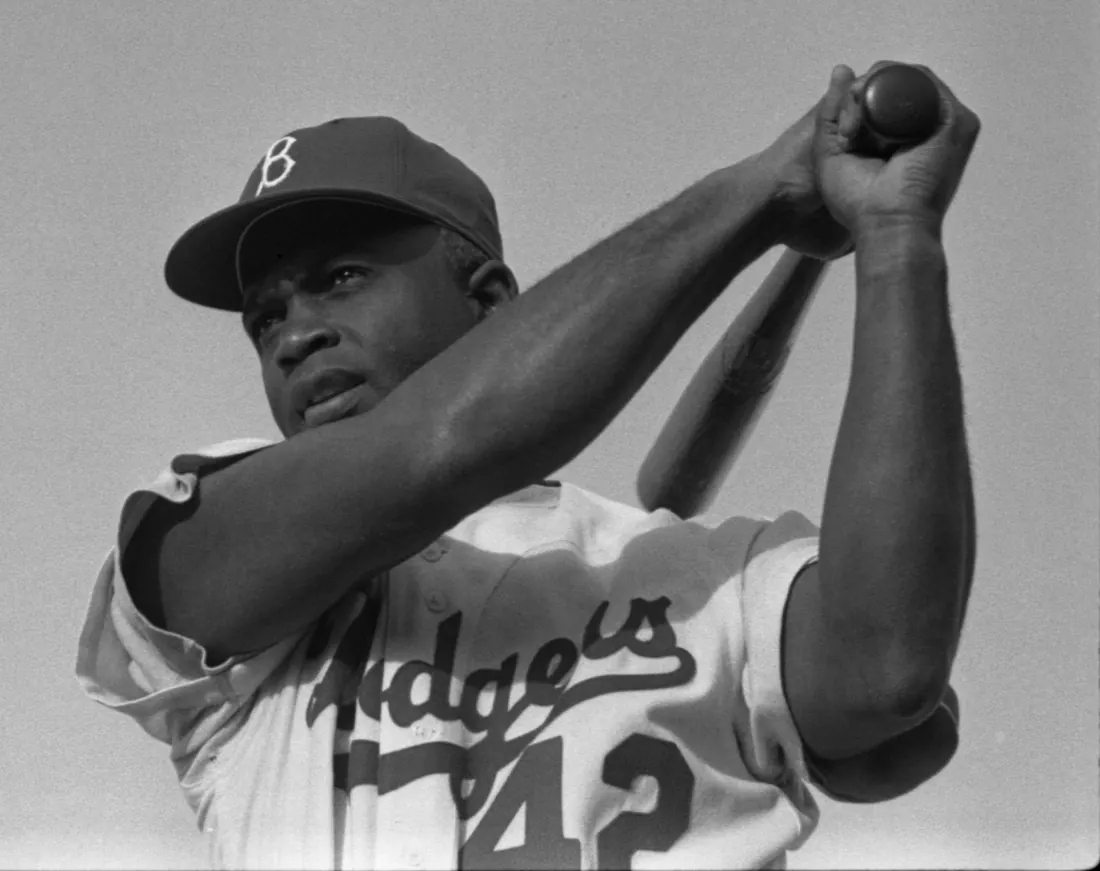
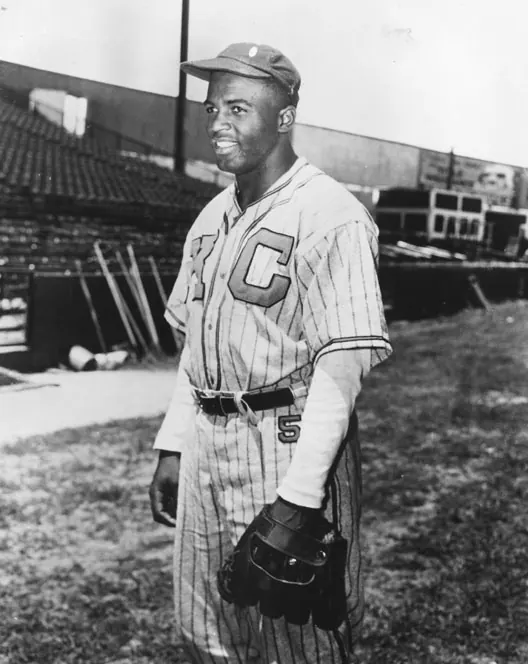
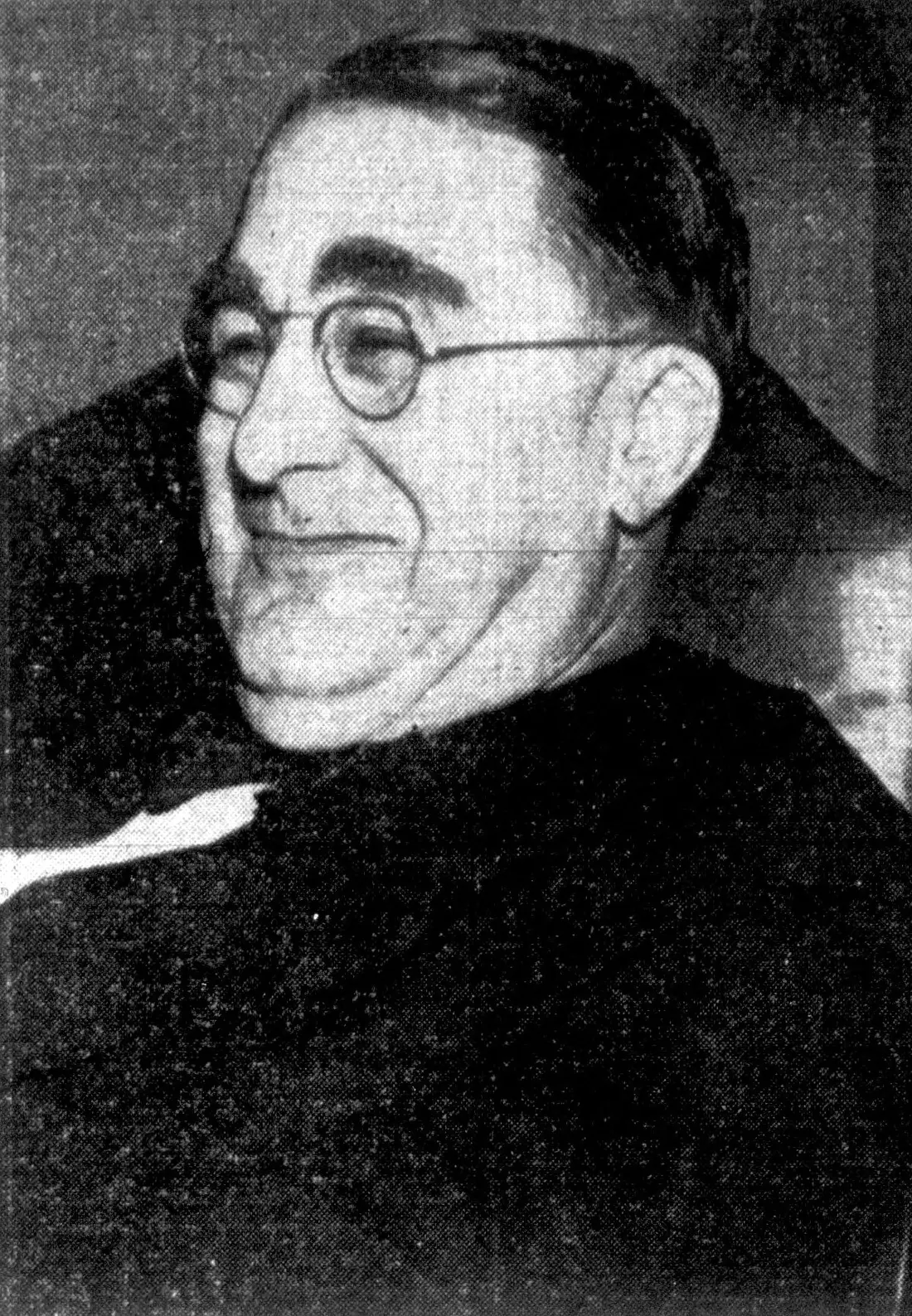
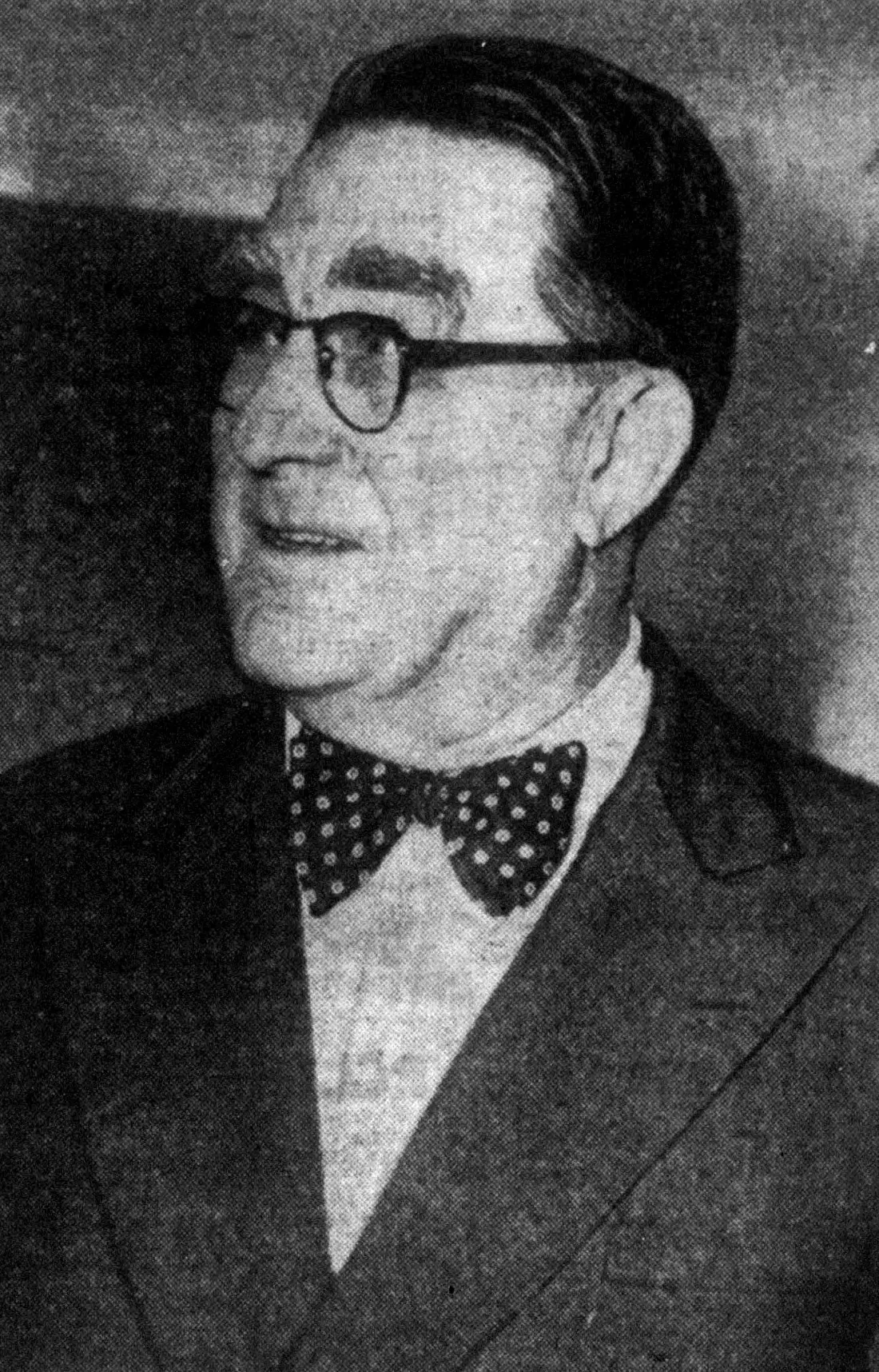
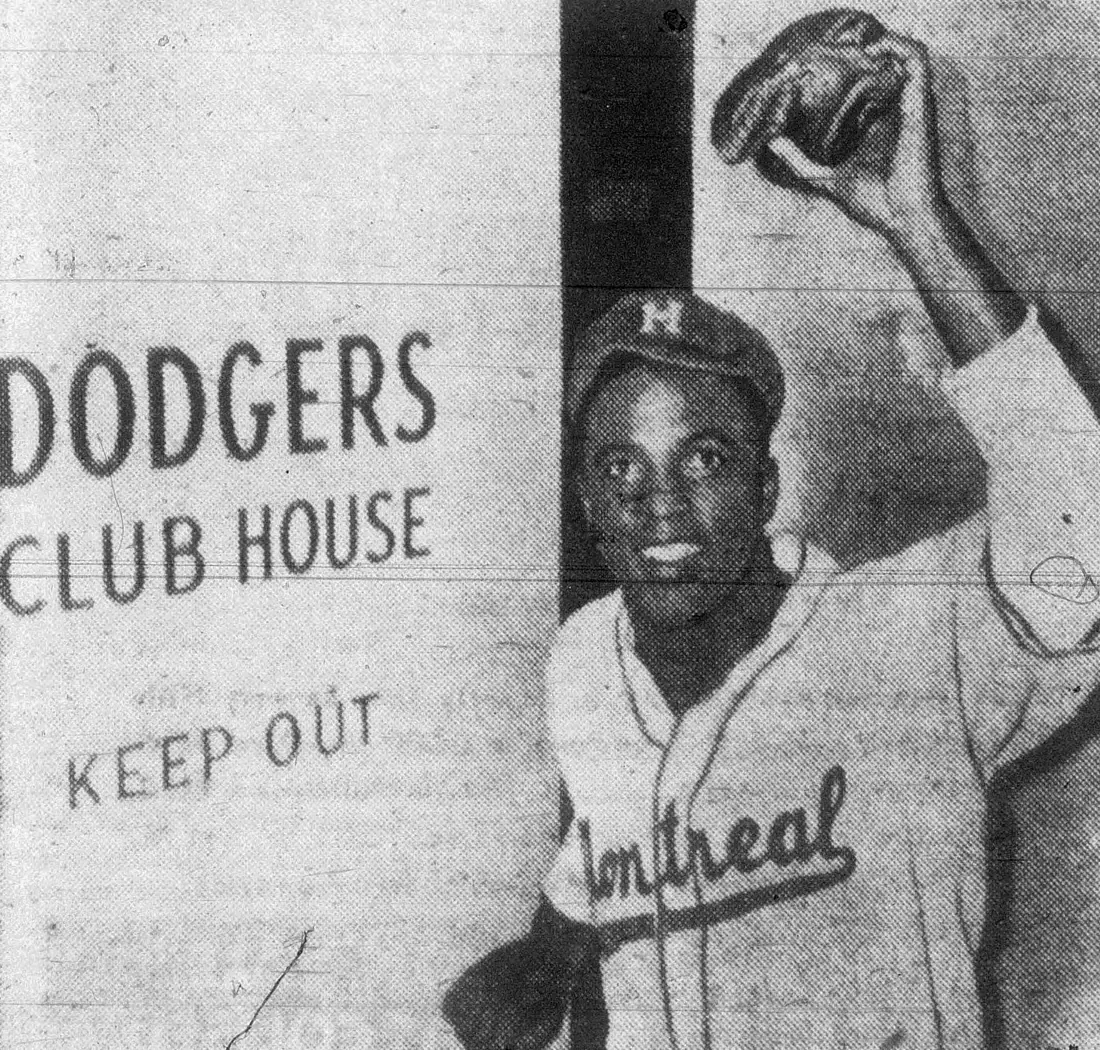
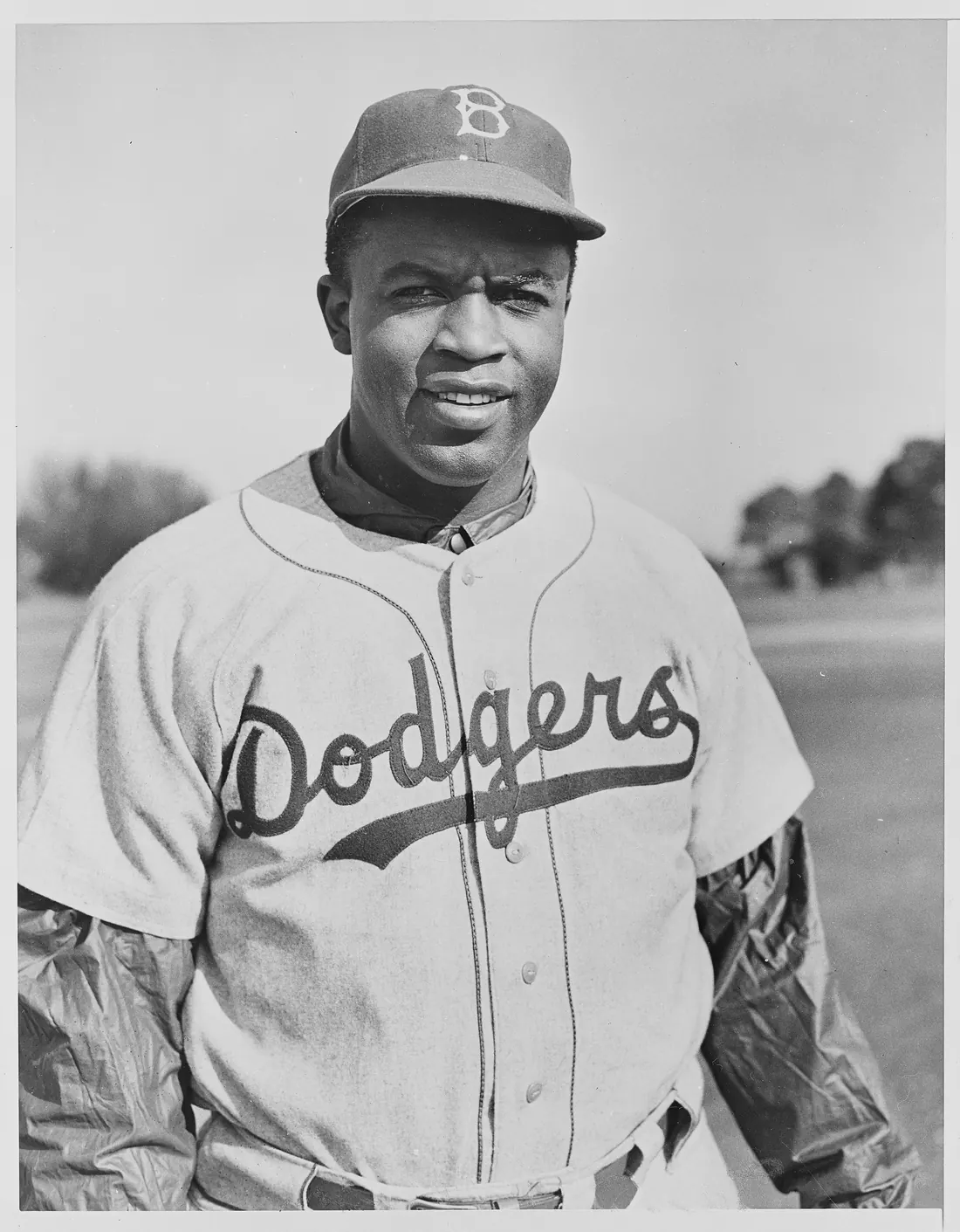
In 1945 Branch Rickey of the Brooklyn Dodgers picked Jackie Robinson to break baseball’s color line. They met on August 28, 1945, and the signing was announced that October. Rickey said he needed a player “with guts enough not to fight back.” As his words were later recalled, “You’ll have to promise me that for three years . . . three years . . . you won’t answer back.” Robinson himself remembered “Mr. Rickey saying to me that I couldn’t fight back.”
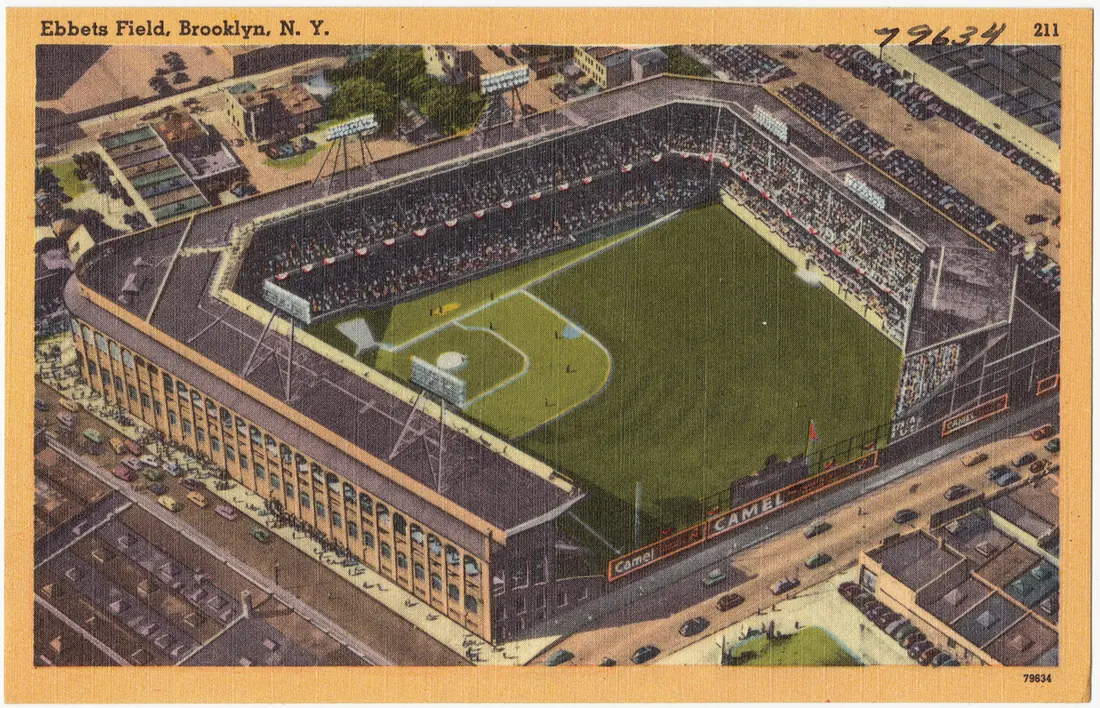
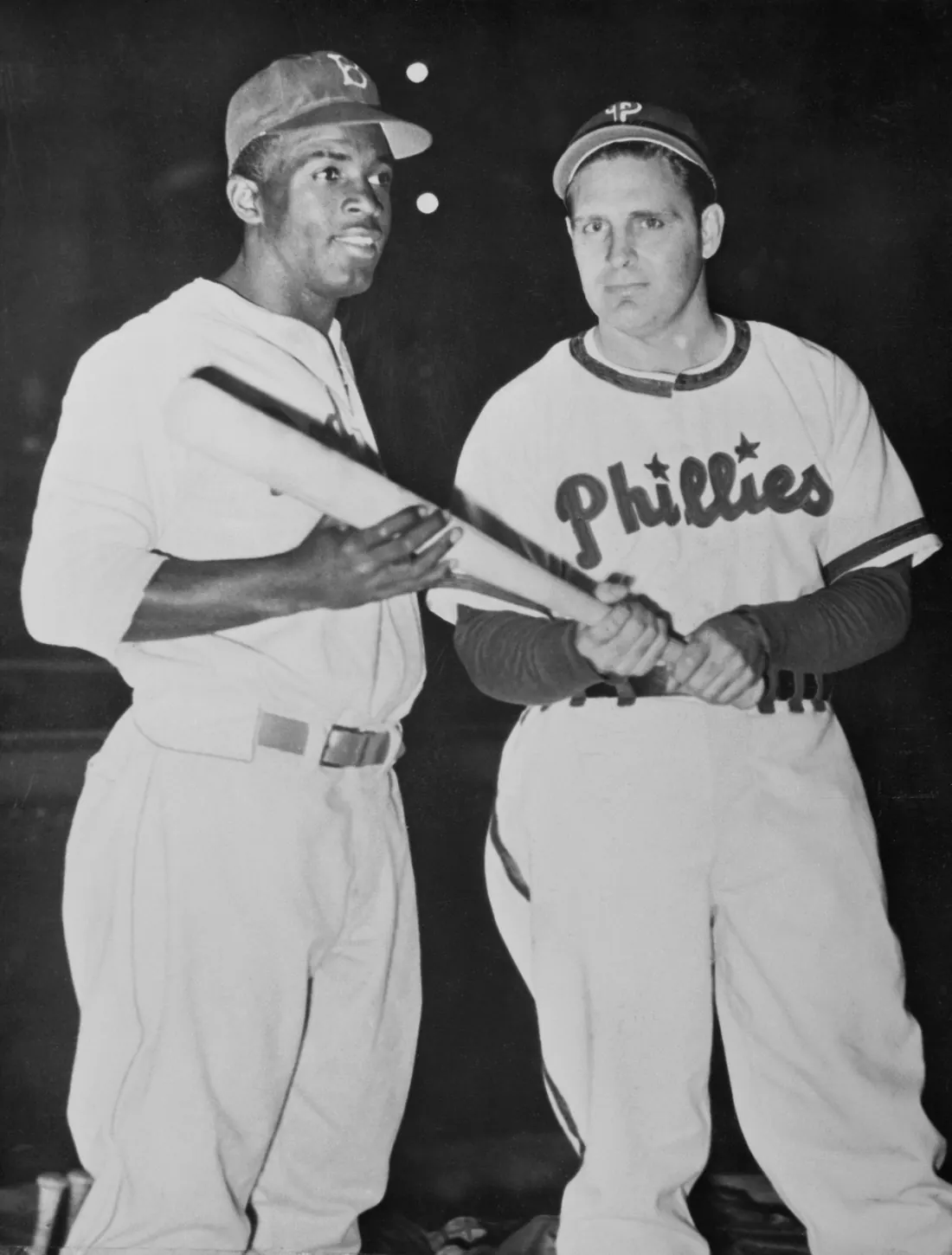
On April 15, 1947, at Ebbets Field, before a crowd of 26,623, more than 14,000 of them Black, he became the first Black player in modern major league baseball. Some of his own teammates, a core of Southerners reportedly led by outfielder Dixie Walker, began to circulate a petition against him, until Rickey and manager Leo Durocher quashed it. On April 22, Phillies players and their manager, Ben Chapman, yelled racial slurs at him from their dugout. Pitchers threw at his head. There were threats against him and his family, among them death threats from Phillies fans.
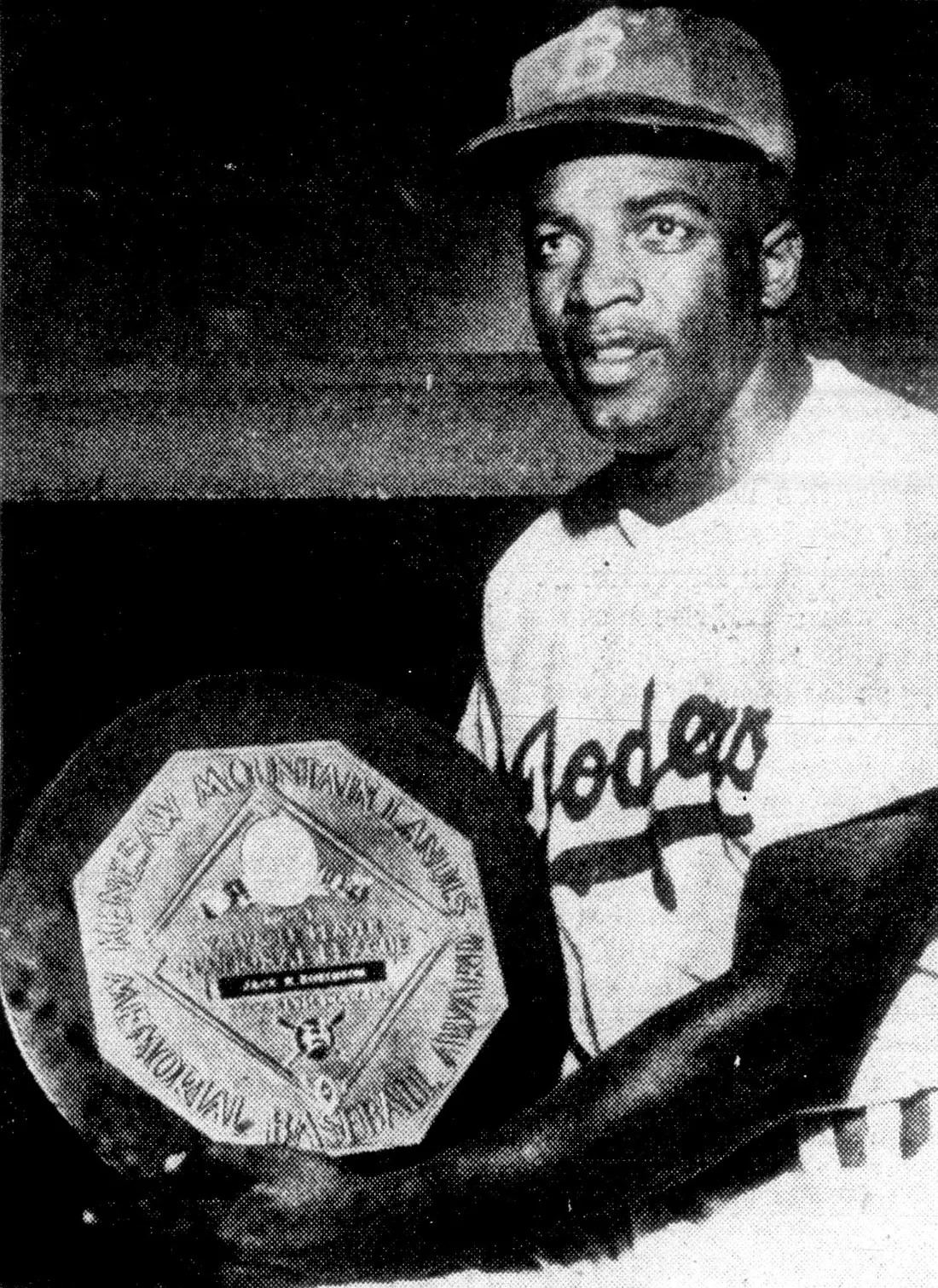
He kept his promise. In his first season, as SABR puts it, he “steadfastly stuck by his promise to Rickey to turn the other cheek,” and he answered on the field: he hit .297, led the league with 29 stolen bases and won the first Rookie of the Year award. In 1949 he was the National League’s Most Valuable Player, batting .342.
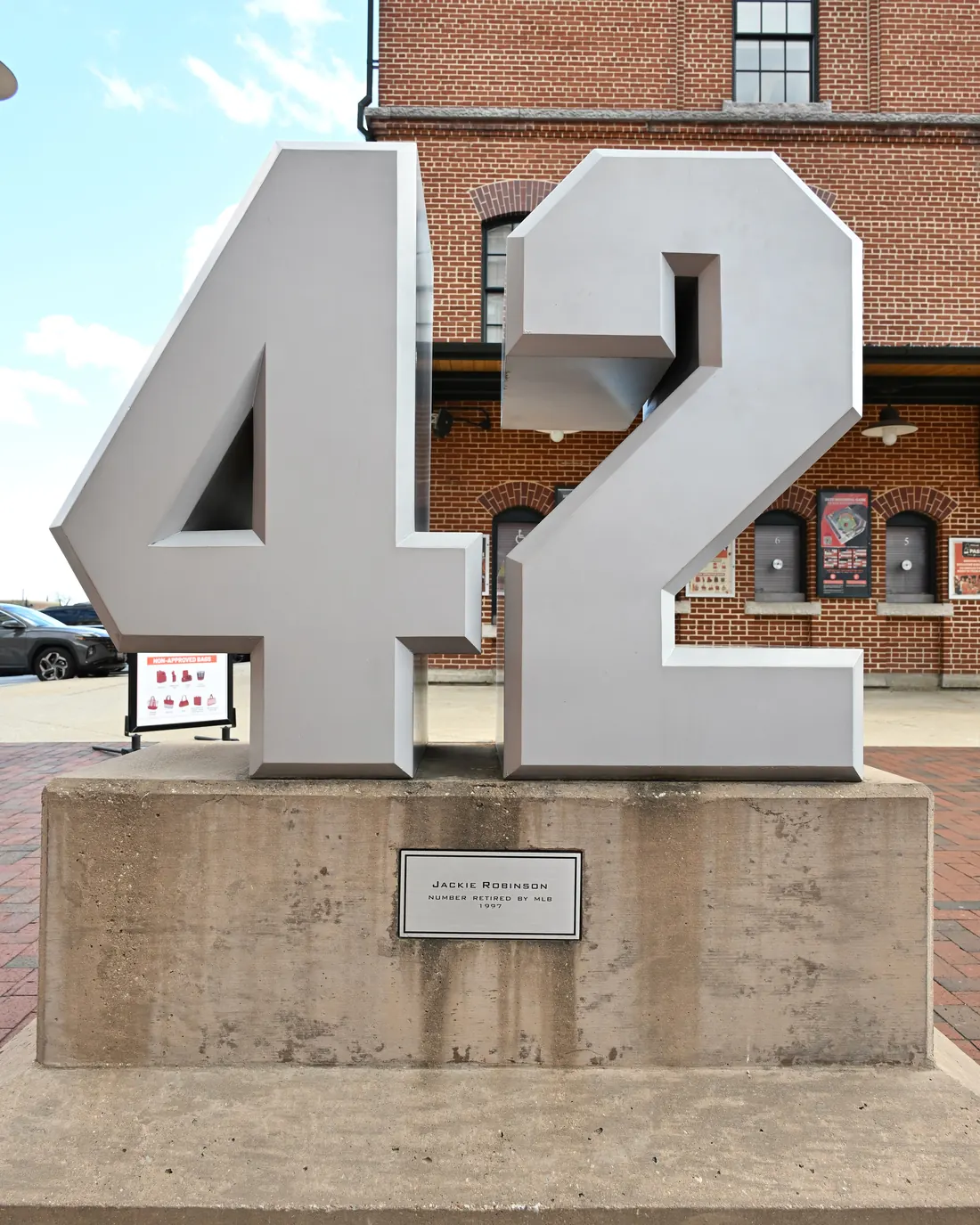
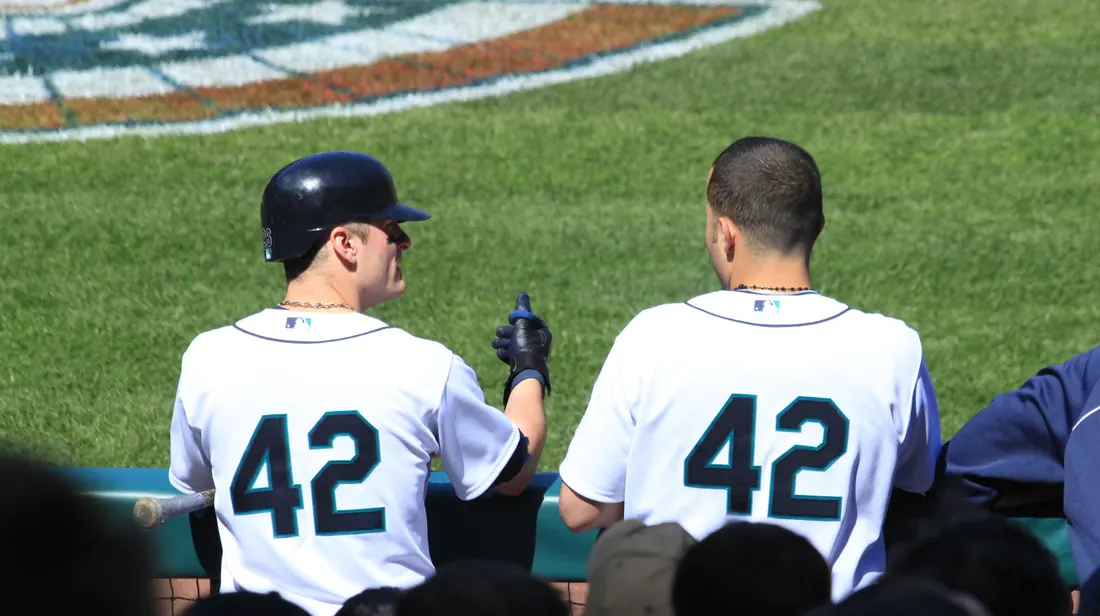
On April 15, 1997, his number, 42, was retired throughout Major League Baseball. Players already wearing it could keep it, and Mariano Rivera, who retired at the end of the 2013 season, was the last to wear it on a regular basis. Today no player can wear 42, except on April 15: since 2009, all of MLB’s uniformed personnel, players included, have worn it on that date, Jackie Robinson Day.
Fact check
The facts and where they come from
- Robinson was “the first African American to play in Major League Baseball (MLB) in the modern era” (Wikipedia). 1
- In 1945 Branch Rickey, the Brooklyn Dodgers’ general manager, picked him to break the color line. They met on August 28, 1945 (Hall of Fame), and he signed that year; the signing was announced on October 23, 1945 (SABR). 2315
- Rickey said he needed a player “with guts enough not to fight back” (word for word on both pages). 21
- For three years he could not answer back. Rickey, as recalled in The Christian Science Monitor (1986): “You’ll have to promise me that for three years . . . three years . . . you won’t answer back.” The Harvard Crimson (1972): “But, he told Rickey he would, and for three years, he did.” Robinson himself (NPR, 2016) recalled “Mr. Rickey saying to me that I couldn’t fight back.” 789
- He debuted on April 15, 1947, at Ebbets Field, “before a crowd of 26,623 spectators, more than 14,000 of whom were black” (Wikipedia). 13
- Some of his own teammates passed around a petition against him. SABR: “a core of Southerners on the team began to circulate a petition against Robinson,” “reportedly led by outfielder Dixie Walker”; “Rickey and manager Leo Durocher promptly quashed the mini-rebellion.” Wikipedia: “Some Dodger players insinuated they would sit out rather than play alongside Robinson.” 51
- On April 22, 1947, Phillies players and manager Ben Chapman yelled racial slurs at him from their dugout. NPR: Chapman was “showering Robinson with racial slurs from the dugout.” 19
- Pitchers threw at his head. SABR’s Baseball Research Journal, quoting Ken Burns’s Baseball: “Pitchers threw at his head” and “Ben Chapman instructed his pitchers when to throw at Robinson.” 6
- Death threats came for him and his family. The Hall of Fame: he “endured teammates and crowds who opposed his presence, and threats to himself and his family, with honor and grace.” NPR: “There were also death threats from fans of Philadelphia Phillies.” 49
- He kept his promise: in his first season he “steadfastly stuck by his promise to Rickey to turn the other cheek” (SABR). In 1947 he hit .297 and led the league in stolen bases, with 29. 51
- That year he won “the inaugural Baseball Writers’ Association of America’s Rookie of the Year Award” (Hall of Fame); Wikipedia: “the inaugural Major League Baseball Rookie of the Year Award.” 41
- In 1949 he was the National League’s Most Valuable Player: he “was named the NL MVP just two years later in 1949” (Hall of Fame). He batted .342. 41
- “On April 15, 1997, Robinson’s jersey number, 42, was retired throughout Major League Baseball” (Wikipedia). The plaque at Oriole Park reads “Jackie Robinson / Number retired by MLB / 1997.” 110
- Today no player can wear it. Players already wearing 42 in 1997 were grandfathered; Mariano Rivera, who retired at the end of the 2013 season, “was the last player in Major League Baseball to wear jersey number 42 on a regular basis” (Wikipedia). 1
- Except every April 15: “In 2009, all of MLB’s uniformed personnel (including players) wore number 42 on April 15; this tradition has continued every year since on that date” (Wikipedia). Jackie Robinson Day began in 2004. 1
Sources
- Jackie Robinson Wikipedia
- #Shortstops: The guts not to fight National Baseball Hall of Fame
- Branch Rickey (Hall of Famer page) National Baseball Hall of Fame
- Jackie Robinson (Hall of Famer page) National Baseball Hall of Fame
- Jackie Robinson (SABR biography) Society for American Baseball Research
- Were Pitchers More Likely to Throw at Black Batters? 1947–66 Society for American Baseball Research (Baseball Research Journal)
- One who was there recalls Branch Rickey’s fight for civil rights (1986) The Christian Science Monitor
- Jackie Robinson (1972) The Harvard Crimson
- Decades After Insults To Jackie Robinson, Philadelphia Extends An Apology (2016) NPR (via WFAE)
- Jackie Robinson Game Day at Orioles Park (photo of the retired-42 plaque, 2025) Wikimedia Commons
Notes
“Three years” rests on recollections: Rickey’s words as recalled in a 1986 Christian Science Monitor piece and a 1972 Harvard Crimson retrospective, from Robinson’s own account. The Hall of Fame and Wikipedia describe the pledge without a length. All sources agree on the pledge itself; we don’t date its end.
Rickey’s exact words: the 2013 film 42 uses a different line (“the guts not to fight back”). We use only the Hall of Fame and Wikipedia wording.
Hit-by-pitch numbers are not used: no page we could open confirms them. We say only that pitchers threw at his head.
Death threats are documented for 1947 (Phillies fans, NPR) and for later years (Cincinnati, 1951 and 1953). An undated “hate mail” letter on Wikimedia Commons names Crosley Field and could not be dated to 1947, so it is not shown.
Left out: the story of Pee Wee Reese putting his arm around Robinson’s shoulder, which Wikipedia says “is said to have” happened.
Rickey was the club’s president and general manager.
The Monarchs photo is from 1945 and the Rickey photos from 1942 and 1954. The Look photos (1954–55) and the US Information Agency photo (1950) show Robinson, not a dated event. The photo with Ben Chapman is from May 1947. The retired-42 monument (2025) and the Mariners wearing 42 on Jackie Robinson Day (2012) are modern.
Photo credits
The archive photos in this story
The photographs and illustrations in this story are in the public domain or shared under open licenses; each one is credited below with its license. Tap one to enlarge it, or follow the link to its Wikimedia Commons page for the full record. The narration, music, captions and graphics in the Short are our own.