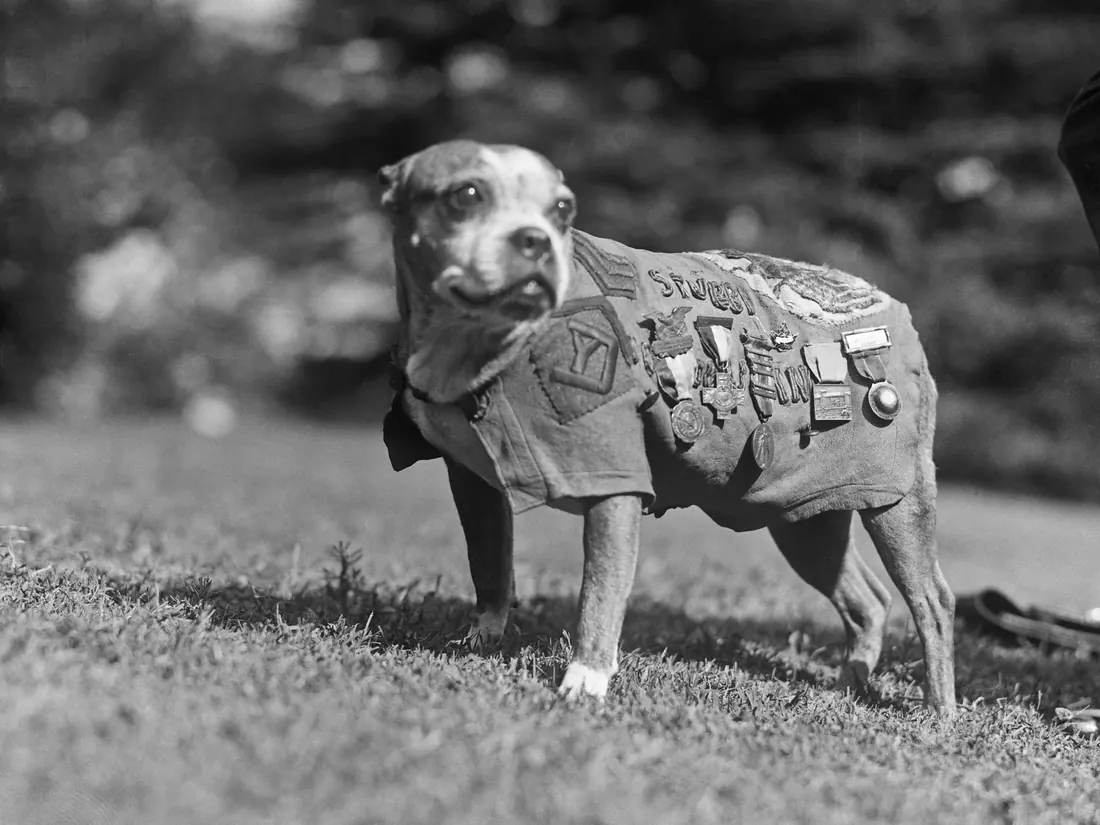
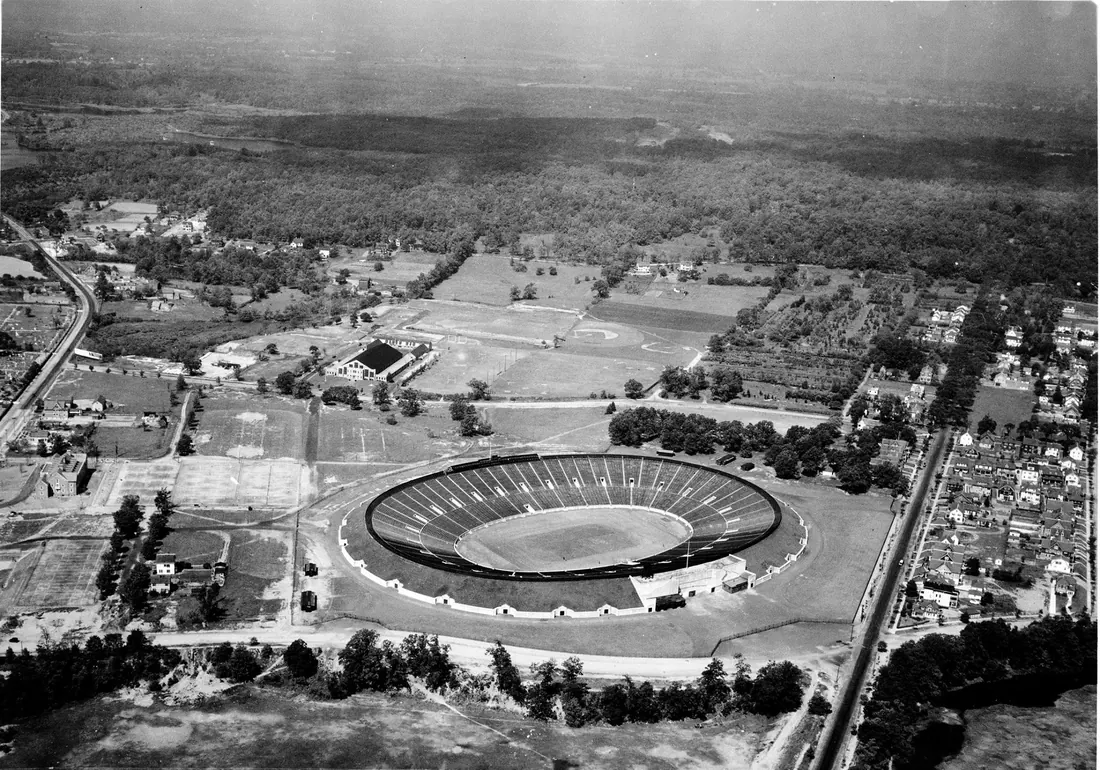
In 1917 a stray brindle puppy turned up at Yale, where soldiers of the 102nd Infantry, 26th “Yankee” Division, were training around the Yale Bowl. Animals were forbidden in the camp, but he was allowed to stay. Private J. Robert Conroy befriended him and named him Stubby. Stubby learned the bugle calls, the drills and a dog salute, putting his right paw on his right eyebrow.
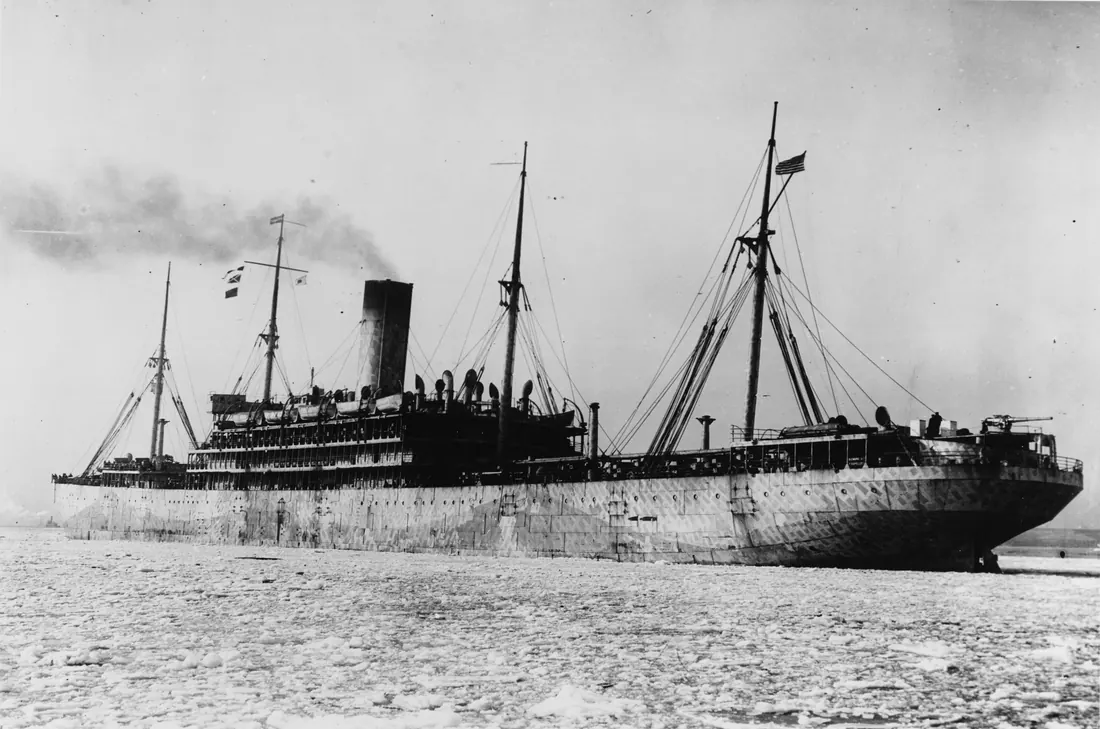
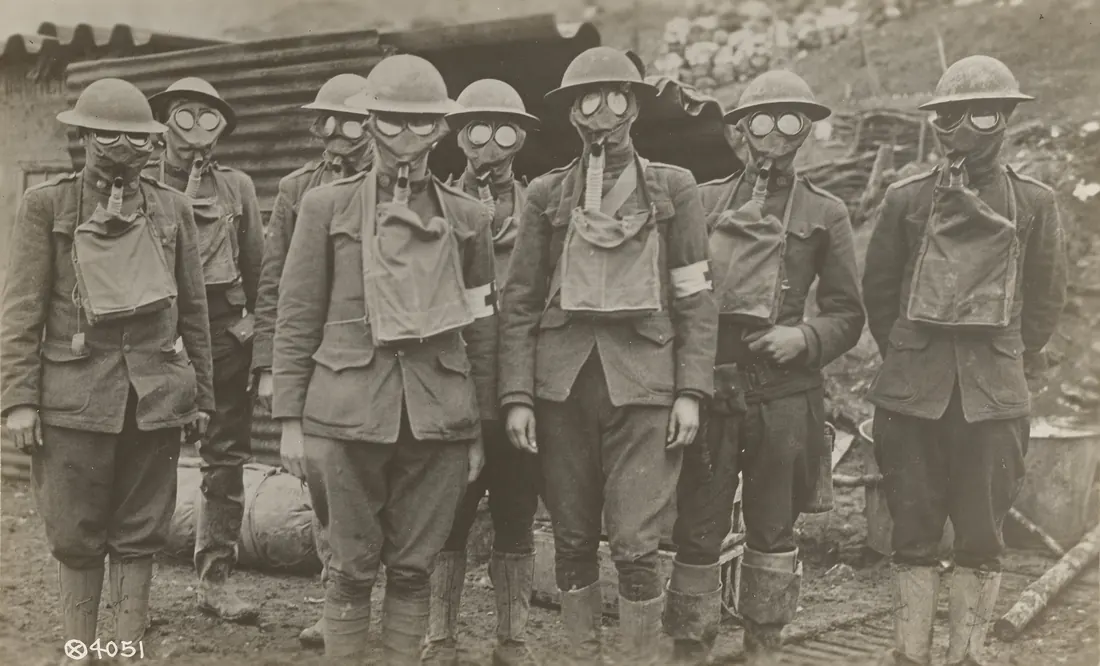
Conroy smuggled him aboard the SS Minnesota to France, hidden in the coal bin until the ship was far at sea. When Conroy’s commanding officer found him, Stubby saluted, and the officer let him stay. His first battle injury came from gas, and it left him sensitive to the tiniest trace of it. During an early-morning gas attack, with most of the troops asleep, he ran through the trench barking and biting at the soldiers, rousing them to sound the alarm.
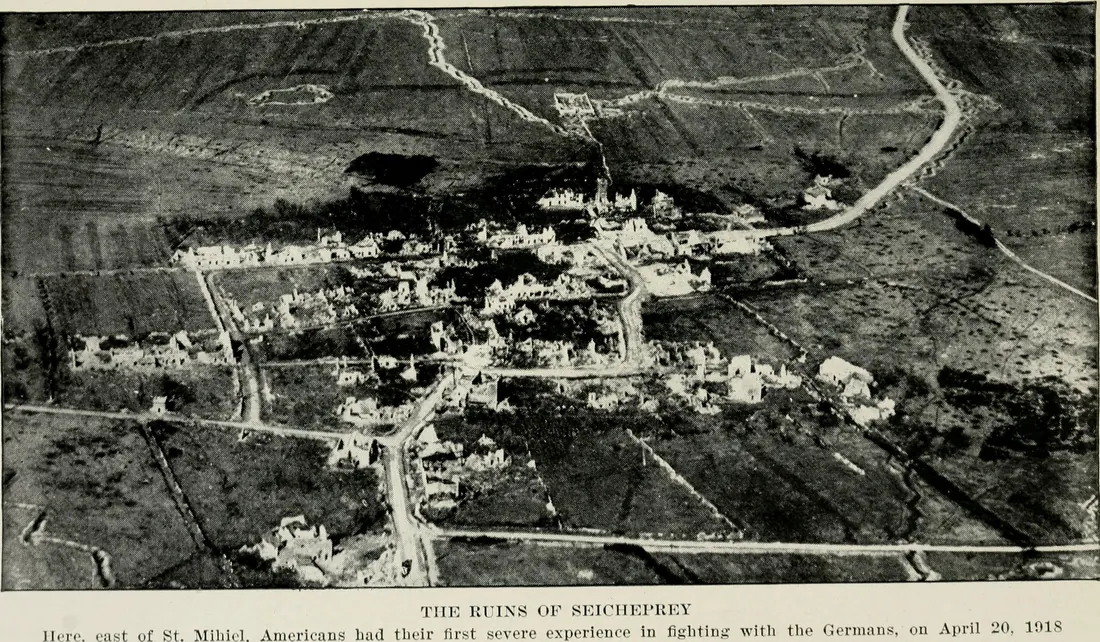
On April 20, 1918, at Seicheprey, he was hurt in a grenade attack, with shrapnel in his chest and leg. He was taken to a field hospital, and he came back: later in the war he found wounded men between the trenches and barked until paramedics arrived. He reportedly caught a German spy. By the end of the war he had served in 17 battles.
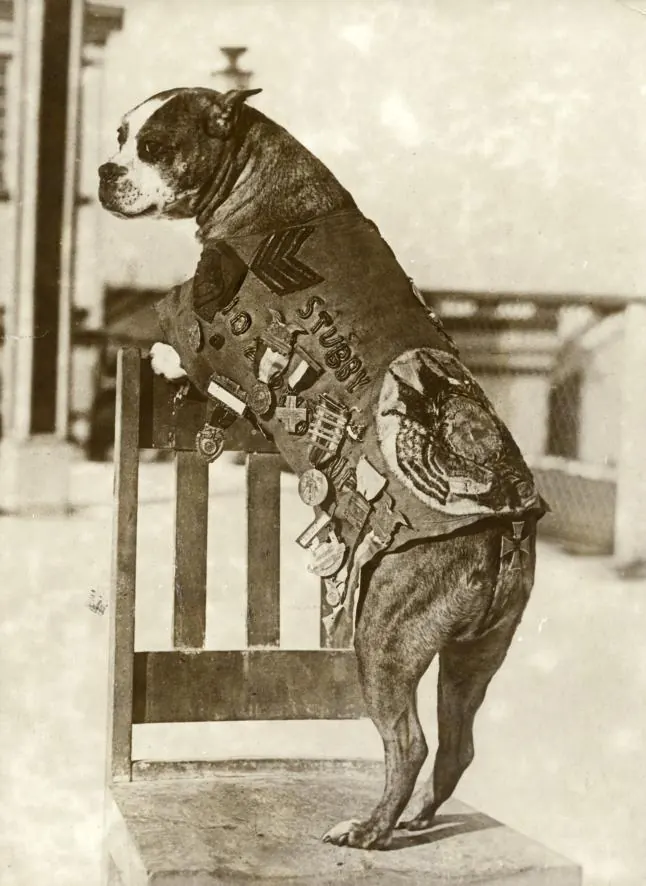
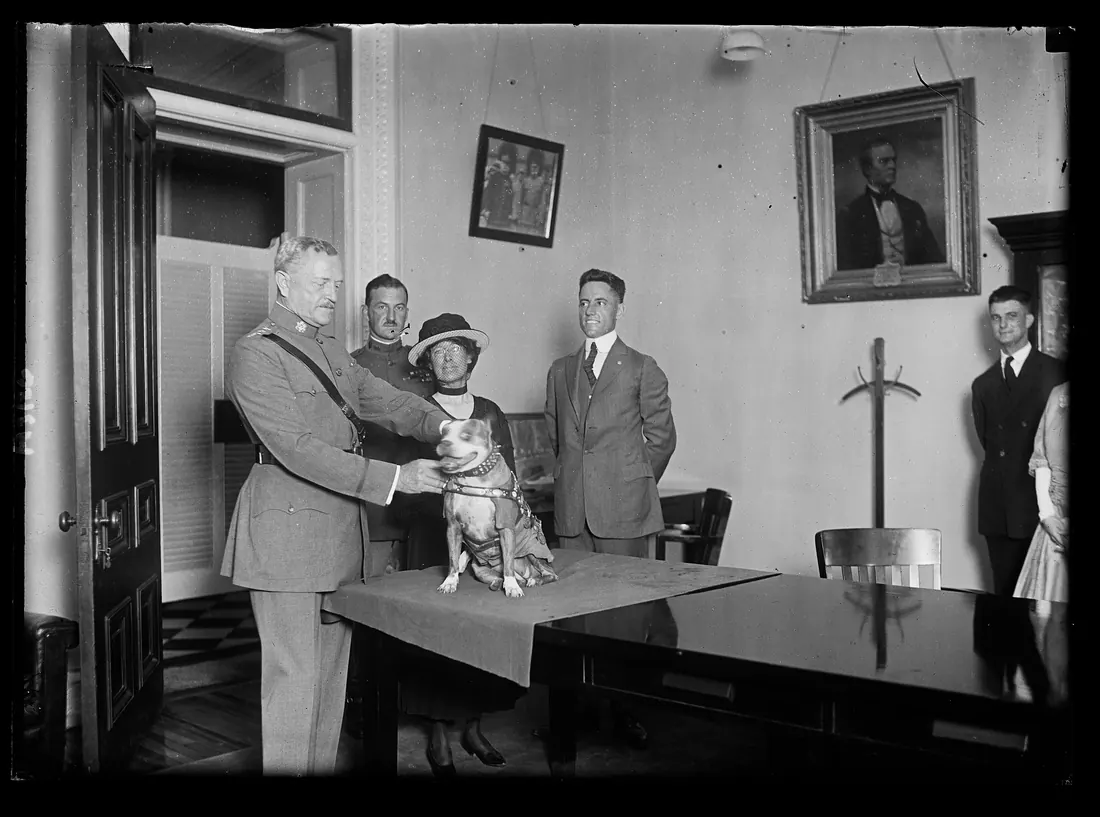
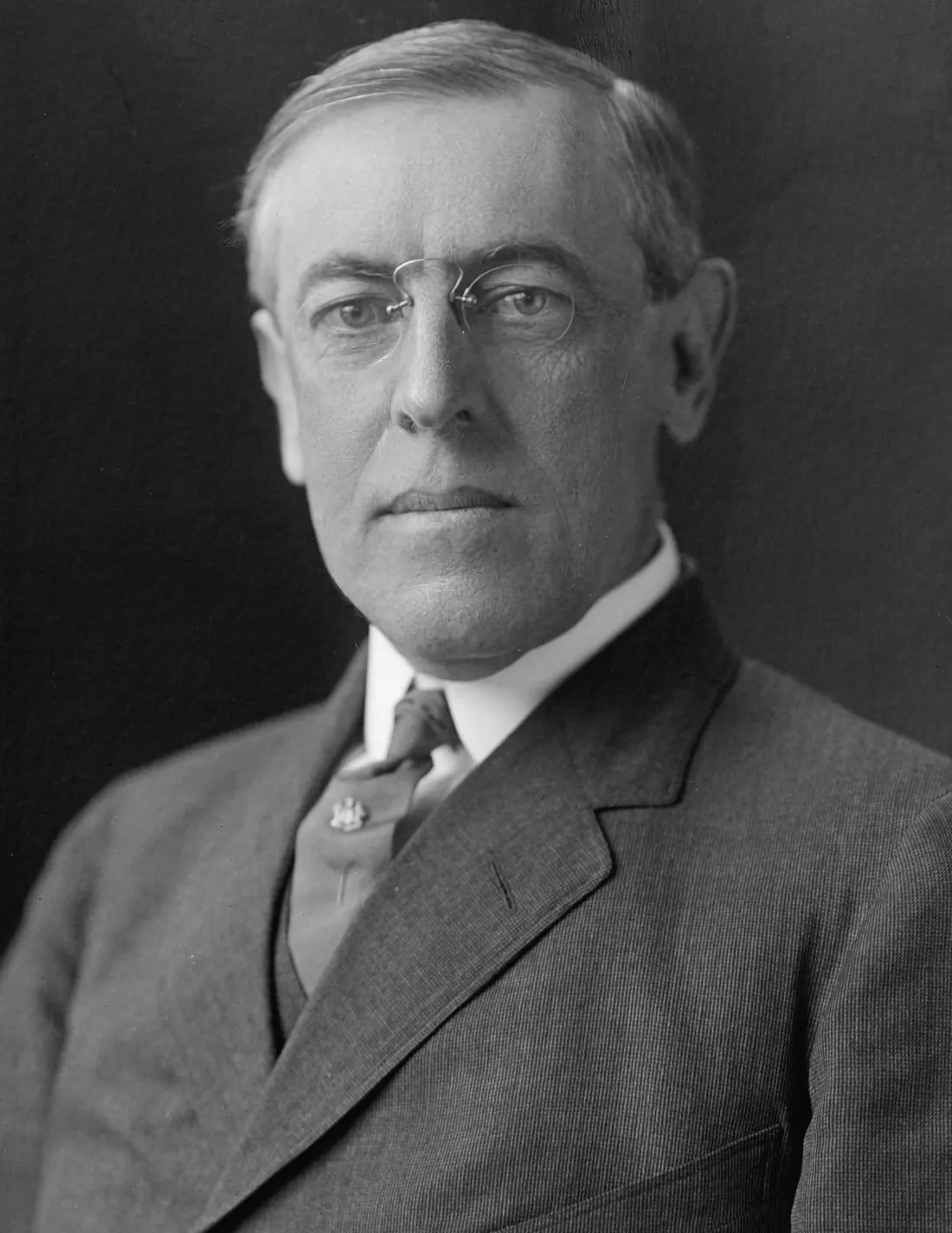
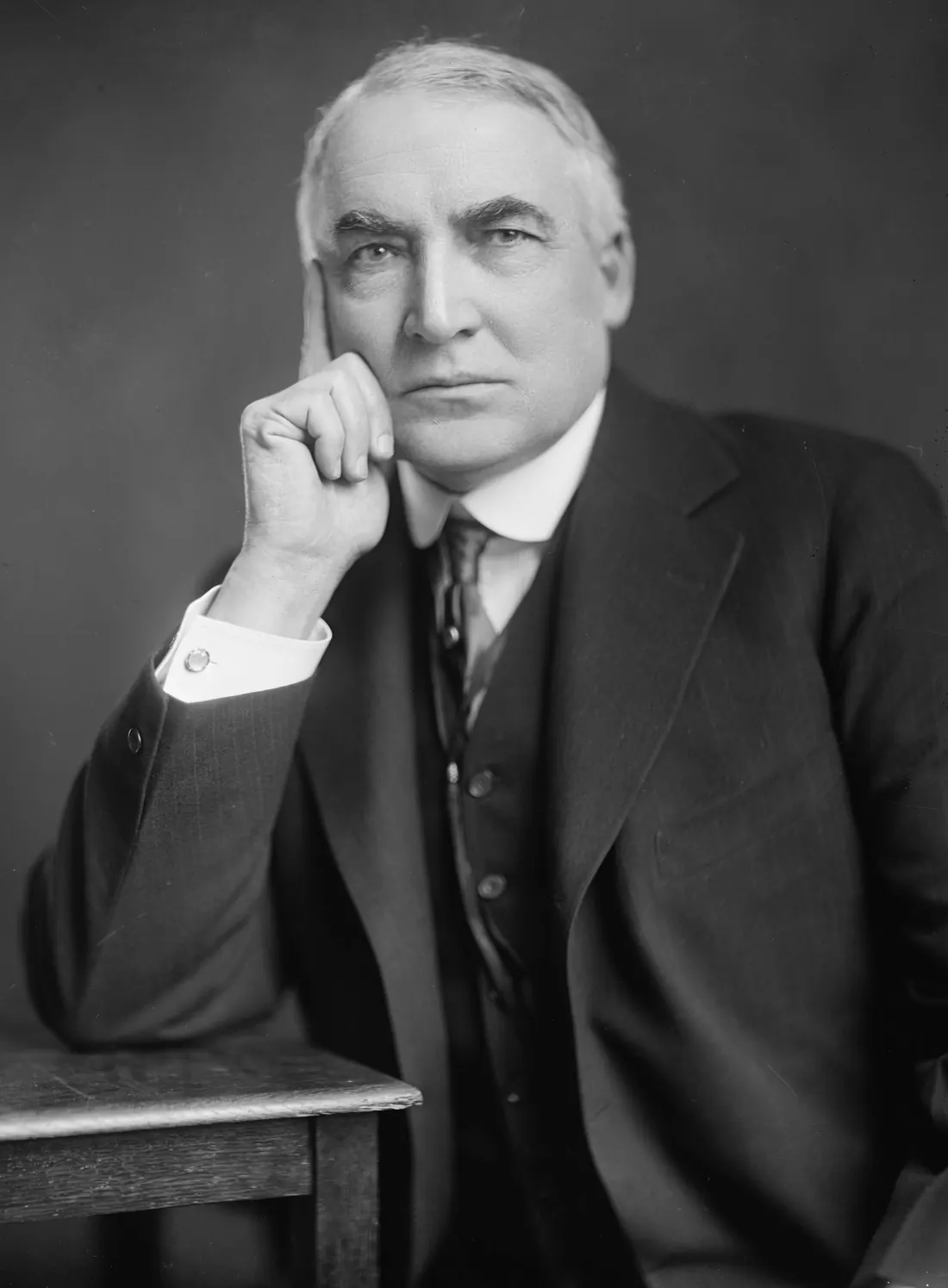
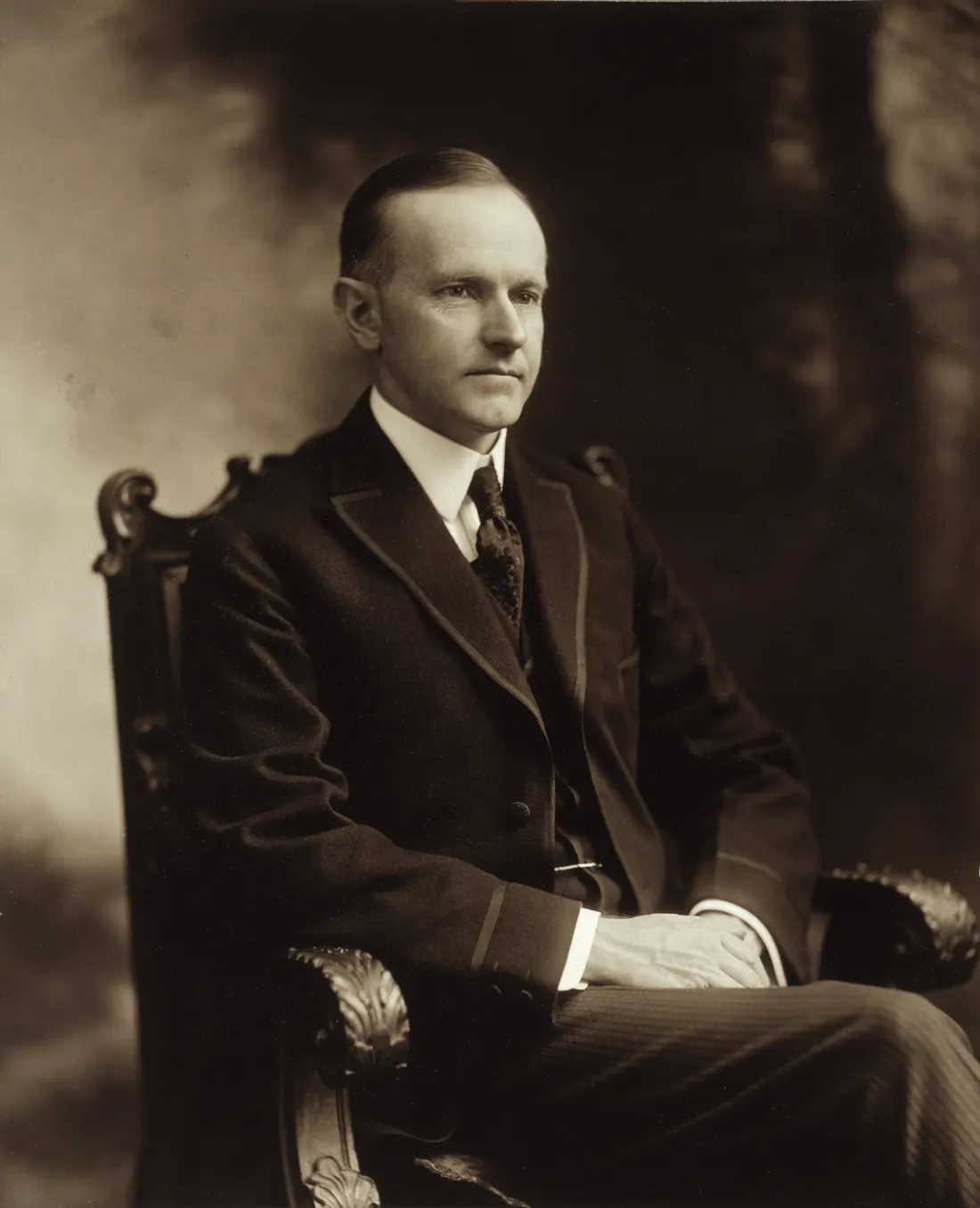
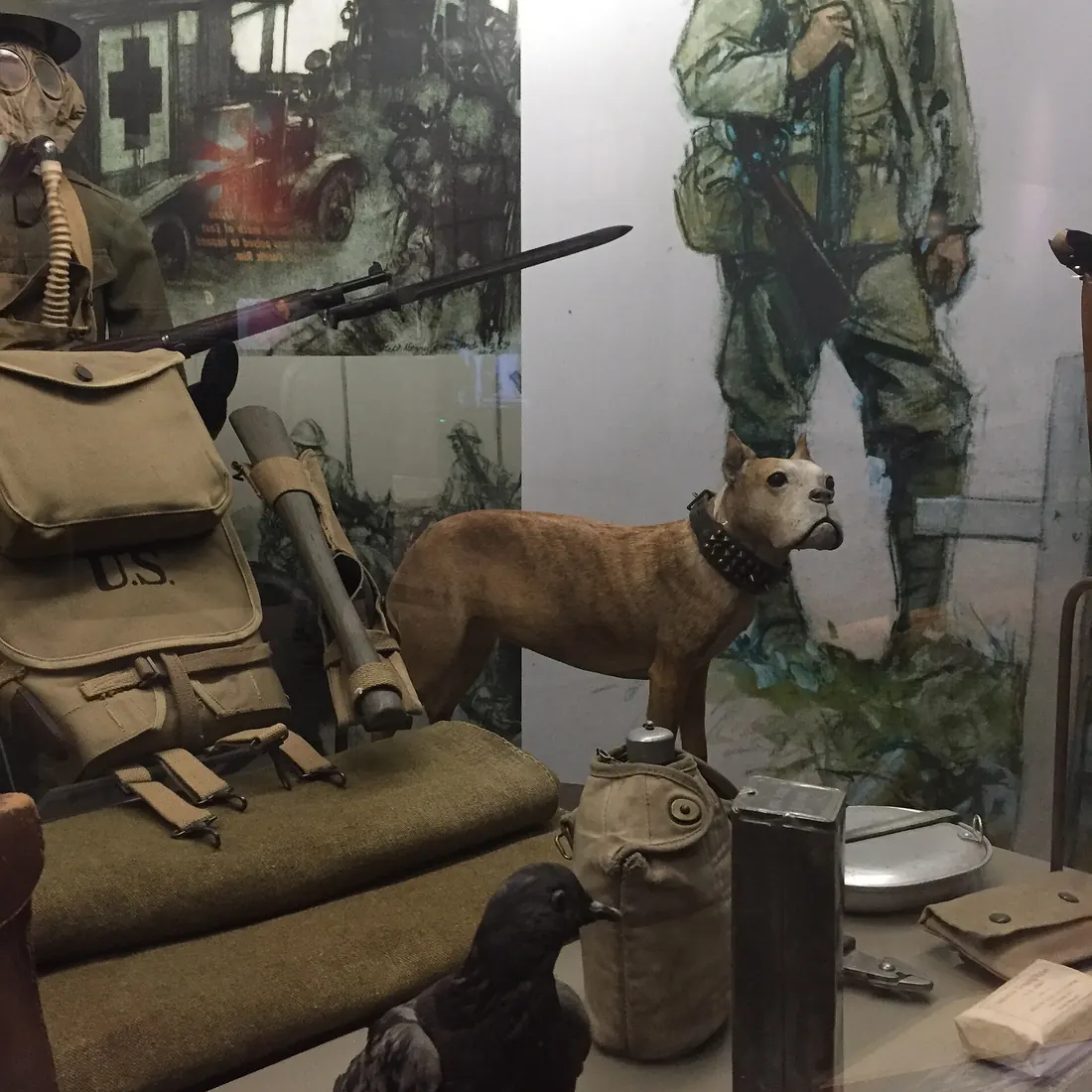
In 1921 General John Pershing presented him a gold medal, and he met Presidents Wilson, Harding and Coolidge. People call him Sergeant Stubby, but his biographer, Ann Bausum, found no newspaper story of his lifetime that gave him the rank. In his day, he was just Stubby. He died in Washington, DC, on March 16, 1926. Conroy donated him to the Smithsonian in 1956, and today he stands in the National Museum of American History, his coat laid over a plaster form.
Fact check
The facts and where they come from
- In 1917 a stray brindle puppy turned up at Yale, where soldiers of the 102nd Infantry, 26th “Yankee” Division, were training; they camped around the Yale Bowl. 123
- Animals were forbidden in the camp, but he was allowed to remain. 1
- Private J. Robert Conroy befriended him and named him Stubby. 13
- He learned the bugle calls, the drills and a dog salute, putting his right paw on his right eyebrow. 1
- Conroy smuggled him aboard the SS Minnesota to France, hidden in the coal bin until the ship was far at sea. 13
- Conroy’s commanding officer found him and let him stay after Stubby saluted him. 12
- His first battle injury came from gas, and it left him sensitive to the tiniest trace of gas. An educator resource on The Price of Freedom says he was injured by mustard gas. 14
- In an early-morning gas attack, with most of the troops asleep, he ran through the trench barking and biting at the soldiers, rousing them to sound the alarm. 1
- On April 20, 1918, he was hurt in a grenade attack, with shrapnel in his chest and leg. The raid was at Seicheprey; a Library of Congress panorama is titled “Seicheprey, the scene of the first American battle, April 20, 1918.” 156
- He came back: he was taken to a field hospital, and later in the war he was locating wounded men between the trenches. Wikipedia says he was hit again later and ended the war with two wound stripes. 15
- He found wounded men between the trenches and barked until paramedics arrived. 13
- He reportedly caught a German spy. The Smithsonian’s object record says he caught a German soldier near the Allied trenches and bit his legs until US soldiers arrived; an educator resource says he helped catch an enemy spy; Connecticut History says a spy mapping the trenches. 143
- By the end of the war he had served in 17 battles; Wikipedia adds four offensives. 135
- General John Pershing presented him a gold medal in 1921, from the Humane Education Society (Wikipedia); the Smithsonian says a medal from the Humane Society, presented by Pershing. 517
- He met Presidents Wilson, Harding and Coolidge: he visited with President Woodrow Wilson, visited the White House twice and met Presidents Harding and Coolidge. 13
- People call him Sergeant Stubby, but in his day he was just Stubby: his biographer, Ann Bausum, found no contemporary newspaper story calling him “Sgt.” (“there is not a single one that calls him ‘Sgt. Stubby.’”). The three chevrons on his coat marked overseas service in World War I. 2
- Today he stands in the Smithsonian: his coat laid over a plaster form (“Taxidermic dog, Stubby,” fur and plaster) in The Price of Freedom exhibition at the National Museum of American History. Conroy donated him in 1956. 152
- He was the mascot of the 102nd Infantry, 26th “Yankee” Division. 1
- He died on March 16, 1926, in Washington, DC. 1
Sources
- Stubby (object record) Smithsonian National Museum of American History
- Stubby’s story: All about the iconic World War I ‘war dog’ … and star of an upcoming animated film (2017) Army Times
- A True Dog of War: Sergeant Stubby Connecticut History (CT Humanities)
- The Price of Freedom: Americans at War – Stubby (educator resource) National WWI Museum and Memorial
- Sergeant Stubby Wikipedia
- Seicheprey, the scene of the first American battle, April 20, 1918 Library of Congress
- John J. Pershing holding his dog Sgt. Stubby, as Robert Conroy, wearing suit, stands behind them Library of Congress
Notes
The rank: Wikipedia and Connecticut History say he was promoted to sergeant after catching the spy, but his biographer, Ann Bausum, found no newspaper of his lifetime that called him “Sgt.” We don’t claim the rank.
The spy: the Smithsonian’s own record calls him a German soldier; an educator resource and Connecticut History call him a spy. We say “reportedly.”
“Most decorated war dog” is an informal popular claim, and we don’t use it.
Conroy was a Private according to the Smithsonian record and Connecticut History, a Corporal according to Wikipedia; we use Private. The Smithsonian says the officer found Stubby in France, Army Times says on the ship, so we give no place. The 17 battles are the Smithsonian’s count; Wikipedia adds four offensives, which we don’t use.
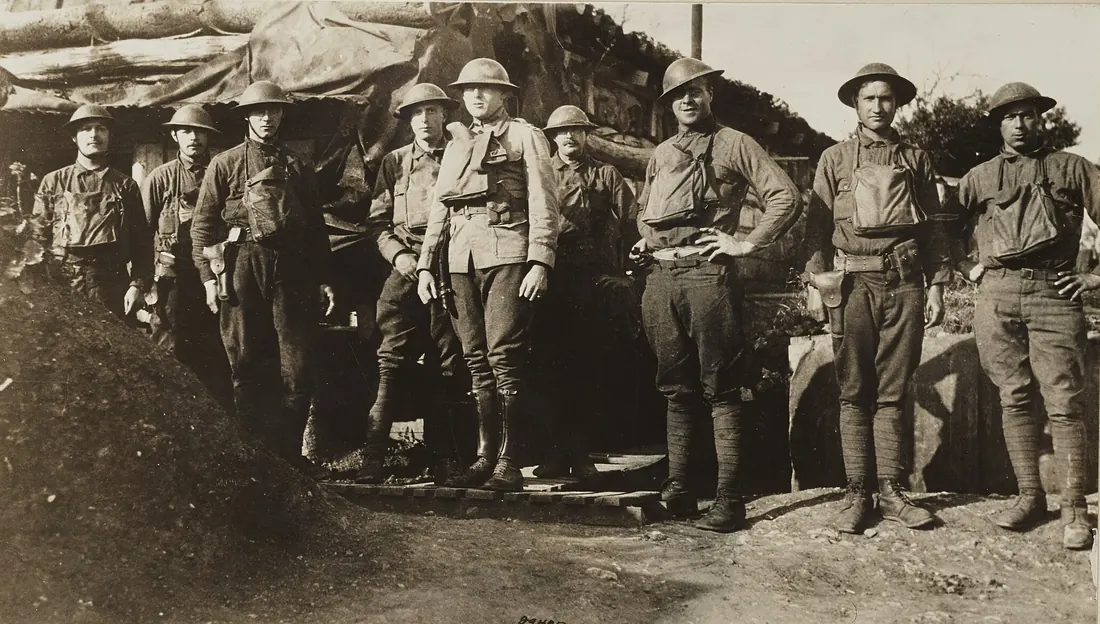
Every dog shown is Stubby himself. The war photos (gas masks, the trench, Seicheprey) set the scene and are not of his unit’s exact moments. The Yale Bowl photo is a 1924 aerial of where the regiment camped in 1917, and the SS Minnesota photo is from the winter of 1917–18.
Photo credits
The archive photos in this story
The photographs and illustrations in this story are in the public domain or shared under open licenses; each one is credited below with its license. Tap one to enlarge it, or follow the link to its Wikimedia Commons page for the full record. The narration, music, captions and graphics in the Short are our own.