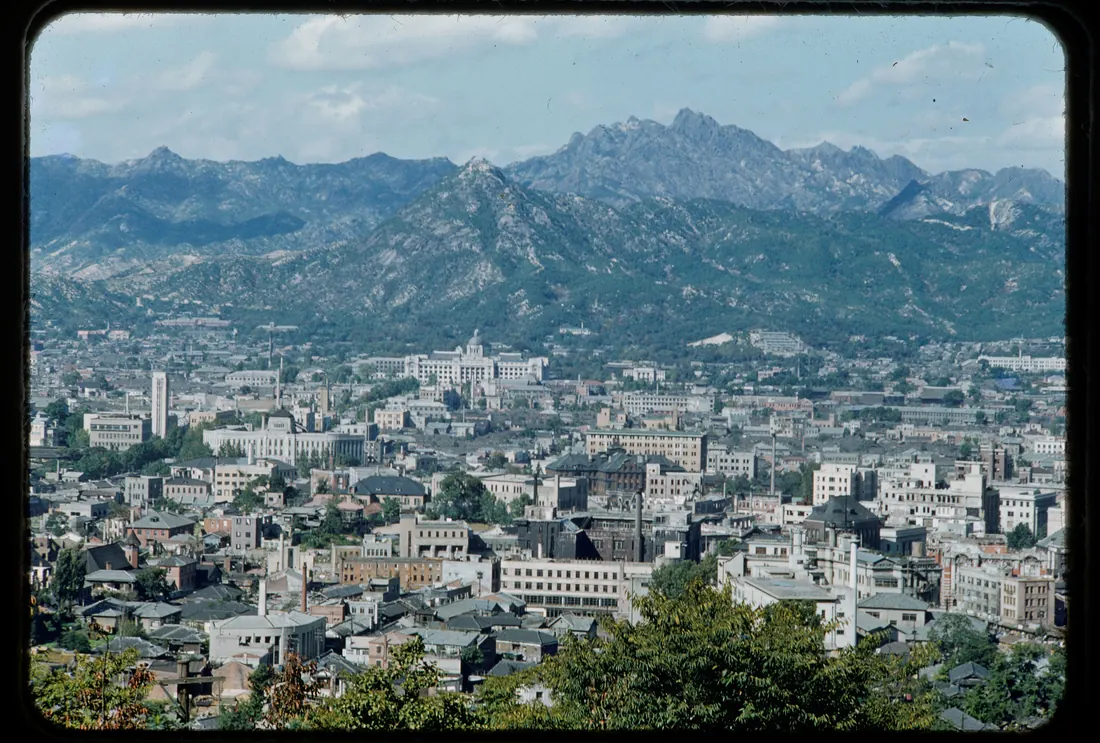
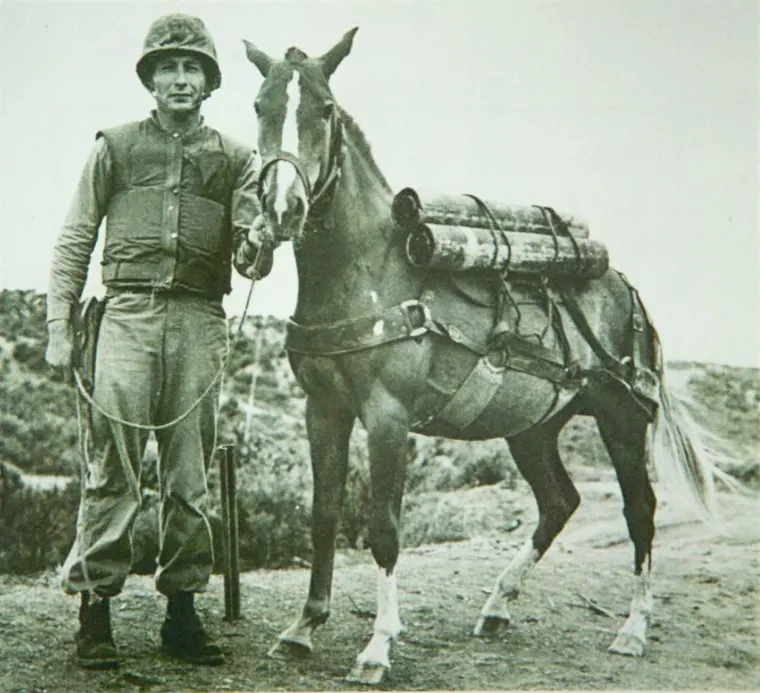
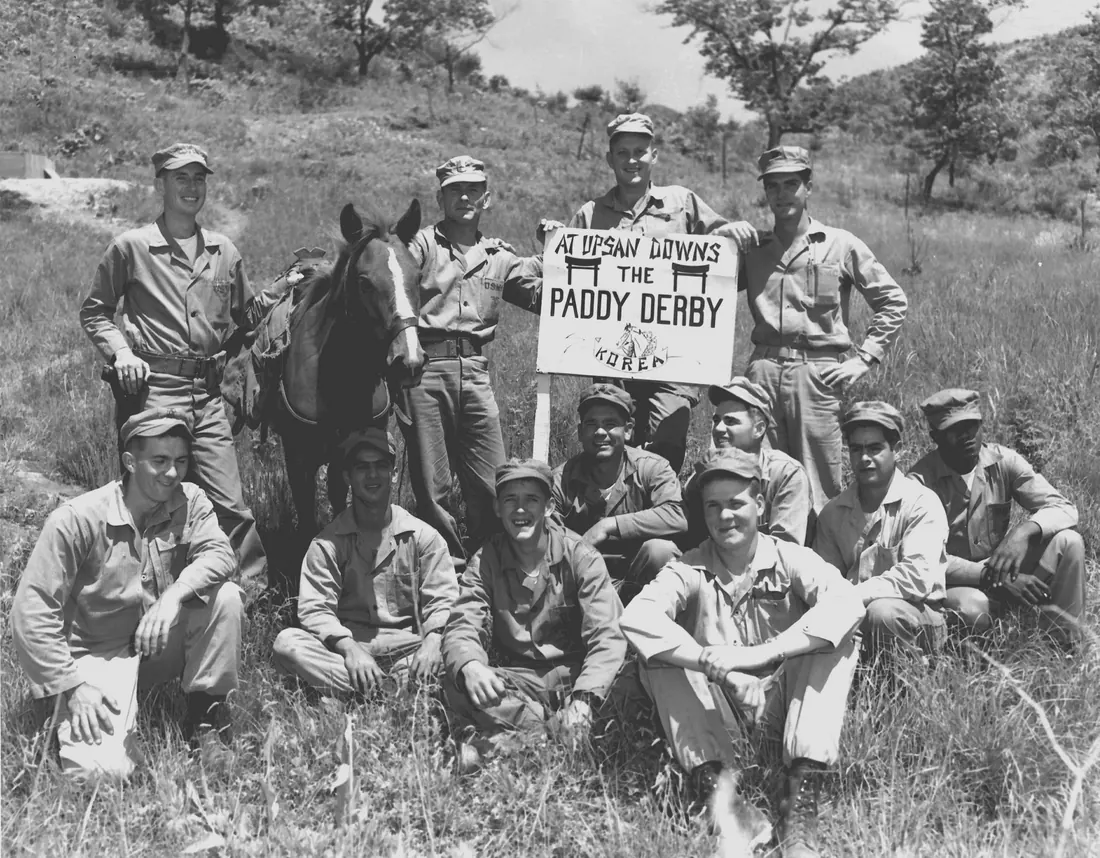
In October 1952, during the Korean War, Marine First Lieutenant Eric Pedersen went to the racetrack in Seoul looking for a pack animal. A stable boy sold him a small chestnut mare for $250, and Pedersen paid with his own money. The boy needed the money to buy an artificial leg for his sister, who had lost a leg when she stepped on a land mine.
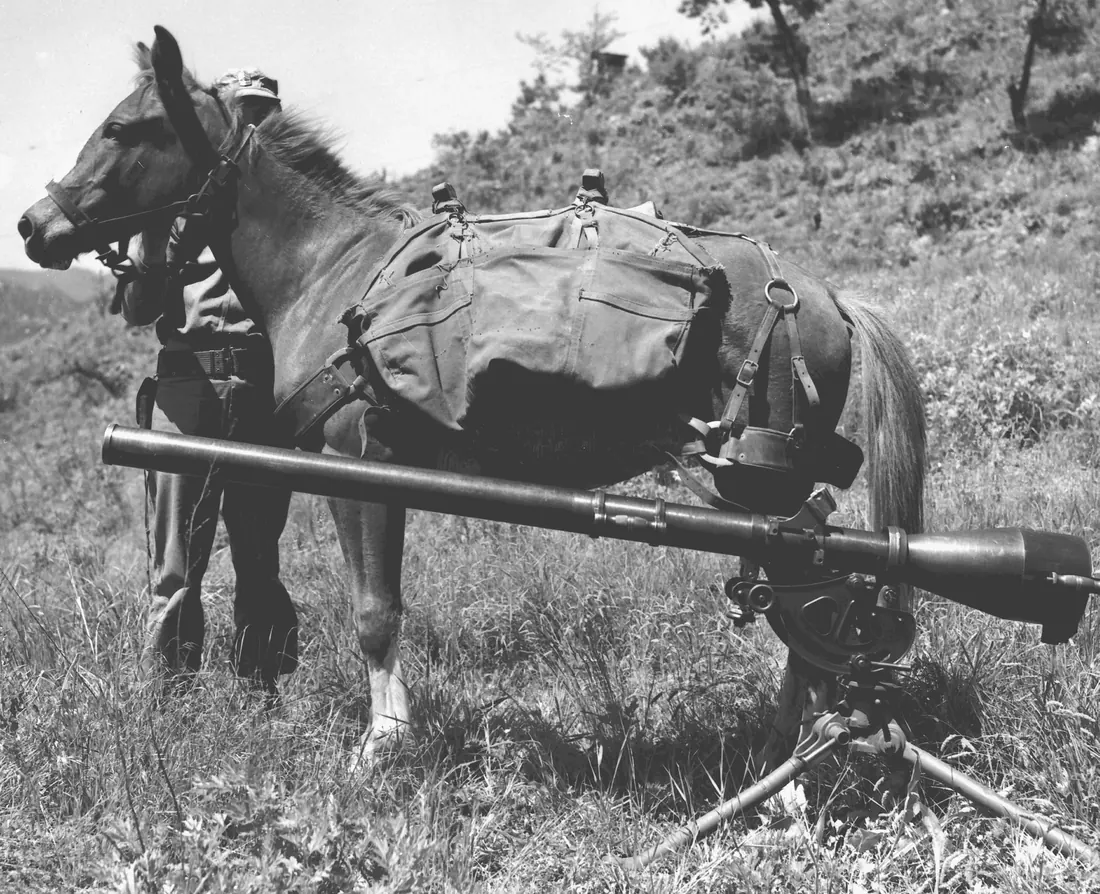
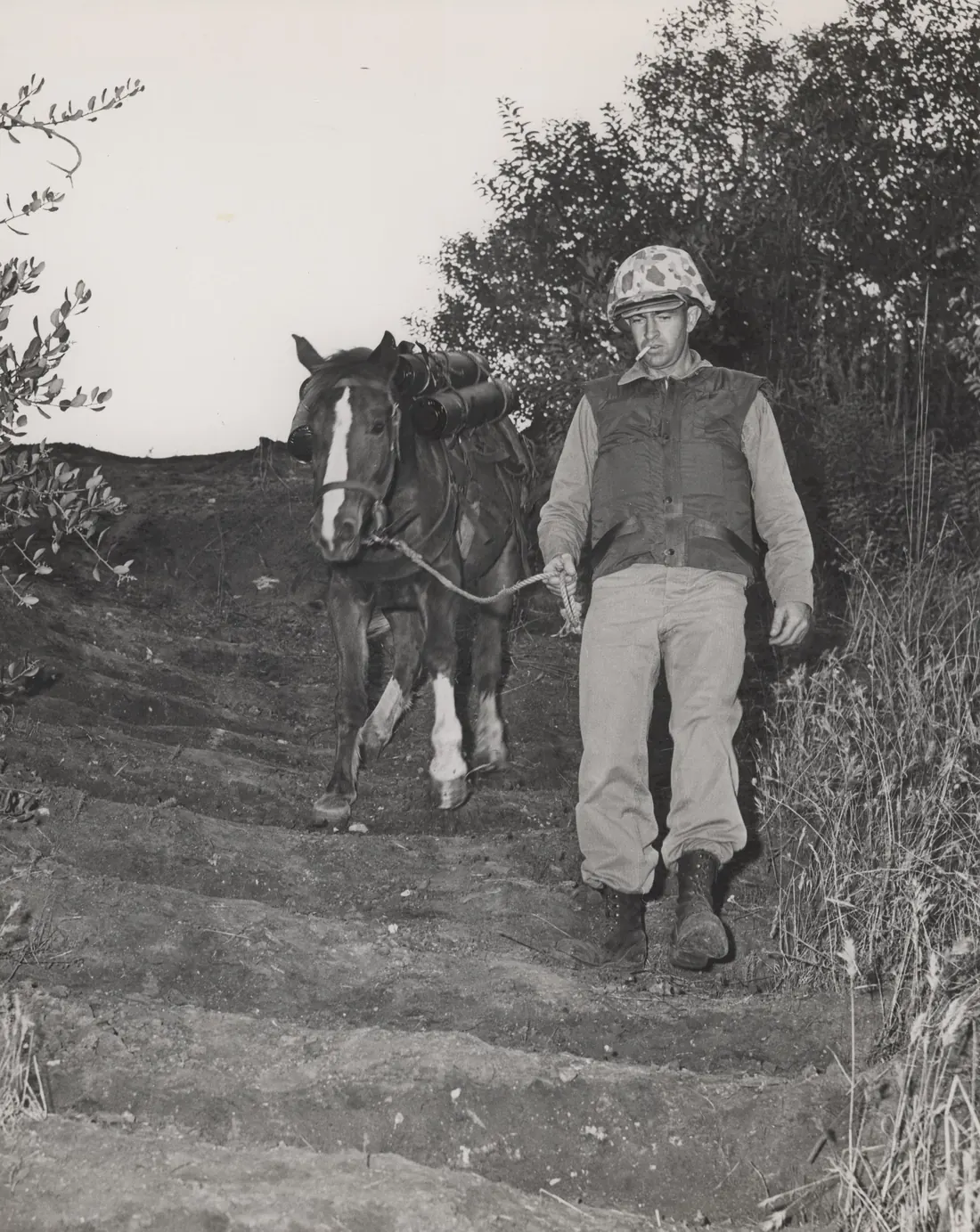
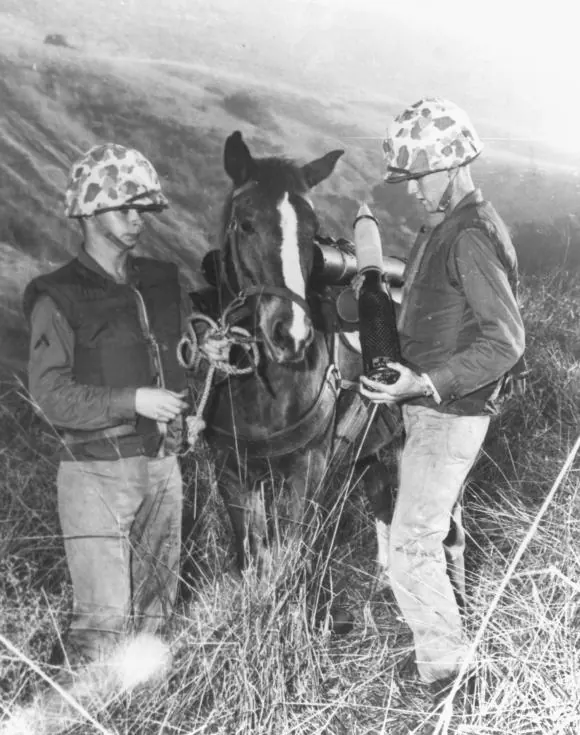
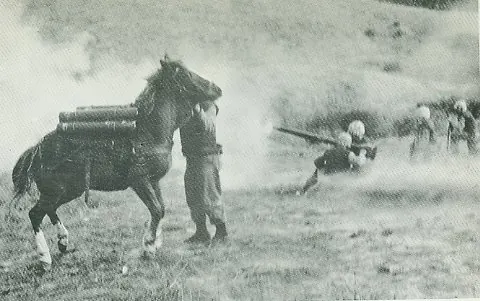
The Marines named her Reckless, after their recoilless rifles, and trained her to carry the rifles’ 24-pound shells. She only needed to be led along a new route a few times. After that, as the National Museum of the Marine Corps puts it, “she would travel solo up and down the route.”
In March 1953 came the Battle of Outpost Vegas. In a single day she made 51 trips to the firing sites, mostly alone and under fire, “with enemy fire coming in at the rate of 500 rounds per minute,” in the PDSA’s words. She carried more than 9,000 pounds of shells: 386 rounds, over 35 miles. She was wounded twice, with shrapnel over her left eye and on her left flank, and kept going.
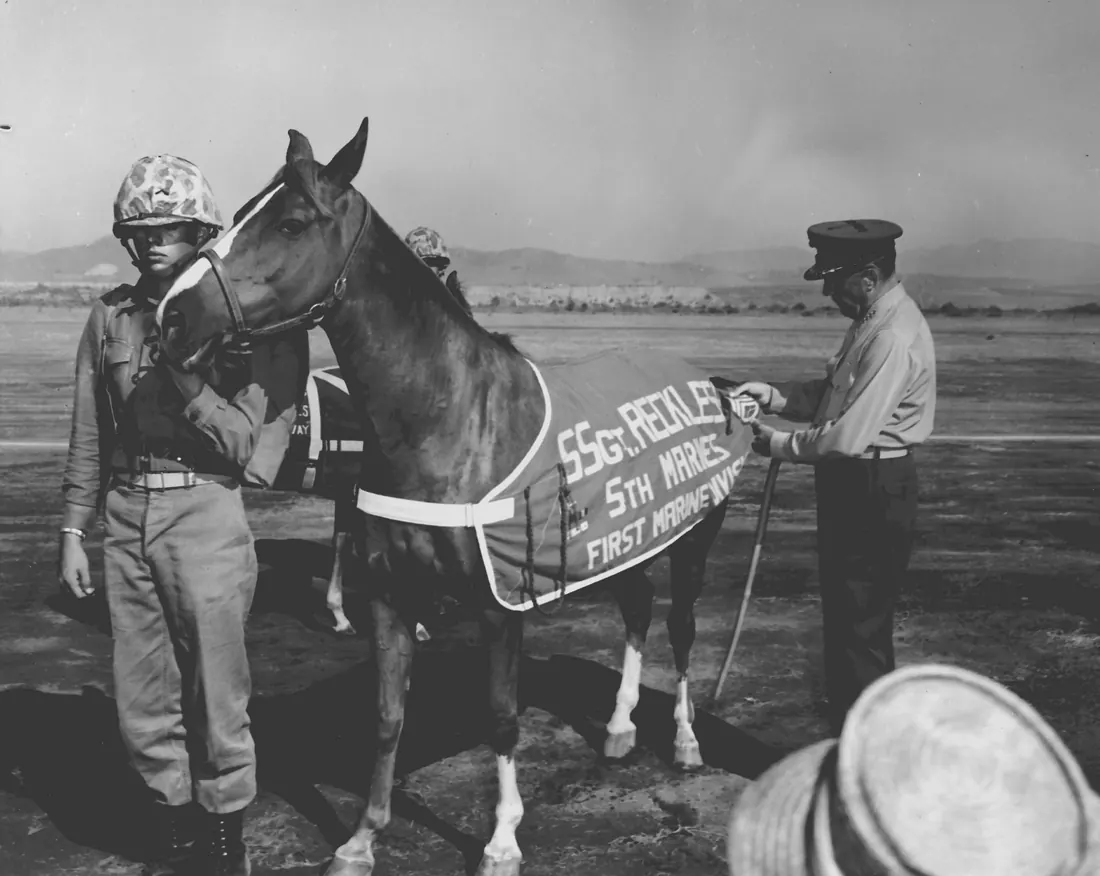
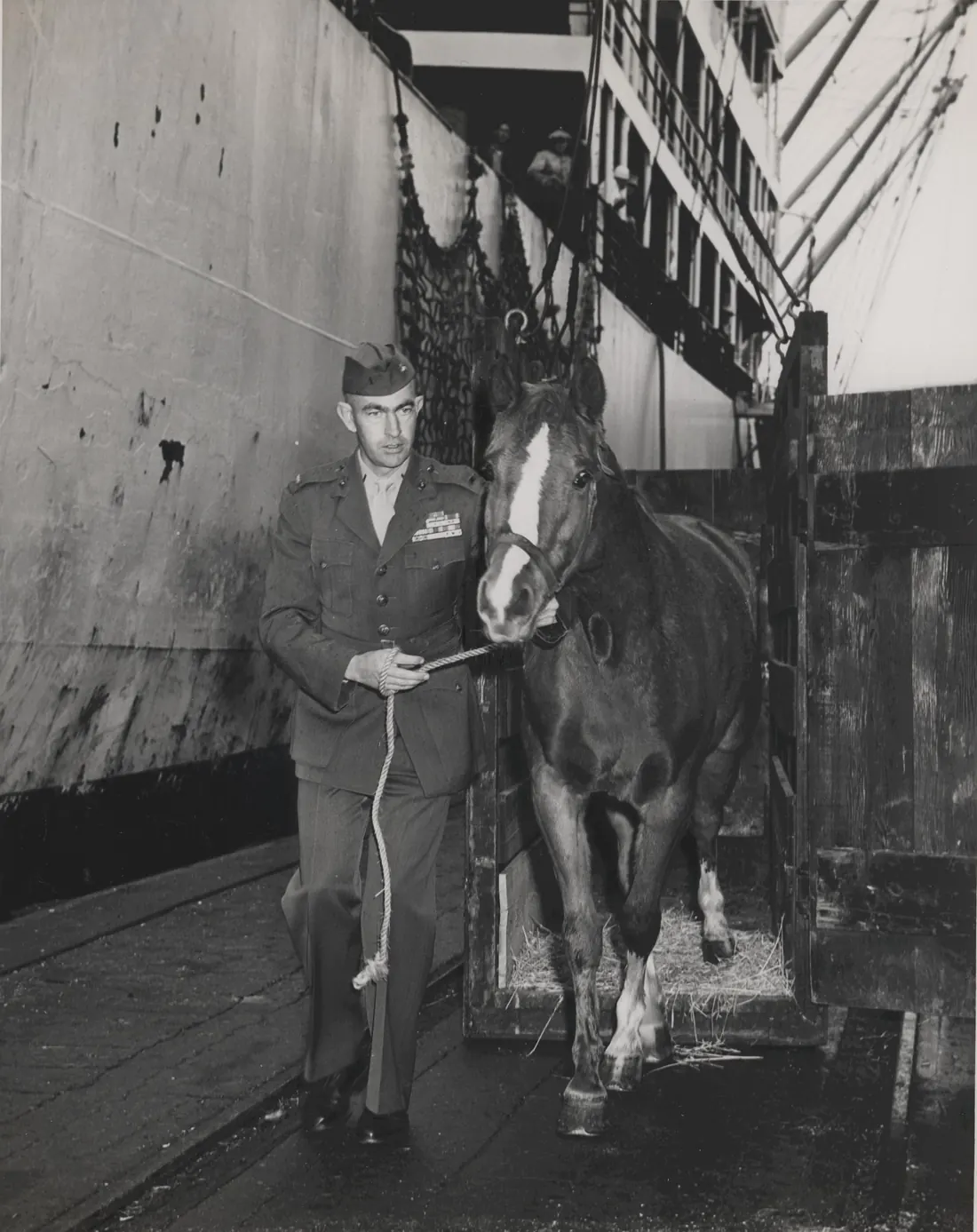
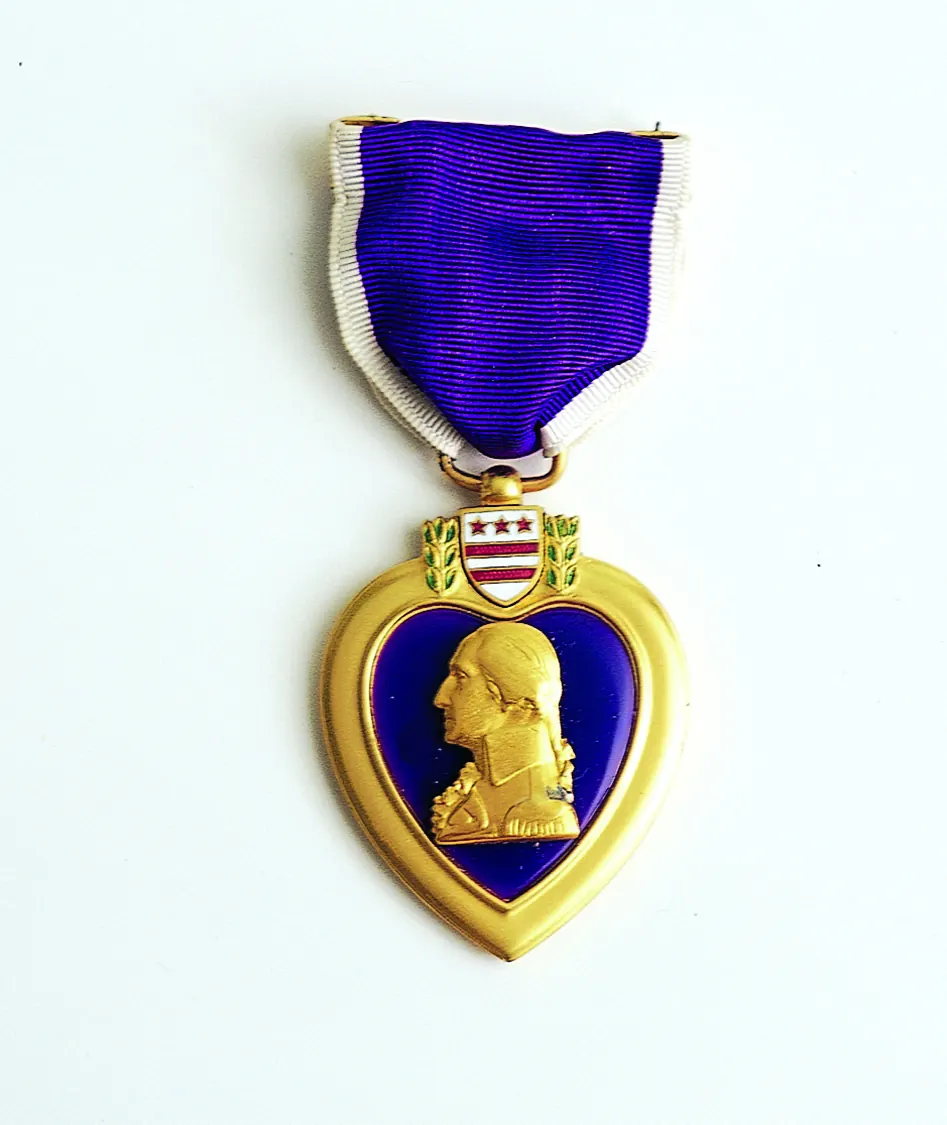
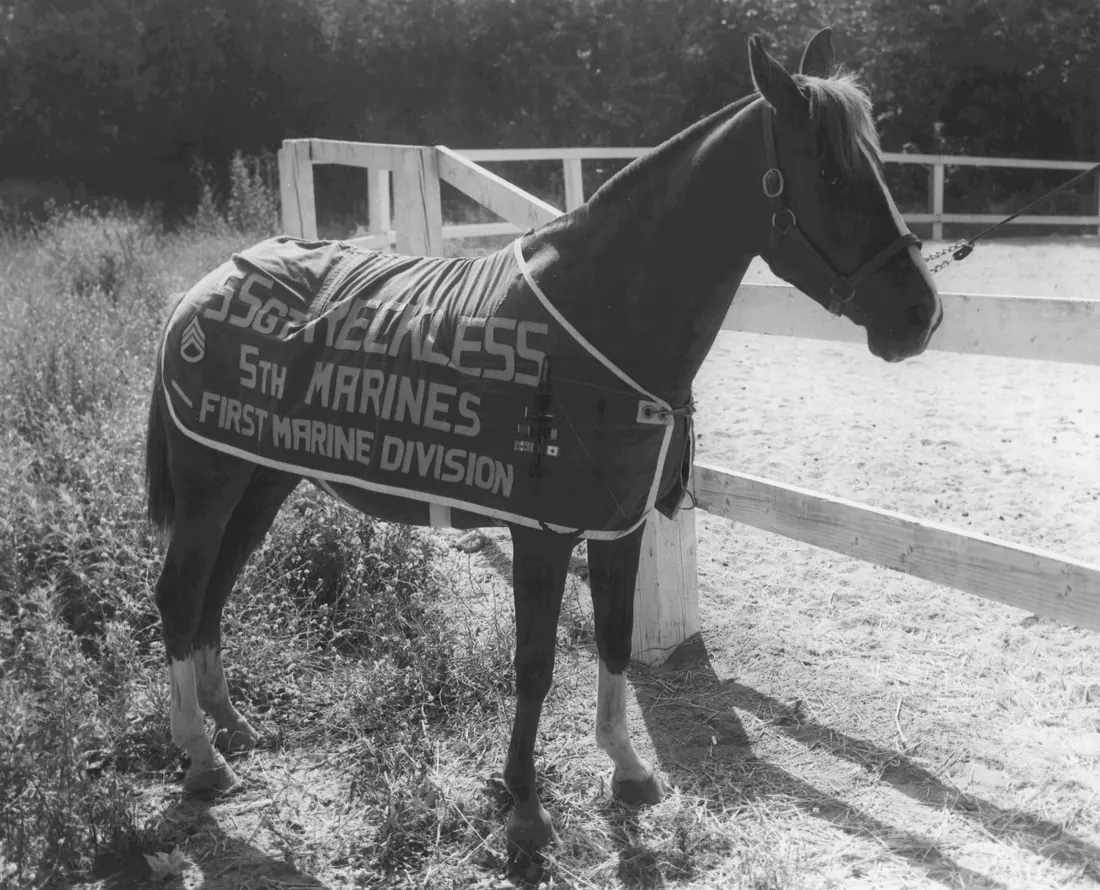
After the battle she was promoted to corporal, and she received two Purple Hearts. General Randolph Pate made her a sergeant on April 10, 1954, and that November she arrived in the United States. On August 31, 1959, at Camp Pendleton, Pate, by then Commandant of the Marine Corps, pinned on her staff sergeant’s chevrons. She retired on November 10, 1960, with full military honors, and died in 1968. On July 27, 2016, she received the PDSA Dickin Medal, posthumously.
Fact check
The facts and where they come from
- She served with the 5th Marines in the Korean War and was promoted to corporal after Outpost Vegas (March 1953), to sergeant in 1954 and to staff sergeant in 1959. 23
- In October 1952, during the Korean War, First Lieutenant Eric Pedersen went to the racetrack in Seoul looking for a pack animal. The museum’s fact sheet: “On 26 October 1952, Pedersen went to the Seoul Racecourse.” 13
- A stable boy sold him a small chestnut mare for $250. Wikipedia calls him “a South Korean stableboy at the Seoul racetrack” and says she stood about 14 hands and weighed about 900 pounds. 13
- The boy needed the money to buy an artificial leg for his sister, who had lost a leg to a land mine: “His sister, Chung Soon, lost a leg when she stepped on a land mine. Kim wanted to purchase an artificial leg for Chung” (National Museum of the Marine Corps). Wikipedia cites Andrew Geer’s 1955 book for it. 134
- The lieutenant paid with his own money: “Pedersen paid $250 of his own money for a chestnut mare” (National Museum of the Marine Corps). 1
- They named her Reckless after their recoilless rifles and trained her to carry the rifles’ ammunition, 24-pound shells. 13
- She only had to be led along a route a few times; after that she made the trips alone. The museum: “When learning a new delivery route, Reckless would only need someone to lead her a few times. Afterward, she would travel solo up and down the route.” The 1st Marine Division: “often without the need for a handler after quickly learning each route.” 12
- The Battle of Outpost Vegas (Panmunjom-Vegas); the museum and Wikipedia date it March 26 to 28, 1953. 13
- In a single day she made 51 trips to the firing sites, under fire, mostly alone. The museum says “Reckless made 51 solo trips in a single day”; the PDSA says the trips ran from the Ammunition Supply Point to the firing sites, “with enemy fire coming in at the rate of 500 rounds per minute”; a Leatherneck caption says “most of them by herself.” 156
- She carried more than 9,000 pounds of shells (386 rounds, over 35 miles). The museum: “The trips equated to over 9,000 pounds.” 153
- She was wounded twice, with shrapnel over her left eye and on her left flank, and kept going. The PDSA: “Although Reckless was wounded twice, she didn’t let that stop her or slow her down.” 15
- She received two Purple Hearts: “Reckless was promoted to corporal and received two Purple Heart awards” (National Museum of the Marine Corps). The 1st Marine Division lists a “Purple Heart (with 1 gold star).” 12
- General Randolph Pate promoted her to sergeant on April 10, 1954. On August 31, 1959, at Camp Pendleton, Pate, then Commandant, pinned on her staff sergeant’s chevrons. History.com: “she was promoted to sergeant on April 10, 1954.” 347
- She retired a staff sergeant on November 10, 1960, at Camp Pendleton, with full military honors. The museum: “she retired as a staff sergeant in 1960.” 13
- She arrived in the United States in November 1954 (History.com: “Sgt. Reckless arrived in the United States in November 1954”) and died in 1968. On July 27, 2016, she received the PDSA Dickin Medal, posthumously. 415
Sources
- Sgt. Reckless (fact sheet) National Museum of the Marine Corps
- SSgt Reckless 1st Marine Division, US Marine Corps
- Sergeant Reckless Wikipedia
- The Four-Legged Marine Who Became a Korean War Hero HISTORY
- Animal VC for heroic US Marine horse (2016) PDSA
- Reckless recoilless rounds (Leatherneck caption) Wikimedia Commons
- Staff Sergeant Reckless (photo record, 1959) Wikimedia Commons
Notes
“Alone”: the National Museum of the Marine Corps and Wikipedia say all 51 trips were solo; a Leatherneck caption says “most of them by herself.” We say mostly alone.
Pounds: most sources say over 9,000 pounds (386 shells of 24 pounds is 9,264 pounds); History.com says nearly 9,000. We say more than 9,000, which the arithmetic supports.
Breed: Wikipedia and the 1st Marine Division say Mongolian; the National Museum of the Marine Corps says a Halla horse, a Jeju and Thoroughbred cross. We say only a small mare.
The battle lasted three days (March 26–28, 1953, per the museum and Wikipedia) or five (PDSA). We give no length.
Staff sergeant: 1959 according to the 1st Marine Division, Wikipedia and the dated 1959 ceremony photo; the PDSA says June 15, 1957. We use 1959.
The sister’s leg comes from Andrew Geer’s 1955 book (he served in Korea and kept notes on Reckless) and is repeated by the National Museum of the Marine Corps; it is not a late retelling, so we tell it plainly.
Her dam was a racehorse and she was bought at the racetrack, but sources differ on whether she raced herself, so we never call her a racehorse.
Every horse shown is Reckless herself. The photos of Pedersen leading her ashore in San Francisco (1954) and of her at Camp Pendleton (1959) are from after the war. The Purple Heart is a medal of the same type, not hers. The Seoul photo shows the city in October 1952, the month she was bought, not the racetrack; no photo of it was found. The Outpost Vegas photo is a small, soft original.
Photo credits
The archive photos in this story
The photographs and illustrations in this story are in the public domain or shared under open licenses; each one is credited below with its license. Tap one to enlarge it, or follow the link to its Wikimedia Commons page for the full record. The narration, music, captions and graphics in the Short are our own.