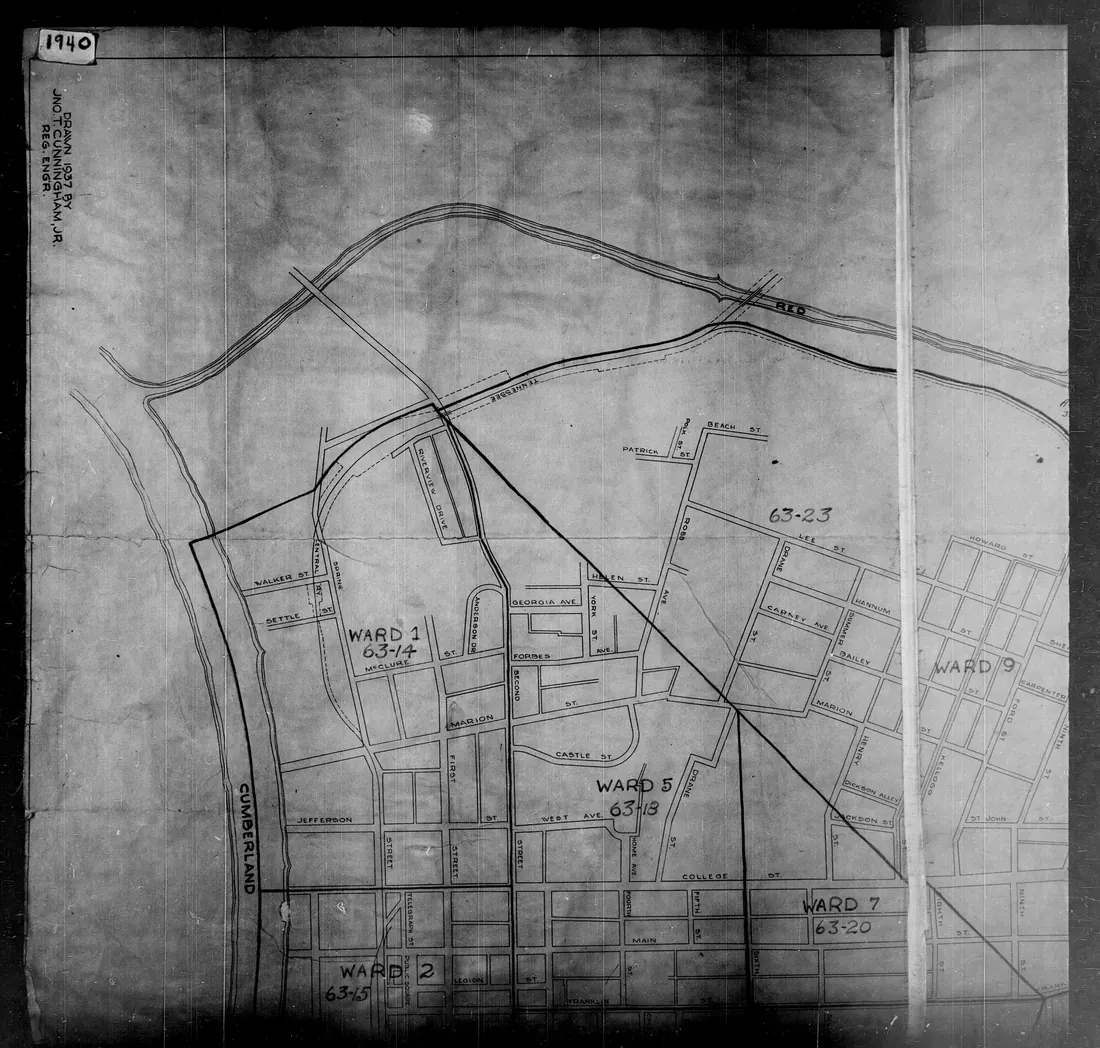
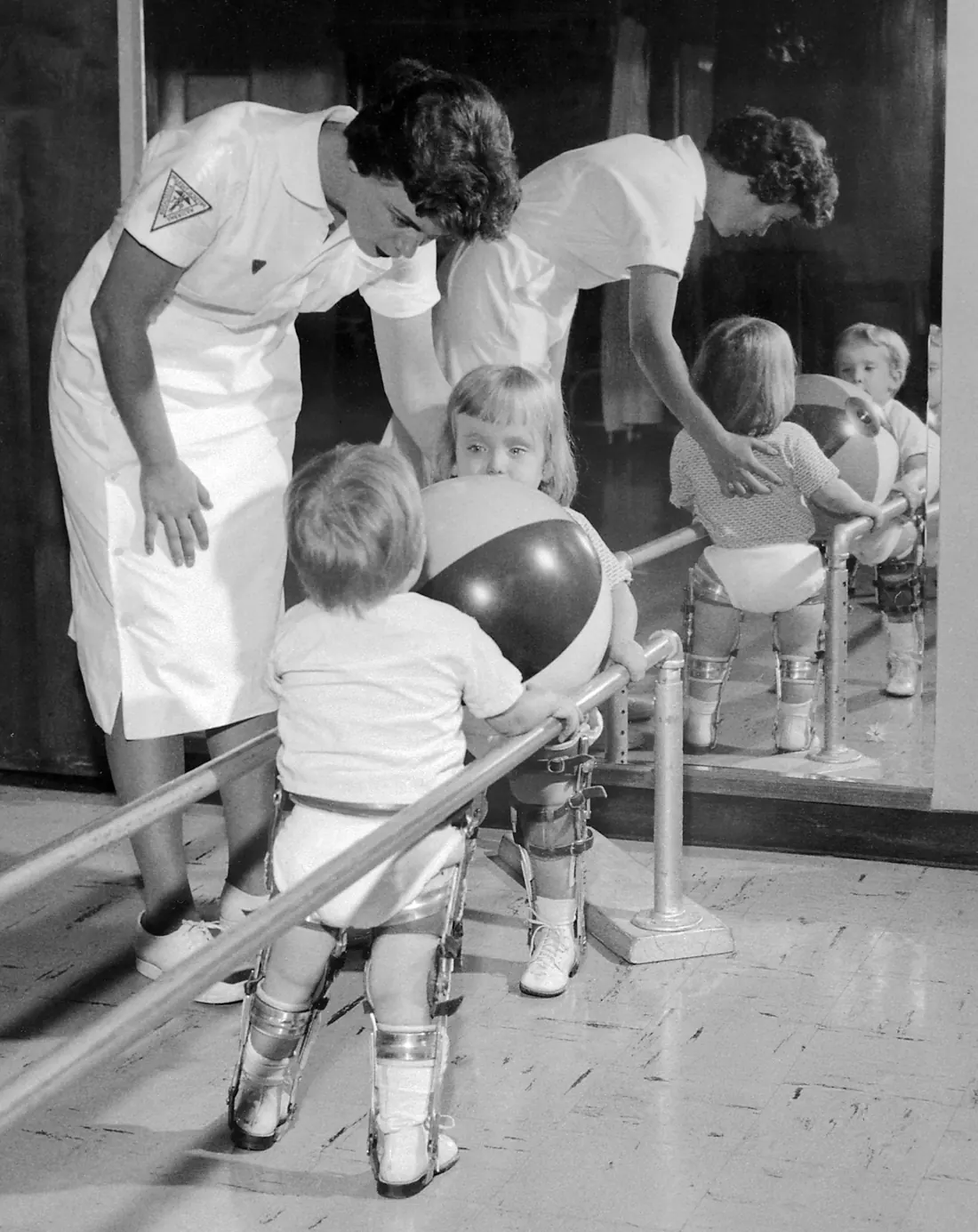
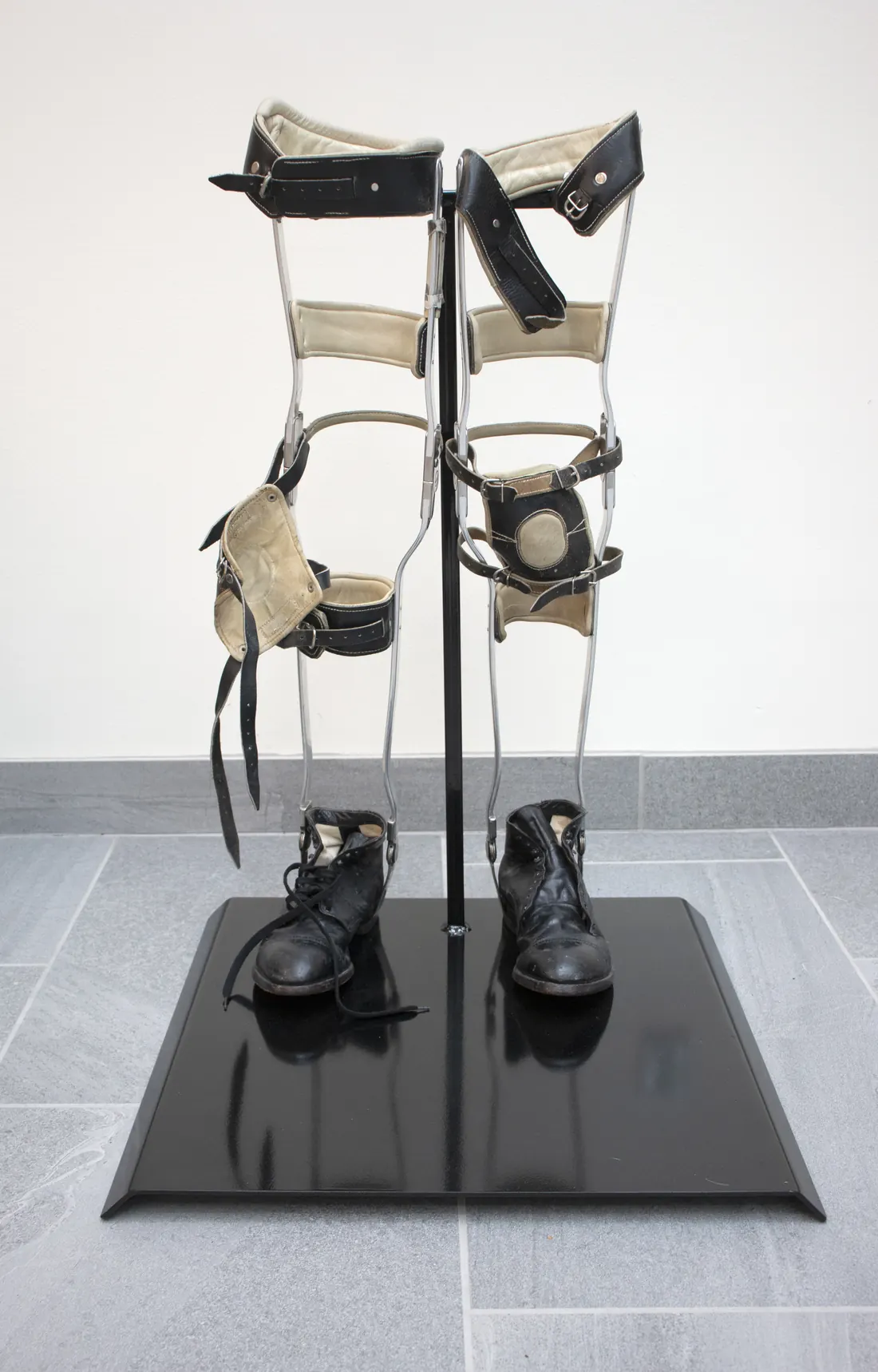
Wilma Rudolph was born prematurely, weighing 4.5 pounds, on June 23, 1940, in Saint Bethlehem, Tennessee, now part of Clarksville. She was the 20th of 22 children from her father’s two marriages. As a child she survived pneumonia, scarlet fever and polio. Polio weakened her left leg, and she wore a leg brace.
In her own words: “My doctor told me I would never walk again. My mother told me I would. I believed my mother.” For two years, she and her mother rode the bus every week to Meharry Medical College, the historically Black medical college in Nashville, for treatment. At home, her family massaged her leg four times a day. By 12, she was walking without the brace.
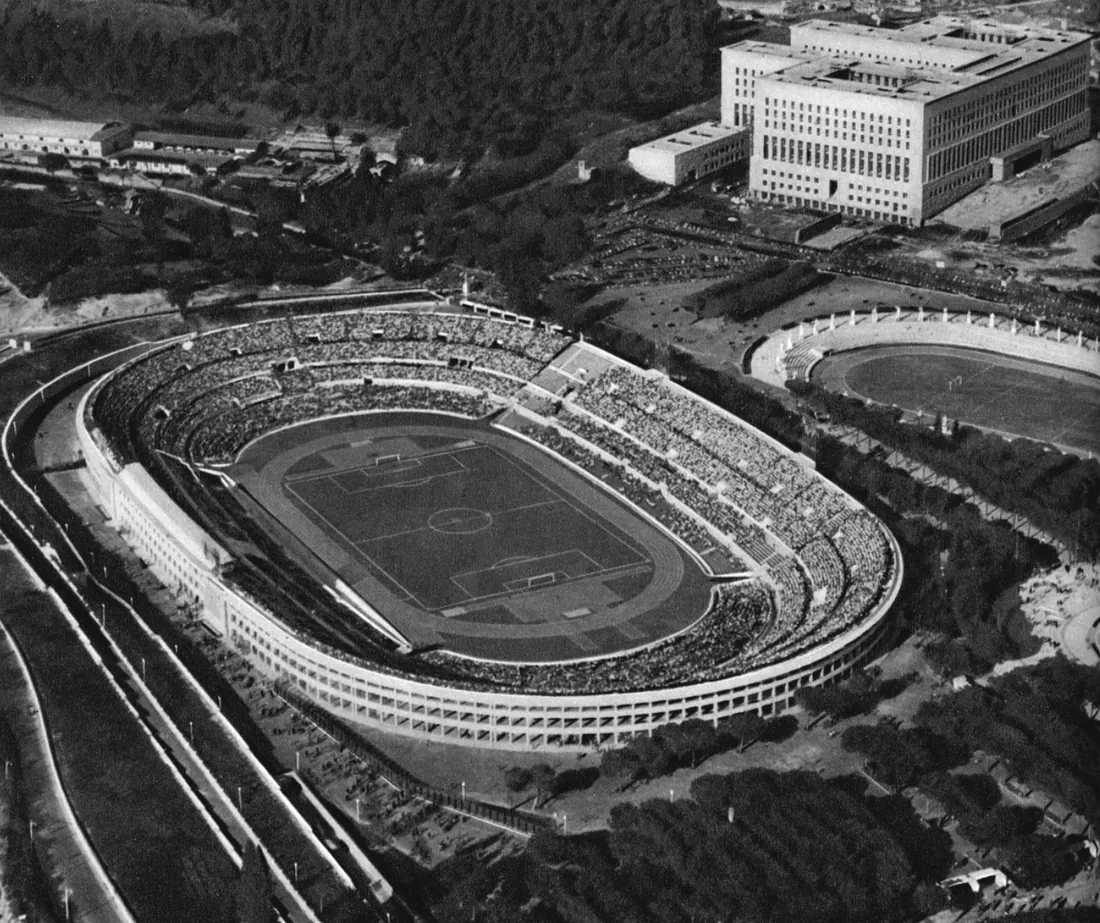
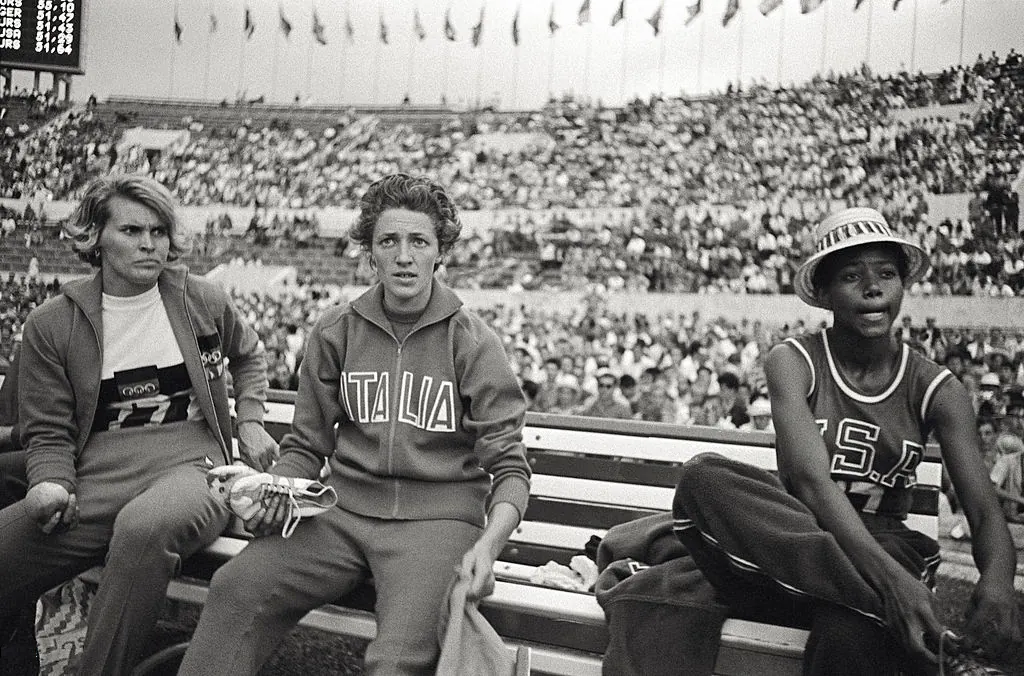
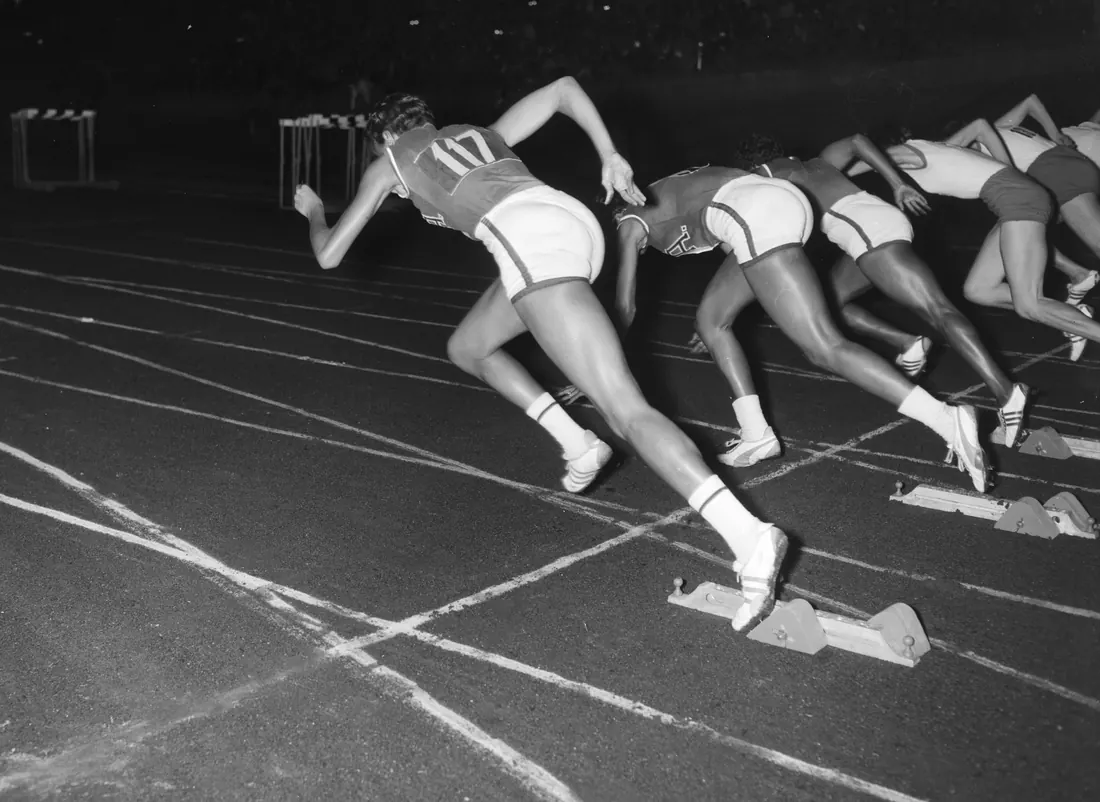
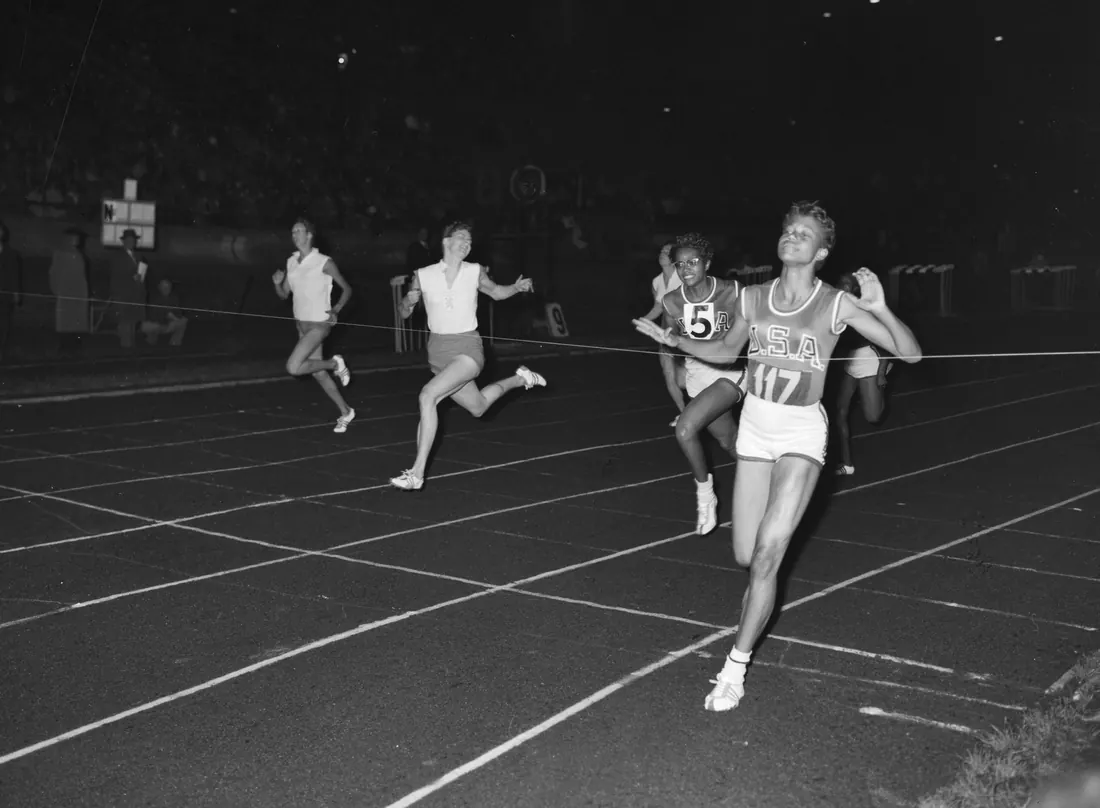
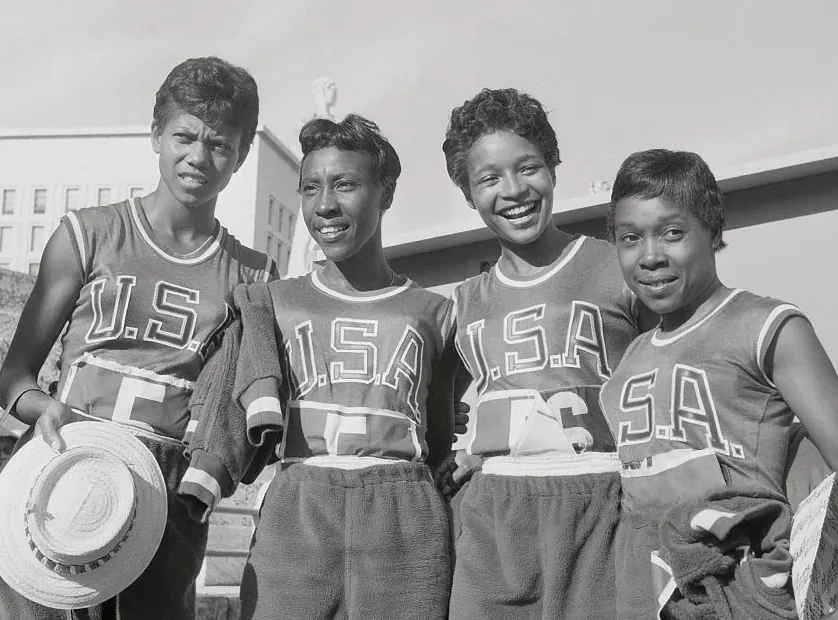
At the 1960 Rome Olympics, she stepped in a hole near the practice track and twisted her ankle “just one day before her competition began.” She ran anyway and “breezed through the heats.” She won the 100 meters, the 200 meters and the 4×100 meters relay, the first American woman to win three gold medals in track and field at one Olympics.
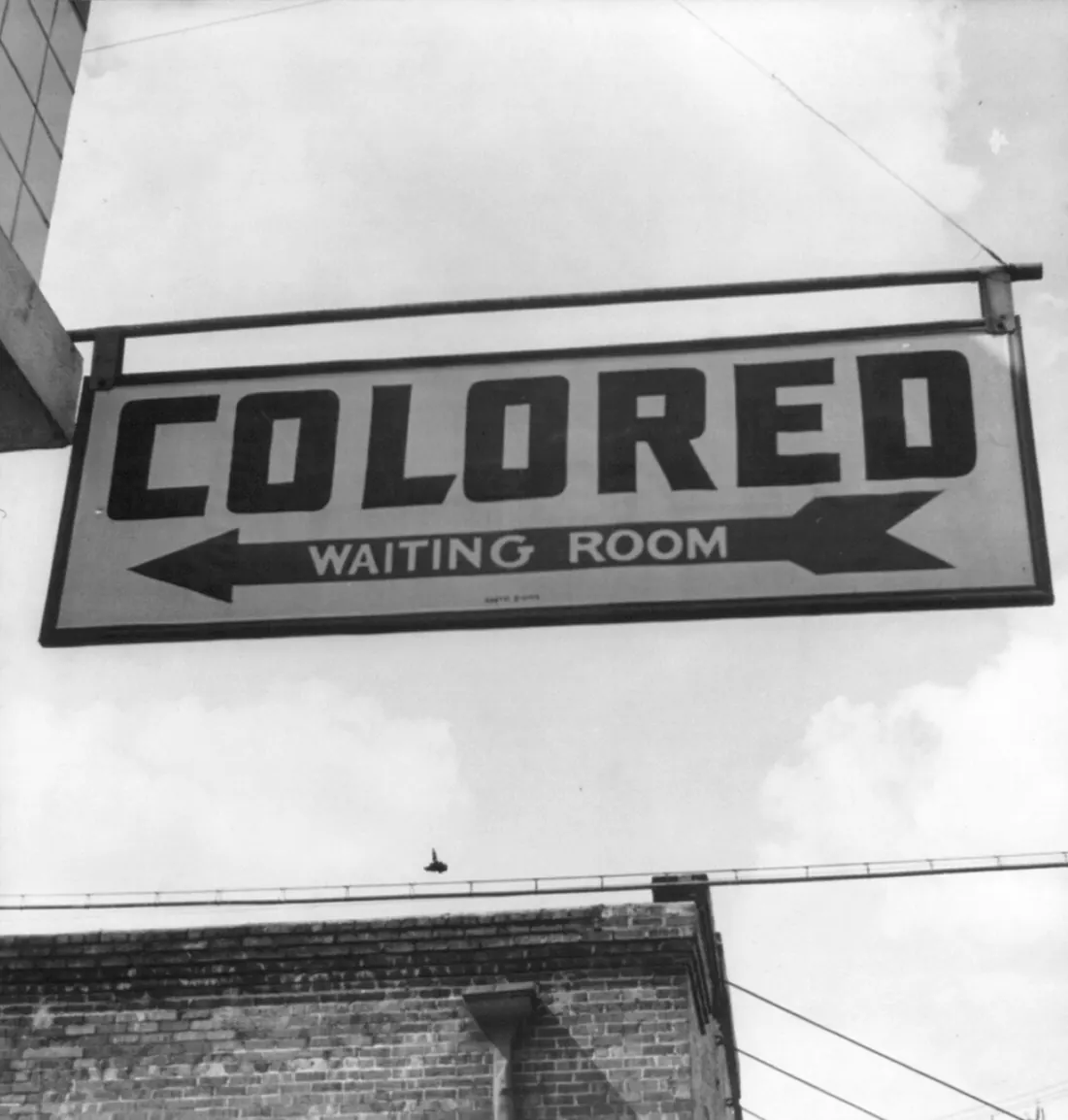
Back home, the governor of Tennessee planned a segregated homecoming celebration. She refused to attend unless it was integrated. The plans were changed, and her parade became the first integrated event in her hometown, “Clarksville’s first integrated public event,” in the words of the city’s Customs House Museum.
Fact check
The facts and where they come from
- She was born prematurely, weighing 4.5 pounds, on June 23, 1940, in Saint Bethlehem, Tennessee, now part of Clarksville. 165
- She was the 20th of 22 children, from her father’s two marriages. 16
- She “suffered from pneumonia, scarlet fever and polio” as a child (World Athletics). Wikipedia says she had polio at age five. 31
- Polio weakened her left leg (Wikipedia: she “lost strength in her left leg and foot”), and she wore a leg brace. 16
- Her doctor said she would never walk again, and her mother said she would. In her own words: “My doctor told me I would never walk again. My mother told me I would. I believed my mother.” 345
- For two years, she and her mother rode the bus every week to Meharry Medical College, the historically Black medical college in Nashville, for treatment. 1
- At home, her family massaged her leg four times a day. 316
- By age 12 she walked without the brace and without the orthopedic shoe (Wikipedia). World Athletics says she walked without the brace at nine. 13
- At the 1960 Rome Olympics she stepped in a hole near the practice track and twisted her ankle “just one day before her competition began.” 3
- She ran anyway and “breezed through the heats.” The 100 meters heats were run on September 1, 1960, and the final on September 2. 32
- She won the 100 meters, the 200 meters and the 4×100 meters relay in Rome in September 1960. 136
- She was “the first American woman to win three gold medals in track and field at the same Olympic game” (National Women’s History Museum). 14
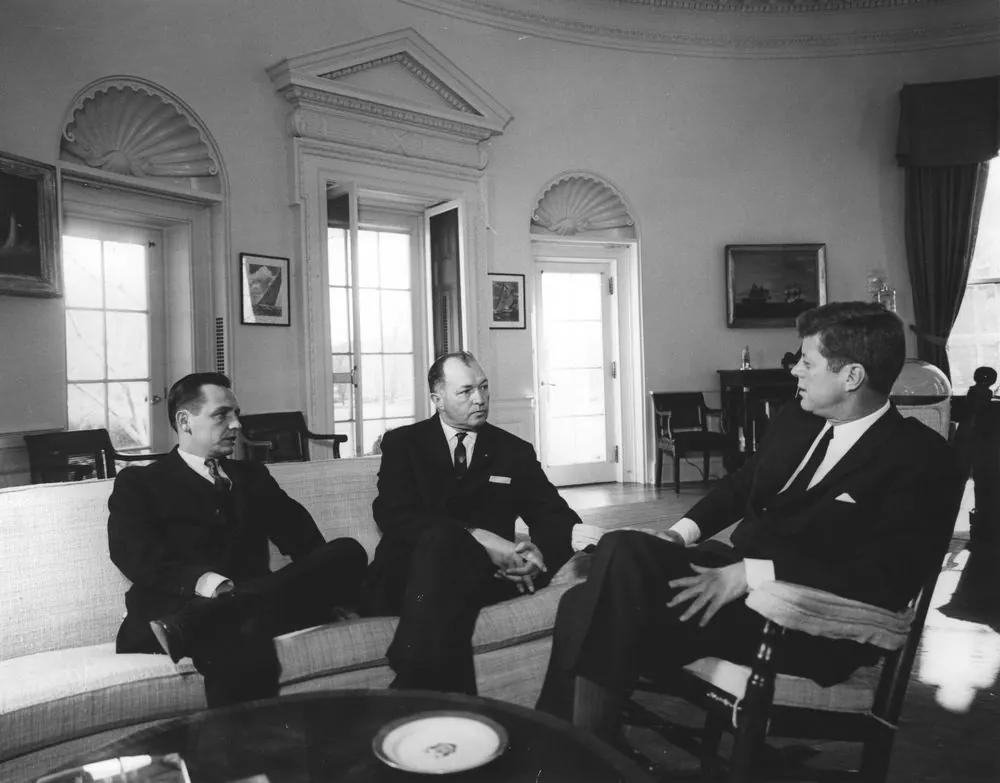
- Back home, the governor of Tennessee, Buford Ellington, planned a segregated homecoming celebration. Wikipedia names it “Welcome Wilma Day,” October 4, 1960. 31
- She refused to attend unless it was integrated. Customs House Museum: “Wilma refused to participate in any ceremony in her honor unless it was an integrated event.” 354
- The plans were changed, and “Rudolph’s parade became the first integrated event in her hometown” (World Athletics), “Clarksville’s first integrated public event” (Customs House Museum). 35
Sources
- Wilma Rudolph Wikipedia
- Athletics at the 1960 Summer Olympics – Women’s 100 metres Wikipedia
- Sixty years since historic Olympic triple, Rudolph’s legacy lives on World Athletics
- Wilma Rudolph National Women’s History Museum
- Wilma Rudolph: Clarksville’s Champion Customs House Museum & Cultural Center
- Wilma Rudolph, once told she would not walk, became the world’s fastest woman 60 years ago NBC Sports
Notes
Sources differ on when the brace came off: Wikipedia says she walked without the brace or orthopedic shoe by 12, World Athletics says she walked without the brace at nine. “By 12” is true under both.
“Never walk again”: her own words name one doctor; the Customs House Museum says “doctors.” We say her doctor.
The distance to Meharry is given as about 50 miles each way (Wikipedia) or 90 miles round trip (ESPN, cited there), so we give no number.
“First integrated event”: World Athletics and the Customs House Museum, Clarksville’s own museum, say first; some web pages say “one of the first.” We follow the museum.
World Athletics and Wikipedia say the governor, Buford Ellington, planned the celebration; other accounts just say the town. Wikipedia’s sentence about Ellington’s views is unsourced, so it is left out.
Left out: her 1956 bronze medal at 16, a 1963 restaurant protest, her coach Ed Temple and her link to Jesse Owens.
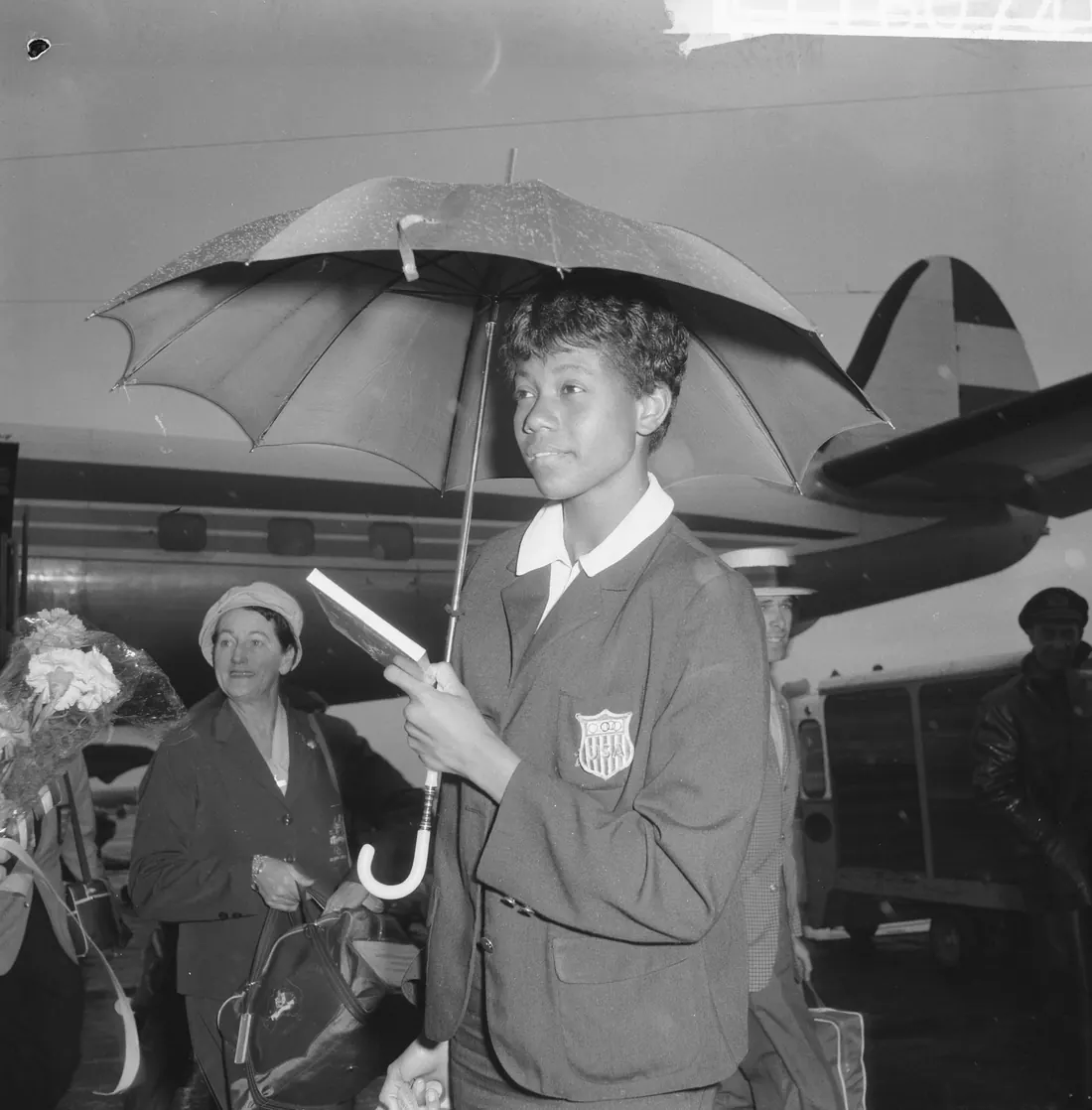
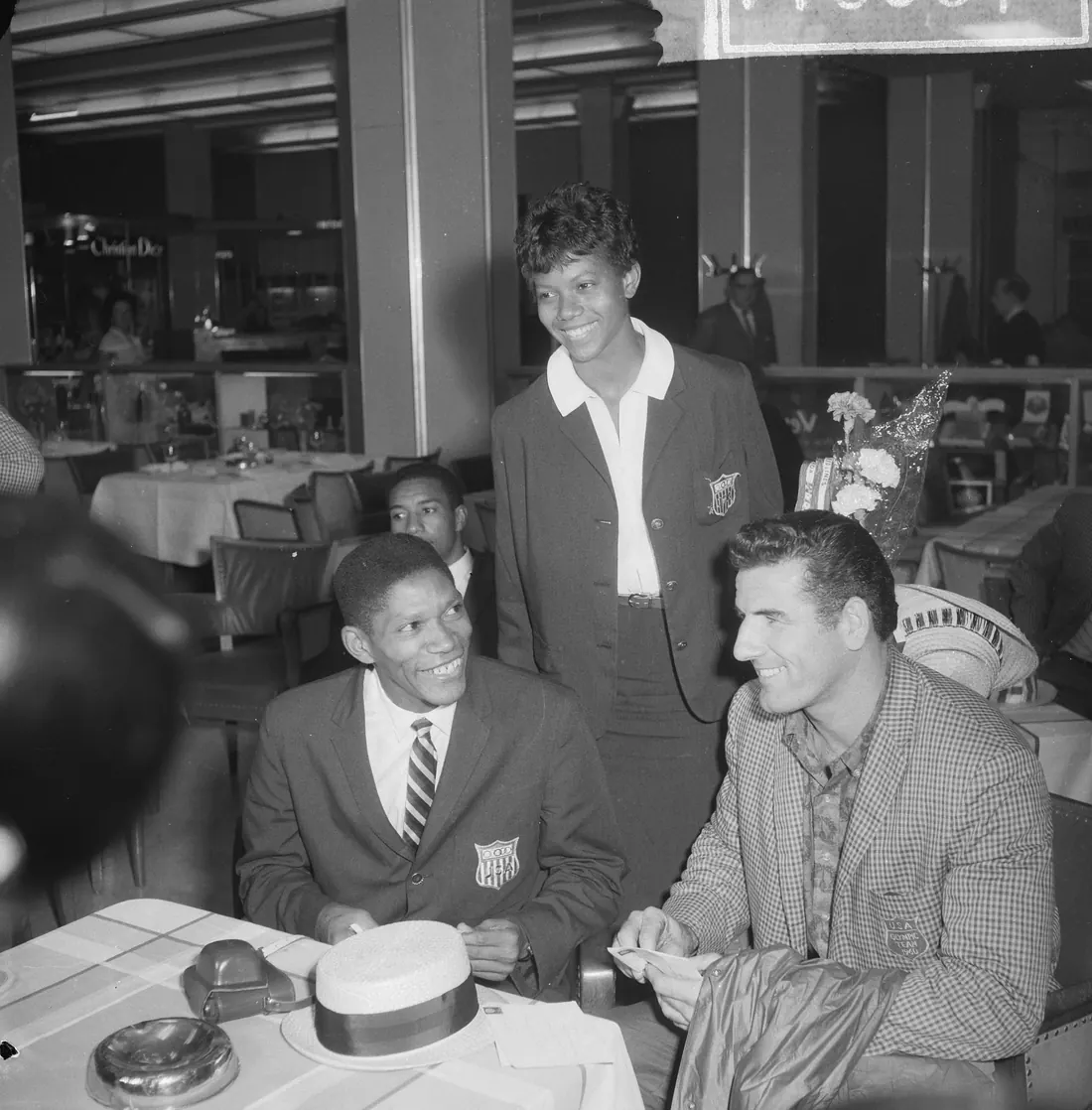
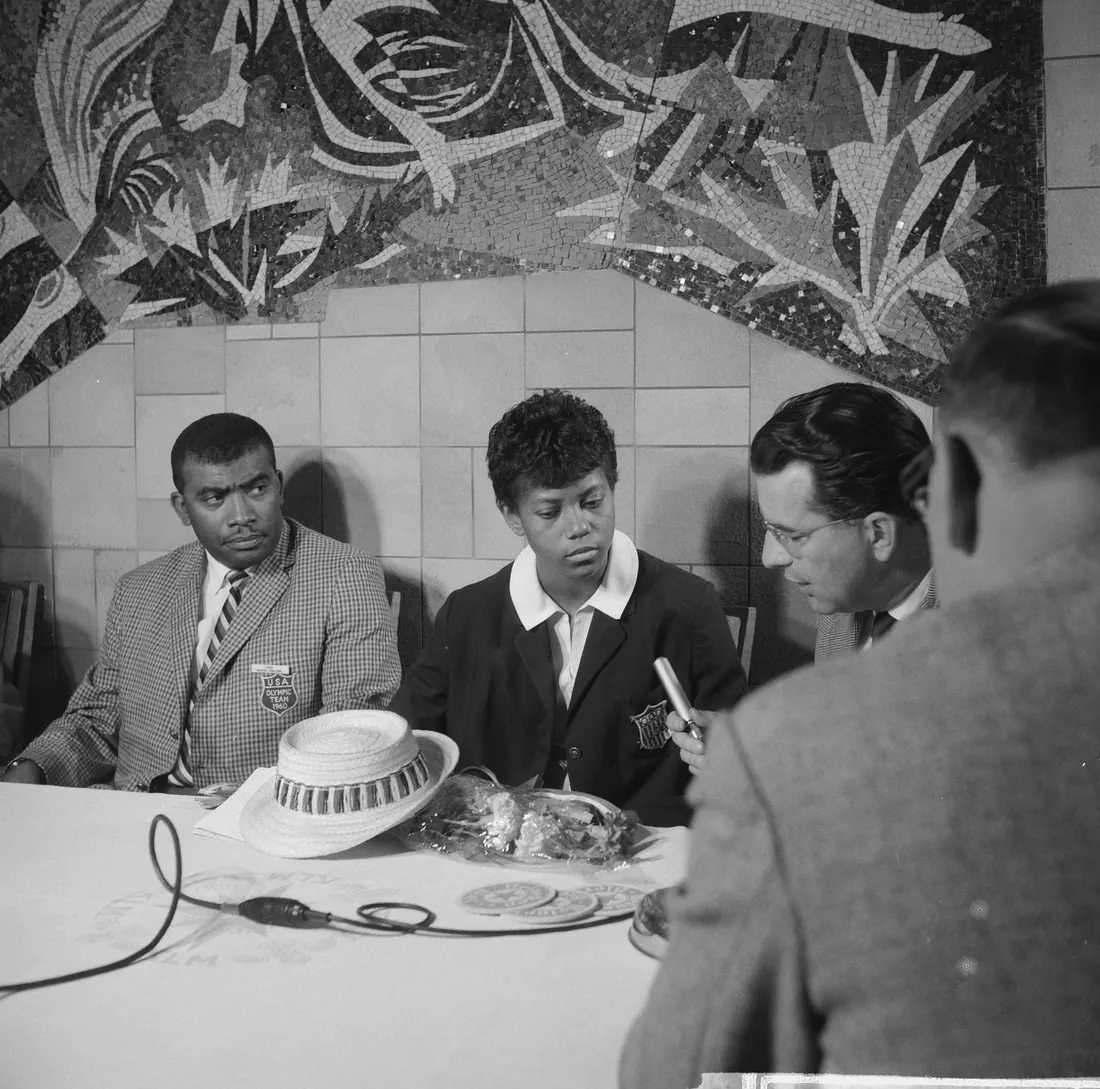
The airport photos (Schiphol) and the race photos (Amsterdam) were taken on September 15, 1960, a week after Rome; she wore bib 117 in Amsterdam, as in Rome. The leg braces (a museum object) and the 1963 polio therapy photo illustrate polio braces and therapy, not Wilma herself. The 1943 “Colored Waiting Room” sign is from Rome, Georgia, not Clarksville, and the photo of Governor Ellington with President Kennedy is from 1962.
Photo credits
The archive photos in this story
All the photographs and illustrations in this story are in the public domain. Tap one to enlarge it, or follow the link to its Wikimedia Commons page for the full record. The narration, music, captions and graphics in the Short are our own.