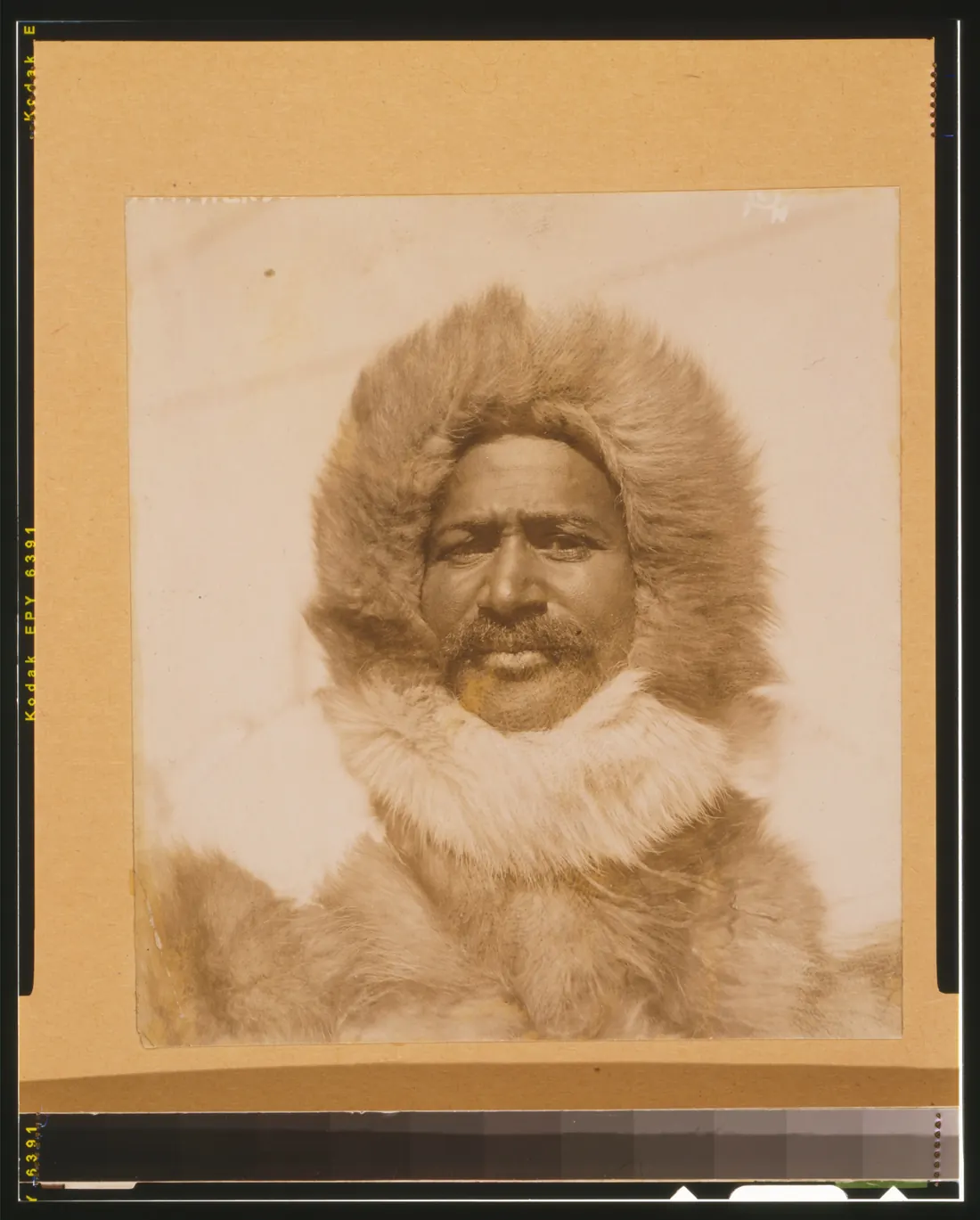
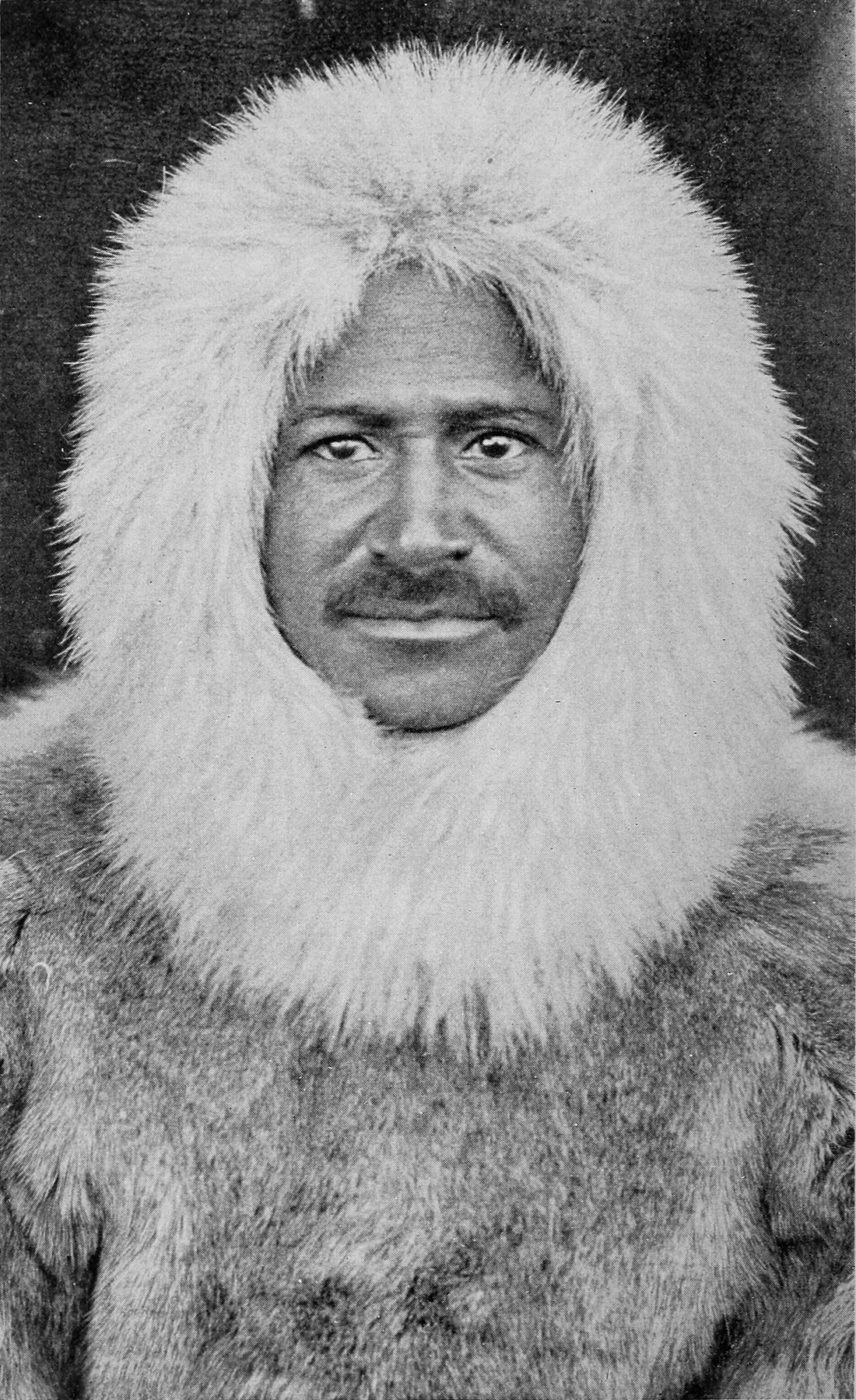
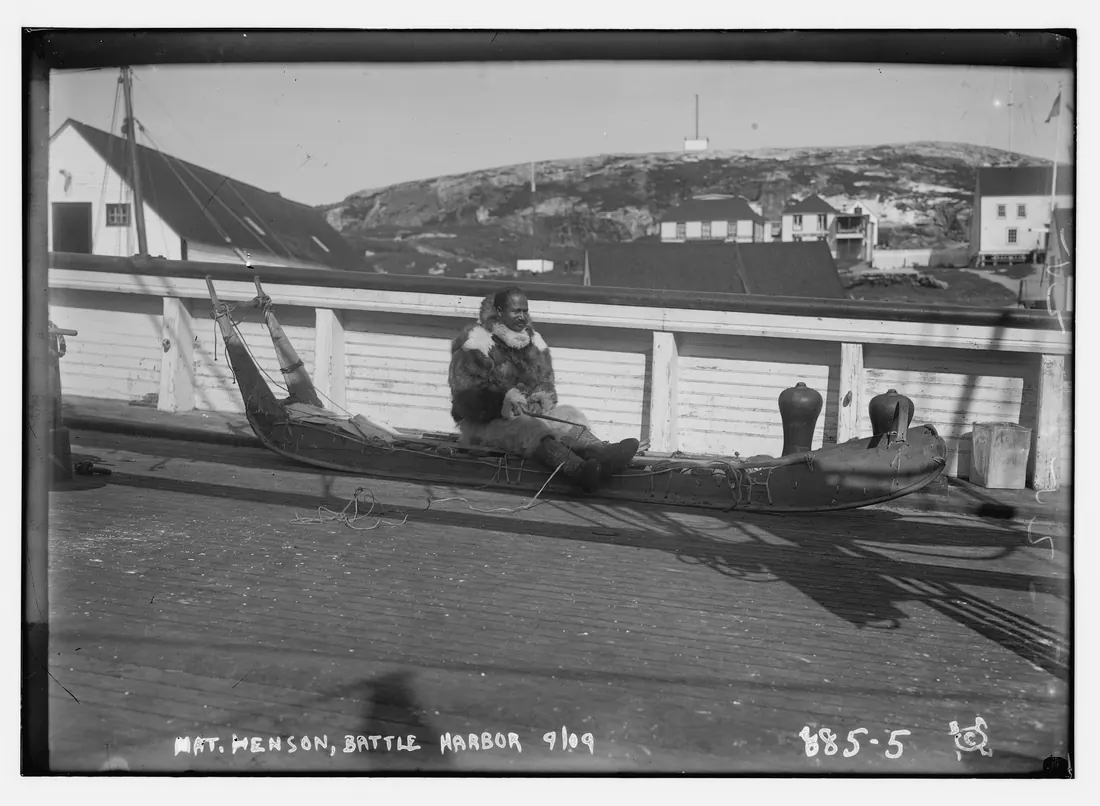
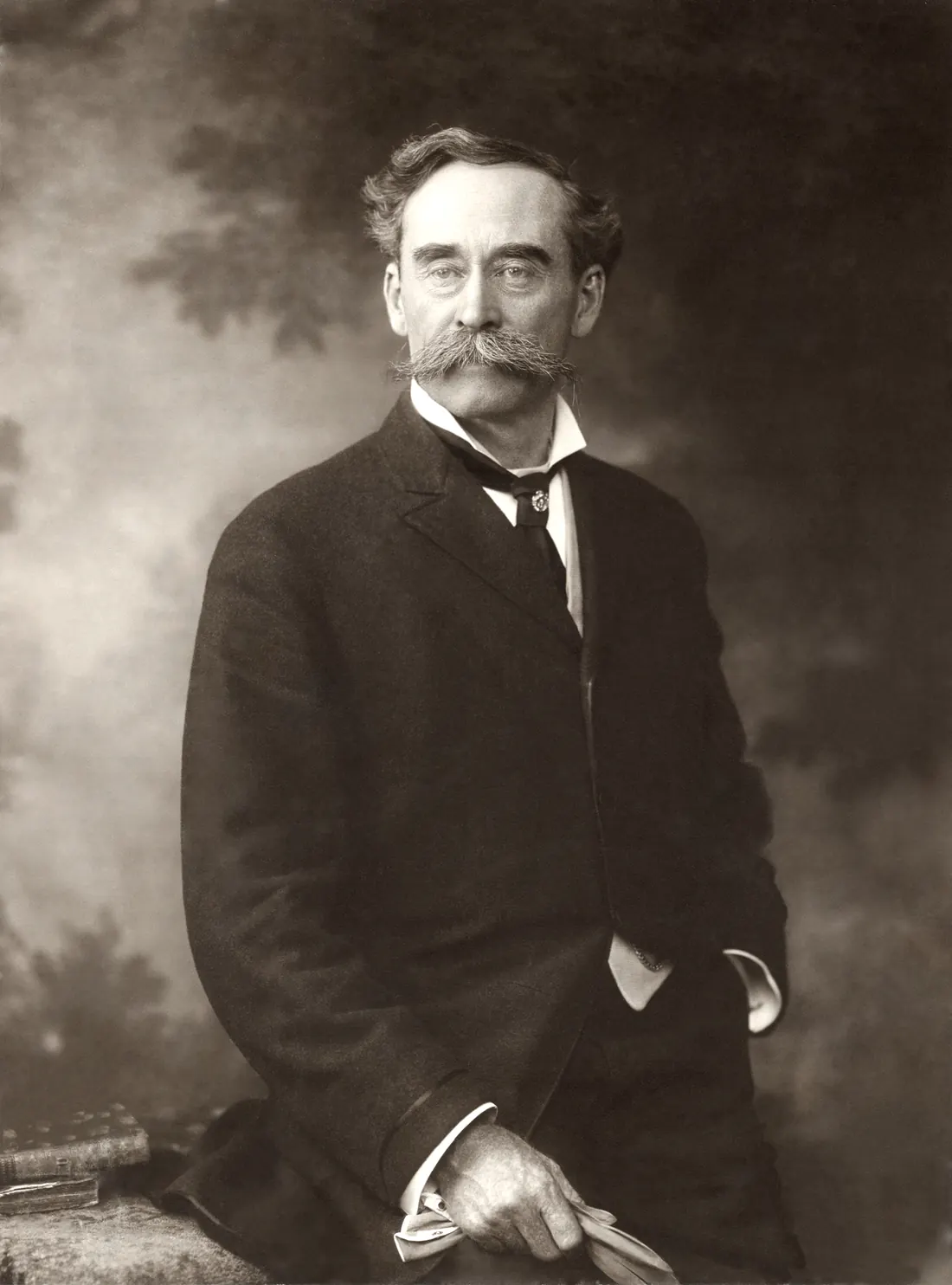
Matthew Henson was born on August 8, 1866, in Nanjemoy, Maryland, to free Black sharecropper parents, and went to sea as a cabin boy aboard the Katie Hines. In 1887 Robert Peary hired him as a valet. Over seven Arctic expeditions Henson mastered the Inuit language and became an expert dog-sled driver. Peary said, “I can’t get along without him.”
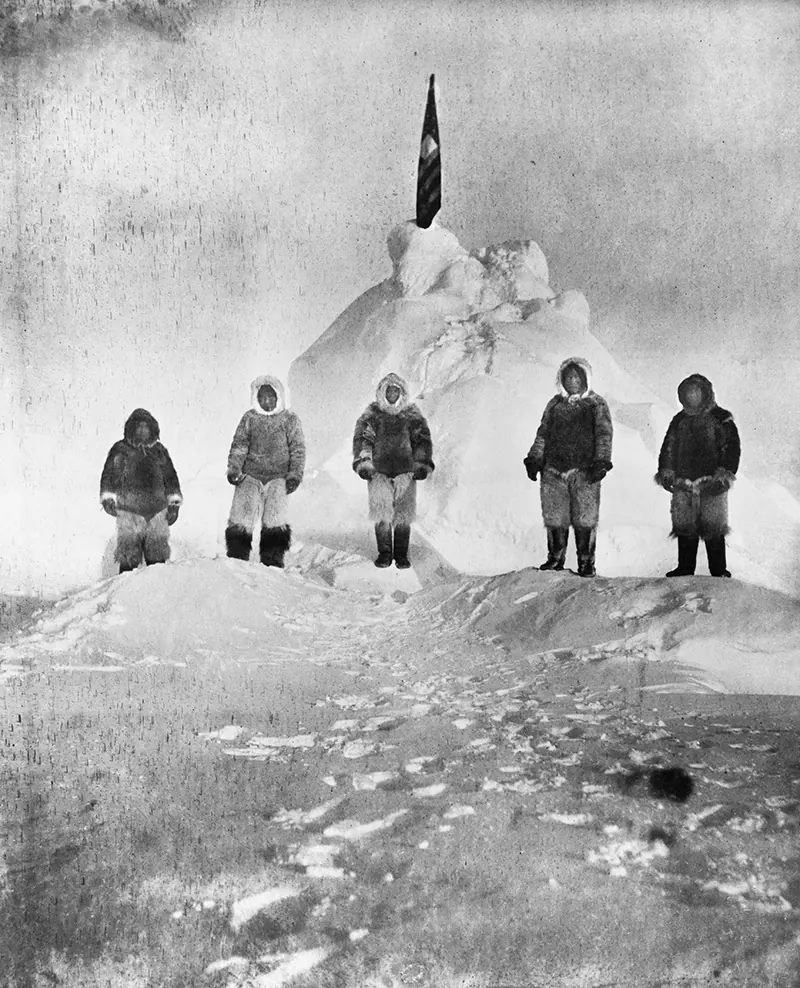
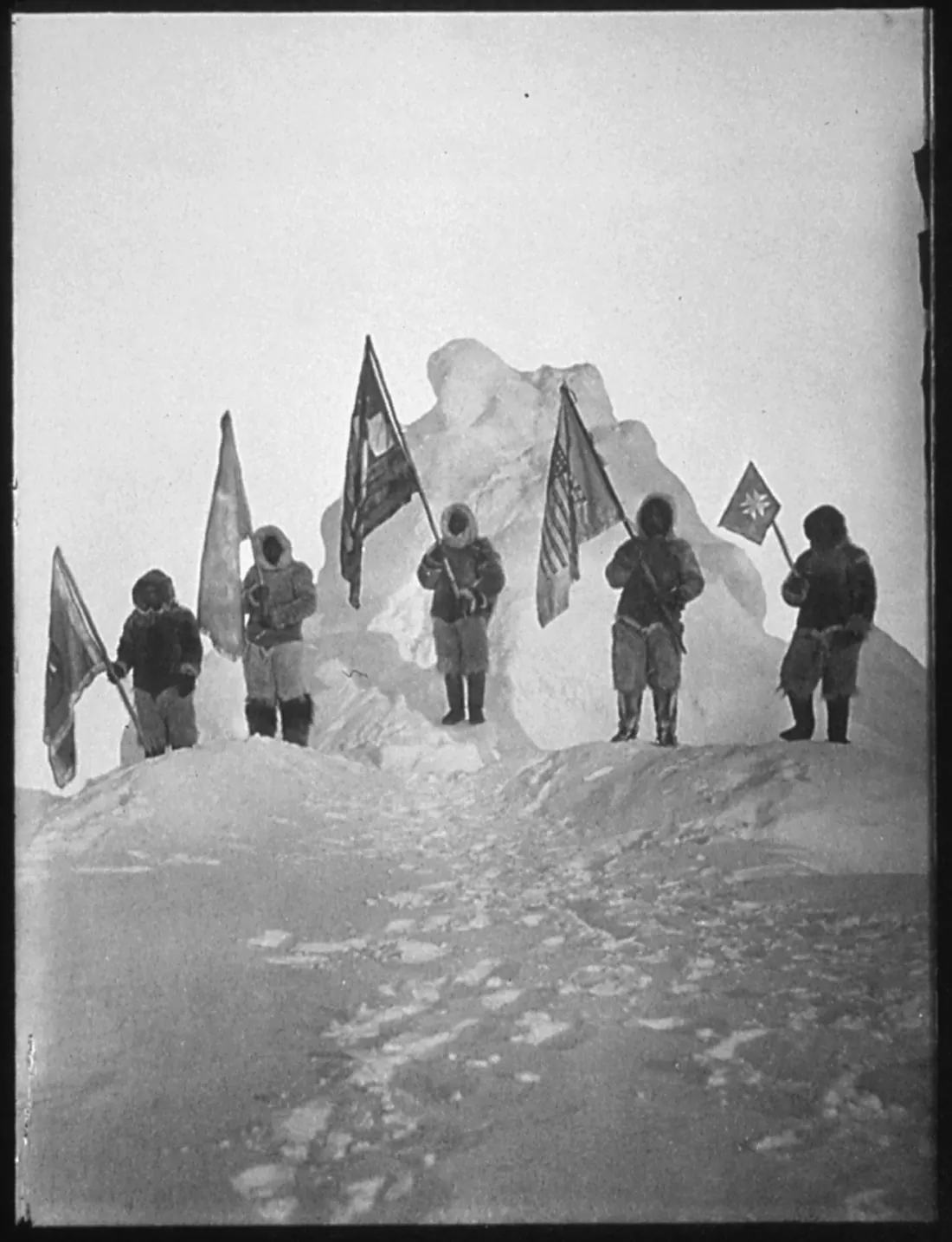
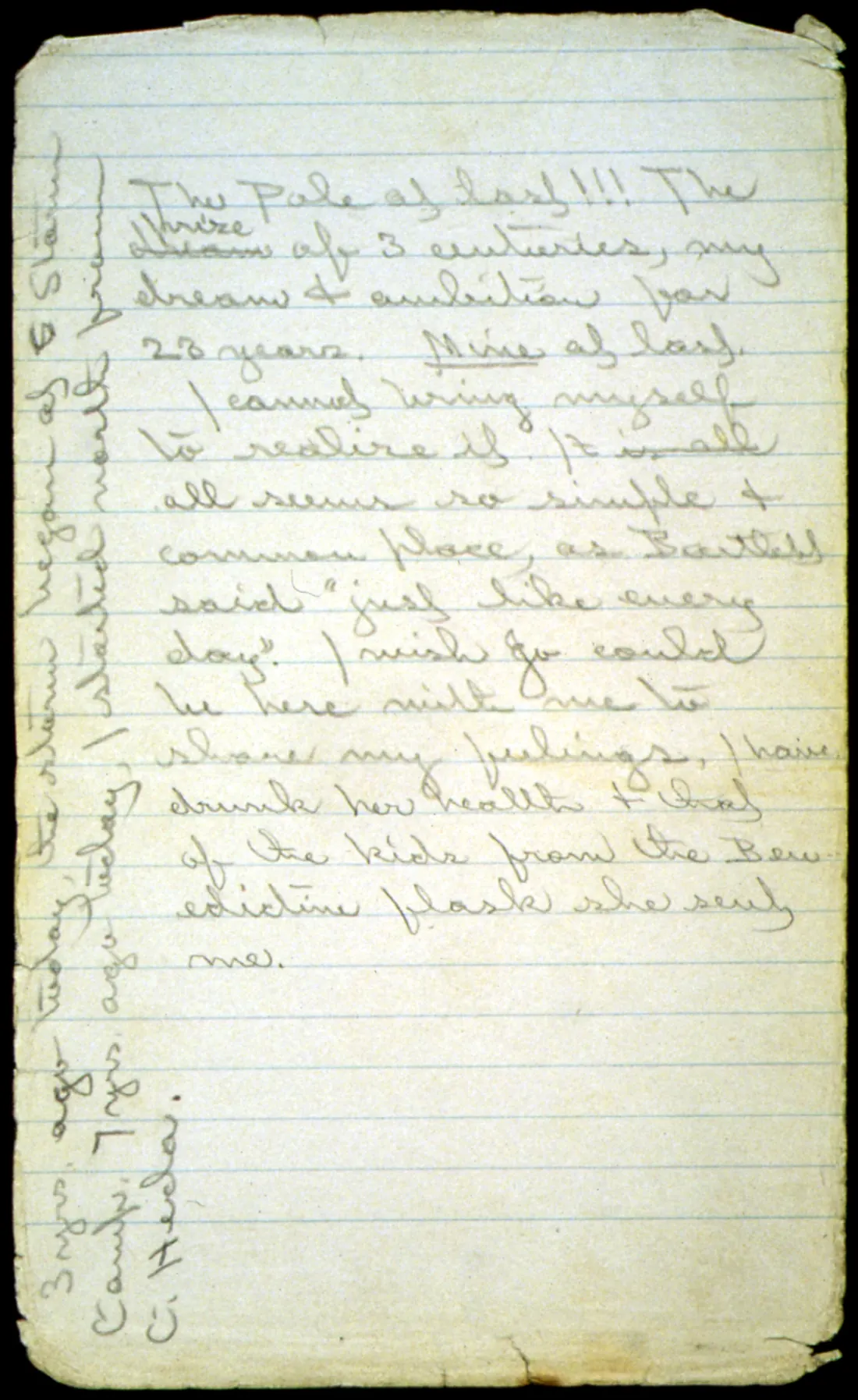
On April 6, 1909, Peary sent Henson ahead as a scout. “I was in the lead,” Henson said. He arrived at Camp Jesup 45 minutes ahead of Peary and concluded by dead reckoning that he had reached the Pole. He greeted Peary with “I think I’m the first man to sit on top of the world.” Afterward, Henson said, “From the time we knew we were at the Pole, Commander Peary scarcely spoke to me.”
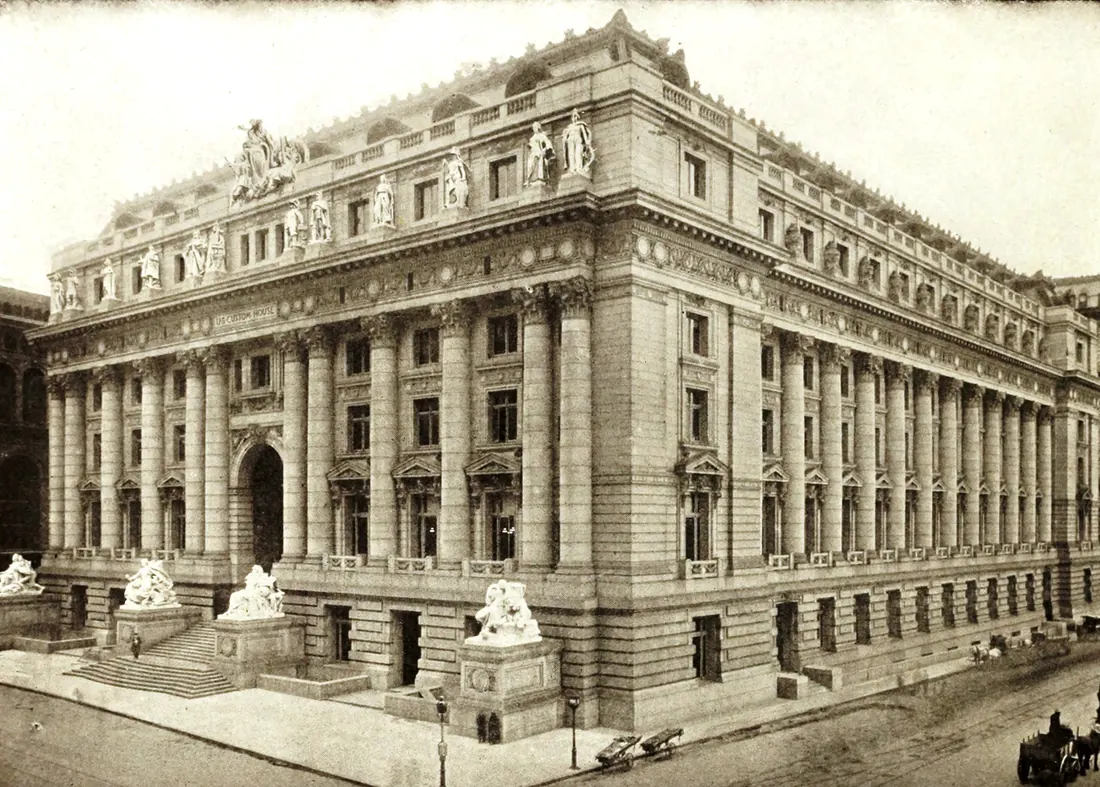
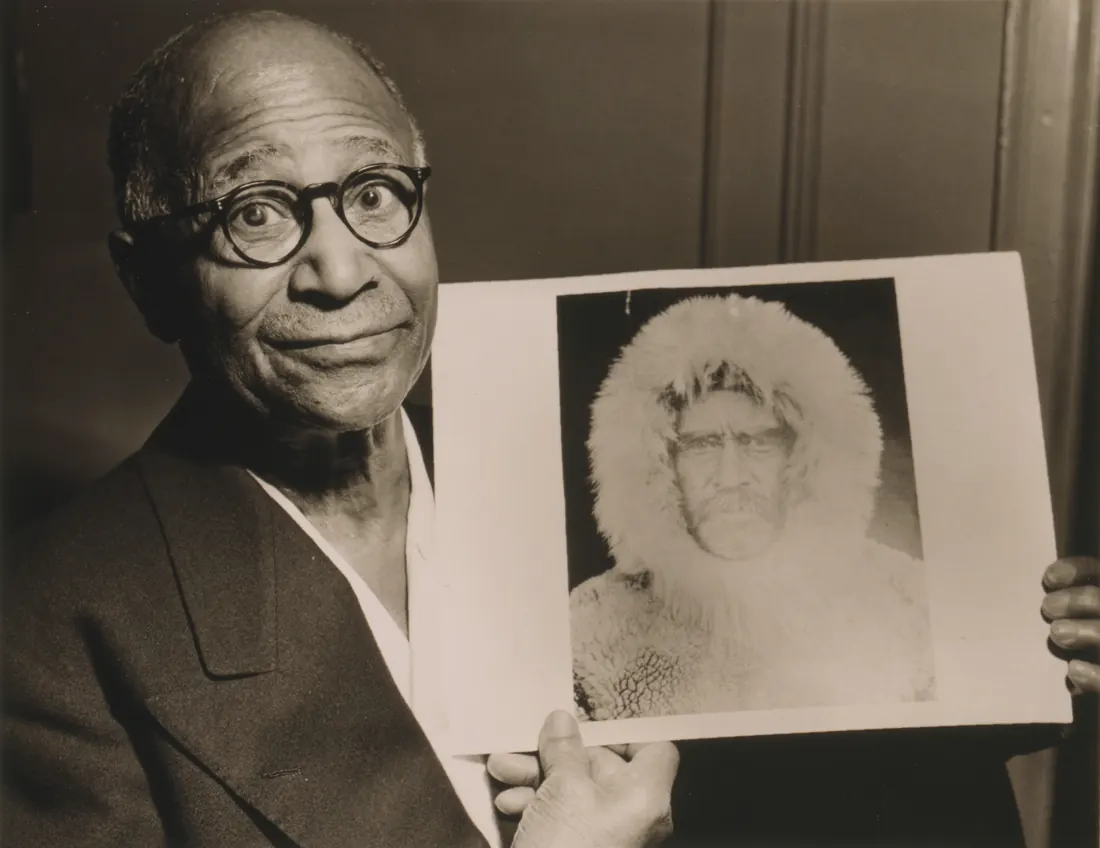
Peary received the Thanks of Congress in March 1911 and was promoted to rear admiral. In 1913 Henson started as a messenger at the US Custom House in New York, at $960 a year, and stayed 23 years, later as a clerk. The honors came late: the Explorers Club admitted him in 1937, Congress gave him a medal in 1944, and on April 6, 1954, he visited President Eisenhower at the White House.
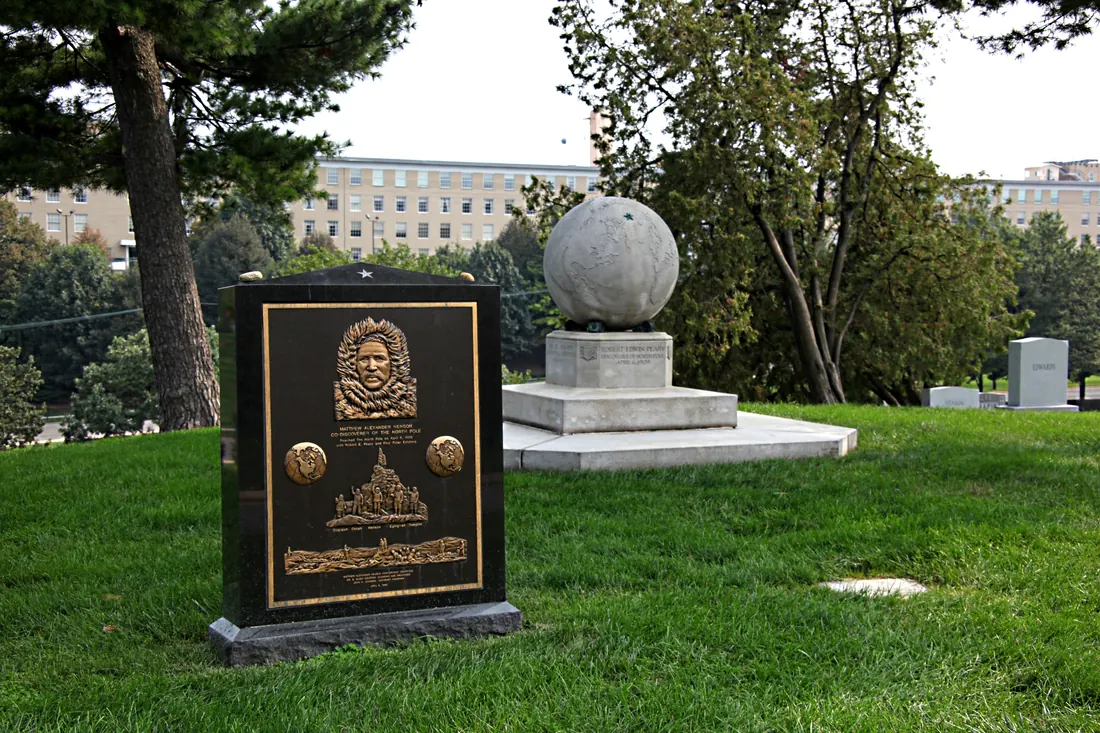
On April 6, 1988, 79 years to the day after he went ahead to the Pole, Henson was reburied at Arlington National Cemetery, near Peary. Whether the party truly reached the Pole is still debated: in 1989 explorer Wally Herbert concluded they could have fallen 30 to 60 miles short, while a study commissioned by National Geographic that year concluded Peary had reached it.
Fact check
The facts and where they come from
- He may have been the first man at the North Pole (“he may have been the first man, black or white, to reach the North Pole”), and Henson later said he was the first of their party to reach it. Peary got the glory: “Admiral Peary received many honors … but Henson’s contributions were largely ignored.” 25
- He was born on August 8, 1866, in Nanjemoy, Maryland, to free Black sharecropper parents. 54
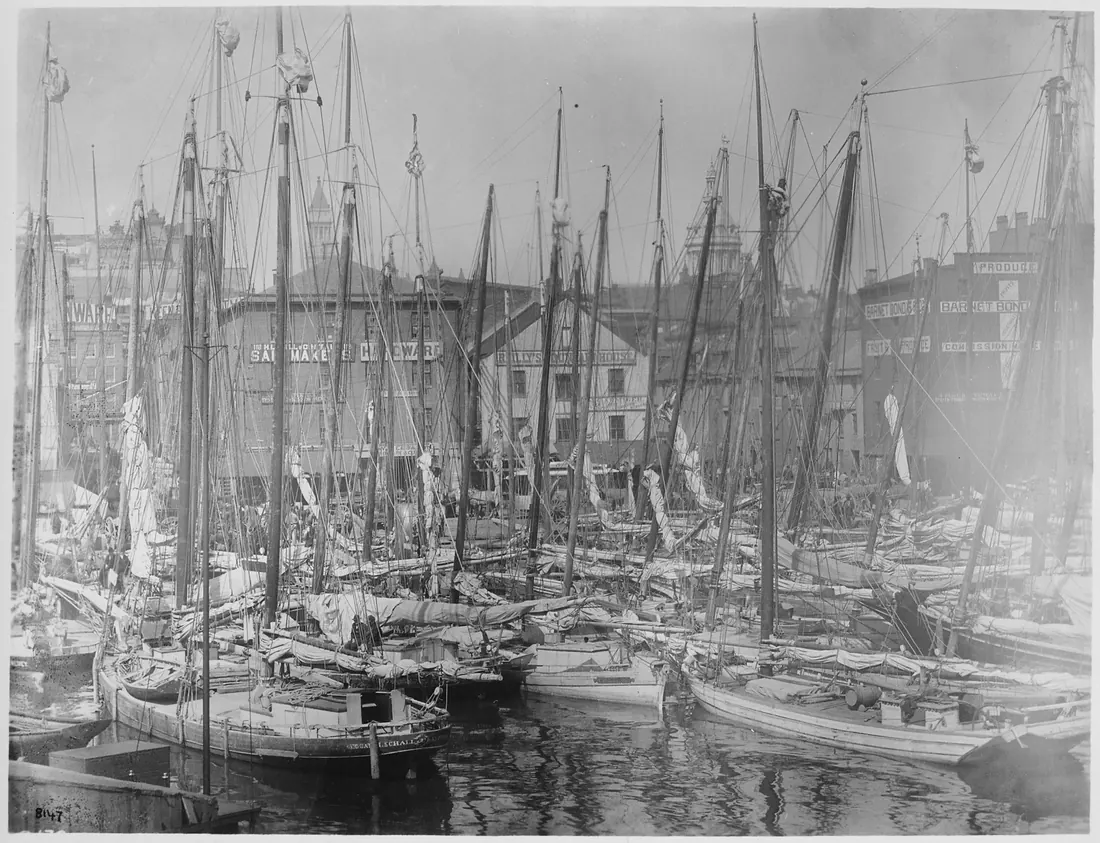
- He went to sea as a cabin boy, sailing from Baltimore: “he went to sea at age twelve as cabin boy aboard the Katie Hines.” 45
- In 1887 Robert Peary hired him as a valet. 51
- Over seven Arctic expeditions he mastered the Inuit language and was “the only non-Inuit who became skilled in driving the dog sleds”; Bowdoin says “only Henson was fluent in Inuktitut, and could drive a sledge with native prowess.” 54
- Peary said, “I can’t get along without him” (as reported by Wally Herbert in National Geographic, September 1988). 12
- On April 6, 1909, Peary sent Henson ahead as a scout. Henson: “I was in the lead.” 5
- Henson arrived at Camp Jesup, 89°47′, 45 minutes ahead of Peary, and concluded by dead reckoning that he had reached the Pole. Wikipedia calls him “the first member of the party to reach what they believed was the pole.” 15
- He greeted Peary with “I think I’m the first man to sit on top of the world.” National Geographic’s photo gallery notes that historians haven’t been able to confirm that he was first. 126
- Henson said Peary barely spoke to him afterward: “From the time we knew we were at the Pole, Commander Peary scarcely spoke to me.” 1
- Peary received the Thanks of Congress in March 1911, was promoted to rear admiral and received medals from geographic societies. 6
- From 1913 Henson worked at the US Custom House in New York, starting as a messenger at $960 a year; he stayed 23 years, later as a clerk. Bowdoin: “a messenger and clerk at the Customs House in New York City.” 34
- The honors came late: the Explorers Club in 1937 (Bowdoin: “belatedly admitted”), a medal from Congress in 1944 (a duplicate of the Peary Polar Expedition Medal) and a White House visit with President Eisenhower on April 6, 1954. President Truman honored him too. 534
- On April 6, 1988, he was reburied at Arlington National Cemetery, “near the burial site of Admiral Peary” (National Archives), “alongside Peary” (National Geographic). 32
- That was 79 years to the day after April 6, 1909. 53
- Whether they reached the Pole is disputed. Wally Herbert’s 1989 study found the records unreliable and concluded the party could have fallen 30 to 60 miles short; a 1989 study by the Navigation Foundation, commissioned by National Geographic, concluded Peary had reached the Pole. 56
Sources
- Profile: African-American North Pole Explorer Matthew Henson National Geographic
- Matthew Henson, Pioneering Black Polar Explorer, in Historic Pictures National Geographic
- New York City U.S. Custom House Employee: Matthew Henson US National Archives: Pieces of History
- Matthew Henson (Arctic biographies) Bowdoin College Peary-MacMillan Arctic Museum
- Matthew Henson Wikipedia
- Robert Peary Wikipedia
Notes
Whether the party reached the Pole at all is disputed, so we say “what they believed was the North Pole.”
That Henson was the first man there rests on his own account, and National Geographic says historians haven’t been able to confirm it; hence “may have been.” That he reached their final camp 45 minutes before Peary, National Geographic states as fact.
Sources differ on his age when he went to sea (12 according to Wikipedia and Bowdoin, 13 according to National Geographic), on his years with Peary (“nearly 23 years,” “nearly 20 years,” 18 in the field) and on his years at the Custom House (23, “more than two decades,” “most of the next 30 years”).
The National Archives and Wikipedia say he was reburied “near” Peary; National Geographic says “alongside.” The 2011 photo shows the two graves a few yards apart on the same lawn.
Left out: Henson’s Inuit son, Anauakaq; Frederick Cook’s rival claim; and Peary’s racial attitudes.
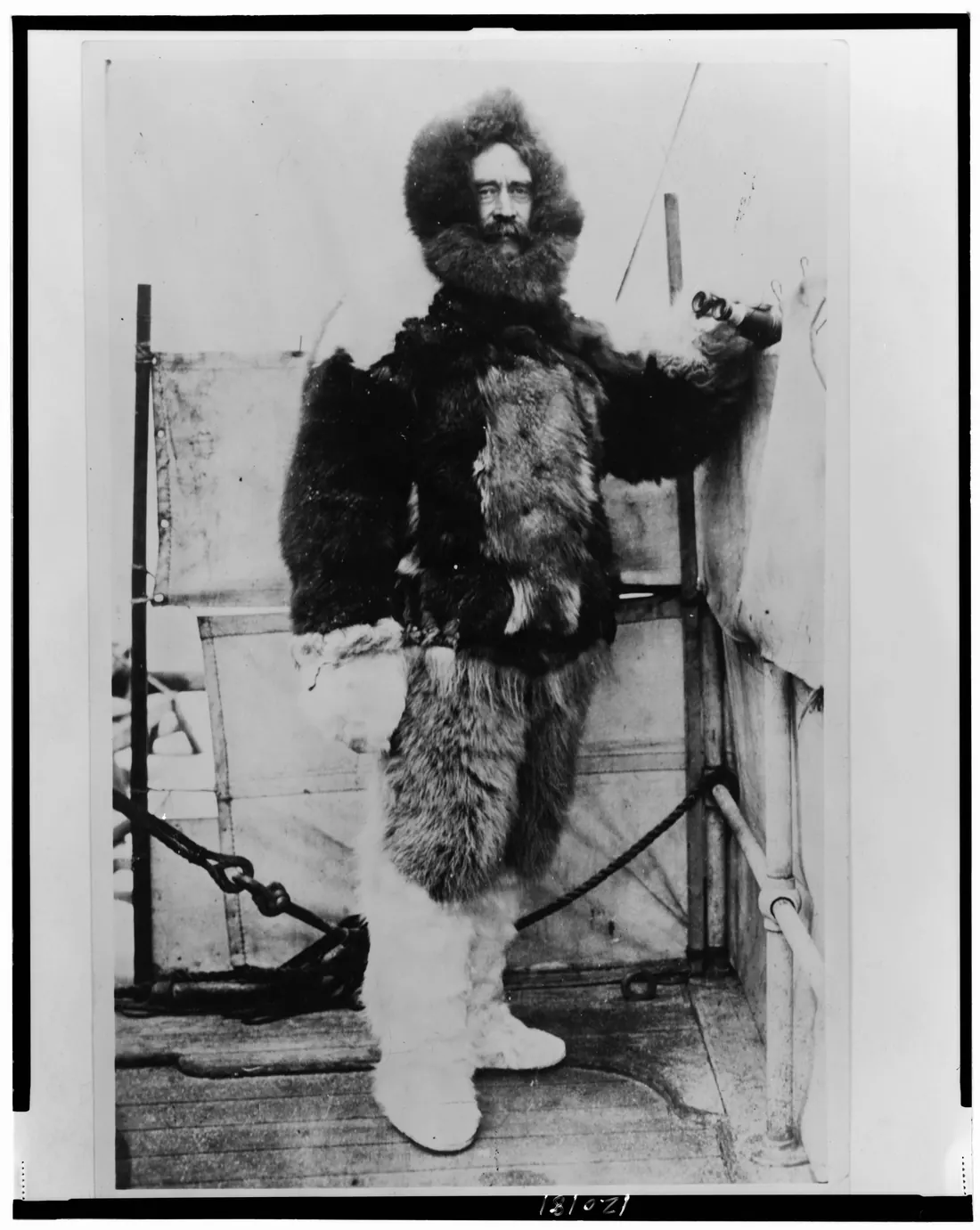
The Baltimore photo (about 1885) shows the harbor of Henson’s youth, not his ship. Wikimedia Commons dates the photo of Henson with four Inuit men 1908, but it shows the four men of the 1909 polar party. The Custom House picture is from 1912, the year before he started there, and the 1953 photo stands in for the late honors.
Photo credits
The archive photos in this story
The photographs and illustrations in this story are in the public domain or shared under open licenses; each one is credited below with its license. Tap one to enlarge it, or follow the link to its Wikimedia Commons page for the full record. The narration, music, captions and graphics in the Short are our own.