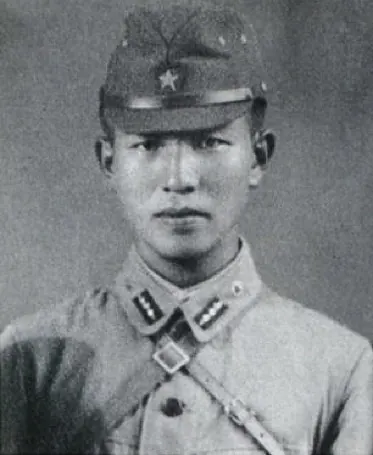
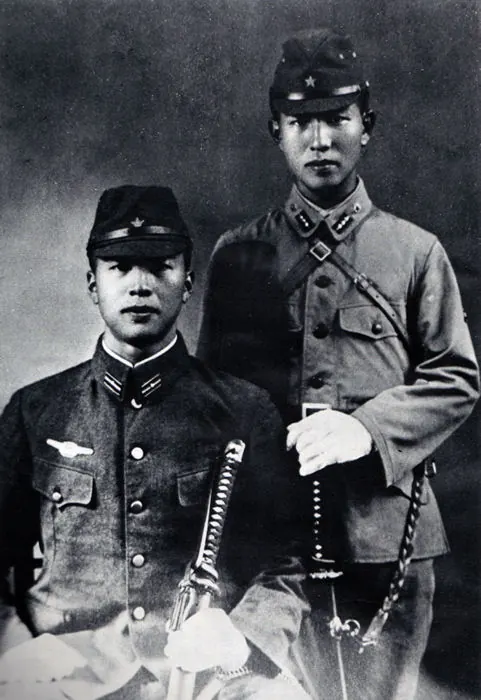
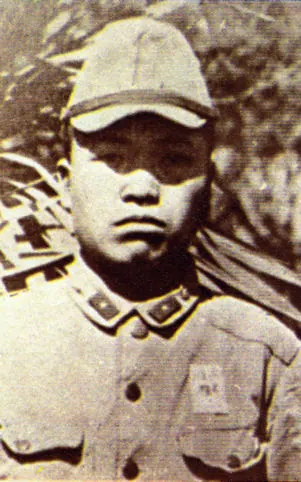
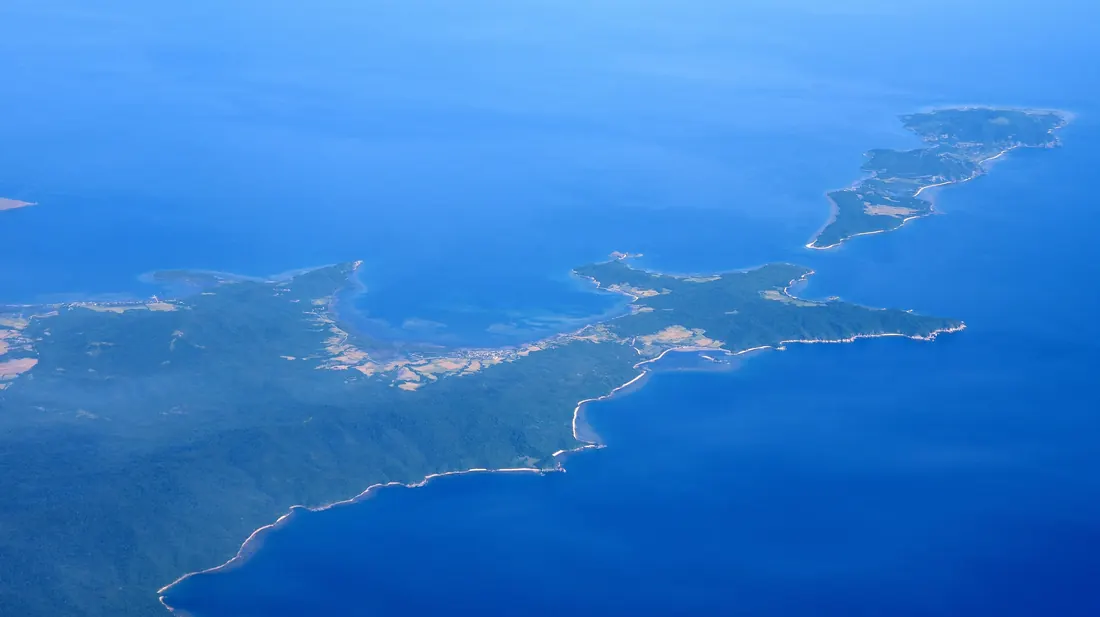
Hiroo Onoda trained as an intelligence officer at the Futamata branch of the Japanese army’s Nakano School, and he was a second lieutenant. On December 26, 1944, he was sent to lead guerrilla warfare operations on Lubang Island, in the Japanese-occupied Philippines. His orders said that under no circumstances was he to surrender or take his own life. And he was promised: “It may take three years, it may take five, but whatever happens we’ll come back for you.”
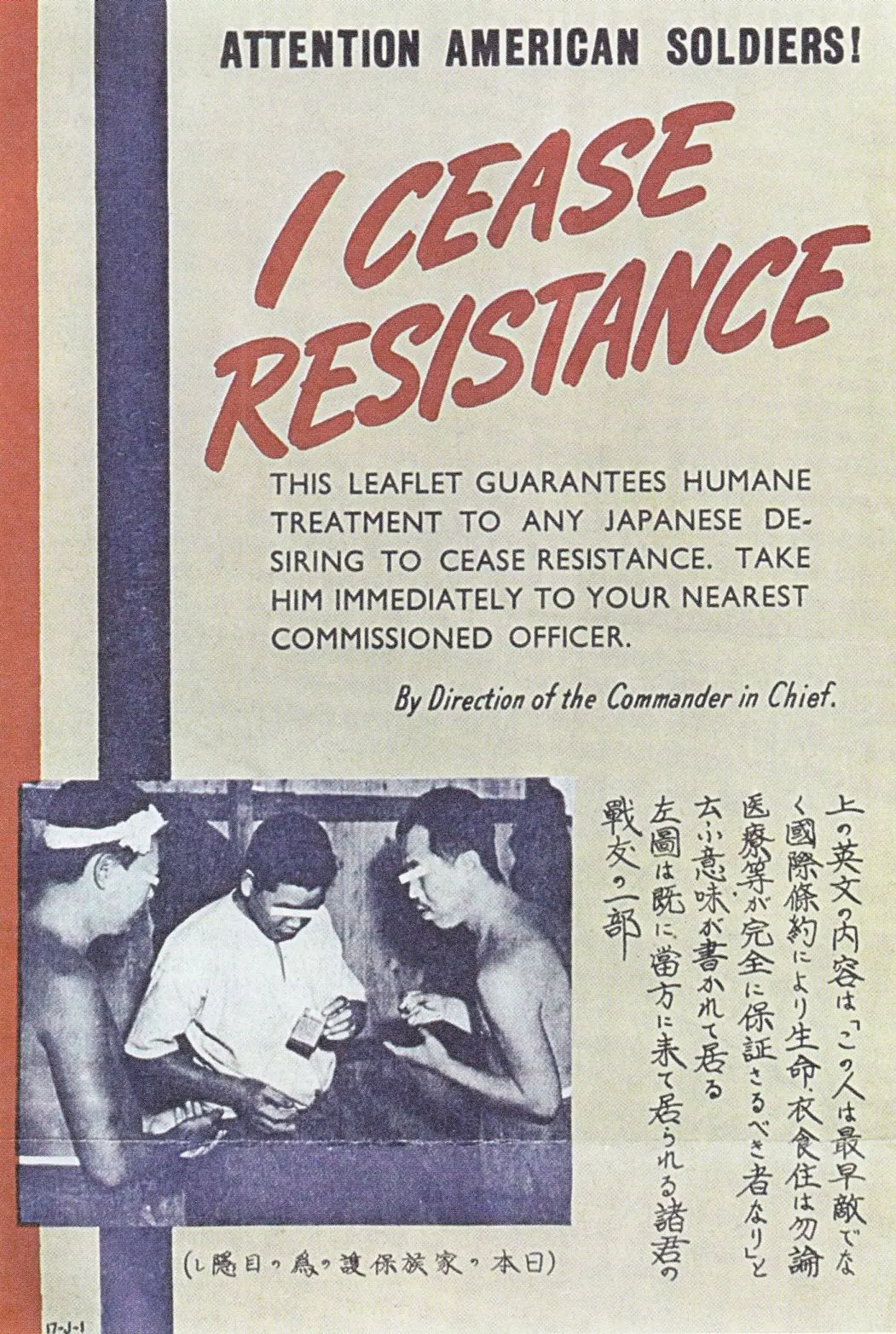
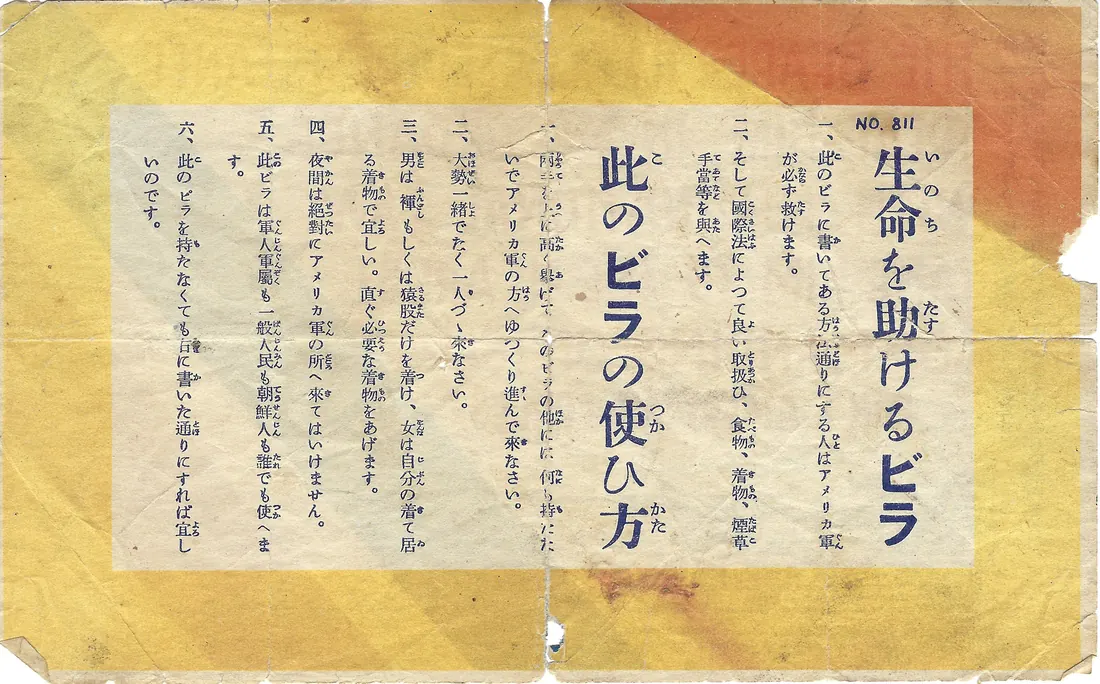
Japan surrendered in August 1945. That October, islanders left a note saying the war was over; the group concluded it was Allied propaganda. Near the end of 1945, leaflets with General Yamashita’s surrender order were dropped on Lubang; the group decided they were not genuine. “The leaflets they dropped were filled with mistakes,” Onoda said, “so I judged it was a plot by the Americans.” In February 1952 letters and photographs from the soldiers’ families, urging them to surrender, were dropped by air, but the group concluded that it was a trick. Whether he truly believed the war was still on is questioned: his ghostwriter, Tsuda Shin, later wrote that Onoda knew it had ended, and Monash University’s Beatrice Trefalt calls his claim “questionable.”
The islanders paid for it. Over the years his small group killed about 30 people on Lubang. They lived on “bananas, coconuts, stolen rice and cattle.” Of his three men, one surrendered in 1950, and two were shot dead: Shimada in a shootout with a Philippine Army unit in 1954, and Kozuka in a shootout with local police on October 19, 1972. After that, Onoda was alone.
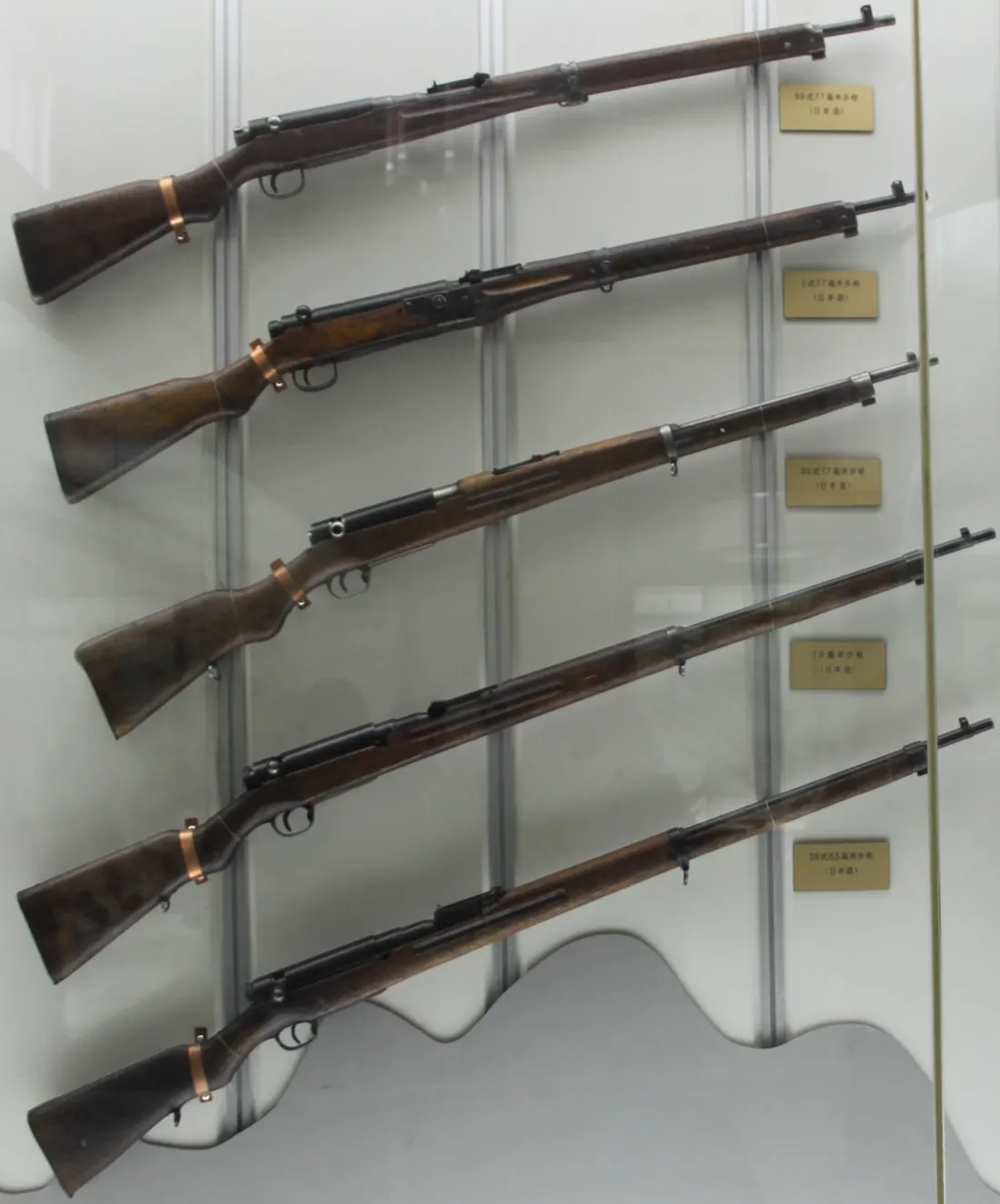
On February 20, 1974, Norio Suzuki, a 24-year-old Japanese adventurer traveling the world, found him after four days of searching. Onoda still refused to surrender: he was waiting for orders from his commanding officer, Major Yoshimi Taniguchi. The government located Taniguchi, who had become a bookseller after the war, and he flew to Lubang with Suzuki. On March 9 he met Onoda in the jungle and ordered him to stop: the Fourteenth Area Army had ceased all combat activity. The next day, at Lubang’s radar base, Onoda handed over his sword and a functioning Type 99 rifle, with ammunition and hand grenades. He had been on Lubang for more than 29 years. President Marcos pardoned him, but in 1996, when he visited Looc on Lubang, about 50 relatives of alleged victims protested, and the town council asked him to compensate seven families.
Fact check
The facts and where they come from
- Onoda trained as an intelligence officer at the Futamata branch of the army’s Nakano School; he was a second lieutenant. 12
- On December 26, 1944, he was sent to lead guerrilla warfare operations on Lubang Island, in the Japanese-occupied Philippines. 1
- “His orders explicitly stated that under no circumstances was he to surrender or take his own life” (Wikipedia, citing the BBC, 2022). SBS quotes Prof. Beatrice Trefalt with the same words. 13
- He was promised: “It may take three years, it may take five, but whatever happens we’ll come back for you.” HistoryNet and History Hit give the line to Major Yoshimi Taniguchi (HistoryNet: on February 28, 1945). 42
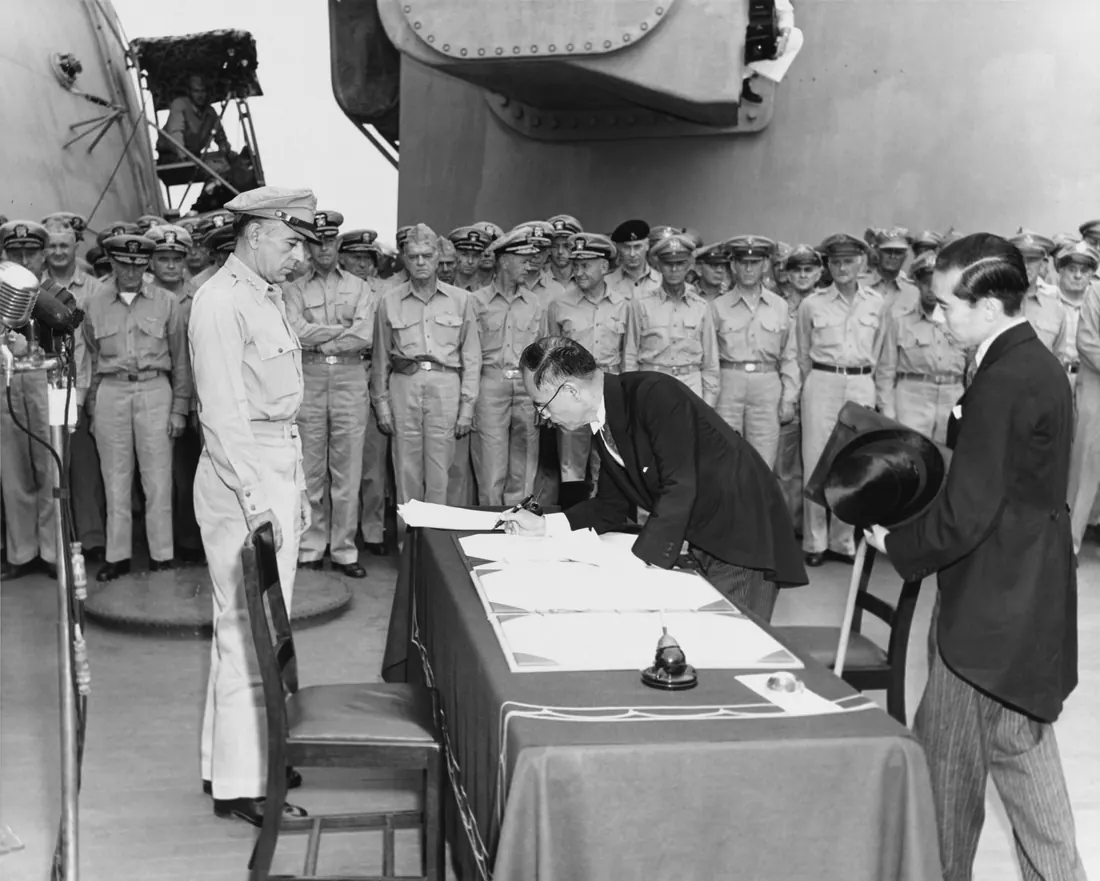
- Japan’s surrender was announced on August 15, 1945, and signed on September 2, 1945. 5
- In October 1945 the group saw a note left by islanders (“The war ended on 15 August. Come down from the mountains!”) and concluded it was Allied propaganda. Near the end of 1945, leaflets with General Yamashita’s surrender order were dropped on Lubang, and the group decided they were not genuine. 1
- He called them an American trick. Onoda, quoted by HistoryNet: “The leaflets they dropped were filled with mistakes, so I judged it was a plot by the Americans.” Wikipedia: he “remained convinced that these messages were a form of enemy propaganda.” 41
- In February 1952 letters from the three soldiers’ families urging surrender, and family photographs, were dropped by air, “but the group concluded that it was a trick” (Wikipedia). 1
- His group killed about 30 islanders. NPR, quoting The New York Times: “about 30 inhabitants were killed in skirmishes with the Japanese over the years”; History Hit: “They killed 30 island inhabitants over the years”; HistoryNet: “30 island inhabitants were killed by the roving Japanese soldiers.” Wikipedia and SBS say the group “allegedly” killed “up to 30.” 62413
- Of his three men, one surrendered (Akatsu, March 1950) and two were shot dead: Shimada in a shootout with a Philippine Army unit on May 7, 1954, and Kozuka in a shootout with local police on October 19, 1972. After that Onoda was alone. 1
- They lived on “bananas, coconuts, stolen rice and cattle” (Wikipedia). 1
- On February 20, 1974, Norio Suzuki, a Japanese adventurer traveling the world, found him after four days of searching. Suzuki was born in April 1949, so he was 24. 17
- Onoda “still refused to surrender, telling Suzuki that he was waiting for orders from his commanding officer,” Major Yoshimi Taniguchi (Wikipedia). 1
- “The government located Taniguchi, who had become a bookseller following the war” (Wikipedia). 1
- Taniguchi flew to Lubang with Suzuki, and on March 9, 1974, he met Onoda in the jungle and issued him orders, the first being that the Fourteenth Area Army “has ceased all combat activity” (Wikipedia). 1
- On March 10, 1974, he surrendered at Lubang’s radar base and “turned over his sword, a functioning Type 99 rifle, 500 rounds of ammunition, and several hand grenades” (Wikipedia). 1
- Twenty-nine years: he was on Lubang from December 26, 1944, to March 10, 1974, 29 years and about two and a half months. Wikipedia: he “continued fighting for nearly 29 years after the war’s end”; NPR’s headline: “fought on for 29 years.” From the promise (February 28, 1945, per HistoryNet) to Taniguchi’s arrival (March 9, 1974) is 29 years; HistoryNet says that Taniguchi kept the promise, but it took 29 years. 164
- President Marcos granted him a full pardon on March 11, 1974. In 1996 about 50 relatives of alleged victims protested his visit to Looc on Lubang, and the town council asked him to compensate seven families. 1
Sources
- Hiroo Onoda Wikipedia
- Hiroo Onoda: The Japanese Soldier Who Refused to Surrender History Hit
- Hiroo Onoda: war hero or rogue soldier? (2022) SBS News
- This Japanese Soldier Refused to Believe WWII Was Over, So He Hid in the Jungle for 29 Years HistoryNet
- Surrender of Japan Wikipedia
- Japanese Soldier Who Fought On For 29 Years After WWII Dies (2014) NPR (via GBH)
- Norio Suzuki (explorer) Wikipedia
Notes
Did he really not know? Onoda’s own account says he believed the war was still on. His ghostwriter, Tsuda Shin, later wrote that Onoda knew the war had ended, and Monash University’s Beatrice Trefalt calls his claim “questionable” (he had newspapers and a transistor radio). So we say what he did, calling the leaflets a trick and doubting the letters, and never that he truly believed it.
The death toll is “about 30” in The New York Times (via NPR), History Hit and HistoryNet, and “allegedly up to 30” in Wikipedia and SBS; one relative says 29 or more. We say about 30.
Who made the promise: HistoryNet and History Hit name Major Taniguchi (February 28, 1945); Wikipedia says his immediate superior, Lt. Gen. Shizuo Yokoyama, “had issued his orders,” and a 2000 devotional piece names a General Muto. We don’t name the speaker.
Dates: he met Taniguchi on March 9, 1974, formally surrendered on March 10 and was pardoned at a ceremony with President Marcos on March 11.
Left out: that he was declared dead in 1959, which Wikipedia marks “citation needed.”
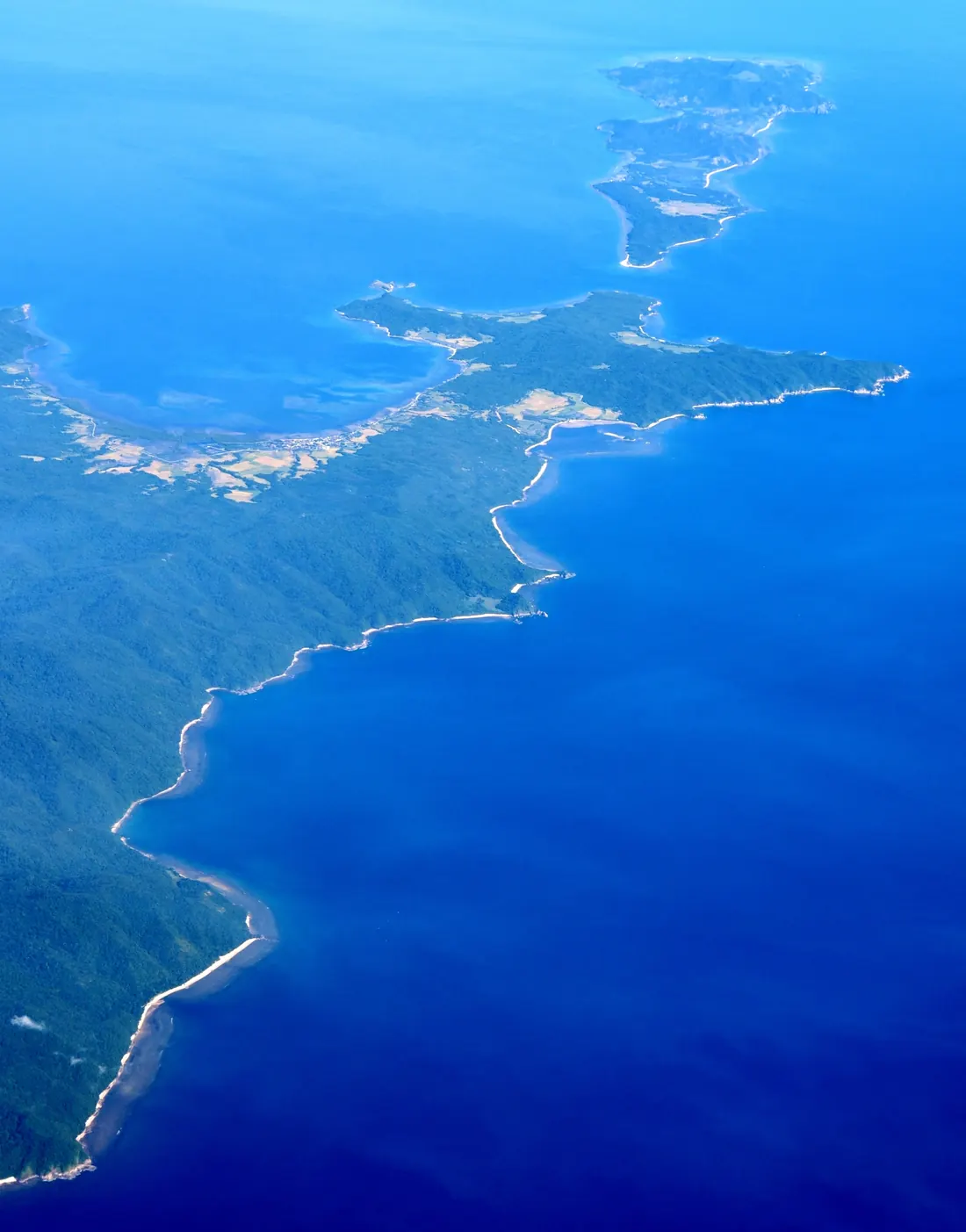
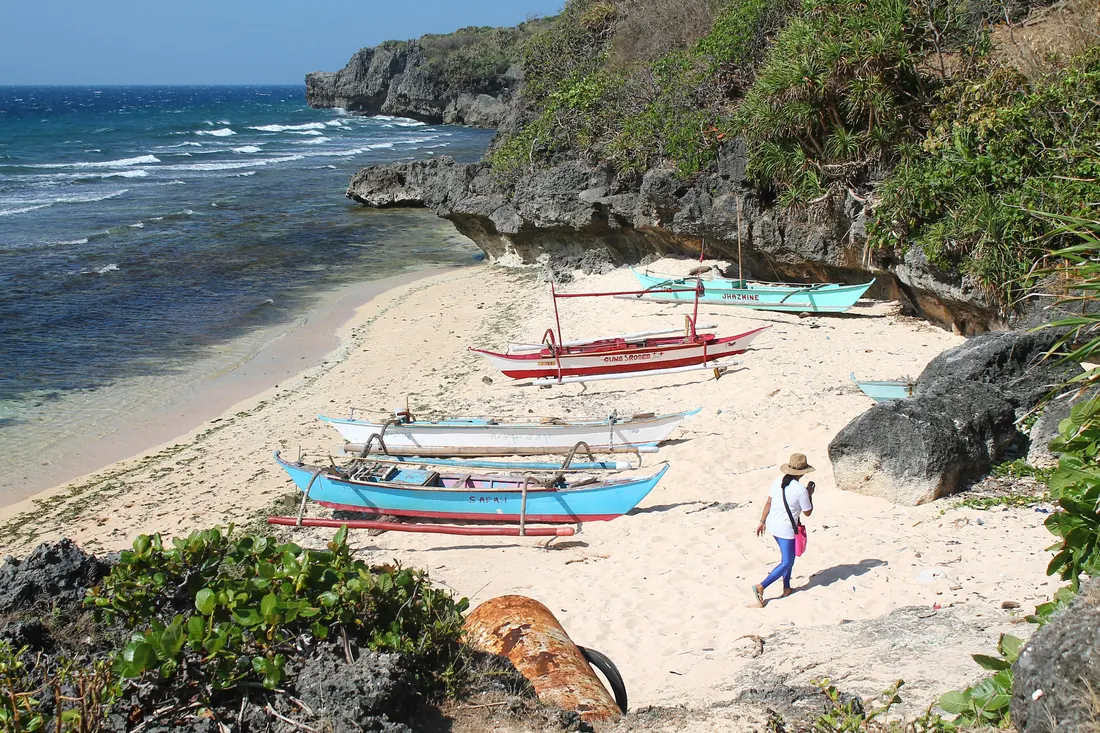
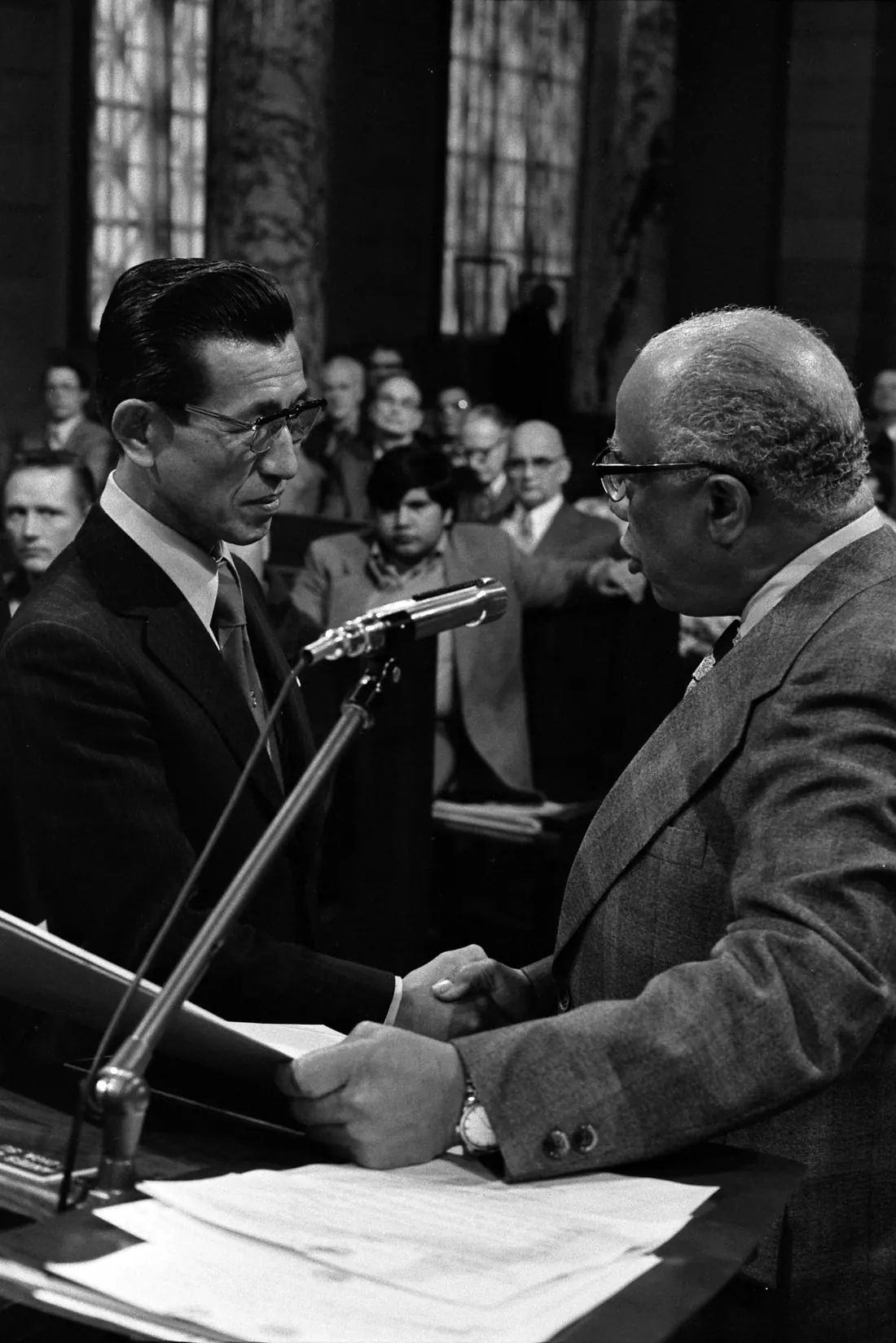
The leaflets shown are 1945 US surrender leaflets of the kind dropped on Japanese troops, not the exact ones Onoda saw. The Lubang photos are from 2014 and 2023. The rifles are the same model (Type 99) he handed over, not his own. The 1975 photo shows him in Los Angeles, ten months after his surrender.
A widely shared photo of his surrender to President Marcos is not used: it is very likely an AP press photo and not free. No free photo of Norio Suzuki or Major Taniguchi was found.
Photo credits
The archive photos in this story
The photographs and illustrations in this story are in the public domain or shared under open licenses; each one is credited below with its license. Tap one to enlarge it, or follow the link to its Wikimedia Commons page for the full record. The narration, music, captions and graphics in the Short are our own.