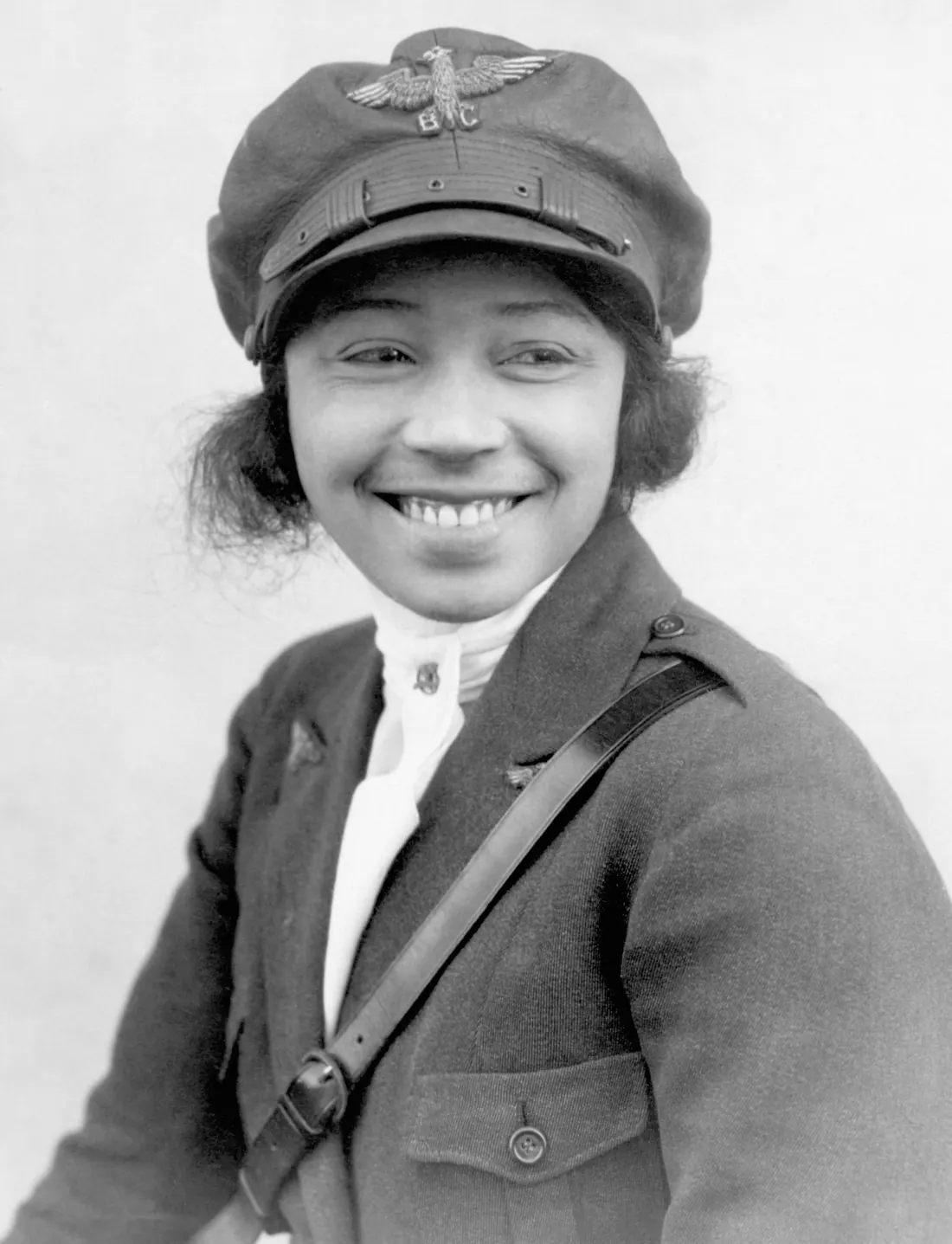
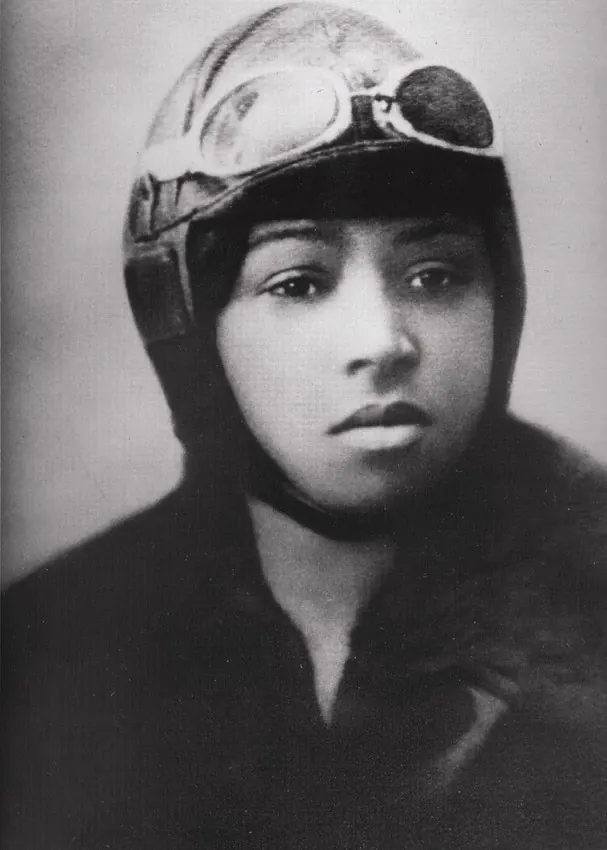
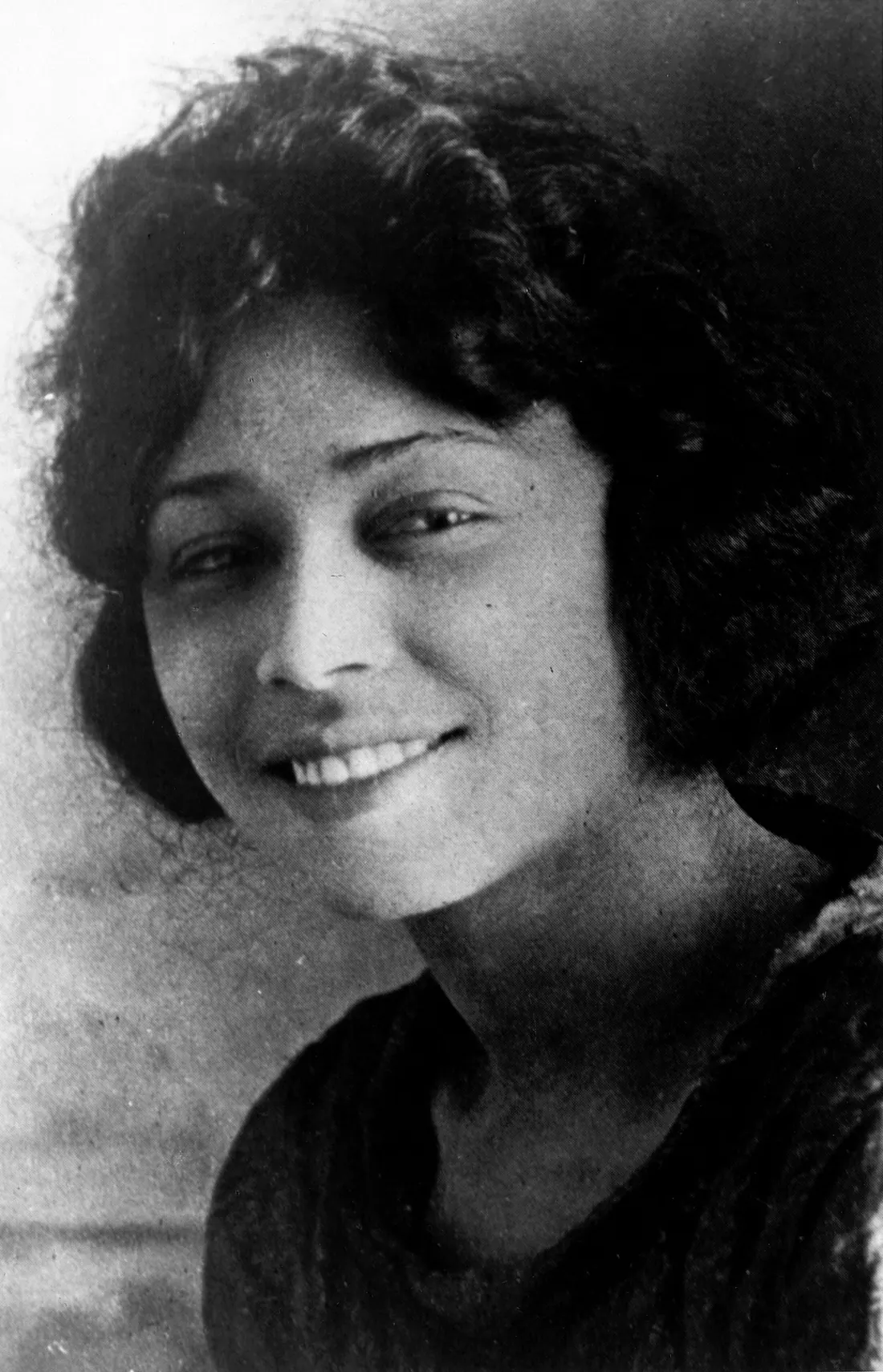
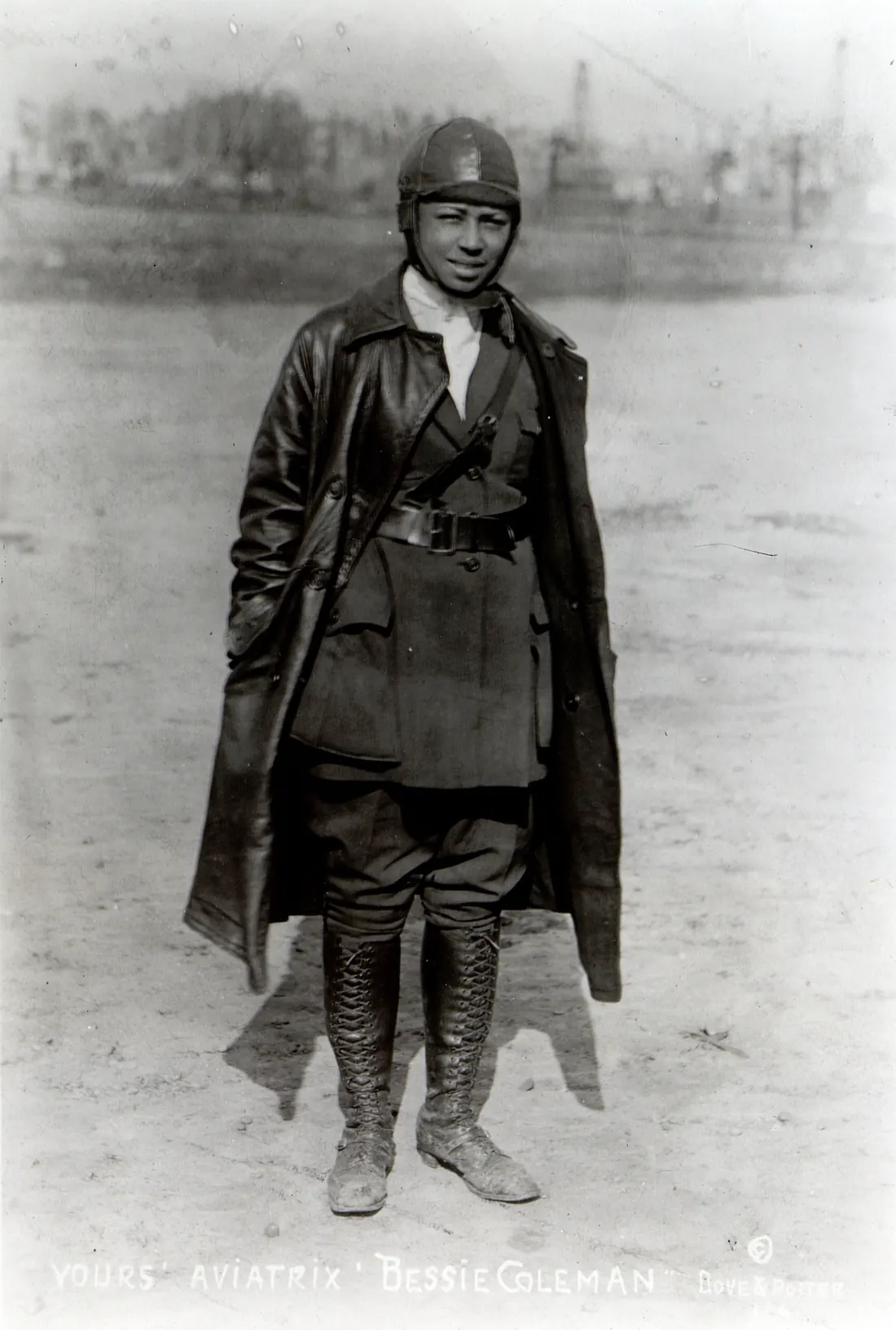
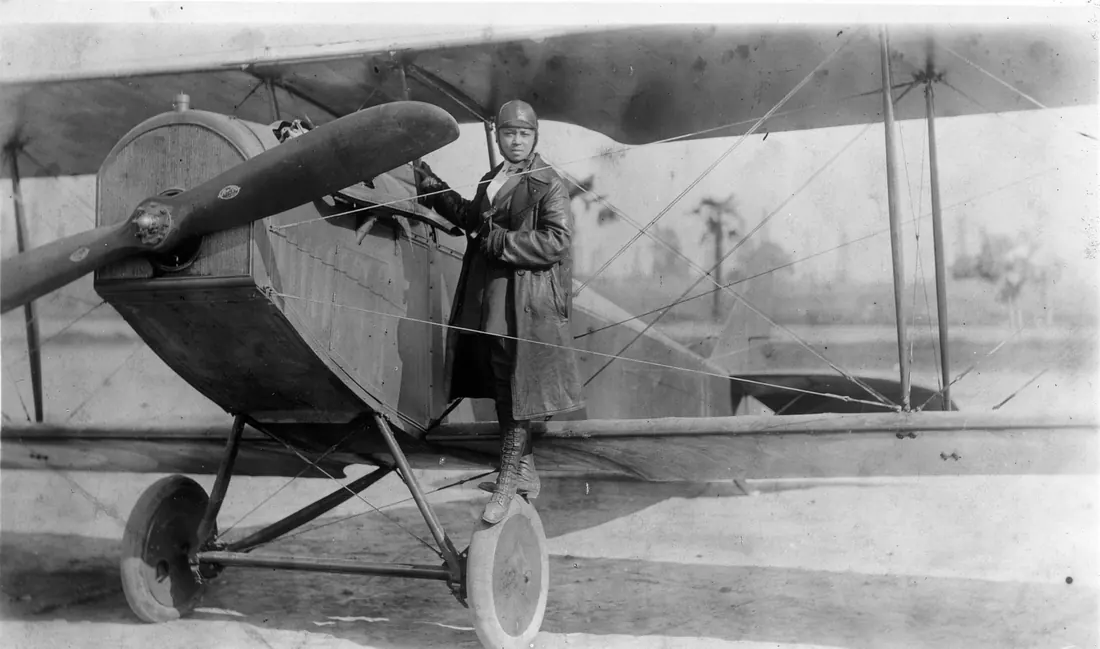
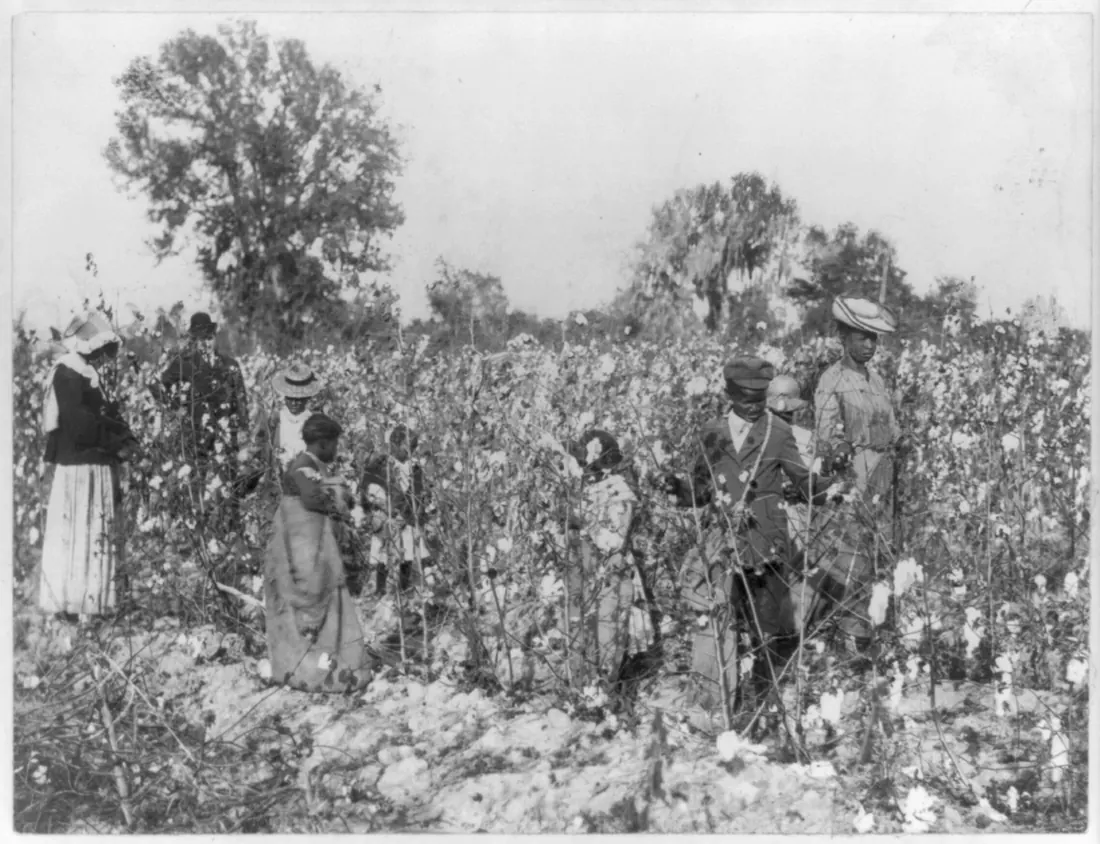
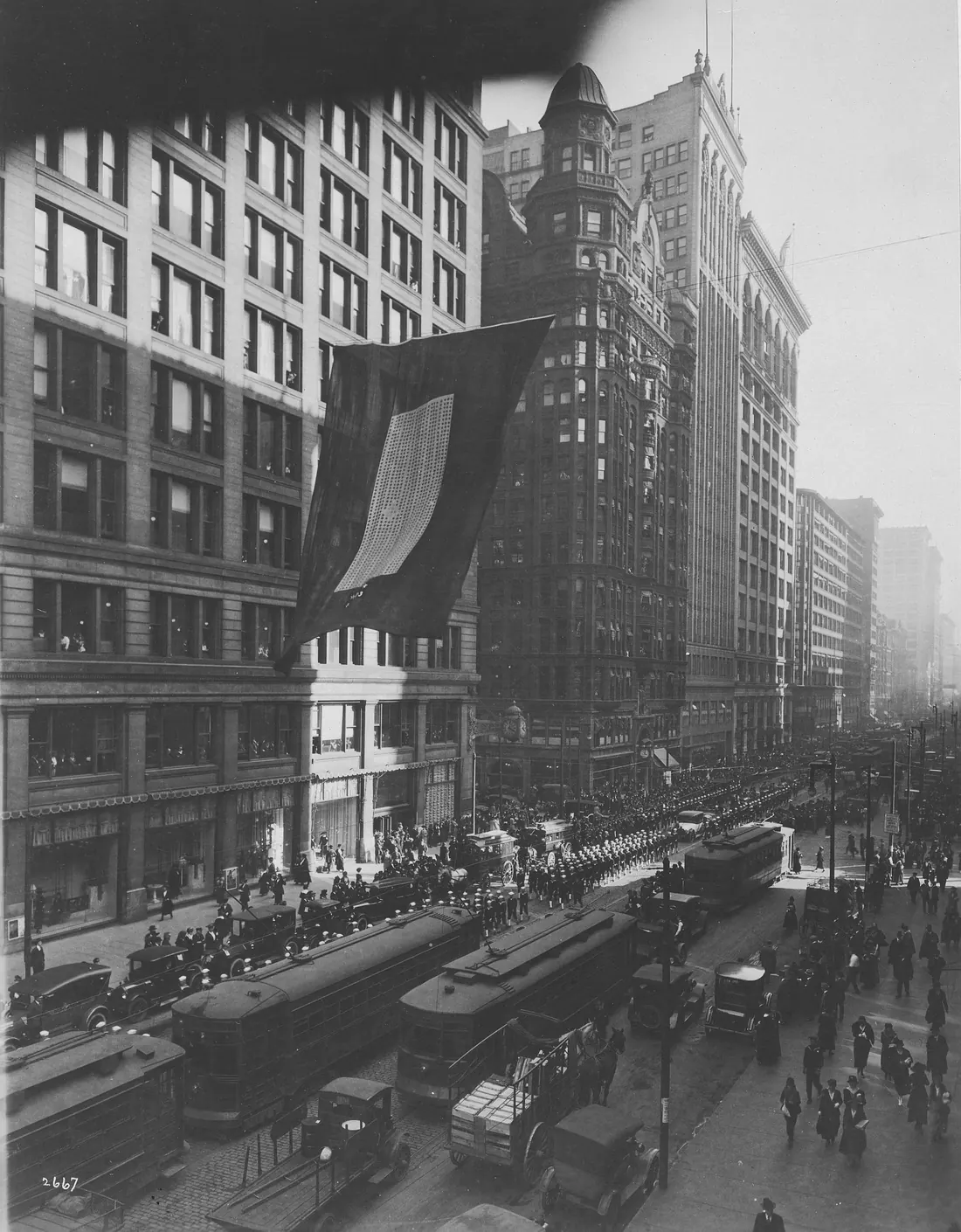
Bessie Coleman was born on January 26, 1892, in Atlanta, Texas, one of 13 children, and grew up picking cotton in Waxahachie, Texas. In Chicago, from 1915, she worked as a manicurist in a barbershop. Her brother John, home from World War I, teased her. In the words of the U.S. Centennial of Flight Commission, “He even told Bessie that French women flew airplanes and declared that flying was something Bessie would never be able to do.”
She wanted to fly, but every American flight school she tried turned her away. As PBS puts it, “Every flying school that Coleman approached refused to admit her because she was both black and a woman.” So she learned French, at night at a Berlitz school. In November 1920 she took her savings, with extra money from Chicago Defender publisher Robert Abbott and a friend of his, and sailed for France.
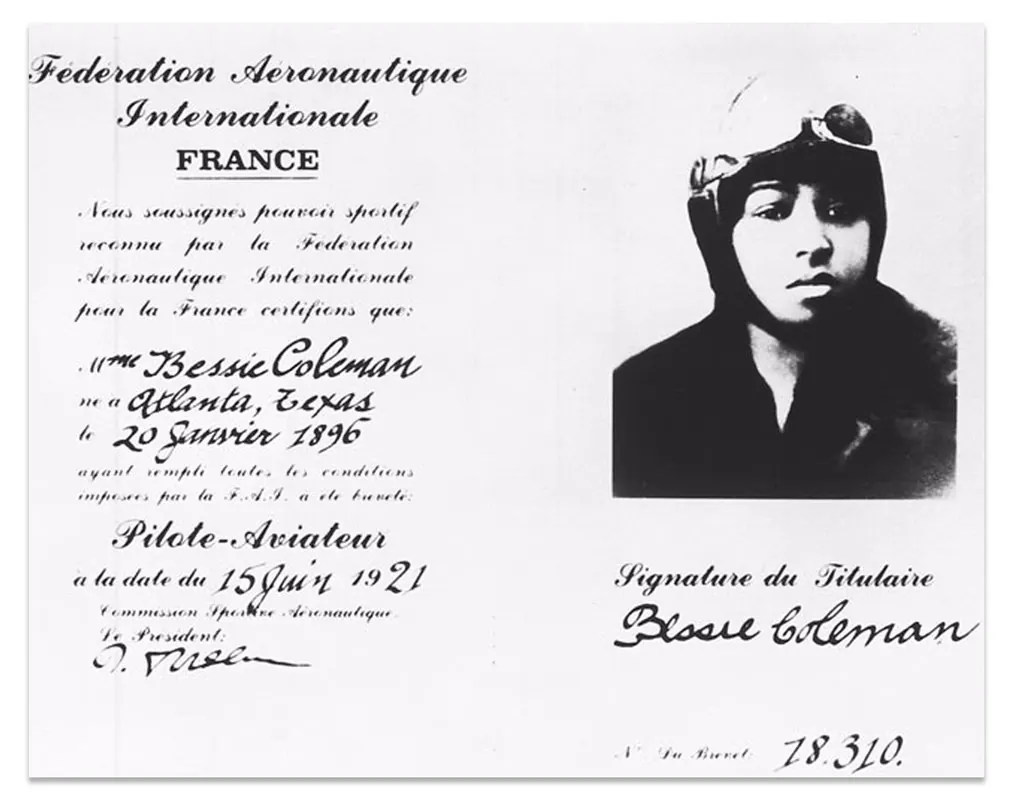
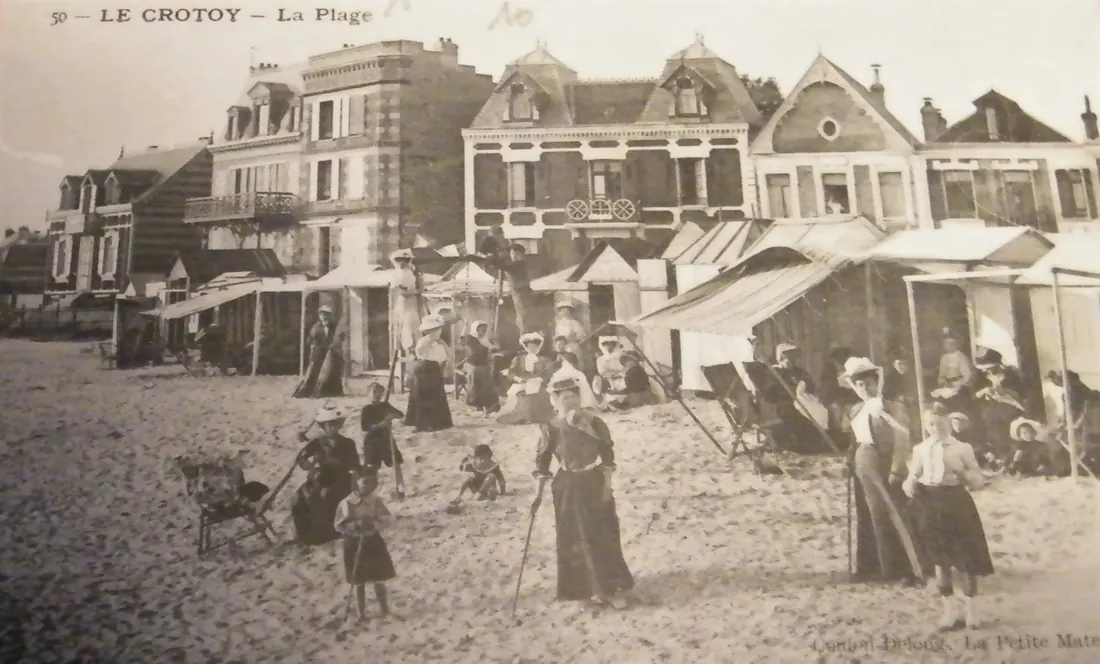
She trained at the Caudron brothers’ school in Le Crotoy, and on June 15, 1921, she earned her international pilot’s license from the Fédération Aéronautique Internationale. “She was the first black woman in the world to earn an aviator’s license,” the Commission writes. Back in America, from her first US air show on September 3, 1922, she flew loops, barrel rolls and figure eights for big crowds. In Waxahachie, her hometown, she refused to fly unless Black and white spectators could use the same entrance gate. In the Commission’s words, “After much negotiation, Coleman got her way.” The crowd was still seated separately inside.
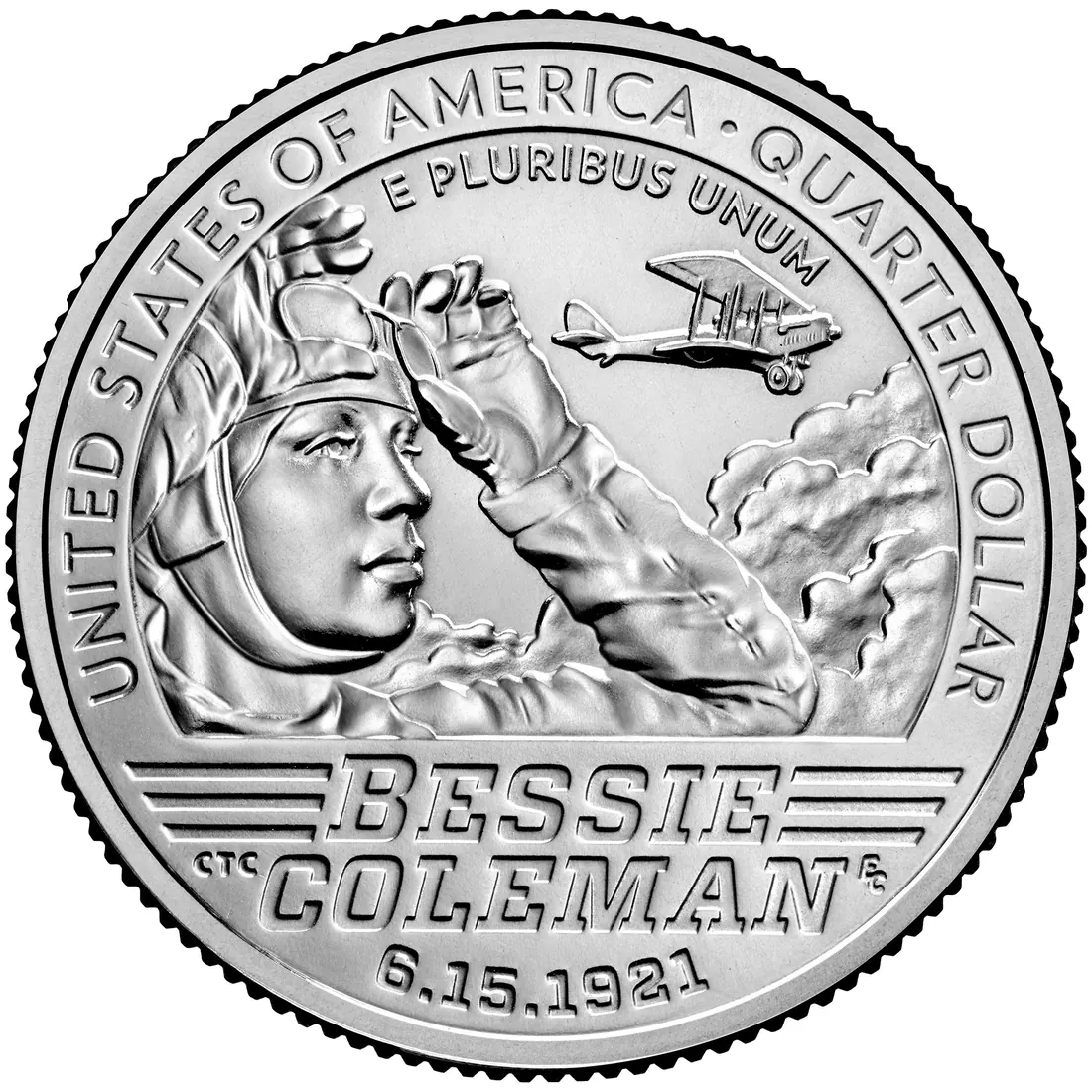
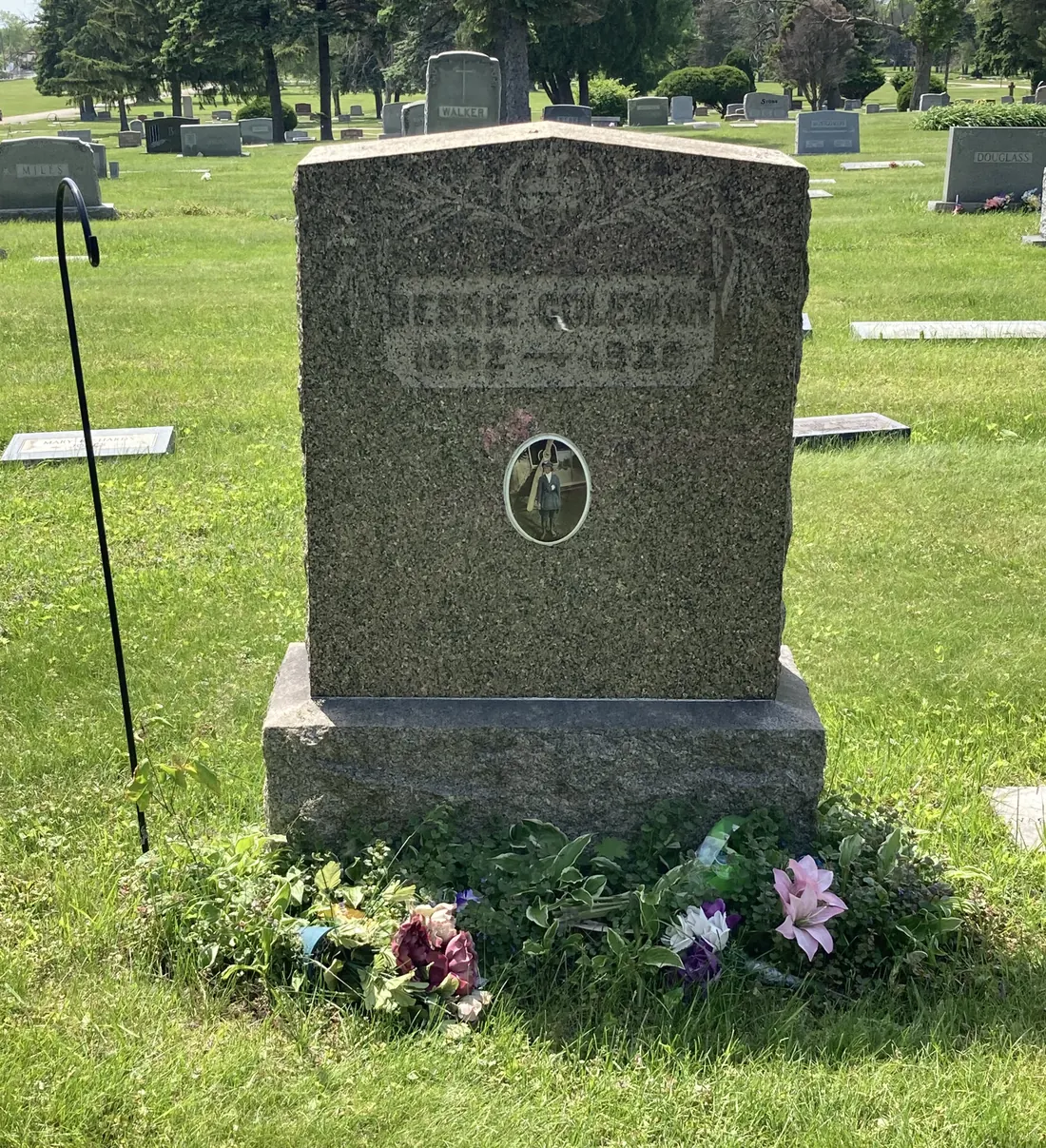
On April 30, 1926, in Jacksonville, Florida, a loose wrench jammed the controls of her plane, and she fell to her death. She was 34. About 10,000 mourners filed past her coffin in Chicago, and for years, starting in 1931, Black pilots flew over her grave at Lincoln Cemetery and dropped flowers. In 2023 the US Mint put her on a quarter, honoring her as the “first African American and first Native American woman licensed pilot.”
Fact check
The facts and where they come from
- No American flight school would teach her, because she was Black and a woman. The Centennial of Flight Commission: “because she was both female and an African American, no U.S. flight school would take her.” 12
- She was born on January 26, 1892, in Atlanta, Texas, one of 13 children, and grew up picking cotton in Waxahachie, Texas. The Commission: “She was one of 13 children” and “grew up picking cotton and doing laundry for customers with her mother.” 13
- In Chicago, from 1915, she worked as a manicurist in a barbershop; Wikipedia names it the White Sox Barber Shop. 123
- Her brother John, home from World War I, teased her that French women could fly and that she never would: “He even told Bessie that French women flew airplanes and declared that flying was something Bessie would never be able to do” (Centennial of Flight Commission). PBS says he “taunted her with claims that French women were superior to African American women because they could fly.” 12
- Every flight school she tried said no: “Every flying school that Coleman approached refused to admit her because she was both black and a woman” (PBS). 2
- So she learned French, at night at a Berlitz school, took her savings and sailed for France in November 1920, with extra money from Chicago Defender publisher Robert Abbott and a friend of his. The Commission: “In November 1920, Bessie took her savings and sailed for France.” 12
- On June 15, 1921, after training at the Caudron brothers’ school in Le Crotoy, she earned her international pilot’s license from the Fédération Aéronautique Internationale. 138
- She was the first Black woman in the world to do it: “She was the first black woman in the world to earn an aviator’s license” (Centennial of Flight Commission); “the first black woman in the world to earn a pilot’s license” (Women in Texas History). 14
- Back in America she flew stunts (loops, barrel rolls, figure eights) for big crowds, from her first US air show on September 3, 1922. The Commission says “she dazzled thousands”; PBS says she “performed at countless air shows.” 123
- In Waxahachie, her Texas hometown, she refused to fly unless Black and white spectators used the same entrance gate; after negotiation the organizers gave in, though the crowd was still seated separately inside. The Commission: “She demanded only one admission gate. After much negotiation, Coleman got her way.” Women in Texas History: she “refused to perform in Waxahachie, where she had grown up, until blacks were allowed to use the same entrance as whites.” 14
- On April 30, 1926, in Jacksonville, Florida, a loose wrench jammed the controls of her plane: “a loose wrench had jammed the plane’s instruments” (Centennial of Flight Commission); “an unsecured wrench somehow got caught in the control gears” (PBS). 12
- She fell to her death, aged 34. PBS: “Coleman, who wasn’t wearing a seat-belt, fell to her death.” Wikipedia: “Coleman was 34 years old.” 23
- About 10,000 people came to her funeral, filing past her coffin in Chicago: “About 10,000 mourners paid their last respects” (PBS). 2
- For years, starting in 1931, Black pilots flew over her grave at Lincoln Cemetery and dropped flowers. PBS: “For a number of years starting in 1931, black pilots from Chicago instituted an annual fly over of her grave.” An ANP report in the Omaha Guide of June 15, 1935, tells of the Challenger Air Pilots Association flying over Lincoln Cemetery to “drop flowers in honor of the late Bessie Coleman.” 215
- In 2023 the US Mint put her on a quarter, in its American Women Quarters Program: “2023 Bessie Coleman – first African American and first Native American woman licensed pilot.” 67
Sources
- Bessie Coleman U.S. Centennial of Flight Commission
- Bessie Coleman PBS American Experience
- Bessie Coleman Wikipedia
- Bessie Coleman Women in Texas History
- The Omaha Guide, June 15, 1935, page 1 (ANP report) Nebraska Newspapers (University of Nebraska–Lincoln)
- American Women Quarters Program (archived October 29, 2024) United States Mint
- American Women quarters Wikipedia
- Bessie Coleman’s FAI pilot’s license, June 15, 1921 Wikimedia Commons
Notes
“First Native American”: the US Mint and PBS also call her the first Native American woman pilot, but her father’s ancestry is uncertain (Wikipedia: he “may have had Cherokee or Choctaw grandparents”). We call her only the first Black woman in the world to earn a pilot’s license, and give the Native American claim in the Mint’s own words.
Why she wanted to fly: Wikipedia and PBS credit the war stories she heard from pilots in the barbershop; the Centennial of Flight Commission credits her brother John’s teasing. We tell the teasing, which both the Commission and PBS report, without calling it the reason.
The gate: she won one gate for everyone, but the crowd was still seated separately inside.
Sources give the height of the crash as 500, 2,000, 3,000 or 3,500 feet, so we give none.
The flyovers began in 1931 and ran “for a number of years” (PBS). Some pages describe them in the present tense, but no recent report was found, so we use the past tense.
Her license gives her birth year as 1896; she was born in 1892 (the Centennial of Flight Commission notes the wrong years in some histories).
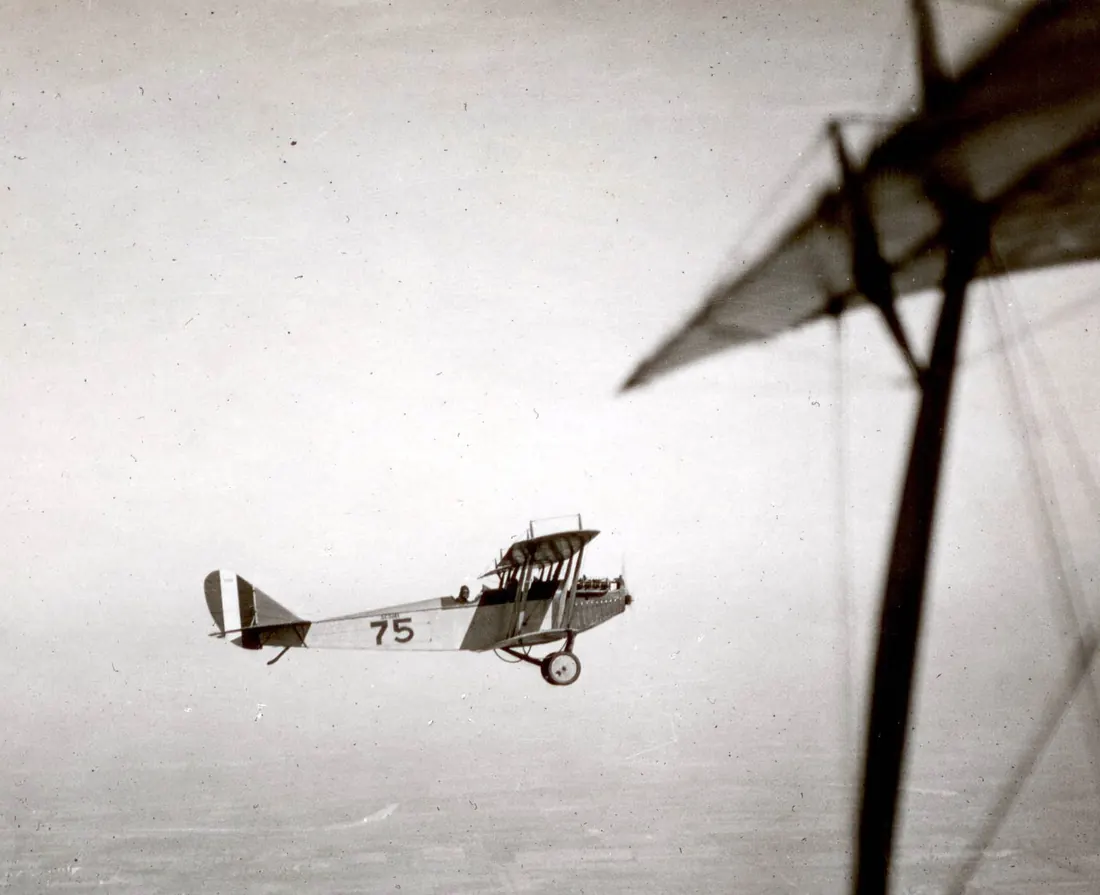
Every close-up of a woman is Bessie Coleman herself. The cotton field is from about 1900, with no place recorded, and is not her family. The Chicago photo is State Street in 1918, while she lived there. Le Crotoy, where she trained, is on a postcard from before her time. The Curtiss JN-4 “Jenny” is the type of plane she flew, not her own, and also stands in for the 1926 crash plane and the flyover planes. The 1995 Bessie Coleman stamp is left out because US stamps issued after 1978 are copyrighted.
Photo credits
The archive photos in this story
The photographs and illustrations in this story are in the public domain or shared under open licenses; each one is credited below with its license. Tap one to enlarge it, or follow the link to its Wikimedia Commons page for the full record. The narration, music, captions and graphics in the Short are our own.