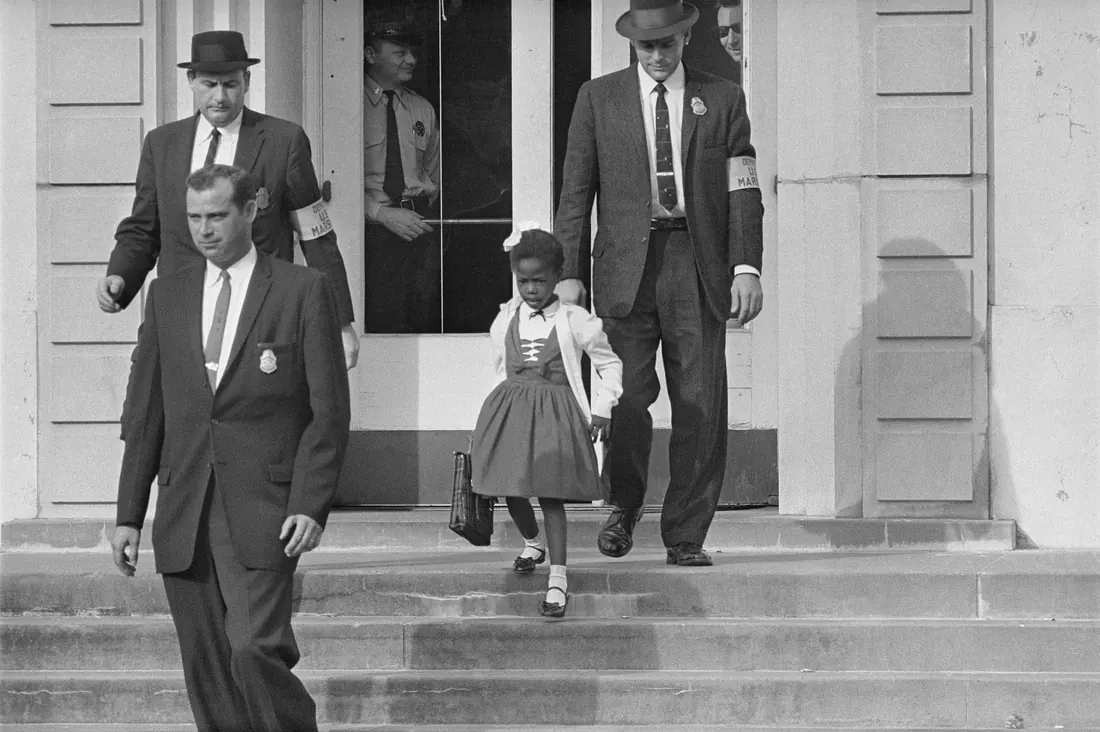
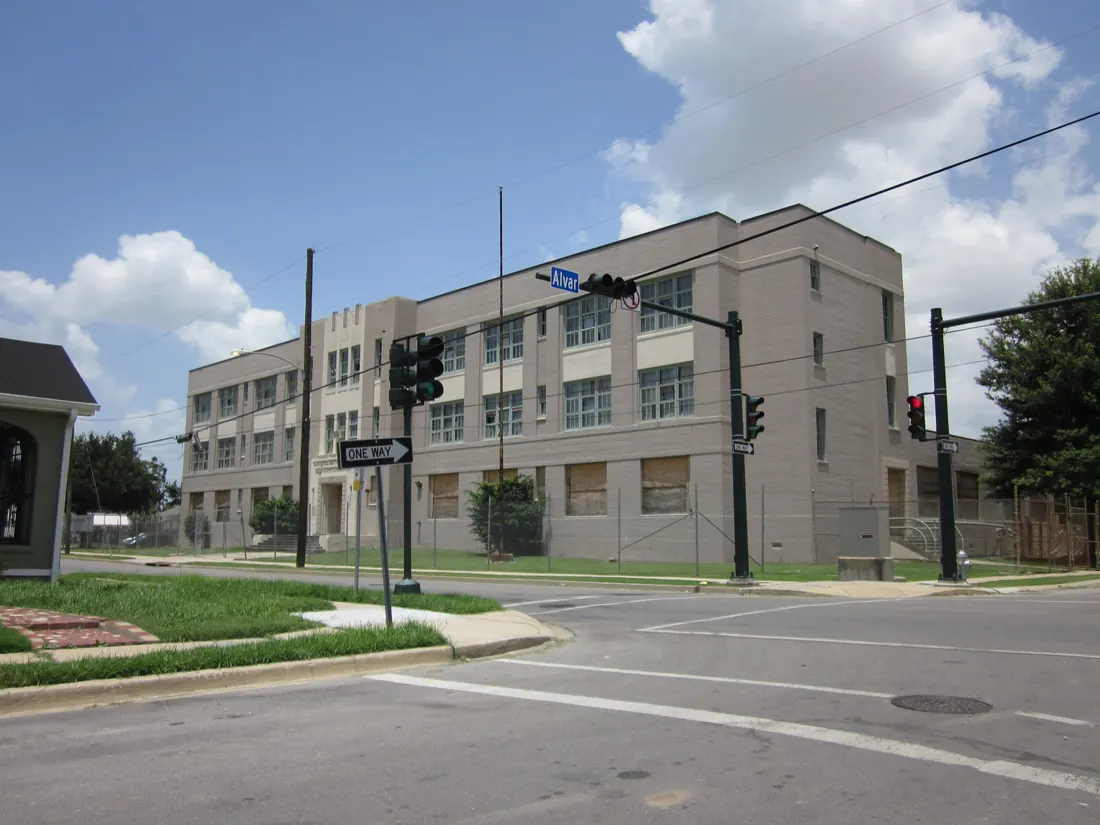
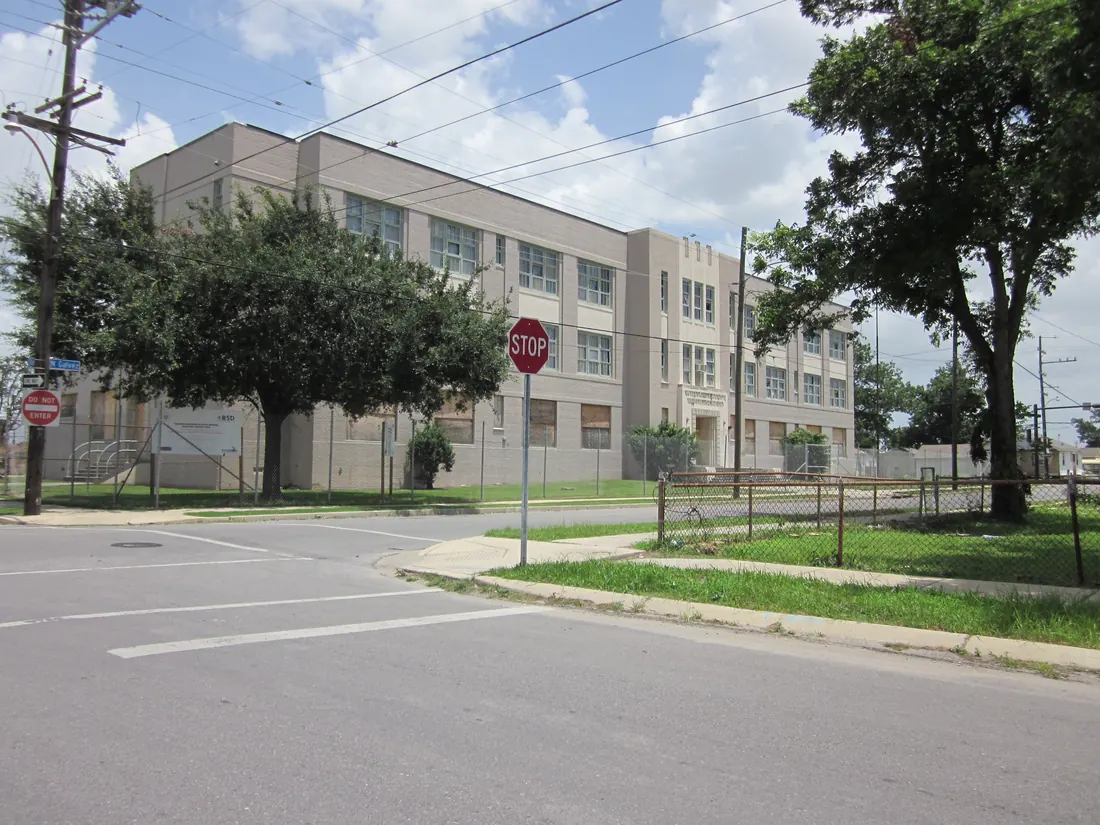
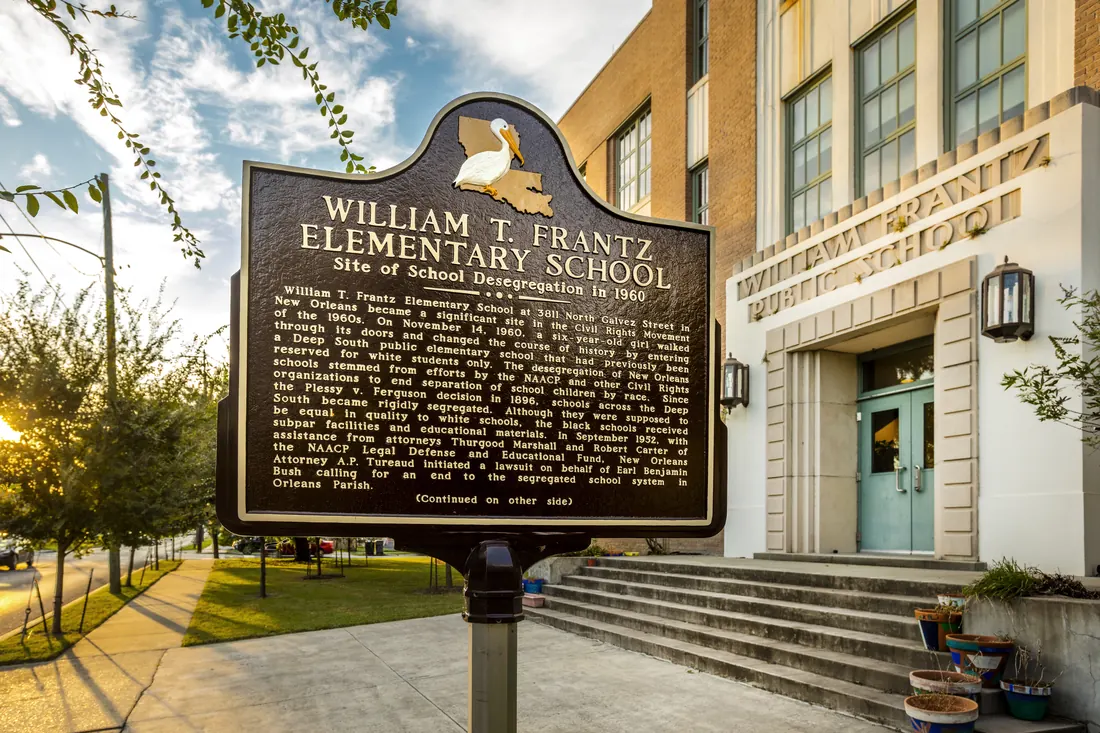
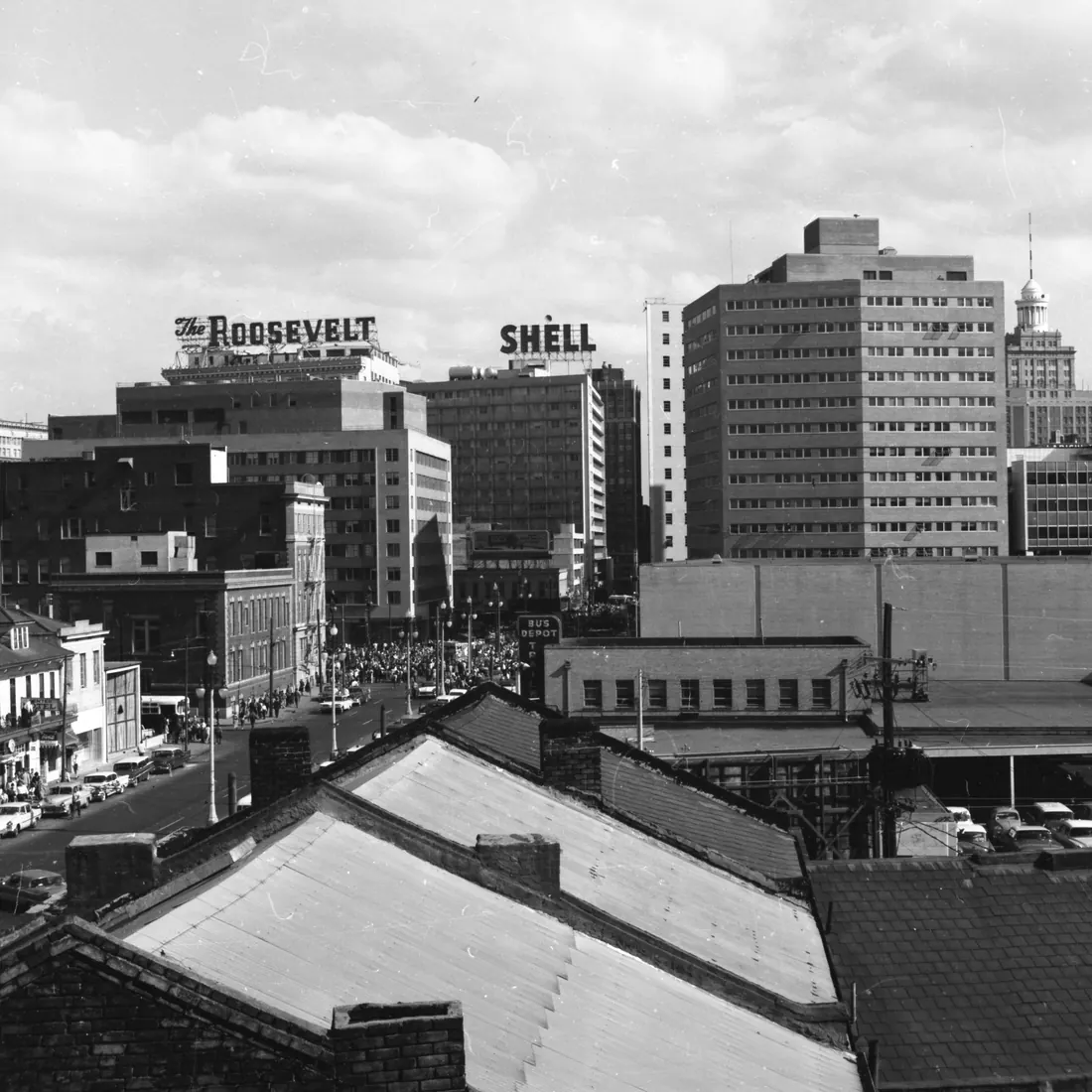
On November 14, 1960, six-year-old Ruby Bridges became the first Black child at William Frantz Elementary, a formerly whites-only school in New Orleans. Four federal marshals escorted her, two walking in front of her and two behind. Outside, a crowd was shouting and throwing things. As Bridges put it, “They were throwing things and shouting.”
As soon as she was inside, white parents pulled their children out. Every teacher but one refused to teach her. Only Barbara Henry, from Boston, agreed, and for all of first grade Ruby was the only pupil in her class: a class of one.
Every morning the crowd was waiting. The child psychiatrist Robert Coles, who counseled her that year, wrote: “Every morning at 8:00 there were at least 50 people there waiting for her.” A woman threatened to poison her. Another held up a Black doll in a coffin. Her father lost his job as a gas station attendant, and her grandparents, sharecroppers in Mississippi, were turned off their land.
One day her teacher saw her talking to the crowd. In Coles’s account, the teacher said, “I saw Ruby talking to those people on the street this morning.” When Coles asked Ruby about it, she said: “Oh, yes. I told her I wasn’t talking to them. I was just saying a prayer for them.” She never missed a day of school that year. The next year there were other children in her class, there were no more marshals, and she walked to school by herself. In 2000 she was made an honorary Deputy U.S. Marshal.
Fact check
The facts and where they come from
- On November 14, 1960, at six, Ruby Bridges became the first Black child at William Frantz Elementary, a formerly whites-only school in New Orleans. 13
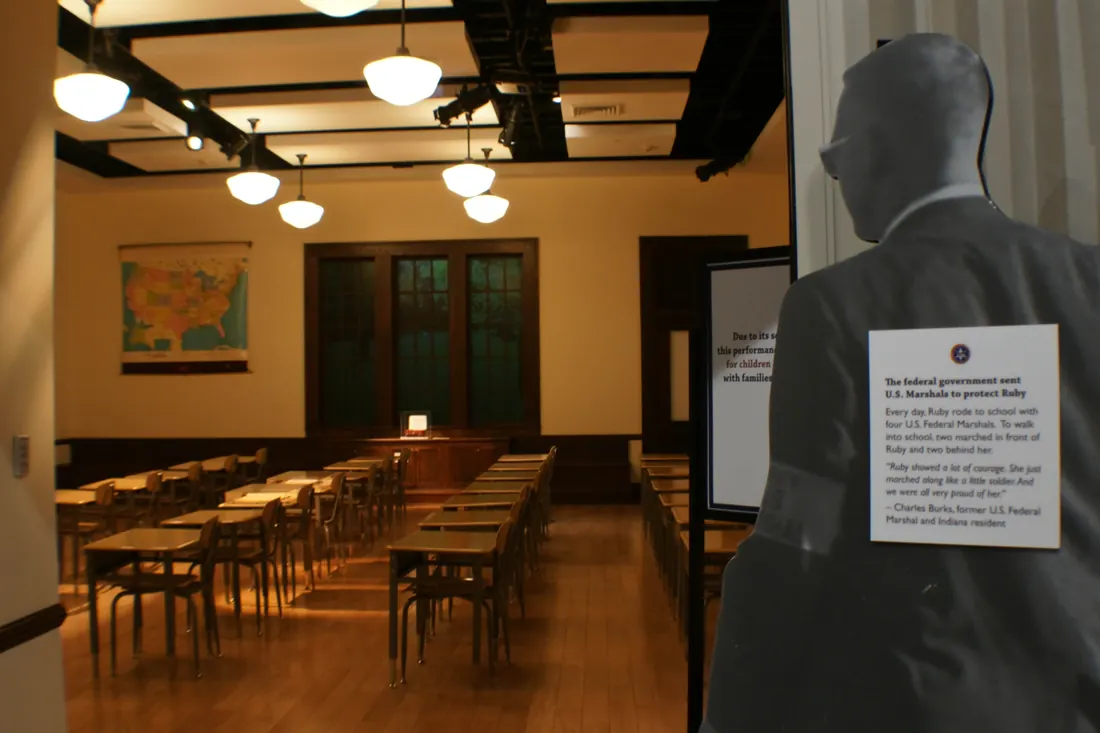
- Four federal marshals escorted her, two walking in front of her and two behind. CBS News wrote that Charles Burks “is the only one of the four marshals who escorted Bridges to and from school who is still alive.” 54
- Outside, a crowd was shouting and throwing things. Bridges, quoted on Wikipedia: “They were throwing things and shouting.” Biography.com says the crowd was “yelling and throwing objects.” 14
- “As soon as Bridges entered the school, white parents pulled their own children out” (Wikipedia). 13
- Every teacher but one refused to teach her. Only Barbara Henry, from Boston, agreed. 12
- She was the only pupil in her class for all of first grade. The National Women’s History Museum says Henry “solely taught Bridges for the entirety of first grade”; Biography.com says, “For a full year, Henry and Bridges sat side by side.” 34
- Every morning the crowd was waiting. Robert Coles: “Every morning at 8:00 there were at least 50 people there waiting for her.” 6
- A woman threatened to poison her. Another held up a Black doll in a coffin. 143
- Her father lost his job as a gas station attendant. Her grandparents, sharecroppers in Mississippi, were “sent off the land they had sharecropped for over 25 years” (Biography.com). 14
- One day her teacher saw her talking to the crowd. Coles quotes the teacher: “I saw Ruby talking to those people on the street this morning.” 6
- The child psychiatrist Robert Coles, who counseled her that year, asked her about it. Wikipedia: “Child psychiatrist Robert Coles volunteered to provide counseling.” 61
- Her answer, word for word as Coles reports it: “Oh, yes. I told her I wasn’t talking to them. I was just saying a prayer for them.” 6
- She never missed a day of school that year: “Bridges never once missed a day of school” (National Women’s History Museum). 3
- The next year there were other children in her class, and she was no longer the only Black pupil in it. 34
- In her second year, “There were also no more federal marshals; Bridges walked to school every day by herself” (Biography.com). 4
- In 2000 she was made an honorary Deputy U.S. Marshal. 1
Sources
- Ruby Bridges Wikipedia
- Barbara Henry Wikipedia
- Ruby Bridges National Women’s History Museum
- Ruby Bridges: Biography, Civil Rights Activist Biography.com
- Civil rights pioneer meets with marshal who escorted her CBS News
- The Inexplicable Prayers of Ruby Bridges (Robert Coles, 1985) Christianity Today
Notes
Sources differ on when the poison threat came: Wikipedia says every morning, Biography.com says on her second day. We give no timing.
How long she was taught alone is given as “for over a year” (Wikipedia) or all of first grade (National Women’s History Museum, Biography.com). We say all year.
How long the marshals walked her also varies: CBS News says they escorted her for several weeks before local police took over, while the National Women’s History Museum says she was escorted each day by her mother and US marshals. We say only that marshals walked her in, and that none were needed the next year.
“First”: three other six-year-old girls, the McDonogh Three, integrated McDonogh No. 19 the same morning. Every source agrees that Ruby Bridges was the first Black child at William Frantz.
The prayer has been retold in many versions with different wording. We quote only Robert Coles’s own 1985 account, word for word.
Left out for length: the “500 kids” pulled out on the first day (Bridges’s own recollection) and her Mardi Gras memory.
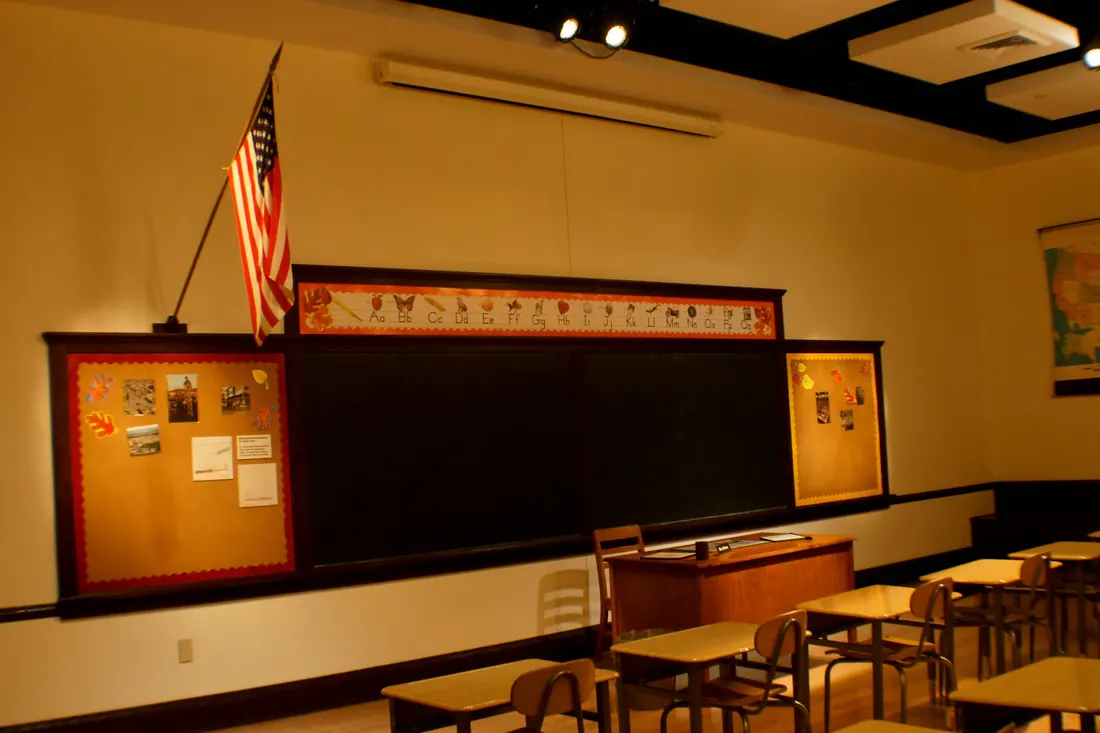
The photo of Ruby Bridges with the marshals is from November 1960. The school photos show the building decades later (2010 and 2017), and the classroom photos show a 2012 museum re-creation at The Children’s Museum of Indianapolis, not the 1960 room.
Photo credits
The archive photos in this story
The photographs and illustrations in this story are in the public domain or shared under open licenses; each one is credited below with its license. Tap one to enlarge it, or follow the link to its Wikimedia Commons page for the full record. The narration, music, captions and graphics in the Short are our own.