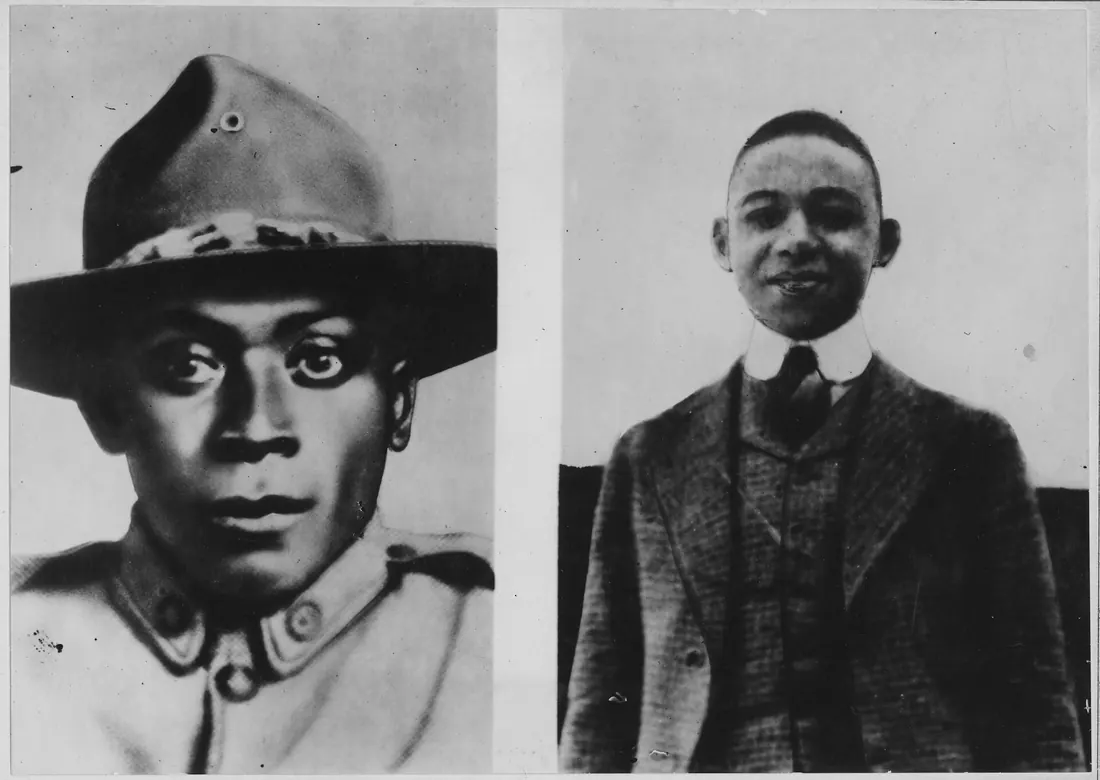
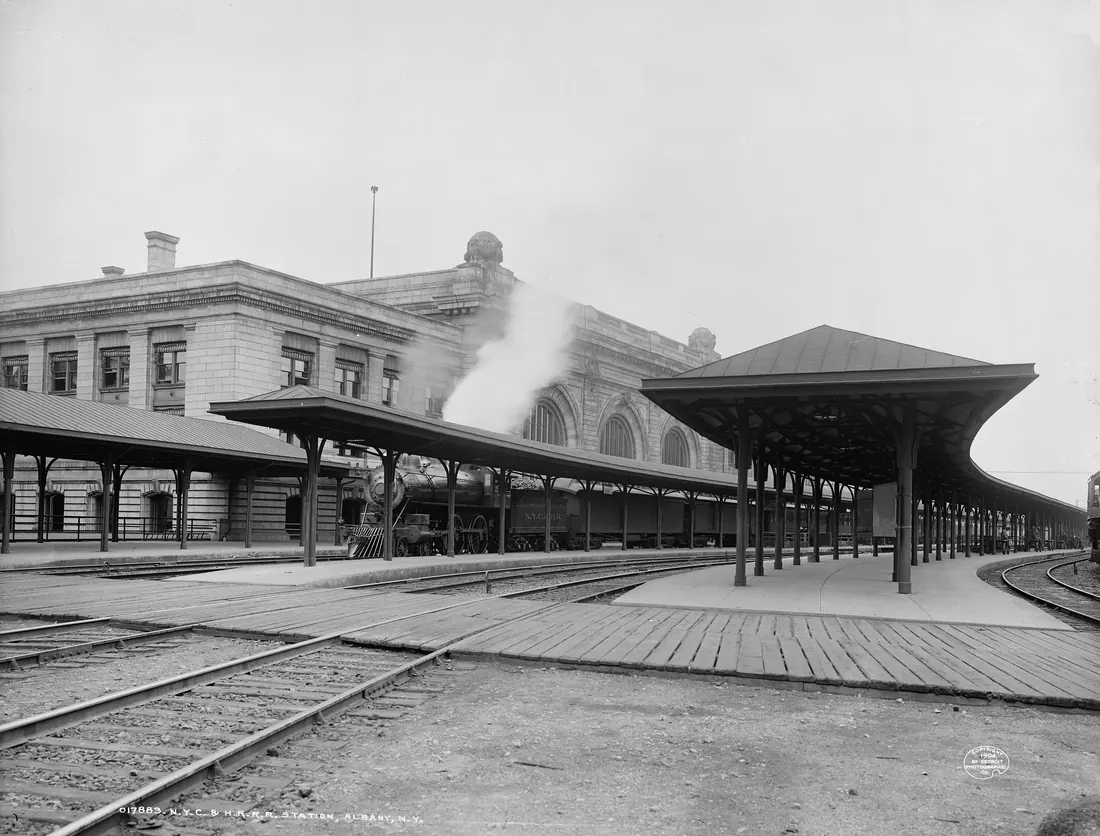
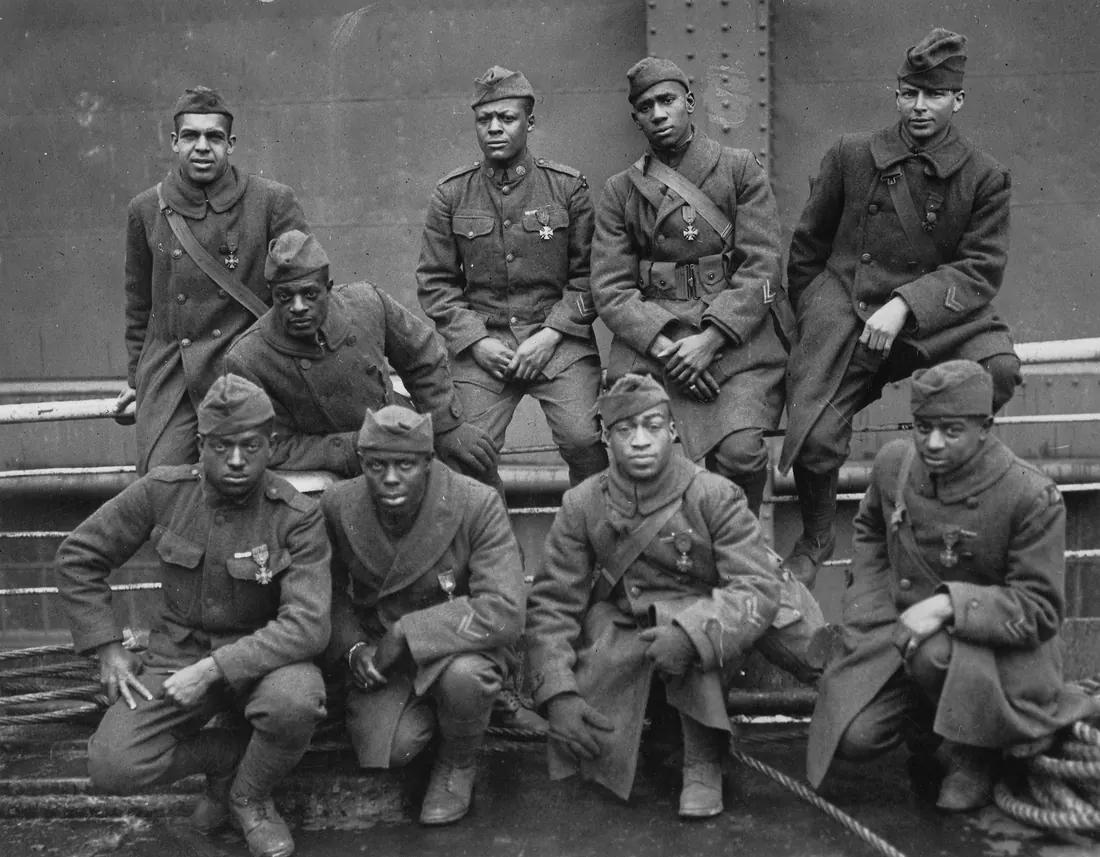
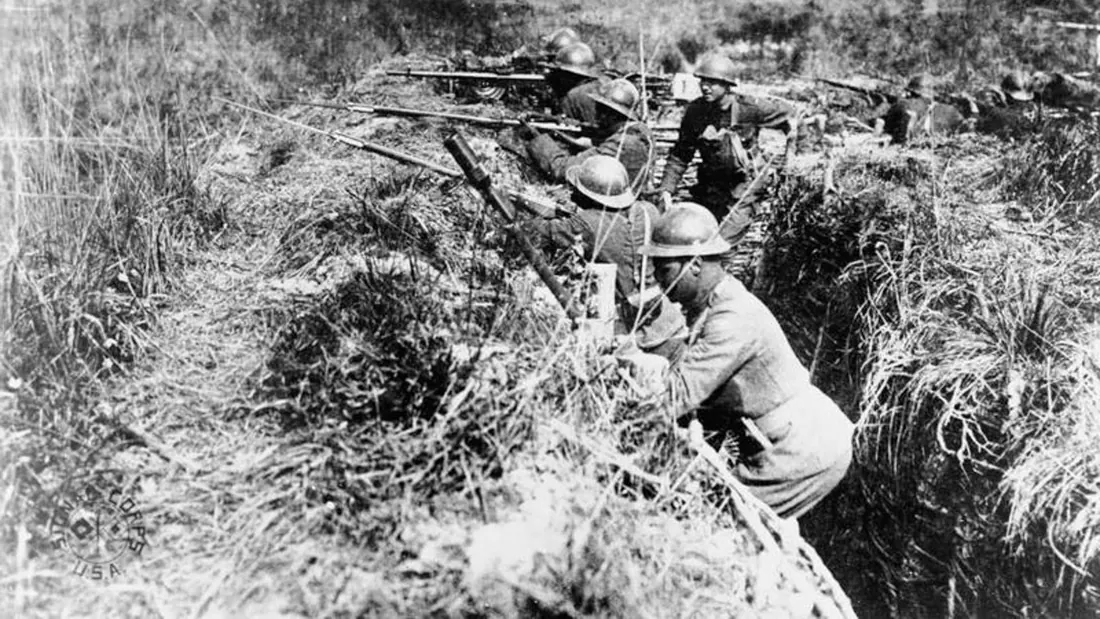
Henry Johnson worked as a porter at the train station in Albany, New York. He joined the all-Black 369th Infantry Regiment, later nicknamed the Harlem Hellfighters. In the early hours of May 15, 1918, he and another soldier, Needham Roberts, stood sentry along no man’s land in France.
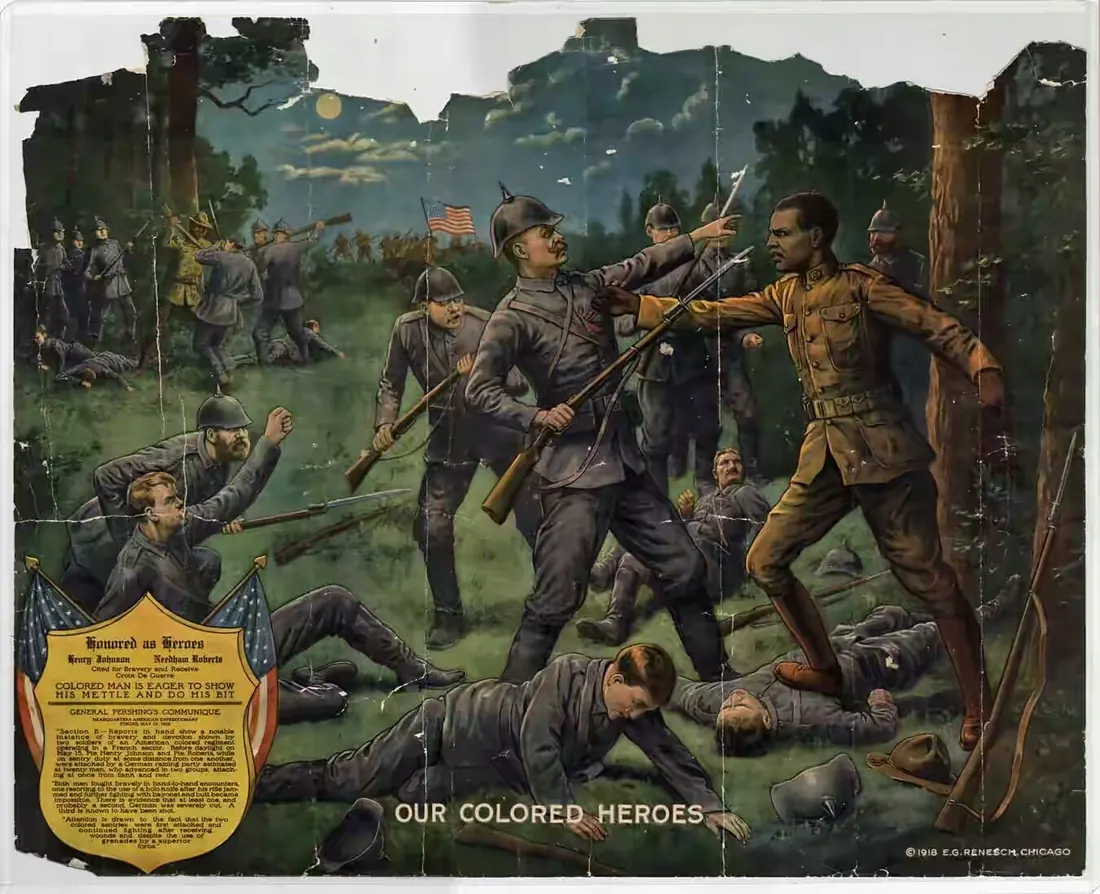
As President Obama told it in 2015: “In the predawn, it was pitch black and silent. And then, a click, the sound of wire cutters.” A German raiding party of at least a dozen soldiers opened fire. Johnson and Roberts threw grenades, and both were hit. Roberts lost consciousness, and two enemy soldiers began to carry him away. Johnson’s rifle jammed, so he turned it around and swung it, knocking one of the enemy down. Then he grabbed his bolo knife and went to rescue Roberts.
He saved Roberts from being taken prisoner, and the last enemy soldier fled. Johnson had been wounded 21 times. France made him one of the first Americans to receive its highest award for valor, the Croix de Guerre. But, in Obama’s words, his own nation “didn’t award him anything—not even the Purple Heart.” He died poor, in obscurity, in 1929.
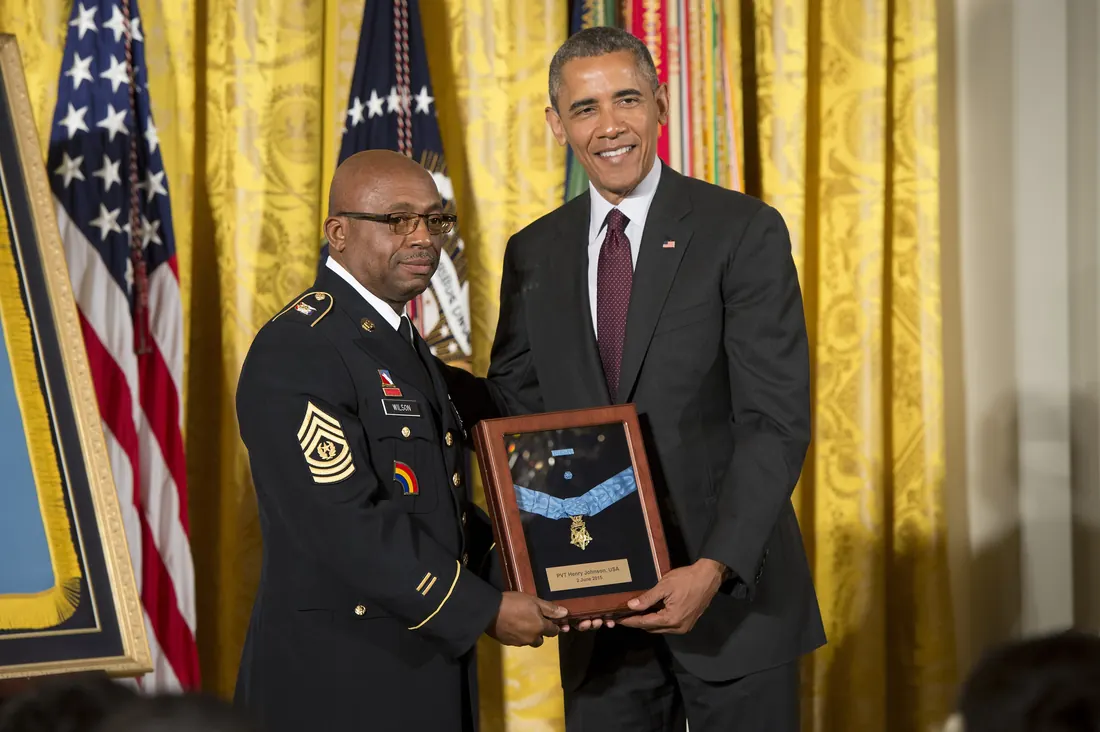
It took 97 years. He received the Purple Heart in 1996 and the Distinguished Service Cross in 2002, and on June 2, 2015, President Obama awarded him the Medal of Honor, accepted on his behalf by Command Sgt. Maj. Louis Wilson of the New York National Guard. Obama said: “The least we can do is to say: We know who you are. We know what you did for us. We are forever grateful.”
Fact check
The facts and where they come from
- He fought off a German raiding party, at the end armed with just a knife. Obama: “Then, he grabbed the only weapon he had left, his Bolo knife … armed with just his knife, Henry took him down too”; “two Americans had defeated an entire raiding party.” The Medal of Honor citation: “Wielding only a knife and gravely wounded himself … held back the enemy force until they retreated.” 12
- At the time, his own country didn’t award him anything, not even a Purple Heart. Obama: “But his own Nation didn’t award him anything—not even the Purple Heart, though he had been wounded 21 times.” The National Park Service: his first US award was the Purple Heart, in 1996. 13
- He was a train station porter from Albany. Obama: “He landed in Albany, where he mixed sodas at a pharmacy, worked in a coal yard and as a porter at a train station.” The National Park Service: a “redcap porter at Albany’s Union Station.” 13
- He joined the all-Black 369th Infantry, the Harlem Hellfighters. Obama: “the all-Black 369th Infantry Regiment. The Harlem Hellfighters.” Wikipedia: “The 369th Infantry regiment, later nicknamed the ‘Harlem Hellfighters.’” 12
- In the early hours of May 15, 1918, he stood sentry in France with Needham Roberts. Obama: “in the early hours of May 15, 1918 … Henry and another soldier, Needham Roberts, stood sentry along no man’s land.” The National Park Service: “About 2 a.m. on May 15, Johnson and Roberts saw approximately 25 German soldiers approaching their position.” 13
- In the dark came the click of wire cutters. Obama: “In the predawn, it was pitch black and silent. And then, a click, the sound of wire cutters.” 1
- At least a dozen German raiders opened fire. Obama: “A German raiding party—at least a dozen soldiers, maybe more—fired a hail of bullets.” The Medal of Honor citation: “a German raiding party consisting of at least 12 soldiers.” 12
- Both men were hit. Obama: “Then he and Needham threw grenades. Both of them were hit.” 1
- Roberts was knocked out, and two Germans began carrying him off. Obama: “Needham lost consciousness. Two enemy soldiers began to carry him away.” 1
- His rifle jammed, so he swung it like a club. Obama: “He shoved another magazine into his rifle. It jammed. He turned the gun around and swung it at one of the enemy, knocking him down.” The National Park Service: he used his gun as a club, then his bolo knife. 13
- He pulled his bolo knife and went after them. Obama: “he grabbed the only weapon he had left, his Bolo knife, and went to rescue Needham.” The citation: he “took his Bolo knife and stabbed it through an enemy soldier’s head.” 12
- He saved Roberts, and the raiders fled. Obama: “the last enemy soldier fled … Henry Johnson saved his fellow soldier from being taken prisoner.” The citation: he “prevented him from being taken prisoner” and “held back the enemy force until they retreated.” 12
- He was wounded 21 times. Obama: “he had been wounded 21 times.” The National Park Service: “During the battle, Johnson received 21 wounds.” Wikipedia: “suffering 21 wounds.” 132
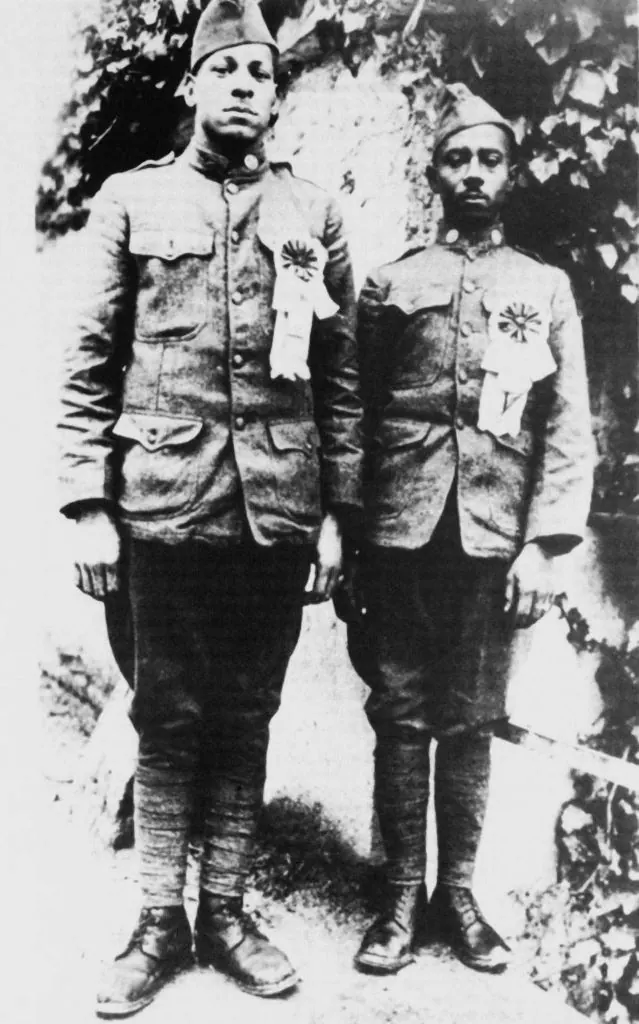
- France gave him its highest award for valor, and he was one of the first Americans to get it. Obama: “Henry was one of the first Americans to receive France’s highest award for valor.” The National Park Service: “the French Croix de Guerre avec Palme, France’s highest award for valor. He was one of the first Americans to receive this honor.” 13
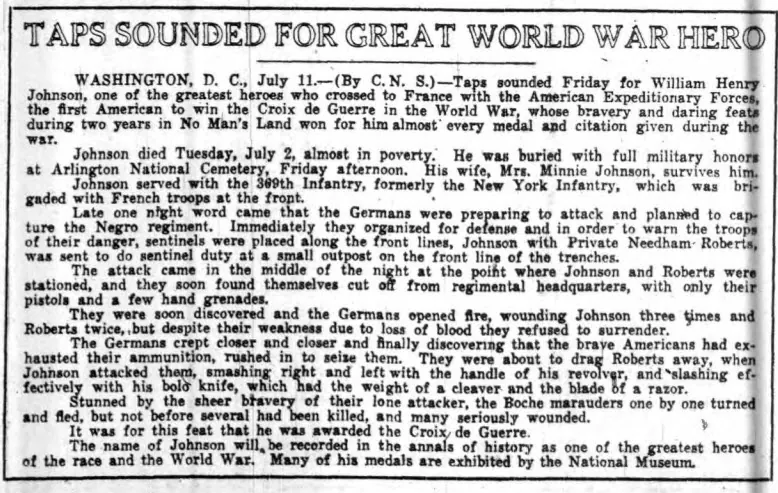
- He died in 1929, poor and forgotten. Wikipedia: “Johnson died poor and in obscurity in 1929.” The National Park Service: “he died alone and penniless on July 1, 1929”; “the government and the American people forgot him.” The Pittsburgh Courier of July 13, 1929: “Johnson died Tuesday, July 2, almost in poverty.” 234
- It took 97 years. Obama: “today, 97 years after his extraordinary acts of courage and selflessness, I’m proud to award him the Medal of Honor.” 1
- On June 2, 2015, President Obama awarded him the Medal of Honor, accepted for him by Command Sgt. Maj. Louis Wilson of the New York National Guard. The National Park Service: “on June 2, 2015, President Barack Obama posthumously awarded Johnson the Medal of Honor.” 132
- Obama’s words, word for word: “We know what you did for us.” In full: “The least we can do is to say: We know who you are. We know what you did for us. We are forever grateful.” 12
- He received the Purple Heart in 1996 and the Distinguished Service Cross in 2002. Obama: “In 1996, President Clinton awarded Henry Johnson a Purple Heart.” The National Park Service: “In 2002, the U.S. Army awarded Johnson the second-highest military honor, the Distinguished Service Cross.” 13
Sources
- Remarks on Presenting Posthumously the Medal of Honor to Private Henry Johnson and Sergeant William Shemin (June 2, 2015) The American Presidency Project (UC Santa Barbara)
- Henry Johnson (World War I soldier) Wikipedia
- Henry Johnson (1892–1929) National Park Service
- “Taps sounded for great World War hero,” Pittsburgh Courier, July 13, 1929 Wikimedia Commons
Notes
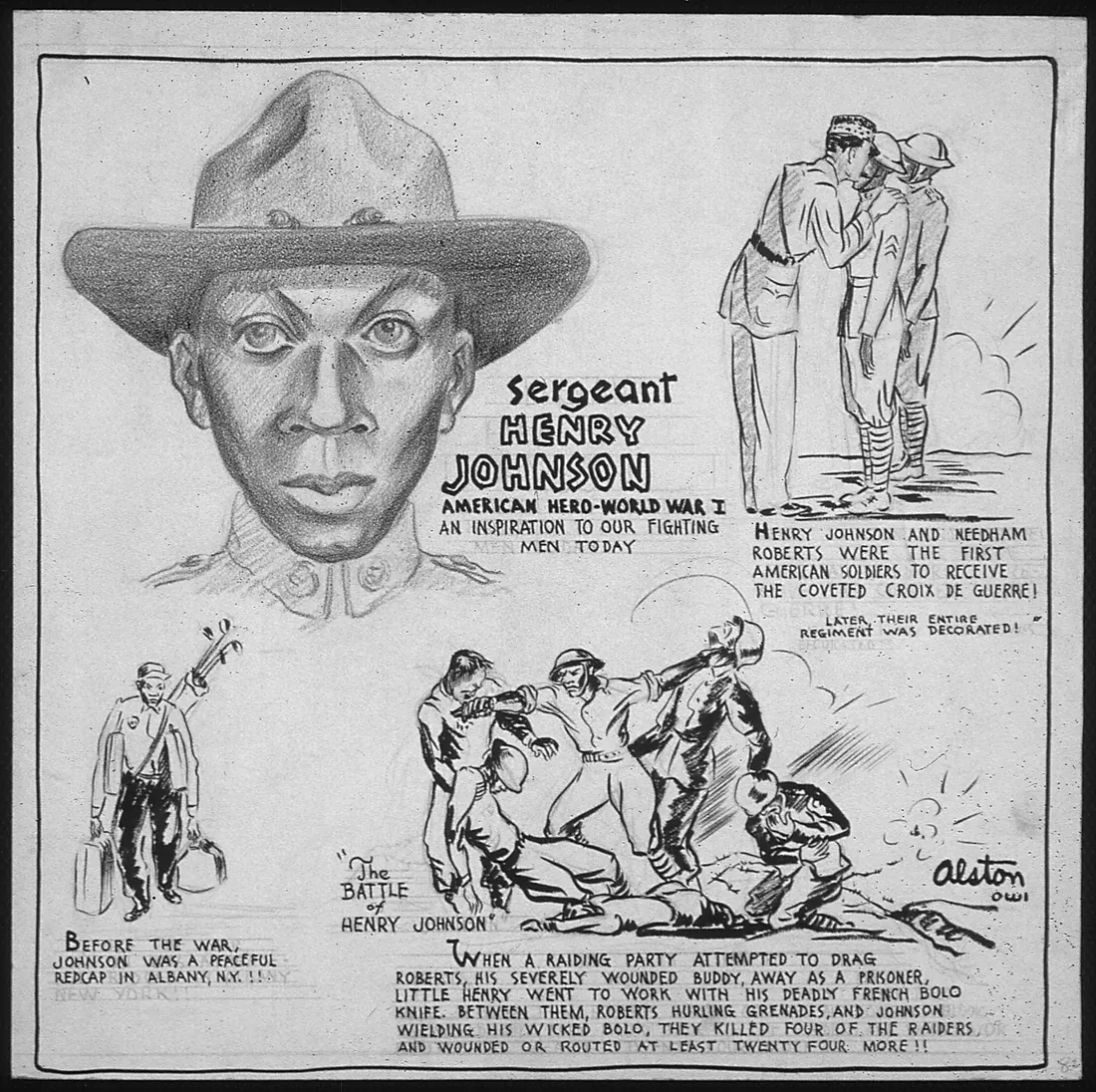
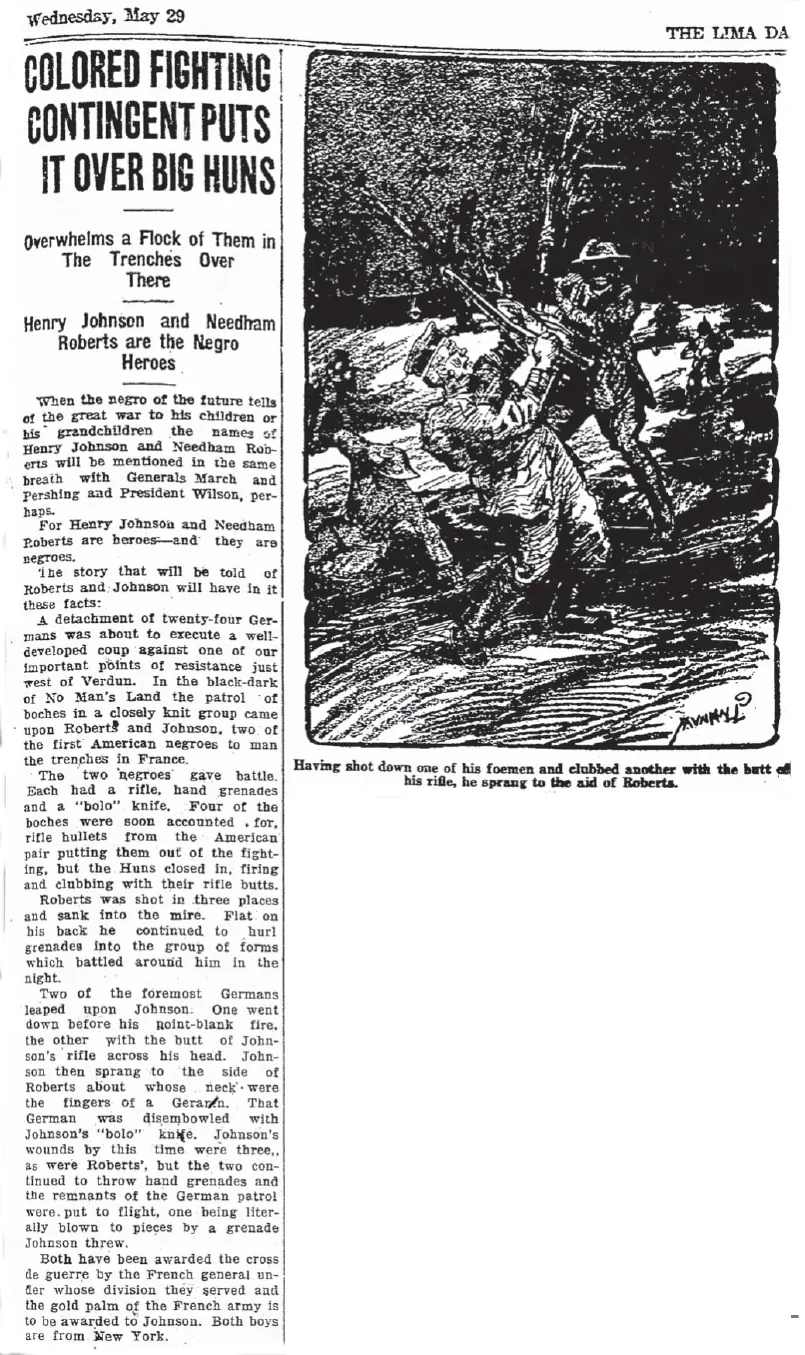
How many raiders: “at least 12” (the Medal of Honor citation and Obama), 24 (The Lima News, May 29, 1918: “a detachment of twenty-four Germans”), “approximately 25” (the National Park Service), at least 28 (Charles Alston’s 1943 poster: four killed and “at least twenty four more” wounded or routed) or “up to 36” (Wikipedia). We say at least a dozen, the official figure.
Disability pay: the National Park Service says “He did not receive disability pay after the war,” but Wikipedia cites Veterans Affairs records of a “permanent and total disability” rating from September 16, 1927, and monthly compensation until his death. We leave it out. “Didn’t award him anything” means medals and honors, in Obama’s own words.
His age at death: Obama says “in his early thirties”; his draft card gives an 1892 birth date, which makes him 36 (Wikipedia, the National Park Service). We give no age.
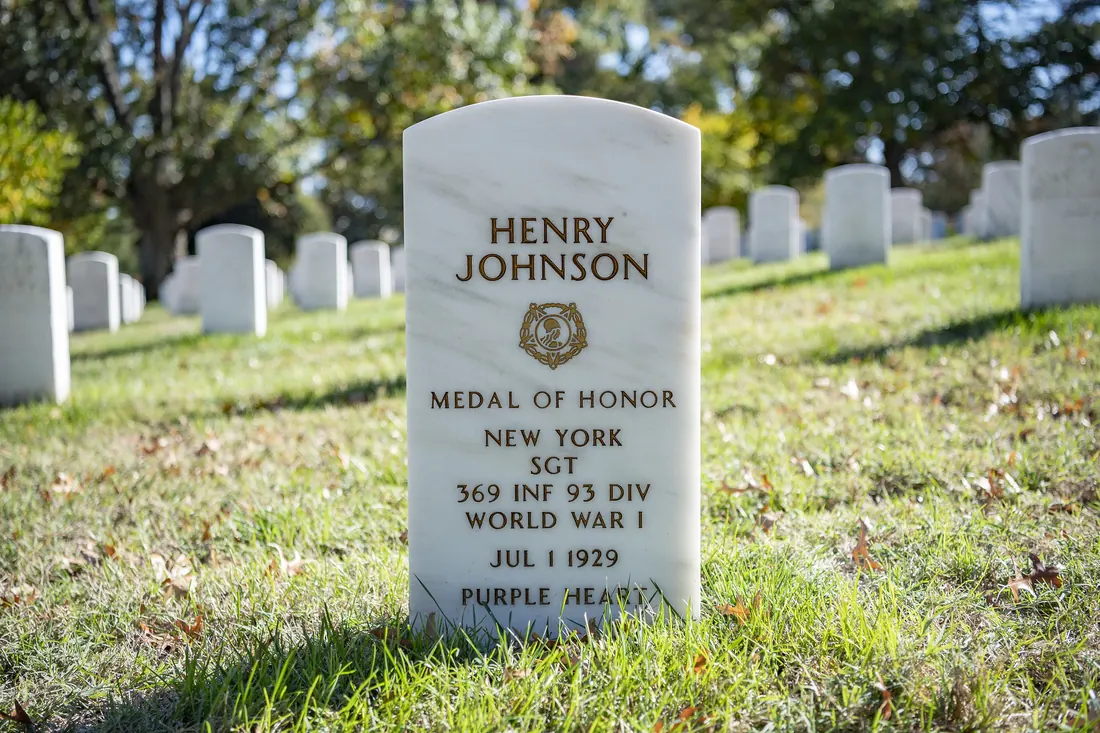
Date and place of death: July 1, 1929 (the National Park Service, Wikipedia, his headstone) or “Tuesday, July 2” (the Pittsburgh Courier); Washington, D.C. (Wikipedia, his death certificate) or New Lenox, Illinois (the National Park Service). We give only the year.
The night: the night of May 14 (Wikipedia) or the early hours of May 15 (Obama, the National Park Service, the citation). We follow the citation.
The Croix de Guerre’s palm is “golden” in one part of Wikipedia and “bronze” in another; we say only that it was France’s highest award for valor.
“Harlem Hellfighters”: the nickname came during the war (“later nicknamed,” Wikipedia); we use it as the regiment’s famous name.
Distinguished Service Cross: 2002 (the National Park Service, Wikipedia’s lead) or presented in February 2003 (Wikipedia’s body). We say 2002.
Left out: Fort Polk was renamed Fort Johnson for him in 2023, and the change was reversed in 2025 (Wikipedia).
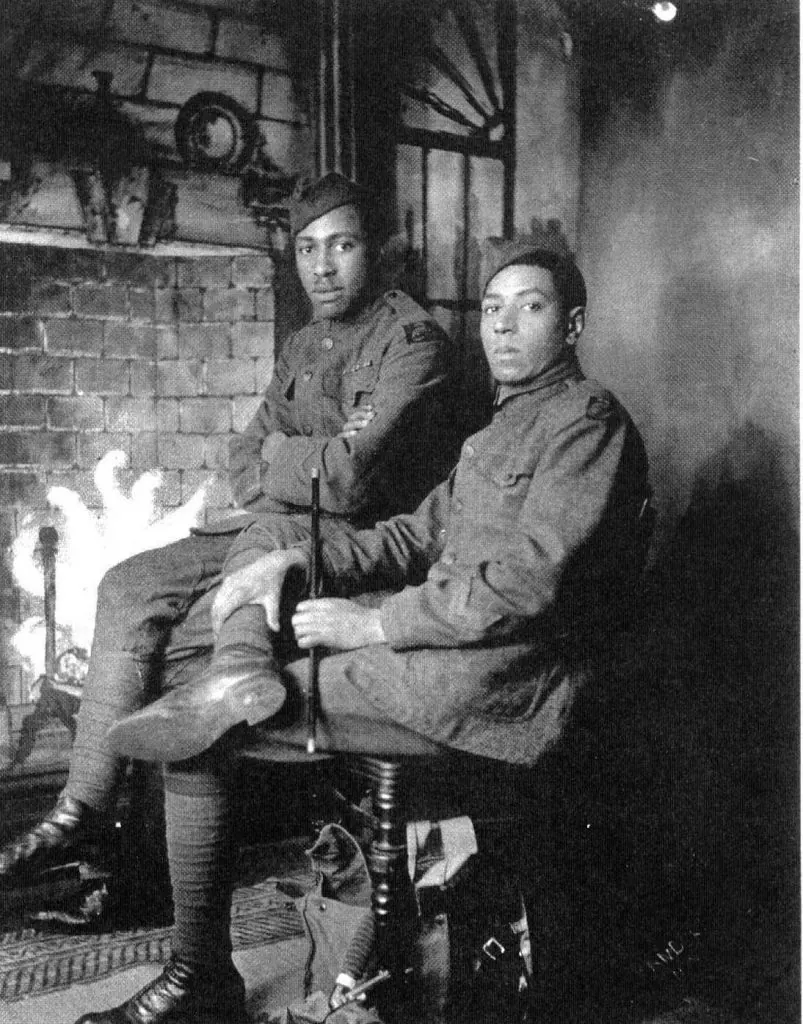
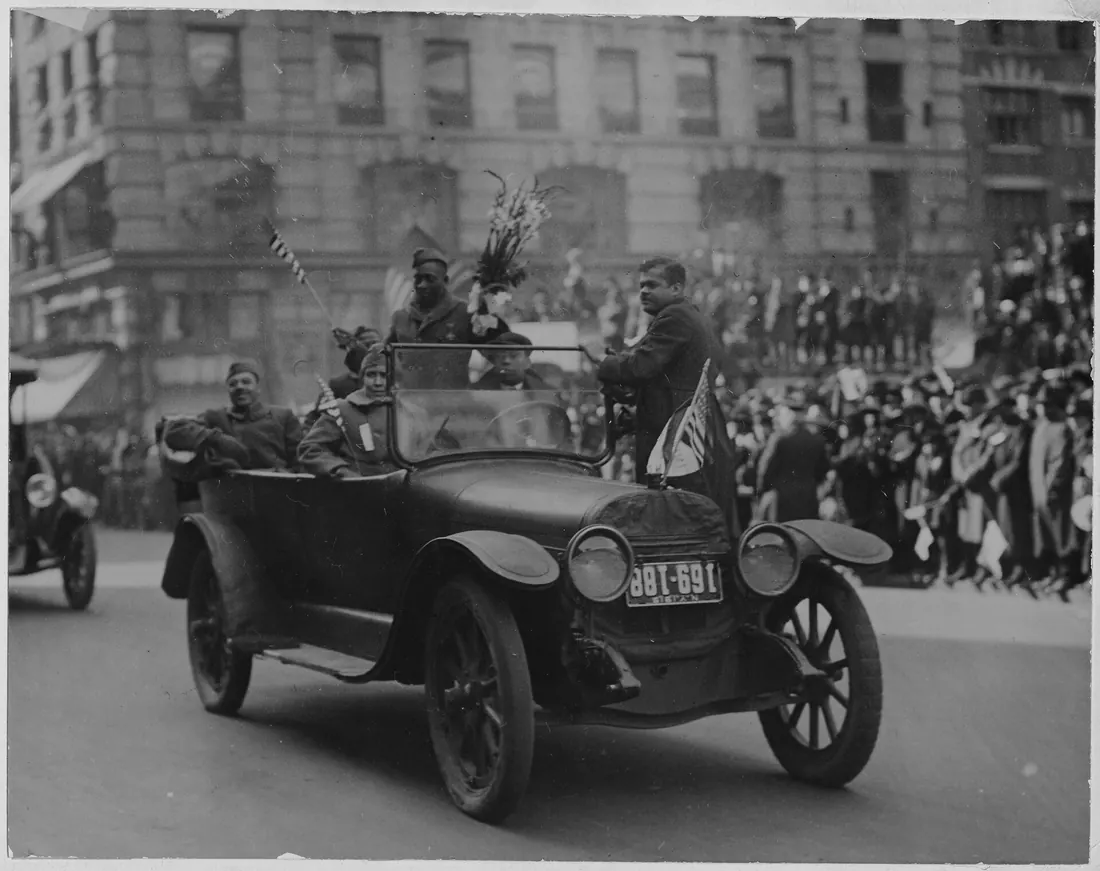
The 1918 Renesch lithograph and Charles Alston’s 1943 poster are period illustrations of the raid, not photos, and the trench photo shows the 369th training in France in 1918, not the night of the raid. In the two 1918 photos of Johnson and Roberts together, Wikimedia Commons doesn’t say which man is which; the National Archives double portrait names Johnson on the left. The 2015 photo shows Command Sgt. Maj. Louis Wilson receiving the medal on Johnson’s behalf.
Photo credits
The archive photos in this story
All the photographs and illustrations in this story are in the public domain. Tap one to enlarge it, or follow the link to its Wikimedia Commons page for the full record. The narration, music, captions and graphics in the Short are our own.