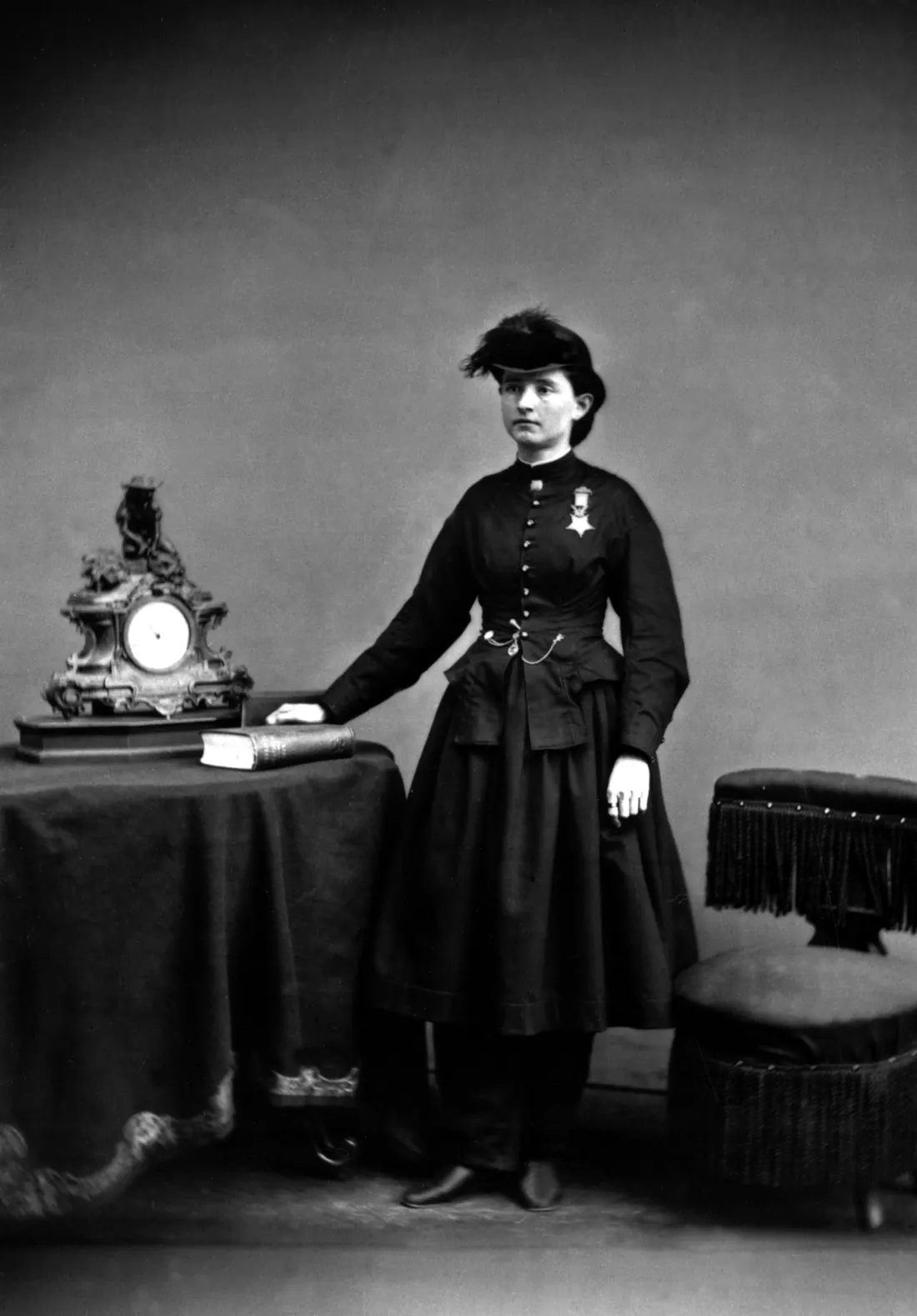
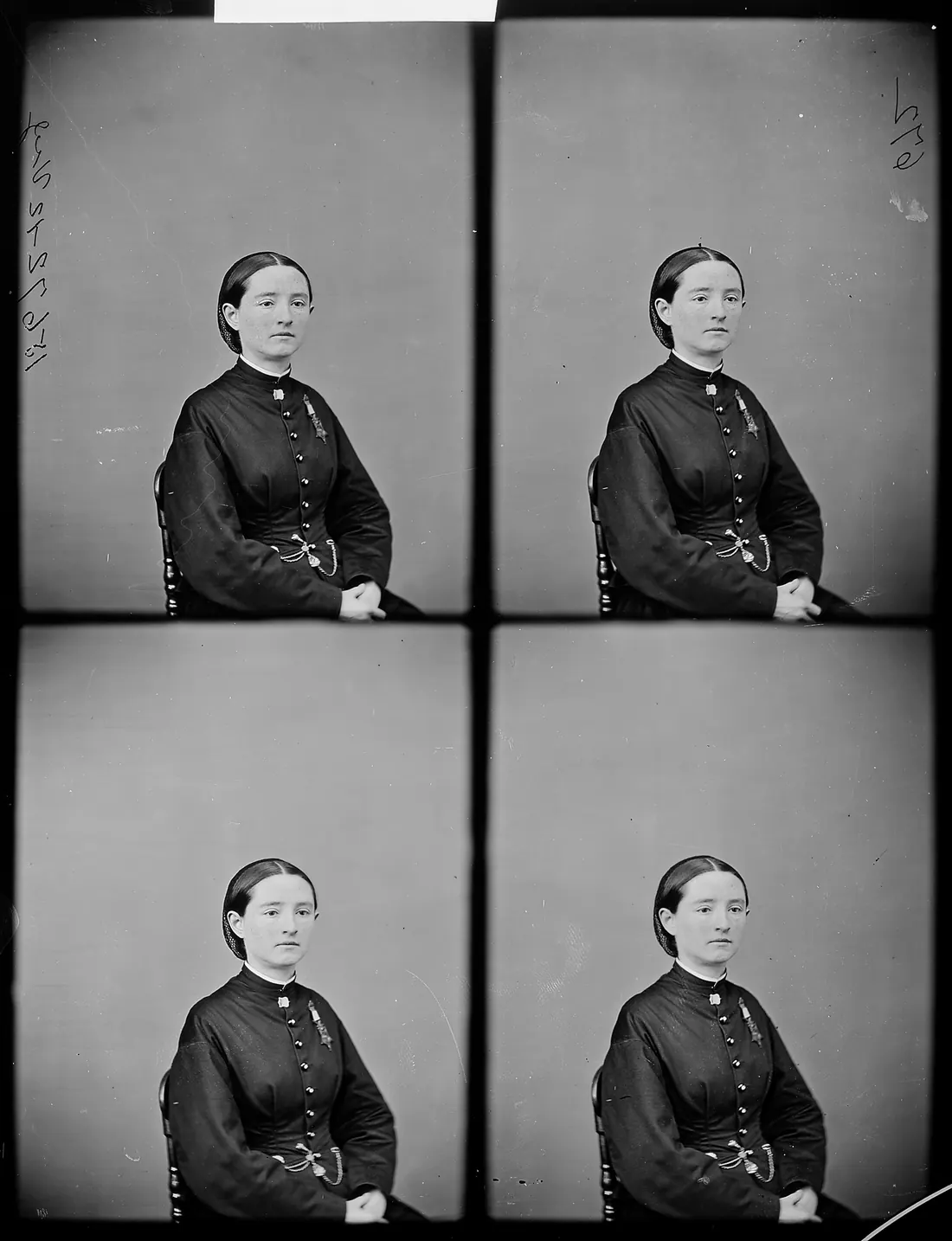
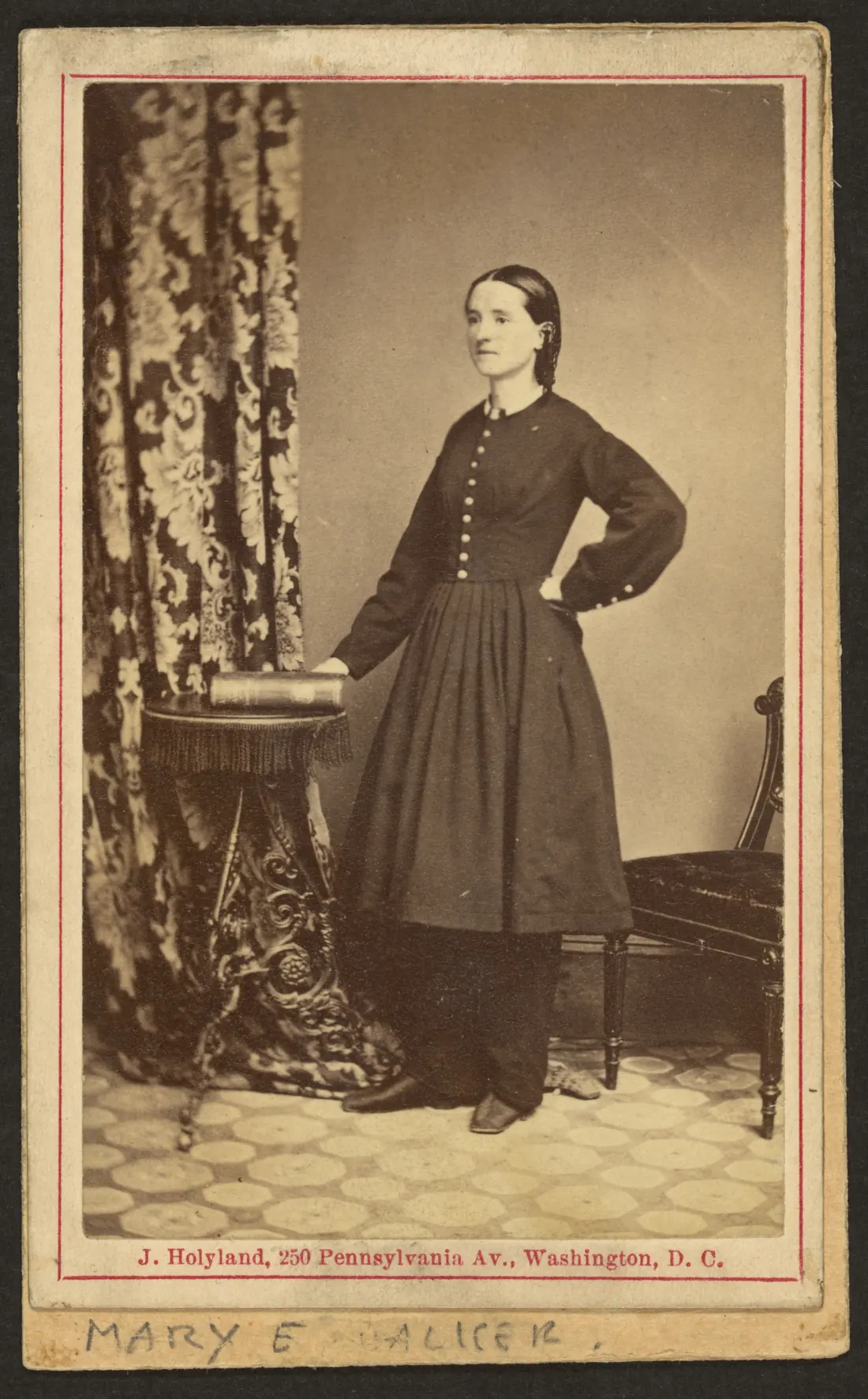
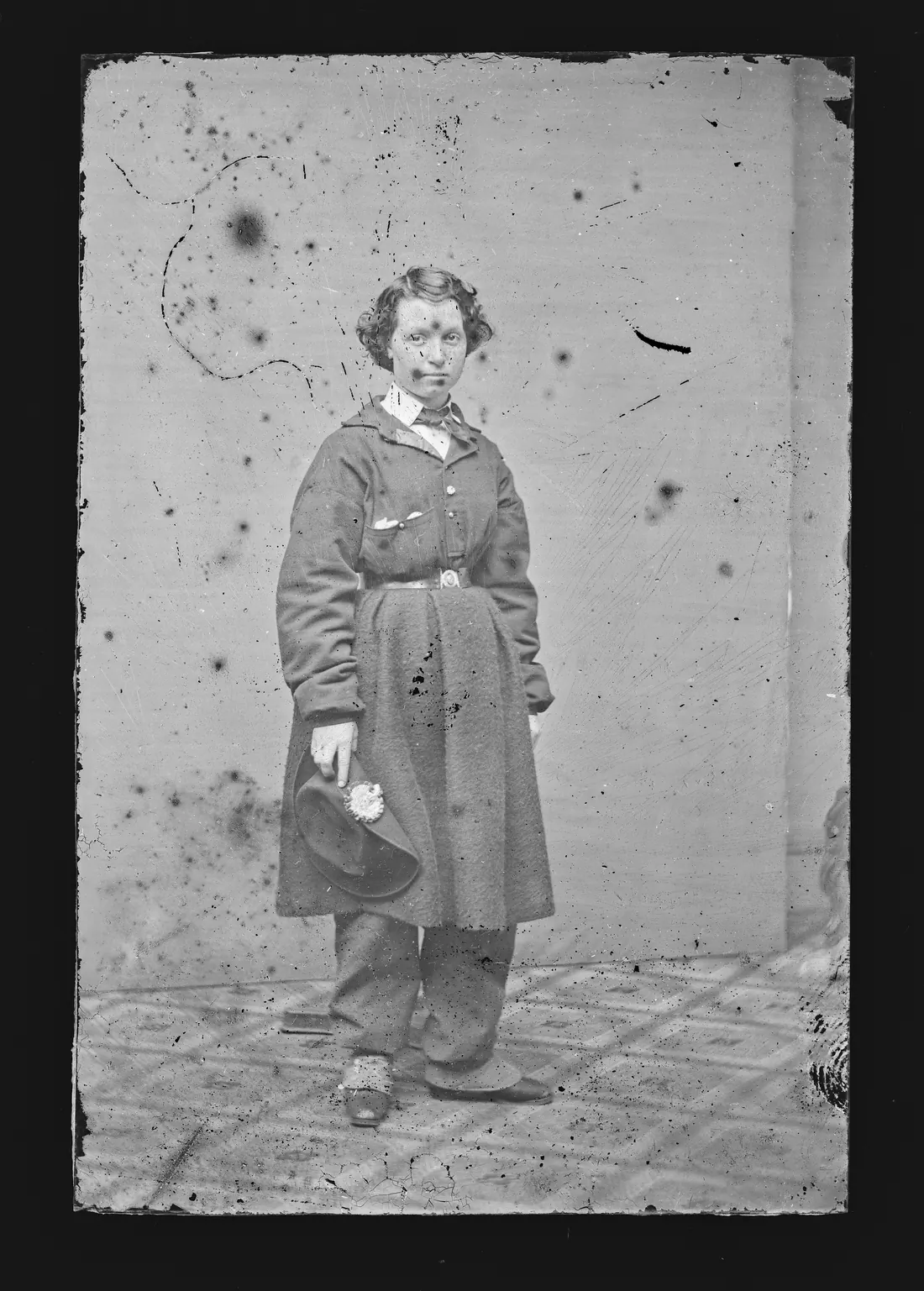
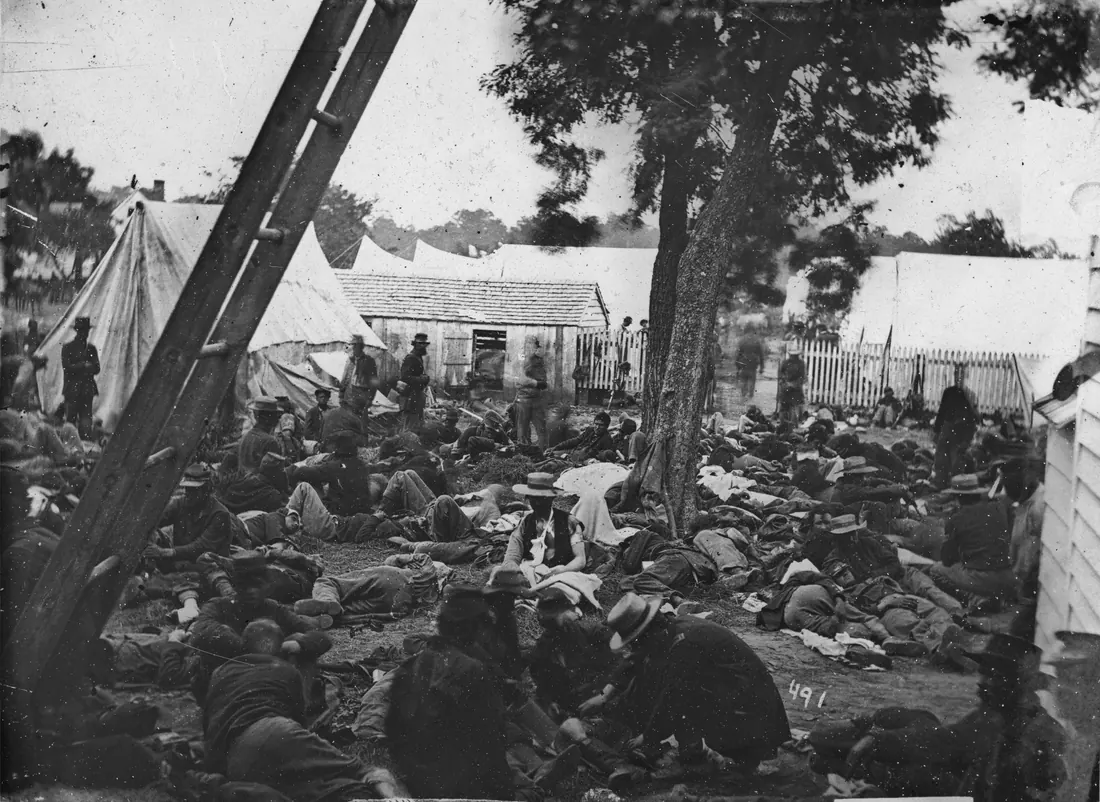
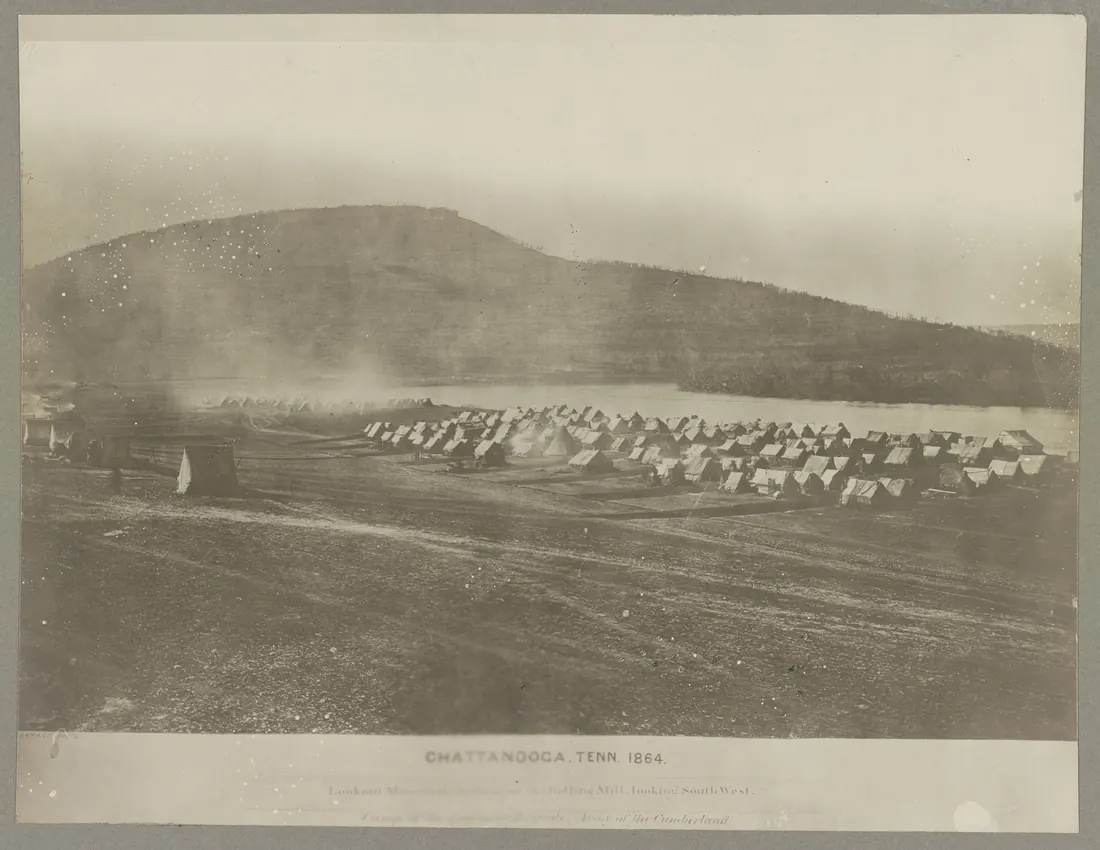
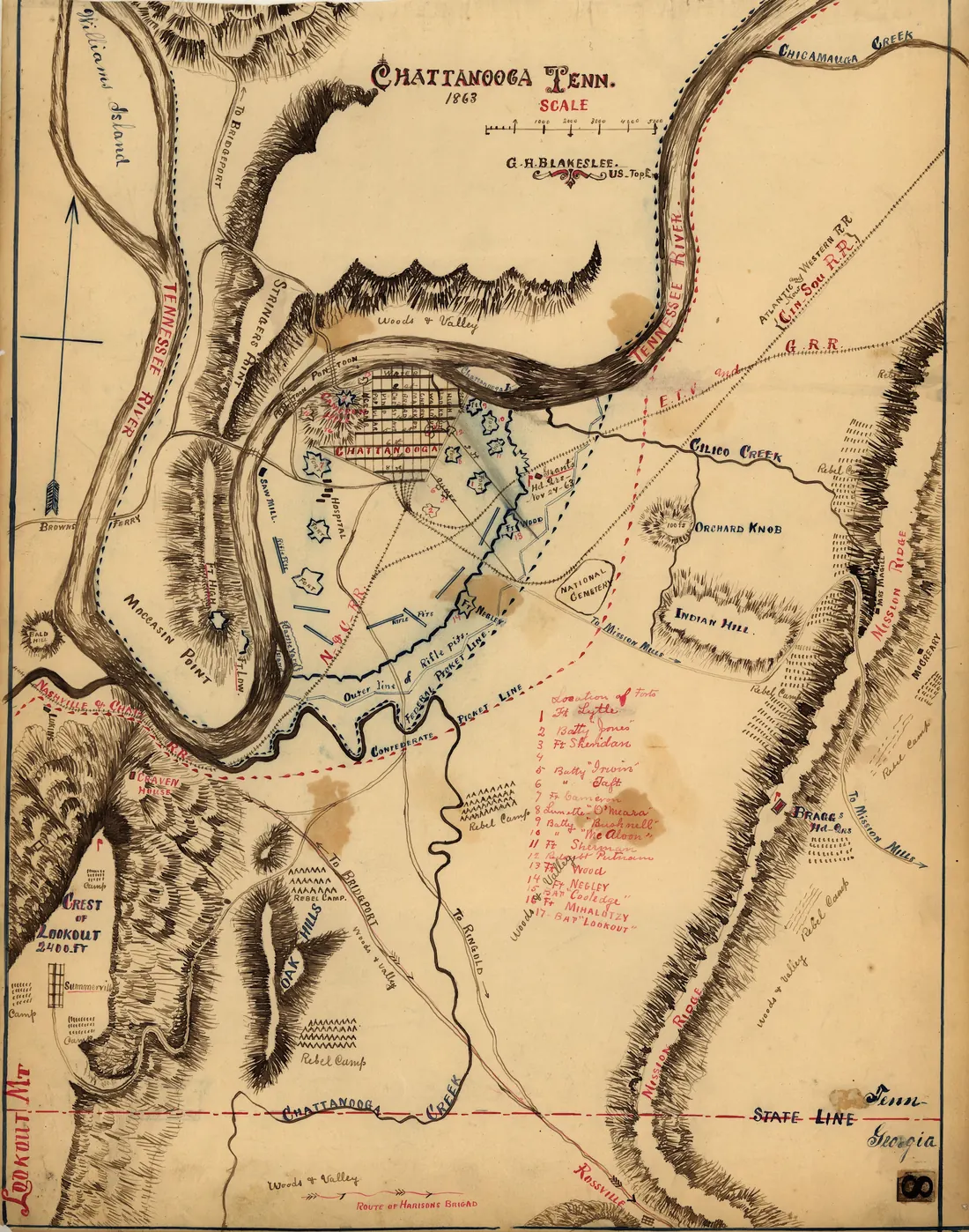
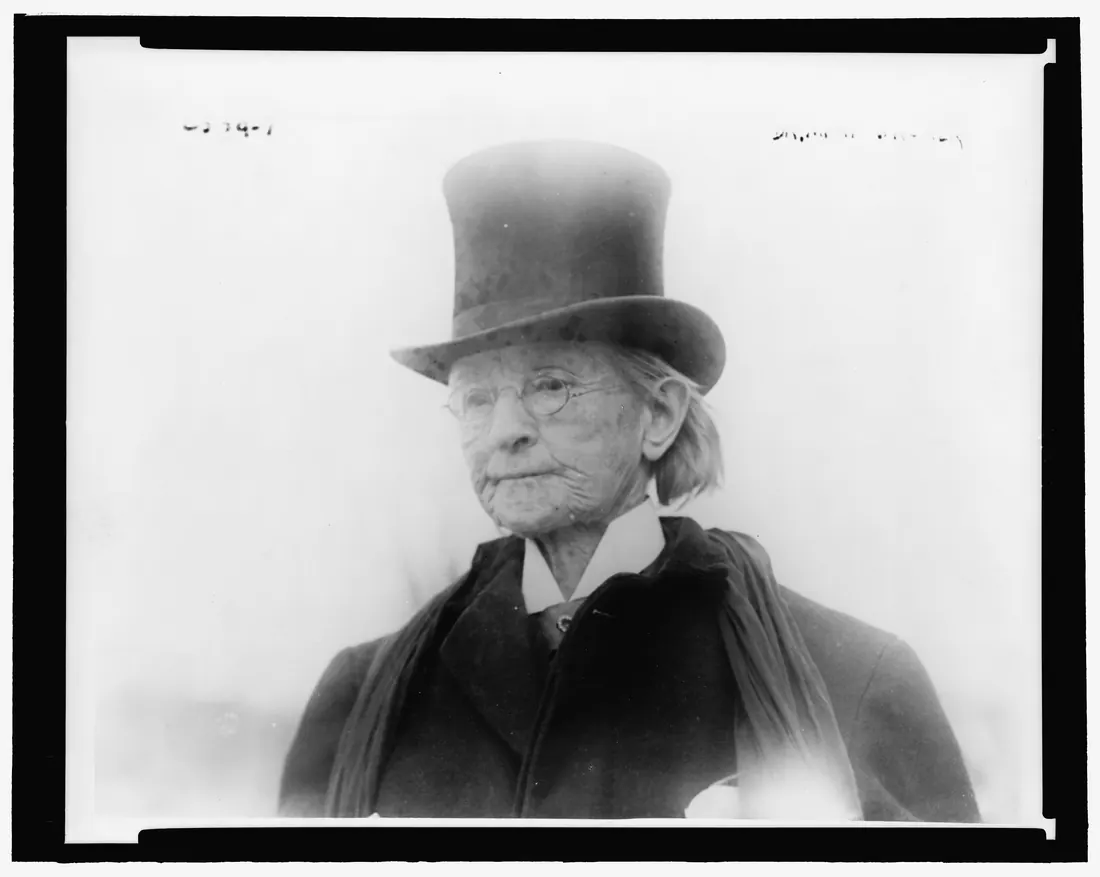
Mary Edwards Walker graduated from Syracuse Medical College in 1855 with a doctor of medicine degree, the only woman in her class. When the Civil War began, she volunteered as a surgeon for the Army but was rejected because she was a woman. So she worked as an unpaid field surgeon near the Union front lines, including at the Battle of Fredericksburg and in Chattanooga after the Battle of Chickamauga.
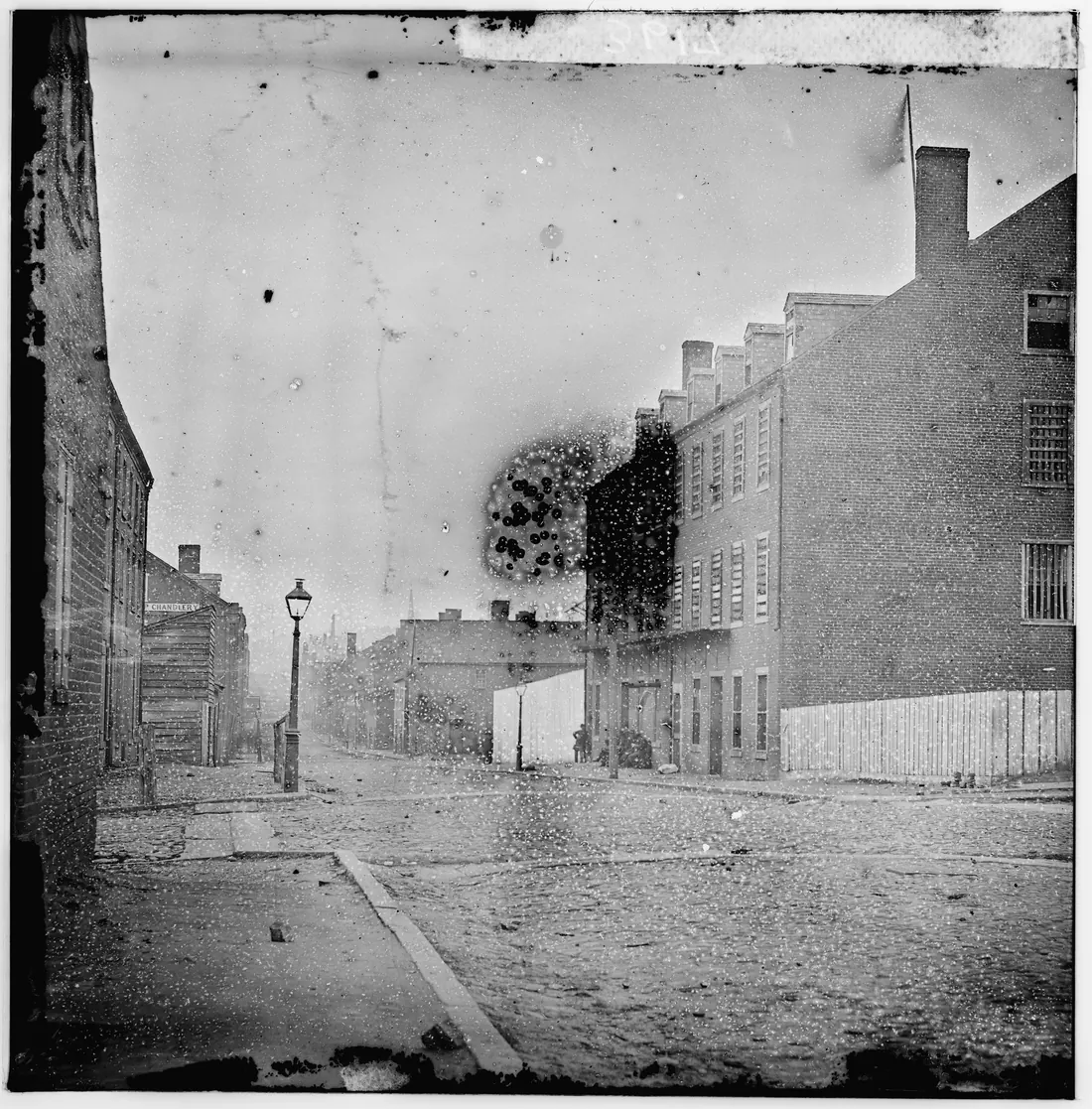
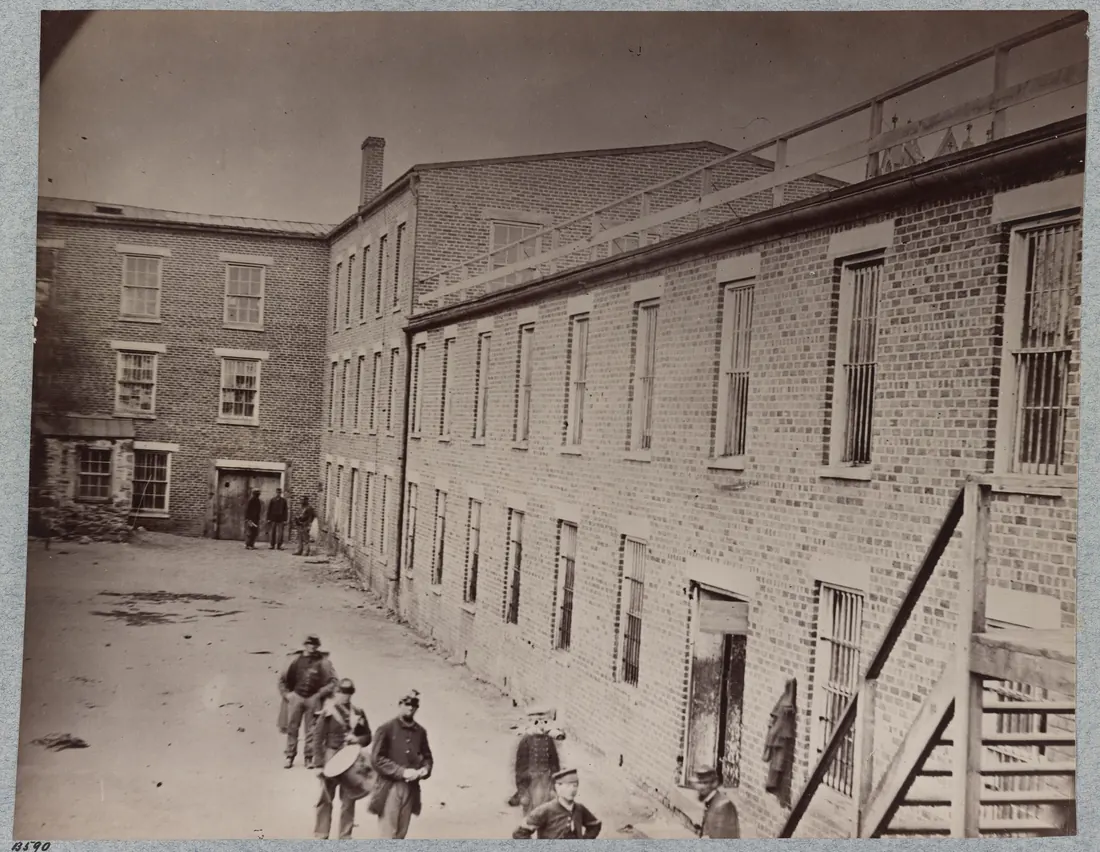
In September 1863 she became the first female US Army surgeon, hired by the Army of the Cumberland as a “Contract Acting Assistant Surgeon (civilian).” Serving with the 52nd Ohio Infantry, she routinely crossed the lines to treat civilians. In April 1864 Confederate troops captured her as a spy. She was held for four months in Castle Thunder prison in Richmond, Virginia, until August 12, 1864, when she was exchanged for a Confederate surgeon.
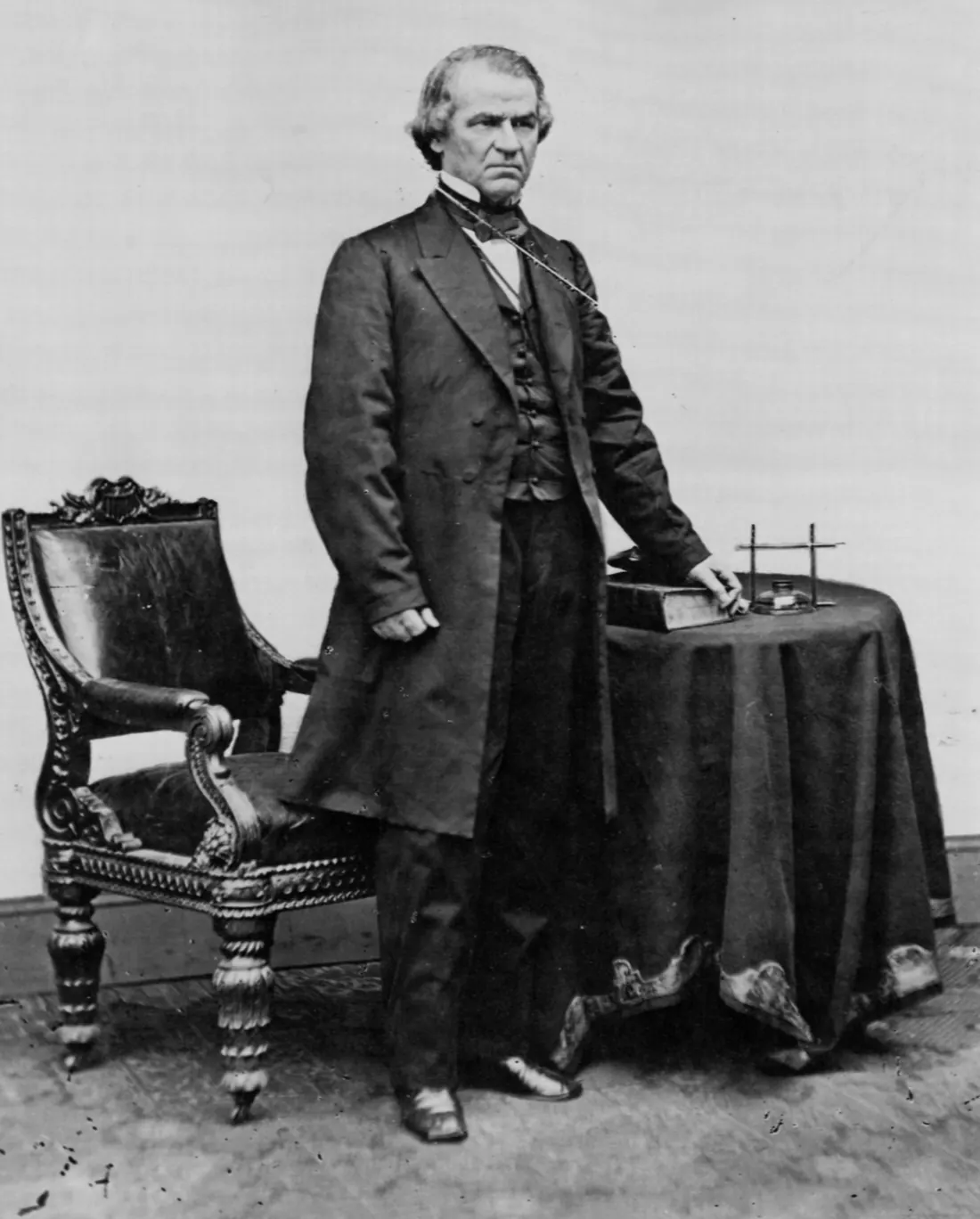
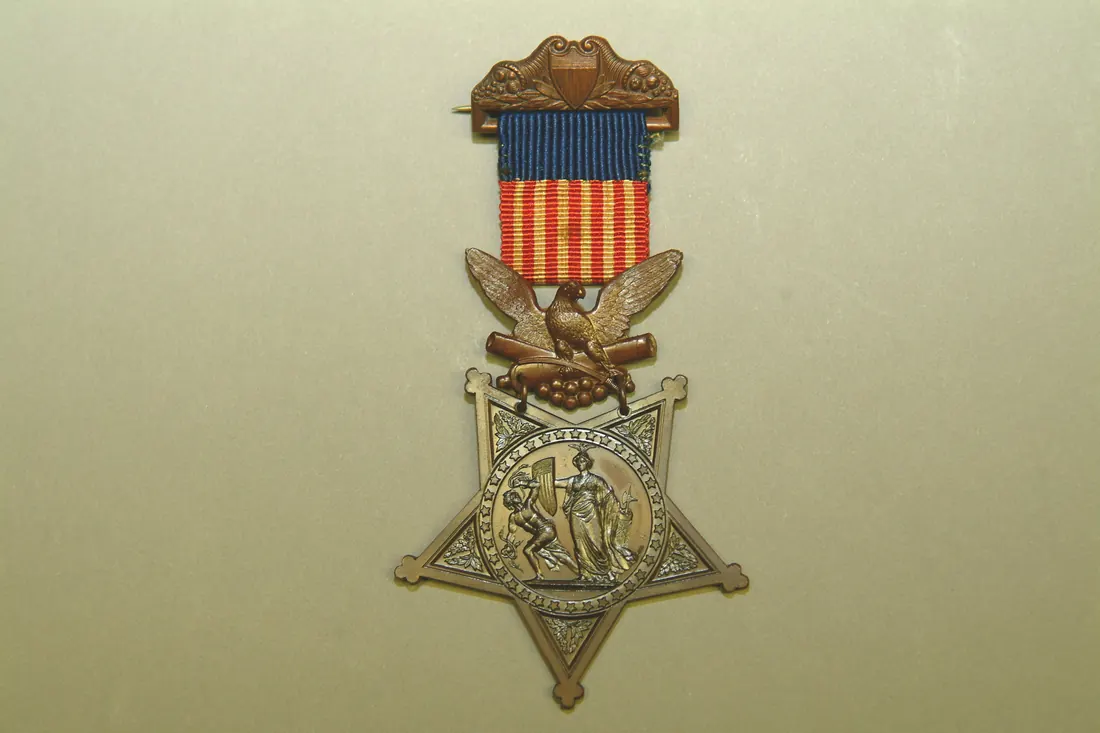
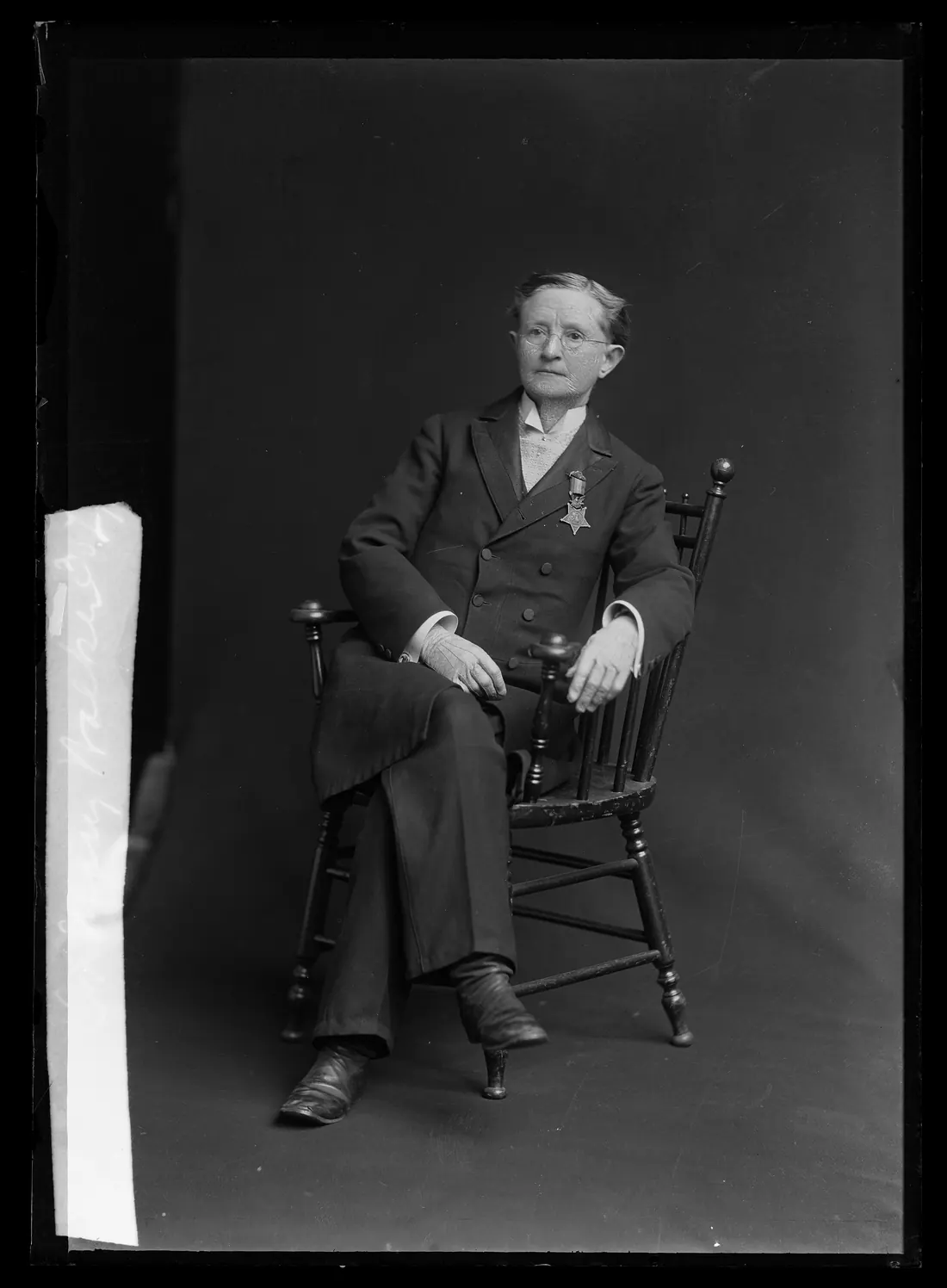
On November 11, 1865, President Andrew Johnson signed a bill awarding her the Medal of Honor. But in 1917 the Army’s Medal of Honor Board struck 911 names from the Army Medal of Honor Roll, hers among them. She had been a civilian contract surgeon, not a commissioned officer, so she was ruled ineligible. By the US Army’s account, she refused to return the medal, and she kept wearing it until she died, on February 21, 1919.
In 1977 her medal was restored. As the National Women’s History Museum puts it: “In all of United States history, there has only been one woman to receive the Medal of Honor.”
Fact check
The facts and where they come from
- She is the only woman to receive the Medal of Honor. The National Park Service: “She remains the only woman to receive the Medal of Honor.” Wikipedia: “She is the only woman to receive the Medal of Honor.” 12
- The Army took it away. The National Park Service: “The medal was stripped from her (and several others) by government action from 1916 to 1917.” The US Army: “Walker’s medal was rescinded in 1917, two years before she died — along with 910 others.” 13
- In 1855 she became a doctor. The National Park Service: “Walker graduated with a doctor of medicine degree from Syracuse Medical College in 1855.” She was “the only woman in her class” (Wikipedia). 132
- When the Civil War began, the Army refused to make a woman a surgeon. The National Park Service: “She was denied a commission as a medical officer.” Wikipedia: she volunteered as a surgeon for the Army “but was rejected because she was a woman.” 12
- She worked for free near the front lines. Wikipedia: “She worked as an unpaid field surgeon near the Union front lines, including at the Battle of Fredericksburg and in Chattanooga after the Battle of Chickamauga.” The US Army: “Walker worked for free at the temporary hospital set up at the U.S. Patent Office in Washington, D.C.” The National Park Service: an “unpaid volunteer surgeon.” 231
- In 1863 the Army finally hired her, its first woman surgeon. The National Park Service: “In September 1863, Dr. Walker became the first female U.S. Army surgeon,” hired by the Army of the Cumberland as a “Contract Acting Assistant Surgeon (civilian).” 12
- She crossed enemy lines to treat civilians. The National Park Service: “While serving as an assistant surgeon with the 52nd Ohio Infantry, she routinely crossed the lines to treat civilians.” 1
- In April 1864 Confederate troops captured her as a spy. The National Women’s History Museum: “In April of 1864, Walker was captured by Confederate troops as a spy.” Wikipedia: “On April 10, 1864, she was captured by Confederate troops, and arrested as a spy.” 42
- She spent four months in Castle Thunder prison. The National Women’s History Museum: “She was held as a prisoner of war for four months at the notorious Castle Thunder prison.” Wikipedia: she was sent to Castle Thunder in Richmond, Virginia, and held until August 12, 1864. 412
- She was traded for a Confederate surgeon. Wikipedia: “Walker was exchanged for a Confederate surgeon from Tennessee on August 12, 1864.” The National Park Service: “Dr. Walker was freed in a prisoner exchange.” 21
- In November 1865 President Andrew Johnson signed her Medal of Honor: “President Andrew Johnson signed a bill on November 11, 1865,” to award it (the National Park Service). The US Army: “Walker was awarded the Medal of Honor by President Andrew Johnson.” 13
- In 1917 an Army board struck her name off, with 910 others. The Army’s Medal of Honor Board, which sat from 1916 to 1917, “struck 911 names from the Army Medal of Honor Roll, including those of Dr. Mary Edwards Walker” (Wikipedia). The US Army: “rescinded in 1917 … along with 910 others.” 23
- She had been a civilian, so she was ruled ineligible. Wikipedia, on why: “In Walker’s case, she was a civilian contract surgeon, not a commissioned officer.” The US Army: “That civilian status is why Walker’s medal was rescinded.” 23
- She refused to give it back and wore it until she died. The US Army: “Walker refused to return the medal, though, and continued to wear it until she died two years later.” The National Women’s History Museum: the revocation “did not stop Walker from wearing her award until her death in 1919.” 34
- She died on February 21, 1919. 42
- In 1977 the medal was restored. The National Park Service: “It was reinstated to her in 1977.” Wikipedia: the decision came from the Army’s Board for Correction of Military Records and was acted on by the Army’s Assistant Secretary for Manpower and Reserve Affairs. 12
- She is still the only woman who has ever received it. The National Women’s History Museum: “In all of United States history, there has only been one woman to receive the Medal of Honor.” 14
Sources
- Mary Walker National Park Service
- Mary Edwards Walker Wikipedia
- Meet Dr. Mary Walker: The only female Medal of Honor recipient U.S. Army
- Mary Edwards Walker National Women’s History Museum
Notes
Who restored the medal in 1977: the US Army article and the National Women’s History Museum say President Jimmy Carter. Wikipedia says “this is probably incorrect”: the Army’s Board for Correction of Military Records restored it, acted on below the Secretary of the Army, and the Carter White House was surprised. We say only that it was restored.
Was she told to give it back? The US Army says she “refused to return the medal”; Wikipedia says the recipients who were struck off “were not ordered to return their medals,” on the Judge Advocate General’s advice. We give the refusal as the Army’s account. The often-told story of her meeting marshals with a shotgun comes from one site only and isn’t used.
“Every day”: some sites say she wore the medal every day; the sources we checked say only “until she died.”
The year it was taken: 1916 (the National Women’s History Museum), 1916 to 1917 (the National Park Service, and Wikipedia, which says the board sat in 1916–17) or 1917 (the US Army). We say 1917, when the board’s ruling was made.
The exchange: Wikipedia says she was exchanged for a Confederate surgeon from Tennessee; the US Army says she “and other Union doctors” were swapped for Confederate medical officers. Both fit “exchanged for a Confederate surgeon.”
Left out for length: her arrests for wearing men’s clothes (the National Park Service, Wikipedia).
The field hospital at Savage’s Station (June 1862) is a Union field hospital of the war, not one of hers. The Chattanooga camp shows the Army of the Cumberland at Chattanooga in 1864, and the 1863 Union map of the Chattanooga lines doesn’t show her exact route. The Castle Thunder photos date from April 1865, after her stay. The medal shown alone is the same 1862 Army pattern as hers, not her own. The National Archives dates the four-up Brady negative to about 1860–65, but she wears the Medal of Honor in it, so it was taken after November 1865.
Photo credits
The archive photos in this story
All the photographs and illustrations in this story are in the public domain. Tap one to enlarge it, or follow the link to its Wikimedia Commons page for the full record. The narration, music, captions and graphics in the Short are our own.