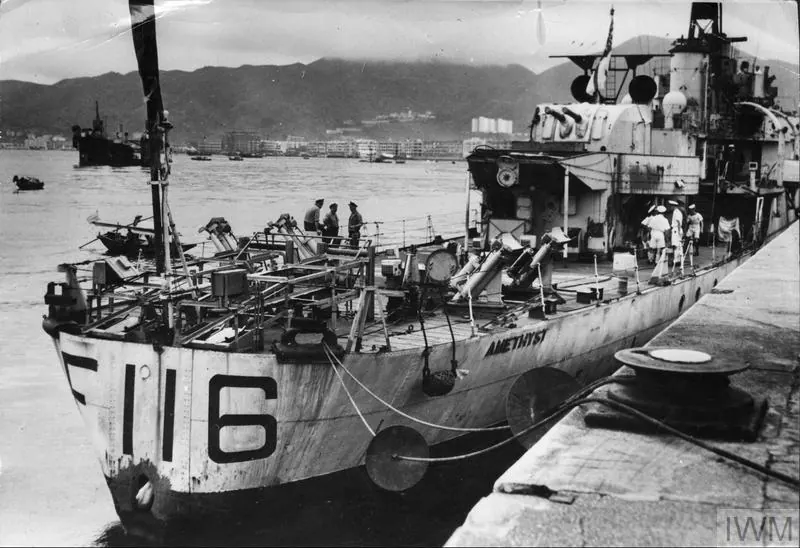
In March 1948 a 17-year-old sailor, Ordinary Seaman George Hickinbottom, found a cat on the docks of Hong Kong. He was “very undernourished and unwell.” Hickinbottom smuggled him aboard the Royal Navy sloop HMS Amethyst. The cat’s name was Simon.
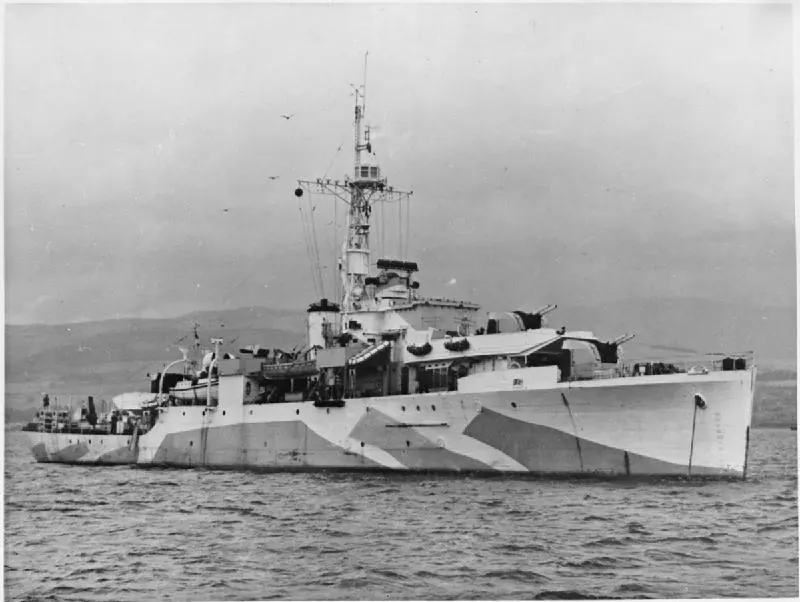
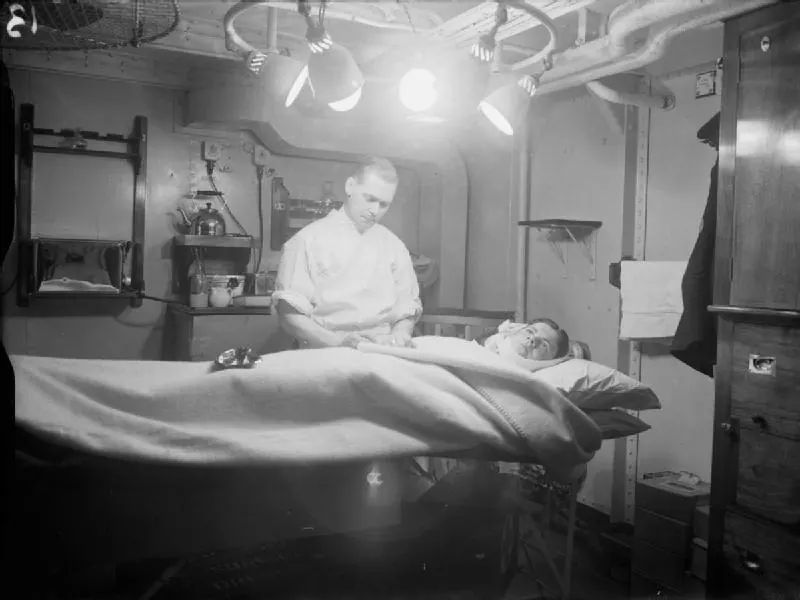
On April 20, 1949, during the Chinese Civil War, Amethyst was sailing up the Yangtze River from Shanghai to Nanjing when a Communist field gun battery on the north bank opened fire. The captain, Lieutenant Commander Skinner, was mortally wounded. One of the first rounds tore through the captain’s cabin and seriously wounded Simon. The ship’s medical staff cleaned his burns and “removed four pieces of shrapnel, but he was not expected to last the night.”
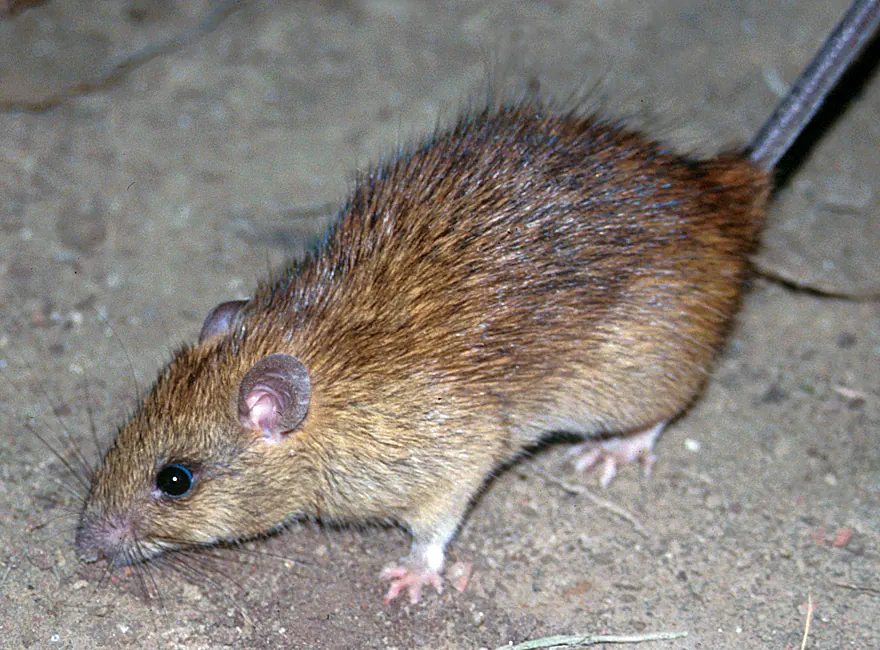
He survived. For 101 days the ship was trapped on the river, and rats threatened its already limited food. Despite his wounds, Simon hunted them, and after he killed a particularly vicious rat, the crew promoted him to Able Seaman. He also kept the wounded company: in the words of the citation displayed with his model at HMS Collingwood, he “patrolled the sick bay, curling up with the injured seamen.”
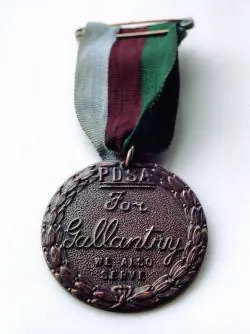
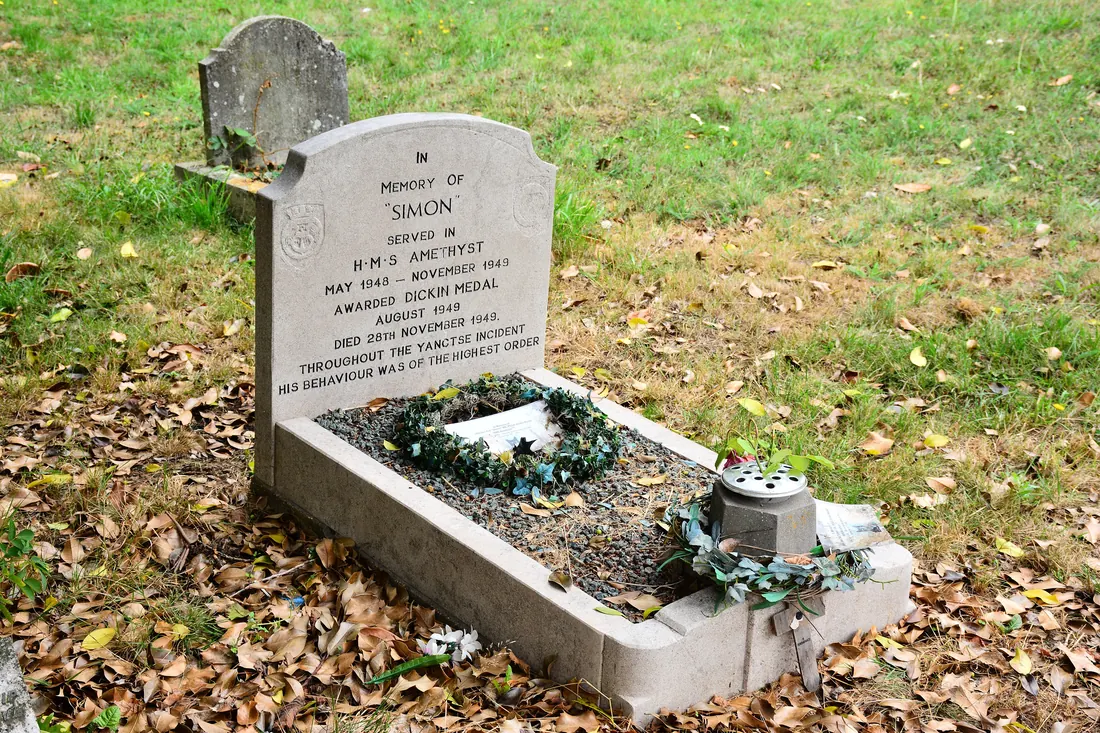
After Amethyst escaped on the night of July 30, 1949, Simon was awarded the PDSA Dickin Medal, sometimes called “the animals’ Victoria Cross.” As of 2025 he was still the only cat ever to win it. But in England he had to go into quarantine, and on November 28, 1949, weakened by his war wounds, he died, 13 days before the formal presentation set for December 11. He was buried with full military honors at the PDSA Animal Cemetery in Ilford, Essex. His gravestone reads: “Throughout the Yangtse incident his behaviour was of the highest order.”
Fact check
The facts and where they come from
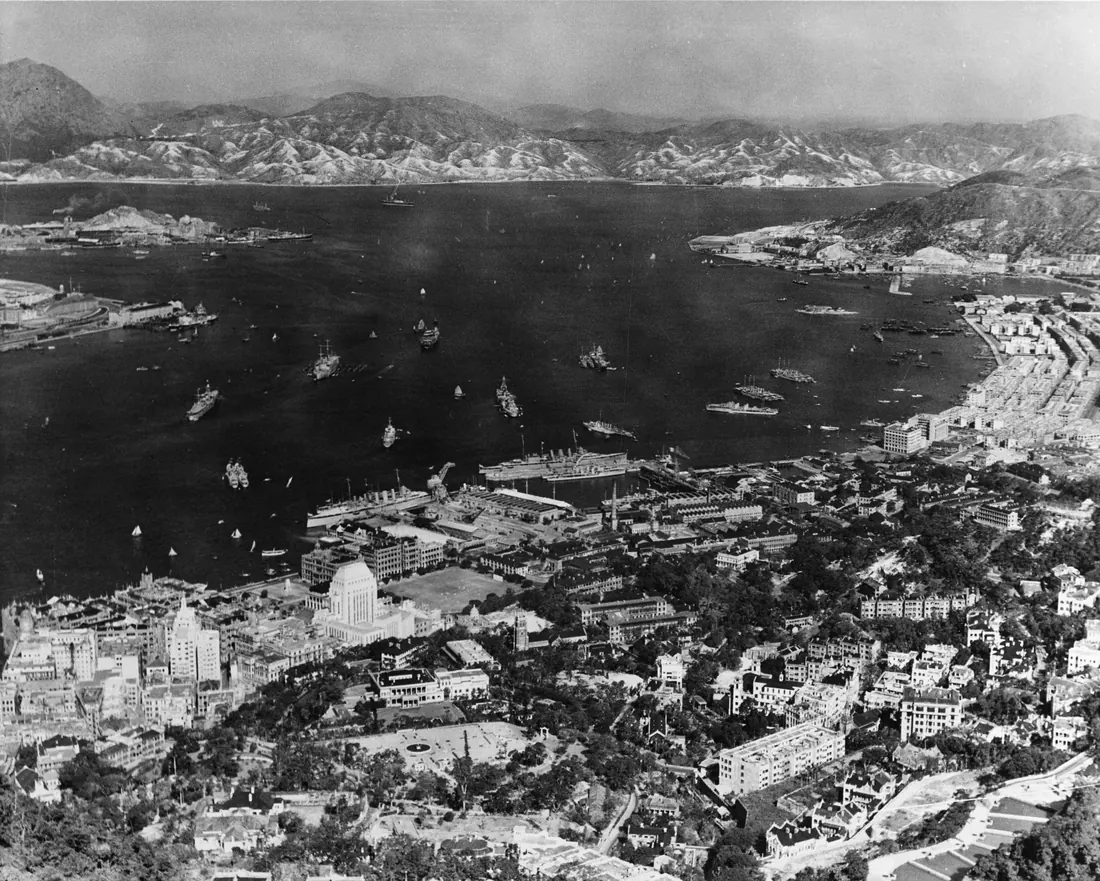
- In March 1948 a 17-year-old sailor, Ordinary Seaman George Hickinbottom, found Simon in Hong Kong. Wikipedia: “found wandering the dockyards of Hong Kong in March 1948 by 17-year-old ordinary seaman George Hickinbottom”; TIME places it on the docks of Stonecutters Island. 12
- He was sick and skinny: “very undernourished and unwell” (Wikipedia). 1
- “Hickinbottom smuggled the cat aboard ship” (Wikipedia): the Royal Navy sloop HMS Amethyst. 1
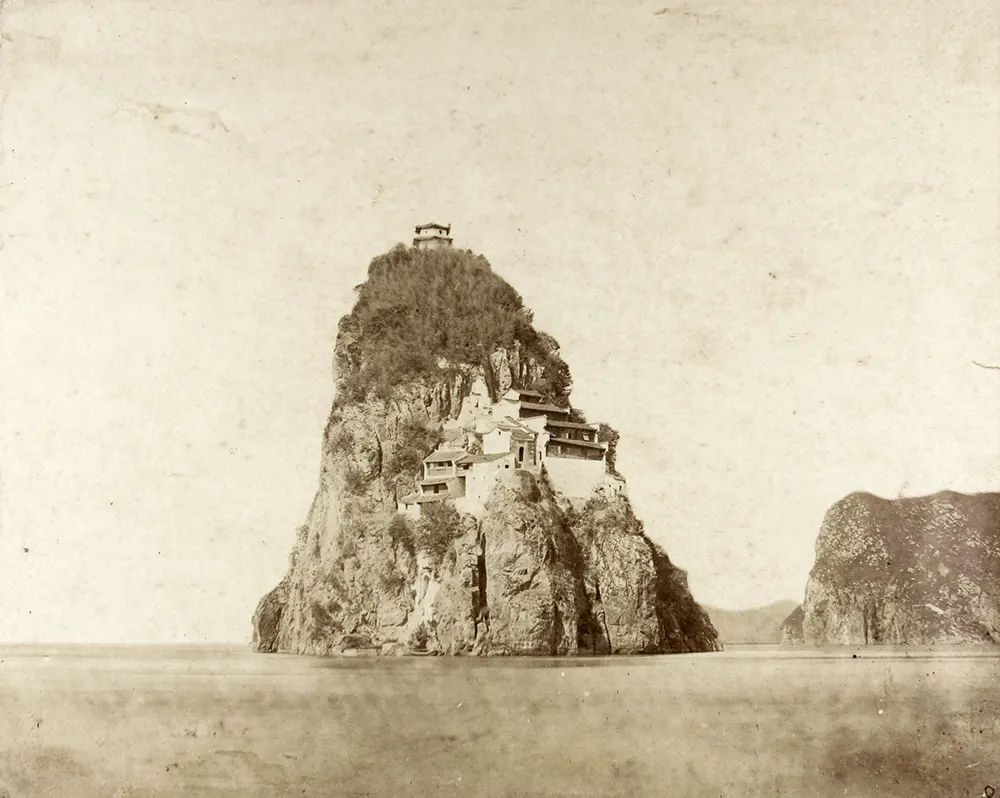
- On April 20, 1949, during the Chinese Civil War, Amethyst was sailing up the Yangtze from Shanghai to Nanjing. 3
- A Communist (People’s Liberation Army) “field gun battery on the north bank” opened fire, and “Lieutenant Commander Skinner was wounded mortally” (Wikipedia). The PDSA says the captain “died.” 34
- Simon was wounded. Wikipedia: “One of the first rounds tore through the captain’s cabin, seriously wounding Simon”; the medical staff cleaned his burns and “removed four pieces of shrapnel, but he was not expected to last the night.” The PDSA: “Despite shrapnel wounds to his legs and burns to his back and face.” TIME: four shards of shrapnel in his back and legs. 142
- The ship was trapped for 101 days, from April 20 until the escape on the night of July 30, 1949. Wikipedia: “the dwindling food supply during the 101-day siege”; the BBC: “a 101-day siege.” 35
- Rats infested the ship and threatened the food (PDSA: “The already limited food supplies were in danger of being completely destroyed”), and despite his wounds Simon hunted them. 4
- After he killed a particularly vicious rat, the crew “promoted Simon to ‘Able Seaman’” (PDSA). The BBC: he “was given the rank of Able Seaman.” 45
- He cheered up the wounded in sick bay. The PDSA: “lifting his injured shipmates’ morale.” The citation displayed with his model at HMS Collingwood says he “patrolled the sick bay, curling up with the injured seamen” and was promoted “for his cheering-up services.” TIME says the medical officer kept him in sick bay to boost morale. 462
- After the escape (July 30–31, 1949) he was awarded the PDSA Dickin Medal, announced on August 5, 1949. His gravestone reads “AWARDED DICKIN MEDAL AUGUST 1949.” 328
- He is the only cat ever awarded it. Wikipedia: “as of 2025, Simon is the only cat to win the award”; the BBC, in 2007: “Simon is the only cat among 62 animals to be awarded the Dickin Medal.” 15
- The Dickin Medal is “sometimes referred to as ‘the animals’ Victoria Cross’” (Wikipedia); the BBC calls it “the charity’s animal equivalent of the Victoria Cross.” 35
- In England he had to go into quarantine: he was “subject to quarantine regulations, and was immediately sent to an animal centre in Surrey” (Wikipedia). 1
- Weakened by his wounds, he died on November 28, 1949: “from a complication of the viral infection caused by his war wounds” (Wikipedia). TIME: “his war wounds had seriously weakened Simon’s heart.” 12
- He died two weeks before the ceremony. TIME: “the formal Dickin Medal presentation was set for December 11,” with Maria Dickin and the Lord Mayor of London due to attend. He died 13 days before. 2
- His gravestone reads “THROUGHOUT THE YANGTSE INCIDENT / HIS BEHAVIOUR WAS OF THE HIGHEST ORDER,” which is also the wording of his Dickin Medal citation: “Throughout the incident his behaviour was of the highest order.” 148
- He was “buried with full military honours at the PDSA Animal Cemetery in Ilford, Essex” (BBC). 57
Sources
- Simon (cat) Wikipedia
- The Surprising Story of the Only Cat Ever to Win the Highest Honor for Animal Military Gallantry TIME (Robin Hutton, 2018)
- Amethyst incident Wikipedia
- PDSA Dickin Medal for Simon the cat PDSA
- Wartime hero cat Simon remembered BBC News (November 1, 2007)
- Able Seaman Simon, Ship’s Cat IWM War Memorials Register (Imperial War Museums)
- The tiny tuxedo cat who became a naval hero Popular Science
- Simon’s gravestone at the PDSA Animal Cemetery, Ilford (photo by Mike McBey, 2018) Wikimedia Commons
Notes
Able Seaman, not “Able Seacat”: the nickname is popular (Wikimedia Commons file names, MaritimeQuest, Wikipedia’s infobox), but the PDSA’s own page, the BBC and the HMS Collingwood citation all say Able Seaman, so we do too.
Did he receive the medal? TIME says the formal presentation set for December 11, 1949, never took place because he died on November 28; the BBC and Popular Science say the medal was awarded posthumously. The award itself was announced in August 1949, while he was alive (his gravestone, TIME). We say he died before the ceremony.
The captain and Simon: the PDSA page reads as if one shell killed the captain and wounded Simon, but Wikipedia says Lieutenant Commander Skinner was hit on the bridge and Simon in the captain’s cabin. We keep them as two facts.
The funeral: Wikipedia says “hundreds, including the entire crew” attended, citing only a 2004 children’s page in The Hindu. We leave it out and say only that he was buried with full military honors (BBC).
Dates: sources differ on when Amethyst reached Plymouth (November 1, 2 or 11, 1949) and on how long he lived afterward (the BBC says “three weeks later”), so we give neither. He died on November 28, 1949, in Wikipedia, TIME, Popular Science and on his gravestone; the HMS Collingwood display reads “7-12-1949.”
The 101 days run from the shelling on April 20 to the escape on July 30, 1949 (Wikipedia, the BBC). The PDSA says “almost 10 weeks” for the time the ship was stranded mid-river under guard.
Left out for length: the rat he killed was nicknamed after Mao Tse-tung (PDSA).
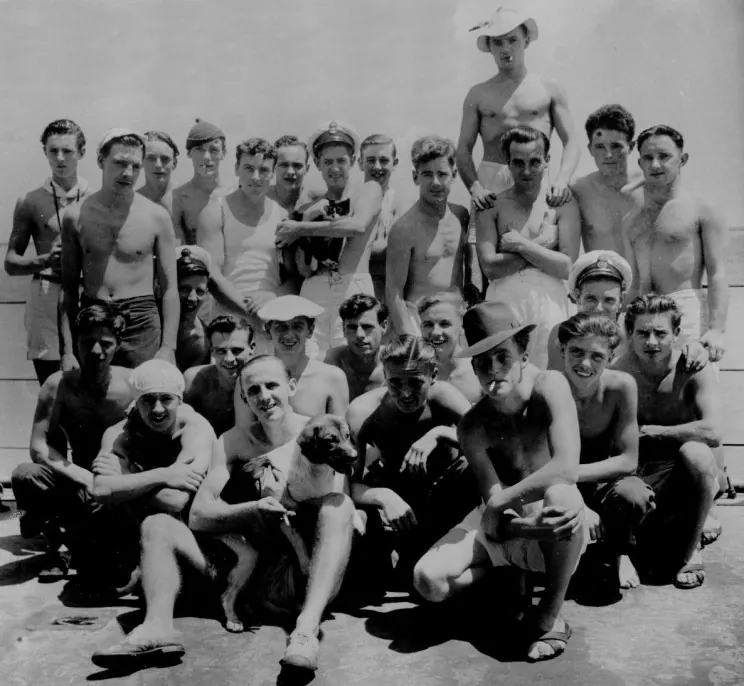
Simon appears only in the crew photo, taken on Rose Island on July 17, 1949, during the siege: he is held by a sailor in the back row, with Peggy the ship’s dog in front. It is a small original. The other pictures show the places and things of his story, not the events: Hong Kong harbor in 1936, Amethyst during World War II and docked at Hong Kong after the escape (August 10, 1949, with a shell hole in her stern), a Yangtze landmark photographed about 1890, the sick bay of another Royal Navy ship (HMS Mourne), a modern black rat, and a Dickin Medal that is not his own. His grave was photographed in 2018.
Photo credits
The archive photos in this story
The photographs and illustrations in this story are in the public domain or shared under open licenses; each one is credited below with its license. Tap one to enlarge it, or follow the link to its Wikimedia Commons page for the full record. The narration, music, captions and graphics in the Short are our own.