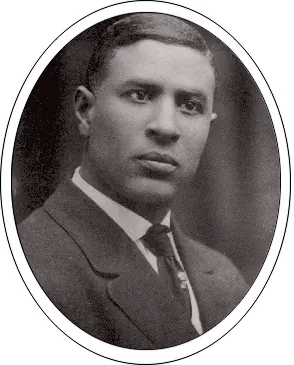
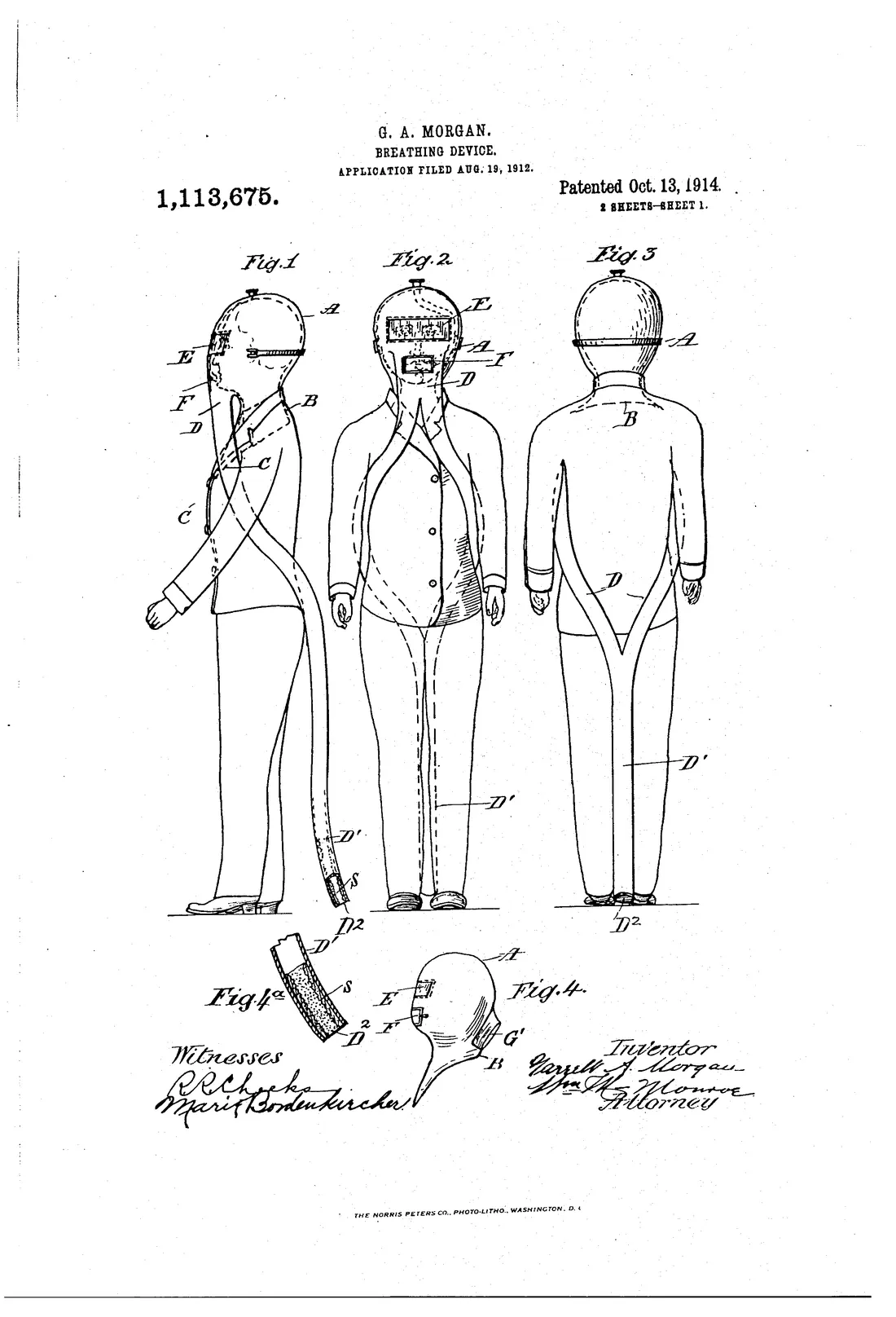
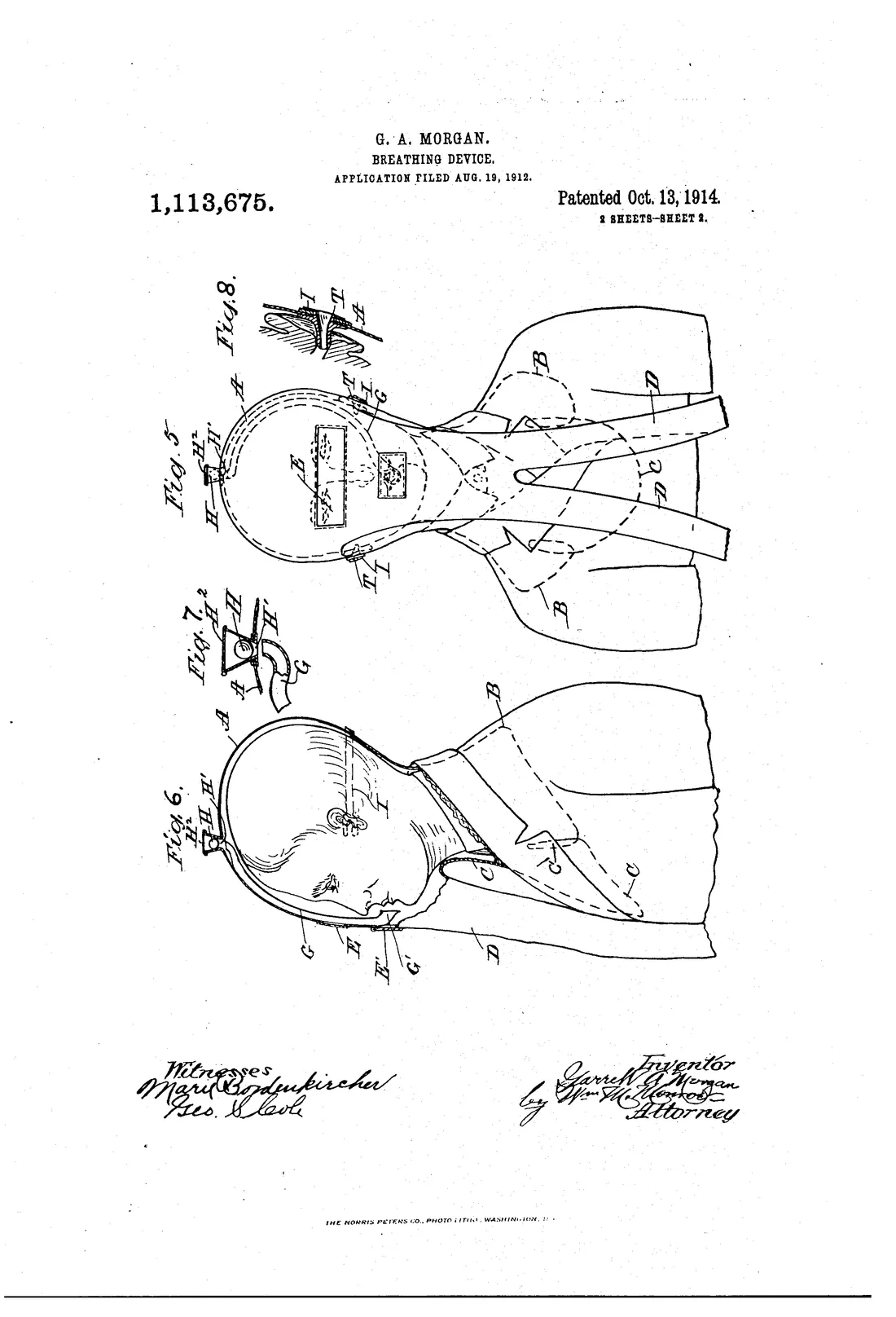
Garrett Morgan, a Black inventor in Cleveland, had only a sixth-grade education. He invented a hood for breathing in smoke, meant for firefighters, and patented it in 1914. But many white fire chiefs refused to buy products from a Black inventor. So, as Biography.com tells it, “Morgan hired a white actor to pose as ‘the inventor’ during presentations of his breathing device. Morgan then posed as the inventor’s sidekick, disguised as a Native American man named Big Chief Mason.”
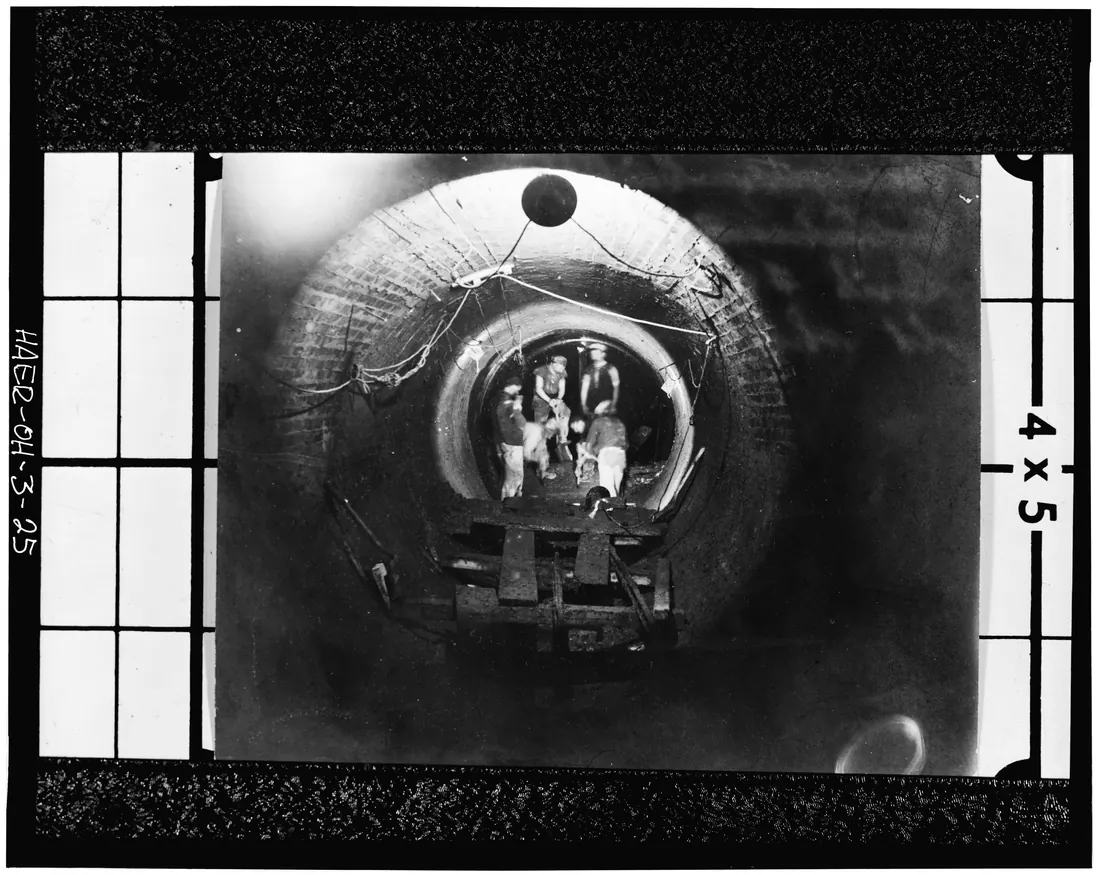
On the night of July 24, 1916, at about 9:30 p.m., methane exploded in a water tunnel being dug under Lake Erie. Rescuers went in after the workers and collapsed in the gas. The police sent for Morgan. He arrived barefoot, with his brother Frank and several of his smoke hoods, and they went into the gas. Their party brought out two men alive and four bodies.
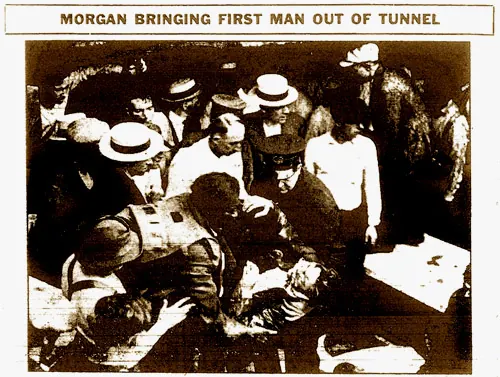
Afterward, according to Biography.com, “the Cleveland daily newspapers made little to no mention of Morgan in their reports—despite his appearance in a front-page photograph.” The Carnegie Hero Fund turned him down too. On January 24, 1917, its manager, F.M. Wilmot, wrote: “While the act by Mr. Morgan is commendable, from the facts at hand it does not appear that it was attended by any extraordinary risk to his own life.” Morgan, and many later writers, blamed race; the Fund says “there is simply no evidence to support the claim,” and that his own hood lowered his risk.
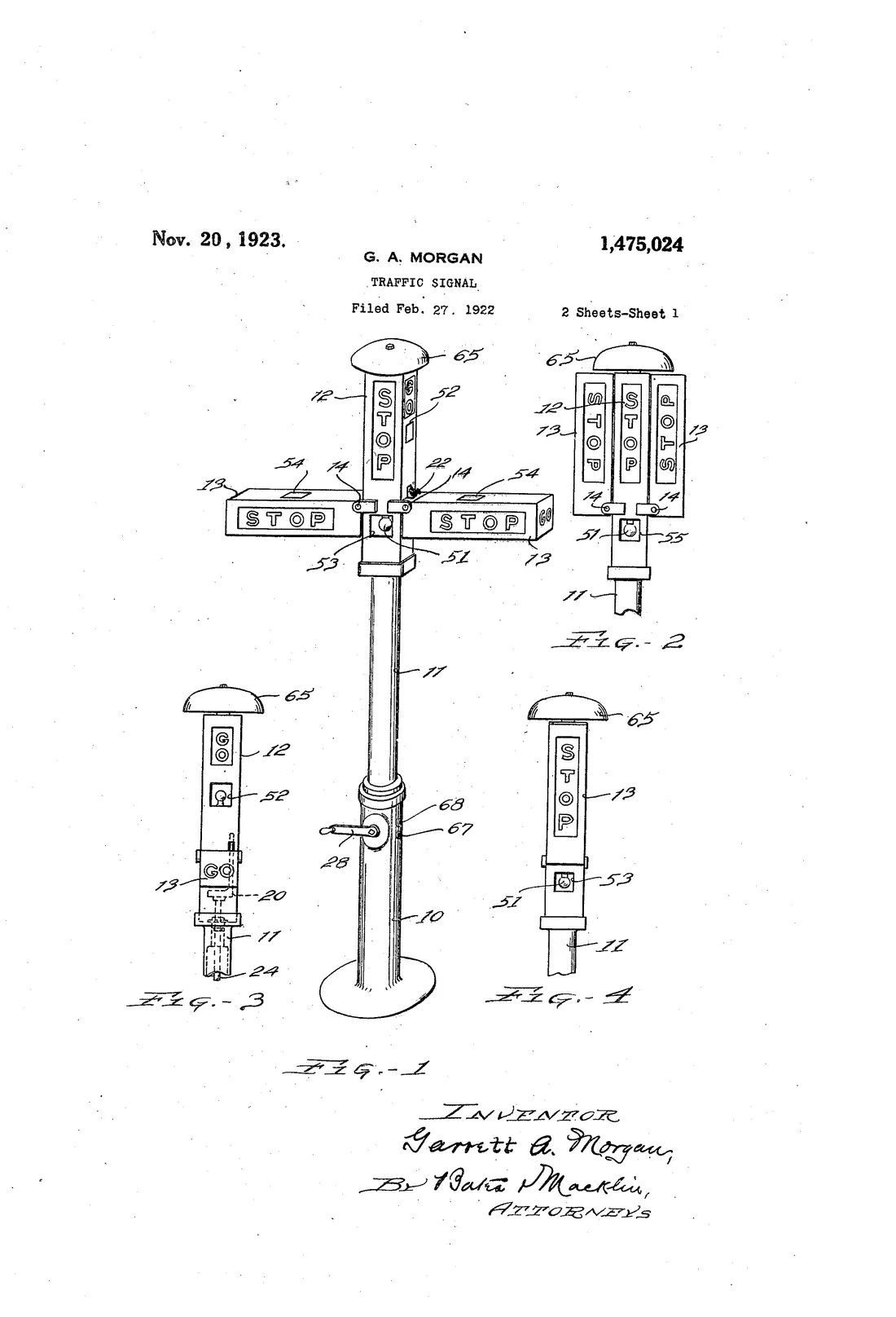
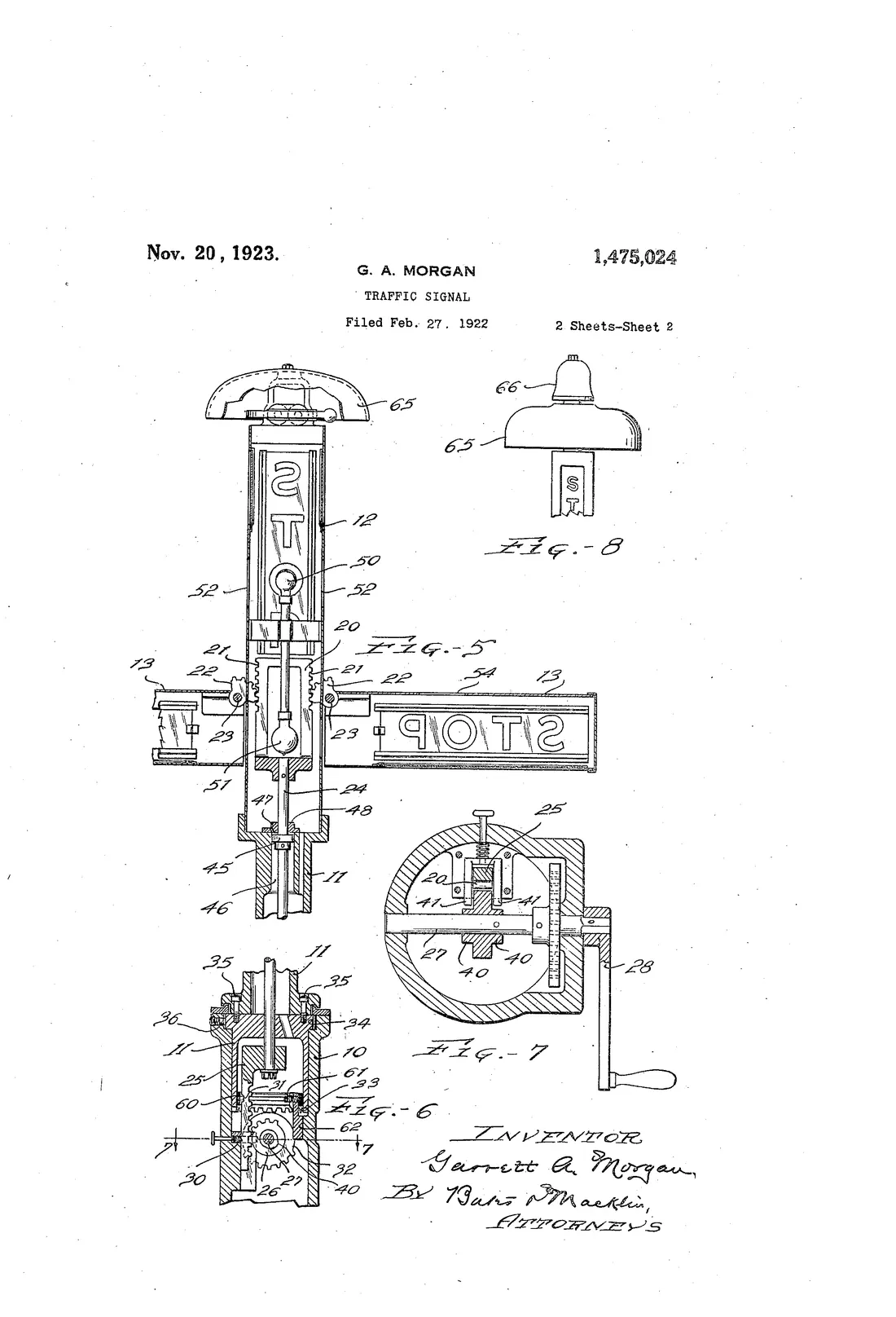
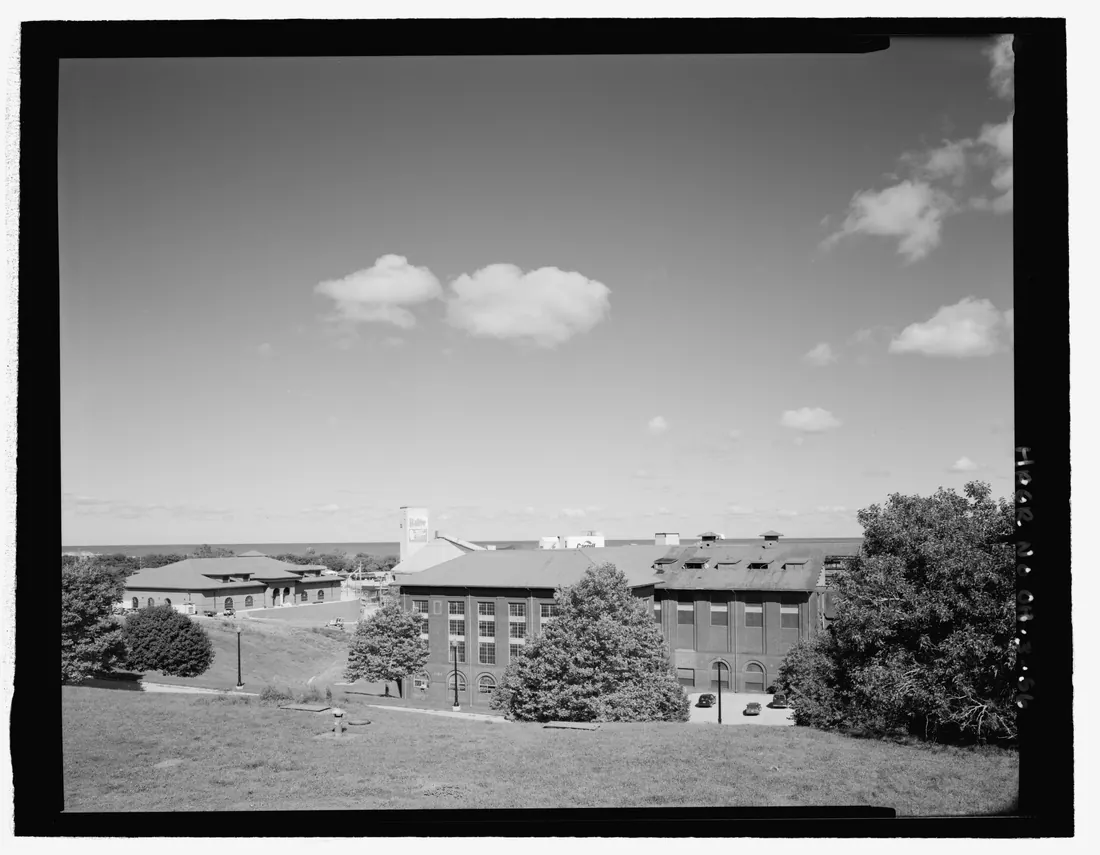
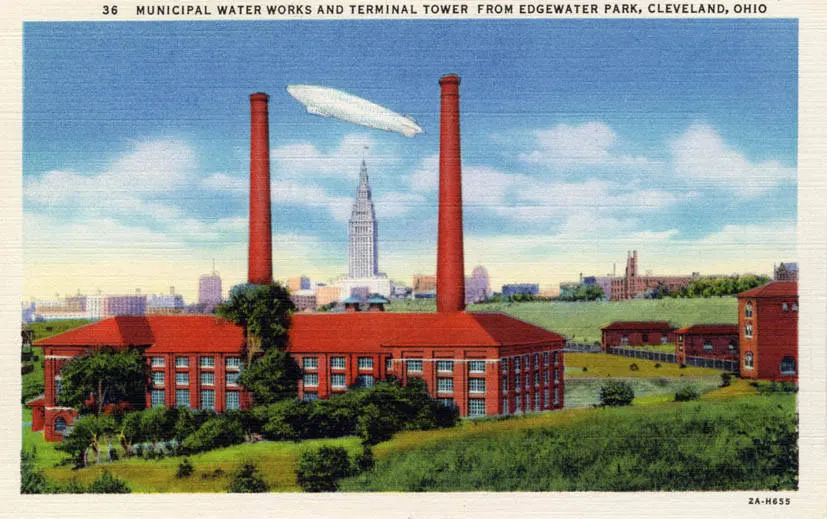
In 1923 he patented a traffic signal that could stop every direction at once; in the patent’s words, it stops traffic “in all directions before the signal to proceed in any one direction is given.” He sold it to General Electric for $40,000. And in 1991 Cleveland renamed the water plant that the 1916 tunnel was built to feed: the Division Avenue Filtration Plant became the Garrett A. Morgan Water Treatment Plant.
Fact check
The facts and where they come from
- He saved men from a gas-filled tunnel, but his city praised other men. PBS: “Cleveland’s newspapers and city officials wrote Morgan—who had ventured into the tunnel first—out of the story, lauding other men and ignoring Morgan’s heroism.” 12
- He had a sixth-grade education. PBS: “Though Morgan only had a sixth-grade education”; the Encyclopedia of Cleveland History says he “received 6 years of education.” 134
- He invented a hood for breathing in smoke, meant for firefighters; filed in 1912, it was patented in 1914 (US patents 1,090,936 of March 24, 1914, and 1,113,675, “Breathing device,” of October 13, 1914). 536
- Many fire chiefs wouldn’t buy it from a Black man. The National Inventors Hall of Fame writes of “white fire chiefs who refused to buy products from a Black inventor.” 5
- A white actor played the inventor, and Morgan played a Native American sidekick, Big Chief Mason: “Morgan hired a white actor to pose as ‘the inventor’ during presentations of his breathing device. Morgan then posed as the inventor’s sidekick, disguised as a Native American man named Big Chief Mason” (Biography.com, citing Lisa D. Cook in Business History Review, 2012). PBS says he “hired an actor friend to pose as an inventor while he dressed up as an Indian chief”; the National Inventors Hall of Fame says he “hired white actors to promote the product”; the Engines of Our Ingenuity cites a 1914 New Orleans paper that reported “an Indian assistant, Big Chief Mason.” 71589
- On the night of July 24, 1916, at about 9:30 p.m., methane exploded in a tunnel being dug under Lake Erie. 102
- Rescuers went in and collapsed in the gas. There were two rescue parties, and the Encyclopedia of Cleveland History counts “11 men and 10 would-be rescuers who were overcome by gas.” 102
- Police sent for Morgan: he came “at the request of the Cleveland police” (Encyclopedia of Cleveland History), “summoned to the scene by a police officer” (Carnegie Hero Fund). 210
- He came barefoot, with his brother Frank and his hoods: “With several of his smoke hoods in tow, Morgan, who was barefoot, and his brother, Frank Morgan, arrived at the scene” (Carnegie Hero Fund). Biography.com: “Barefoot and in his pajama bottoms.” 109
- They went into the gas and brought out two men alive and four bodies: “they rescued 2 men and recovered 4 bodies” (Encyclopedia of Cleveland History); “They saved two lives and recovered four bodies” (The Engines of Our Ingenuity). 289
- The city’s papers barely mentioned him: “the Cleveland daily newspapers made little to no mention of Morgan in their reports—despite his appearance in a front-page photograph” (Biography.com, drawing on William M. King in the Journal of Negro History, 1985). 91
- The Carnegie Hero Fund said he hadn’t risked his life enough. Its manager, F.M. Wilmot, wrote on January 24, 1917: “While the act by Mr. Morgan is commendable, from the facts at hand it does not appear that it was attended by any extraordinary risk to his own life.” 109
- In 1923 he patented a traffic signal that could stop every direction at once (US patent 1,475,024, November 20, 1923). The patent says it stops traffic “in all directions before the signal to proceed in any one direction is given.” 5411
- General Electric bought it for $40,000: he “sold his traffic light to General Electric Co. for $40,000 in 1923” (Encyclopedia of Cleveland History). 3518
- The water plant that tunnel was built to feed is named after him. Cleveland Water: in 1916 the intake tunnel was extended “to feed the Division Avenue Filtration Plant,” and in 1991 “The Division Avenue Filtration Plant is rededicated and renamed in honor of Garrett A. Morgan”; it was “renamed the Garrett A. Morgan Water Treatment Plant in 1991.” 121310
Sources
- Who Made America? Innovators: Garrett Augustus Morgan PBS, “They Made America”
- Waterworks Tunnel Disasters Encyclopedia of Cleveland History (Case Western Reserve University)
- Morgan, Garrett A. Encyclopedia of Cleveland History (Case Western Reserve University)
- Garrett Morgan Wikipedia
- Garrett Morgan National Inventors Hall of Fame
- US patent 1,113,675, “Breathing device” (1914), drawings, sheet 1 Wikimedia Commons
- Garrett Morgan: Biography, Inventor, Entrepreneur Biography.com
- Garrett Morgan (episode 1624) The Engines of Our Ingenuity (University of Houston)
- Garrett Morgan and His Invention Saved Lives in Cleveland Biography.com
- Behind the Scenes: Shedding Light on the complicated case of Black Inventor Garrett Morgan Carnegie Hero Fund Commission
- US patent 1,475,024, traffic signal (1923), drawings, sheet 1 Wikimedia Commons
- History Cleveland Water
- Garrett Morgan Water Treatment Plant Cleveland Water
Notes
Why the Carnegie Hero Fund turned him down: Morgan and many later writers blamed race. The Fund says “there is simply no evidence to support the claim,” that 18 of the 22 nominees were turned down, and that his own hood lowered his risk. We give both sides.
“The mayor left him off the list of heroes” appears on Wikipedia, sourced to PBS and a 2008 reference book; we don’t use it. “His city praised other men” is PBS’s own wording.
The disguise is told by PBS, Biography.com (from Lisa D. Cook’s 2012 Business History Review article), the National Inventors Hall of Fame and the Engines of Our Ingenuity, which cites a 1914 New Orleans paper. The details differ (an “actor friend” in PBS, “white actors” in the Hall of Fame’s account, 20 or 25 minutes in the smoke tent), so we keep to the core they share and give no minutes.
Death toll: 21 in all by the Encyclopedia of Cleveland History’s count (11 workers and 10 rescuers); the Carnegie Hero Fund counts 20, plus a digger who drowned later; the National Inventors Hall of Fame says 18 workers. We use no number.
How many he saved: two alive and four bodies (Encyclopedia of Cleveland History, Engines of Our Ingenuity, Biography.com). Wikipedia says others “rescued several more” after his team; Morgan’s diary claim of “nine lives” is about his whole life and isn’t used.
The explosion was on the night of July 24, 1916; Morgan’s rescue was in the early hours of July 25, the date the Encyclopedia of Cleveland History gives.
Buyer: Biography.com’s tunnel article says he sold the signal to “General Motors”; every other source (the Encyclopedia of Cleveland History, the National Inventors Hall of Fame, PBS, the Engines of Our Ingenuity, Wikipedia) says General Electric.
We don’t call it the first traffic light: his was an improved, hand-cranked three-position signal, and earlier signals existed.
Left out for length: his sales fell after the rescue, when buyers learned he was Black (Wikipedia, the Engines of Our Ingenuity, his granddaughter in Biography.com).
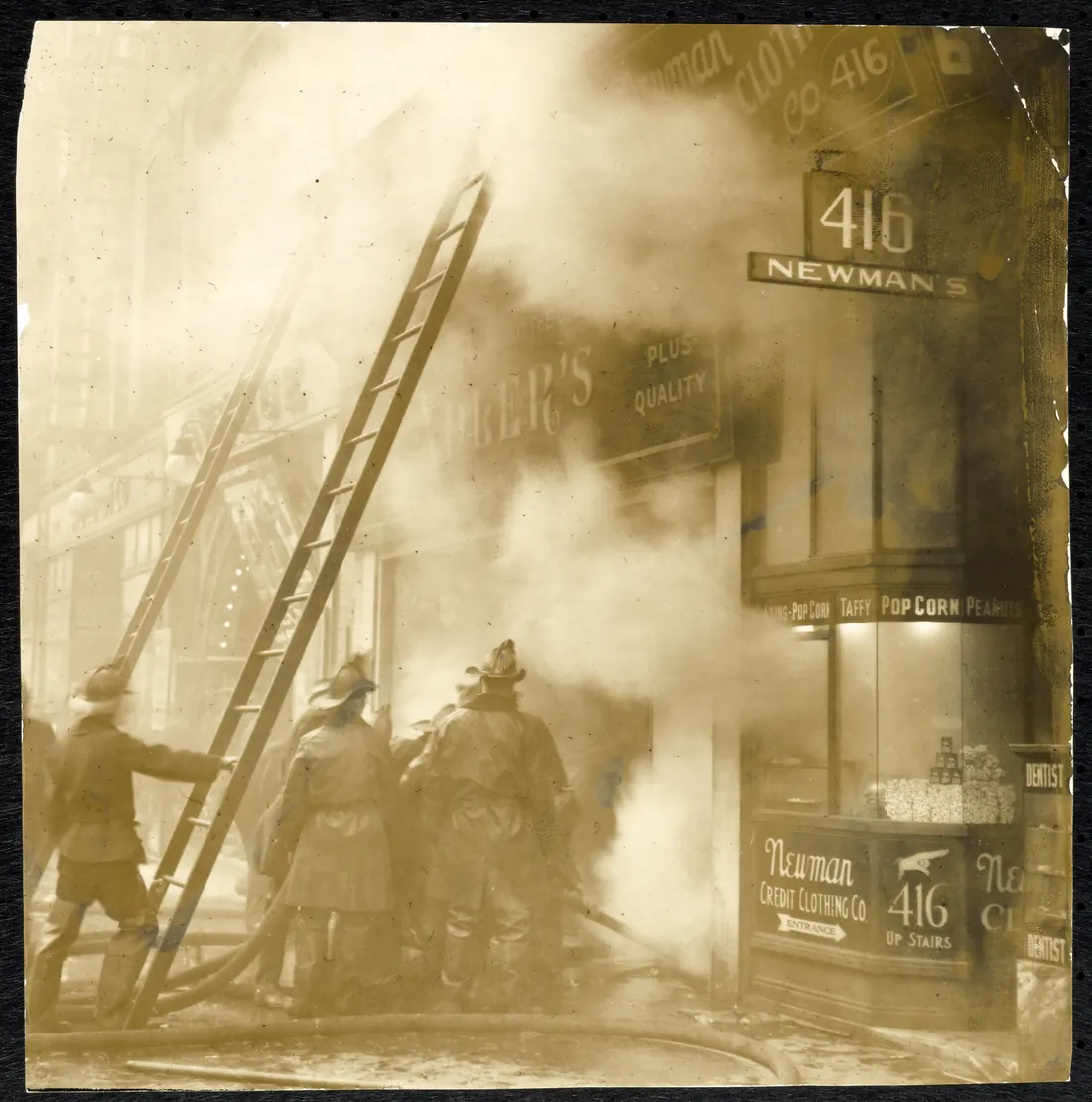
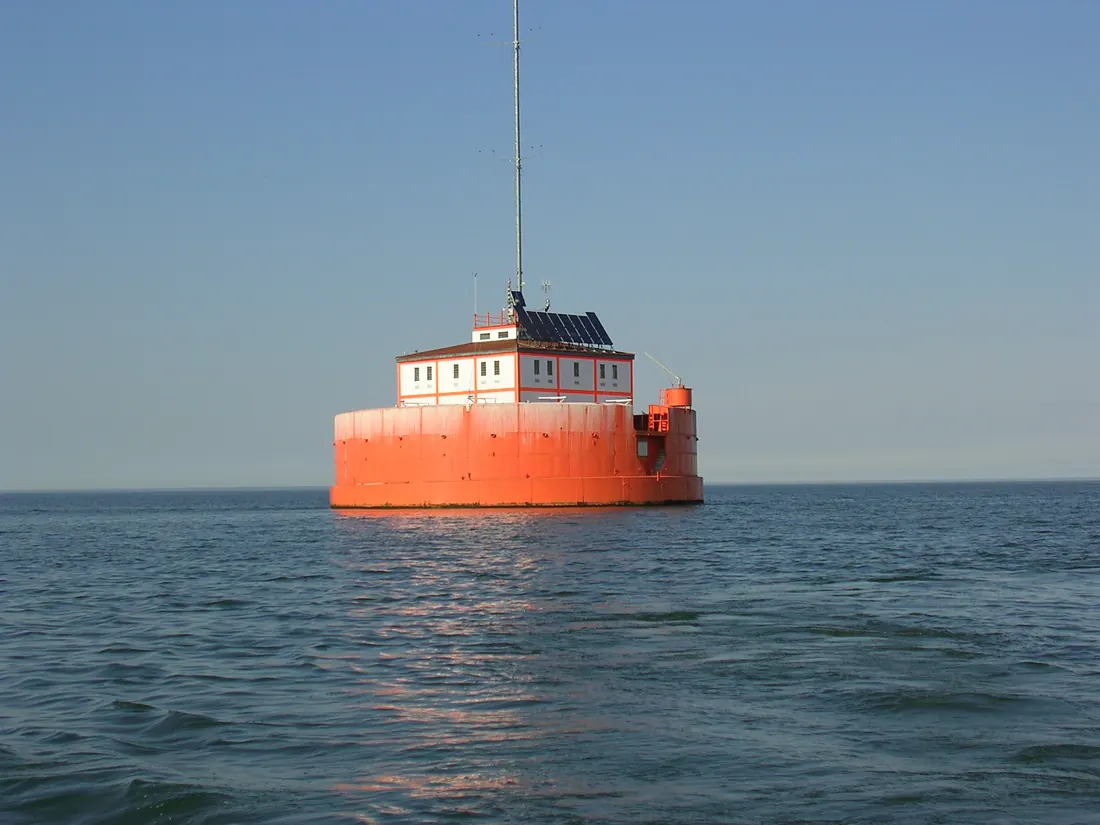
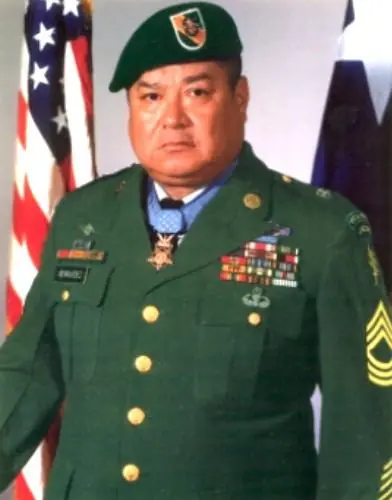
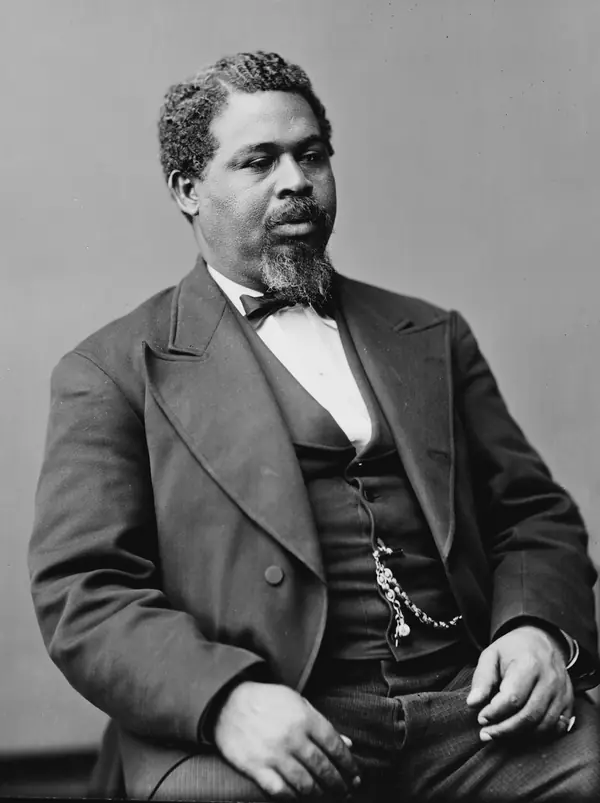
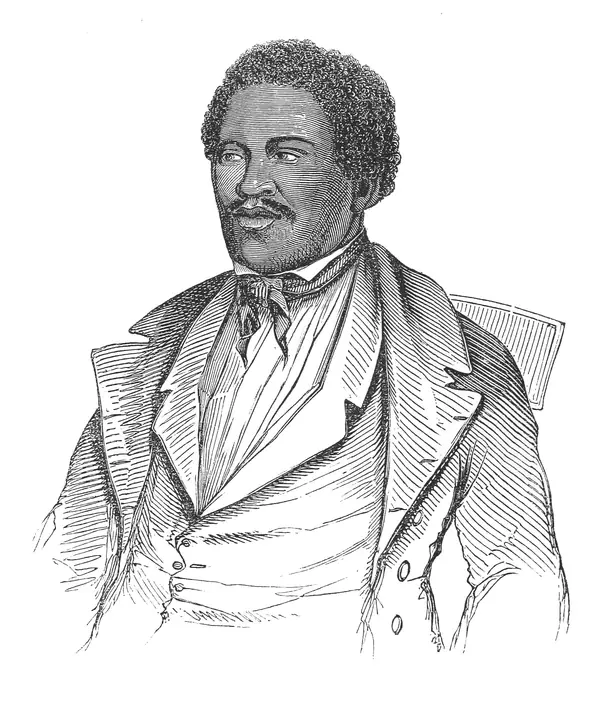
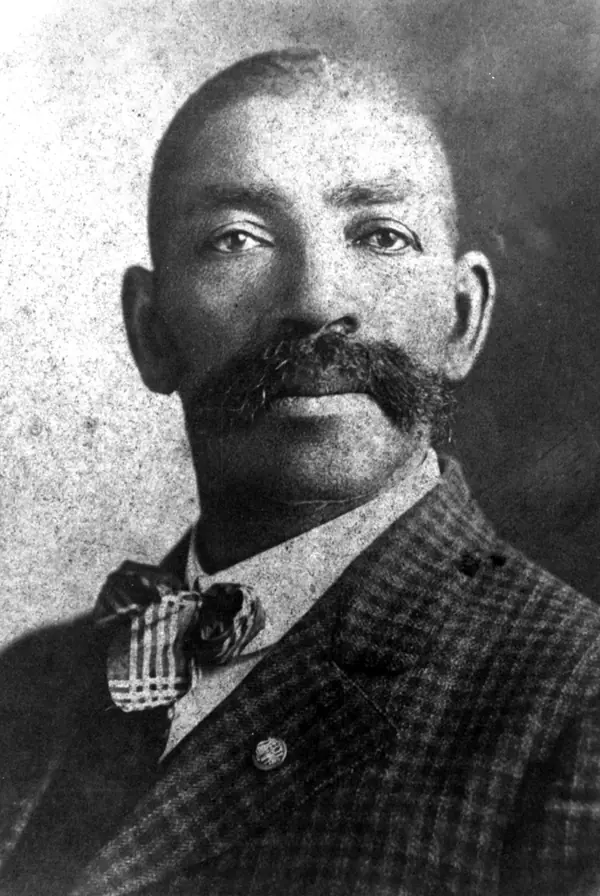
The tunnel photo is an earlier Cleveland water tunnel under the lake, the crib is a 2006 photo of one of Cleveland’s lake cribs, and the 1915 firemen are at a Cleveland fire, not a Morgan demonstration. No photo of the Big Chief Mason disguise is known. Wikimedia Commons dates the newspaper photo of Morgan bringing a man out of the tunnel to 1917, but the rescue was in July 1916, and the Carnegie Hero Fund says the photo of Morgan reaching the crib first ran in the Cleveland News on July 25, 1916. The portrait of Morgan is a small original.
Photo credits
The archive photos in this story
All the photographs and illustrations in this story are in the public domain. Tap one to enlarge it, or follow the link to its Wikimedia Commons page for the full record. The narration, music, captions and graphics in the Short are our own.