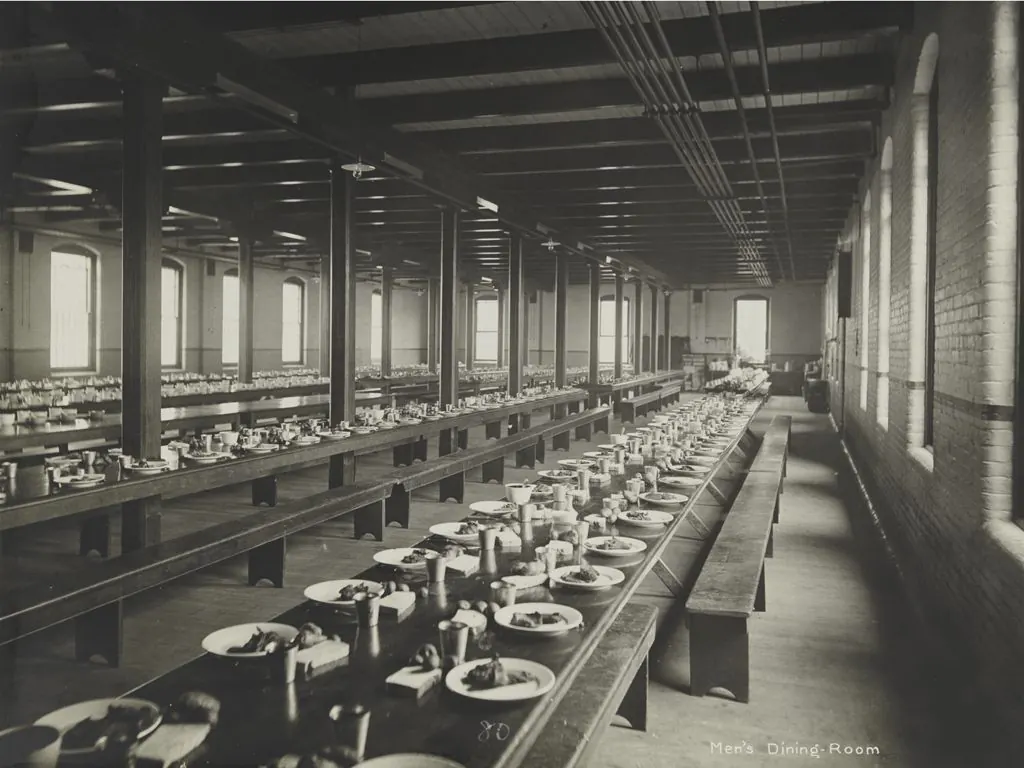
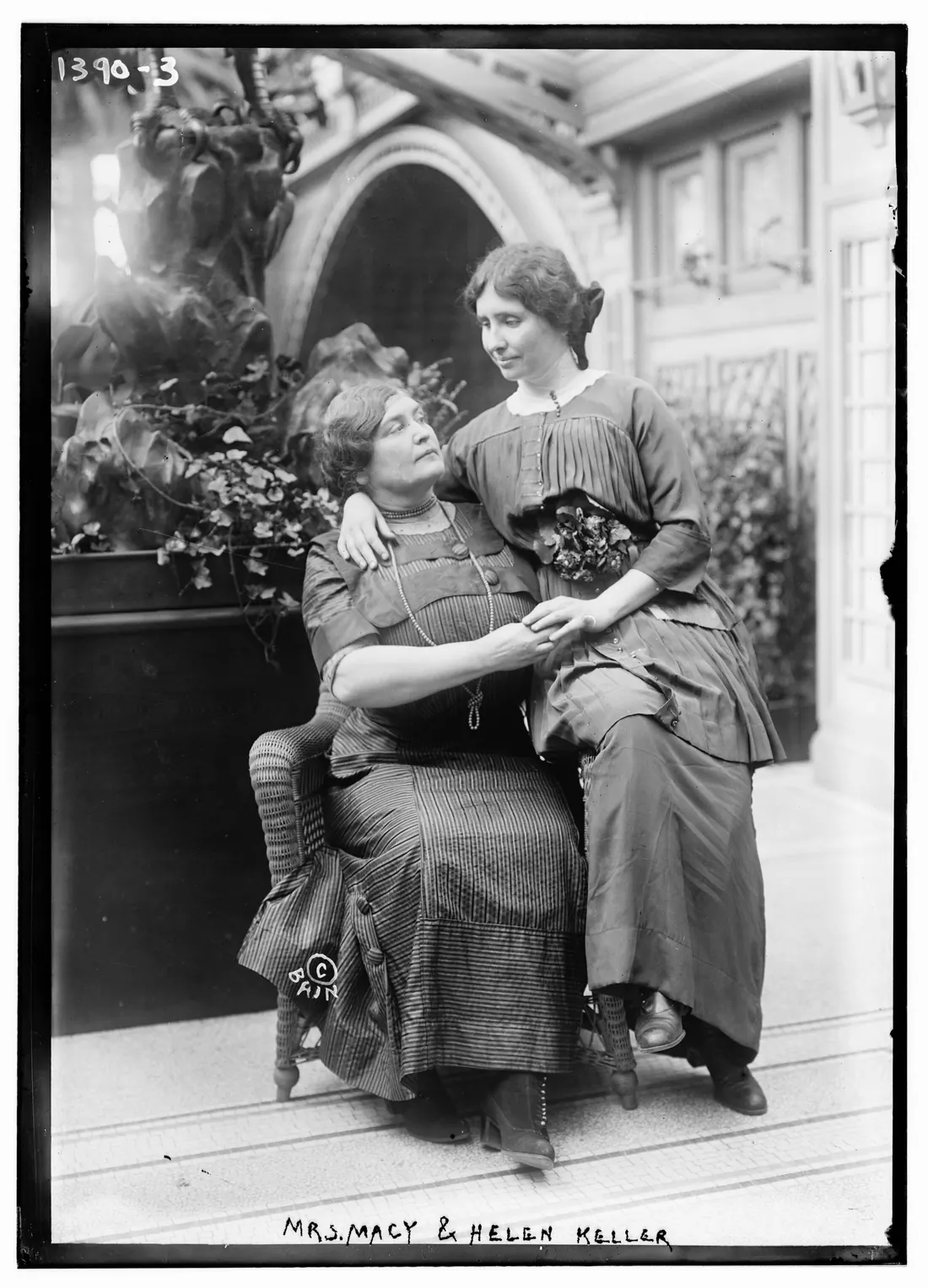
Helen Keller lost her sight and hearing after an illness in February 1882, when she was 19 months old. In March 1887 a new teacher arrived at her home in Tuscumbia, Alabama: Anne Sullivan, “a 20-year-old graduate of the Perkins School for the Blind.” Anne was partly blind herself. As a girl she had trachoma and almost no usable sight until an operation at 15. On February 22, 1876, she had been sent to the Tewksbury Almshouse, a poorhouse, with her little brother Jimmie, who died there three months later.
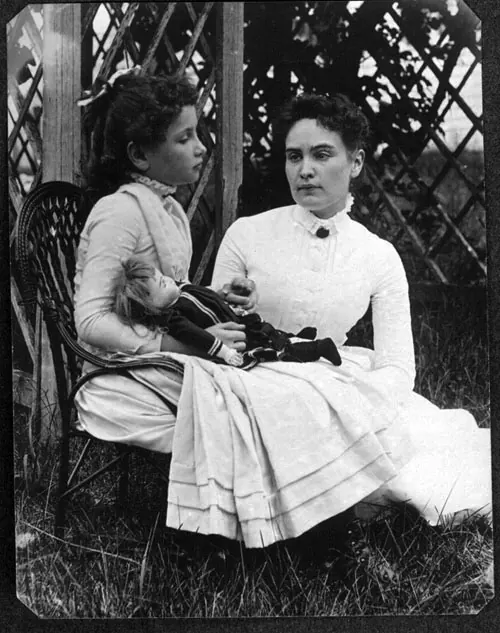
Anne spelled words into Helen’s hand: “d-o-l-l” first, then “m-u-g” and “w-a-t-e-r.” For weeks Helen copied the finger shapes without understanding, “simply making my fingers go in monkey-like imitation.” As she later wrote, “my teacher had been with me several weeks before I understood that everything has a name.” In a rage, Helen smashed her new doll on the floor.
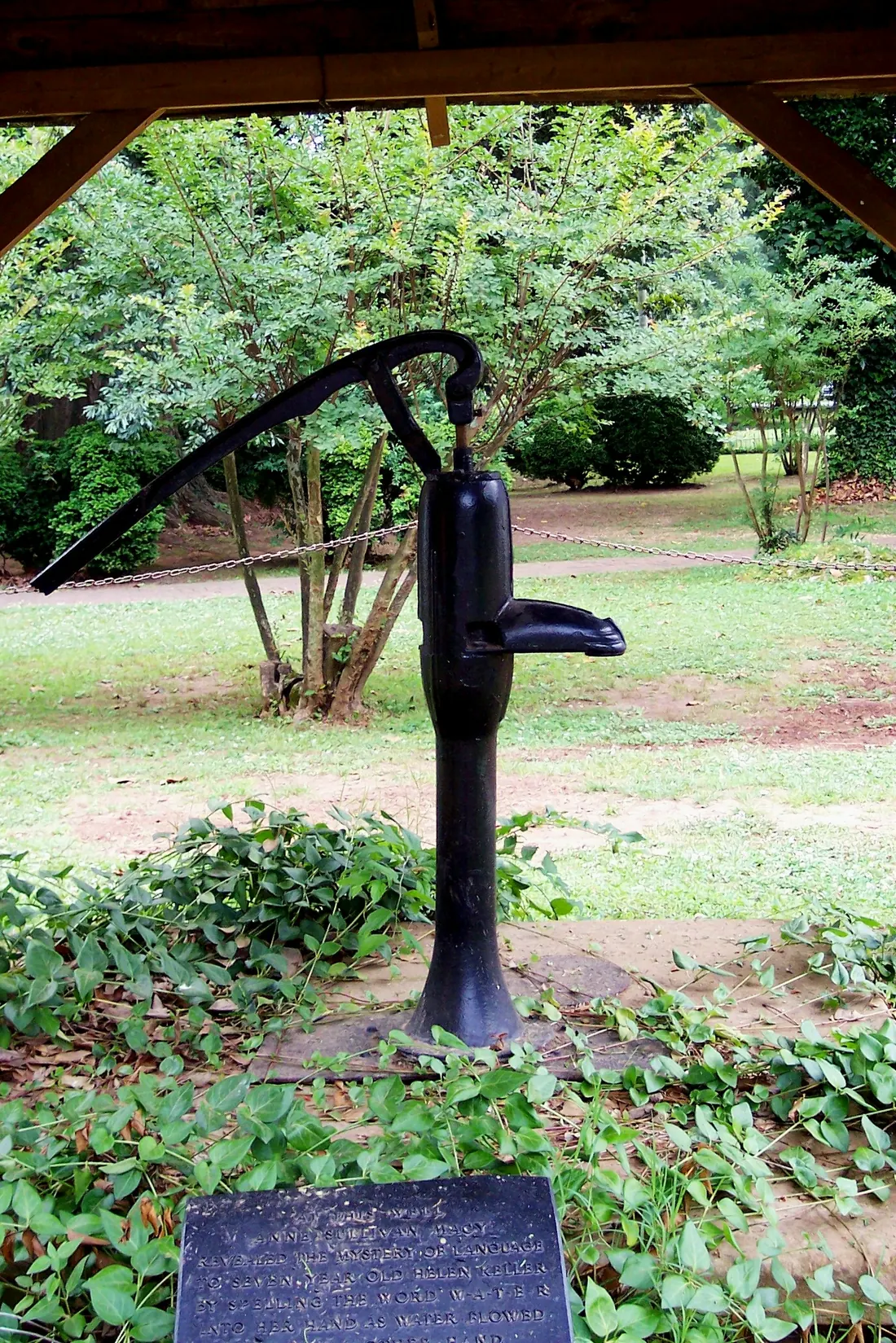
On April 5, 1887, Anne took her to the water pump. Water ran over one of Helen’s hands while Anne spelled “water” into the other. “I stood still, my whole attention fixed upon the motions of her fingers,” Helen wrote. In Anne’s words, “She dropped the mug and stood as one transfixed.” Helen later wrote, “That living word awakened my soul, gave it light, hope, joy, set it free!” Then she asked for her teacher’s name, and Anne spelled “Teacher.”
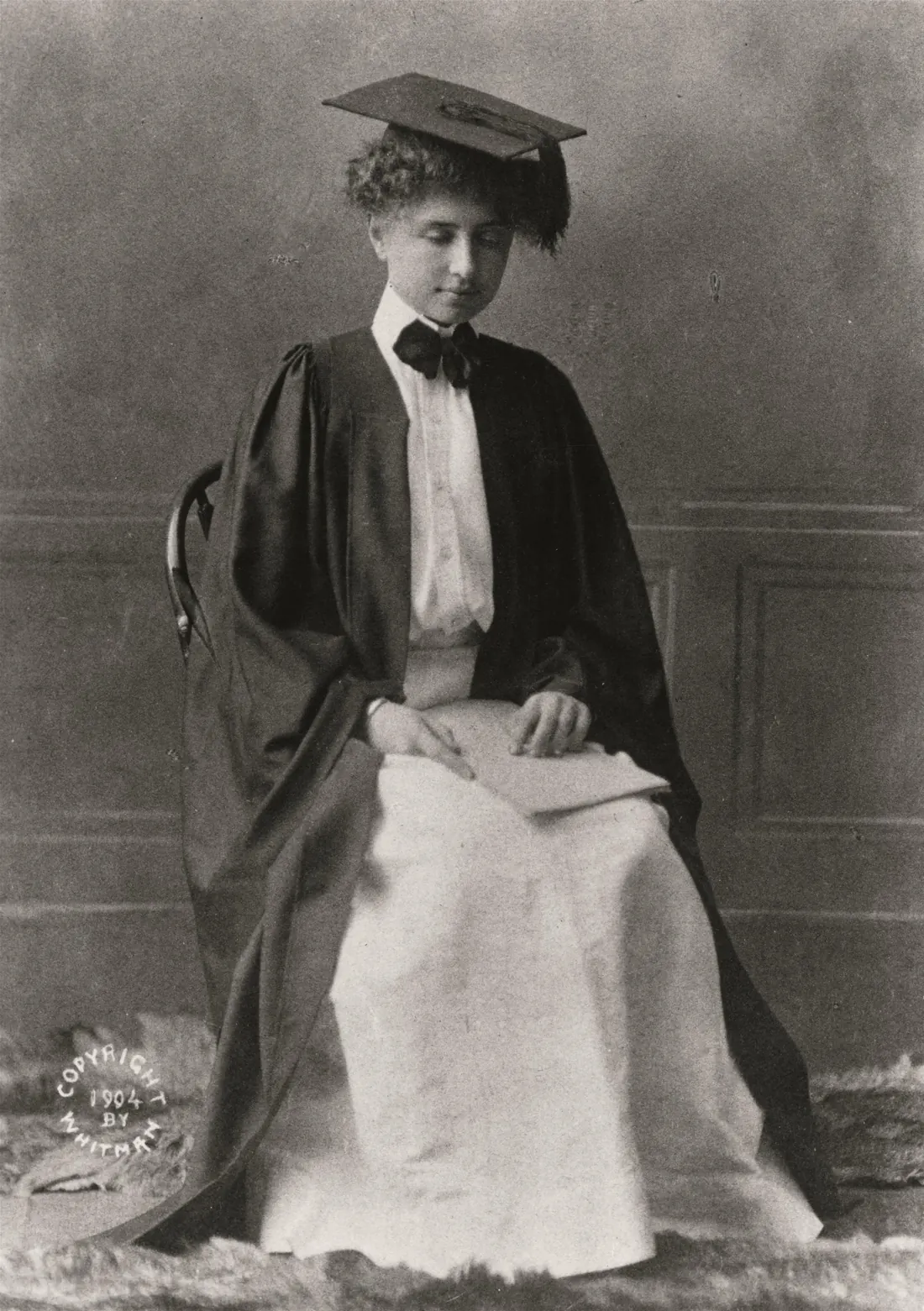
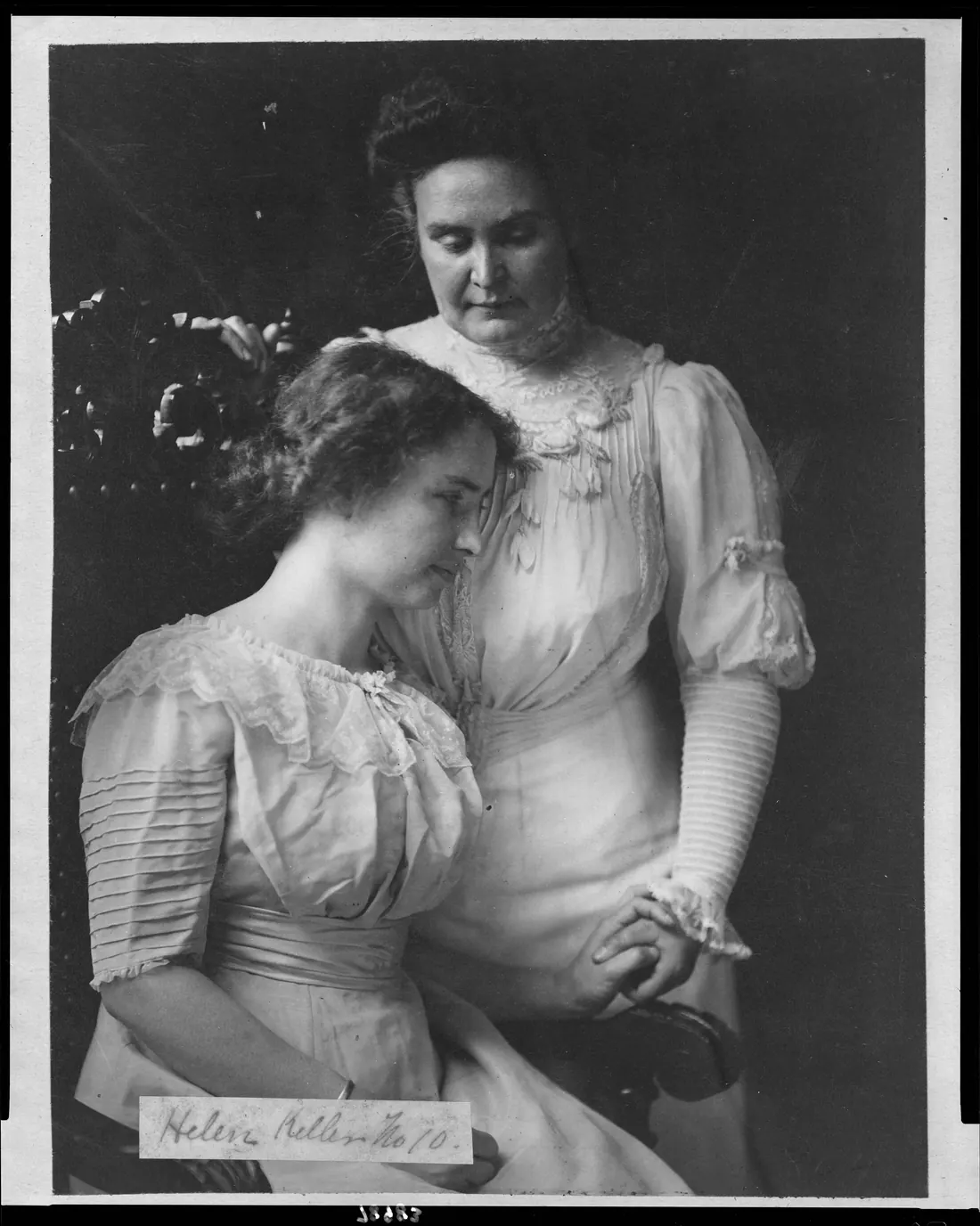
On June 28, 1904, Helen graduated cum laude from Radcliffe, the first deafblind person to earn a Bachelor of Arts degree. Anne stayed with her for 49 years. By 1935 Anne was completely blind, and when she died on October 20, 1936, Helen was holding her hand. Helen died on June 1, 1968, and her ashes were placed next to Anne’s at Washington National Cathedral.
Fact check
The facts and where they come from
- Anne Sullivan was partly blind herself: she “too suffered from serious vision problems”; trachoma left her “partially blind”; she was “seriously visually impaired for almost all of her life.” 26
- Helen Keller lost her sight and hearing after an illness at 19 months old, in February 1882. There is no definitive diagnosis. 53
- Anne Sullivan arrived in Tuscumbia in March 1887: on March 3, according to the American Foundation for the Blind and Keller’s own book (“It was the third of March, 1887”), or March 5, according to Wikipedia’s Keller article. 315
- Anne was 20, “a 20-year-old graduate of the Perkins School for the Blind.” She was born on April 14, 1866. 26
- As a girl Anne had trachoma, with “almost no usable sight until she had an operation at the age of 15,” and she was “visually impaired for the rest of her life.” 4
- On February 22, 1876, Anne was sent to a poorhouse, the Tewksbury Almshouse, with her little brother Jimmie, who died there three months later. 46
- Anne spelled words into Helen’s hand: “d-o-l-l” first, then “m-u-g” and “w-a-t-e-r.” 15
- For weeks Helen copied the finger shapes without understanding: “simply making my fingers go in monkey-like imitation”; “my teacher had been with me several weeks before I understood that everything has a name.” 1
- In a rage she smashed her new doll: “seizing the new doll, I dashed it upon the floor.” 1
- Anne took her to the water pump; water ran over one hand while Anne spelled “water” into the other. Keller’s book calls the place the well-house; Anne’s letter of April 5, 1887, calls it the pump-house. 123
- Helen froze. She wrote, “I stood still, my whole attention fixed upon the motions of her fingers”; Anne wrote, “She dropped the mug and stood as one transfixed.” 1
- Keller’s own words in The Story of My Life (1903): “That living word awakened my soul, gave it light, hope, joy, set it free!” 1
- She then asked her teacher’s name. Anne’s letter of April 5, 1887: “suddenly turning round she asked for my name. I spelled ‘Teacher.’” 1
- Helen graduated cum laude from Radcliffe on June 28, 1904, the first deafblind person to earn a Bachelor of Arts degree. 53
- Anne stayed with her for 49 years, from 1887 to 1936 (“the beginning of a 49-year relationship”). 6
- In the end Anne went fully blind: “by 1935, she became completely blind.” 6
- Anne died on October 20, 1936, with Helen holding her hand. 53
- When Helen died on June 1, 1968, her ashes were placed next to Anne’s (and Polly Thomson’s) at Washington National Cathedral. 25
Sources
- The Story of My Life (Helen Keller, 1903, with Anne Sullivan’s letters) Project Gutenberg
- Helen Keller: Biography American Foundation for the Blind
- Helen Keller: Chronology American Foundation for the Blind
- Anne Sullivan Macy, Miracle Worker: Anne’s Formative Years (1866–1886) American Foundation for the Blind
- Helen Keller Wikipedia
- Anne Sullivan Wikipedia
Notes
Sources differ on the day Anne arrived: March 3, 1887 (the American Foundation for the Blind and Keller’s own book) or March 5 (Wikipedia’s Keller article), so we give only the month.
Sources differ on Anne’s age when trachoma struck (5 according to Wikipedia, 7 according to the American Foundation for the Blind), so we say only “as a girl.”
Keller’s book puts the smashed doll and the well-house on the same day; Anne’s letter of April 5, 1887, puts the pump after breakfast and is about “mug” and “milk.” We keep only what both accounts agree on.
We don’t call Anne “half blind.” The sources say “partially blind,” “almost no usable sight” (as a girl) and “seriously visually impaired.”
Left out: the dinner-table fight and other scenes from “The Miracle Worker,” which come from the stage play and film, not from Keller’s own account.
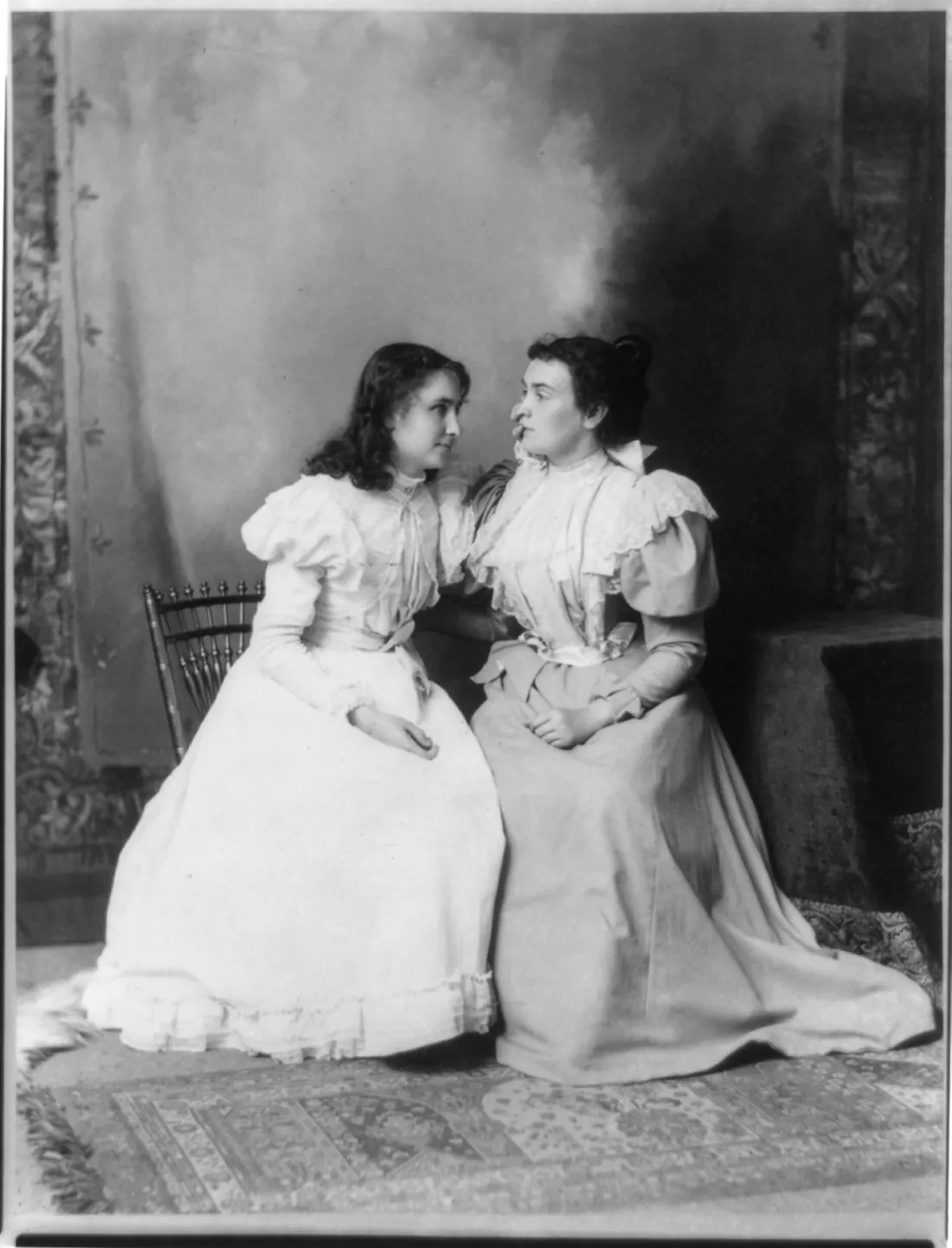
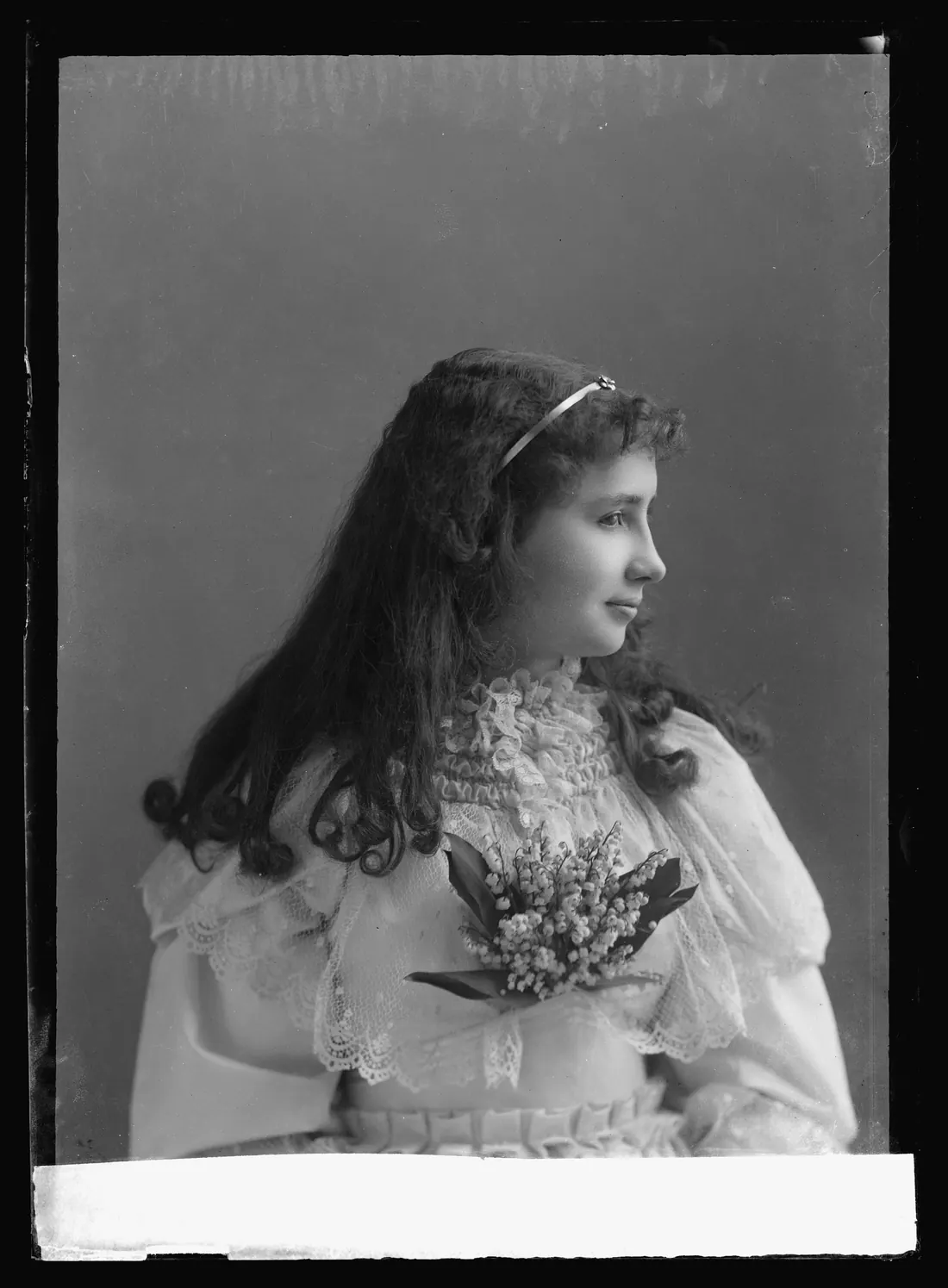
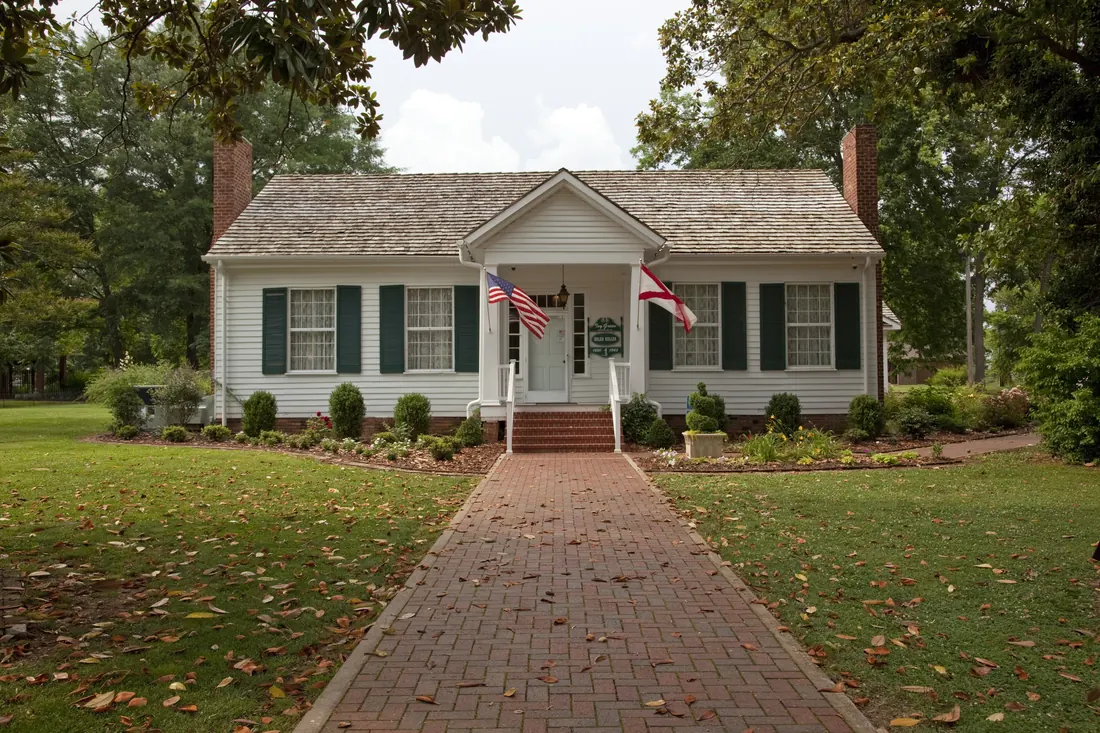
The 1888 photo stands in for 1887, the first year of lessons. The Tewksbury dining room is from about 1903, more than 20 years after Anne left, and shows the institution, not her time there. Ivy Green (2010) and the pump (2004) are shown as they are today. Wikimedia Commons dates the Bain News Service photo 1900, but it more likely belongs with Bain’s 1913 photos of the pair, so we give it no year.
Photo credits
The archive photos in this story
The photographs and illustrations in this story are in the public domain or shared under open licenses; each one is credited below with its license. Tap one to enlarge it, or follow the link to its Wikimedia Commons page for the full record. The narration, music, captions and graphics in the Short are our own.