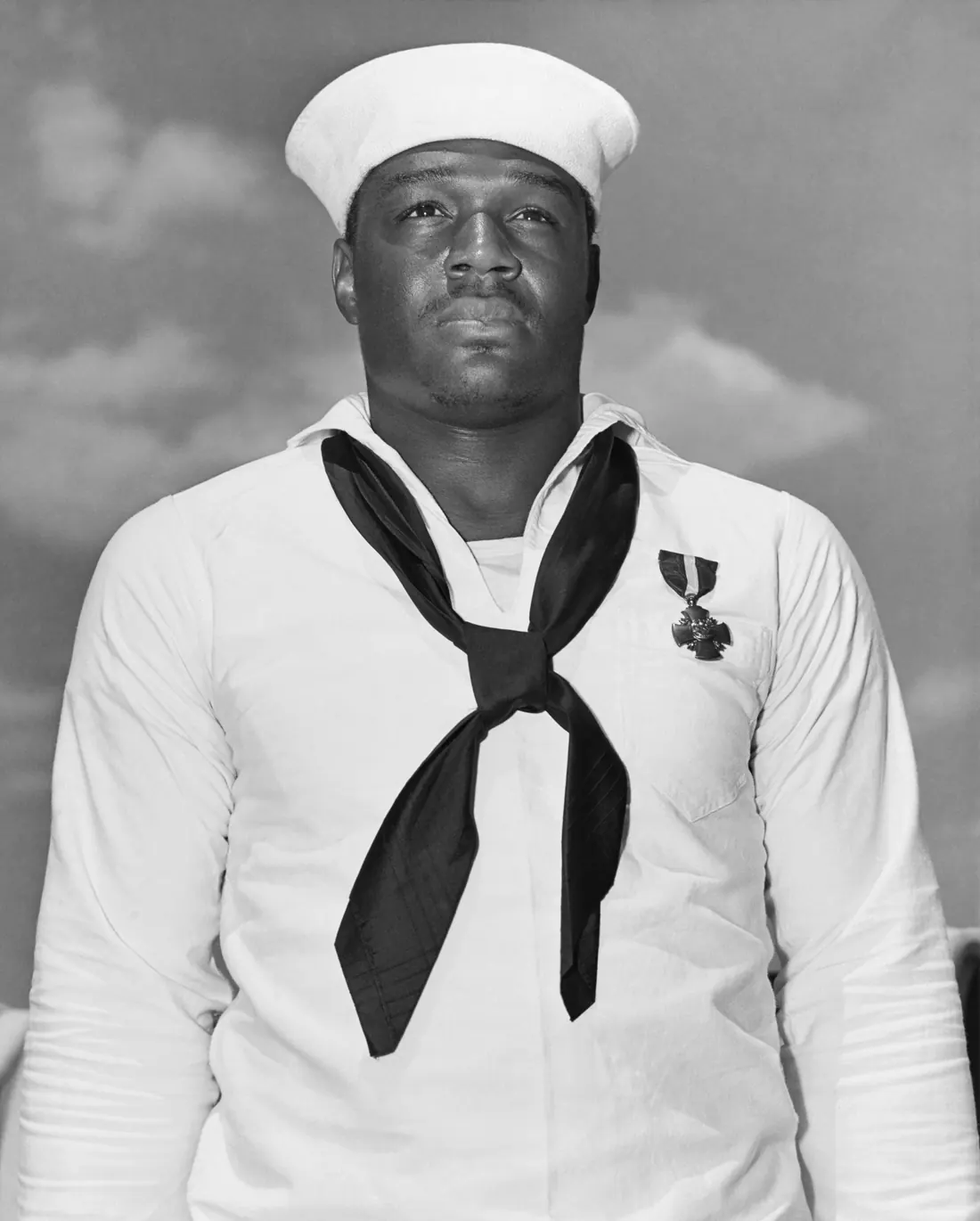
Doris “Dorie” Miller was a mess attendant, second class, on the battleship USS West Virginia, a job serving meals. Mess attendant was one of the few ratings open to Black sailors, and they weren’t trained on the guns. In the words of the Handbook of Texas, “Black sailors serving in the segregated steward’s branch of the navy were not given the gunnery training received by White sailors.”
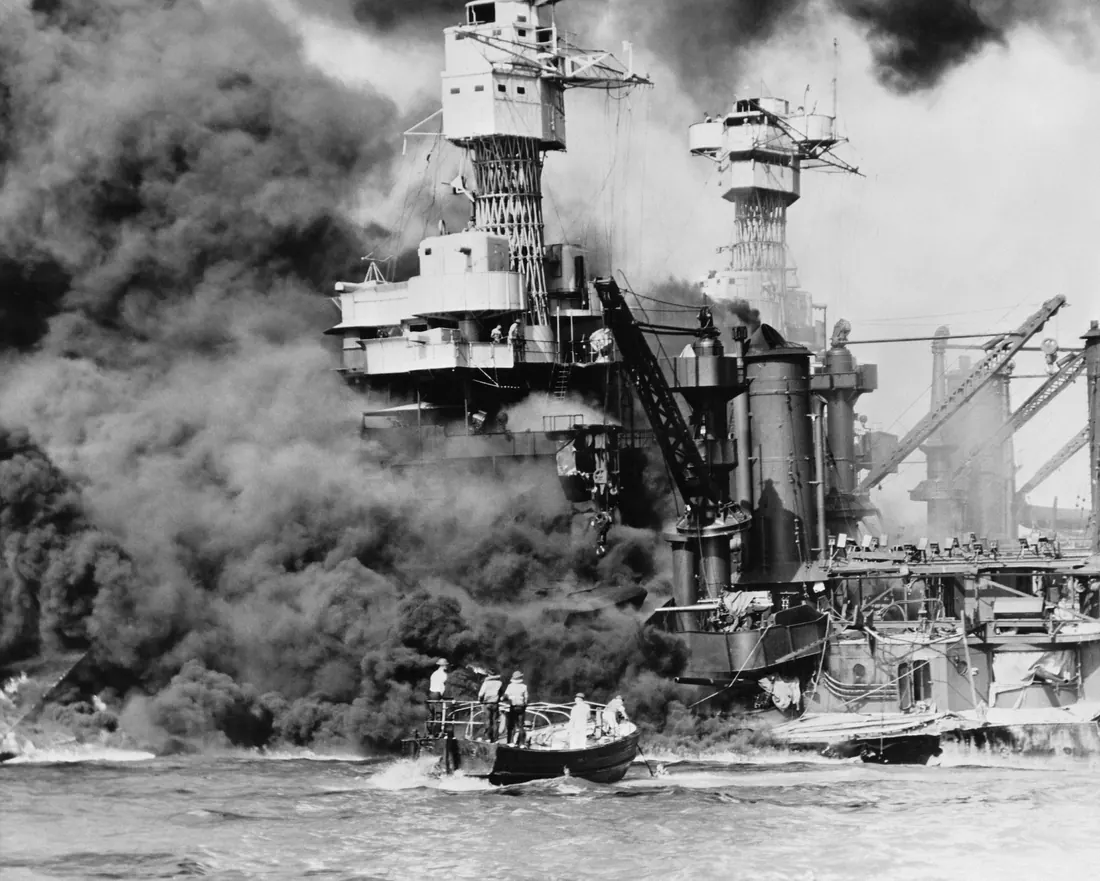
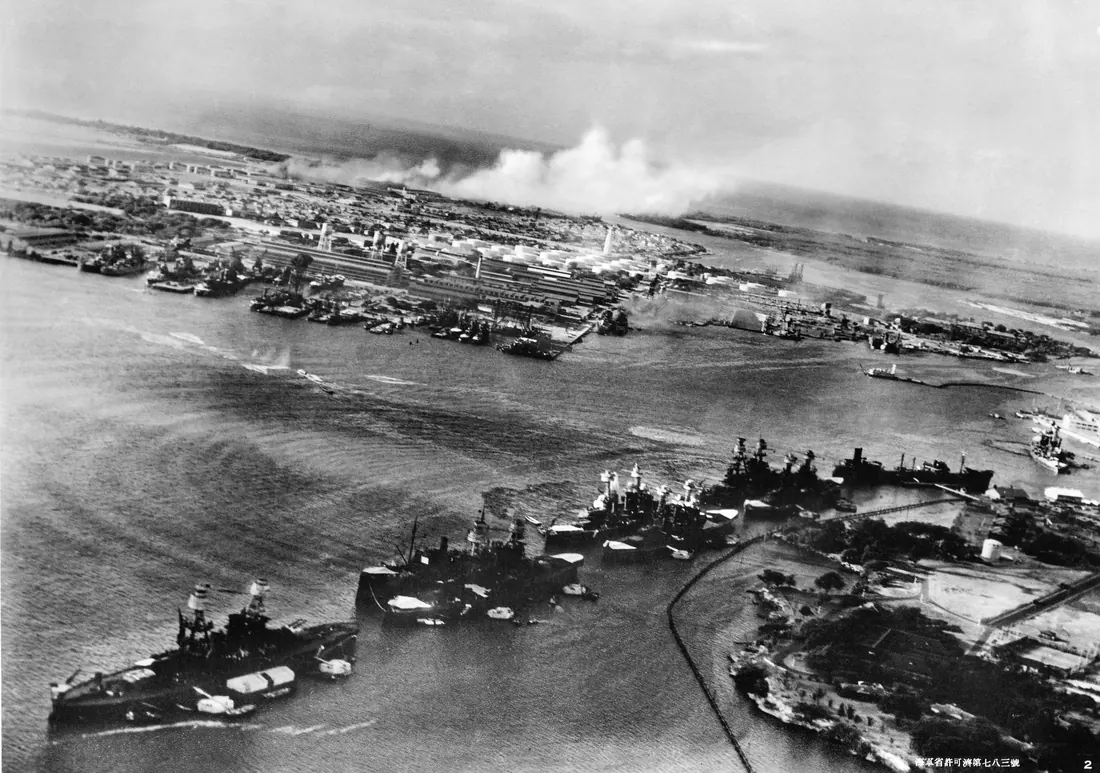
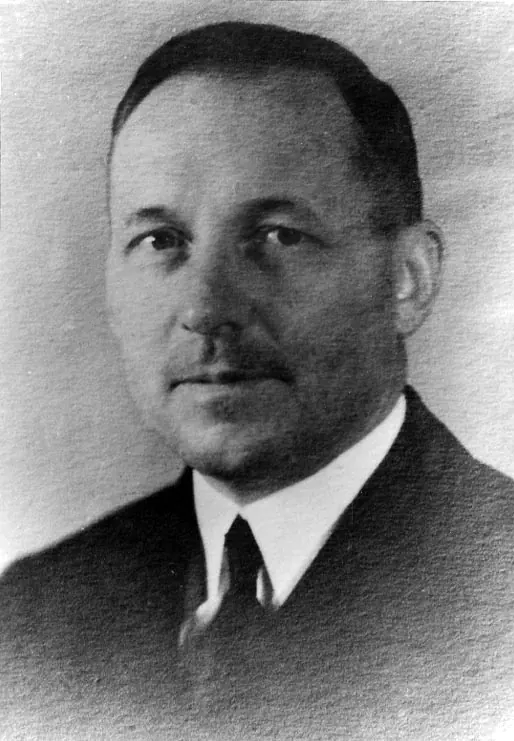
On December 7, 1941, at Pearl Harbor, he was collecting laundry at 7:57 a.m. when the first of seven torpedoes hit West Virginia. He helped carry wounded sailors to safety, and an officer sent him to the bridge to help the ship’s mortally wounded captain, Mervyn Bennion. Miller helped move him to a place of greater safety; Bennion died that morning. Then Lieutenant White ordered Miller to help him and Ensign Victor Delano load two unmanned .50 caliber anti-aircraft machine guns.
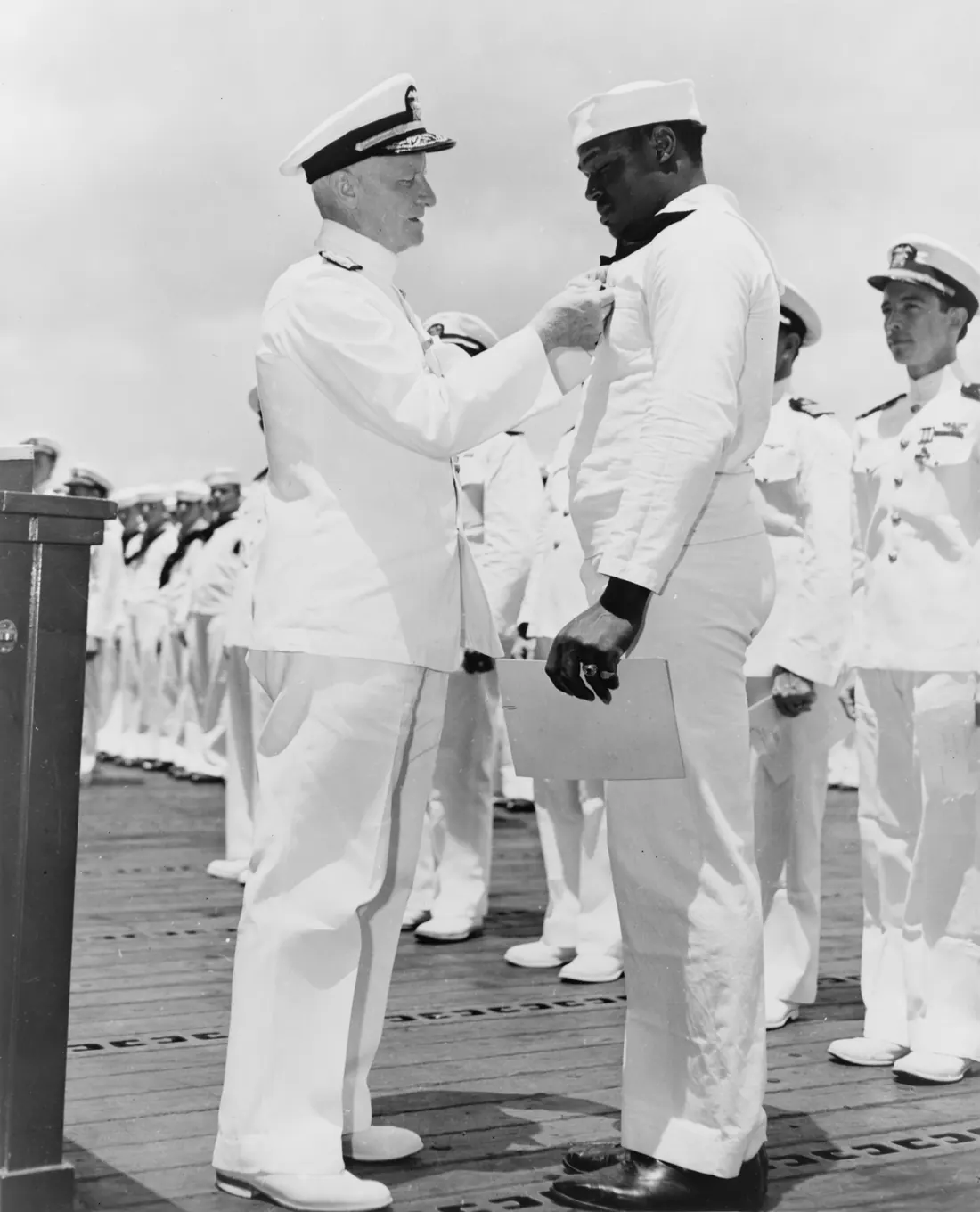
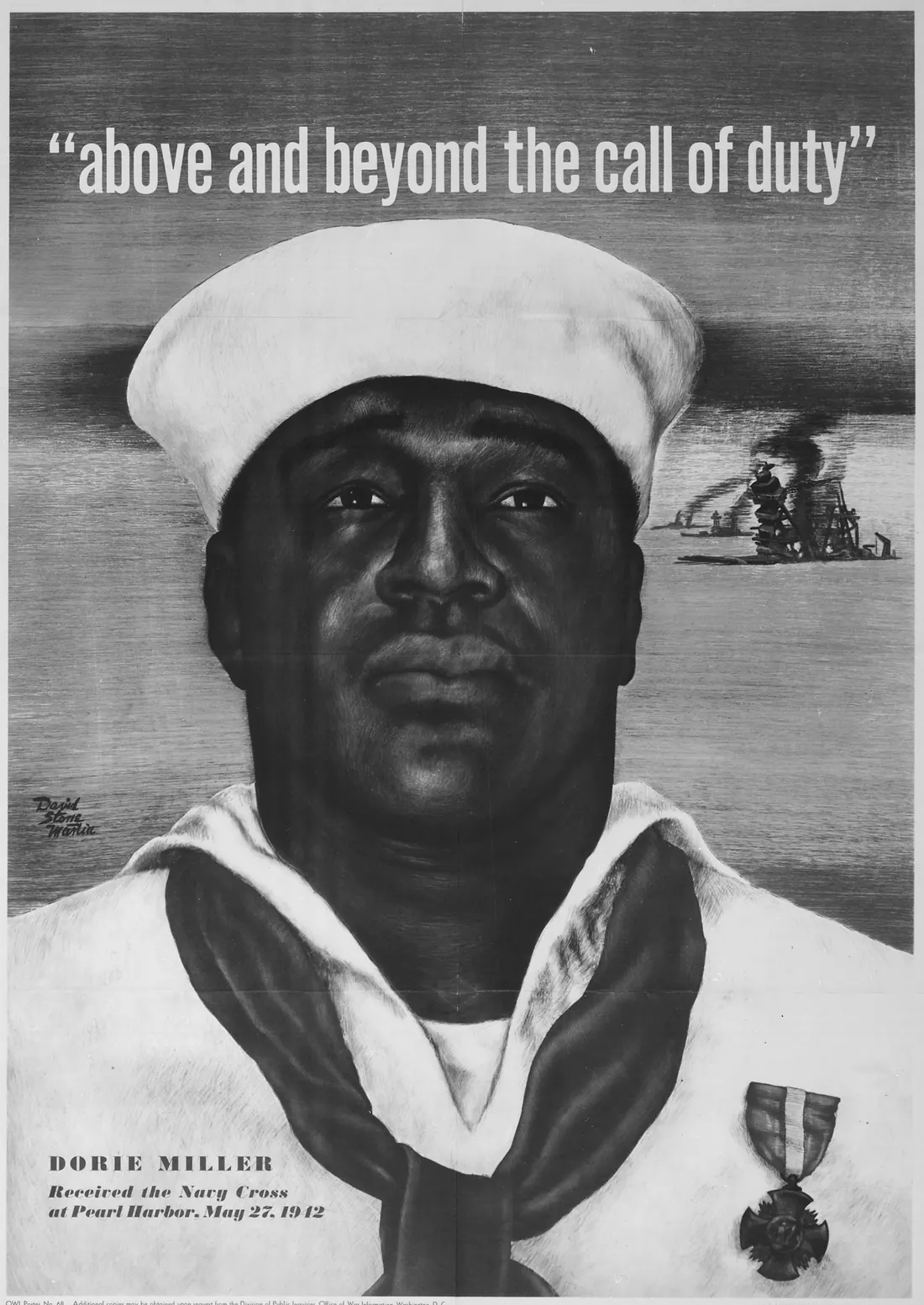
Delano expected Miller to feed ammunition to one of the guns. When he looked again, Miller was firing it: in the words of the Naval History and Heritage Command, “a weapon which he had not been trained to operate.” He fired until he ran out of ammunition. Later he said, “It wasn’t hard. I just pulled the trigger and she worked fine.” Yet the Navy’s list of commendations on January 1, 1942, had only “a single commendation for an unnamed Black man,” and the Navy referred to him only as “an unknown Negro sailor.” On May 27, 1942, aboard USS Enterprise, Admiral Chester Nimitz presented him the Navy Cross. He was the first Black American to receive it.
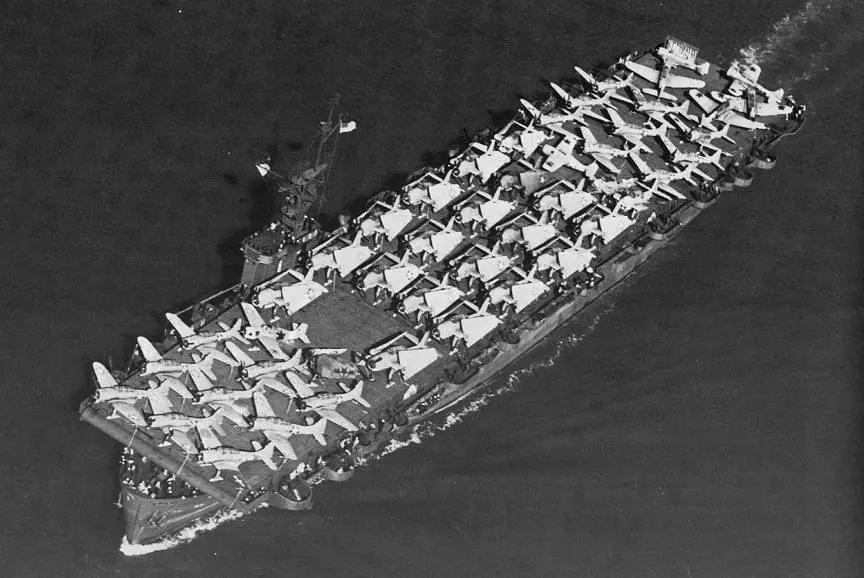
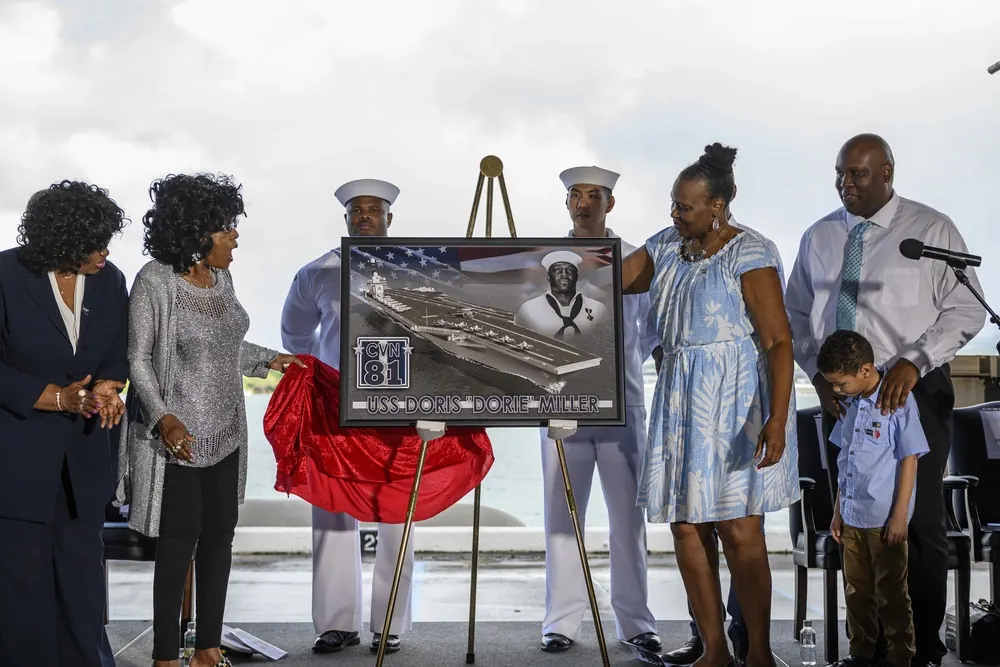
On November 24, 1943, the Japanese submarine I-175 torpedoed his ship, the escort carrier Liscome Bay, and she sank. Miller was listed missing and officially presumed dead a year and a day later. On January 20, 2020, at Pearl Harbor, Acting Navy Secretary Thomas Modly named a future aircraft carrier USS Doris Miller (CVN-81): the first carrier ever named for an African American, and the first named for a sailor’s actions in the enlisted ranks.
Fact check
The facts and where they come from
- He was a mess attendant, second class, on the battleship USS West Virginia, a job serving meals; he “served breakfast mess” that morning. Mess attendant was one of the few ratings open to Black sailors. 21
- Black sailors like him weren’t trained on the guns: “Black sailors serving in the segregated steward’s branch of the navy were not given the gunnery training received by White sailors” (Handbook of Texas). Military.com: “Black sailors were limited in the roles they could serve in at that time, which meant Miller wasn’t trained to operate the machine gun.” 34
- On December 7, 1941, he was collecting laundry when the attack began and torpedoes hit West Virginia. The Naval History and Heritage Command says he “was collecting laundry when the alarm for general quarters sounded”; Wikipedia gives the time as 7:57 a.m., when the first of seven torpedoes hit West Virginia. 152
- He helped carry wounded men to safety, including his mortally wounded captain, Mervyn Bennion, who died that morning. His Navy Cross citation says he “assisted in moving his Captain, who had been mortally wounded, to a place of greater safety.” 12
- He was told to help load two machine guns; when an officer looked back, Miller was firing one. Wikipedia: Lieutenant White “ordered Miller to help him and Ensign Victor Delano load the unmanned number 1 and number 2 Browning .50 caliber anti-aircraft machine guns”; Delano expected Miller to feed ammunition to one gun, and “when he looked again, Miller was firing one of the machine guns.” 2
- He had never been trained on that gun: “a weapon which he had not been trained to operate” (Naval History and Heritage Command). The Handbook of Texas: “It was Miller’s first experience firing such a weapon.” 143
- He fired until the ammunition ran out: he “manned a 50 caliber Browning anti-aircraft machine gun until he ran out of ammunition” (Naval History and Heritage Command). 15
- His words, as both Navy biographies give them: “It wasn’t hard. I just pulled the trigger and she worked fine.” 15
- When the Navy praised him, it didn’t even give his name: the January 1, 1942, list of commendations had “a single commendation for an unnamed Black man,” and the Navy referred to him only as “an unknown Negro sailor.” 24
- On May 27, 1942, Admiral Chester Nimitz presented him the Navy Cross aboard USS Enterprise. He was the first Black American awarded it: “Miller was the first black service member to receive the Navy Cross” (Military.com); “the first Black recipient of the Navy Cross” (Wikipedia). 142
- He was killed on November 24, 1943, when the Japanese submarine I-175 torpedoed his ship, the escort carrier Liscome Bay, and it sank. He was listed missing and officially presumed dead a year and a day later. US Navy: “In 1943, Miller died aboard USS Liscome Bay (CVE 56) when the ship was hit by a torpedo and sank.” 156
- On January 20, 2020, at Pearl Harbor, Acting Navy Secretary Thomas Modly named a future aircraft carrier USS Doris Miller (CVN-81). 537
- The US Navy called it “the first aircraft carrier ever named for an African American. This will also be the first aircraft carrier to be named in honor of a Sailor for actions while serving in the enlisted ranks.” 5
- In August 2026, CNN reported, citing three sources, that the Navy was working to rename CVN-81, possibly for President Trump, and that Miller might get another ship. Stars and Stripes reported that the “Navy has nothing to announce at this time.” No decision had been announced as of October 25, 2026. 89
Sources
- Miller, Doris (archived copy, July 2026) Naval History and Heritage Command
- Doris Miller Wikipedia
- Miller, Doris Handbook of Texas (Texas State Historical Association)
- The Navy Once Called Him an ‘Unknown Negro Sailor.’ Now It’s Naming a Carrier After Him (2020) Military.com
- USS Doris Miller CVN-81 (with the US Navy’s naming release of January 20, 2020) Seaforces.org
- USS Liscome Bay Wikipedia
- USS Doris Miller Wikipedia
- Exclusive: Navy weighs renaming carrier slated to honor Black war hero, potentially switching it to Trump (2026) CNN
- Debate underway about possible name change of future Ford-class aircraft carrier (2026) Stars and Stripes
Notes
Planes shot down: left out. Navy records officially credit him with one, other accounts say two, and Miller and eyewitnesses claimed four to six (Wikipedia). The Handbook of Texas calls the two-to-five claims “almost certainly apocryphal,” and Miller himself said he thought he hit one.
“Never trained”: the Naval History and Heritage Command calls the machine gun “a weapon which he had not been trained to operate,” but he did spend temporary duty at a Secondary Battery Gunnery School aboard USS Nevada in July 1940, and Wikipedia says White and Delano showed him how to work the gun on the spot. We say only that he had never been trained on that gun, and that Black sailors like him weren’t given the gunnery training White sailors got.
Lieutenant White gave the loading order; Ensign Delano was the one who looked back and saw him firing.
Liscome Bay’s death toll is given as 644 or 646, or 702 counting men who died of their wounds later. We use no number.
The Medal of Honor: there have been calls to upgrade his award since 1942, and in August 2026 reports said a recommendation had gone to Congress. Nothing had been announced as of October 25, 2026, so the story doesn’t mention it.
His name: “Dorie” may have come from a 1942 Pittsburgh Courier typo (Wikipedia); the Navy used both “Dorie” and “Doris.”
The carrier: in August 2026 news reports said the Navy was working to rename CVN-81. The Navy had nothing to announce, and no decision had been announced as of October 25, 2026. The 2020 naming happened either way.
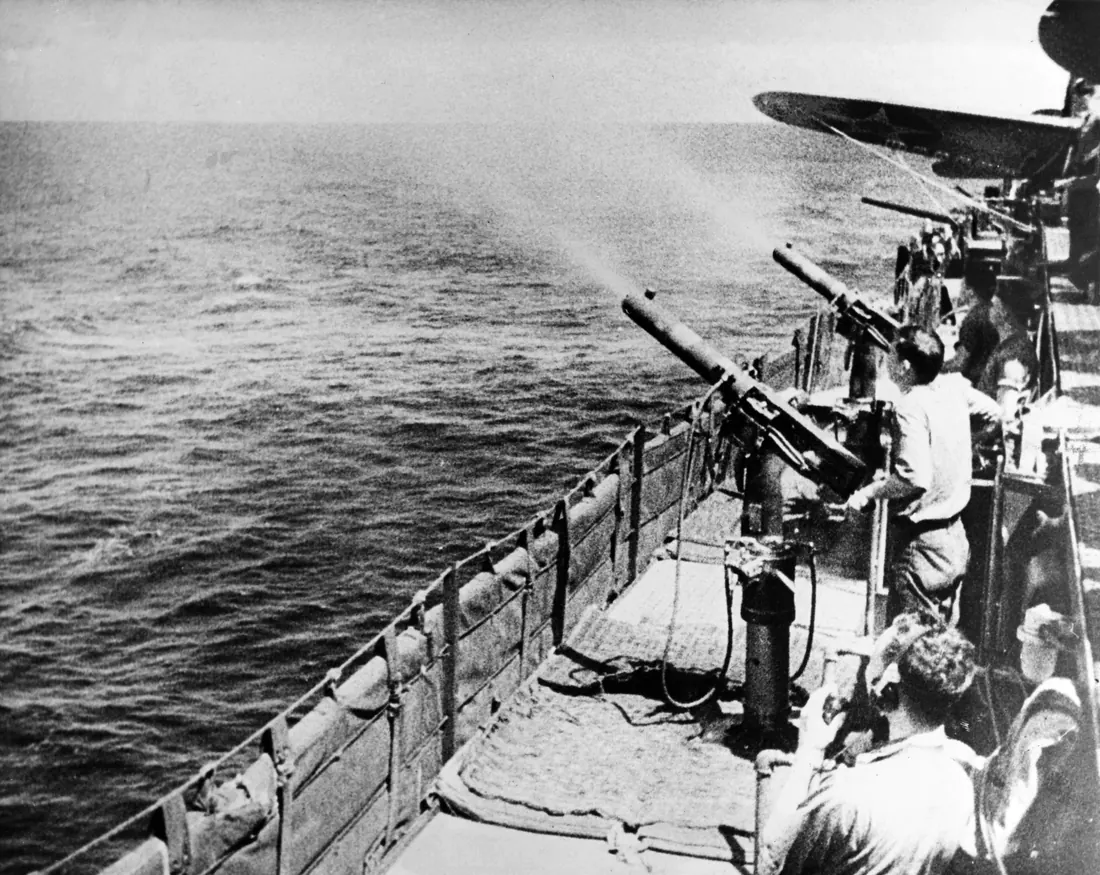
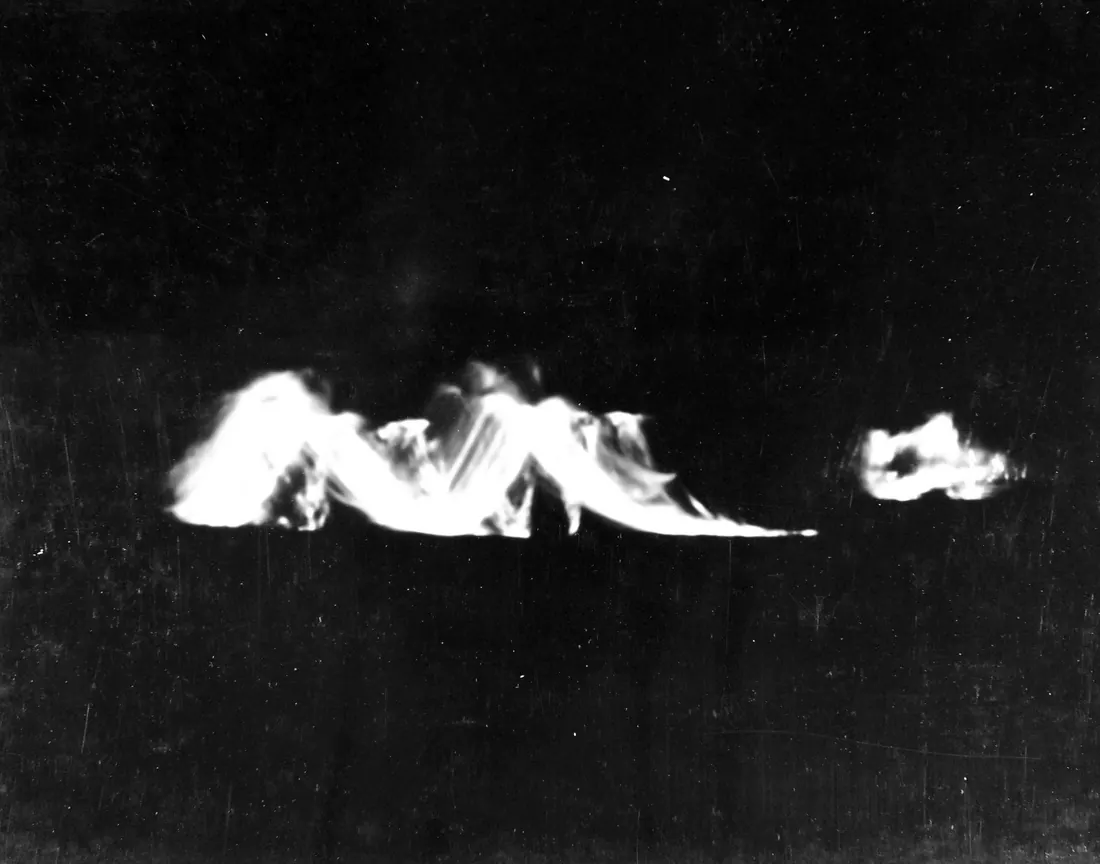
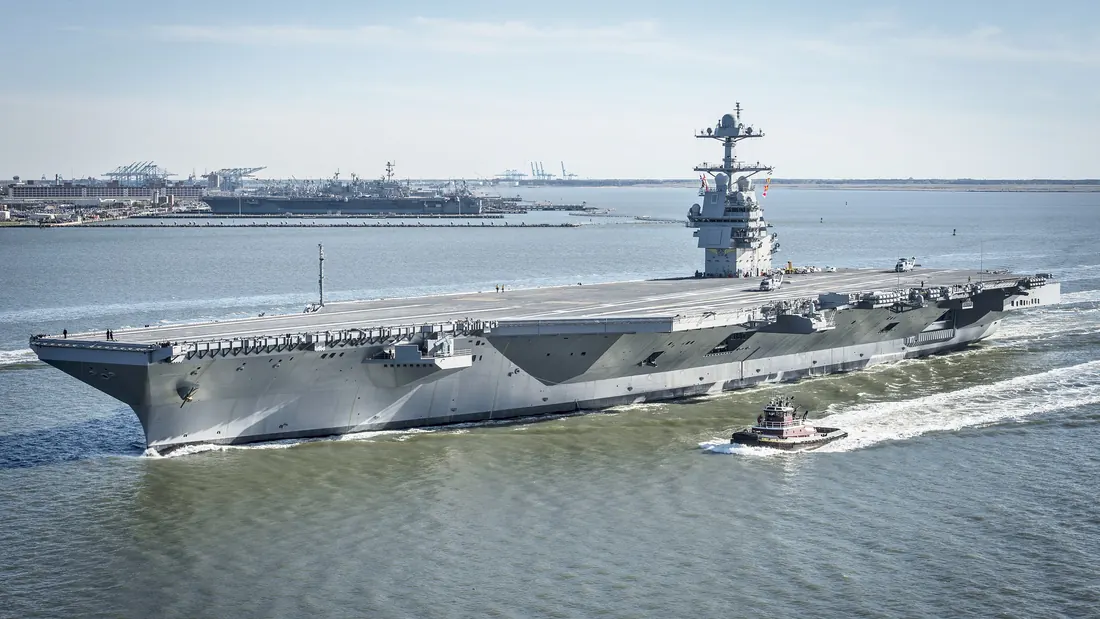
The machine guns firing aboard USS Enterprise in February 1942 are the same type of .50 caliber gun, not Miller’s. USS Gerald R. Ford is the sister ship of the future Doris Miller, which has not been built. Every other photo shows the people, ships and day it names.
Photo credits
The archive photos in this story
All the photographs and illustrations in this story are in the public domain. Tap one to enlarge it, or follow the link to its Wikimedia Commons page for the full record. The narration, music, captions and graphics in the Short are our own.