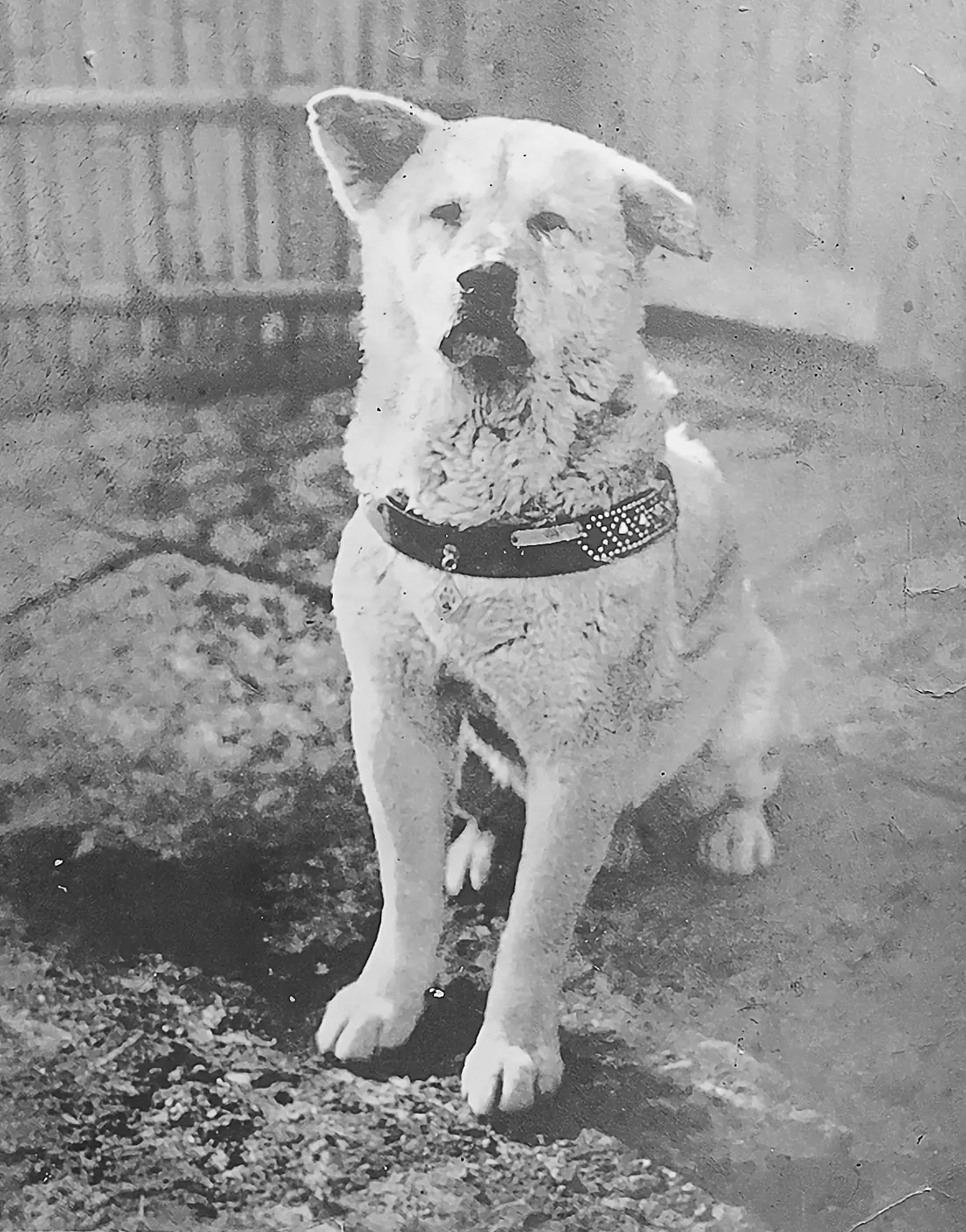
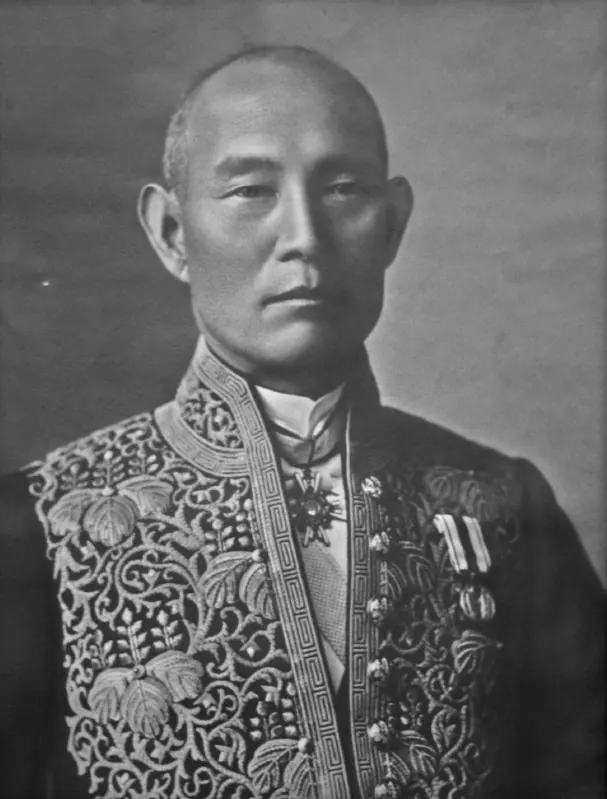
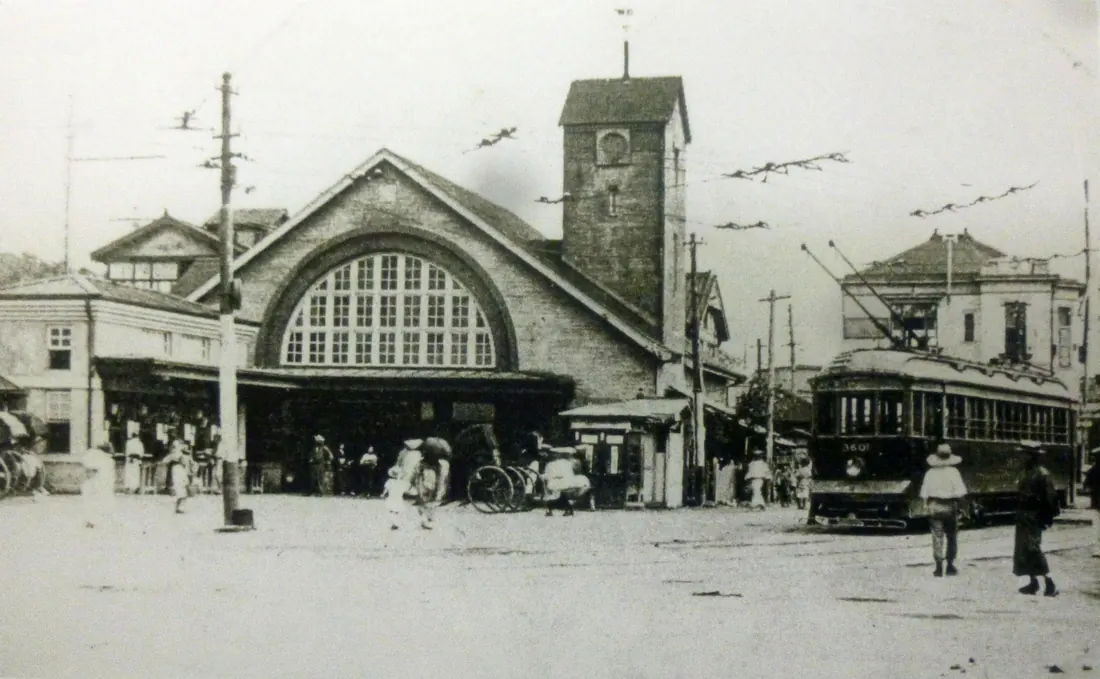
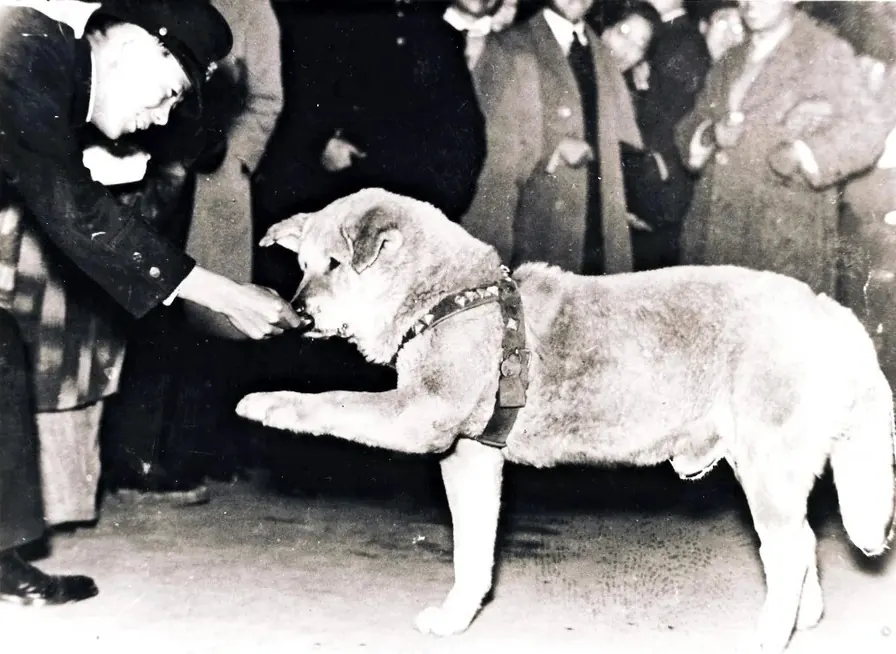
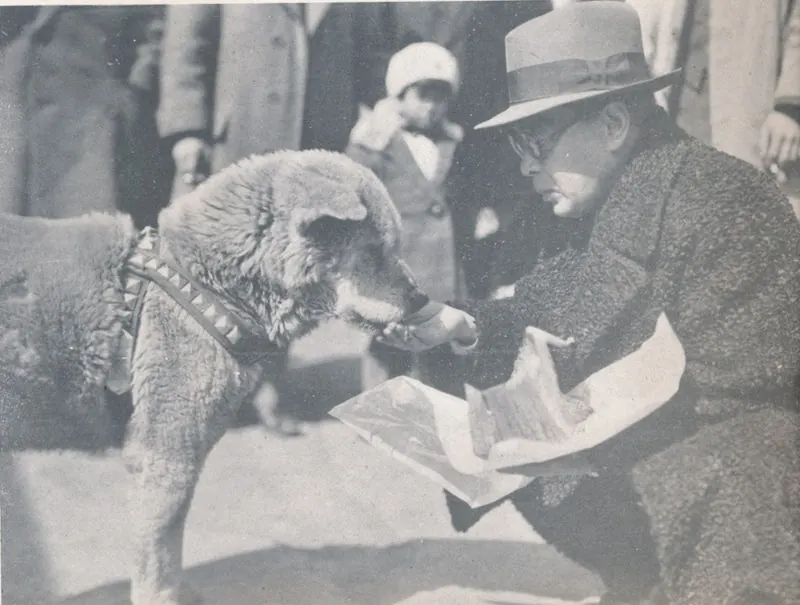
Hachikō was an Akita. He reached Tokyo on January 15, 1924. His owner, Hidesaburō Ueno, was a professor of agriculture at Tokyo Imperial University, and every evening, at the end of Ueno’s commute, Hachikō met him at Shibuya Station.
On May 21, 1925, Ueno died suddenly at work. They had been together less than a year and a half. That evening, Hachikō went to Shibuya Station as usual, but Ueno never returned. Hachikō was given to new caretakers several times, but he kept finding his way back to Shibuya.
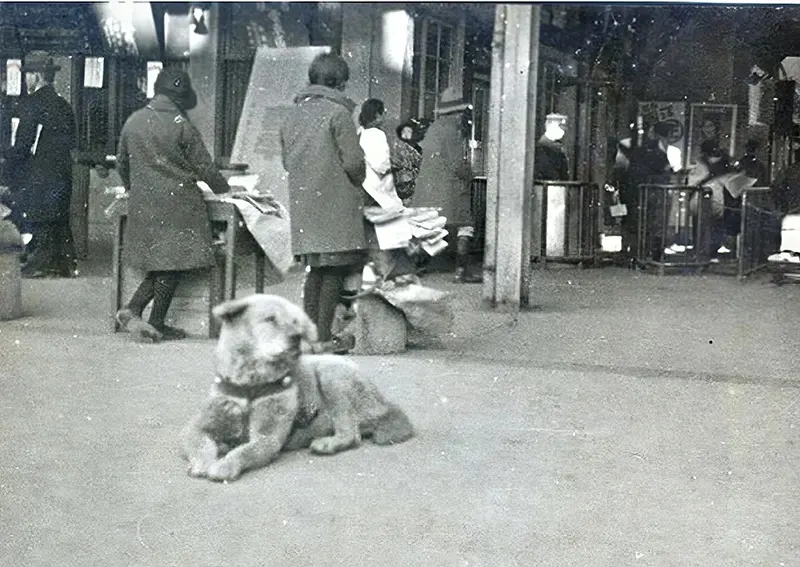
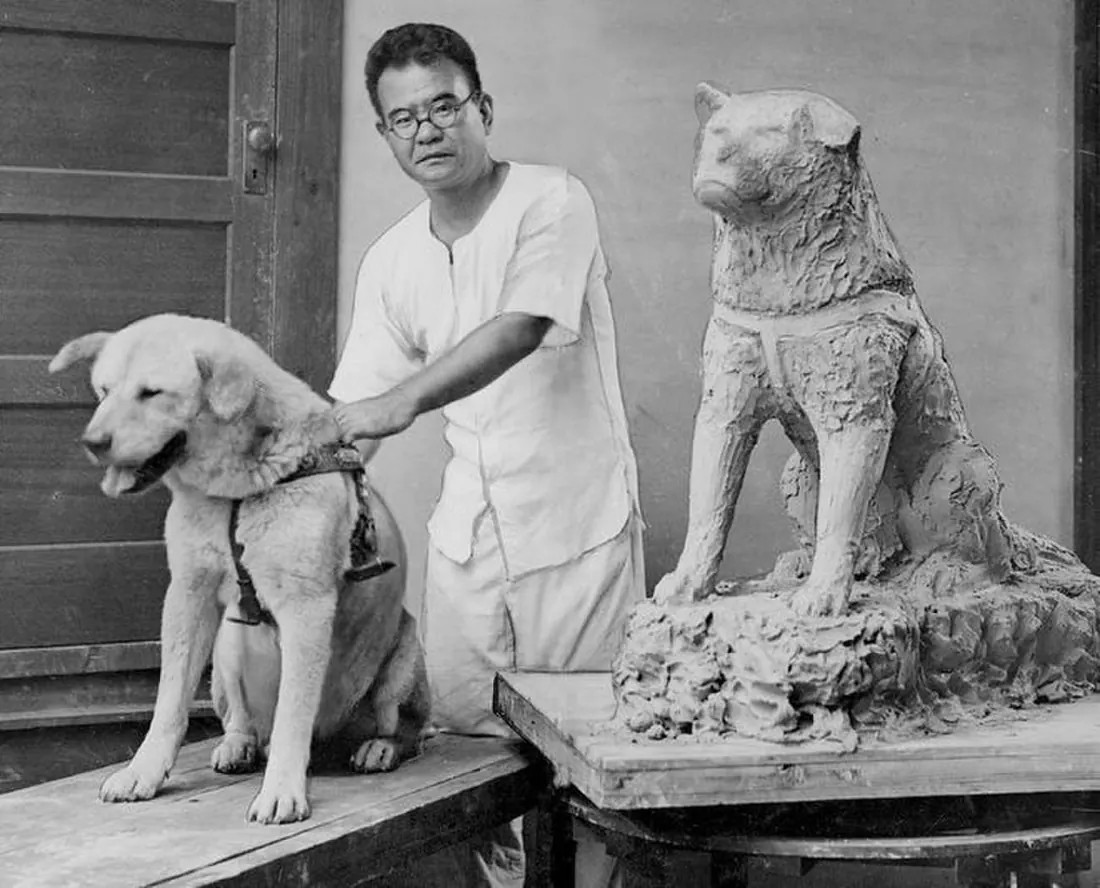
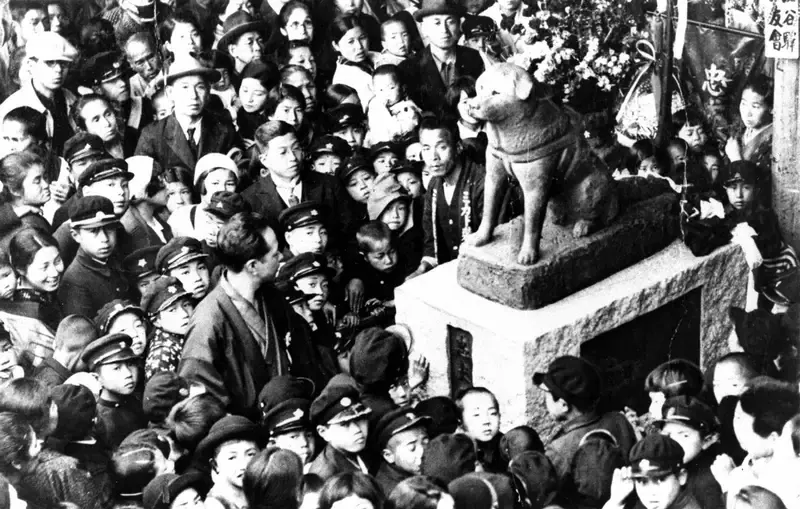
According to Hirokichi Saitō, who studied him from 1928, some station workers hit him and painted his face with ink. Still, he kept coming back to the same spot by the ticket gates, at the time the train was due. On October 4, 1932, a story in the Asahi Shimbun made him famous all over Japan, and he became a national symbol of loyalty. On April 21, 1934, his bronze statue was unveiled at Shibuya Station, and Hachikō was at the ceremony.
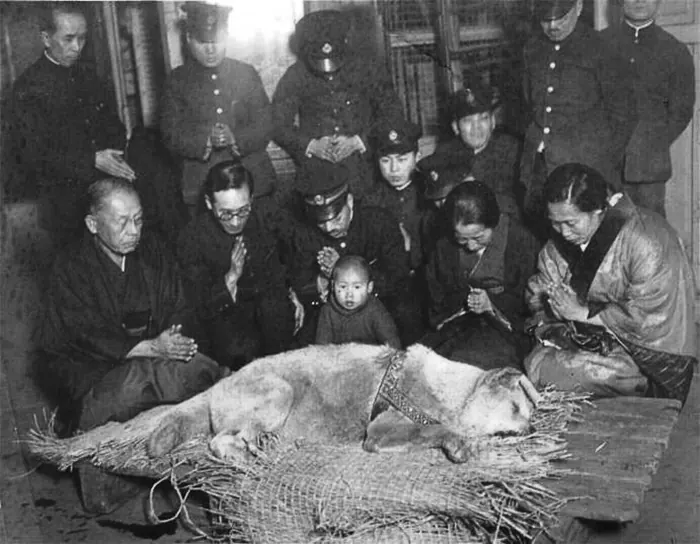
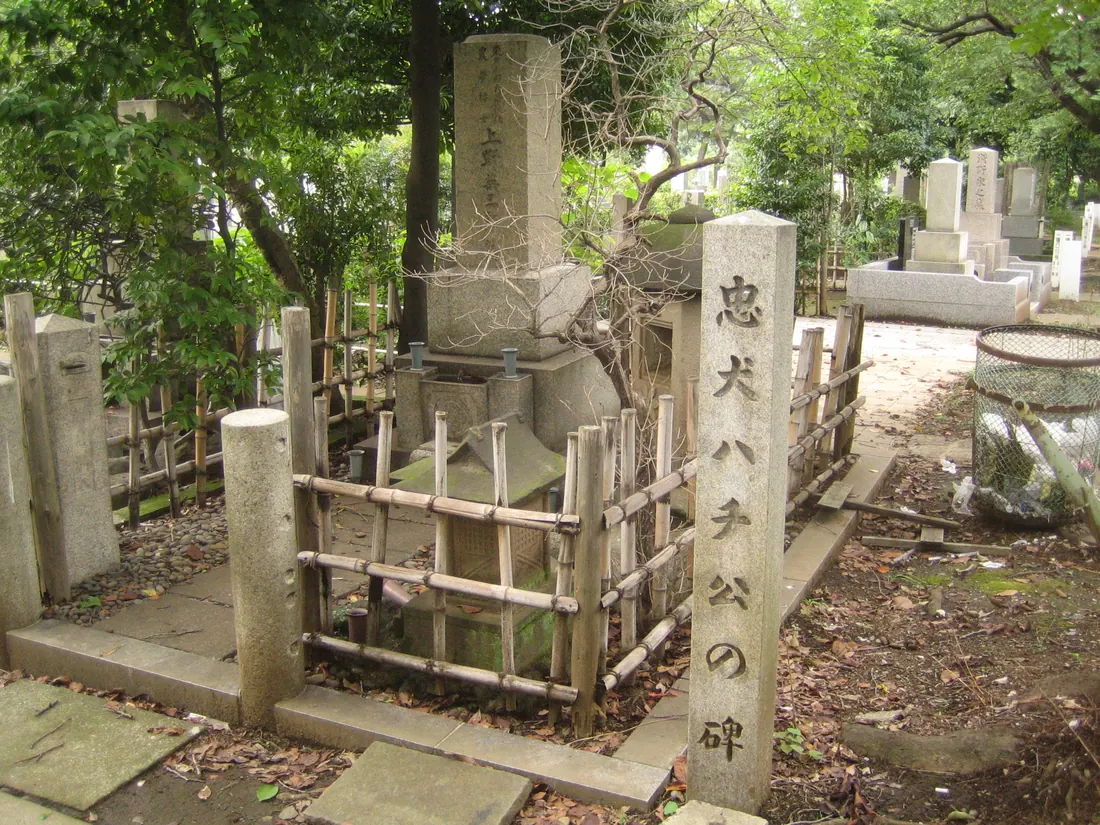
Sometime before dawn on March 8, 1935, he was found dead on the south side of Shibuya Station, almost ten years after Ueno died. Today he rests beside the professor at Aoyama Cemetery. In 2015 the University of Tokyo unveiled a statue of Hachikō leaping up to greet his owner.
Fact check
The facts and where they come from
- Hachikō was an Akita. His owner, Hidesaburō Ueno, was a professor of agriculture at Tokyo Imperial University. 13
- Hachikō met Ueno at Shibuya Station every day at the end of his commute. Time Out Tokyo says he “would wait for him every evening.” 14
- On May 21, 1925, Ueno died suddenly at work. Sources differ on the cause: a cerebral aneurysm infarction in a colleague’s office (Wikipedia) or a brain hemorrhage (the Hachikō 100th-anniversary project). 23
- They had been together less than a year and a half: Hachikō reached Tokyo on January 15, 1924. Wikipedia says he was “with Ueno only about 15 months.” 1
- “That evening, Hachikō went to Shibuya Station as usual, but Ueno never returned” (Wikipedia). 1
- He was given to new caretakers several times, including in Asakusa, about 8 km (5 miles) away, but kept finding his way back to Shibuya. 13
- Some station workers hit him and painted his face with ink. This is the account of Hirokichi Saitō, who studied him from 1928: “employees smacked him and even painted graffiti on his face with Japanese ink.” 1
- Still, he kept coming back to the same spot by the ticket gates, “appearing precisely at the same spot and time when the train was due” (Wikipedia). The Hachikō 100th-anniversary project: “Regardless of sun, rain, or snow.” 13
- A newspaper story in the Asahi Shimbun on October 4, 1932, made him famous all over Japan, and he became a national symbol of loyalty. 13
- His bronze statue was unveiled at Shibuya Station on April 21, 1934, and Hachikō was at the ceremony: “Hachi was also in attendance of the unveiling ceremony” (the Hachikō 100th-anniversary project). 13
- He died on March 8, 1935: “Sometime before dawn on March 8, 1935, Hachiko’s dead body was found on the south side of Shibuya Station” (University of Tokyo). 61
- From May 21, 1925, to March 8, 1935, is 9 years, 9 months and 15 days. Wikipedia: “for almost ten years following Ueno’s death.” 1
- Today he rests beside the professor at Aoyama Cemetery. Wikipedia: “Hachikō is buried beside Ueno in Aoyama Cemetery.” 32
- In 2015 the University of Tokyo unveiled a statue of Hachikō leaping up to greet the professor. 5
Sources
- Hachikō Wikipedia
- Hidesaburō Ueno Wikipedia
- Hachikō 100th Anniversary: Story Visit Akita (Ōdate, Akita)
- Hachiko gets reunited with his owner after 90 years Time Out Tokyo
- Hachiko and UTokyo (part 1): The interwoven story of a dog, the University and various people The University of Tokyo
- Hachiko and UTokyo (part 2): The interwoven story of a dog, the University and various people The University of Tokyo
Notes
He went to the station almost every day, and little is verified about 1925 to 1928, when he was moved between homes. We say “almost ten years,” never “ten years.”
The mistreatment comes mainly from Hirokichi Saitō’s account at the time, backed by a 1934 letter from schoolgirls about a boy kicking him and a station employee pouring water on him.
“Rests beside the professor”: only the ashes of some of his organs are in the grave. His pelt is mounted at the National Museum of Nature and Science, and some organs are kept at the University of Tokyo.
Sources differ on the cause of Ueno’s death (an aneurysm, a hemorrhage, a stroke), so we say only that he died suddenly at work.
Left out: the story that Hachikō was bought for 30 yen (Wikipedia says he was a gift) and the detail that he died facing the cemetery, which comes from one late account.
The Shibuya Station photo is from the early 1920s, and the photo of Ueno’s grave and Hachikō’s monument at Aoyama Cemetery was taken in 2007.
Photo credits
The archive photos in this story
All the photographs and illustrations in this story are in the public domain. Tap one to enlarge it, or follow the link to its Wikimedia Commons page for the full record. The narration, music, captions and graphics in the Short are our own.