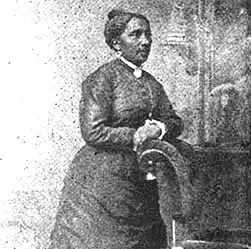
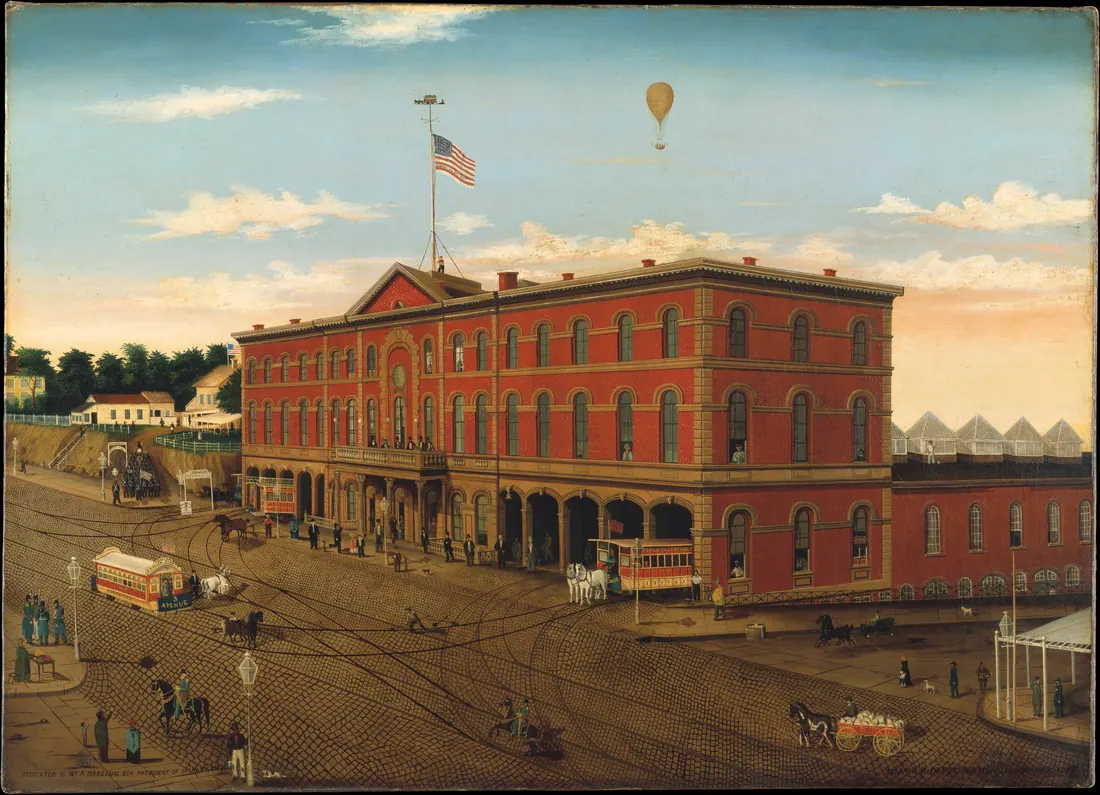
On Sunday, July 16, 1854, Elizabeth Jennings, a Black schoolteacher and church organist in New York City, was running late. She was on her way to the First Colored Congregational Church, where she was the organist, and she “needed to catch the Third Avenue streetcar,” a horse-drawn car of the Third Avenue Railroad Company.
The conductor ordered her to get off and told her to wait for the next car, which, in her account, “had [her] people in it.” She refused. In her own words, the conductor and the driver “then both seized hold of me by the arms and pulled,” and “dragged me flat down on the bottom of the platform.” The New York Tribune reported: “She resisted.” A police officer then pushed her out of the car and, she said, “tauntingly told me to get redress if I could.”
Her father, Thomas L. Jennings, a tailor and abolitionist, sued the driver, the conductor and the company. The case was taken on by a 24-year-old lawyer, Chester A. Arthur. At the trial in Brooklyn on February 22, 1855, Judge William Rockwell told the jury that Black passengers who were sober, well behaved and free from disease had the right to ride, and could not be excluded by the company’s rules or by force. The all-male, all-white jury found for her and awarded her $225 in damages (some accounts say $250).
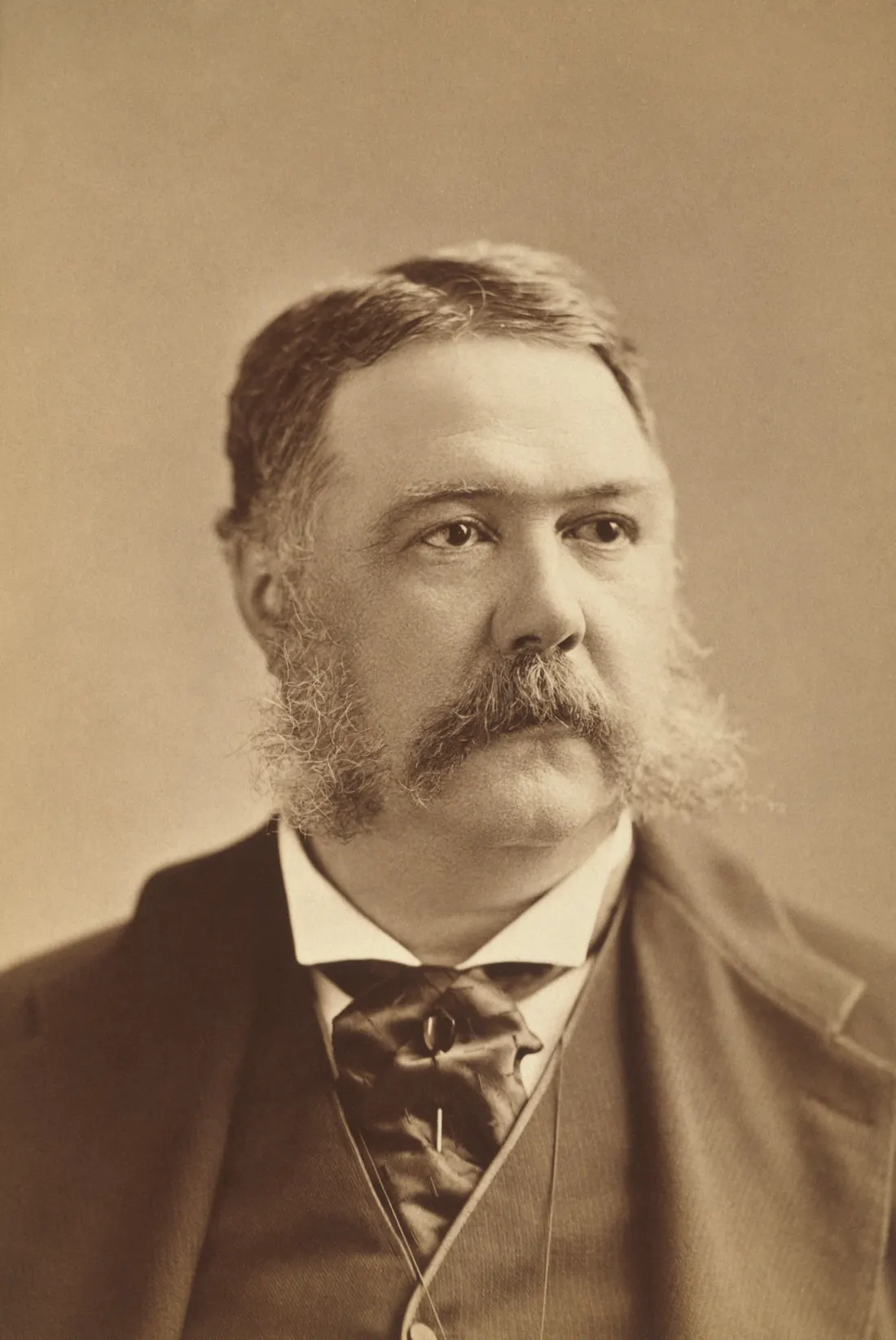
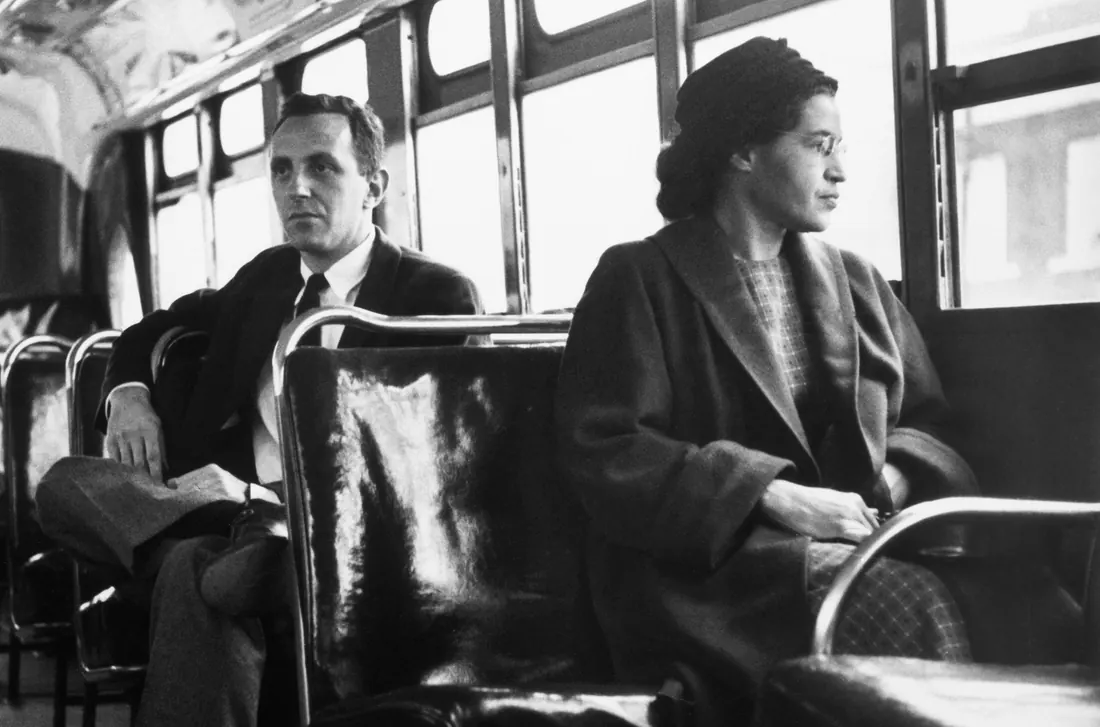
The next day, the Third Avenue Railroad Company ordered its cars desegregated. Other lines took longer, and the rest of the city’s transit followed in the 1860s. Chester Arthur later became the 21st President of the United States. And a century before Rosa Parks and the Montgomery Bus Boycott, Elizabeth Jennings had won the right to ride.
Fact check
The facts and where they come from
- She was removed from a whites-only streetcar. Wikipedia’s article on her father says his daughter “was forcibly removed from a ‘whites only’ New York City streetcar in 1854”; JSTOR Daily’s headline: “The Woman Who Refused to Leave a Whites-Only Streetcar.” 23
- A hundred years before Rosa Parks. JSTOR Daily: “A century before Rosa Parks and the 1955 Montgomery Bus Boycott.” 3
- “By 1854, Jennings had become a schoolteacher and church organist” in New York City (Wikipedia); JSTOR Daily: “a young black schoolteacher named Elizabeth Jennings.” 13
- On Sunday, July 16, 1854, she “was running late” and “needed to catch the Third Avenue streetcar” (JSTOR Daily) to the First Colored Congregational Church, where she was the organist. The Historical Society of the New York Courts: “On July 16, 1854.” 314
- It was a horse-drawn streetcar of the Third Avenue Railroad Company (Wikipedia: “the horse-drawn streetcar on rails,” which then competed with the omnibus). 1
- “The conductor ordered her to get off” (Wikipedia), and told her to wait for the next car, which “had [her] people in it” (her account, quoted by JSTOR Daily). 13
- She refused: “When she refused, the conductor tried to remove her by force” (Wikipedia). 1
- The conductor and driver dragged her down onto the platform. Her account: “[The conductor and driver] then both seized hold of me by the arms and pulled” … “dragged me flat down on the bottom of the platform.” The New York Tribune, February 1855: “The conductor got her down on the platform.” 31
- She fought back. The Tribune: “She resisted.” … “she effectually resisted.” 1
- A police officer pushed her off and dared her to seek justice: “The police officer they found pushed Jennings out of the streetcar” (JSTOR Daily), and, in her words, he “tauntingly told me to get redress if I could.” The Tribune: “with the aid of a policeman they succeeded in removing her.” 31
- Her father took the company to court: “Jennings’s father filed a lawsuit on behalf of his daughter against the driver, the conductor, and the Third Avenue Railroad Company” (Wikipedia). He was Thomas L. Jennings, a tailor and abolitionist. 12
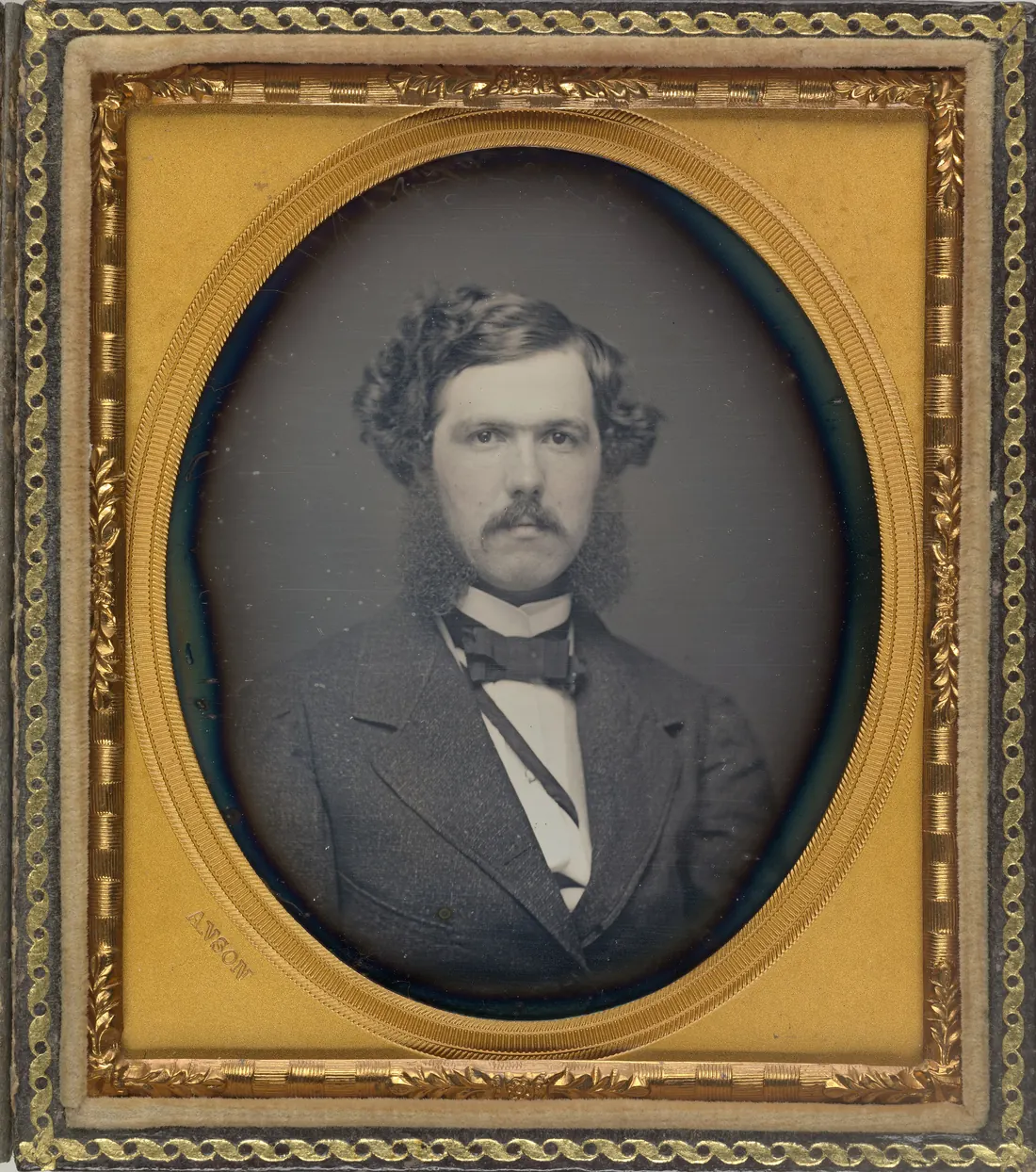
- Her lawyer was 24: the case was “taken on by a 24-year-old Chester A. Arthur, the future twenty-first president” (JSTOR Daily); “the firm’s 24-year-old junior partner Chester A. Arthur” (Wikipedia), of the firm of Culver, Parker and Arthur. 314
- The verdict, February 1855: “The trial took place on February 22, 1855” in Brooklyn (Gotham Center). “The all-male, all-white jury found for the plaintiff and awarded her damages of $225. She was also awarded $22.50 in costs” (Historical Society of the New York Courts). JSTOR Daily: “In February of 1855, she was awarded $225 in damages.” 543
- Judge William Rockwell told the jury that “under the law, colored persons, if sober, well behaved and free from disease, had the right to ride the streetcars” and “could neither be excluded by any rules of the Company, nor by force or violence.” 41
- “The next day, the Third Avenue Railroad Company ordered its cars desegregated” (Wikipedia); it “agreed to the immediate desegregation of its streetcar service” (Historical Society of the New York Courts). 14
- Chester A. Arthur later became the 21st President of the United States: “the future twenty-first president” (JSTOR Daily); “future 21st President of the United States” (Gotham Center). 35
- Other lines took longer: “By 1861, all New York public transit was desegregated” (Historical Society of the New York Courts); “a decade later in 1865, New York’s public transit services were fully desegregated” (Wikipedia). 41
- “Won the right to ride” is the subtitle of her first biography: Streetcar to Justice: How Elizabeth Jennings Won the Right to Ride in New York (Amy Hill Hearth, 2018). 1
Sources
- Elizabeth Jennings Graham Wikipedia
- Thomas L. Jennings Wikipedia
- The Woman Who Refused to Leave a Whites-Only Streetcar JSTOR Daily
- Elizabeth Jennings & Streetcar Desegregation in NYC Historical Society of the New York Courts
- New York’s First Freedom Rider The Gotham Center for New York City History
Notes
The damages: $225 (Historical Society of the New York Courts; JSTOR Daily, which corrected an earlier figure) or $250 (Wikipedia; the Gotham Center). The $22.50 in costs that both camps give is exactly 10% of $225, which supports $225. We say $225 and note $250.
When the whole city followed: 1861 (Historical Society of the New York Courts), 1864 (Gotham Center) or 1865 (Wikipedia). We say only the 1860s.
Arthur’s age: born on October 5, 1829, he was 24 when he took the case in 1854 and 25 at the February 1855 trial. All the case sources say 24.
Left out: her friend Sarah Adams, who was with her on the car (Historical Society of the New York Courts, Gotham Center), and the Gotham Center’s claim that she was beaten, to keep to the beats the sources agree on.
Left out: her father’s 1821 patent (Wikipedia: “the earliest known example of a Black person to hold a patent in the United States in their own name”). The only Commons “photo” of Thomas L. Jennings comes from a magazine site, with a painterly filter, and can’t be verified as him, so he isn’t shown.
The New-York Tribune’s report of February 23, 1855 (“A Wholesome Verdict”) is quoted as Wikipedia quotes it; we couldn’t use the page itself as an image.
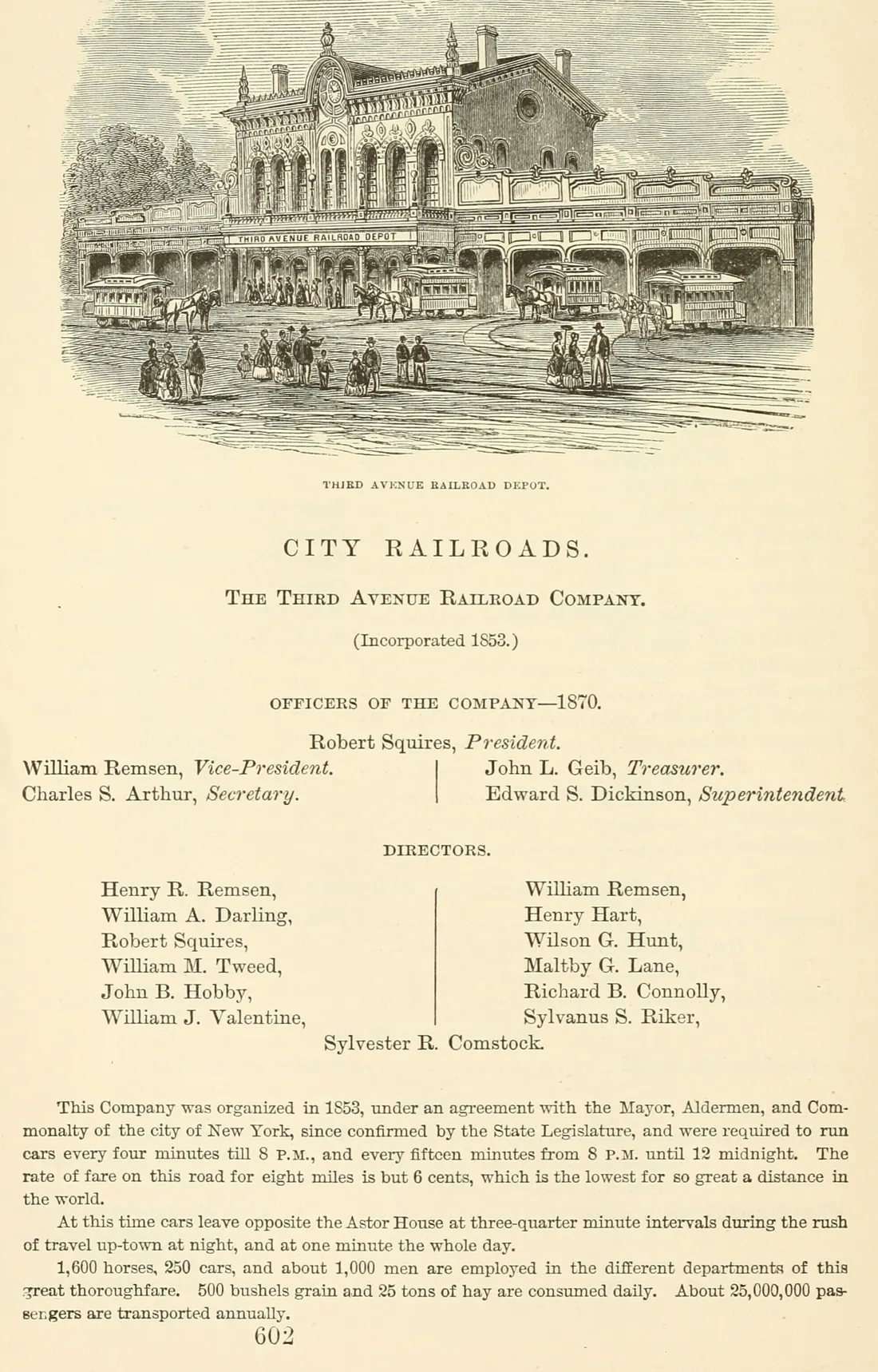
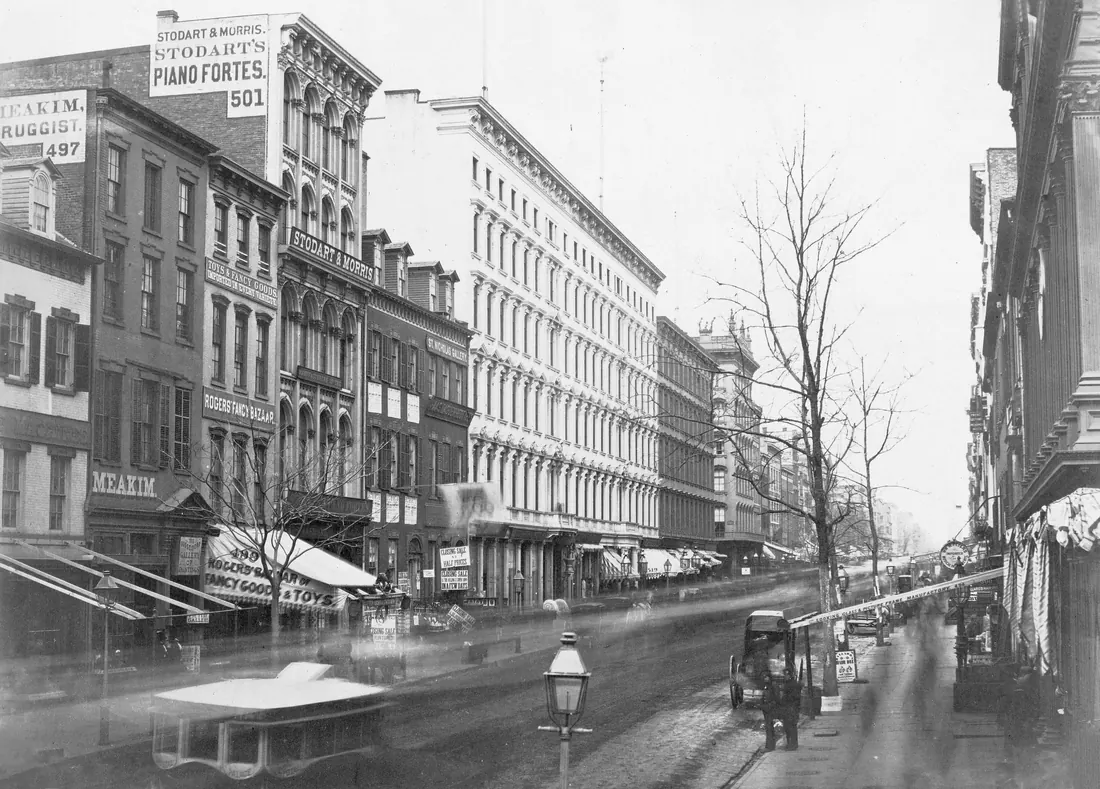
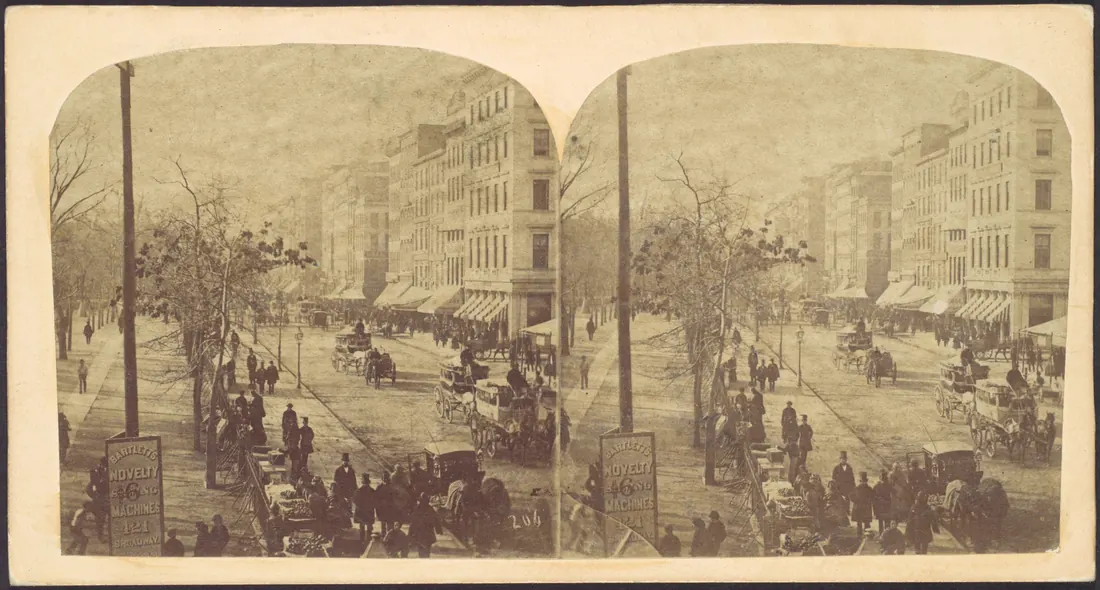
The photograph of Elizabeth Jennings Graham was taken later in her life (19th century, photographer unknown) and is a small original. No picture of the 1854 incident is known: the painting (about 1859–60) and the 1870 engraving show the Third Avenue Railroad Company’s own depot and horse cars, and the two Broadway photos show Manhattan streets and omnibuses of the 1850s; none shows her car. The painting is a period painting, not a photograph. The daguerreotype of Chester Arthur dates from about 1858, some four years after the case. The 1956 bus photo shows Rosa Parks, not Elizabeth Jennings.
Photo credits
The archive photos in this story
All the photographs and illustrations in this story are in the public domain. Tap one to enlarge it, or follow the link to its Wikimedia Commons page for the full record. The narration, music, captions and graphics in the Short are our own.