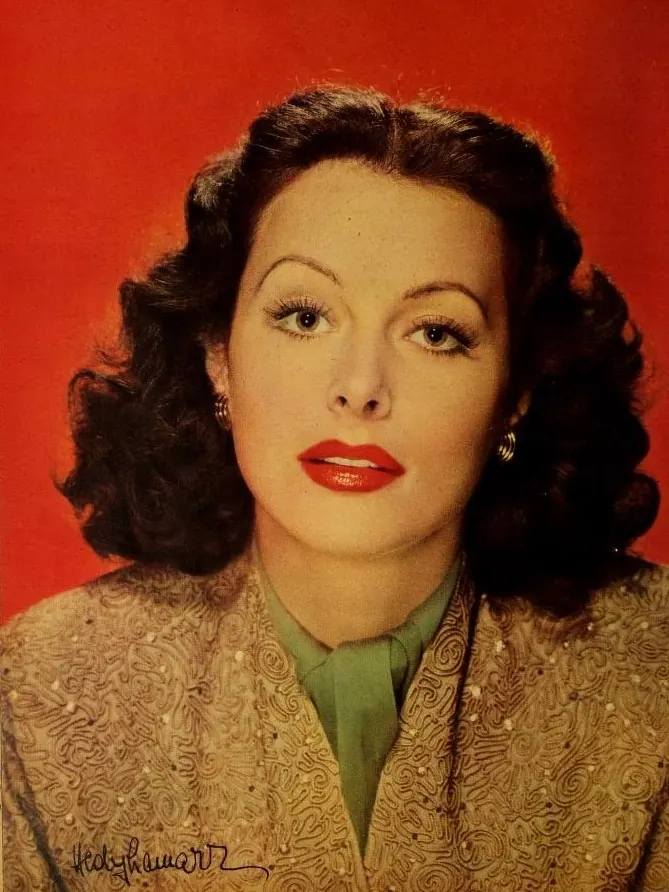
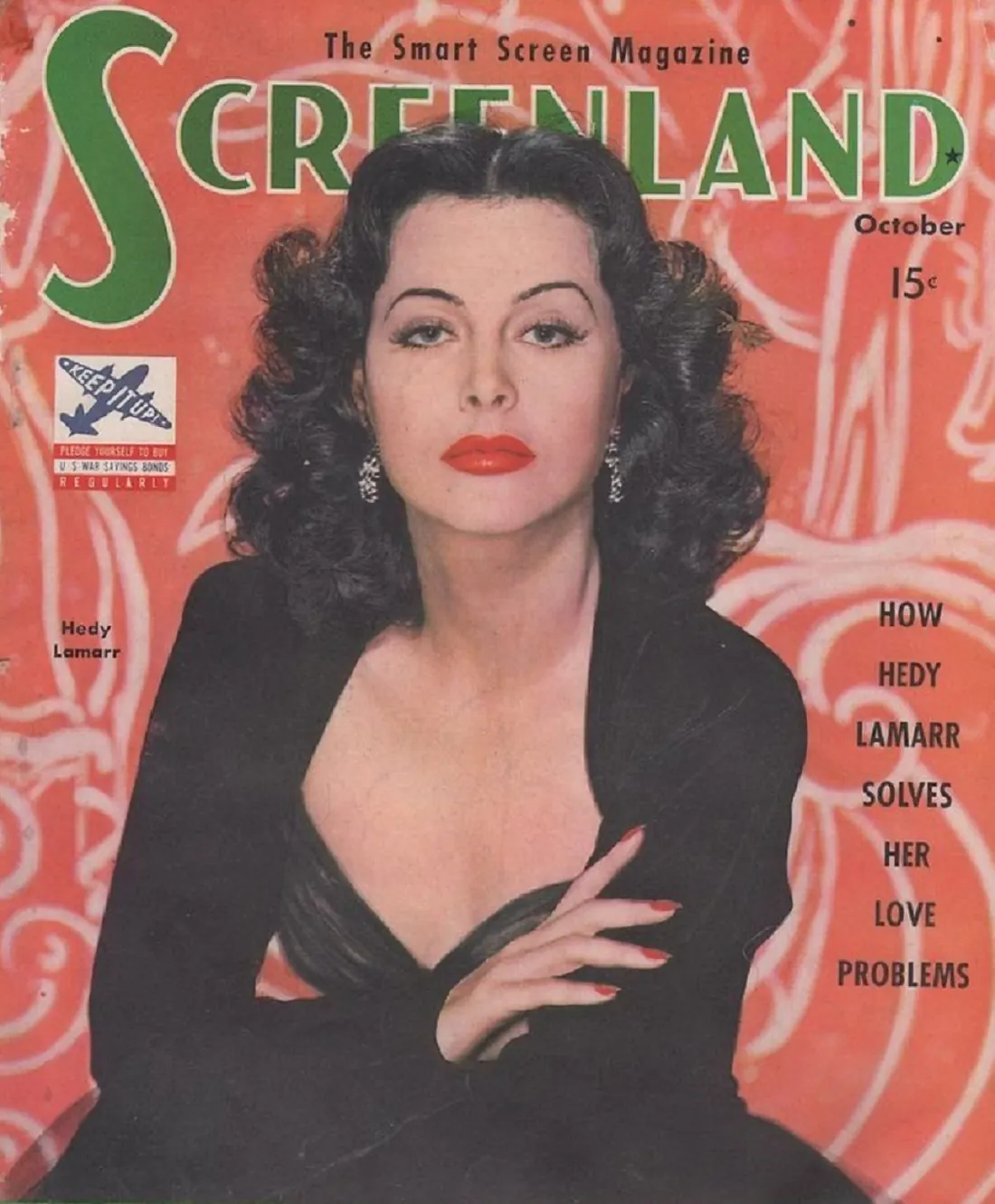
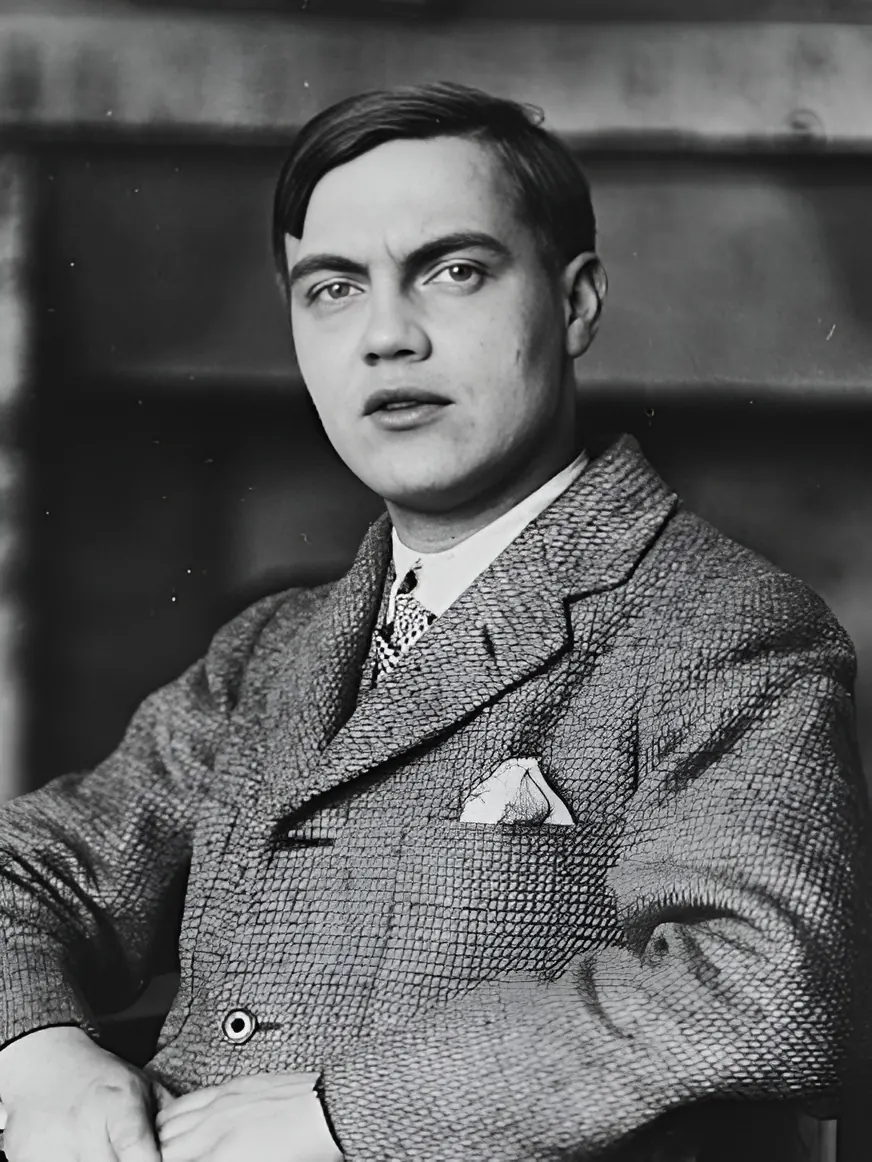
Hedy Lamarr was born Hedwig Kiesler in Vienna on November 9, 1914. In 1938 Louis B. Mayer, the head of MGM, brought her to Hollywood and began promoting her as the “world’s most beautiful woman.” Her roles emphasized her beauty while giving her relatively few lines, and the lack of acting challenges bored her. In her spare time, including on set between takes, she designed and drafted inventions.
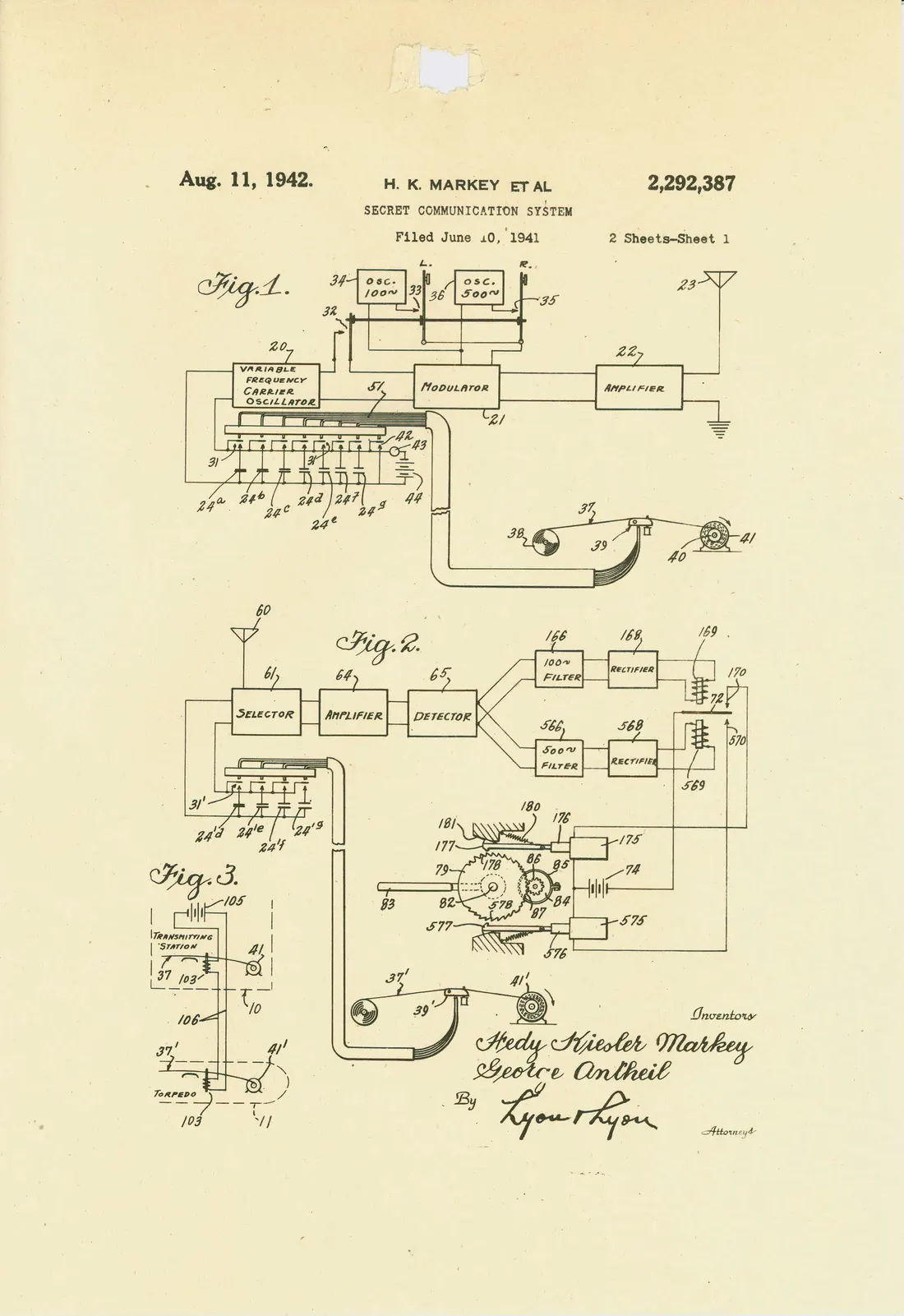
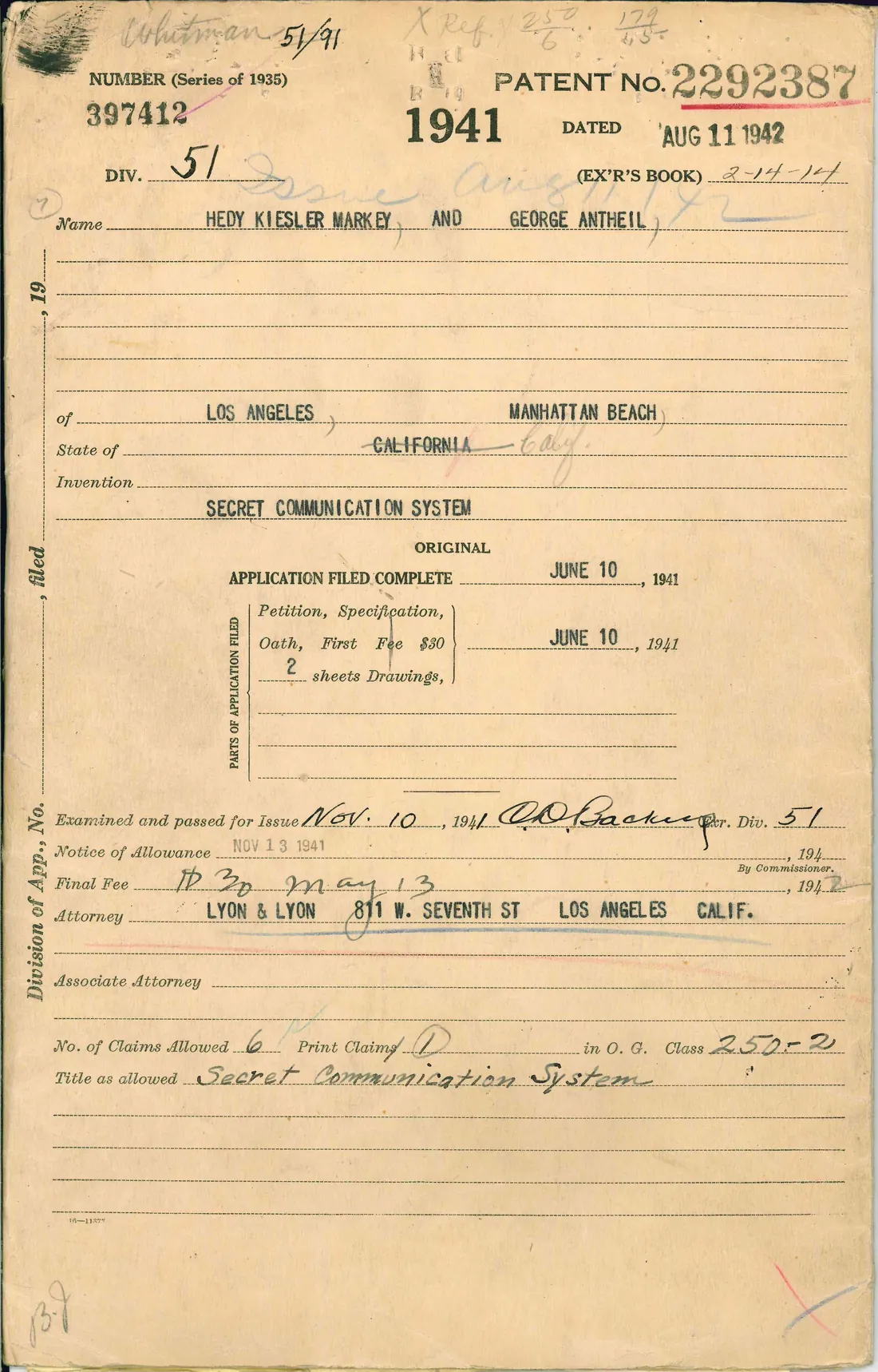
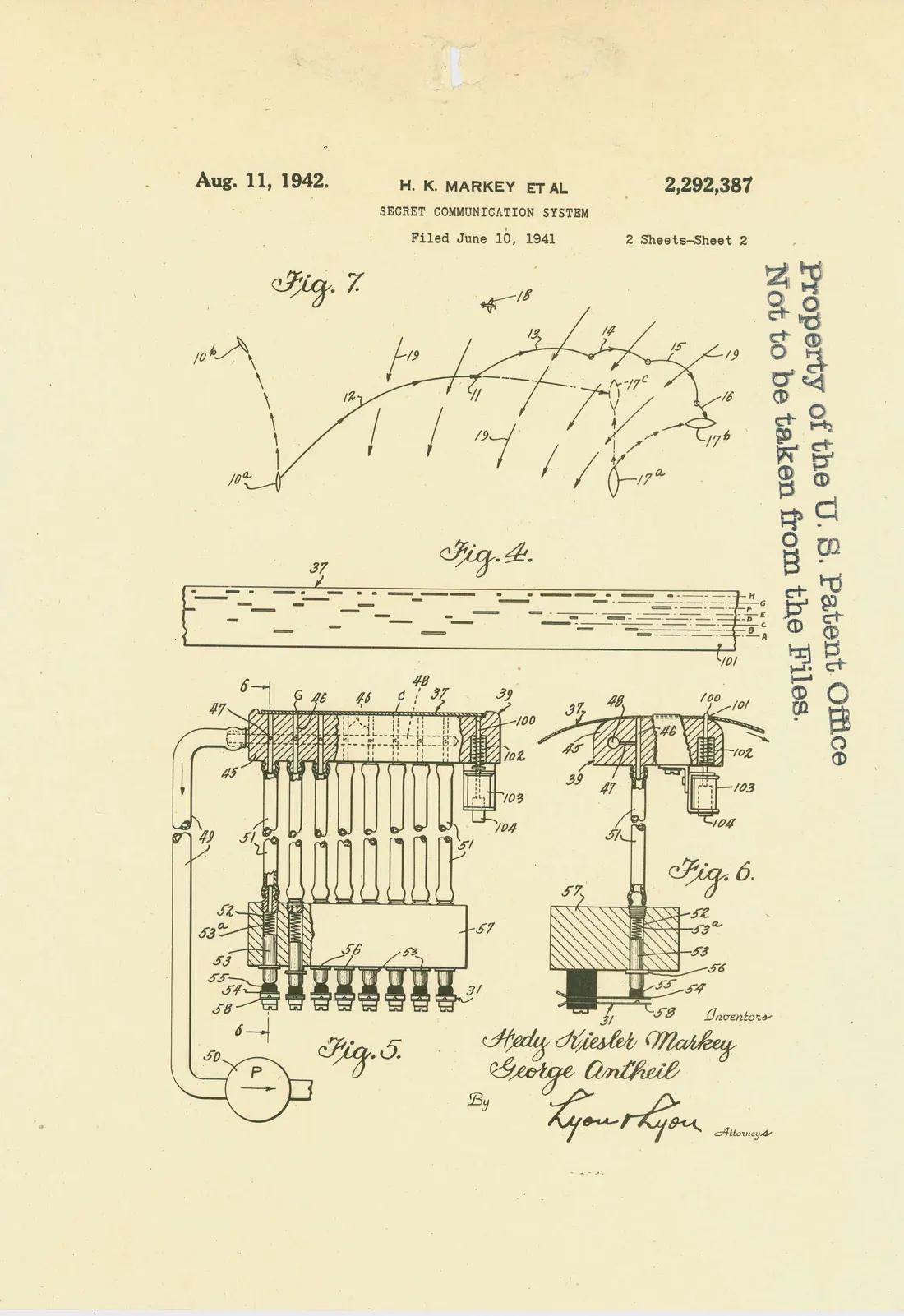
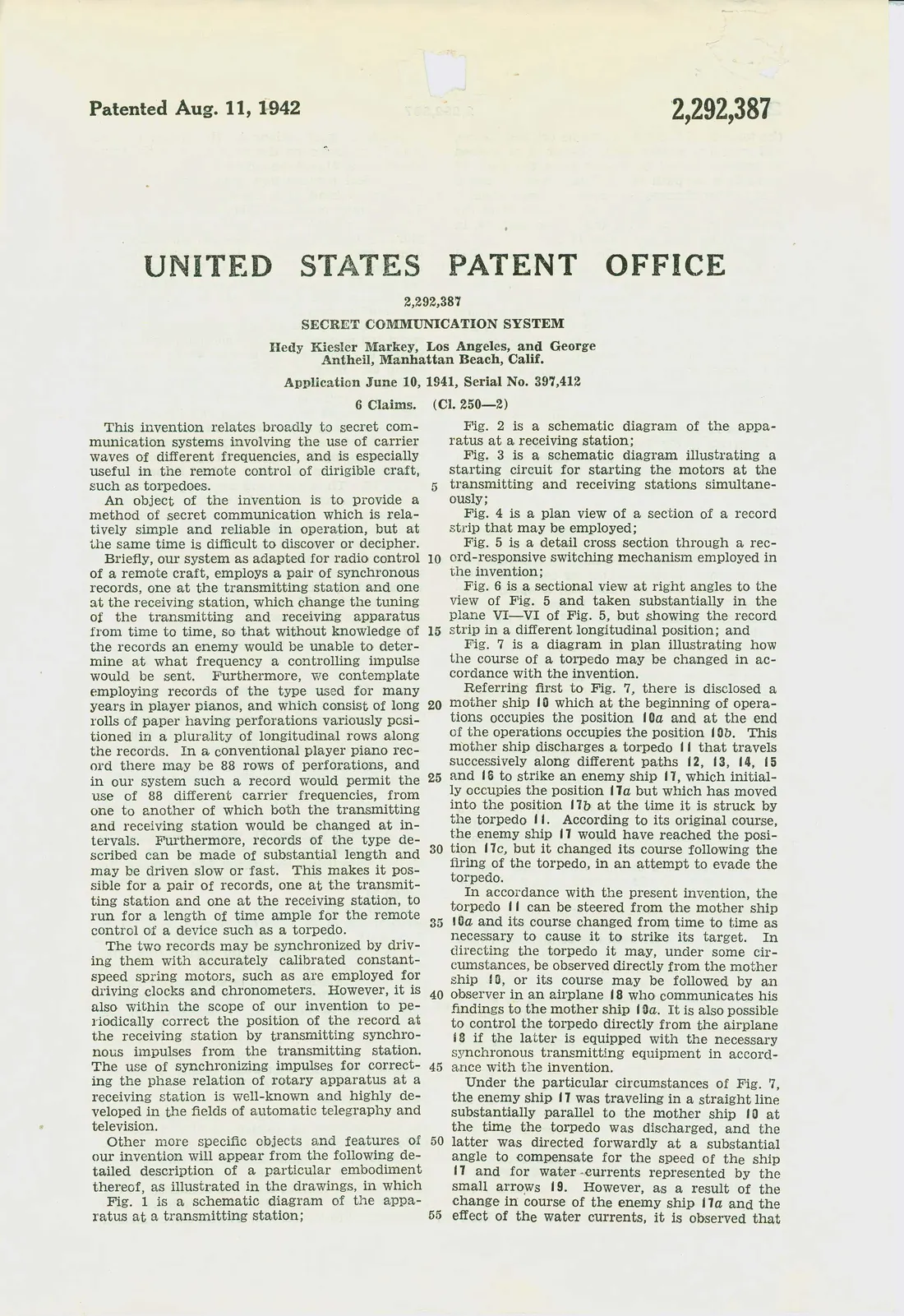
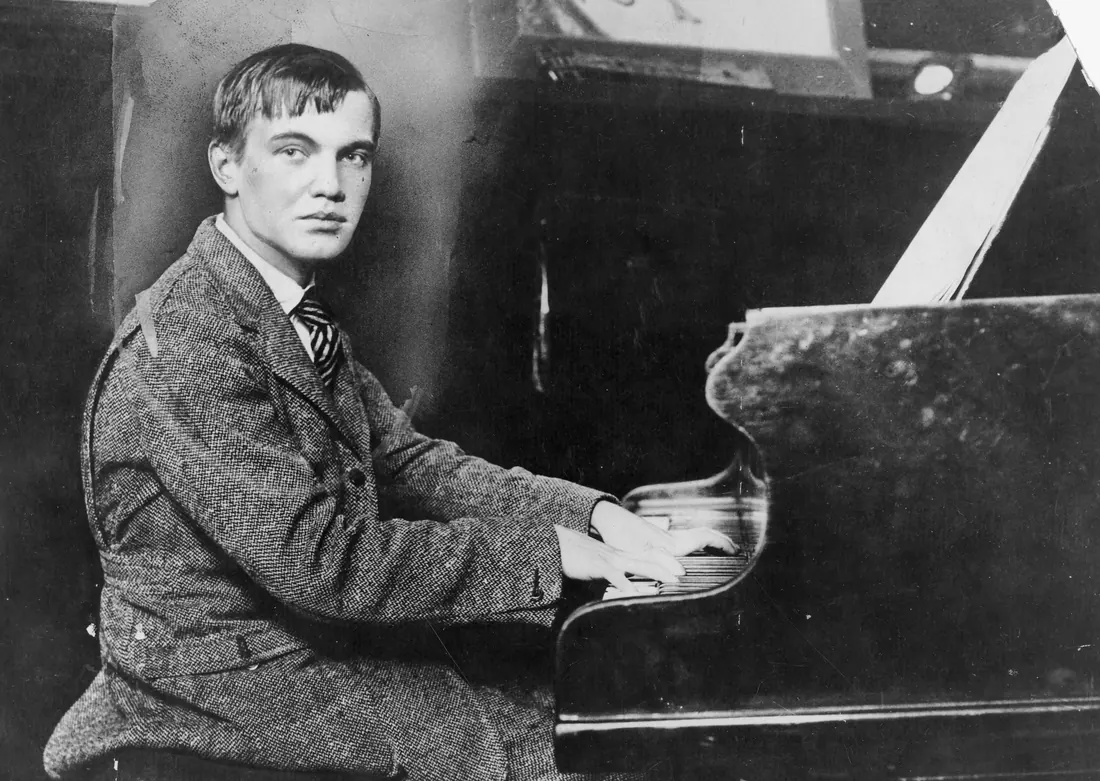
During World War II, with the composer George Antheil, she co-invented a radio guidance system for Allied torpedoes. Its signal would hop from one frequency to another so that it couldn’t be jammed. It worked like a player piano: in the patent, a record with 88 rows of perforations would allow “88 different carrier frequencies,” and both the transmitting and the receiving station would change from one to another at intervals. The patent, US 2,292,387, was granted on August 11, 1942, under her legal name, Hedy Kiesler Markey.
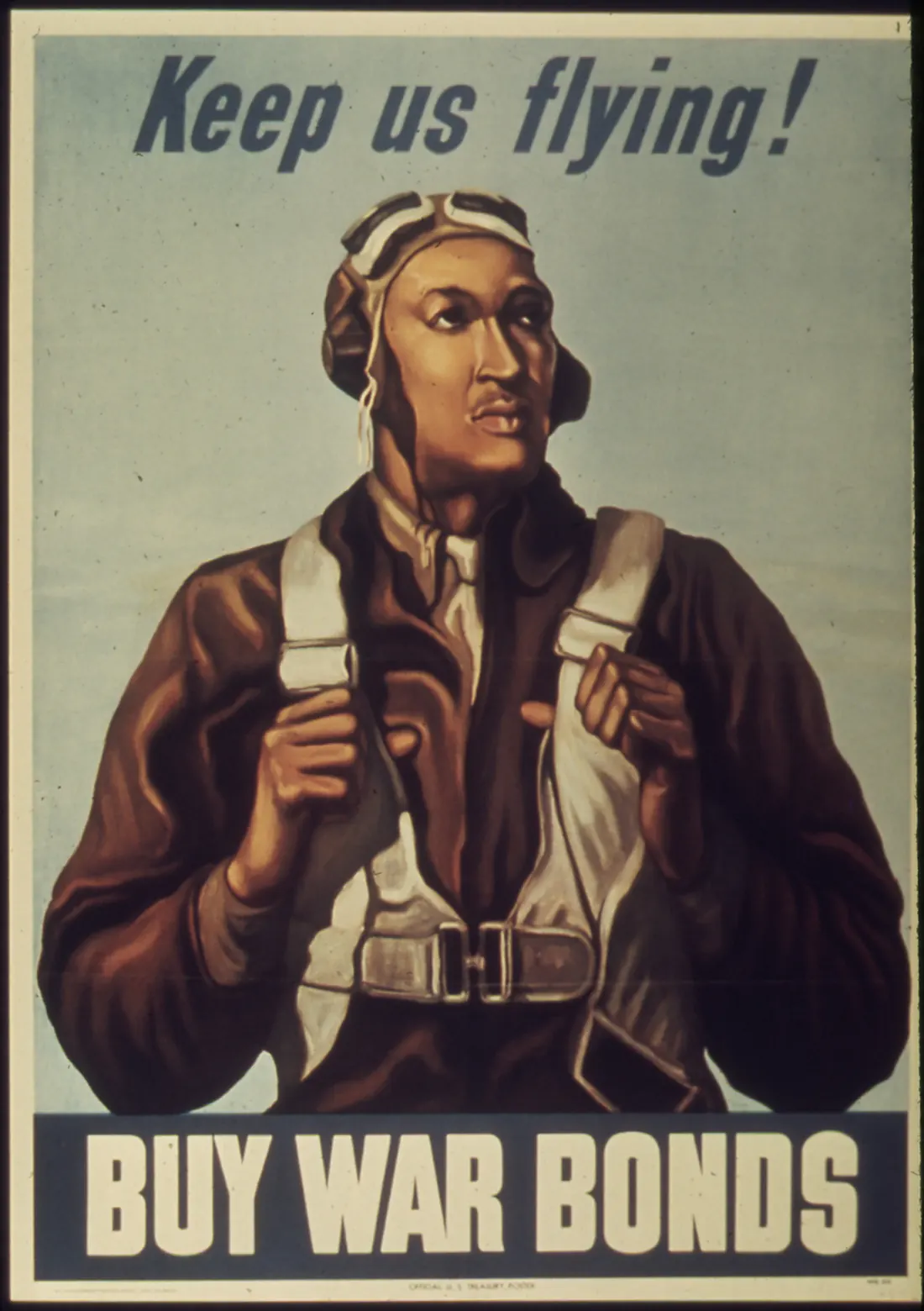
But the Navy turned it down; Wikipedia says it judged the system too large to fit in a torpedo. Lamarr, the National WWII Museum writes, “was essentially told to instead use her celebrity status to sell war bonds,” and during one period of fundraising in 1942 she raised $25 million. The patent expired in 1959, and she never earned a penny from it.
By the 1962 Cuban Missile Crisis, US Navy ships were using frequency hopping, in similar systems built by Sylvania, not to her design. Bluetooth uses frequency hopping today. In 1997 Lamarr and Antheil were jointly honored with the Electronic Frontier Foundation’s Pioneer Award. She died in 2000, and in 2014 she was inducted into the National Inventors Hall of Fame.
Fact check
The facts and where they come from
- Hedy Lamarr, an Austrian and American actress and inventor, was born Hedwig Kiesler in Vienna on November 9, 1914, and died on January 19, 2000. 12
- MGM sold her as the world’s most beautiful woman. Louis B. Mayer, the head of MGM, “brought her to Hollywood in 1938 and began promoting her as the ‘world’s most beautiful woman’” (Wikipedia). PBS: she “was known as the world’s most beautiful woman.” 13
- MGM gave her few lines. Her roles “emphasized her beauty and sensuality while giving her relatively few lines. The lack of acting challenges bored Lamarr” (Wikipedia). 1
- Between takes, she was inventing. She spent “her spare time, including on set between takes, in designing and drafting inventions” (Wikipedia). The National WWII Museum: she worked on inventions “both while on set during breaks in her trailer and at night at home.” 14
- With the composer George Antheil she co-invented “a radio guidance system for Allied torpedoes,” using frequency hopping “to defeat the threat of radio jamming” (Wikipedia). The patent is for the “remote control of dirigible craft, such as torpedoes.” The National Inventors Hall of Fame: “Lamarr and Antheil’s frequency hopping reduced the risk of detection or jamming of radio-controlled torpedoes.” 152
- The signal would hop between 88 frequencies, like piano keys. The patent: “In a conventional player piano record there may be 88 rows of perforations, and in our system such a record would permit the use of 88 different carrier frequencies, from one to another of which both the transmitting and receiving station would be changed at intervals.” Wikipedia: “using a piano-roll to switch among 88 frequencies to make radio-guided torpedoes harder for enemies to detect or jam.” 56
- The enemy couldn’t jam it. The National WWII Museum says the system guided torpedoes “in a way that was un-jammable”; the patent says that without the records “an enemy would be unable to determine at what frequency a controlling impulse would be sent.” 45
- The patent was filed on June 10, 1941, and “granted as U.S. patent 2,292,387 on August 11, 1942, under her legal name Hedy Kiesler Markey” (Wikipedia). 154
- The Navy turned it down. Wikipedia: “The invention was proposed to the Navy, who rejected it on the basis that it would be too large to fit in a torpedo.” The National WWII Museum: “the Navy rejected usage of their patent.” 14
- She was told to sell war bonds instead. The National WWII Museum: “Lamarr was essentially told to instead use her celebrity status to sell war bonds.” Wikipedia: she “was reportedly told by NIC member Charles F. Kettering and others that she could better help the war effort by using her celebrity status to sell war bonds.” PBS: she “was ignored and told to sell kisses for war bonds instead.” 413
- $25 million in one campaign: “during one period of fundraising in 1942, she raised $25 million in war bonds” (the National WWII Museum). 4
- Her patent expired before she earned a penny from it. The National Women’s History Museum: “Lamarr’s patent expired before she ever saw a penny from it.” The National WWII Museum: they “never received a penny for their work,” and the patent expired in 1959. 74
- By 1962, US Navy ships were using frequency hopping. The National WWII Museum: “by the time of the Cuban Missile Crisis, American ships had torpedoes controlled by frequency-hopping systems.” Wikipedia: “In 1962, the US Navy utilized Sylvania Electronic Systems Division’s work during the Cuban Missile Crisis.” 46
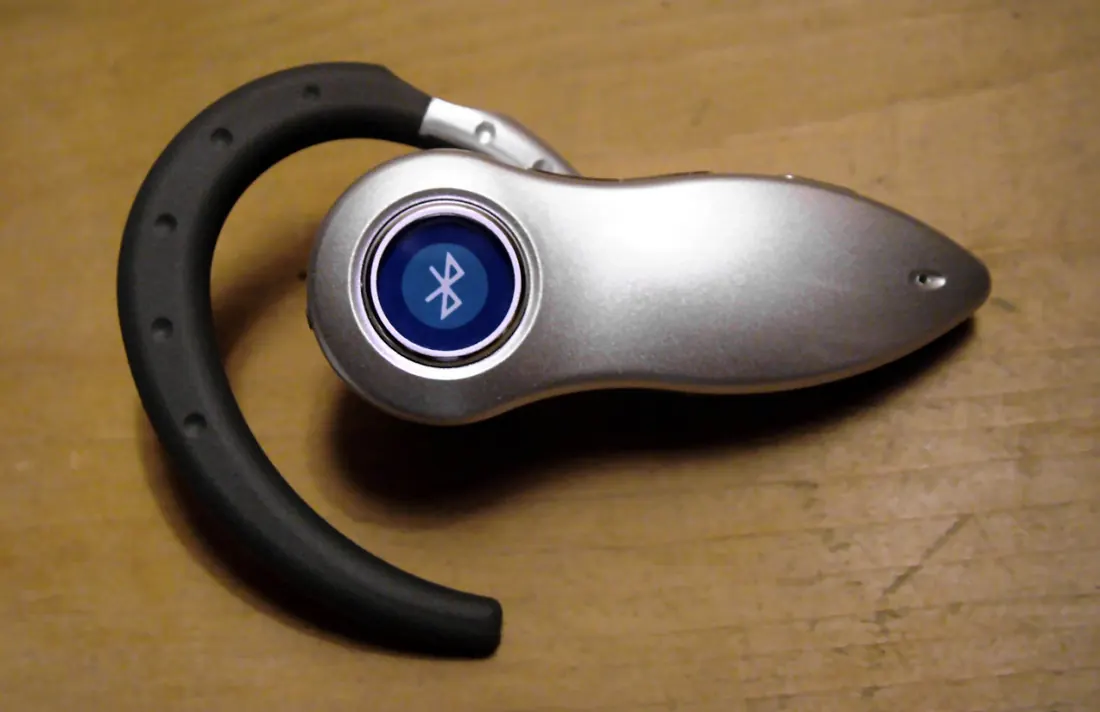
- Bluetooth still uses frequency hopping: “Bluetooth uses a radio technology called frequency-hopping spread spectrum” (Wikipedia, Bluetooth). Wikipedia’s Hedy Lamarr article: frequency hopping’s “principles are utilized for secure wireless networking, including Bluetooth and early versions of Wi-Fi.” 81
- In 1997 she was finally honored as an inventor: “In 1997, Lamarr and Antheil were jointly honored with the Electronic Frontier Foundation’s Pioneer Award.” The National Women’s History Museum: “It wasn’t until Lamarr’s later years that she received any awards for her invention.” 472
- She died in 2000, and the National Inventors Hall of Fame inducted her in 2014, after her death. 21
- Hollywood saw her face. PBS: “her arresting appearance and glamorous life stood in the way of her being given the credit she deserved as an ingenious inventor.” (The Short’s last line is our paraphrase, not a quote.) 3
Sources
- Hedy Lamarr Wikipedia
- Hedy Lamarr National Inventors Hall of Fame
- About Hedy Lamarr (Bombshell: The Hedy Lamarr Story) PBS, American Masters
- Hedy Lamarr’s WWII Invention Helped Shape Modern Tech The National WWII Museum
- US patent 2,292,387, “Secret communication system” (1942) Google Patents
- Frequency-hopping spread spectrum Wikipedia
- Hedy Lamarr National Women’s History Museum
- Bluetooth Wikipedia
Notes
Who told her to sell war bonds: Wikipedia names the National Inventors Council’s Charles Kettering “and others” (“reportedly”); the National WWII Museum says she “was essentially told” after the Navy’s rejection. We don’t name who.
$25 million is the National WWII Museum’s figure for one fundraising period in 1942. Other popular accounts give $7 million in one night or tie the $25 million to a 16-city tour; none of those could be checked on a primary page, so we don’t use them.
She co-invented the system with George Antheil and is generally credited with the idea (the National WWII Museum: “Lamarr appears to have been behind the idea”). Frequency hopping itself existed before their patent (Tesla in 1903, Zenneck, Broertjes in 1932), so we never say she invented frequency hopping, Wi-Fi or GPS, only that Bluetooth uses frequency hopping today.
1962: the Navy’s systems used similar technology, built by Sylvania with transistors, not her clockwork design. We say only that Navy ships were using frequency hopping.
Left out: anything from Ecstasy (1933), anything about Fritz Mandl, and the SS City of Benares backstory. A Treasury war bond poster with caricatures of Hitler and Tojo was looked at and rejected.
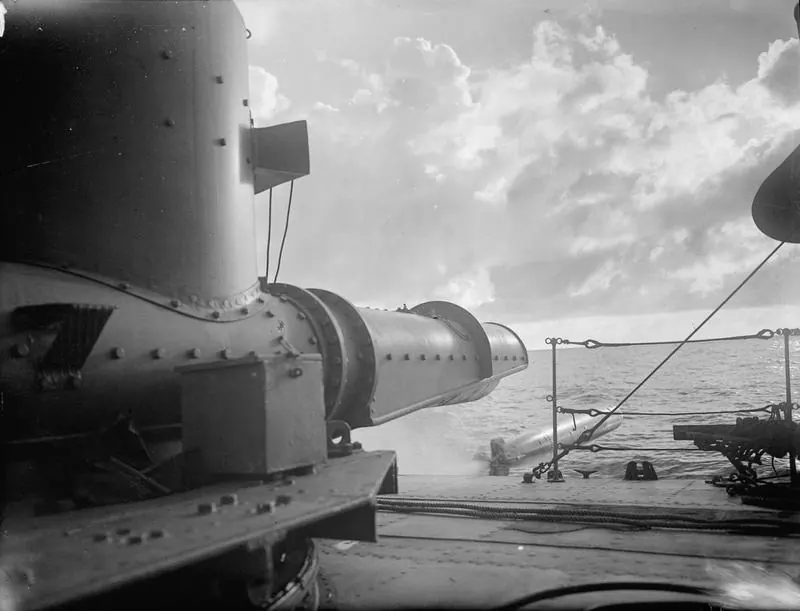
Every photo of Lamarr is a 1940–44 Hollywood publicity still or magazine page. The torpedo photo shows a British destroyer, HMS Derwent, in 1942, and the 1962 photo shows the Navy during the Cuban Missile Crisis; neither shows her own system. The Bluetooth headset (2004) illustrates Bluetooth only.
Photo credits
The archive photos in this story
The photographs and illustrations in this story are in the public domain or shared under open licenses; each one is credited below with its license. Tap one to enlarge it, or follow the link to its Wikimedia Commons page for the full record. The narration, music, captions and graphics in the Short are our own.