Bobbie was a two-year-old Scotch collie mix who belonged to the Brazier family of Silverton, Oregon. In August 1923, Frank and Elizabeth Brazier drove to Wolcott, Indiana, to visit relatives, and Bobbie came along. While they were stopped at a gas station in Wolcott, three other dogs chased him off, more than 2,000 miles from home. He didn’t come back. The family searched for days and put a notice in the newspaper, then drove home to Oregon without him.
On February 15, 1924, six months later, Bobbie limped back into Silverton, mangy and scrawny. “His toe-nails were down to the quick,” Frank Brazier said, and Bobbie would hold up his pads to show how sore his feet were.
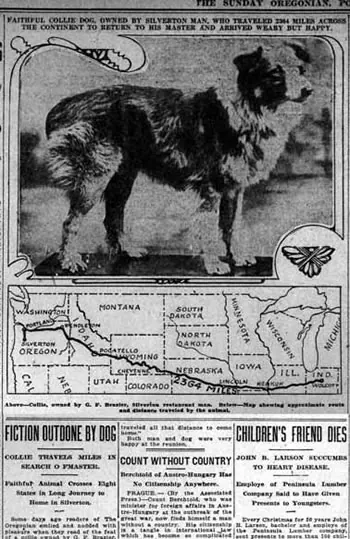
Then letters began to arrive from people who had fed and sheltered him on his journey, and the Humane Society used them to trace his route. He had swum rivers and crossed the Continental Divide in the dead of winter. The Sunday Oregonian’s headline read: “Faithful Animal Crosses Eight States in Long Journey to Home in Silverton.”
Bobbie became a star. He “received medals, keys to cities, and a jewel-studded harness and collar,” and he played himself in the 1924 silent film The Call of the West. When he died in 1927, he was buried with honors at the Oregon Humane Society, and the film star Rin Tin Tin later laid a wreath at his grave. In 1932 Silverton started a children’s pet parade to celebrate his loyalty.
Fact check
The facts and where they come from
- He was lost over 2,000 miles from home: in Wolcott, Indiana, “about 2,300 miles into their road trip” (Offbeat Oregon). The Sunday Oregonian’s 1924 map gives his route as 2,364 miles. 14
- Bobbie was the Brazier family’s dog, of Silverton, Oregon, a “two-year-old scotch-collie mix.” 23
- “In August 1923, Frank and Elizabeth Brazier were visiting relatives in Wolcott, Indiana” (Wikipedia), having driven there from Oregon with Bobbie. 21
- “While stopped in Wolcott, Bobbie was chased by three other dogs from a gas station” (Wikipedia). He didn’t come back. 21
- They searched for days (“After a few days’ search and publishing a newspaper notice asking for help without success,” Wikipedia), then drove home to Oregon without him. 2
- In February 1924 he came back to Silverton: “On February 15th 1924 (six months later), Bobbie returned to Silverton” (Wikipedia). 23
- He came back “mangy, scrawny” (Oregon Encyclopedia). Frank Brazier, quoted by Offbeat Oregon from the Silverton and Portland papers of February and March 1924: “His toe-nails were down to the quick,” and Bobbie would hold up his pads to show how sore his feet were. 31
- Letters came from people who had fed him: “People who had fed and sheltered Bobbie on his journey wrote the family” (Wikipedia); people he had stayed with “started writing letters to tell their stories” (Offbeat Oregon). 21
- The Humane Society used them to trace his route. Offbeat Oregon: the letters helped “the Humane Society of Portland to piece together a surprisingly precise account.” The Oregon Encyclopedia: “Officials from the Oregon Humane Society launched an investigation,” which confirmed the journey. 123
- He crossed eight states. The Sunday Oregonian, 1924: “Faithful Animal Crosses Eight States in Long Journey to Home in Silverton”; Offbeat Oregon: “in at least eight different states.” 41
- In the dead of winter: the Oregon Encyclopedia says he traveled “in the dead of winter”; Offbeat Oregon: “He’d crossed the Continental Divide in the dead of winter.” 31
- He swam rivers and crossed the Rockies: “swimming rivers and crossing the Continental Divide during the coldest part of winter.” 21
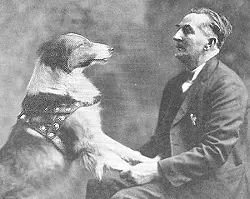
- He “received medals, keys to cities, and a jewel-studded harness and collar.” 32
- “Bobbie played himself in the 1924 silent film The Call of the West.” 23
- “Upon his death in 1927, Bobbie was buried with honors at the Oregon Humane Society,” and the film star Rin Tin Tin “later laid a wreath at his grave.” 32
- Silverton’s children’s pet parade, which celebrates his loyalty, began in 1932: “The event was started in 1932” (Wikipedia); “every May since 1932” (Offbeat Oregon). 21
Sources
- Bobbie the Wonder Dog put Silverton on the map Offbeat Oregon History (Finn J.D. John)
- Bobbie the Wonder Dog Wikipedia
- Bobbie the Wonder Dog The Oregon Encyclopedia (Susan Stelljes)
- The Sunday Oregonian, 1924: “Fiction Outdone by Dog,” with the map of Bobbie’s route Wikimedia Commons
Notes
The distance: 2,364 miles on The Sunday Oregonian’s 1924 map, about 2,300 by road (Offbeat Oregon), 2,551 (Wikipedia, from an odometer reading), 2,800 (Oregon Encyclopedia, as confirmed by the Oregon Humane Society) and up to 3,000 (Ripley’s). We say only “more than 2,000 miles” and eight states, which every source supports.
Where he reappeared: on the Braziers’ doorstep (Oregon Encyclopedia) or on a Silverton street, where their daughter Nova spotted him (Offbeat Oregon). We say only that he came back to Silverton.
“Feet worn to the bone” (Oregon Encyclopedia): Offbeat Oregon notes this claim isn’t in any 1924 article it found, so we use Frank Brazier’s own words instead.
Keys: Offbeat Oregon says Silverton gave him its key; the Oregon Encyclopedia and Wikipedia say “keys to cities” without naming them. We say keys to cities.
Rin Tin Tin’s wreath is in the Oregon Encyclopedia and Wikipedia; Offbeat Oregon says he “was coached to lay a wreath.”
Left out for length: Portland’s mayor, George Baker, gave his eulogy (Oregon Encyclopedia). We don’t claim the pet parade is still held every year.
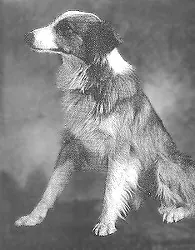
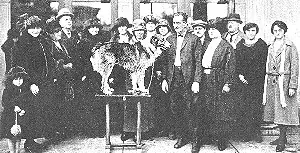
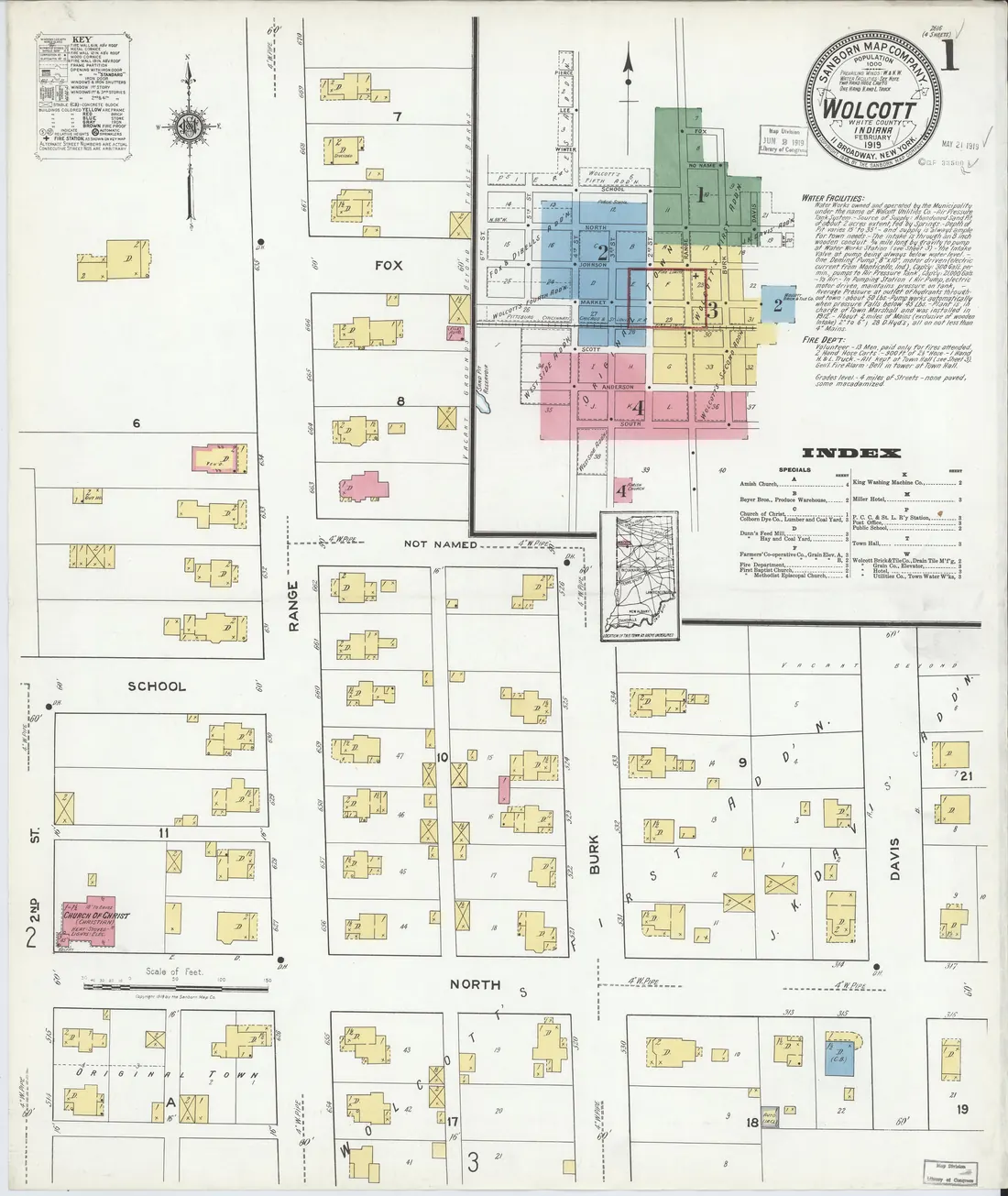
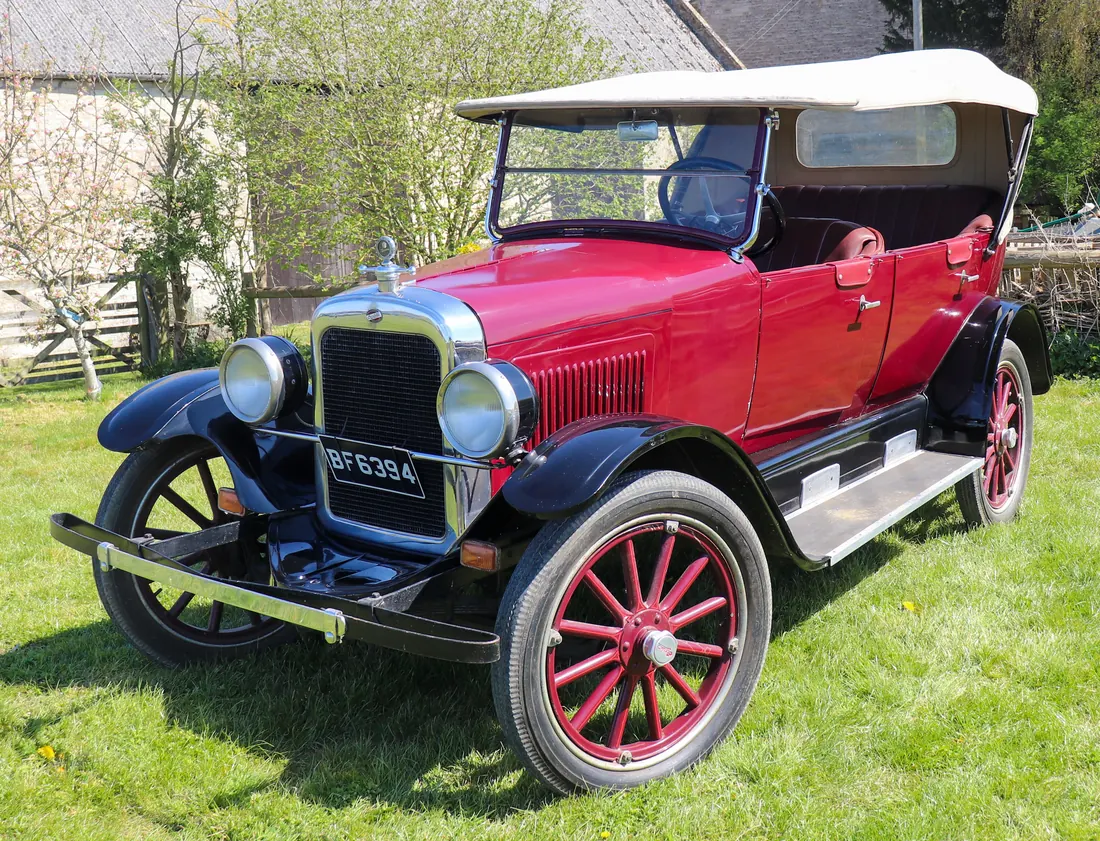
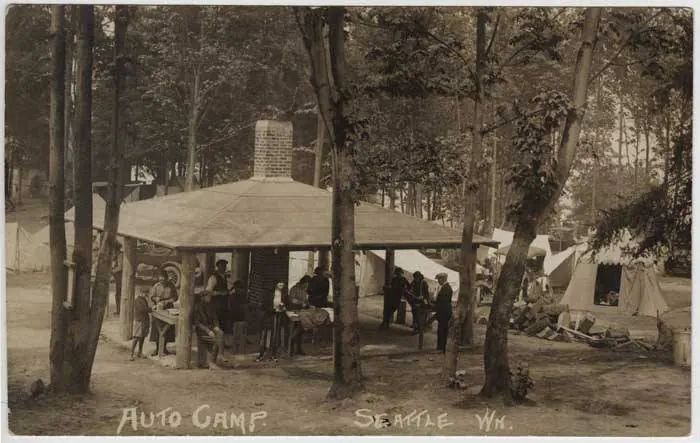
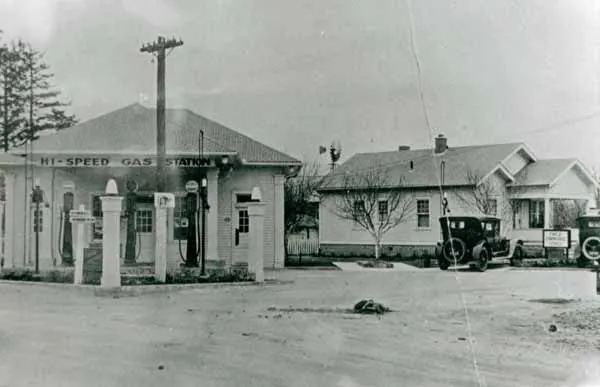
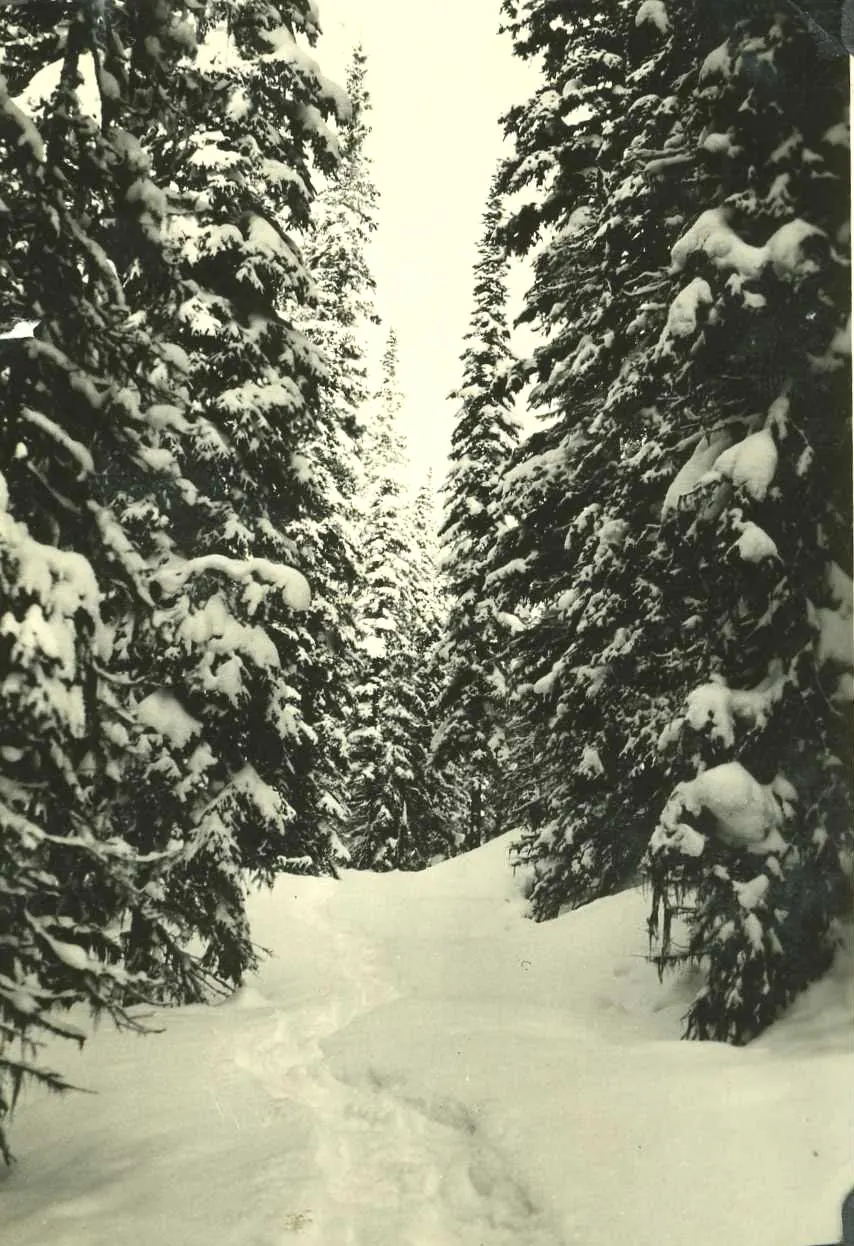
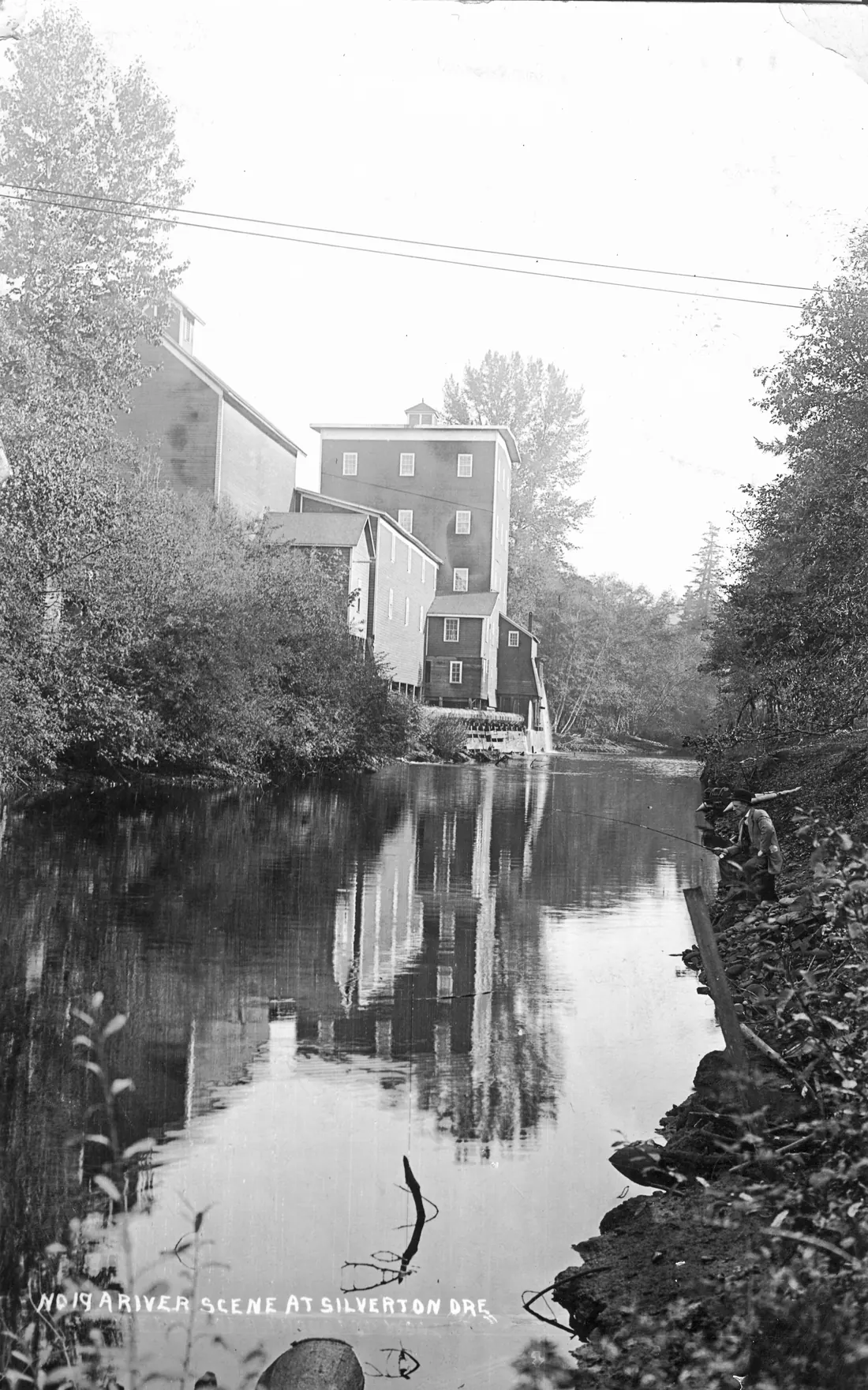
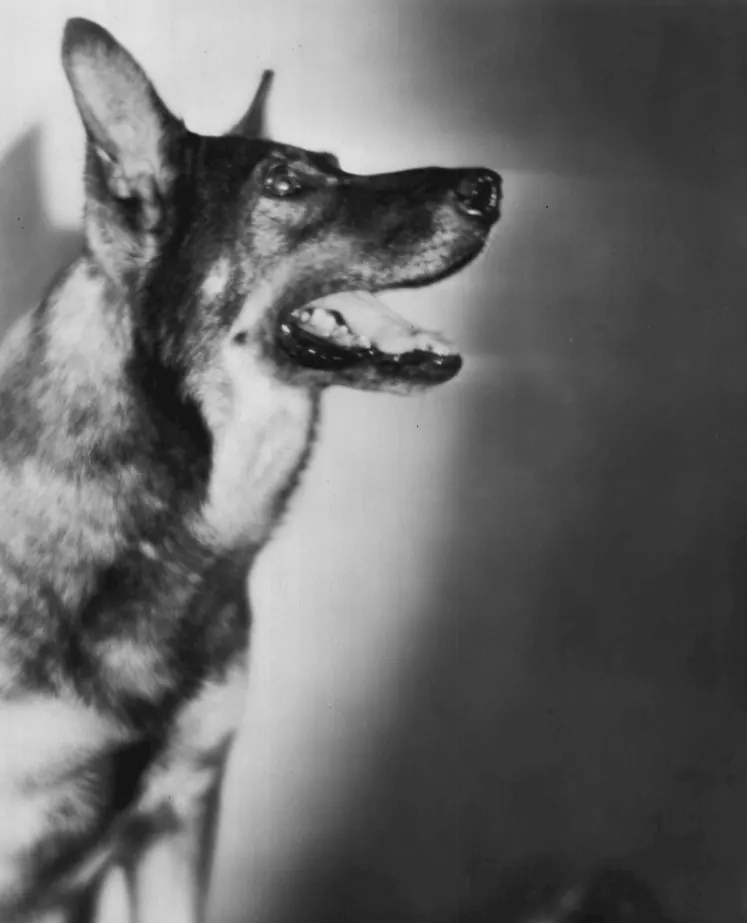
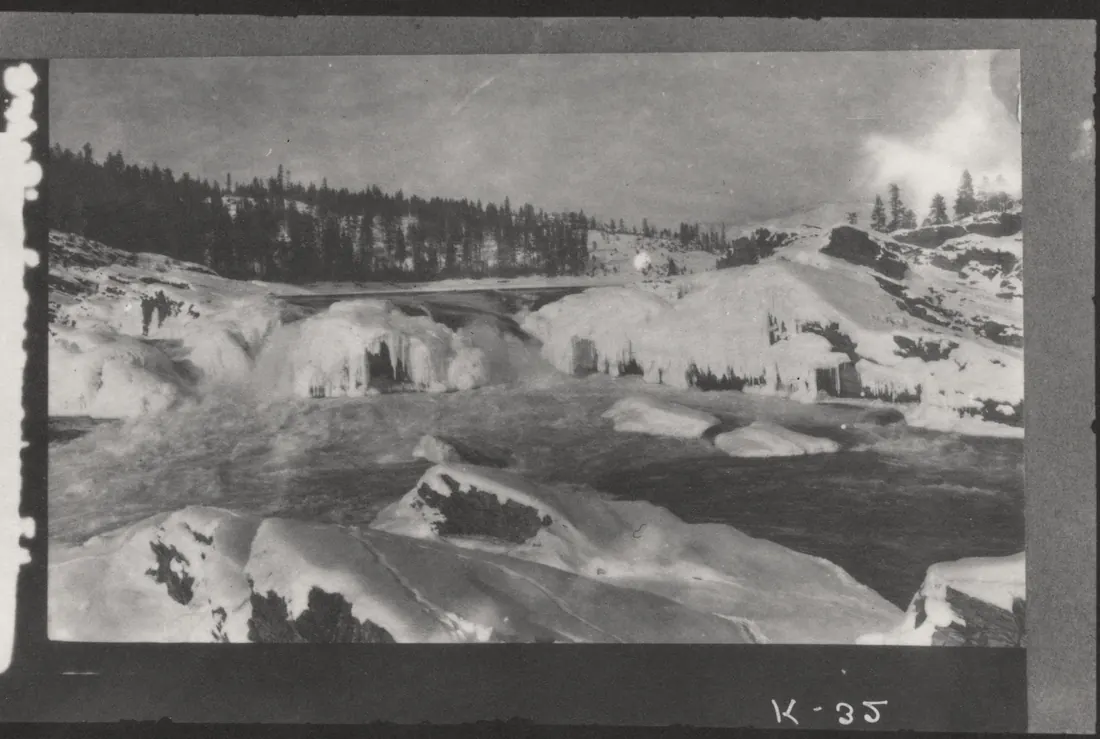
Every dog shown as Bobbie is Bobbie himself (alone, in a studded harness beside Frank Brazier, among admirers, and in The Sunday Oregonian); all four photos are small originals. The other pictures show the period and the kind of places on his journey, not the events: Wolcott’s 1919 fire insurance map, a 1924 filling station in Toledo, Ohio (not the one in Wolcott), a restored car of the model the Braziers drove (photographed in 2021), an auto camp in Seattle around 1925, a trail on the Continental Divide in Montana, Kettle Falls in winter around 1920, and an early postcard of Silver Creek at Silverton. Rin Tin Tin is shown in a 1929 film still. Silverton’s murals of Bobbie aren’t shown: they are copyrighted artworks.
Photo credits
The archive photos in this story
The photographs and illustrations in this story are in the public domain or shared under open licenses; each one is credited below with its license. Tap one to enlarge it, or follow the link to its Wikimedia Commons page for the full record. The narration, music, captions and graphics in the Short are our own.