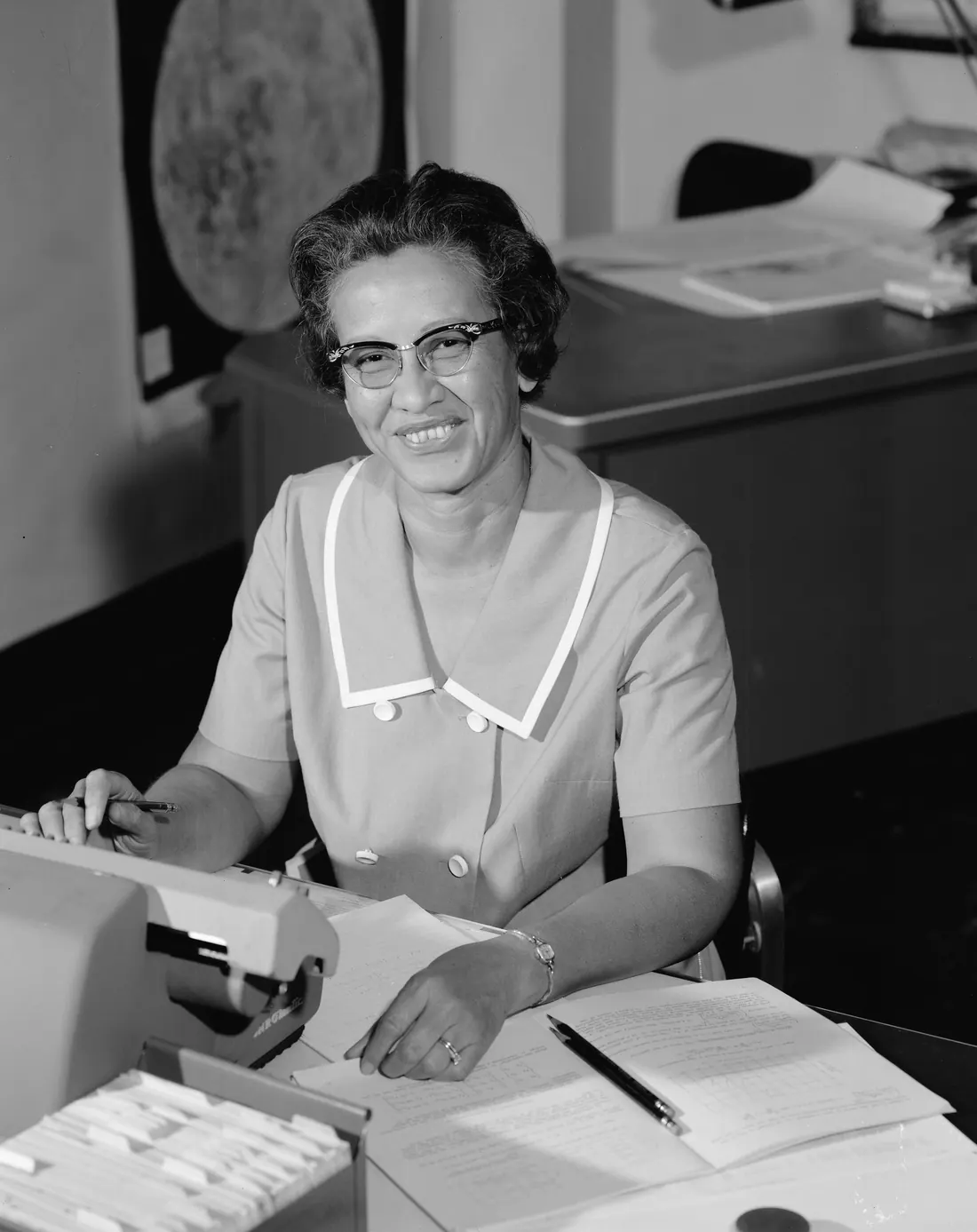
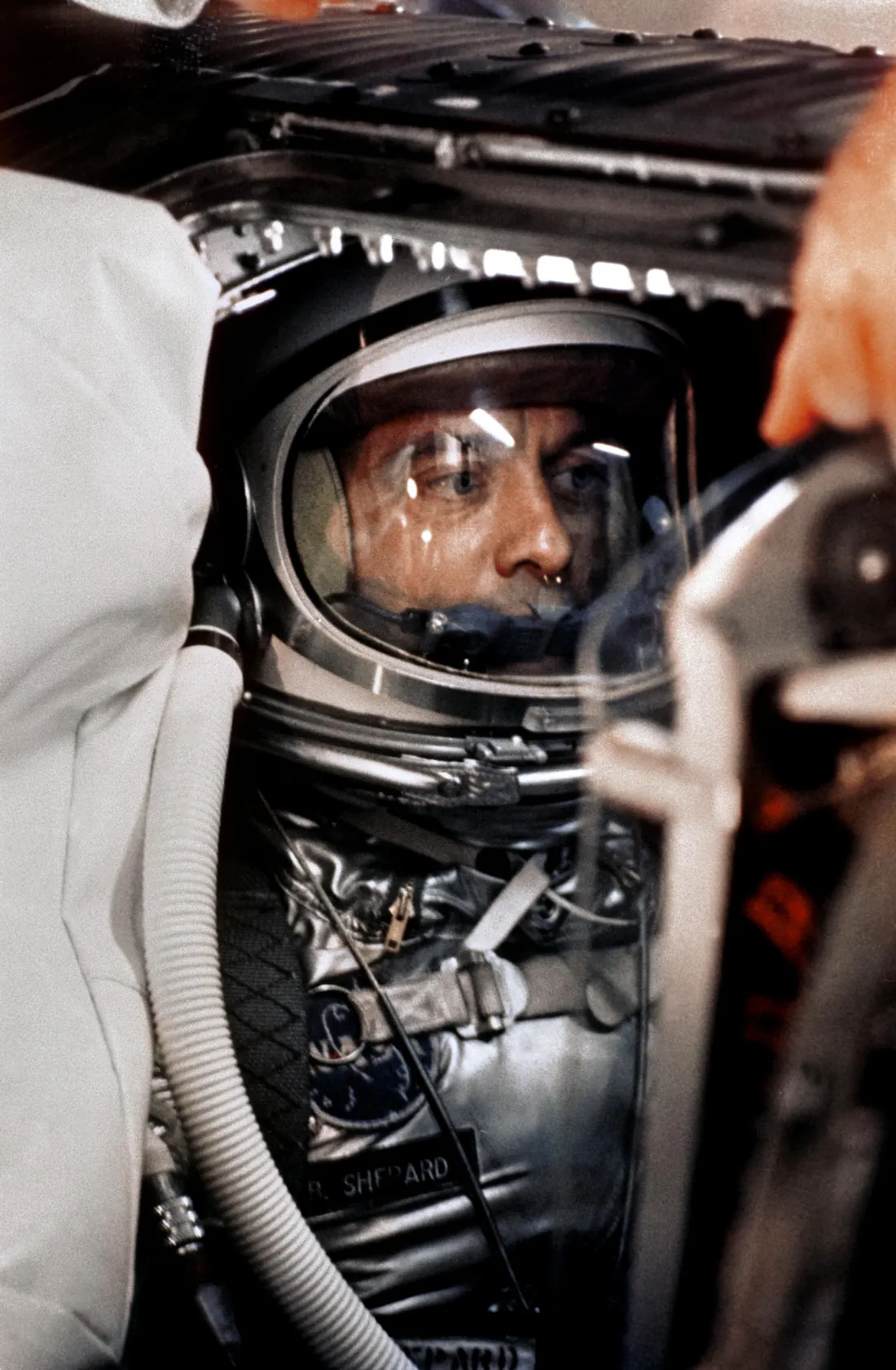
Katherine Johnson was born on August 26, 1918, in White Sulphur Springs, West Virginia. In June 1953 she was hired by NACA at its Langley laboratory in Hampton, Virginia, into the segregated West Area Computing section, a pool of Black women mathematicians known as “computers.” She did the trajectory analysis for Alan Shepard’s Freedom 7 mission in May 1961, America’s first human spaceflight.
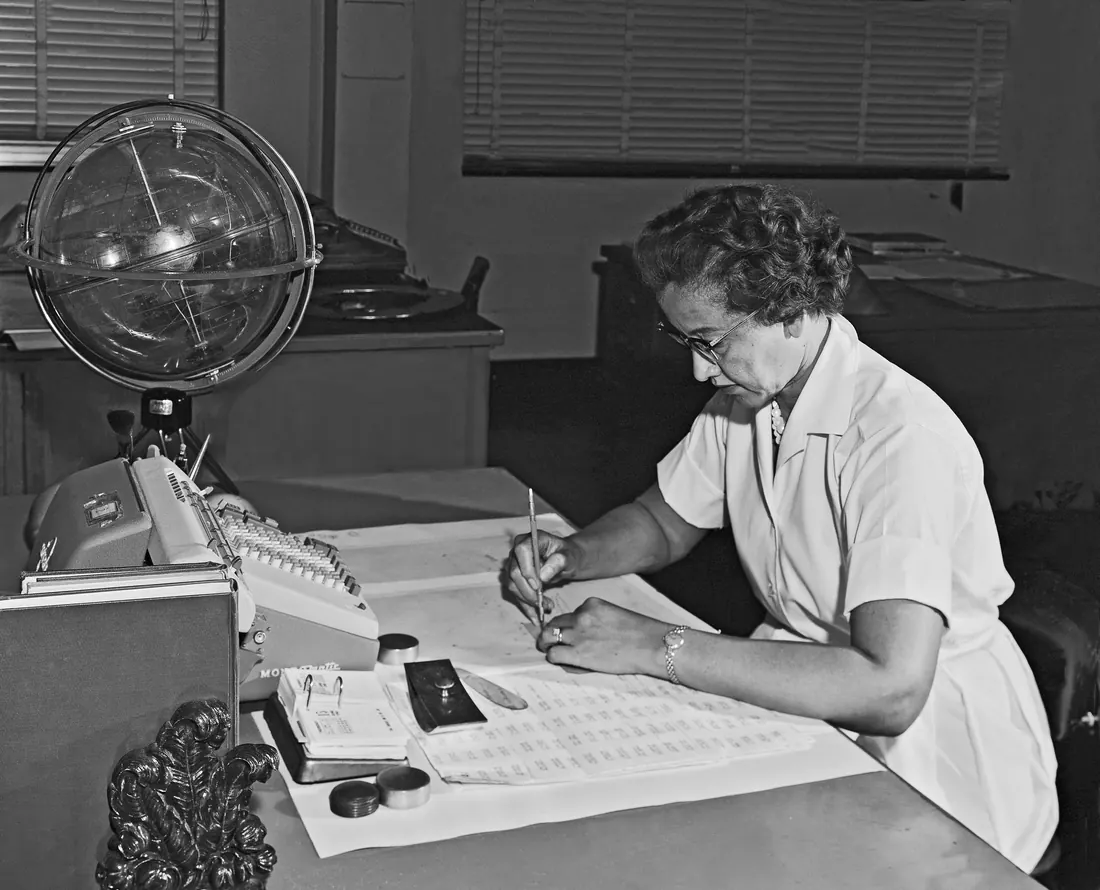
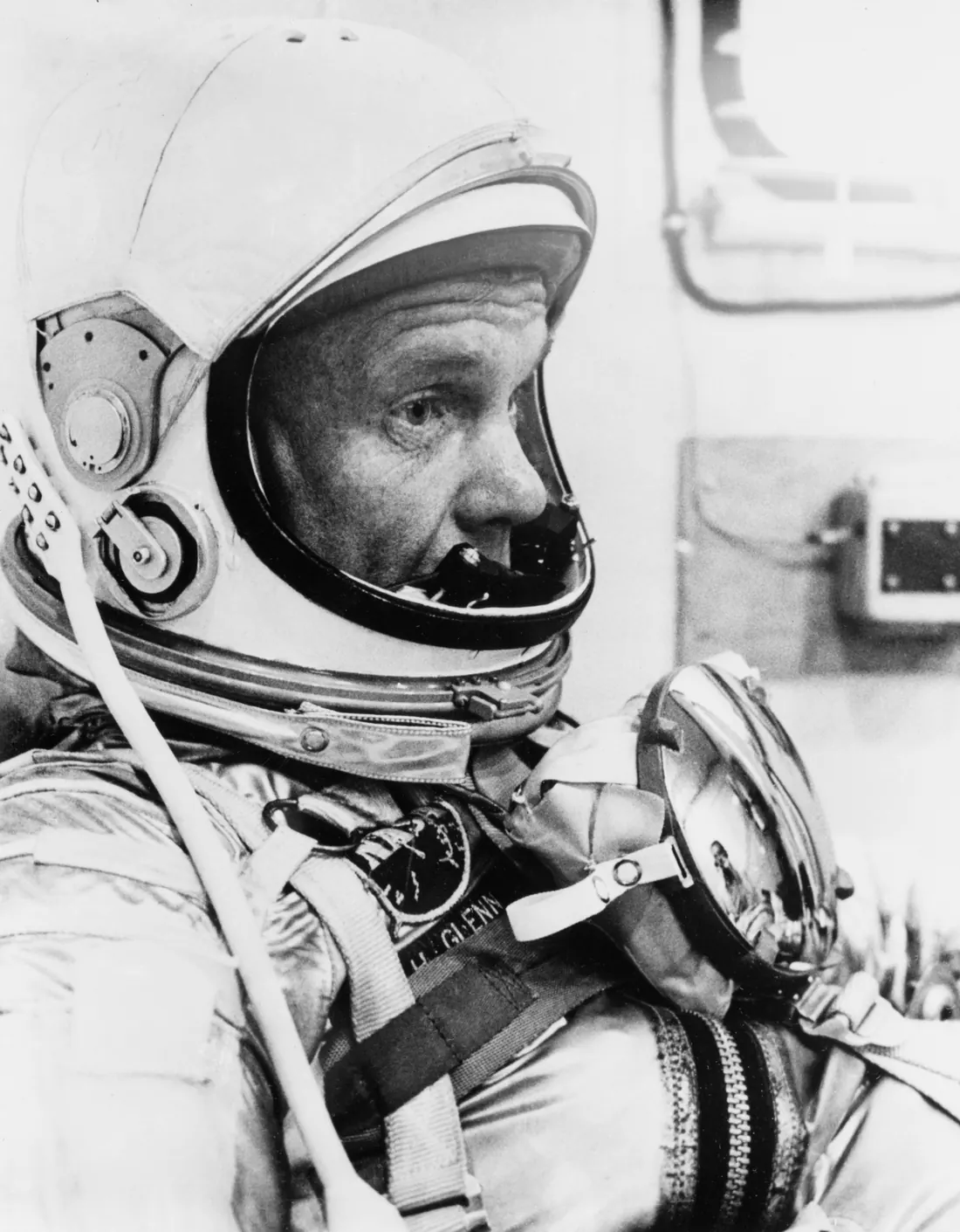
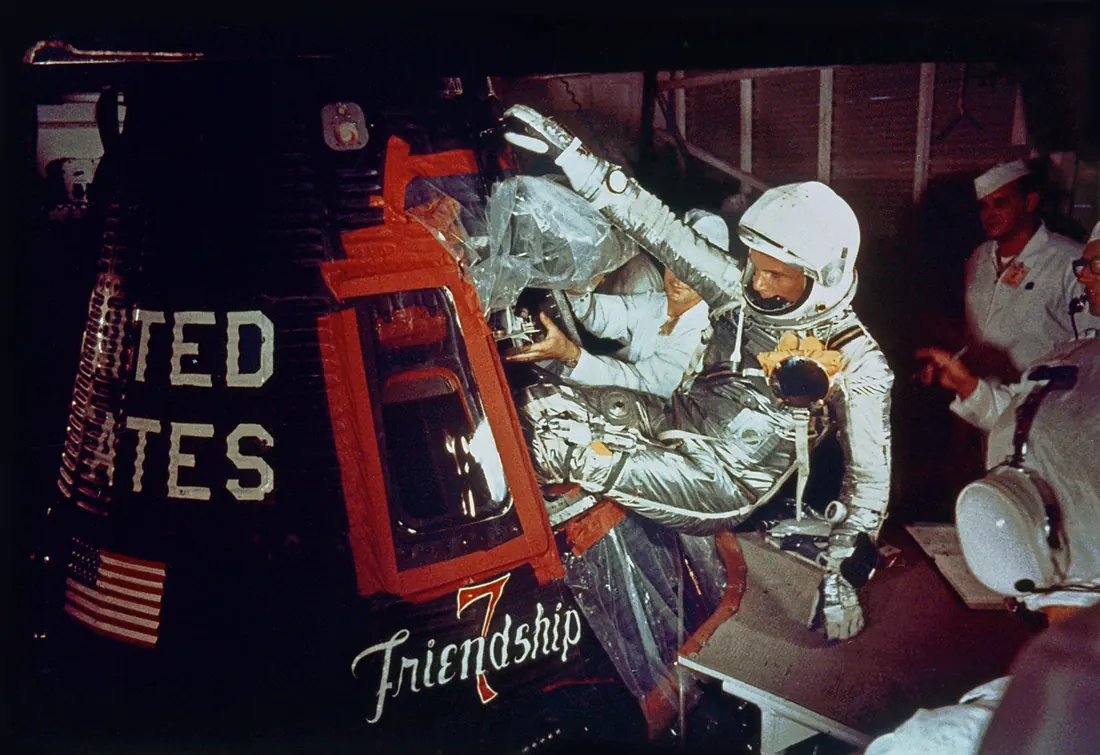
In 1962, as NASA prepared for John Glenn’s orbital mission, its computers had been programmed with the equations that would control his Friendship 7 capsule from liftoff to splashdown. But the astronauts were wary of putting their lives in the care of the electronic calculating machines, which were “prone to hiccups and blackouts.” According to Johnson, Glenn asked engineers to “get the girl” to run the same numbers through the same equations by hand, on her desktop mechanical calculating machine. “If she says they’re good,” she remembered him saying, “then I’m ready to go.”
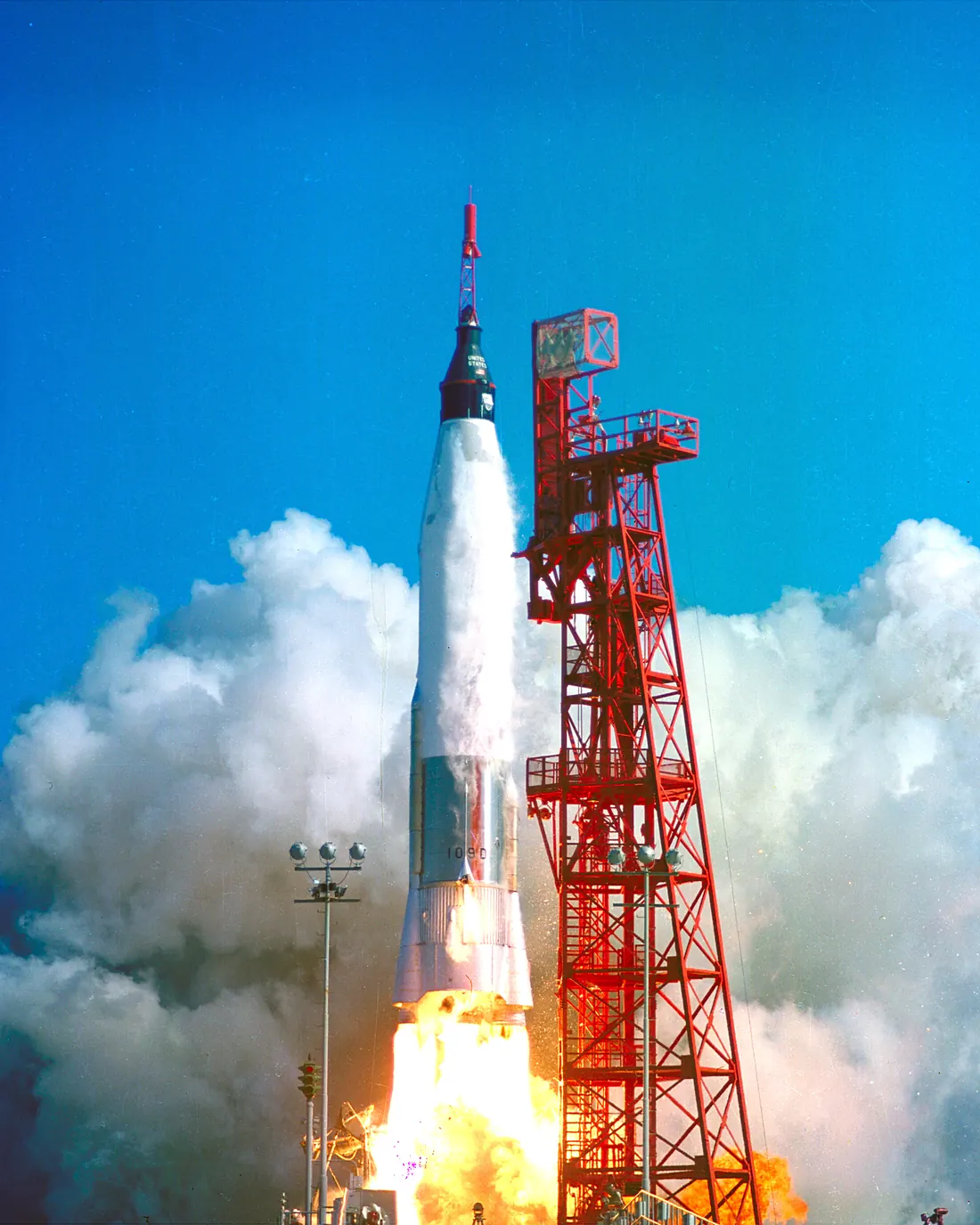
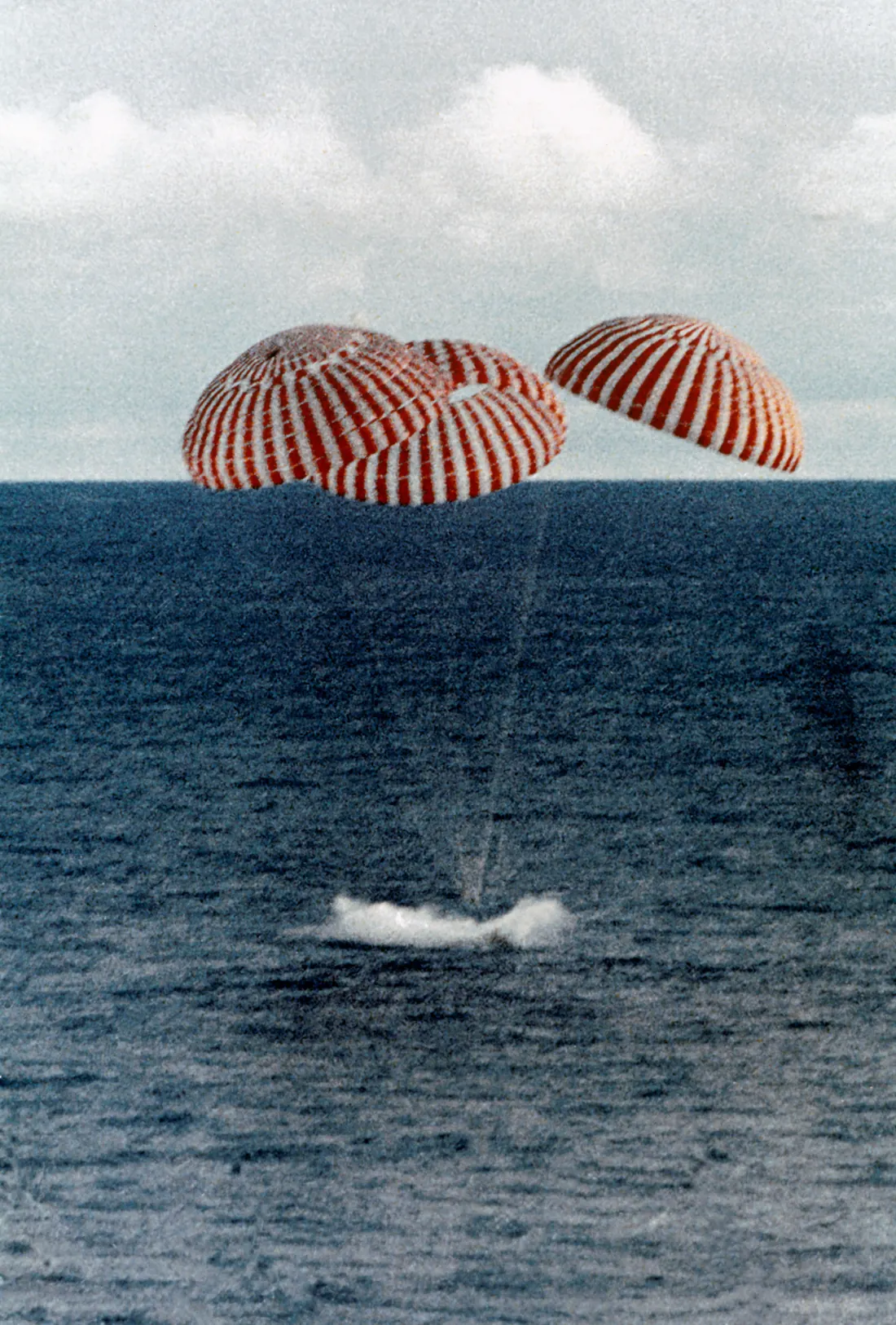
On February 20, 1962, Glenn orbited the Earth three times and was recovered by the destroyer USS Noa. Johnson went on to help calculate the trajectory for the 1969 Apollo 11 flight to the Moon, and in 1970, when Apollo 13’s mission to the Moon was aborted, her earlier research on backup parameters and charts helped the crew return safely to Earth. She retired in 1986, after 33 years at Langley.
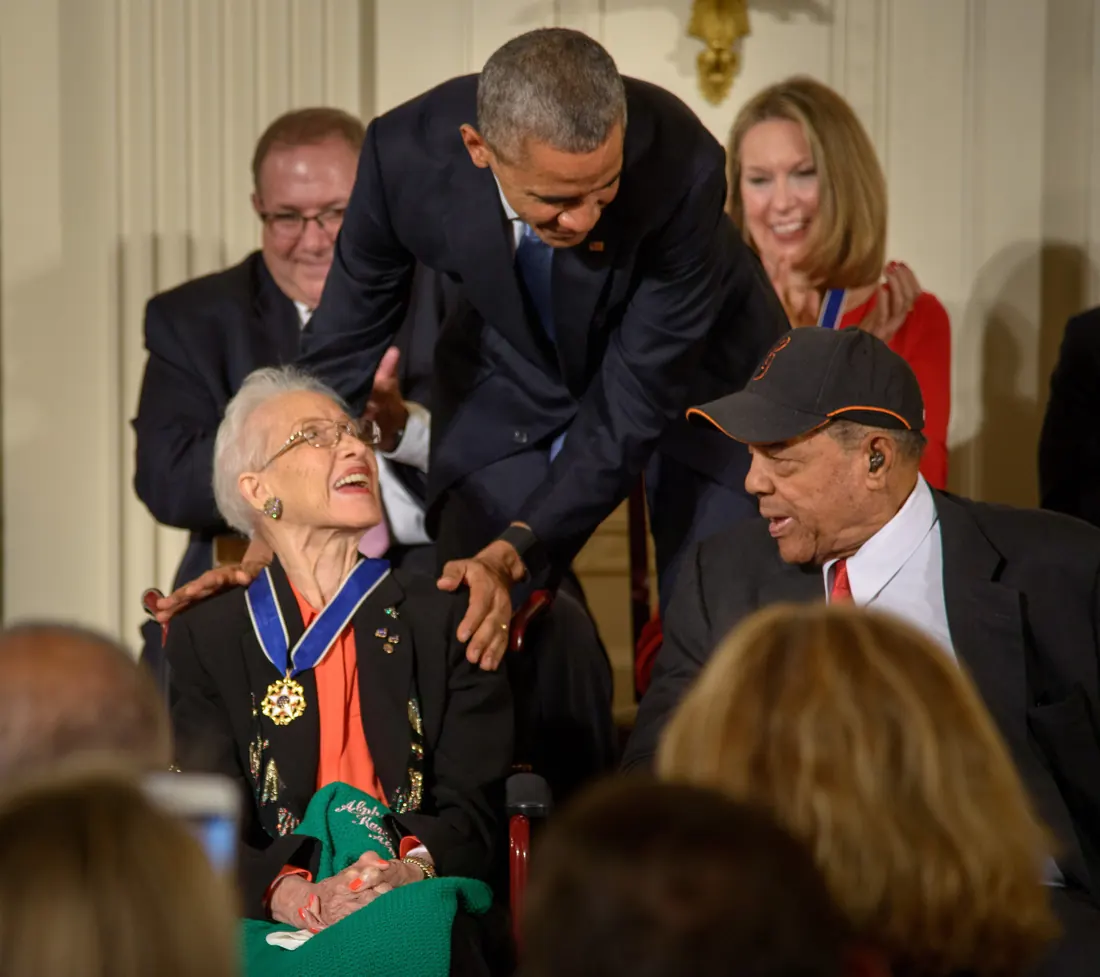
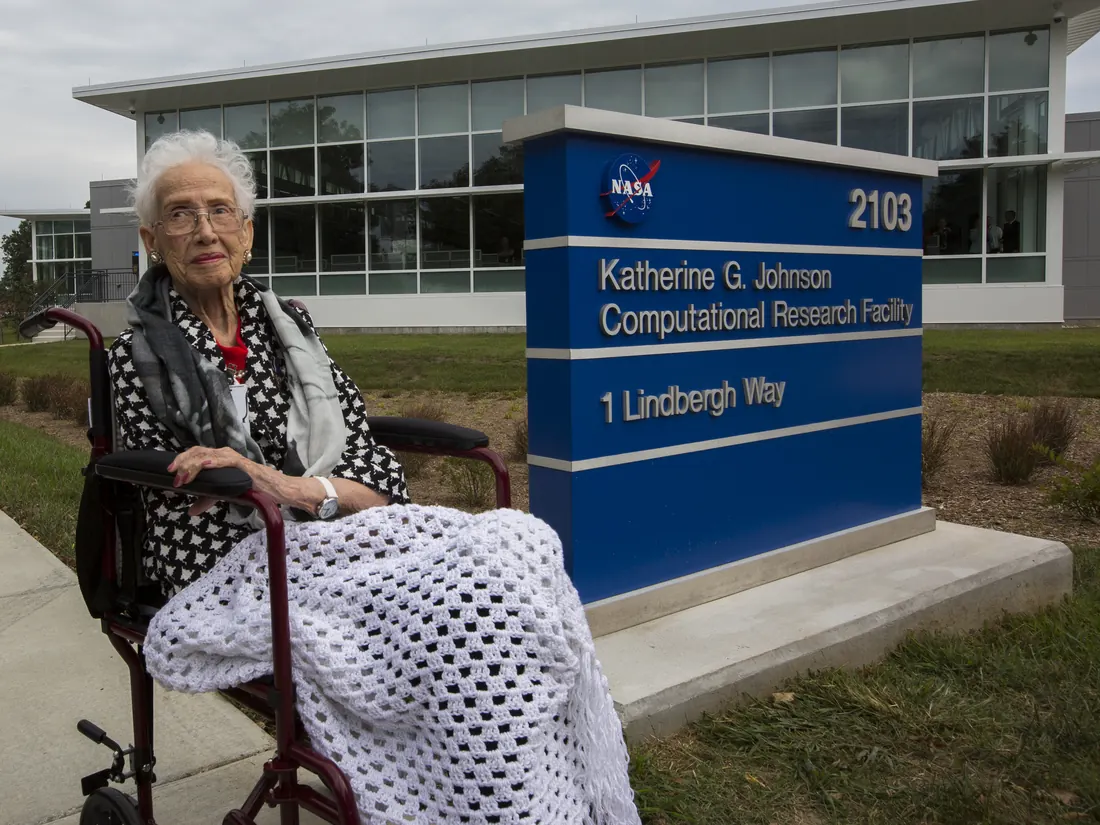
In 2015, at 97, she received the Presidential Medal of Freedom, America’s highest civilian honor, from President Barack Obama. NASA named the Katherine G. Johnson Computational Research Facility at Langley after her, and in 2019 it renamed its Independent Verification and Validation Facility in Fairmont, West Virginia, for her too. She died on February 24, 2020, aged 101.
Fact check
The facts and where they come from
- She did math by hand, and an astronaut trusted her more than the computers. NASA: “the astronauts were wary of putting their lives in the care of the electronic calculating machines, which were prone to hiccups and blackouts”; Glenn asked engineers to “get the girl” to run the numbers “by hand, on her desktop mechanical calculating machine”; “If she says they’re good,” … “then I’m ready to go.” 12
- Katherine Johnson, mathematician, was born on August 26, 1918, in White Sulphur Springs, West Virginia (NASA: “Born: Aug. 26, 1918”). 15
- In 1953 she joined a segregated team of Black women called computers. NASA: “She began her career at Langley in the segregated West Computing section in the summer of 1953”; “The pool of women mathematicians performing data reduction calculations were known as ‘computers.’” NASA also calls it “the all-black West Area Computing section” at NACA’s Langley laboratory, and gives “Hired by NACA: June 1953.” The laboratory was in Hampton, Virginia (Wikipedia). 215
- In 1961 she calculated Alan Shepard’s flight into space. NASA: “She did trajectory analysis for Alan Shepard’s May 1961 mission Freedom 7, America’s first human spaceflight.” Wikipedia: “She calculated the trajectory for the May 5, 1961, space flight of Alan Shepard, the first American in space.” 15
- Then John Glenn was set to orbit Earth: “In 1962, as NASA prepared for the orbital mission of John Glenn” (NASA). 1
- NASA’s new computers had mapped his orbit, but they were prone to blackouts: “The computers had been programmed with the orbital equations that would control the trajectory of the capsule in Glenn’s Friendship 7 mission from liftoff to splashdown, but the astronauts were wary of putting their lives in the care of the electronic calculating machines, which were prone to hiccups and blackouts” (NASA). 1
- So Glenn asked for her. NASA, introducing it with “According to Johnson”: “Glenn asked engineers to ‘get the girl’—Katherine Johnson—to run the same numbers through the same equations that had been programmed into the computers, but by hand, on her desktop mechanical calculating machine.” 21
- She ran the same equations on her desk calculator: “by hand, on her desktop mechanical calculating machine” (NASA, the same sentence). 2
- The quote, as she remembered it: “If she says they’re good,” she remembers the astronaut saying, “then I’m ready to go” (NASA); and “If she says they’re good,” Johnson remembers Glenn saying, “then I’m ready to go” (NASA, 2017). 23
- In February 1962 he orbited three times and came home: “February 20, 1962 – Launch”; “Orbits: 3”; “Recovered by the destroyer USS Noa” (NASA, Mercury-Atlas 6), from “Cape Canaveral Launch Complex 14”; “Glenn’s flight was a success” (NASA biography). 41
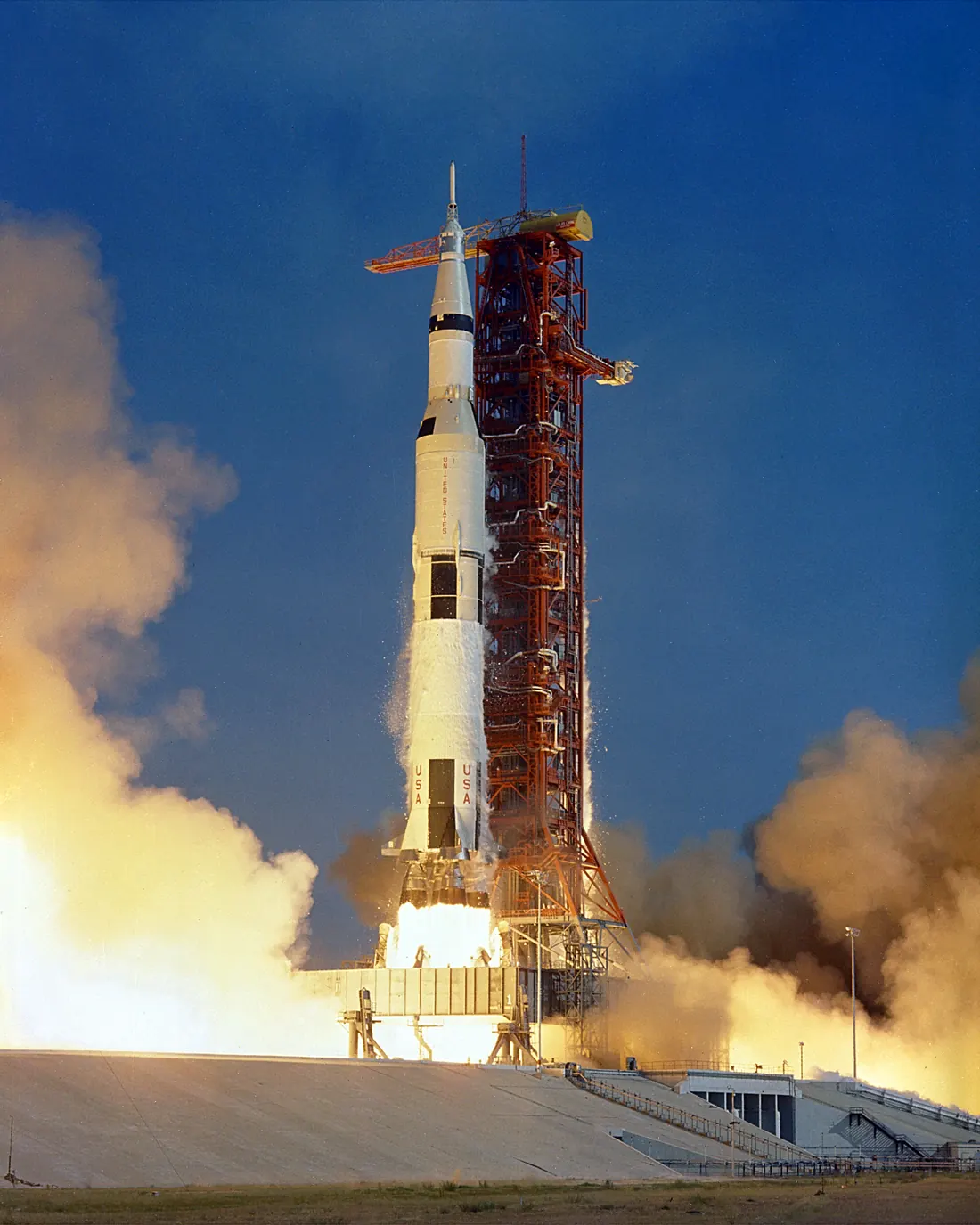
- She helped plot Apollo 11’s path to the Moon: she “calculated the trajectory for the 1969 Apollo 11 flight to the Moon” (NASA); “She also helped to calculate the trajectory for the 1969 Apollo 11 flight to the Moon” (Wikipedia). 25
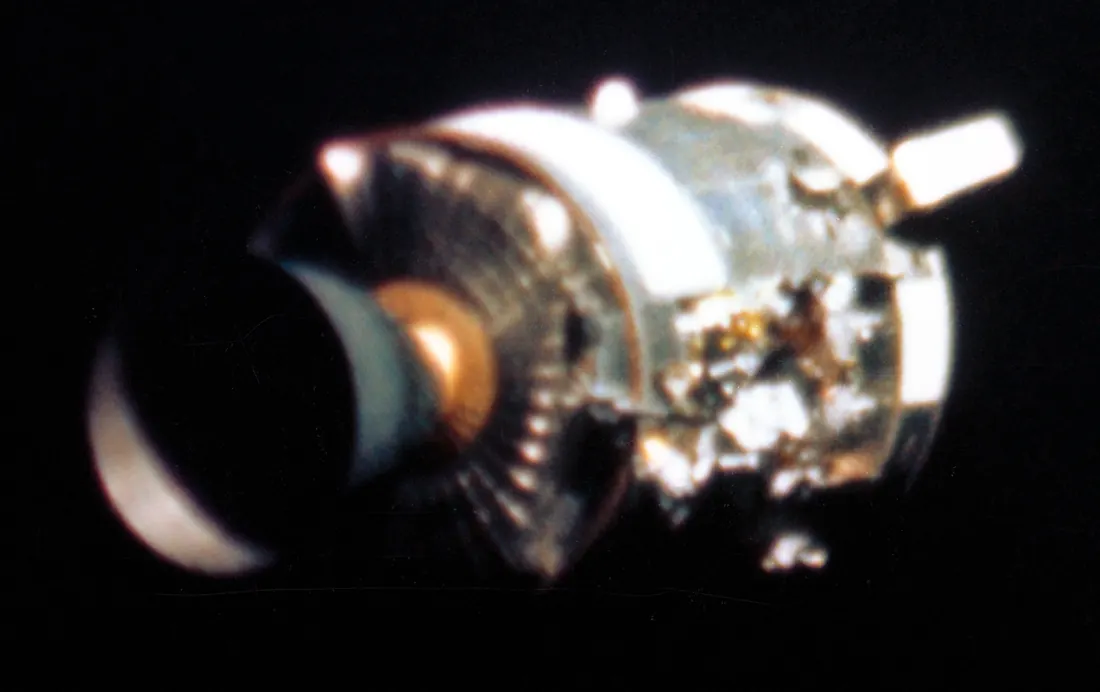
- When Apollo 13 went wrong, her backup charts helped bring the crew home: “In 1970, Apollo 13’s aborted mission to the Moon made use of her earlier research on backup parameters and charts, enabling the crew to safely return to Earth” (NASA). 2
- In 2015 she received the Presidential Medal of Freedom. NASA: “In 2015, at age 97, Johnson added another extraordinary achievement to her long list: President Barack Obama awarded her the Presidential Medal of Freedom, America’s highest civilian honor.” Wikipedia: “On November 24, 2015, President Barack Obama presented her with the Presidential Medal of Freedom.” 15
- NASA named a computer research building after her: “The Katherine G. Johnson Computational Research Facility, or CRF, was dedicated Sept. 22 with a ribbon-cutting ceremony” (NASA, September 23, 2017); it “advances Langley’s capabilities in modeling and simulation, big data and analysis.” 35
- She died in 2020, aged 101: “She died on Feb. 24, 2020” (NASA); NASA’s administrator said she “passed away this morning at 101 years old.” 1
- The Short’s last line, “Before he trusted the machines, he trusted her,” sums up the facts above: the computers had run his orbit, and Glenn’s go waited on her check. 2
- She retired in 1986: “She retired in 1986, after 33 years at Langley” (NASA biography). In 2019 Congress awarded her the Congressional Gold Medal, and “On February 22, 2019, NASA renamed the Independent Verification and Validation Facility in Fairmont, West Virginia, the Katherine Johnson Independent Verification and Validation Facility” (Wikipedia). 15
Sources
- Katherine Johnson Biography NASA
- Katherine G. Johnson NASA
- NASA Langley’s Katherine Johnson Computational Research Facility Officially Opens NASA (September 23, 2017)
- Mercury-Atlas 6 NASA
- Katherine Johnson Wikipedia
Notes
“Refused to fly”: Wikipedia says Glenn “had refused to fly unless Johnson verified the calculations.” NASA’s own pages give only her memory of his words, so we use NASA’s version: he trusted her, and he asked for her.
Whose memory: “get the girl” and the quote come from Johnson’s own account (NASA: “According to Johnson,” “she remembers the astronaut saying”), so we say she remembered him saying it. The quote is word for word on two NASA pages; NASA’s 2016 biography prints it with a stray quote mark.
Apollo 11: NASA says she “calculated the trajectory”; Wikipedia says she “helped to calculate” it. We say she helped calculate it.
Apollo 13: NASA says the mission “made use of her earlier research on backup parameters and charts.” Wikipedia’s extra detail of a “one-star observation system” isn’t on NASA’s pages and is left out.
When the Langley building was named: Wikipedia says it was named and dedicated on May 5, 2016, and opened on September 22, 2017; NASA’s 2017 article calls September 22, 2017, the dedication. We give no year.
Left out: the “Colored Computers” sign (Wikipedia) and her own remark that she “didn’t feel the segregation.” We say only that the team was segregated, which NASA states. The film Hidden Figures isn’t mentioned, and none of its stills are used.
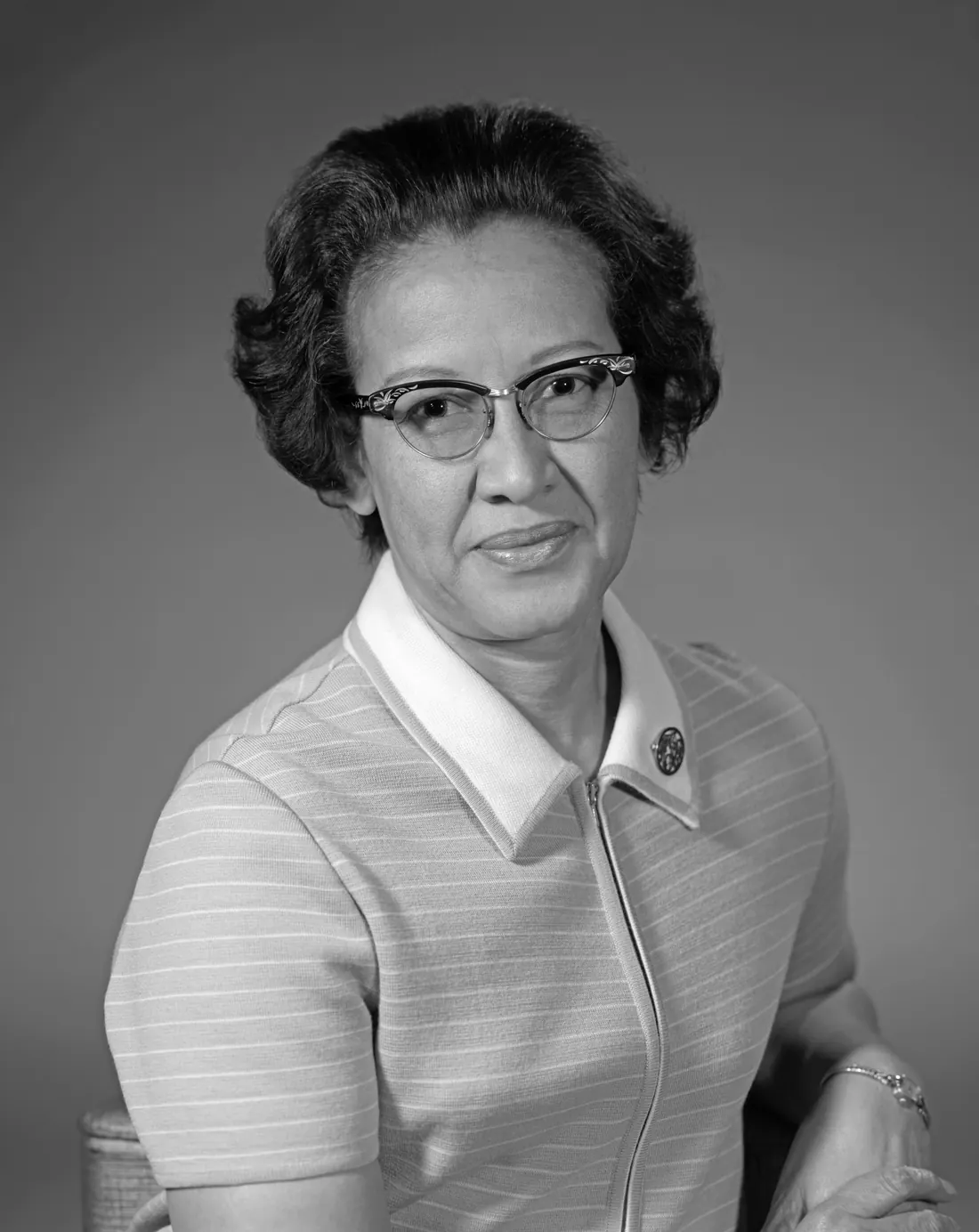
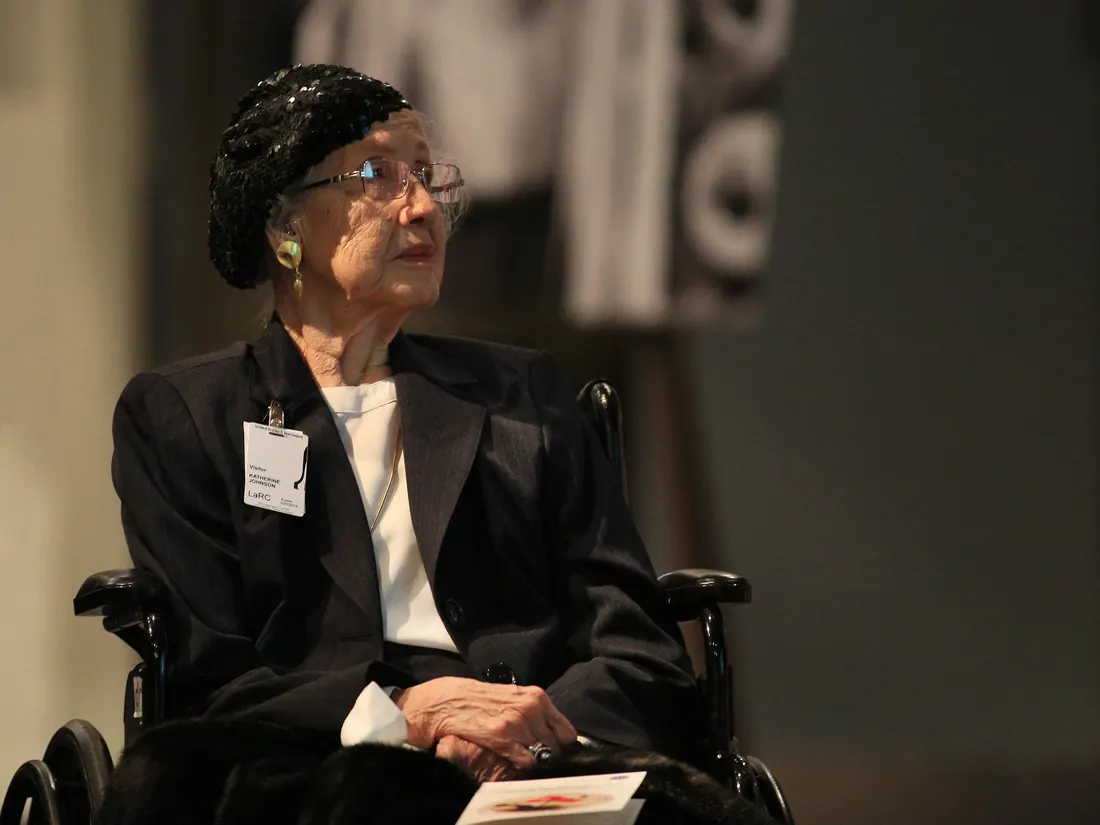
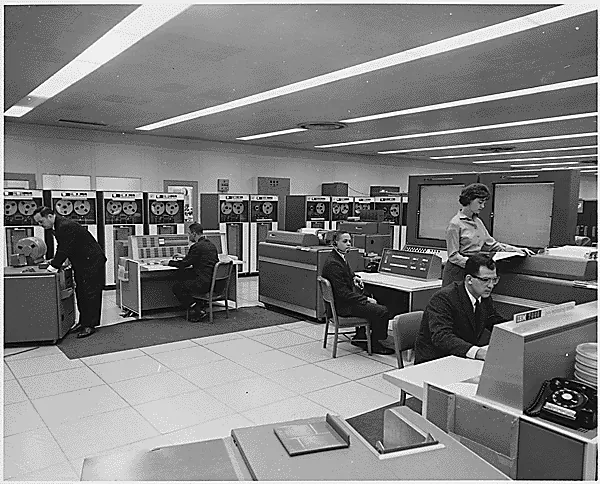
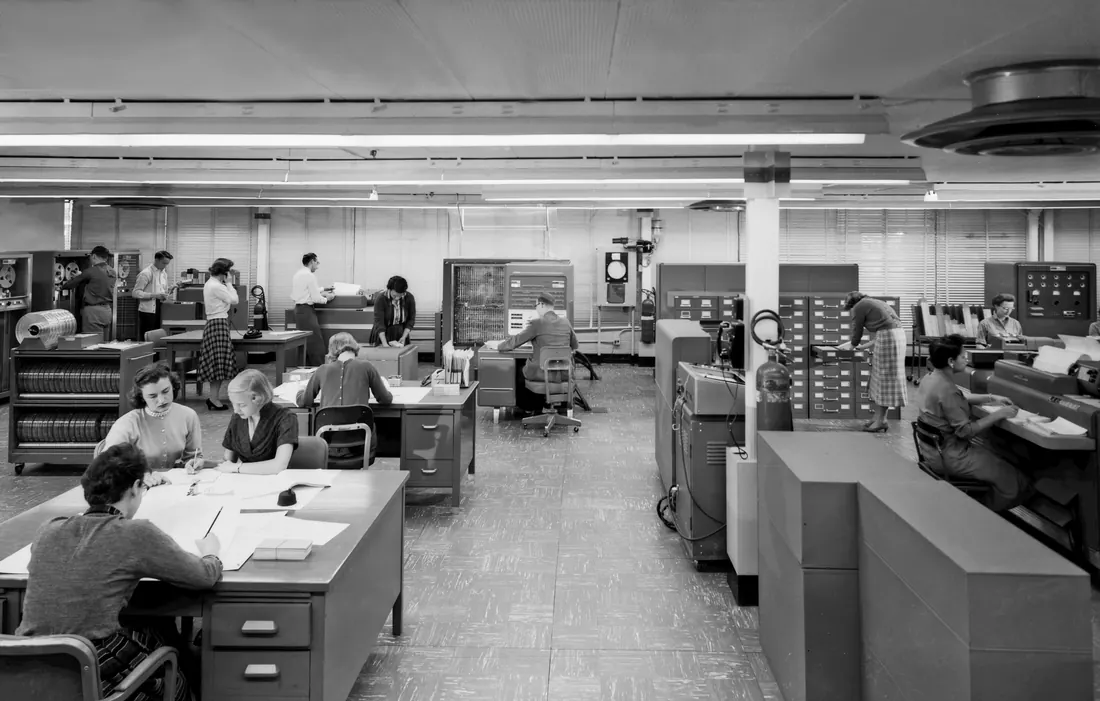
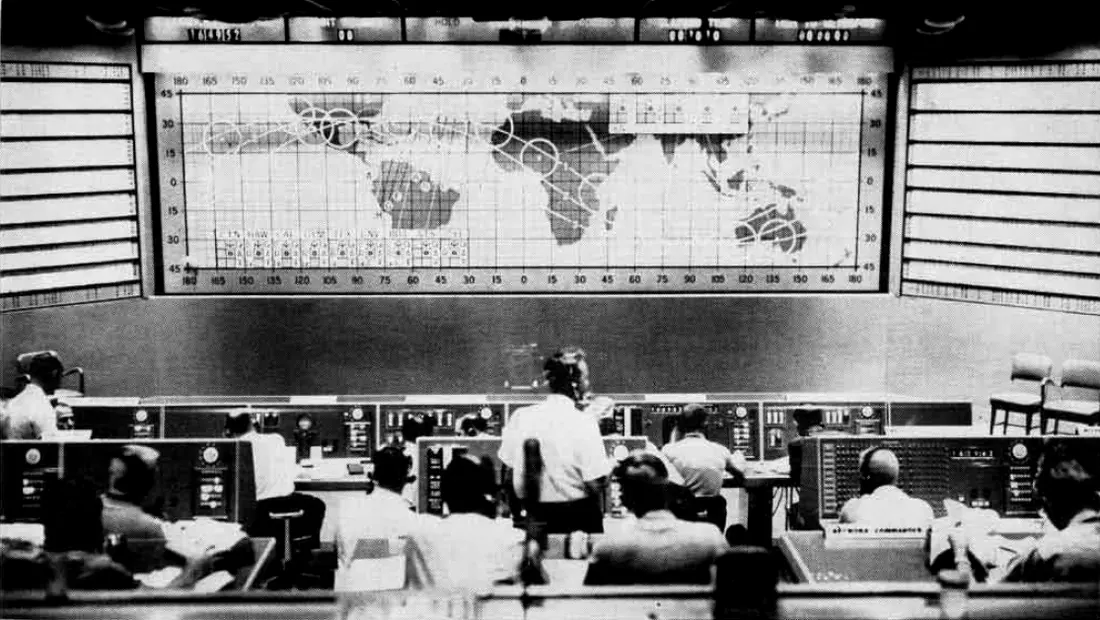
No photos of her from 1953 or 1961 were found, so photos of her at work in December 1962 and in 1966 stand in for those years. The IBM 704 room is Langley’s in 1957, under NACA, shown for computers in general; the IBM 7090 room is NASA’s around the time of Glenn’s flight; the control-room photo is Mercury Control during his flight. The Apollo 11 and Apollo 13 photos show the missions she worked on, not her work itself. In the 2015 photo, Willie Mays stands beside her. The photo of her at the Computational Research Facility has no recorded date.
Photo credits
The archive photos in this story
All the photographs and illustrations in this story are in the public domain. Tap one to enlarge it, or follow the link to its Wikimedia Commons page for the full record. The narration, music, captions and graphics in the Short are our own.