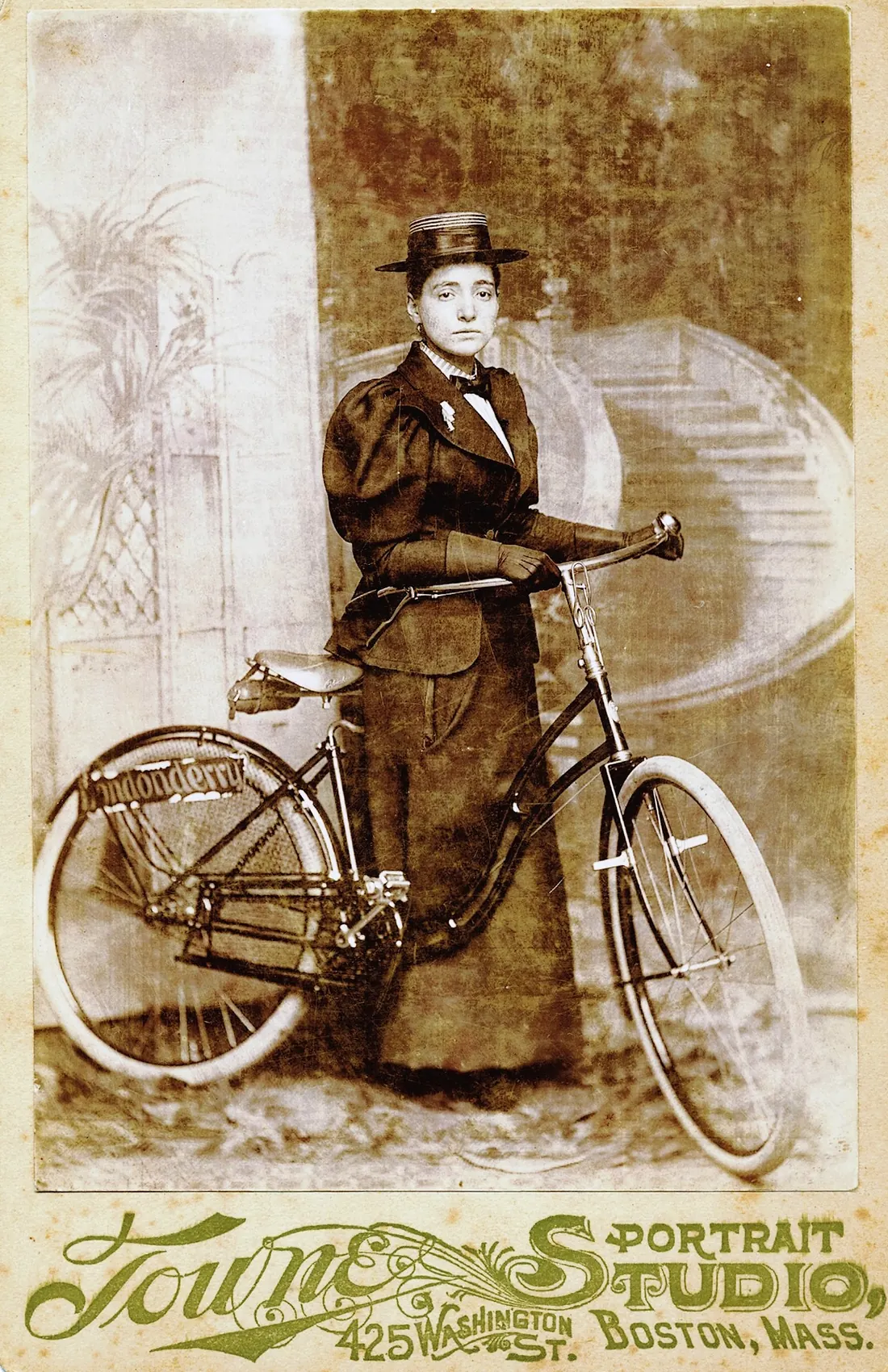
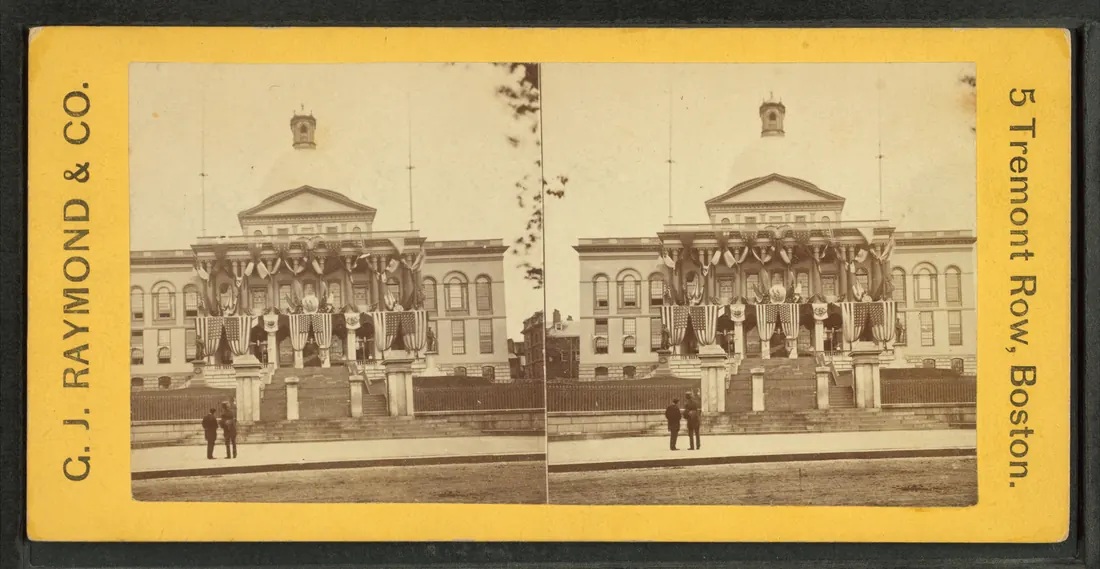
On June 25, 1894, Annie Cohen Kopchovsky, a Jewish immigrant from near Riga, Latvia, and the mother of three small children in Boston, stood before a crowd of 500 at the Massachusetts State House and set off to go around the world on a bicycle. She had ridden one for the first time only days before. She left on a 42-pound Columbia, carrying only a change of clothes and a pearl-handled revolver.
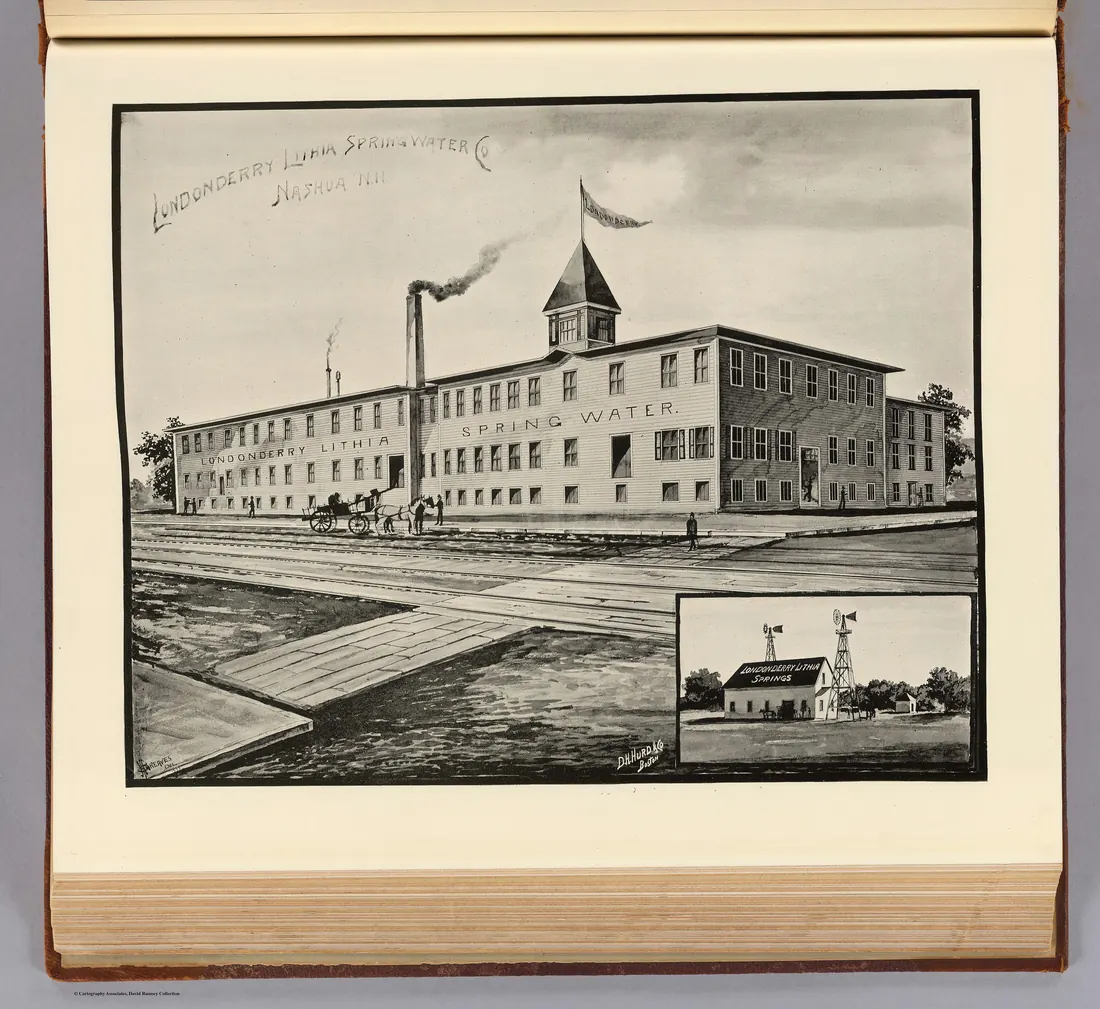
She said two rich Boston men had bet that no woman could do it. The alleged bettors were never named, and her great-grandnephew and biographer, Peter Zheutlin, says it is “virtually certain” that she “concocted the wager story to sensationalize her trip.” The Londonderry Lithia Spring Water Company of Nashua, New Hampshire, paid her $100, and she agreed to go by the name Annie Londonderry.
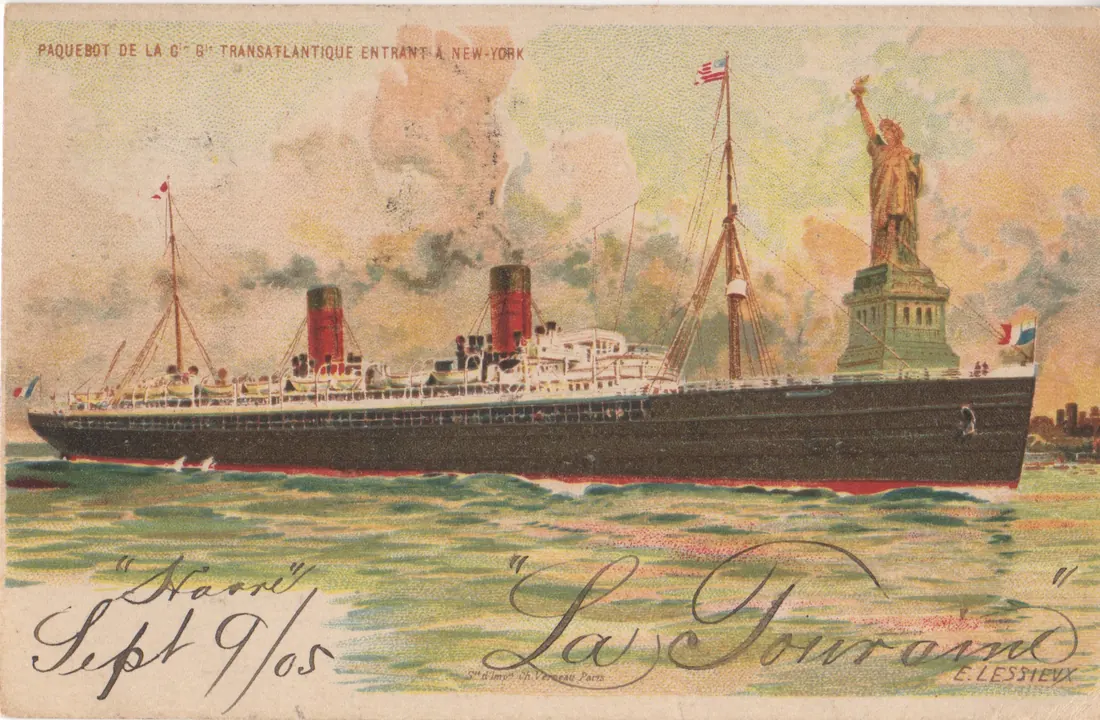
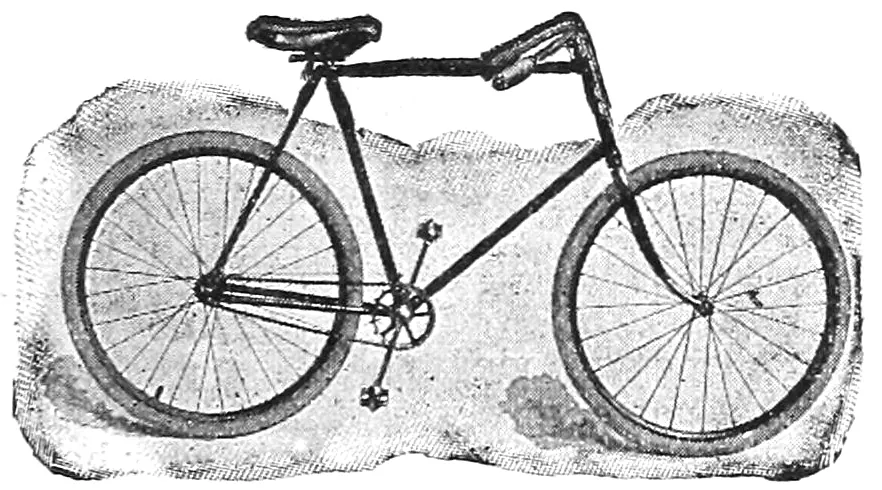
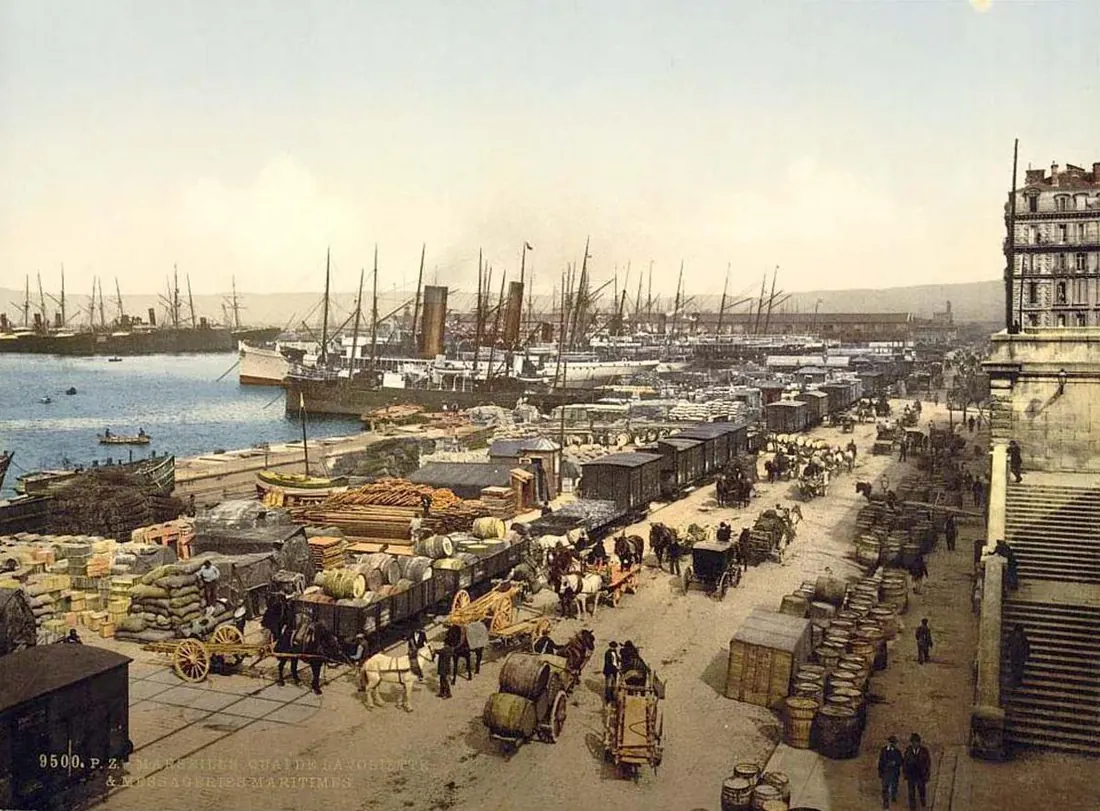
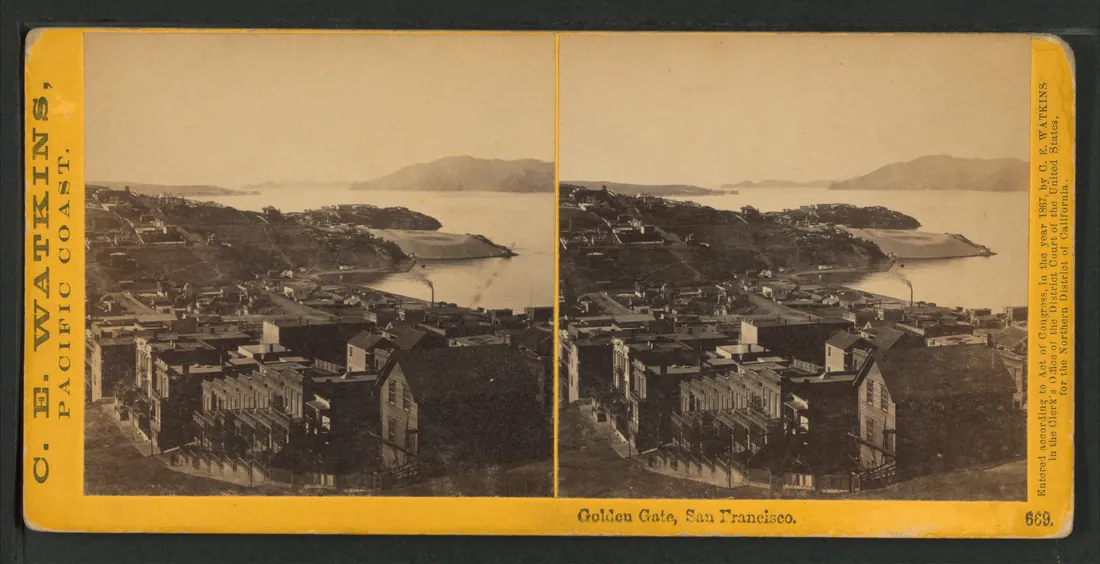
By the time she reached Chicago, exhausted from riding her heavy bike, she nearly gave up. Instead she traded it for a men’s Sterling that weighed half as much, and swapped her skirts for bloomers and later a man’s riding suit. In November 1894 she sailed to Le Havre, France, on the liner La Touraine. From Marseille she went by steamship to East Asia, with stops in Egypt, Ceylon (now Sri Lanka) and Singapore, and she was in Japan by March. On March 23, she arrived back in the United States through San Francisco Bay’s Golden Gate.
From San Francisco she rode back east, by way of Los Angeles, Arizona and New Mexico to El Paso, and took the train across most of Nebraska because of muddy roads. Along the way she told tall tales of hunting tigers in India and of a Japanese prison. She reached Chicago on September 12, 1895, just under fifteen months after she left Boston. She is remembered as the first woman to ride a bicycle around the world, though, as the New England Historical Society puts it, “No doubt she covered far more miles on steamers and trains than she did on a bicycle.” The New York World called it “the most extraordinary journey ever undertaken by a woman.”
Fact check
The facts and where they come from
- She had barely ridden a bicycle. The Jewish Women’s Archive: she “had ridden a bicycle for the first time only days before her departure from Boston.” Wikipedia: “never having ridden a bicycle until a few days before her trip.” Peter Zheutlin: “A novice cyclist.” 123
- She set off to ride around the world, and is remembered for it. The Jewish Women’s Archive: “She was the first woman to ride a bicycle around the world in 1894-1895.” 1
- Her name was Annie Kopchovsky. Peter Zheutlin: “the Boston lady with the Irish surname was actually Annie Cohen Kopchovsky, a 23-year-old Jewish immigrant from near Riga, Latvia.” 4
- She was a Jewish immigrant from Latvia, and a Boston mother of three. The West End Museum: “Latvian/Jewish immigrant Annie Cohen Kopchovsky” … “left her husband, three small children, and their Spring Street home in the West End.” Peter Zheutlin: “the mother of three children, ages 5, 3, and 2.” 453
- In June 1894, 500 people watched her ride away. Zheutlin’s site: “On June 25, 1894, Annie Cohen Kopchovsky, a young mother of three small children, stood before a crowd of 500 friends, family, suffragists, and curious onlookers at the Massachusetts State House.” The Christian Science Monitor: “a young woman carrying only a change of clothes and a pearl-handled revolver climbed onto a Columbia bicycle before a crowd of 500 people on the steps of the Massachusetts State House in Boston” … “sailed away like a kite down Beacon Street.” The Jewish Women’s Archive: she “set out from Boston on June 25, 1894.” 631
- She claimed two rich men had bet that no woman could do it. Wikipedia: “Later in 1894, two rich Boston men allegedly wagered $20,000 against $10,000 that no woman could travel around the world by bicycle in 15 months and earn $5000.” … “The alleged bettors were never named.” Zheutlin’s site: “The trip was purportedly set in motion by a wager.” 26
- Her biographer believes she made the bet up. Peter Zheutlin, her great-grandnephew (“Annie was my great-grandfather’s sister”) and author of Around the World on Two Wheels (2007): “It’s virtually certain, for example, that she concocted the wager story to sensationalize her trip.” Wikipedia calls him the “author of the authoritative history of her journey.” The West End Museum: “Kopchovsky created the story that a wager with Boston businessmen over women’s physical capabilities instigated the trip. That myth, including a fictional payoff, lives on.” 325
- A water company paid her to take its name, Londonderry. The Jewish Women’s Archive: she “accepted $100 from the company’s representative in return. In addition, she agreed to be known as Annie Londonderry.” Wikipedia: “for which the company paid her $100 and she in turn agreed to go by the name ‘Annie Londonderry’ for the duration of her trip.” The Christian Science Monitor: “she went by the name Londonderry by agreement with her first sponsor, the Londonderry Lithia Spring Water Company of Nashua, N.H.” 124
- By Chicago she was exhausted and nearly quit. The Christian Science Monitor: “reaching Chicago in early autumn exhausted from riding her 42-pound bike.” The Jewish Women’s Archive: “there she nearly gave up the trip altogether.” 31
- She swapped her skirts for bloomers. Zheutlin’s site: “The men’s frame meant that riding in skirts was no longer feasible and Annie took to wearing bloomers, and later a men’s riding suit.” The Christian Science Monitor: “Later in her trip Annie acquired a man’s Sterling bicycle, donned bloomers, and then a man’s riding suit.” 64
- She traded her heavy bike for a men’s model. The Jewish Women’s Archive: she “traded in her 42-pound ladies’ bicycle for a men’s model that weighed half as much.” The Christian Science Monitor: “returning to New York on a 21-pound men’s Sterling bicycle.” 13
- She crossed the oceans by steamship, from France to Egypt, Ceylon and Japan. The Christian Science Monitor: “She sailed to Le Havre, France, in November 1894.” Wikipedia: “on November 24, 1894, she boarded the French liner La Touraine”; “Londonderry left Marseille on the 413-foot steamship Sydney.” The Jewish Women’s Archive: “Kopchovsky sailed from Marseilles all the way to East Asia, with brief stops in Egypt, Sri Lanka, and Singapore.” … “she was in Japan by March. On March 23, she arrived back in the United States through San Francisco Bay’s Golden Gate.” 321
- She rode back east from San Francisco, taking trains on some stretches. The Christian Science Monitor: “Her route back east took her from San Francisco south to Los Angeles, across Arizona and New Mexico to El Paso”; she “hopped a train across much of Nebraska.” Wikipedia: “She rode the train across most of Nebraska because of the muddy roads.” The New England Historical Society: “No doubt she covered far more miles on steamers and trains than she did on a bicycle.” 327
- In September 1895 she rolled into Chicago, almost fifteen months after she left. The Jewish Women’s Archive: “reaching Chicago on September 12, 1895, just under fifteen months from her original departure from Boston.” Wikipedia: “She was back home in Boston on September 24, arriving fifteen months after she had left.” 12
- A New York newspaper called it “the most extraordinary journey ever undertaken by a woman.” The Christian Science Monitor: “It was, The New York World declared a year later, ‘the most extraordinary journey ever undertaken by a woman.’” Zheutlin’s site: “Fifteen months later The New York World called it” the same. Wikipedia: the World published her account on October 20, 1895, and “the newspaper headline described it as ‘the Most Extraordinary Journey Ever Undertaken by a Woman.’” 362
- She told tall tales along the way. The Christian Science Monitor: “Annie was a showwoman and a teller of tall tales” … “she said she traveled to the front, fell through a frozen river, took a bullet in the shoulder, and was thrown into a Japanese prison.” Wikipedia: “she told stories about hunting tigers in India with German royalty and getting sent to a Japanese prison with a bullet wound.” 32
Sources
- First woman to cycle the globe begins journey Jewish Women’s Archive (This Week in History)
- Annie Londonderry Wikipedia
- Backstory: Chasing Annie Londonderry The Christian Science Monitor (Peter Zheutlin), August 28, 2006
- Backstory: Retracing Annie Londonderry’s Victorian odyssey The Christian Science Monitor (Peter Zheutlin), August 29, 2006
- Cycling Legends of the West End The West End Museum, Boston
- About Annie Londonderry annielondonderry.com (Peter Zheutlin)
- Annie Londonderry Rode Her Bicycle Around the World New England Historical Society
Notes
The bet: the Jewish Women’s Archive tells it as fact (“Her adventure began with a bet”), but Wikipedia says “It is doubtful there was ever a wager,” her biographer Peter Zheutlin calls it “virtually certain” that she made it up, and the West End Museum calls it a myth, “including a fictional payoff.” We say she claimed it. The $10,000 she said she collected is left out, as part of the myth.
“First woman to cycle around the world”: the Jewish Women’s Archive and Wikipedia say so, but she crossed every ocean by ship and took trains on some stretches (Wikipedia: “albeit mostly by ship”; the New England Historical Society: more miles “on steamers and trains than she did on a bicycle”). We say she is remembered as the first, and that she crossed the oceans by steamship.
The start date: June 25, 1894 (Zheutlin, the Jewish Women’s Archive) or June 27 (Wikipedia’s text; its own timeline says June 25). We use June 25.
Her age at the start: 23 (The Christian Science Monitor, the New England Historical Society) or 24 (Wikipedia). Not used.
The finish: Chicago on September 12, 1895, the end of the trip per the Jewish Women’s Archive and The Christian Science Monitor; Wikipedia has her home in Boston on September 24.
Her own stories (tigers in India, a bullet wound, a Japanese prison, a hospital stay in Stockton that newspapers disproved) are not stated as fact anywhere; we call them tall tales. A broken wrist in Iowa (Wikipedia; “a broken arm” in the West End Museum’s text) is left out.
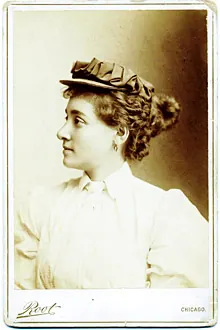
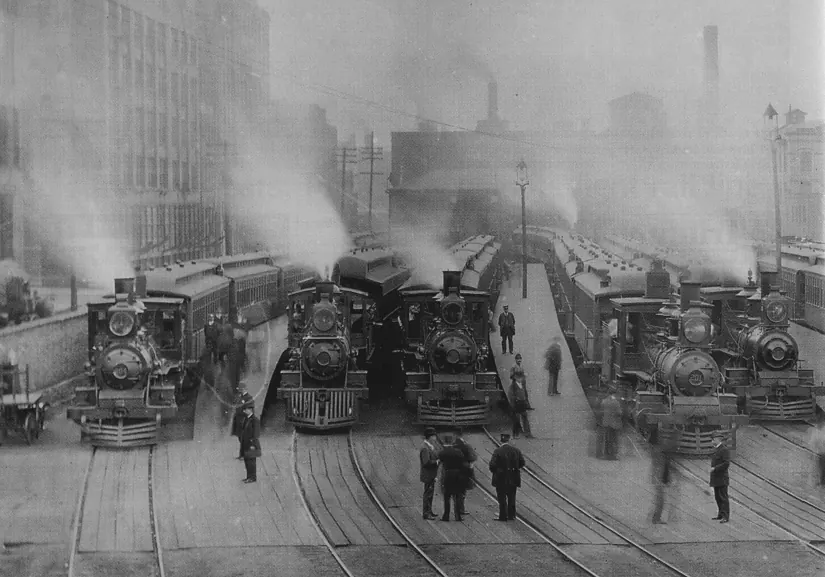
Photos: only two photos of her are on Wikimedia Commons, the Boston cabinet card with her bicycle and a small Chicago portrait. Commons dates the cabinet card “c. 1896,” but it shows the 42-pound drop-frame Columbia, the long skirt and the Londonderry placard she started with in June 1894. The other pictures show the places, ships, sponsor and bicycle type of her trip, not Annie herself: the State House stereograph is decked in bunting for another occasion (date unknown); the spring water works drawing is from 1892; the Sterling drawing shows the make and type she switched to, not her own bike; the La Touraine postcard was posted in 1905; the Marseille photo is from 1890; Carleton E. Watkins’s Golden Gate view was copyrighted in 1867; the Chicago station photo is from May 1895.
Photo credits
The archive photos in this story
All the photographs and illustrations in this story are in the public domain. Tap one to enlarge it, or follow the link to its Wikimedia Commons page for the full record. The narration, music, captions and graphics in the Short are our own.