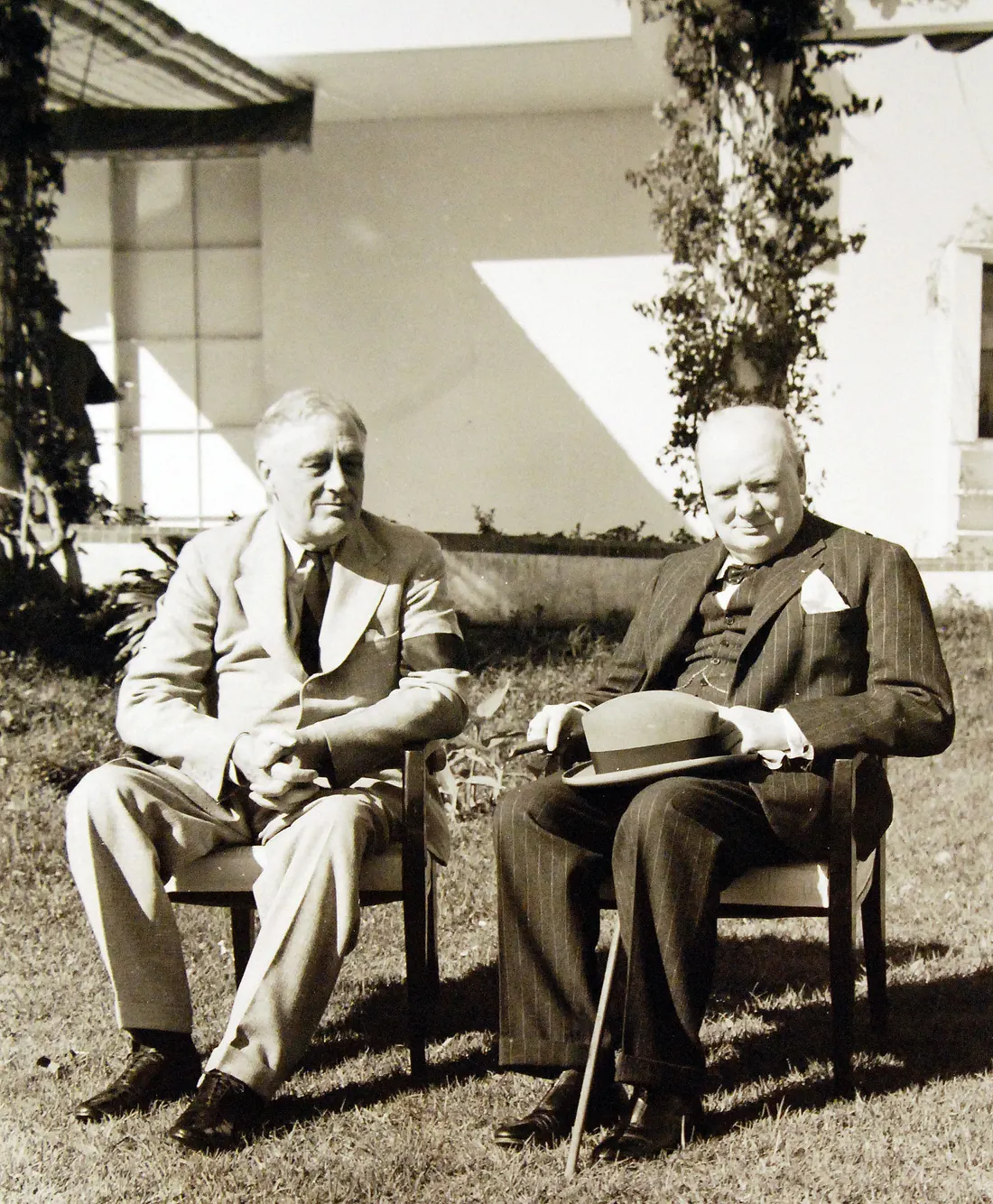
Chips, a German shepherd, collie and husky mix, was a family dog in Pleasantville, New York. In 1942 his owner, Edward J. Wren, donated him to the newly formed Dogs for Defense, and he served with the US Army’s 3rd Infantry Division. In January 1943 Chips and his military police handler were part of the force guarding Roosevelt and Churchill at the Casablanca Conference.
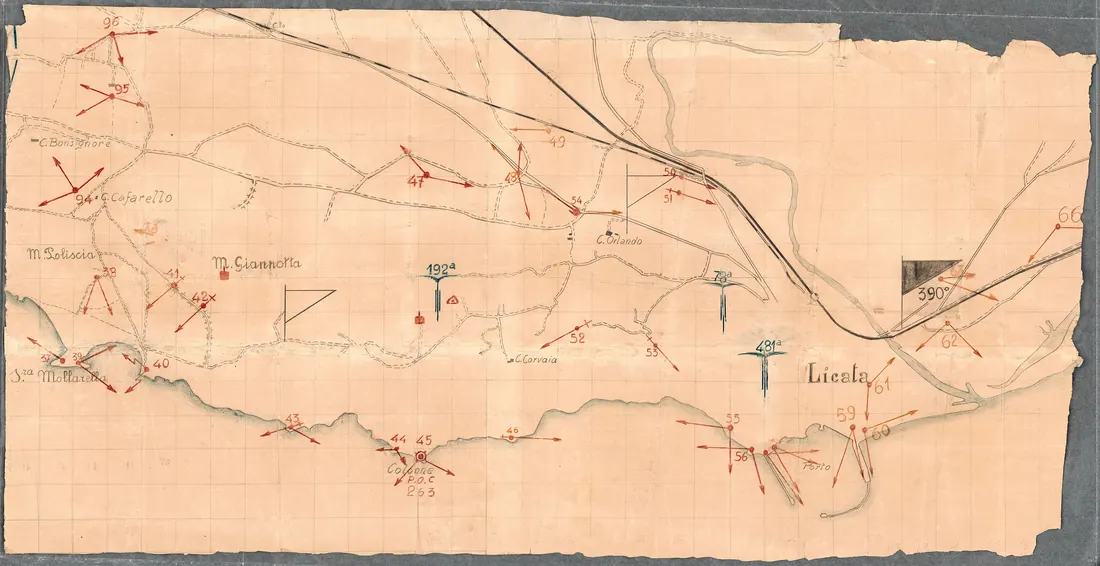
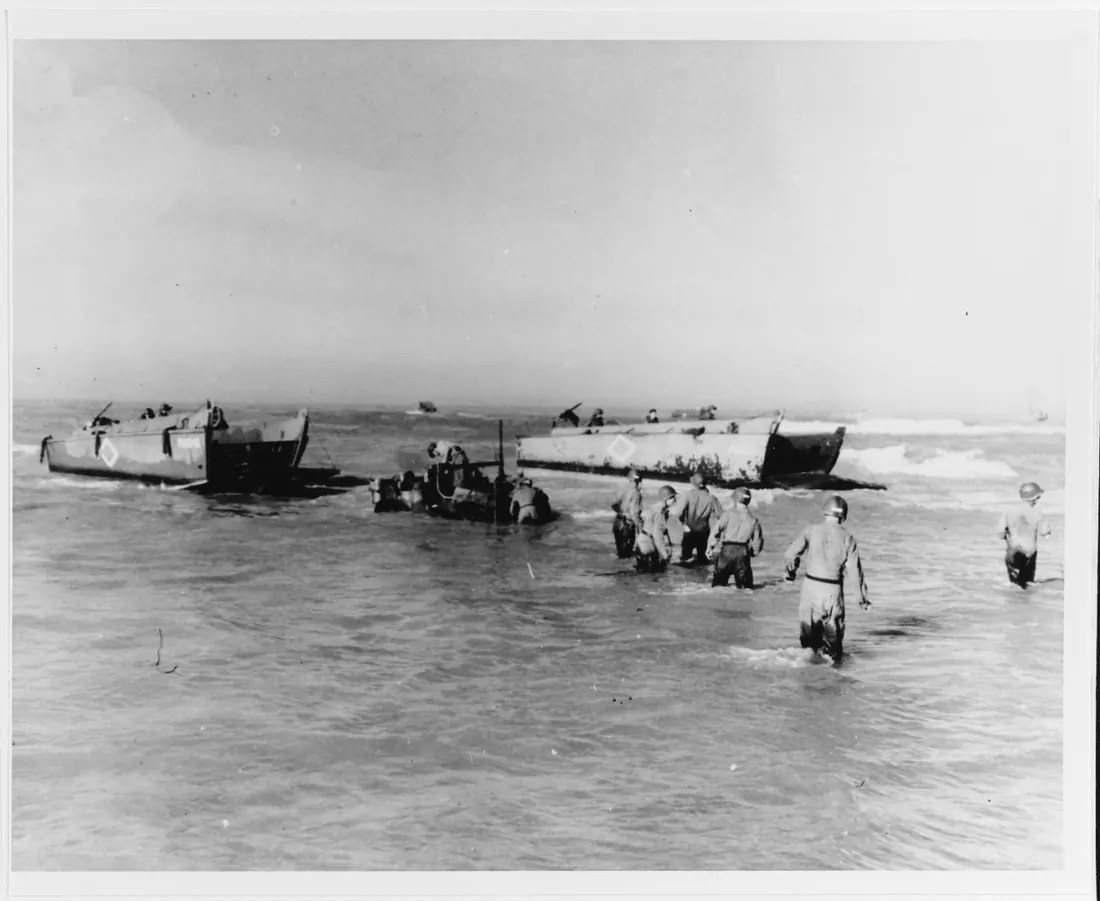
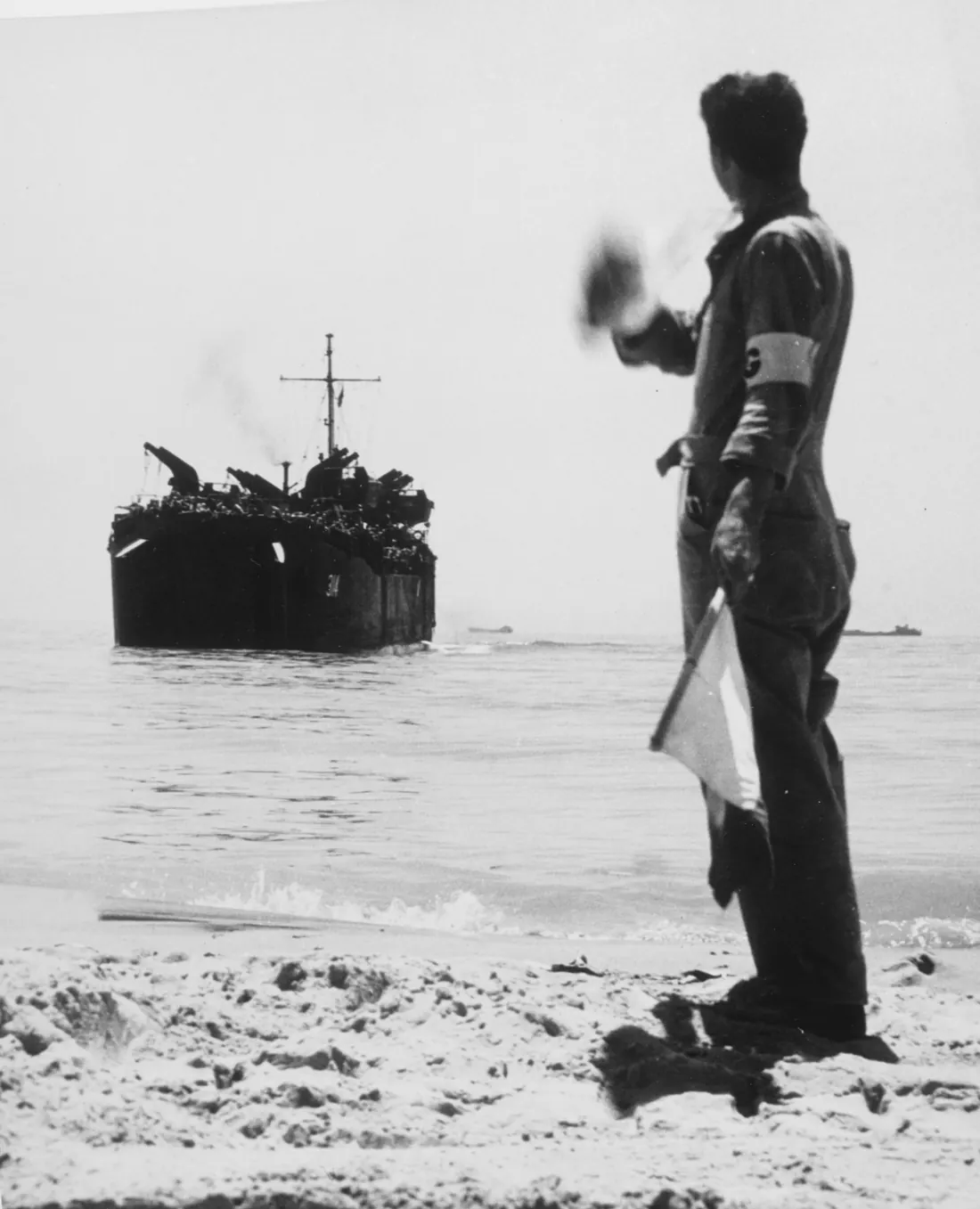
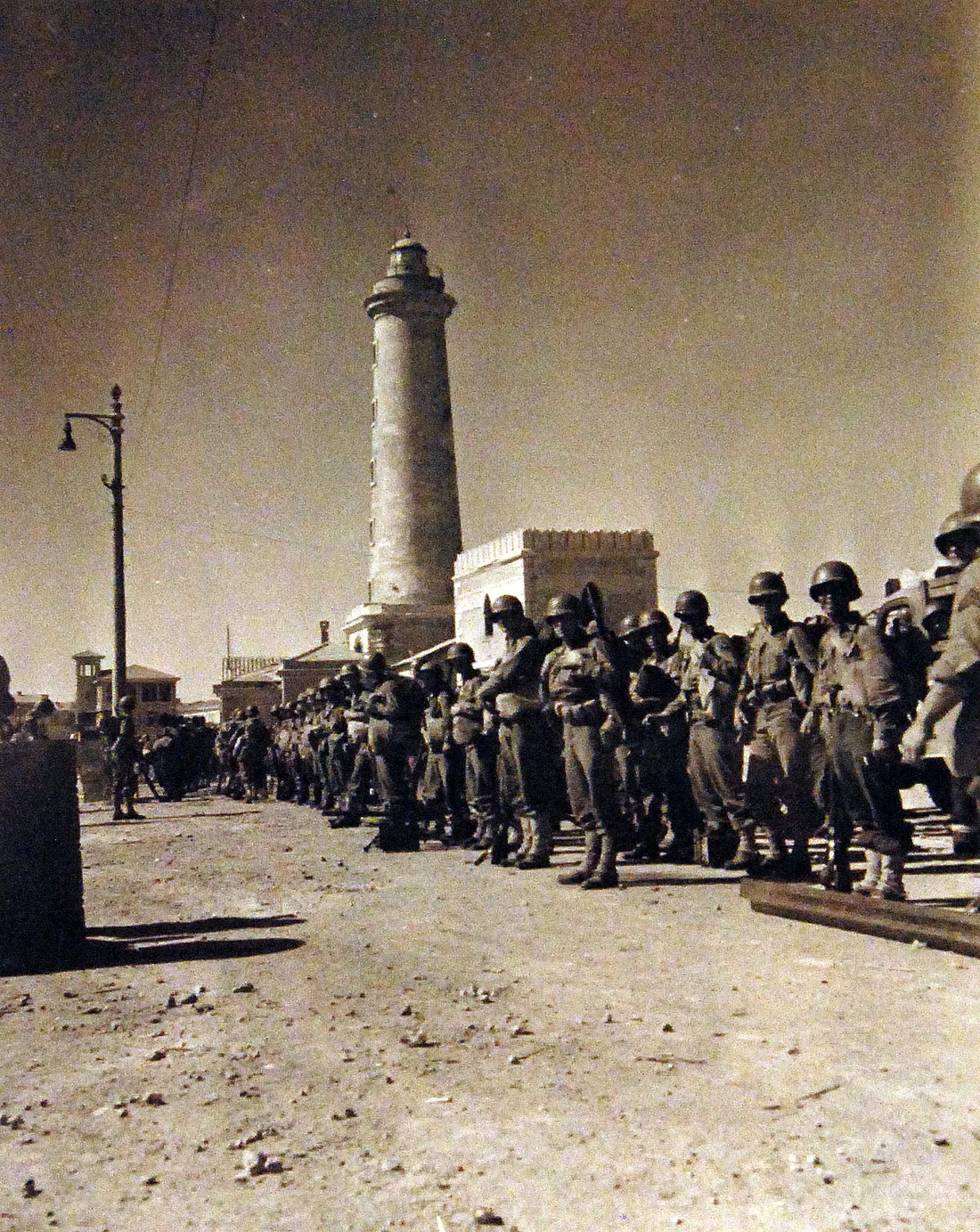
On July 10, 1943, the 3rd Infantry Division landed in southern Sicily near Licata. A machine gun hidden in a hut opened fire on his platoon, and as the men dived for cover, Chips broke free and charged it through the gunfire. His handler, Pvt. Rowell, said: “There was an awful lot of noise and the firing stopped. Then I saw one soldier come out of the door with Chips at his throat. I called him off before he could kill the man.” The rest of the Italian crew followed with their hands up. Chips had a scalp wound and powder burns, and later he reportedly helped capture ten more Italian soldiers.
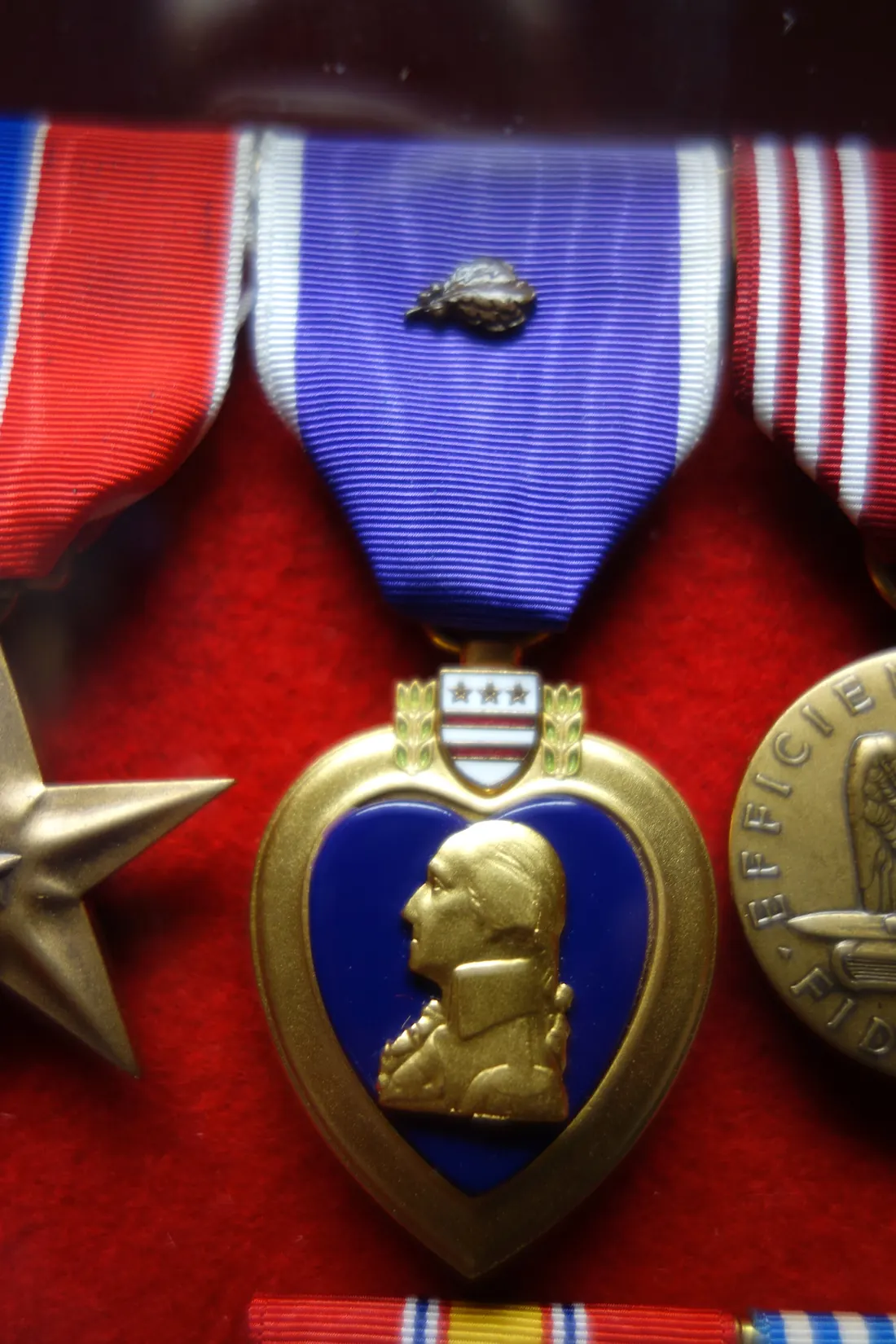
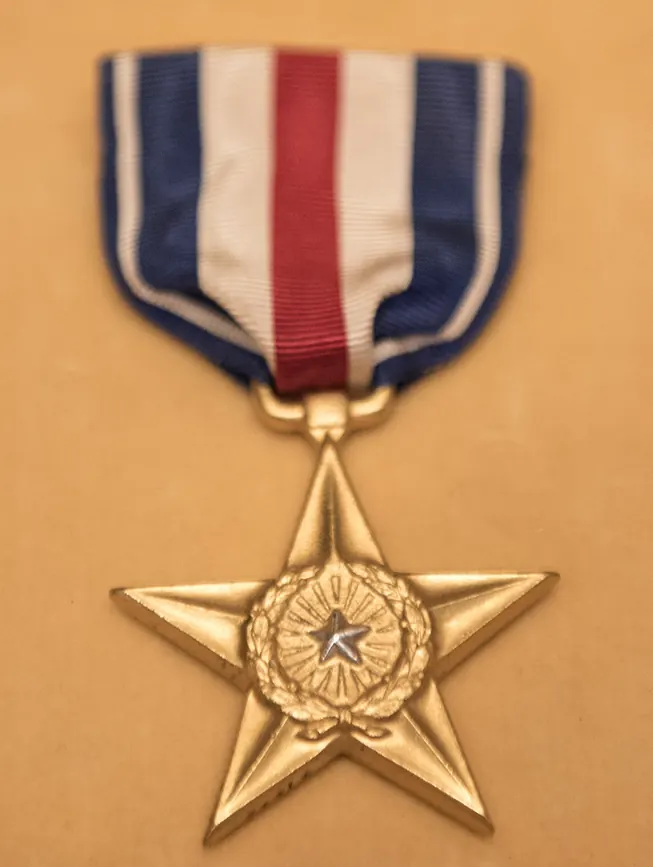
Chips was awarded the Silver Star and the Purple Heart. But the awards were revoked: War Department regulations prohibited decorating animals, and there had been complaints that such medals were not meant for them. So the men of his unit honored him unofficially, with a theater ribbon bearing an arrowhead for an assault landing and a battle star for each of his eight campaigns. In December 1945 he went home to the Wren family.
In 2018 Chips was posthumously awarded the PDSA Dickin Medal, widely known as the animal equivalent of the Victoria Cross. It was presented on January 15, 2018, which the PDSA marked as the 75th anniversary of the Casablanca Conference.
Fact check
The facts and where they come from
- Chips was the Wren family’s dog: “Originally born and raised in Pleasantville, New York, Chips was a family dog” (3rd Infantry Division, via DVIDS). His owner was Edward J. Wren of Pleasantville, New York. 31
- He was donated to the Army in 1942. PDSA: “After the US joined WWII, Mr Wren donated him to the newly formed USA Dogs for Defense (DfD) in 1942.” Defense Media Network: Wren “enlisted Chips in the Army in August 1942.” 24
- He guarded Roosevelt and Churchill at Casablanca. PDSA: “Chips served as sentry at the Casablanca Conference in January 1943” and “Chips met both leaders while he performed his protection duties.” DVIDS: “Chips and his military police handler were part of the protection force tasked with guarding the leaders throughout the meeting.” 23
- He landed in Sicily on July 10, 1943. PDSA: “On 10 July 1943, Chips took part in ‘Operation Husky’, during the invasion of Sicily.” Defense Media Network: “In the predawn hours of July 10, 1943, the 3rd Infantry Division under the command of Maj. Gen. Lucian Truscott landed on the shore of southern Sicily near Licata.” 24
- A hidden machine gun pinned his platoon down, and Chips broke free and charged it. PDSA: “the soldiers were attacked on the beach by an enemy machine-gun team, hidden in a nearby hut. As the platoon dived for cover, Chips broke free.” He went in “despite the barrage of gunfire.” 21
- He charged the machine gun alone: Capt. Edward G. Parr’s recommendation, quoted by PDSA, says Chips “single-handedly eliminated a dangerous machine-gun nest and caused the surrender of its crew.” 2
- The firing stopped, and the crew came out. His handler, Pvt. Rowell: “There was an awful lot of noise and the firing stopped. Then I saw one soldier come out of the door with Chips at his throat. I called him off before he could kill the man.” PDSA: “Private Rowell reported that three other enemy soldiers followed, hands above heads.” Wikipedia: “The four crewmen were forced to leave the pillbox and surrendered to US troops.” 231
- He was wounded. PDSA: “During the incident, Chips sustained a scalp wound and powder burns.” Defense Media Network: “suffering powder burns and a scalp wound from the pistol fired at close range.” 24
- Reportedly, he later helped capture ten more. Wikipedia: “Later that day, he helped take ten Italians prisoner.” DVIDS: “Sources also allege that later that night, while on guard duty, Chips alerted Rowell of ten Italian soldiers trying to sneak into the U.S. camp.” 13
- He was awarded the Silver Star and the Purple Heart. Defense Media Network: “Chips was awarded the Purple Heart and Silver Star.” DVIDS: “He was awarded the Purple Heart after being wounded in the attack and the Silver Star for bravery.” PDSA: “On 19 November 1943, Chips was the first, and only, dog to be awarded the Silver Star.” 432
- The awards were taken back because they weren’t meant for animals. Wikipedia: “these awards were later revoked due to an Army policy preventing official commendation of animals.” PDSA: “Chips’ medals were later revoked, following complaints that such medals were not intended for animals.” DVIDS: “his awards were quickly redacted after complaints they were not meant for animals.” Defense Media Network: “War Department regulations prohibited the awarding of decorations to animals.” Military.com: “Pvt. Chips was stripped of his awards.” 12345
- His men gave him a ribbon and a battle star for each campaign. Wikipedia: “Chips’s unit unofficially awarded him a theater ribbon with an arrowhead for an assault landing, and battle stars for each of his eight campaigns.” PDSA: “the men in his platoon unofficially awarded him a Theater Ribbon with Arrowhead … together with eight battle stars: one for each of his campaigns.” 12
- In 2018 he received the Dickin Medal. PDSA: Chips “has been posthumously awarded the PDSA Dickin Medal – widely known as the animal equivalent of the Victoria Cross,” presented “on Monday 15 January: the 75th anniversary of the Casablanca Conference.” Wikipedia: “In 2018, Chips was posthumously awarded the PDSA Dickin Medal for his efforts during the war.” 21
- The Short’s closing line, “The rules said a dog couldn’t be a hero. His men knew better,” is the narrator’s summary of the two facts above: the Army’s ruling on his medals, and his men’s unofficial honors. 12
- He was “a German shepherd, collie, husky mix,” served with the 3rd Infantry Division, and “Chips returned home to the Wren family in December 1945” (Defense Media Network). 4
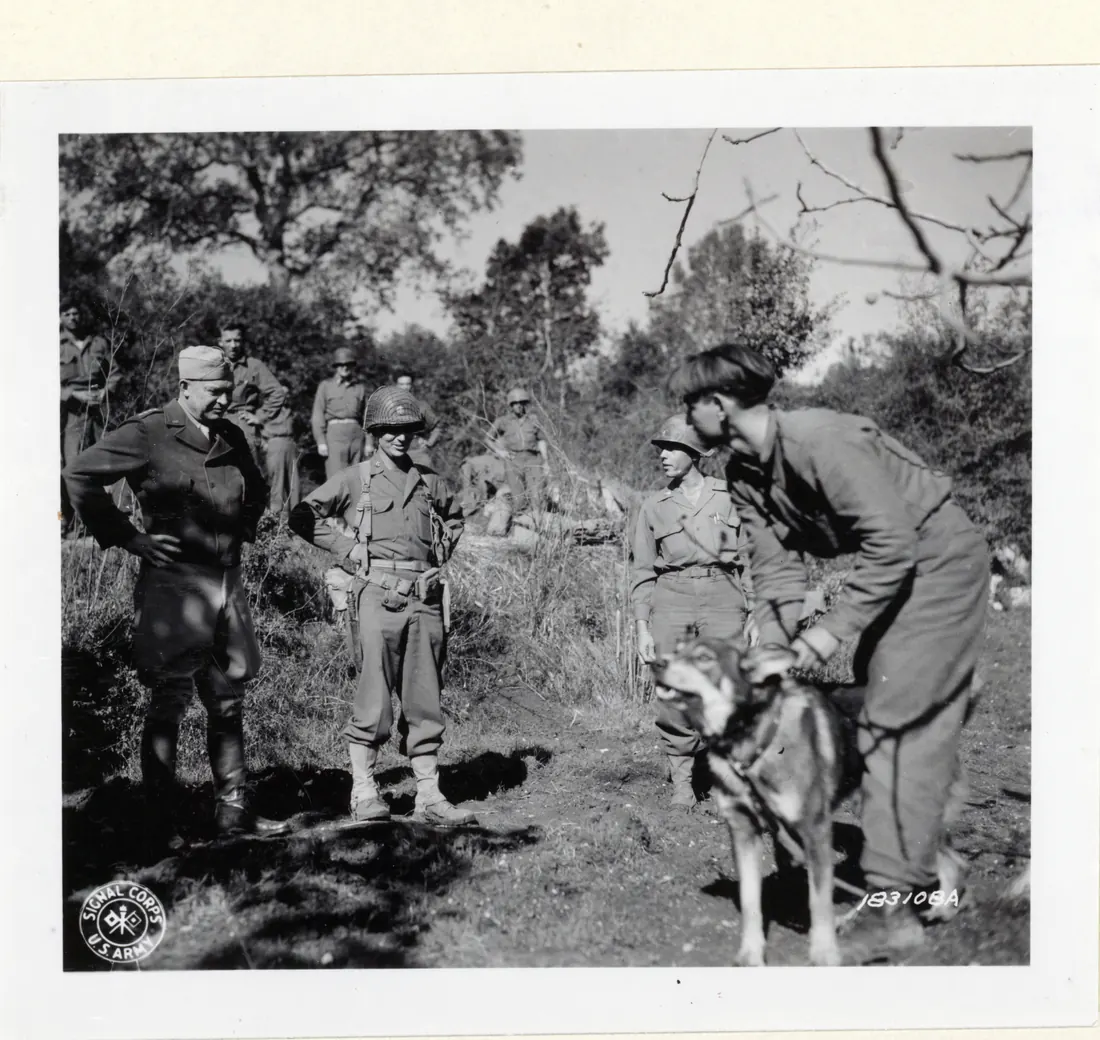
- The photo of Eisenhower and Chips: “General Dwight D. Eisenhower, Commander in Chief of the Allied Forces, admiring Chips … Chips is held by his combat trainer, Private Louie Kearns of Davenport, Iowa. The photograph was taken in Italy” (US Army Signal Corps 183108A, National Archives, dated October 22, 1943). 6
Sources
- Chips (dog) Wikipedia
- Top honour for WWII hero dog PDSA
- A Dog Faced Hero DVIDS (US Army 3rd Infantry Division)
- Chips: War Dog Hero of the 3rd Infantry Division Defense Media Network (Dwight Jon Zimmerman)
- A WWII Private Was Stripped of His Distinguished Service Cross for Being a Dog Military.com
- General Dwight D. Eisenhower admiring Chips (US Army Signal Corps, 1943) Wikimedia Commons
Notes
Which medals: Capt. Edward G. Parr recommended the Distinguished Service Cross. Wikipedia, DVIDS (citing a 1944 New York Times article) and Defense Media Network say Maj. Gen. Truscott awarded it on November 19, 1943; PDSA says the DSC was recommended and the Silver Star awarded. We name only the Silver Star and the Purple Heart, which every source supports.
Revoked or kept: Wikipedia also says Adjutant General Ulio “ruled that Chips was allowed to keep his medals, but that ‘no more medals would be allowed to dogs’.” PDSA, DVIDS (3rd Infantry Division), Defense Media Network, Military.com and the Army’s own 3rd Infantry Division story all say his awards were revoked, rescinded or stripped. We follow the majority.
Where the gun was: PDSA says “on the beach”; Defense Media Network says the platoon was “working its way inland” when a gun “hidden in what appeared to be a nearby peasant hut” opened fire. We say only that it was hidden in a hut.
How many gunners: “four crewmen” (Wikipedia, DVIDS), or one soldier plus “three other enemy soldiers” (PDSA, Defense Media Network). Both fit one gunner and “the rest.”
The ten prisoners: “Later that day” (Wikipedia), “That night” (Defense Media Network), “Sources also allege … later that night” (DVIDS). We say he reportedly helped capture them.
The 1943 caption of the Eisenhower photo calls it a “German machine-gun nest”; every modern source says Italian, and so do we.
Left out: the story that Chips tried to bite Eisenhower, which DVIDS calls a rumor; the date and cause of his death in 1946, on which sources differ; and his handler’s middle initial (John P. in Wikipedia, John R. elsewhere). Sources also differ on the third part of his breed (husky, Siberian husky or malamute); we use Defense Media Network’s wording.
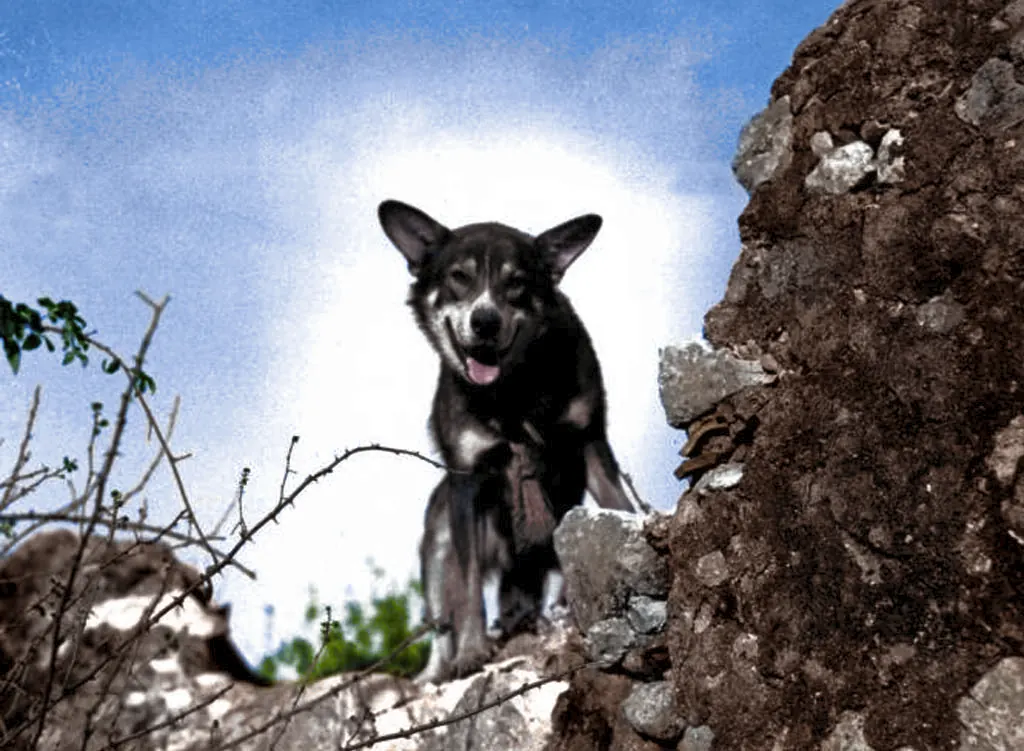
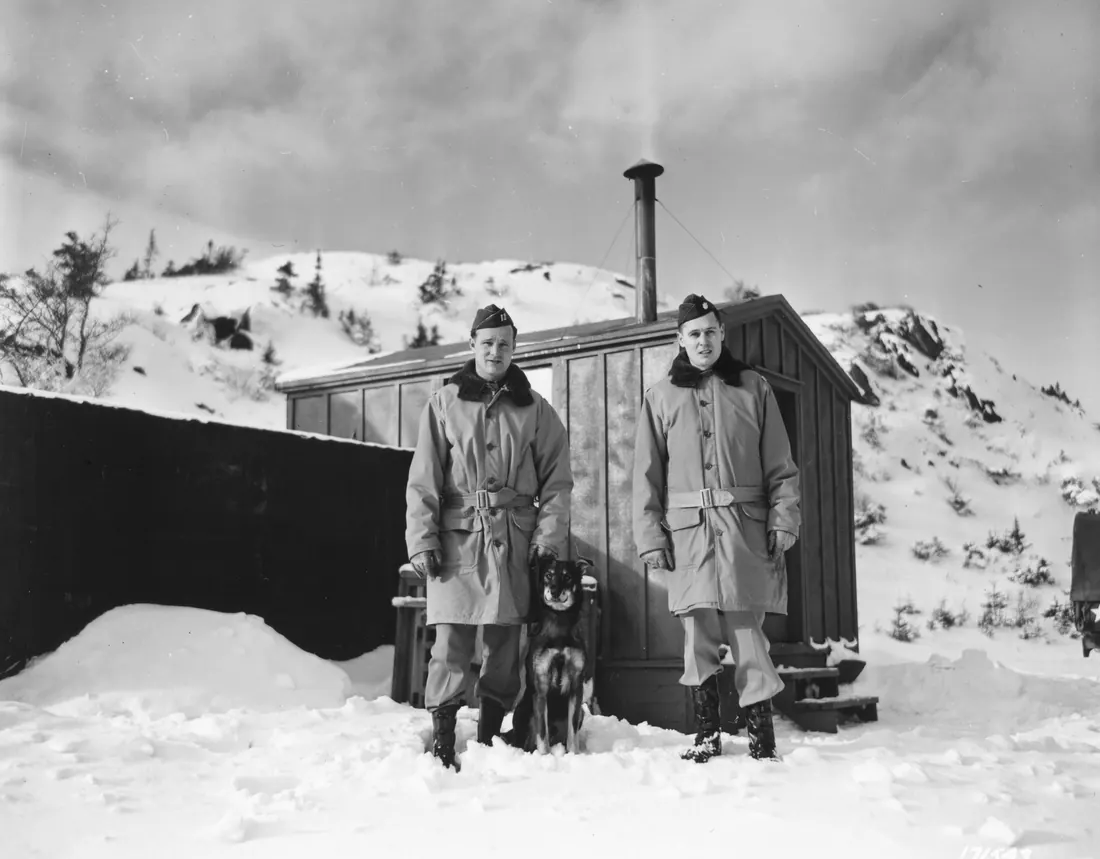
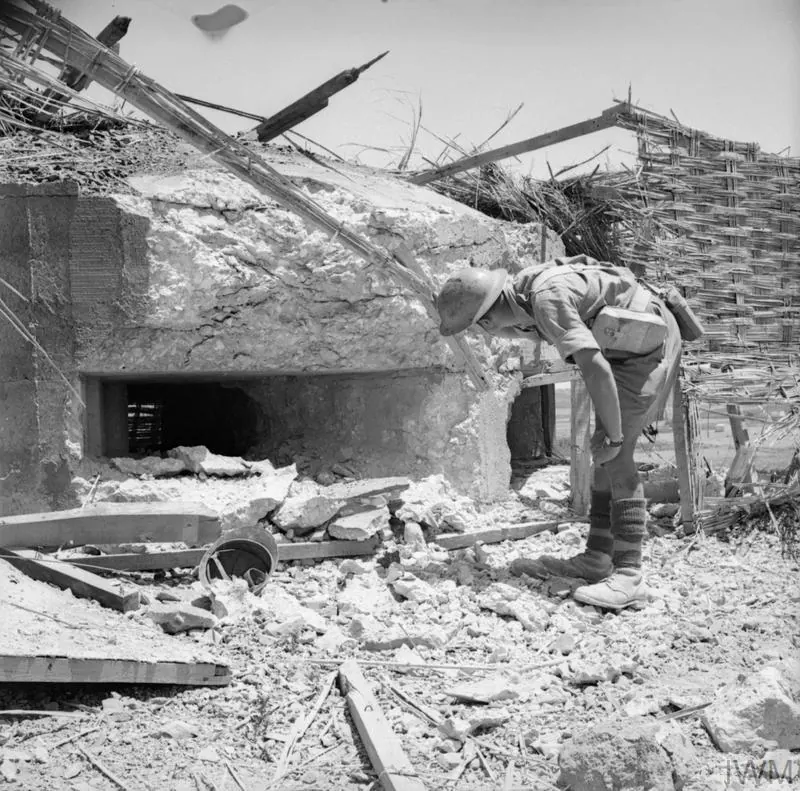
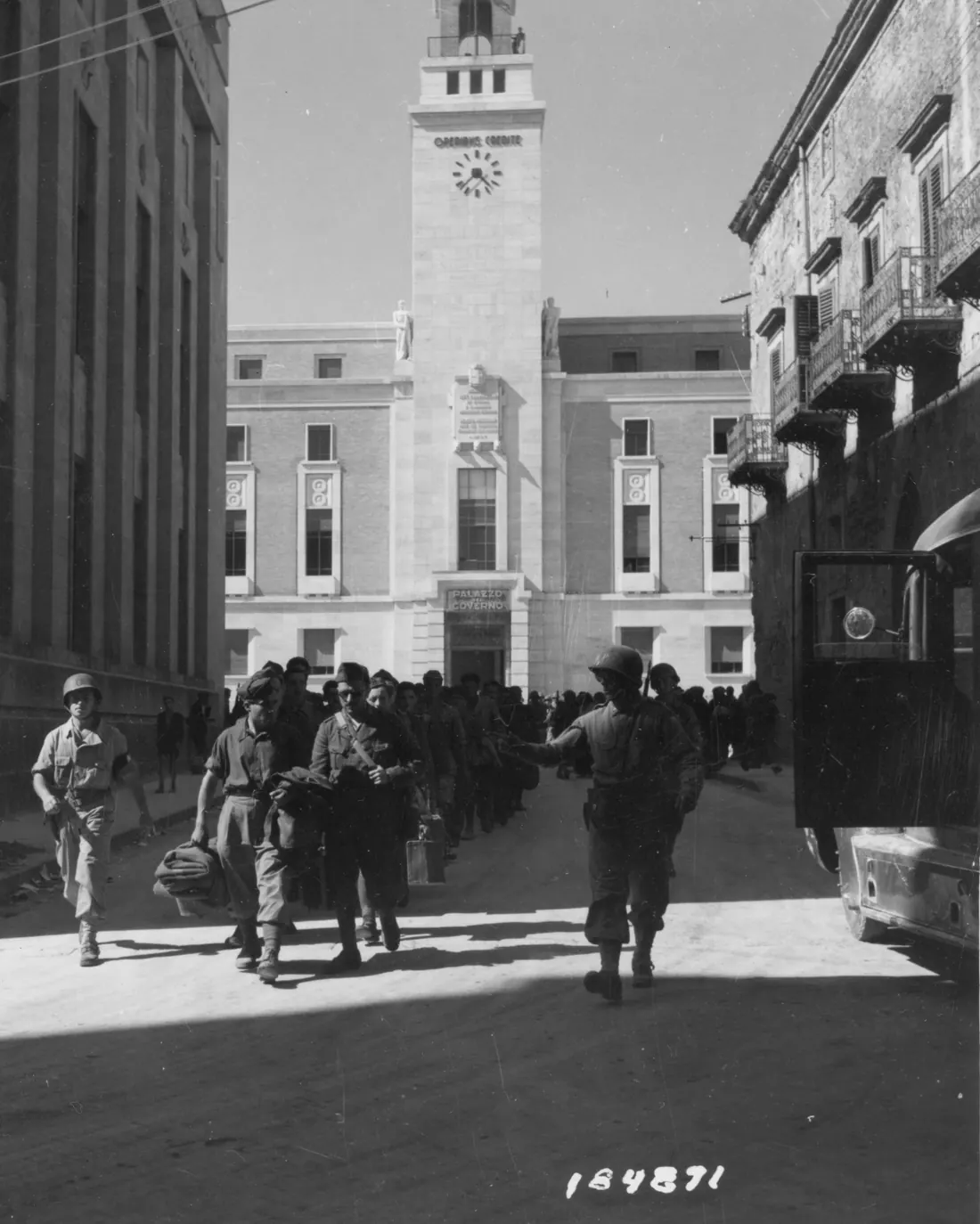
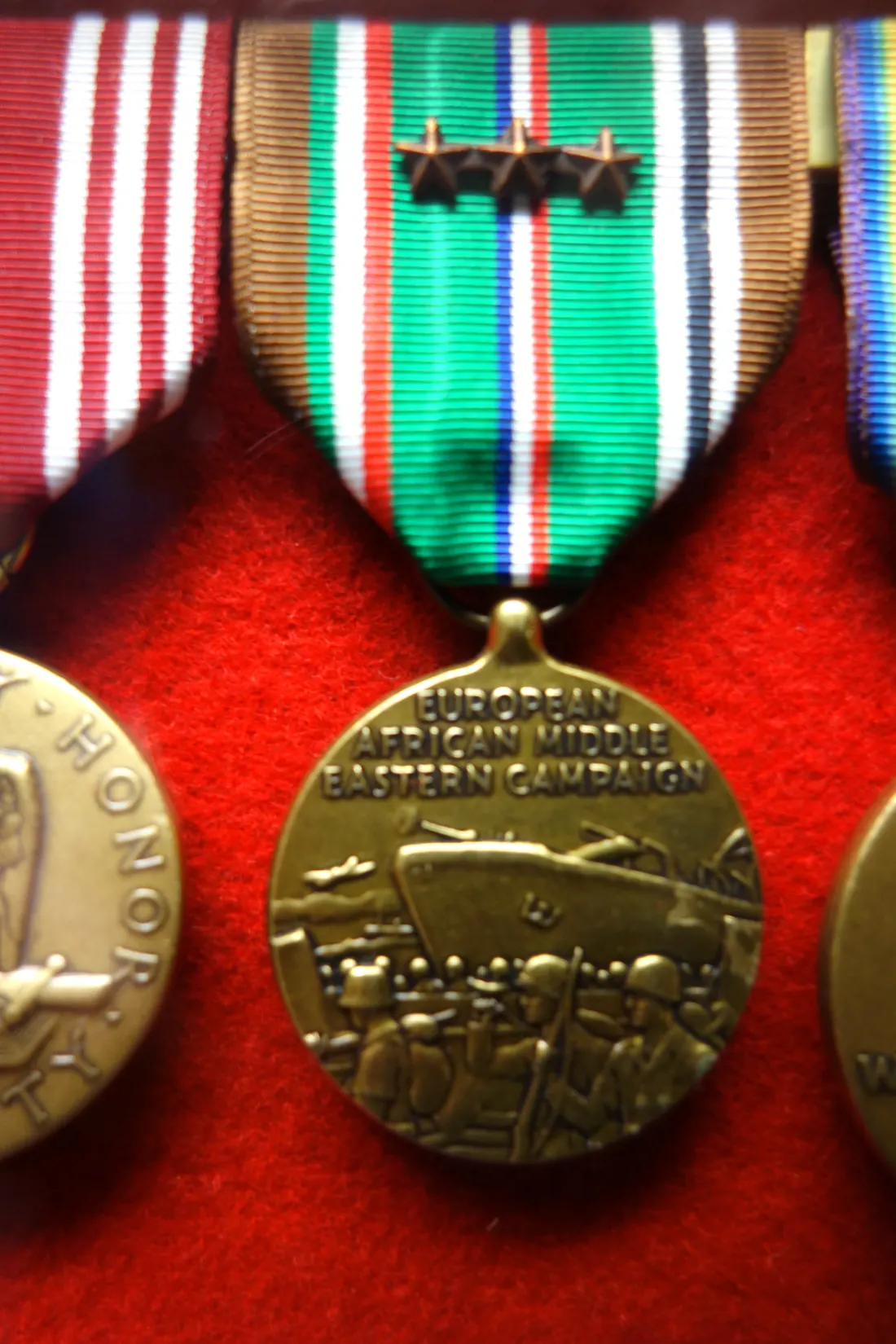
Chips himself is in two photos: the US Army photo of him on the rocks, shown here as colorized by Cassowary Colorizations in 2017 (the Short shows it in black and white), and Eisenhower admiring him in Italy in 1943, a scanned print with a white border. The other pictures show the period and the setting, not his own moments: Army guard dogs in Newfoundland in 1943, a captured Italian pillbox in the British sector, the landing at Gela rather than Licata, a Sicily beach, Italian prisoners at Enna, Allied troops at Licata, and museum medals that are not his own. No clearly free photo of the Dickin Medal was found, so it isn’t shown.
Photo credits
The archive photos in this story
The photographs and illustrations in this story are in the public domain or shared under open licenses; each one is credited below with its license. Tap one to enlarge it, or follow the link to its Wikimedia Commons page for the full record. The narration, music, captions and graphics in the Short are our own.