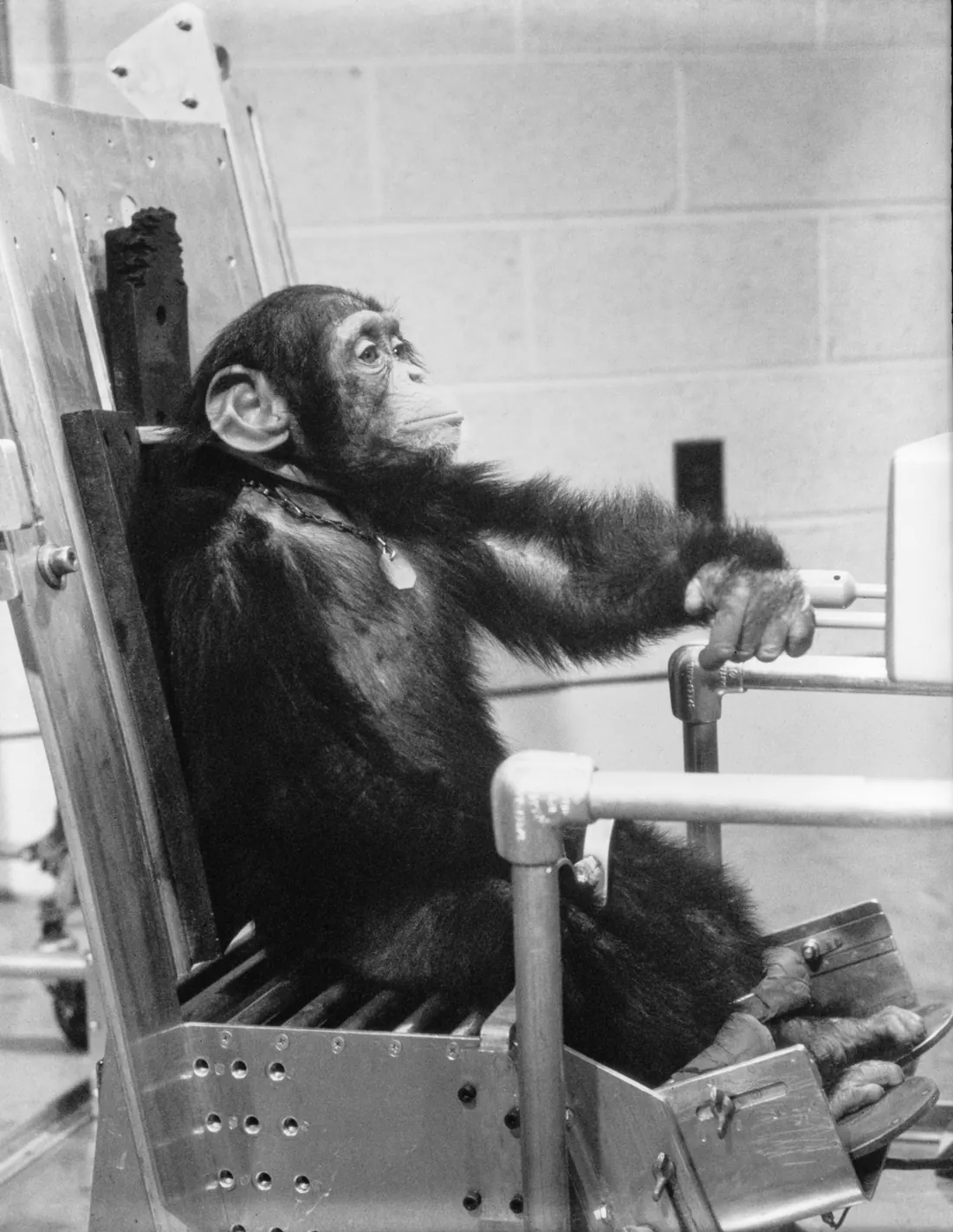
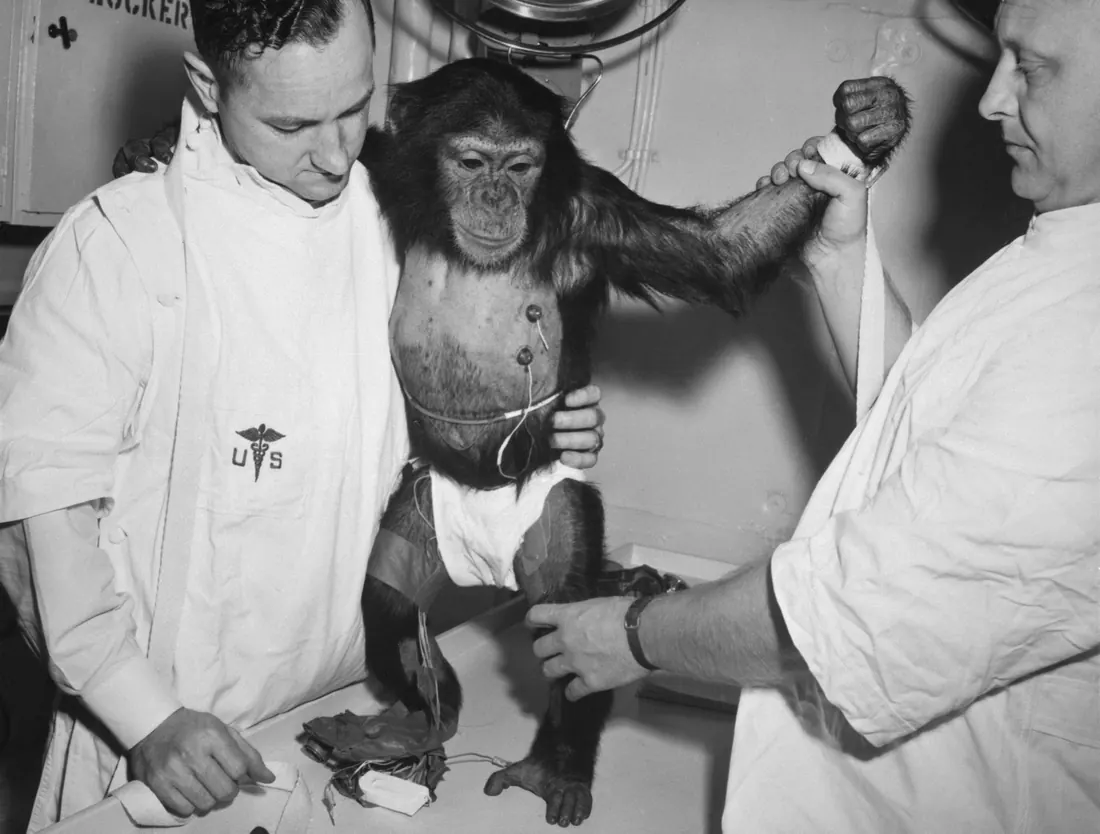
Ham was born in 1957 in the French Cameroons, in West Africa. Captured by trappers, he was sent to a rare bird farm in Florida, and in 1959 he was sold to the US Air Force, which sent him to Holloman Air Force Base in New Mexico. Officially, he was known only as No. 65 before his flight; his handlers nicknamed him Ham, after the Holloman Aerospace Medical Center. The chimps there were taught to pull levers in response to sound and light: if they reacted correctly within five seconds, they got banana pellets, and if not, a mild shock on the soles of their feet.
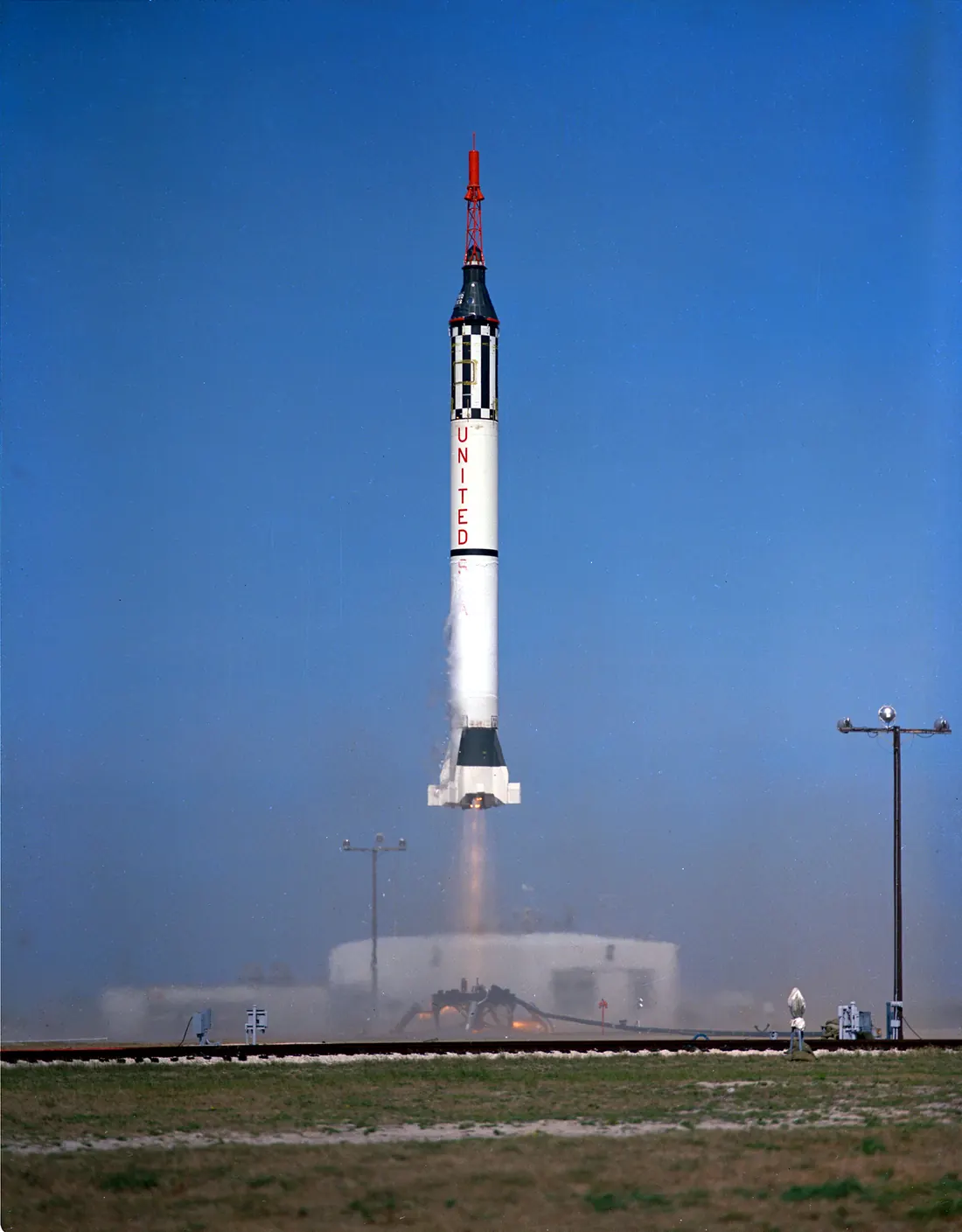
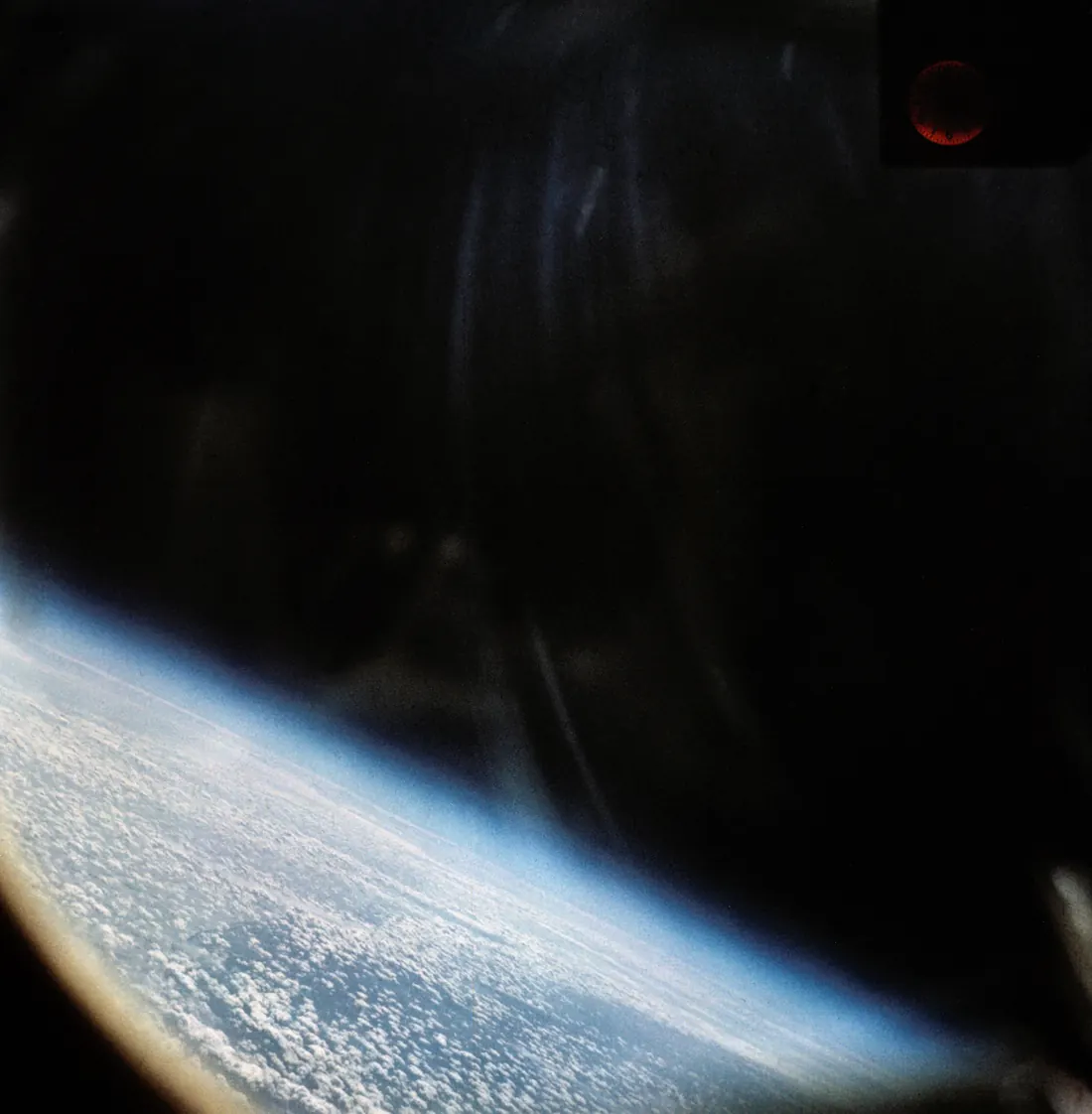
On January 31, 1961, Mercury-Redstone 2 lifted off from Cape Canaveral, Florida, with Ham aboard, ten weeks before the Soviet cosmonaut Yuri Gagarin became the first man in space. The flight plan called for an altitude of 115 miles and speeds of up to 4,400 mph, but technical problems sent the capsule to 157 miles at 5,857 mph. During reentry Ham was subjected to 14.7 g, yet he kept working, pushing his levers about 50 times during the flight, with response times as good as on Earth.
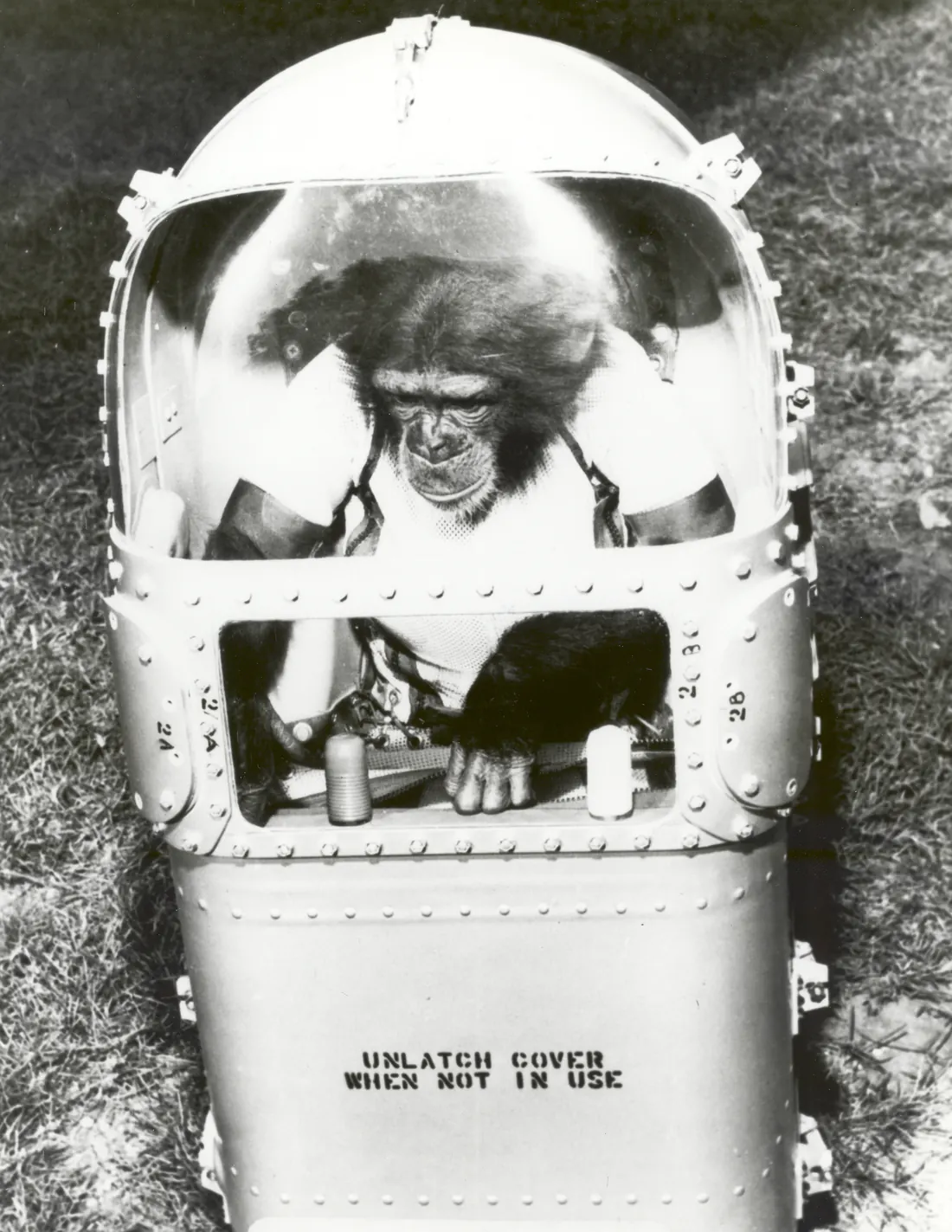
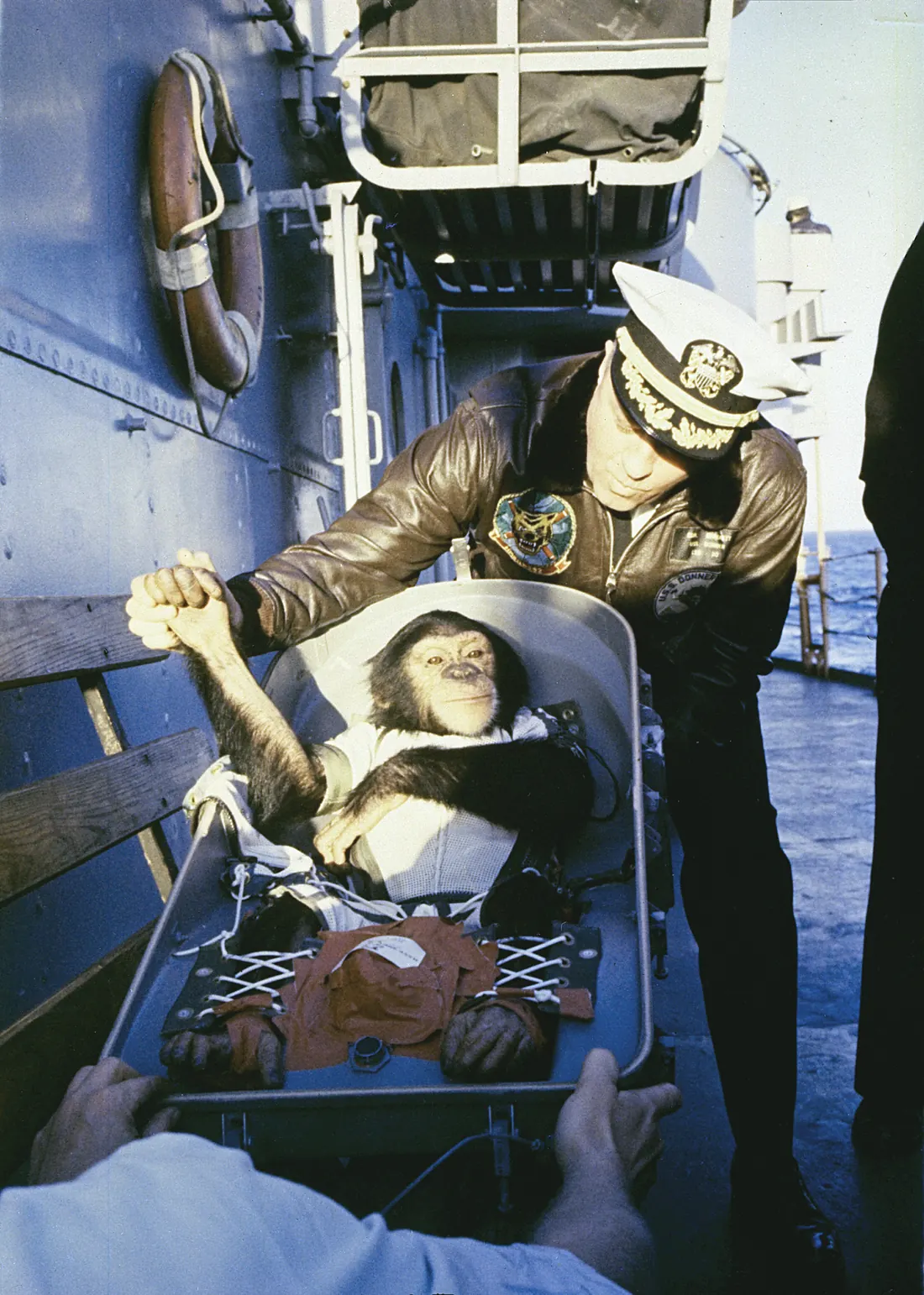
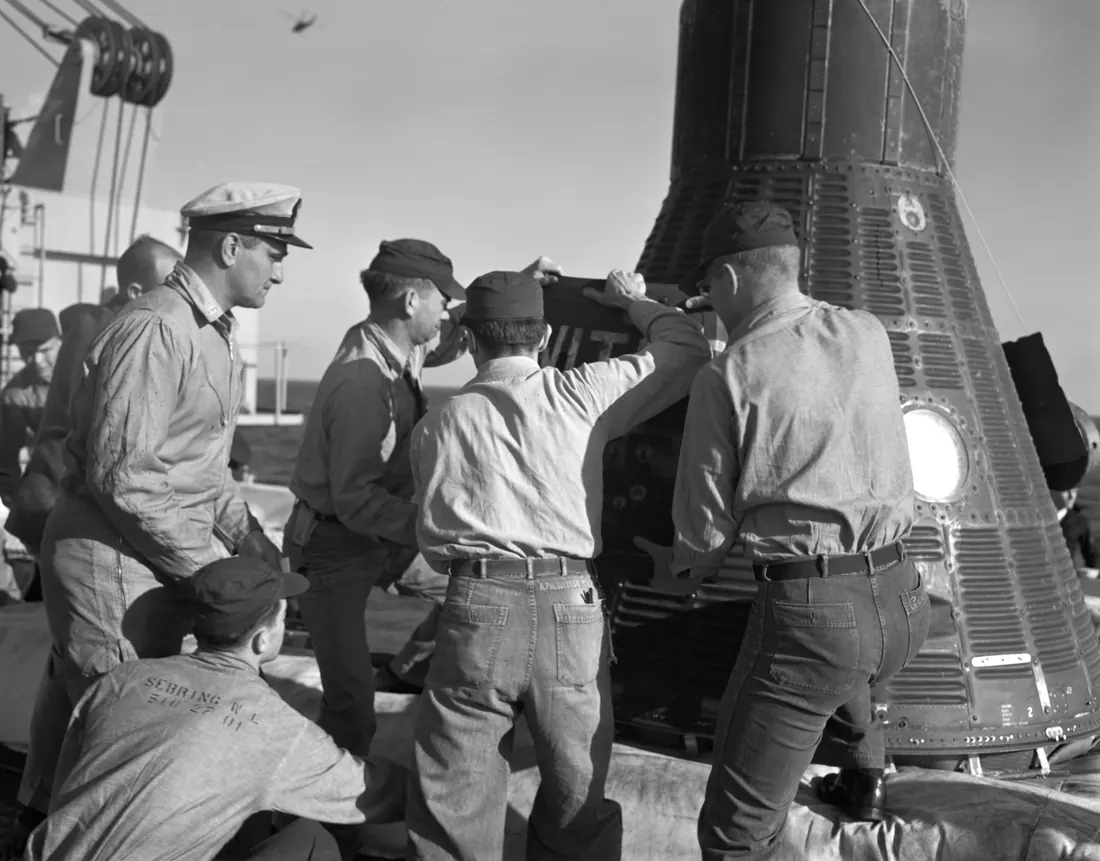
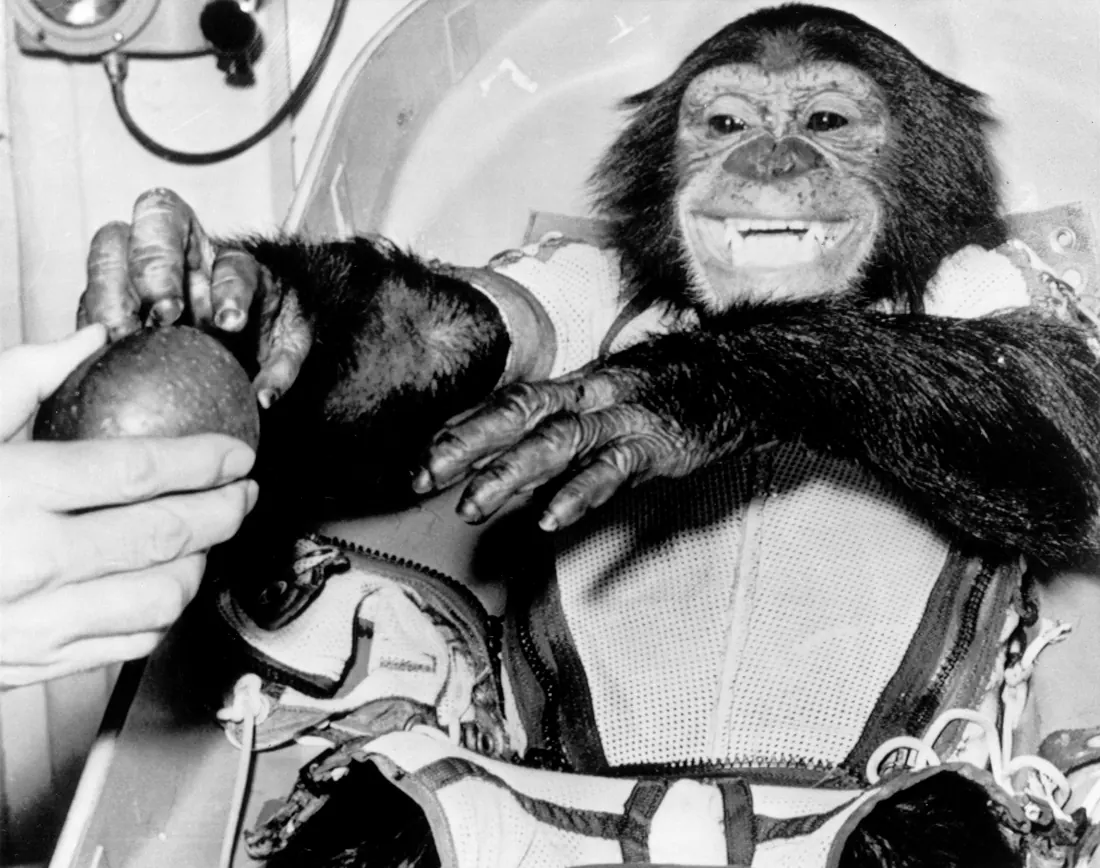
The capsule splashed down far off target, and when helicopters arrived they found it on its side, taking on water. A Navy helicopter rescued him, and according to the Smithsonian, if it had not arrived when it did, Ham might have drowned. Aboard the recovery ship USS Donner he seemed calm and in good spirits; he shook hands with the captain and ate an apple and half an orange. But Jane Goodall, looking at the footage of his flight and the photos of his recovery, later said she had never seen such terror on a chimp’s face.
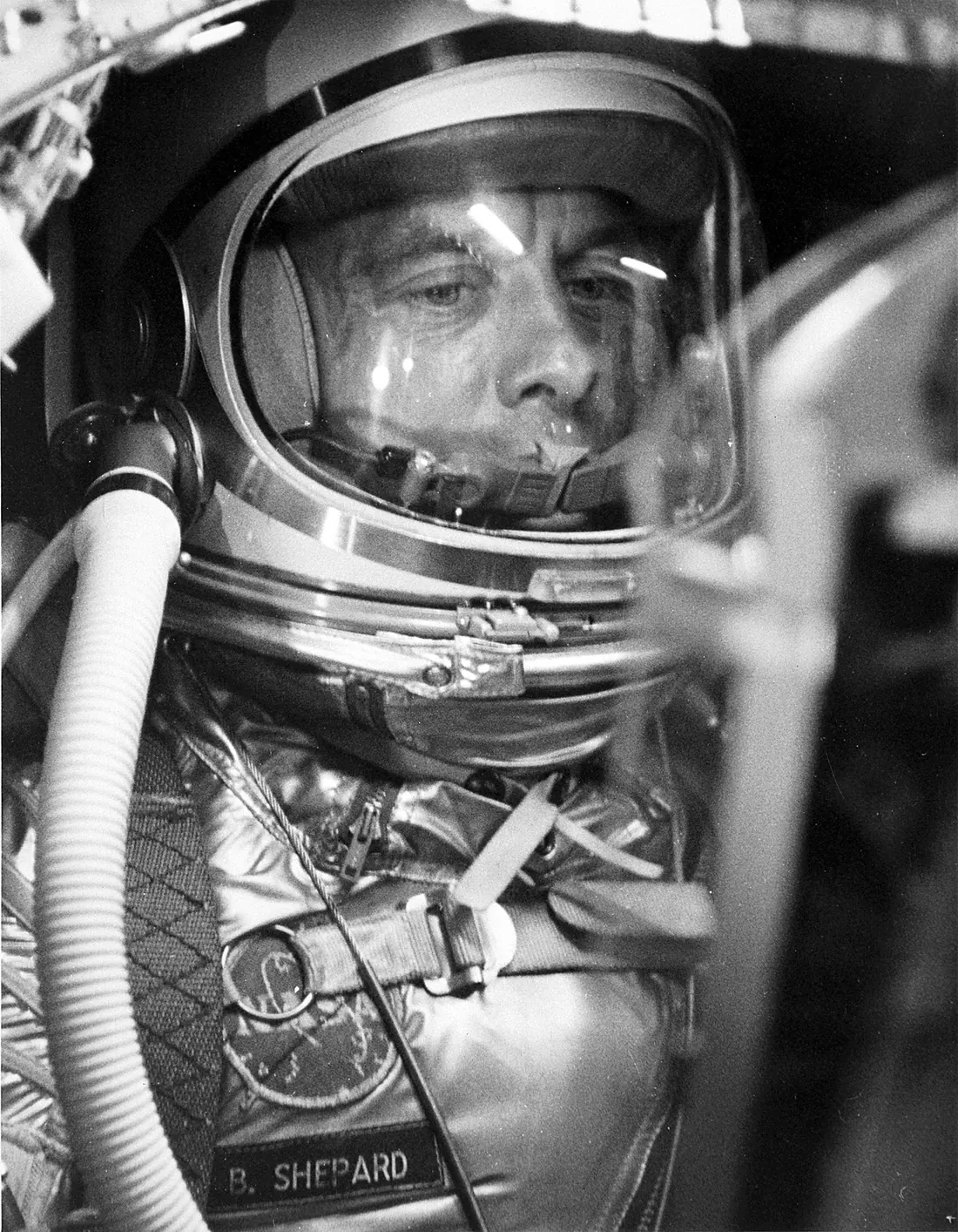
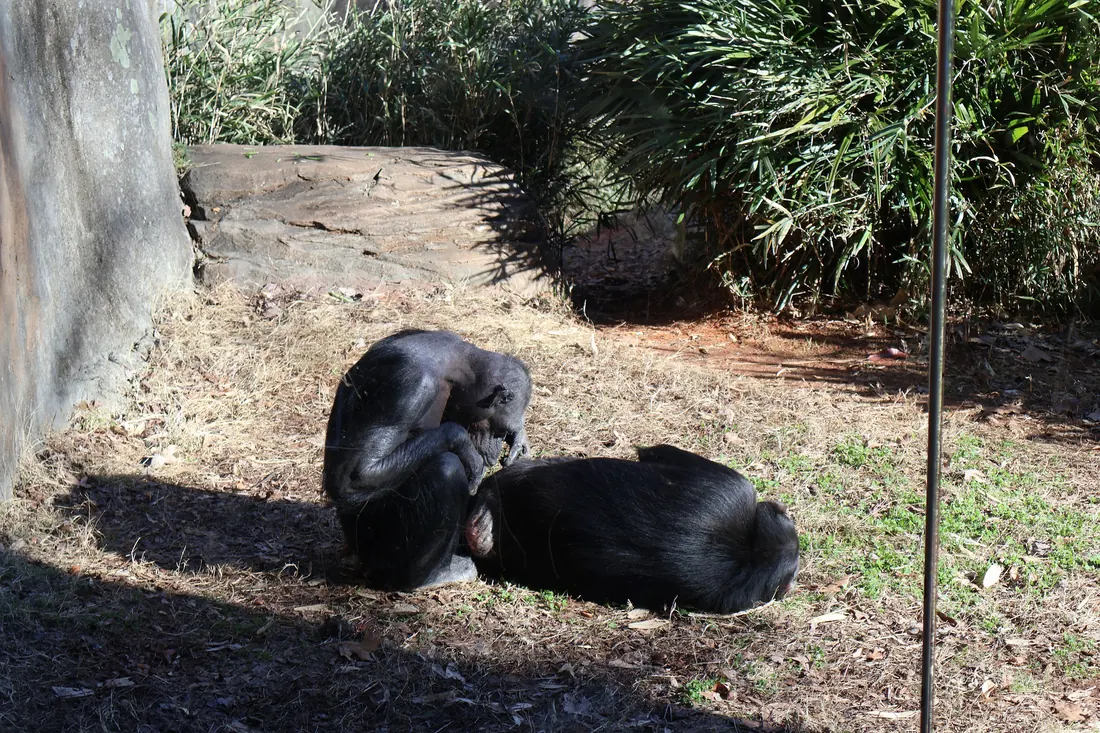
Ham’s flight paved the way for Alan Shepard, who became the first American in space on May 5, 1961. Ham was put on display at the National Zoo in Washington in 1963, where he lived alone for 17 years, and then he moved to the North Carolina Zoo in Asheboro, where he joined a small group of chimps. He died in 1983, and his remains were buried at the International Space Hall of Fame in Alamogordo, New Mexico.
Fact check
The facts and where they come from
- He flew to space before any human. The Guardian, 2011: “Fifty years ago tomorrow an African-born astronaut made it into space ahead of Soviet pioneer Yuri Gagarin.” The Guardian, 2013: “exiting earth’s atmosphere some ten weeks ahead of Soviet pioneer Yuri Gagarin and over three months before Alan Shepard.” Air & Space Forces: “On April 12 (71 days after Ham’s flight), Soviet cosmonaut Yuri Gagarin, the first man in space.” 453
- He wasn’t an astronaut but a chimpanzee test subject: NASA calls him “the first chimpanzee in space”; Wikipedia, “the first great ape in space.” 27
- He was captured in Cameroon and sold to the Air Force: “born in 1957 in the French Cameroons in West Africa. After being captured by trappers, he was sent to a rare bird farm in Florida. In 1959, he was sold to the U.S. Air Force, who sent him to Holloman Air Force Base in New Mexico” (Smithsonian National Air and Space Museum). 1
- Officially, he was just Number 65. Wikipedia: “Officially, Ham was known as No. 65 before his flight.” The Smithsonian: “NASA had launched ‘Number 65’.” 61
- He was trained to pull levers, with banana pellets for right answers and a mild shock to the feet for wrong ones: “The chimps were taught to pull levers in response to sound and light. If they reacted correctly within five seconds, they were rewarded with banana pellets; if not, they got a mild shock on the soles of their feet” (Smithsonian). Wikipedia: “push a lever within five seconds of seeing a flashing blue light.” 16
- He was launched on January 31, 1961: “Mercury spacecraft Number 5 was launched at 16:55 UTC on January 31, 1961, from LC-5 at Cape Canaveral, Florida” (Wikipedia). 72
- The rocket flew too fast and too high: “The original flight plan called for an altitude of 115 miles and speeds ranging up to 4400 mph. However, due to technical problems, the spacecraft carrying Ham reached an altitude of 157 miles and a speed of 5857 mph” (NASA). 2
- Coming down, he felt nearly 15 times his weight: “Ham was subjected to 14.7 g during reentry” (Wikipedia); “pressures equal to 14.7 times the force of gravity” (Air & Space Forces). 63
- He kept pulling his levers: “Ham performed his tasks well, pushing levers about 50 times during the flight” (Wikipedia); “his response times were as good as they were on Earth” (Air & Space Forces). 73
- The capsule splashed down far off target and began to sink. NASA: he “landed 422 miles downrange rather than the anticipated 290 miles.” Wikipedia: “an overshoot of the planned landing area by 130 miles”; “When helicopters arrived they found the spacecraft on its side, taking on water, and submerging.” Air & Space Forces: “The capsule was damaged in the landing and began to sink.” 273
- A Navy helicopter arrived just in time: “but a Navy helicopter arrived soon and rescued Ham” (Air & Space Forces). The Smithsonian: “After splashdown, water flooded the capsule and if the rescue helicopter had not arrived when it did, Ham might have drowned.” 31
- He seemed calm and shook the captain’s hand. The Smithsonian: “Ham seemed calm and in good spirits upon his return. He shook hands with the commander of the recovery ship and others, and readily accepted an apple.” Air & Space Forces: “Aboard the recovery ship USS Donner, Ham shook hands with the captain and ate an apple and half an orange.” 13
- Jane Goodall, speaking of the footage of his flight and the photos of his recovery, told the Guardian’s Henry Nicholls that she had never seen such terror on a chimp’s face (paraphrased). The Guardian captions the photo of Ham with his apple “A terrified Ham reaches out for an apple.” 5
- His flight cleared the way for Alan Shepard, the first American in space. NASA: “Ham’s mission paved the way for the successful launch of America’s first human astronaut, Alan B. Shepard, Jr., on May 5, 1961.” The Smithsonian: “On May 5, 1961, Alan Shepard became the first American in space.” 21
- He lived alone at a zoo for 17 years, then joined other chimps. NASA: “Ham was placed on display at the Washington Zoo in 1963 where he lived alone until September 25, 1980. He then was moved to the North Carolina Zoological Park in Asheboro.” Wikipedia: “where he lived for 17 years before joining a small group of chimps at North Carolina Zoo.” Air & Space Forces: “where he socialized with other chimps and found a girlfriend.” The Smithsonian: “He lived at the Smithsonian’s National Zoo in Washington, DC until 1980, when he was transferred to the North Carolina Zoological Park in Asheboro.” 2631
- He went up as a number and came home as Ham. Air & Space Forces: “known previously as Chop Chop Chang or simply Number 65. On this mission, he would earn his new name, Ham.” Wikipedia: “Ham was known as ‘No. 65’ before he safely returned to Earth.” 36
- His handlers named him after the Holloman Aerospace Medical Center (Smithsonian). He died in 1983 (“Ham died Jan. 19, 1983,” Air & Space Forces), and “His other remains were buried at the International Space Hall of Fame in Alamogordo, New Mexico.” 13
Sources
- Mercury Primate Capsule and Ham the Astrochimp Smithsonian National Air and Space Museum
- A Brief History of Animals in Space NASA
- The Astrochimps Air & Space Forces Magazine
- The chimp that took America into space The Guardian (January 30, 2011)
- Ham the astrochimp: hero or victim? The Guardian (Henry Nicholls, December 16, 2013)
- Ham (chimpanzee) Wikipedia
- Mercury-Redstone 2 Wikipedia
Notes
When he got the name Ham: Air & Space Forces says he earned it “on this mission,” and Wikipedia says he was “No. 65” until “he safely returned.” Wikipedia adds a motive, that officials reportedly didn’t want bad press if a named chimp died; we leave it out. The Smithsonian says only that his handlers nicknamed him Ham, with no date, and his handlers also called him “Chop Chop Chang.”
“First”: many animals, monkeys among them, flew before him. He was the first chimpanzee and the first great ape in space. We say only that he flew before any human, ten weeks before Gagarin.
The g-force: Wikipedia’s Ham article also cites 17 g at launch, which its Mercury-Redstone 2 article gives as a predicted value. NASA and Air & Space Forces give 14.7 g on reentry, which we use.
The overshoot: 130 miles past the planned landing area (Wikipedia), or 422 miles downrange against 290 planned (NASA, the Smithsonian). We say far off target.
His death: January 19, 1983 (Wikipedia, Air & Space Forces); NASA’s page says January 17, and his age is given as 25 or 26. We say 1983. His move to North Carolina: September 25, 1980 (NASA, Wikipedia), or 1981 (Wikipedia’s Mercury-Redstone 2 article), so we give no year.
Left out: the $457 he was bought for (the Guardian), the 2026 state historic marker at the North Carolina Zoo, his skeleton at the National Museum of Health and Medicine, Minnie his backup, and the taxidermy controversy.
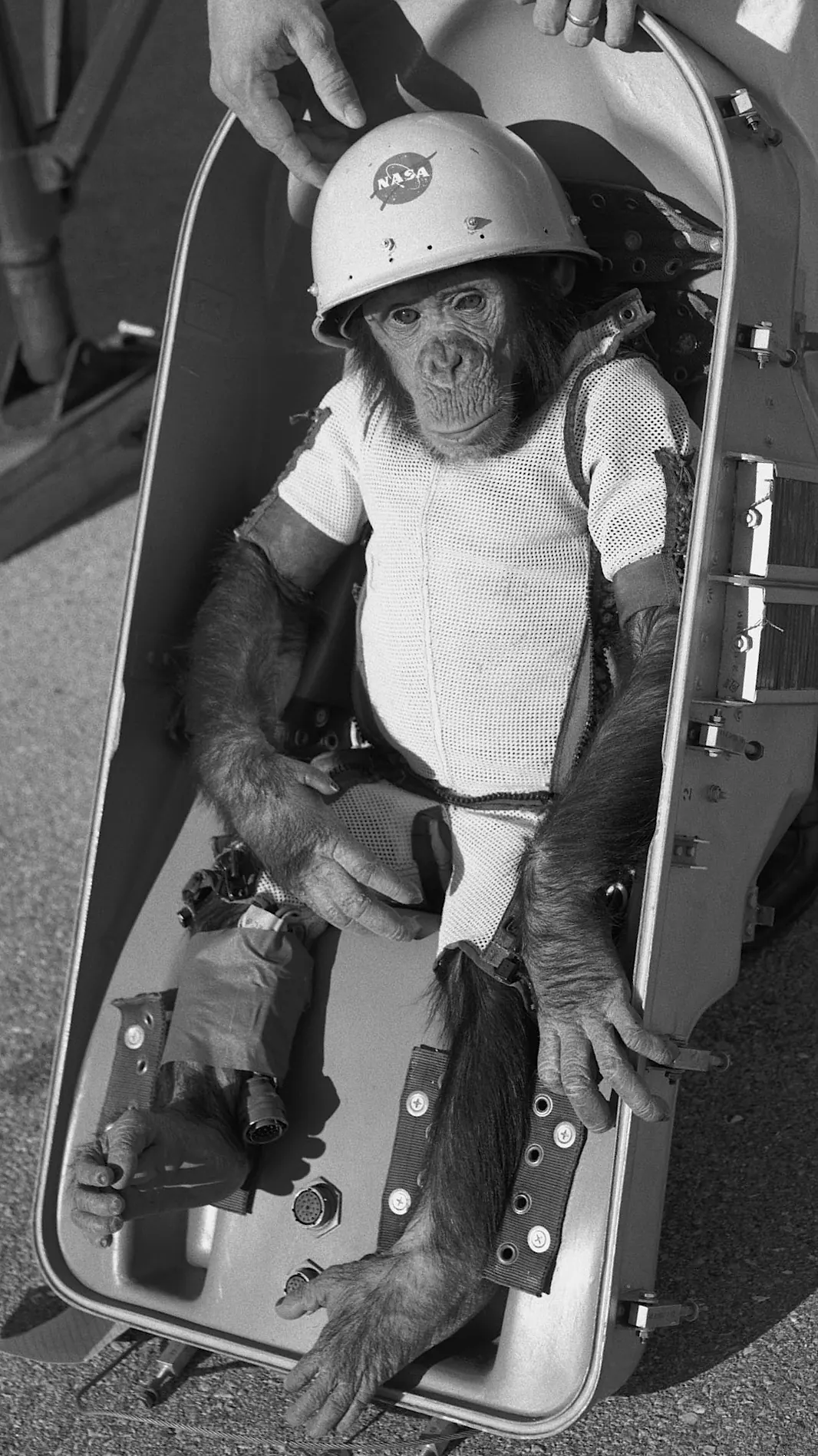
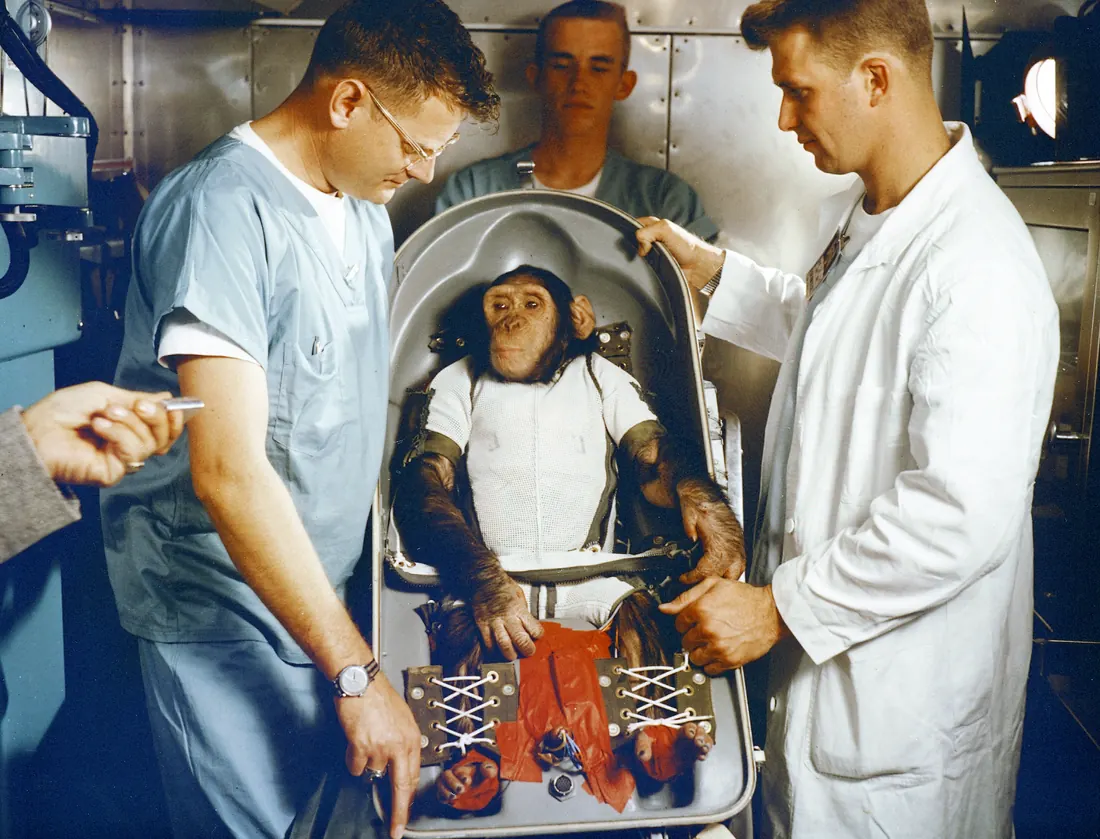
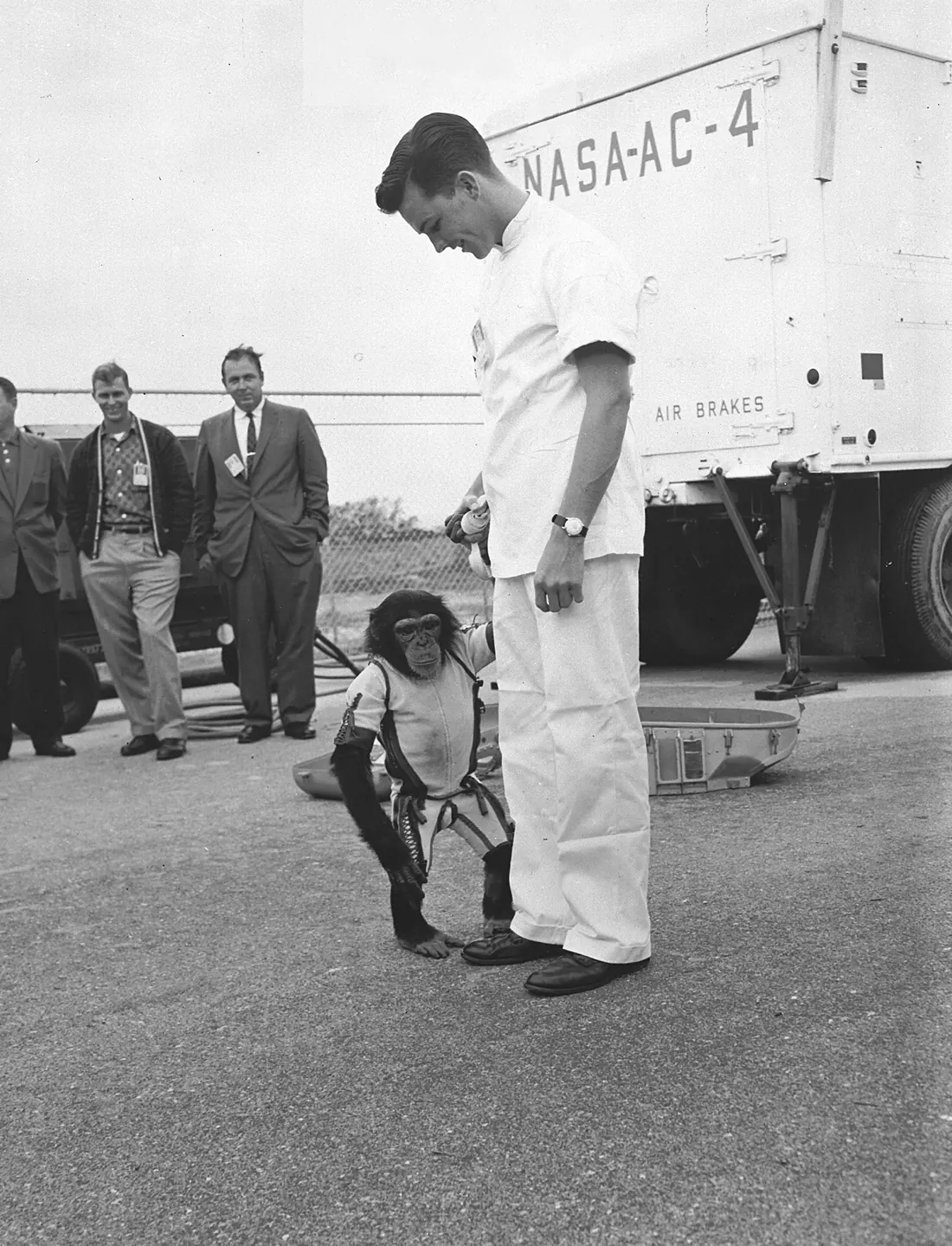
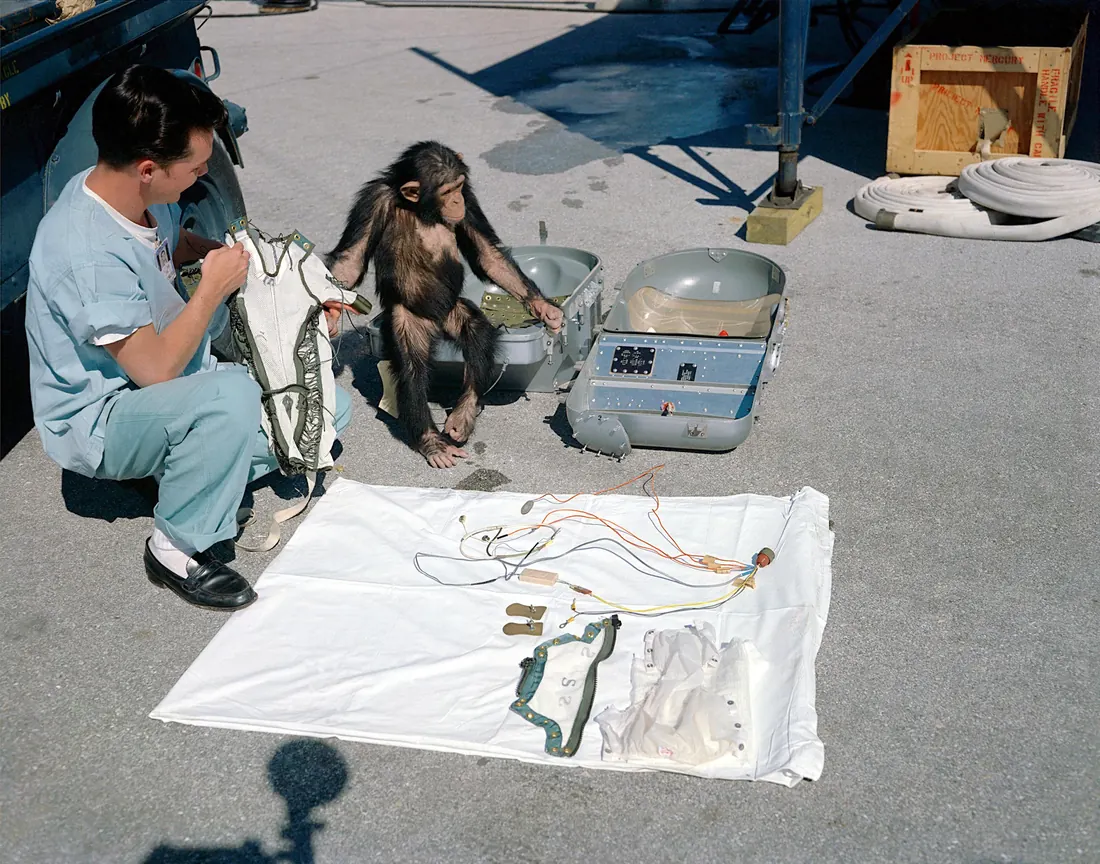
Every chimp shown as Ham is Ham himself, in NASA photos from January 1961. In the portrait he wears a NASA helmet in his flight couch; the Smithsonian notes, “He did not wear the helmet on the flight.” No free photo of the helicopter pickup was found, so the capsule is shown on the deck of USS Donner after recovery. The 2023 photo shows today’s chimpanzees at the North Carolina Zoo, not Ham’s group.
Photo credits
The archive photos in this story
The photographs and illustrations in this story are in the public domain or shared under open licenses; each one is credited below with its license. Tap one to enlarge it, or follow the link to its Wikimedia Commons page for the full record. The narration, music, captions and graphics in the Short are our own.