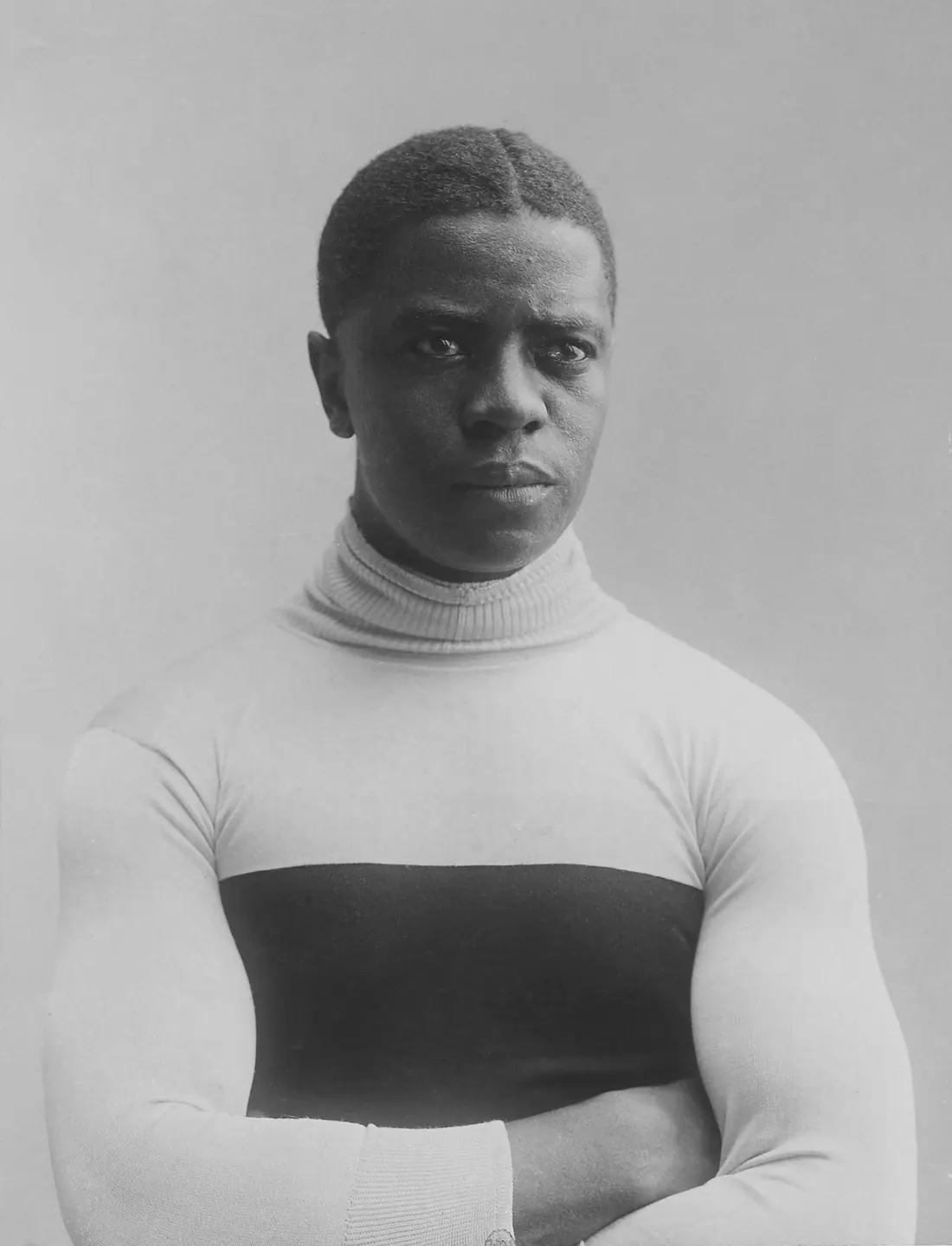
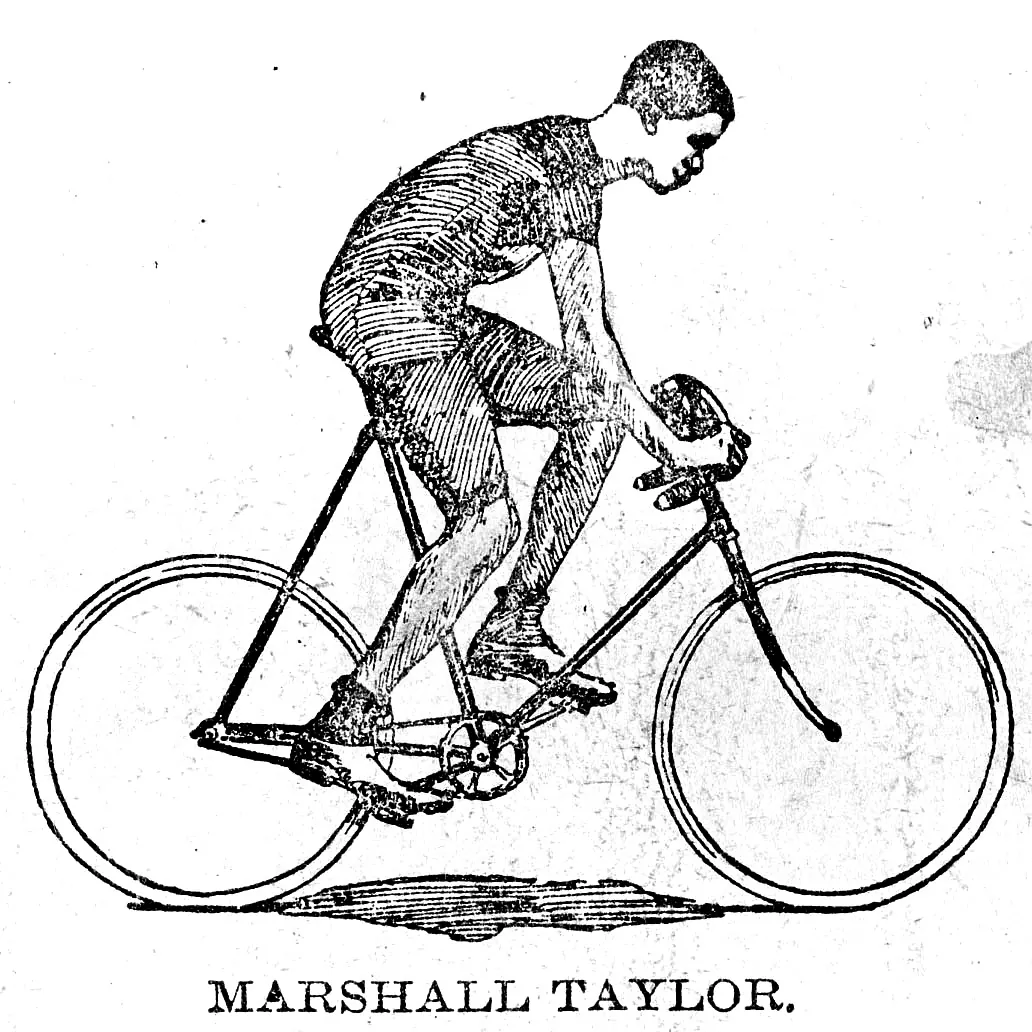
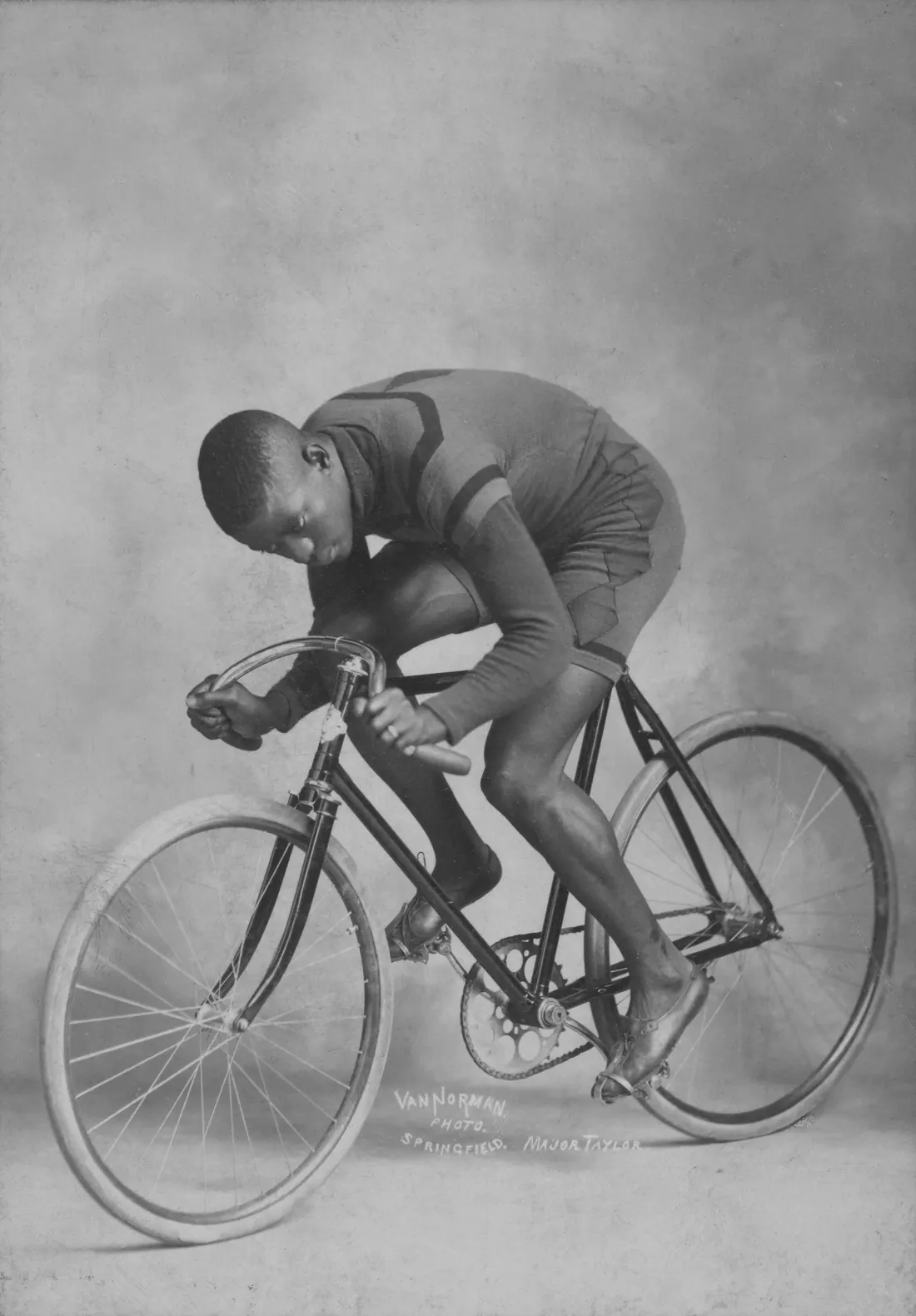
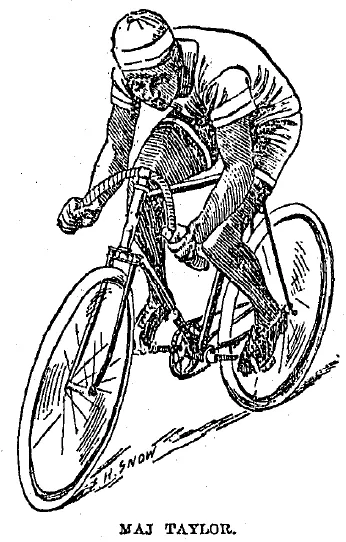
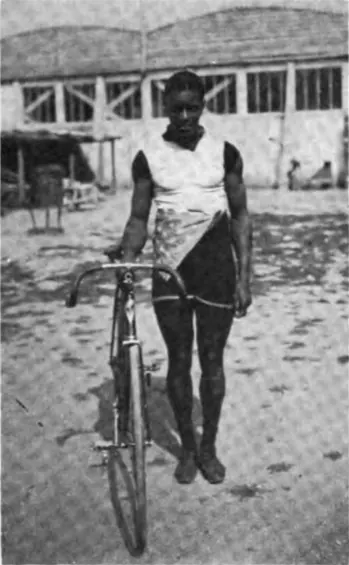
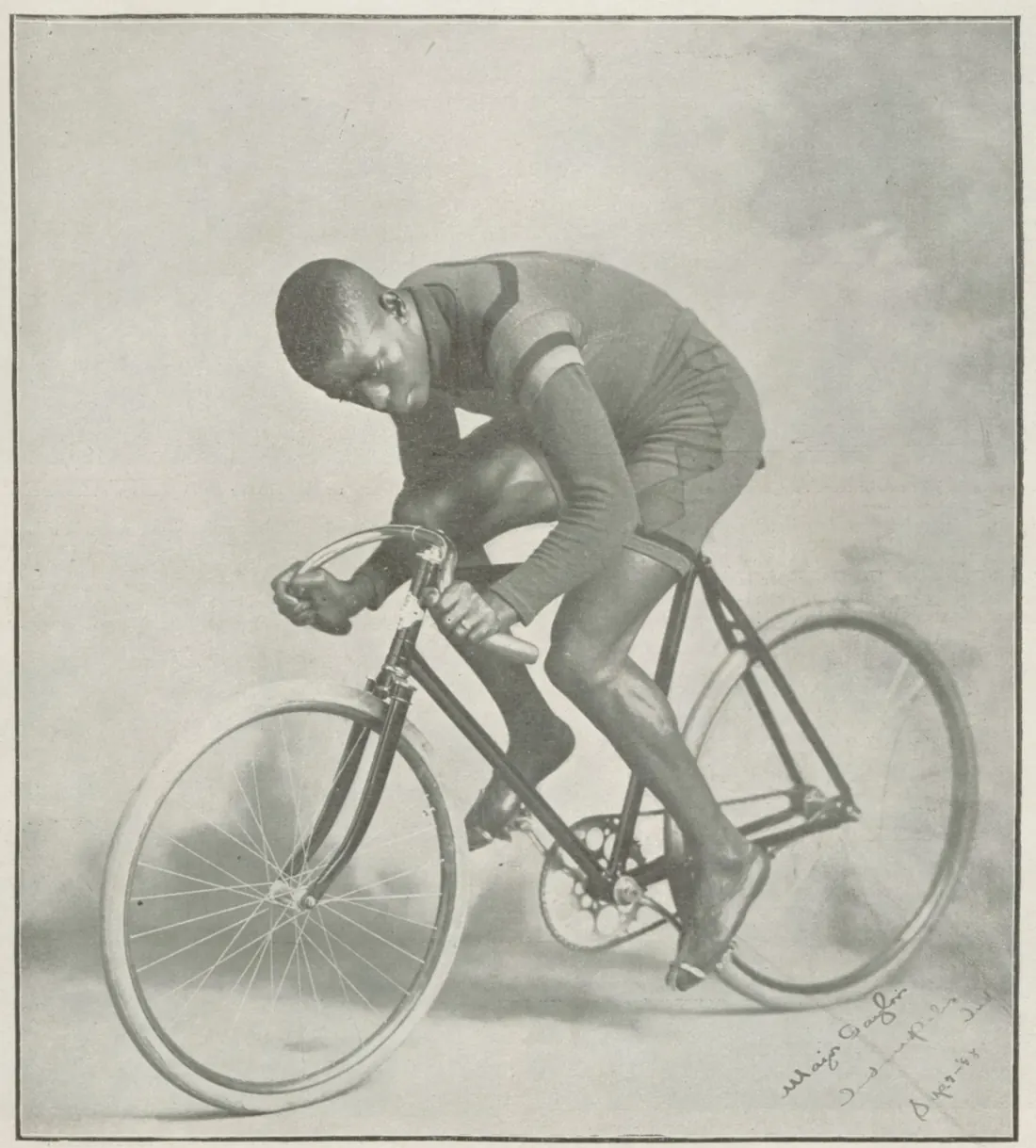
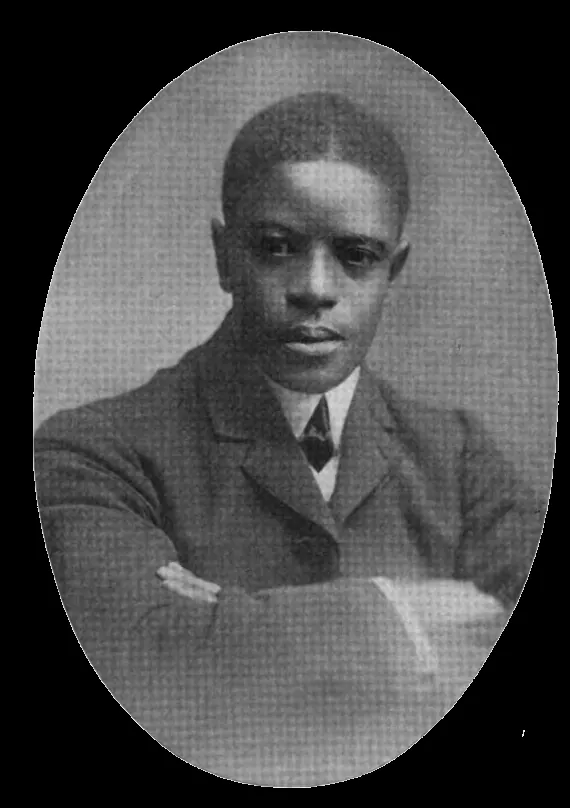
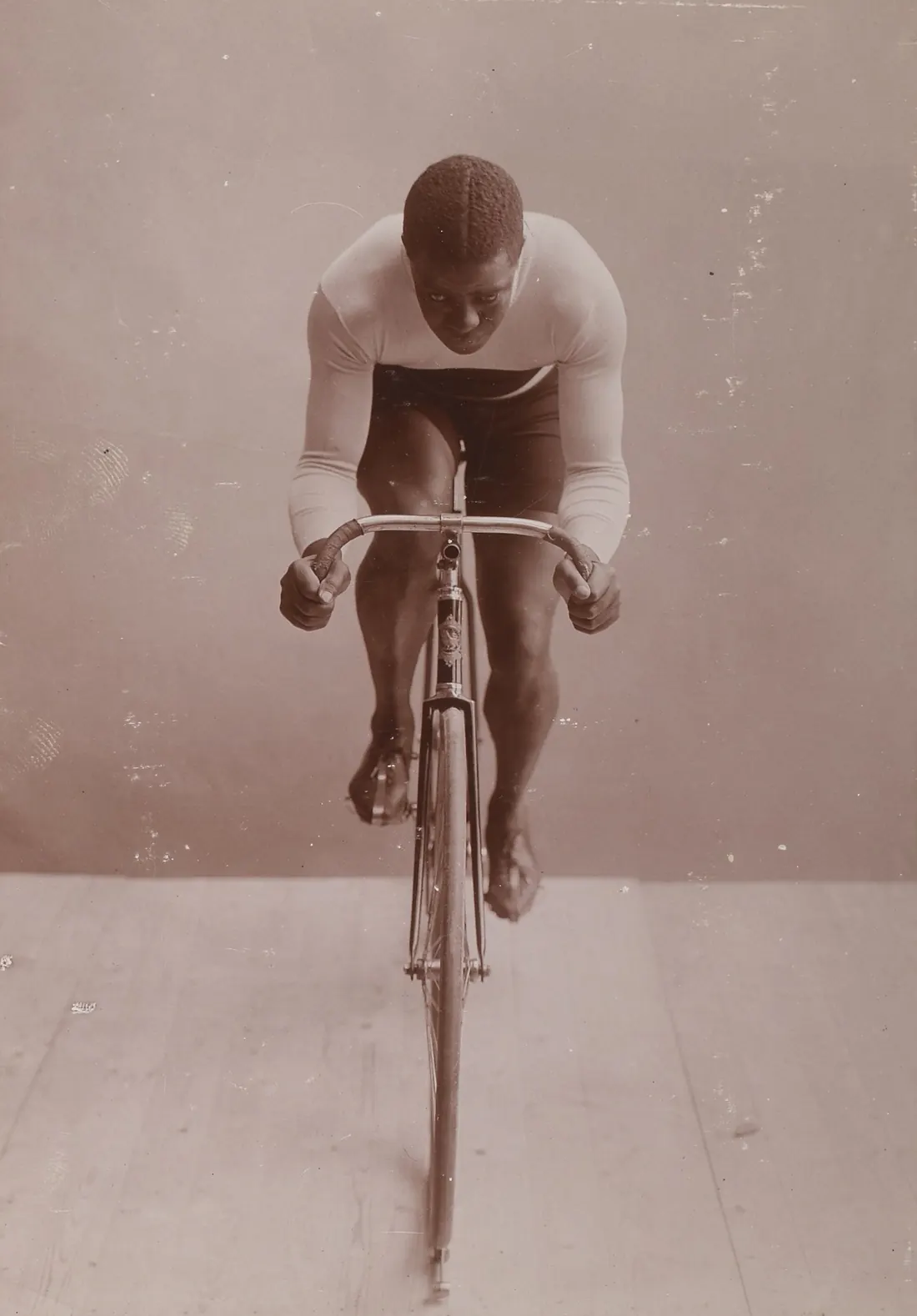
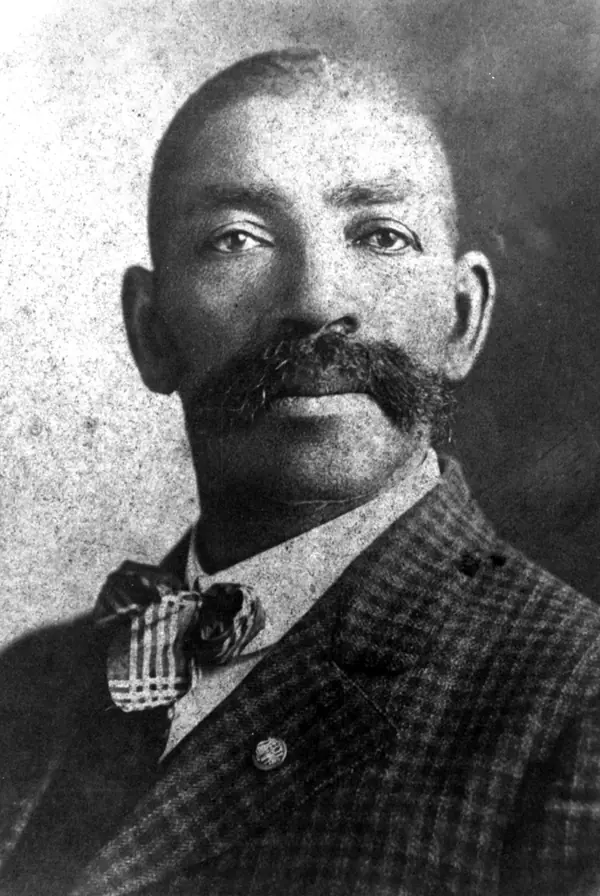
Marshall Walter Taylor was born and raised in Indianapolis. He did bicycle stunts in a military-style uniform, which likely gave him his nickname, “Major.” As a teenager he broke cycling records, and the tracks in his hometown banned him for being Black.
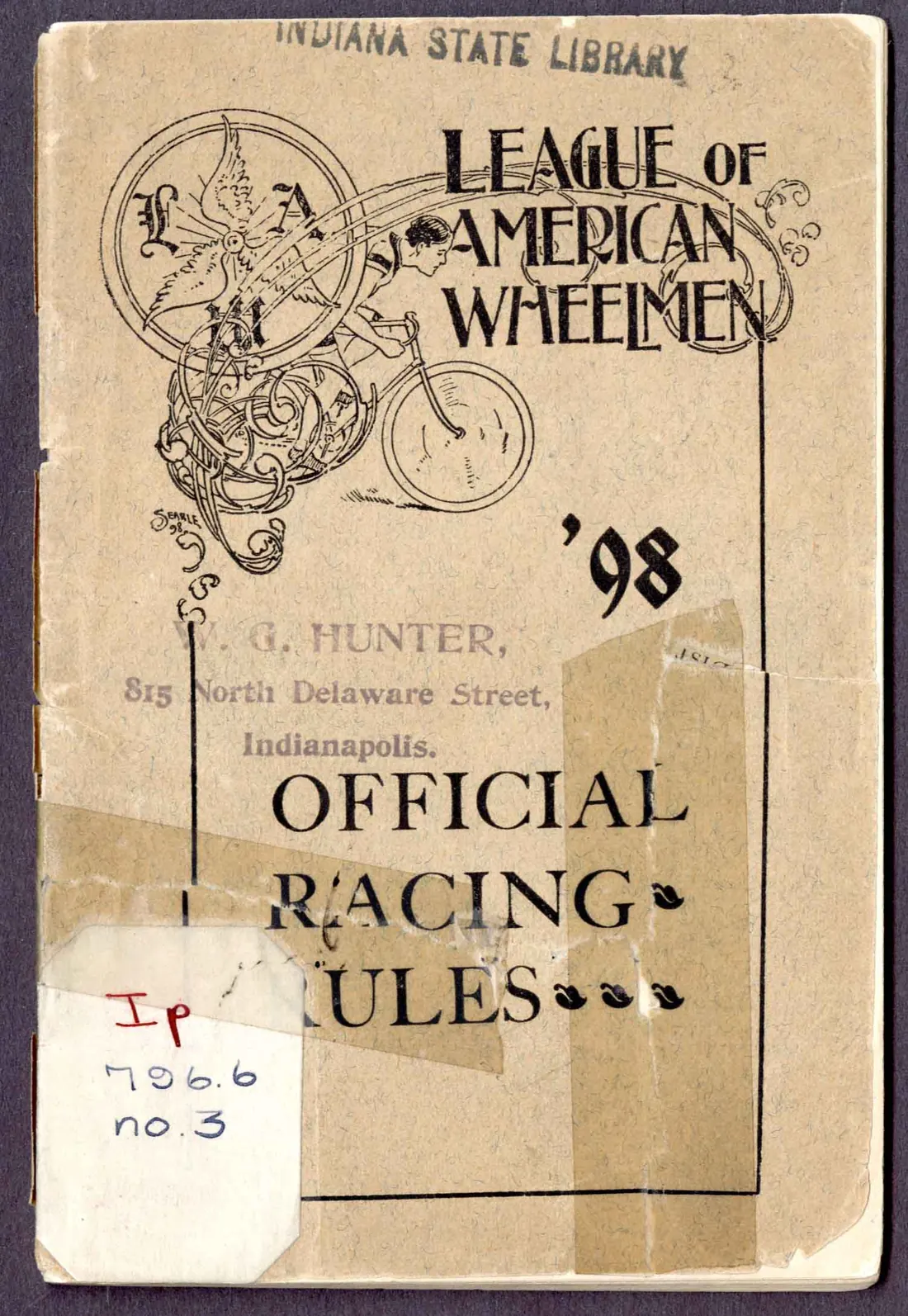
In 1895 he moved to Worcester, Massachusetts, “a more tolerant area of the country,” and in 1896, at 18, he turned professional. America’s cycling league, the League of American Wheelmen, had changed its bylaws in 1894 to bar Black members, though it still let Black riders race. Rivals boxed him in, and someone threw ice water in his face. On September 23, 1897, after a race in Taunton, Massachusetts, a rival, William Becker, tackled him on the track and choked him unconscious. Becker got a $50 fine and was allowed to keep racing.
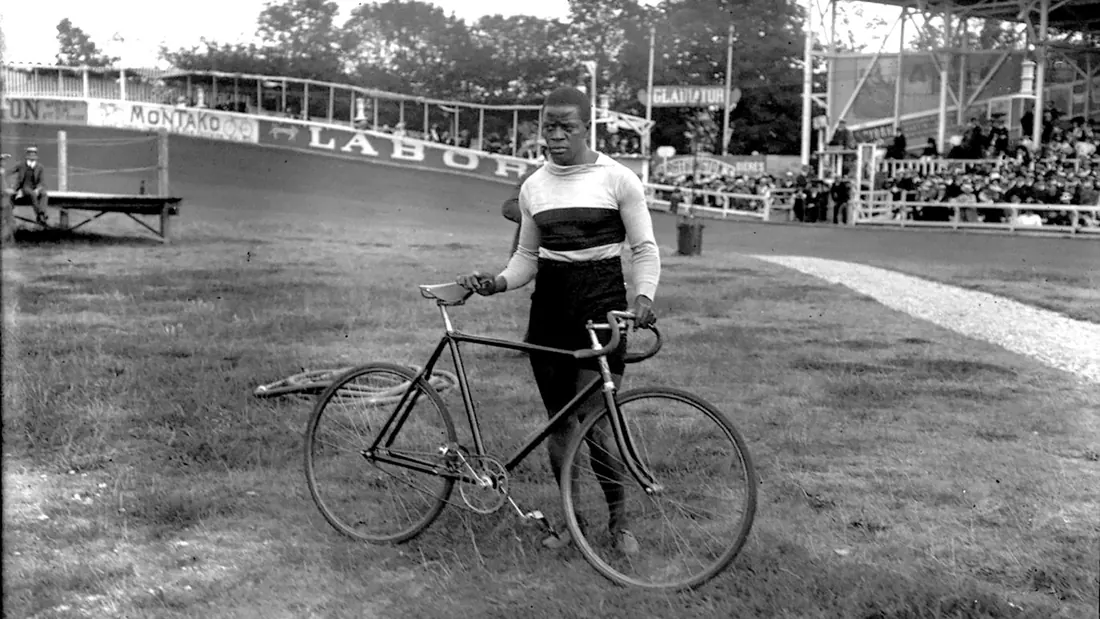
Taylor kept winning. In 1898 and 1899 he set seven world records, and at the 1899 world championships in Montreal he won the one-mile sprint, becoming the first Black American world champion in any sport. He raced before admiring crowds across Europe and Australia; in Europe, “Everywhere he went he was mobbed, talked about, or written up.”
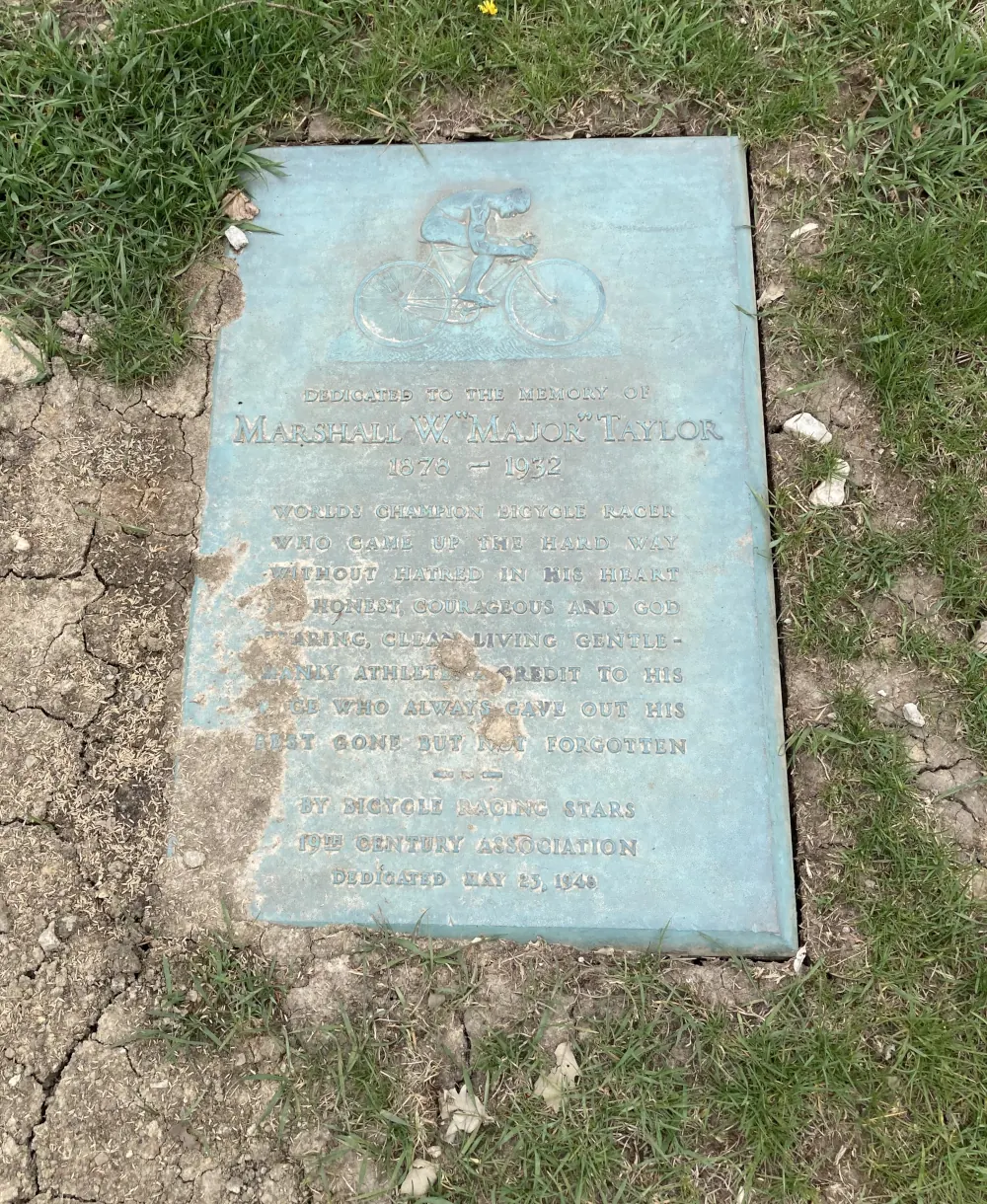
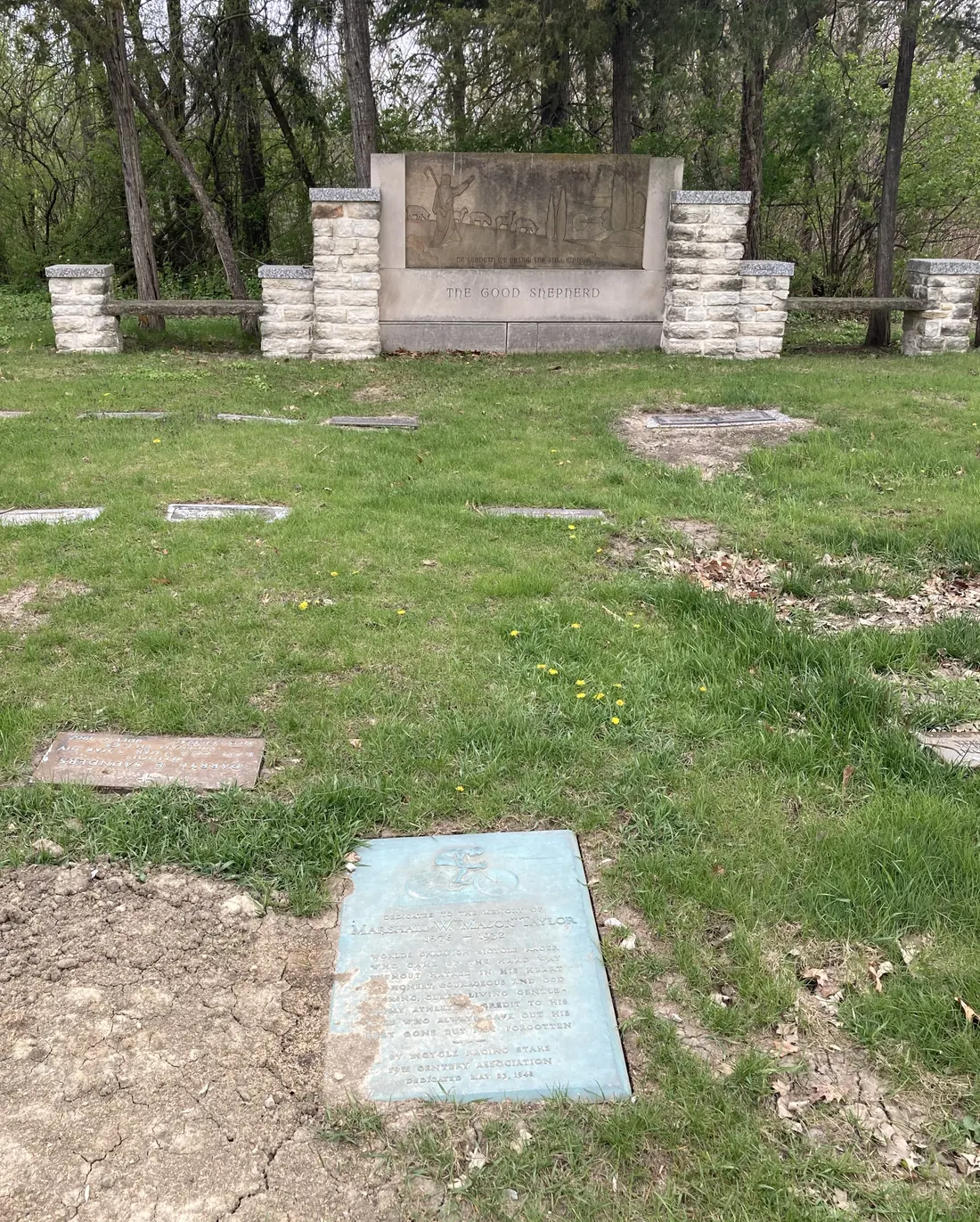
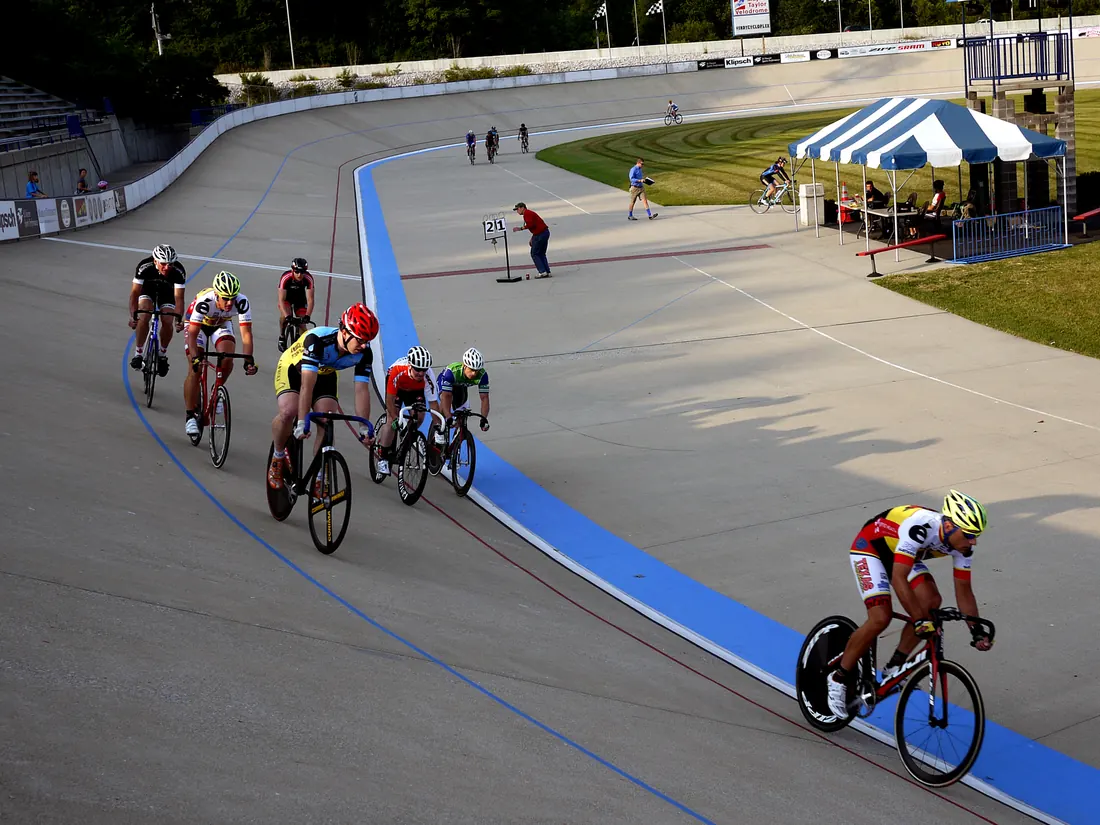
But racism wore him down. Citing exhaustion and the strain of the prejudice he faced, he retired in 1910, at 32. His autobiography, The Fastest Bicycle Rider in the World, came out in 1928. He spent his last two years in poverty, died in 1932 in the charity ward of Cook County Hospital in Chicago, and was buried in an unmarked pauper’s grave. In 1948 a group of former racers, with money from Frank Schwinn, reburied him under a plaque that says he “came up the hard way without hatred in his heart.” Today the cycling track in his hometown, the Major Taylor Velodrome, bears his name.
Fact check
The facts and where they come from
- As a teenager he broke cycling records, and tracks in his hometown banned him for being Black. Wikipedia: “In 1893, for example, after the 15-year-old Taylor beat a one-mile amateur track record, he was ‘hooted’ and then barred from the track”; “some local track owners feared that other cyclists would refuse to compete if Taylor was present … and banned him from their tracks.” The Encyclopedia of Indianapolis, on his records at the Capital City track in August 1896: “Indianapolis tracks were subsequently restricted to white individuals only.” The New England Historical Society: “Local track officials, infuriated, barred Taylor from ever racing at that track again.” 134
- His name was Marshall Walter “Major” Taylor, and he was born and raised in Indianapolis (Wikipedia). The nickname likely came from the military-style uniform he wore for bicycle stunts; the Encyclopedia of Indianapolis: “The military-style uniform provided for the position gained him the nickname ‘Major.’” 13
- He moved to Worcester, Massachusetts, and turned pro. Wikipedia: “In 1895, Taylor and Munger relocated from Indianapolis to Worcester … a more tolerant area of the country”; “Taylor turned professional in 1896, at the age of 18.” The New England Historical Society: “Taylor decided to escape the bigotry of Indiana by moving to Worcester, Mass.” 14
- America’s cycling league, the League of American Wheelmen, barred Black members. Wikipedia: “In 1894, the League of American Wheelmen changed its bylaws to exclude blacks from membership; however, it did permit them to compete in its races.” Zwift: by 1894 the League had changed its bylaws to say, “None but white persons can become members of the League.” 16
- Rivals boxed him in, and someone threw ice water in his face. Wikipedia: he “had been elbowed and ‘pocketed’ (boxed in) by other riders”; at the 1896 Irvington–Millburn race, “someone startled Taylor by tossing ice water into his face”; “Taylor recalled that ice water had been thrown at him during races.” NEH: “Antagonists often tried to force him into a ‘pocket.’” 12
- In 1897 a rival choked him unconscious after a race. Wikipedia: “One incident occurred on September 23, 1897, after the one-mile Massachusetts Open race at Taunton. … William Becker … tackled Taylor on the race track and choked him into unconsciousness.” NEH: “In 1897, W. E. Becker retaliated after Taylor nipped him for second place in Taunton, Massachusetts. …” Taylor: “It was fifteen minutes before I regained consciousness.” The Major Taylor Association: “One time in Taunton, a competitor pulled Taylor from his bike and choked him into unconsciousness.” 125
- His attacker got a $50 fine. Wikipedia: “Becker received a $50 fine as punishment for his actions but was reinstated and allowed to continue racing.” The Major Taylor Association: “The offender was slapped on the wrist with a $50 fine.” The New England Historical Society: “The culprit was fined $50.” 154
- He kept winning, setting seven world records. Wikipedia: “During 1898–99, at the peak of his cycling career, Taylor established seven world records.” The Encyclopedia of Indianapolis: “Major Taylor established world bicycle racing records for seven different distances.” The New England Historical Society: “He held seven world records.” 134
- In 1899 he won the world sprint title in Montreal. Wikipedia: “At the 1899 world championships in Montreal, Canada, Major Taylor won the one-mile sprint.” NEH puts the one-mile final on Tuesday, August 8, before 18,000 spectators. 12
- He was the first Black American world champion in any sport. Wikipedia: he was “the first Black American to achieve the level of world champion and the second Black athlete to win a world championship in any sport (following Canadian boxer George Dixon, 1890).” The Encyclopedia of Indianapolis: “He became the first African American to become a world champion in cycling or any other sport.” NEH: he “became the first African American to capture a world championship.” 132
- Crowds mobbed him across Europe and Australia. Wikipedia: “Taylor was popular among the European race fans … ‘Everywhere he went he was mobbed, talked about, or written up’”; he raced in Europe from 1901 and in Australia in 1903 and 1904. The Encyclopedia of Indianapolis: “Racing before admiring throngs throughout Europe and Australia between 1902 and 1909.” 13
- Racism wore him down, and he retired at 32. Wikipedia: “Taylor cited exhaustion as well as the physical and mental strain caused by the racial prejudice he experienced on and off the track as his reasons for retiring from competitive cycling in 1910”; “He retired from racing in 1910 at the age of 32.” NEH: “In 1910, Taylor retired at age thirty-two.” 12
- He died broke in a Chicago charity ward in 1932. Wikipedia: “Taylor spent the final two years of his life in poverty”; “he was moved to Cook County Hospital’s charity ward in April, where he died on June 21, at age 53.” The Encyclopedia of Indianapolis says he was left “penniless” and that “In 1932, Taylor died in the charity ward of Cook County Hospital.” 13
- He was buried in an unmarked pauper’s grave. Wikipedia: “He was initially buried at Mount Glenwood Cemetery … in an unmarked pauper’s grave.” The Encyclopedia of Indianapolis and the New England Historical Society: he “was buried in an unmarked pauper’s grave.” 134
- In 1948 old racing stars gave him a proper grave. Wikipedia: “In 1948, a group of former professional bicycle racers used funds donated by Frank W. Schwinn … to organize the exhumation and reburial of Taylor’s remains in a more prominent location at the cemetery.” The New England Historical Society: “a group of old bicycle stars learned of Taylor’s fate.” The plaque itself, read on the photo: “By Bicycle Racing Stars [of the] 19th Century Association,” dedicated May 23, 1948. 148
- His plaque says he came up the hard way, without hatred in his heart. Wikipedia: “The plaque at the grave reads: ‘World’s champion bicycle racer who came up the hard way without hatred in his heart, …’” (the New England Historical Society gives the same wording). The plaque itself: “WORLDS CHAMPION BICYCLE RACER WHO CAME UP THE HARD WAY WITHOUT HATRED IN HIS HEART.” 148
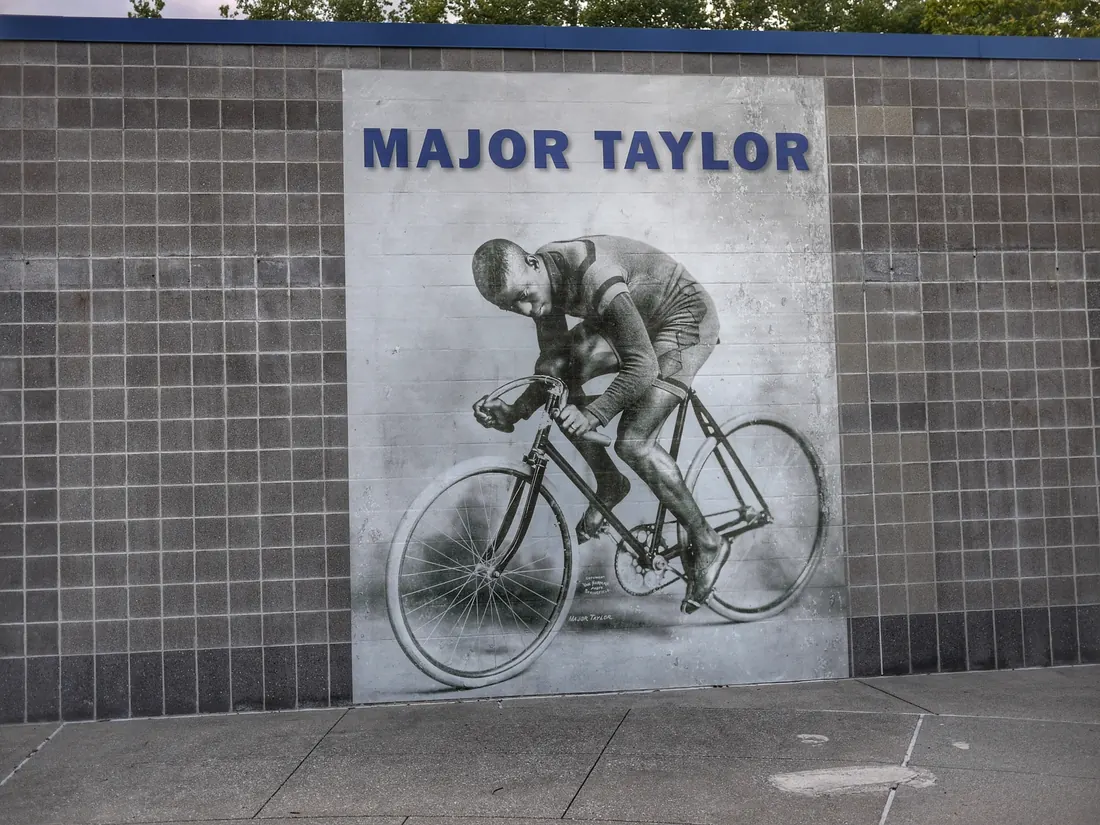
- Today the cycling track in his hometown bears his name. Wikipedia: “the Major Taylor Velodrome in Indianapolis opened for the city’s hosting of the U.S. Olympic Festival.” Marian University, September 4, 2025: “For the third time this decade, the Major Taylor Velodrome and the Marian cycling program are excited to host the USA Cycling Collegiate Track National Championships.” 17
- His autobiography, The Fastest Bicycle Rider in the World, came out in 1928 (Wikipedia), and Frank Schwinn paid for the 1948 reburial. The Encyclopedia of Indianapolis: “In 1948, Frank Schwinn of the Schwinn Bicycle Company provided a private grave and tombstone.” 13
Sources
- Major Taylor Wikipedia
- Meet Major Taylor, the Fastest Man on Two Wheels National Endowment for the Humanities (Humanities magazine, Winter 2022)
- Marshall W. (Major) Taylor Encyclopedia of Indianapolis
- Major Taylor, World-Famous Black Athlete in 1899, Dies in Obscurity in 1932 New England Historical Society
- Major Taylor: Champion Cyclist Beat Jim Crow Major Taylor Association (Telegram & Gazette, February 8, 1998)
- Knickerbockers, Leagues, and Desegregation: The Kittie Knox Story Zwift
- Marian Cycling to Host USA Track Collegiate National Championships Marian University, September 4, 2025
- Major Taylor’s grave plaque, Mount Glenwood Memory Gardens South (photo by Nick Number, 2023) Wikimedia Commons
Notes
Where and who: the choking happened at Taunton, Massachusetts, on September 23, 1897 (Wikipedia, NEH, the Major Taylor Association, the New England Historical Society), not in Worcester. The attacker, William E. Becker, finished third behind Taylor (NEH corrected its own article on this point); Becker claimed Taylor had crowded him (Wikipedia).
“First” or “second”: Wikipedia calls him the first Black American world champion and the second Black athlete to win a world title in any sport, after the Canadian boxer George Dixon (1890). The Encyclopedia of Indianapolis and NEH say first African American. We say the first Black American world champion in any sport, which all three support.
The 1899 title: Wikipedia notes that riders of the rival National Cycling Association were not allowed at the Montreal championships, and some called the title a “farce.” Left out.
The Montreal date: NEH puts the one-mile final on Tuesday, August 8; Wikipedia gives the championships as August 9–11. We give only the year.
The hometown ban: Wikipedia dates a ban to 1893, when he was 15; the Encyclopedia of Indianapolis and the New England Historical Society tie it to his 1896 records at the Capital City track. We give no year.
The League of American Wheelmen’s ban was on membership; Black riders could still race in its events (Wikipedia).
Ice water: one documented incident (1896, “someone,” Wikipedia), plus Taylor’s own memory of it happening in races. We say someone.
Europe and Australia: Wikipedia has him racing in Europe from 1901; the Encyclopedia of Indianapolis says between 1902 and 1909.
Left out: that no one claimed his remains (Wikipedia) and that his family didn’t learn of his death, since only one source was checked. His age at retirement, 32, follows Wikipedia and NEH; he turned 32 in November 1910.
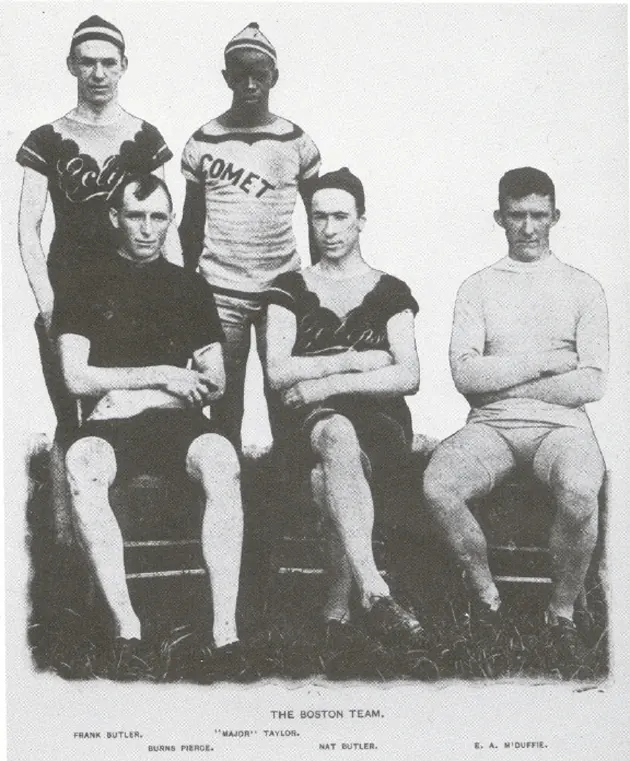
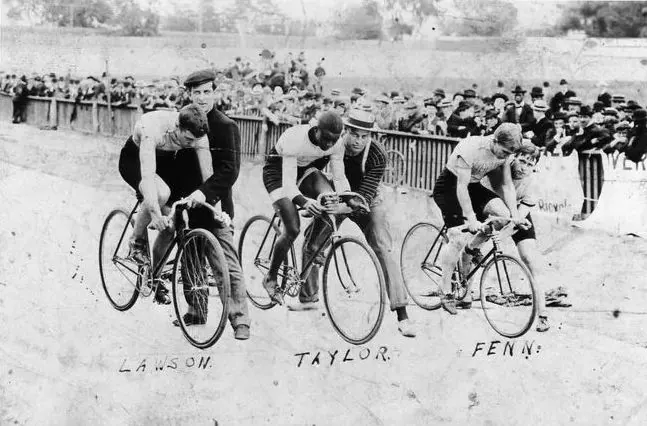
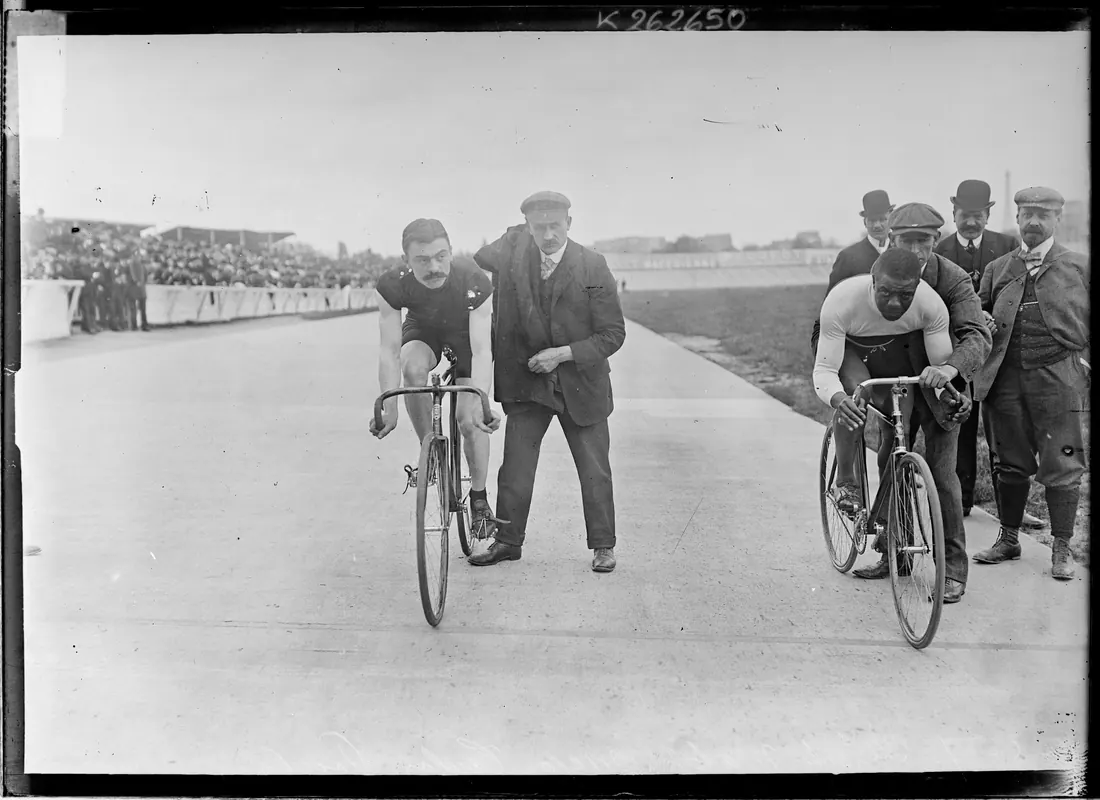
Photos: the Boston team photo (1897) shows him with that year’s teammates, not his rivals, and the 1901 Vailsburg start photo with Iver Lawson and Willie Fenn isn’t the ice-water race. There is no photo of Becker or of the Taunton race, and no picture of the unmarked grave; the grave photos (2023) show the 1948 plaque at Mount Glenwood today. The Commons file names of the grave photos say “(1898–1932)”; the plaque reads 1878–1932. The magazine cover (La Vie au grand air, 1898) came before his 1899 title; the Short crops out its masthead and its period caption (“Le nègre volant”). The velodrome photos are from 2014.
Photo credits
The archive photos in this story
The photographs and illustrations in this story are in the public domain or shared under open licenses; each one is credited below with its license. Tap one to enlarge it, or follow the link to its Wikimedia Commons page for the full record. The narration, music, captions and graphics in the Short are our own.