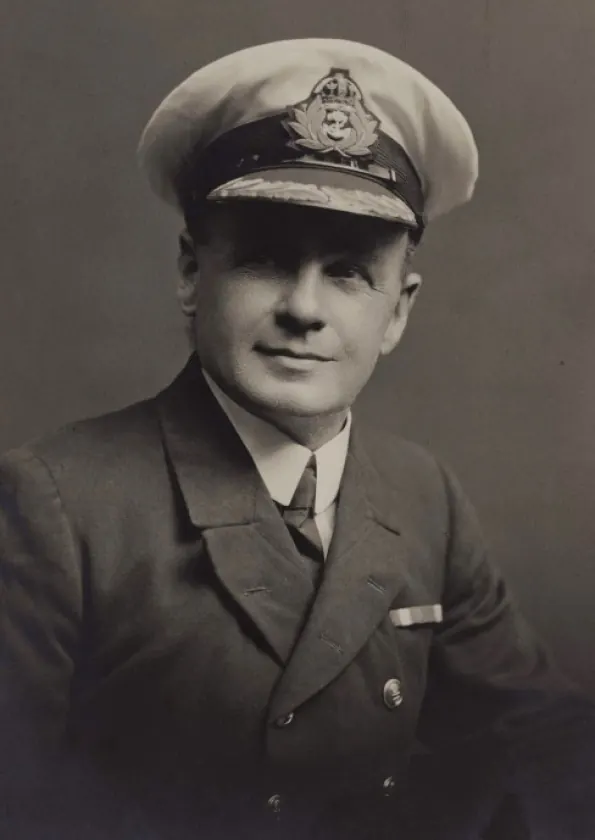
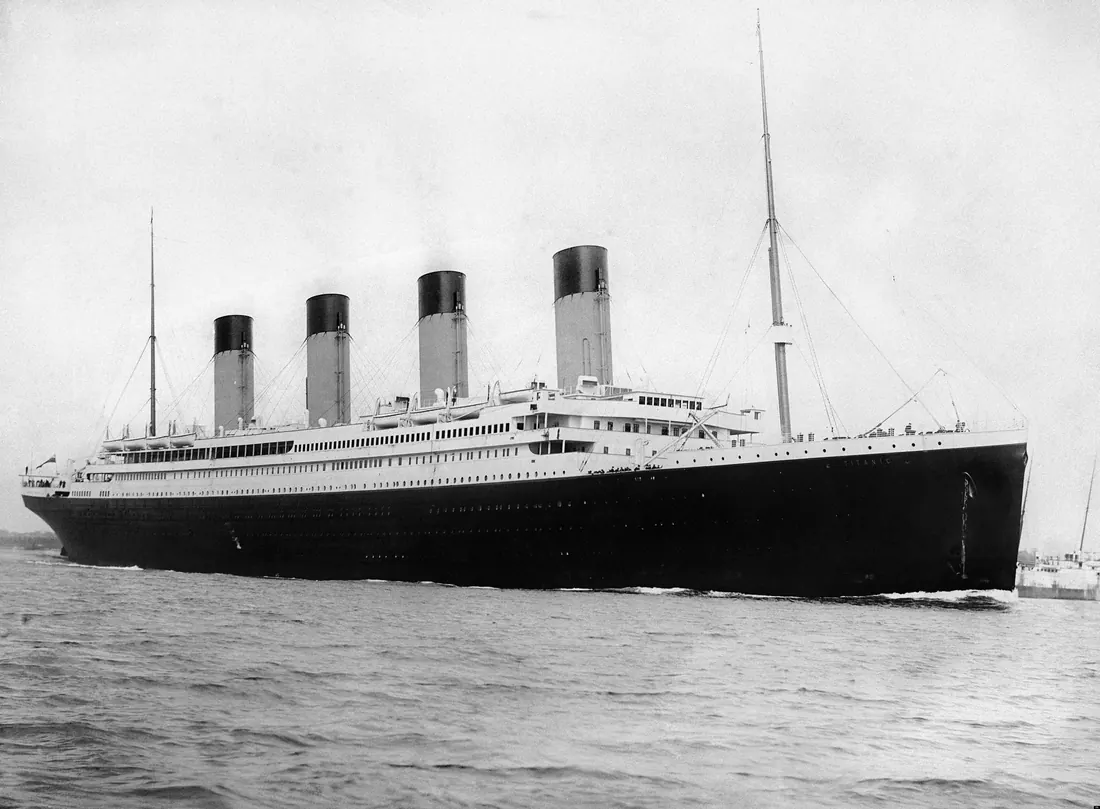
Charles Lightoller was the Titanic’s second officer, and the most senior member of its crew to survive the disaster. On the night it sank he loaded lifeboats on the port side, where, in Wikipedia’s words, he “strictly enforced the ‘women and children only’ protocol.” He never got into one.
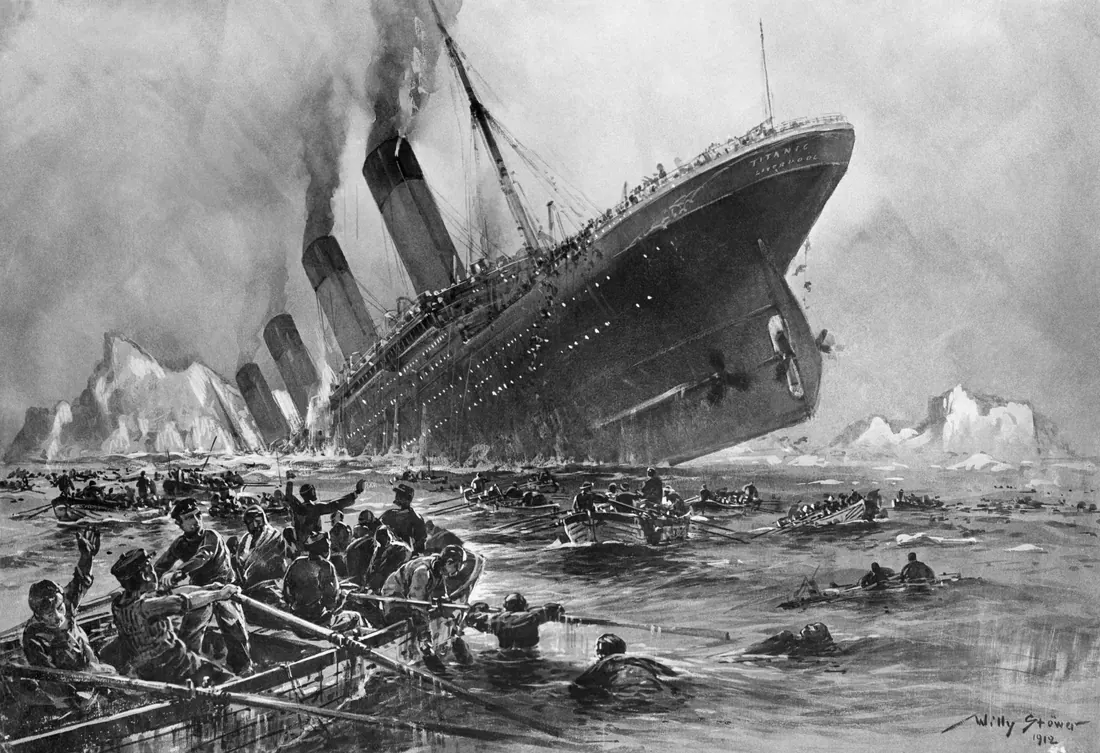
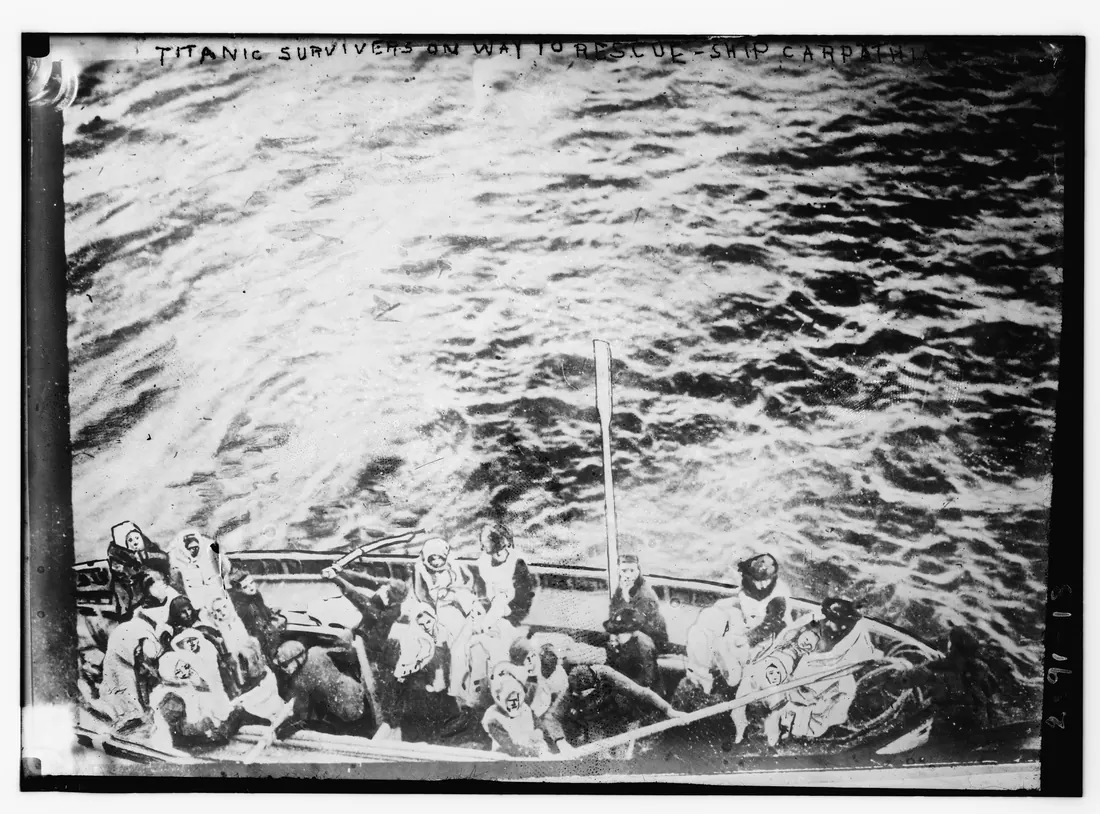
As the ship went under, he was dragged below the surface. He told the British inquiry: “The next thing I knew I was up against that blower on the fore part of the funnel. There is a grating.” The water rushing down, he said, “held me there a little while.” Then: “After a while there seemed to be a rush of air from down below, and I was blown away from it.” He reached the overturned Collapsible B and spent the night on it with about 30 men. “She was packed standing from stem to stern at daylight,” he said. At the US Senate inquiry he was asked, “What time did you leave the ship?” He answered, “I didn’t leave it.”
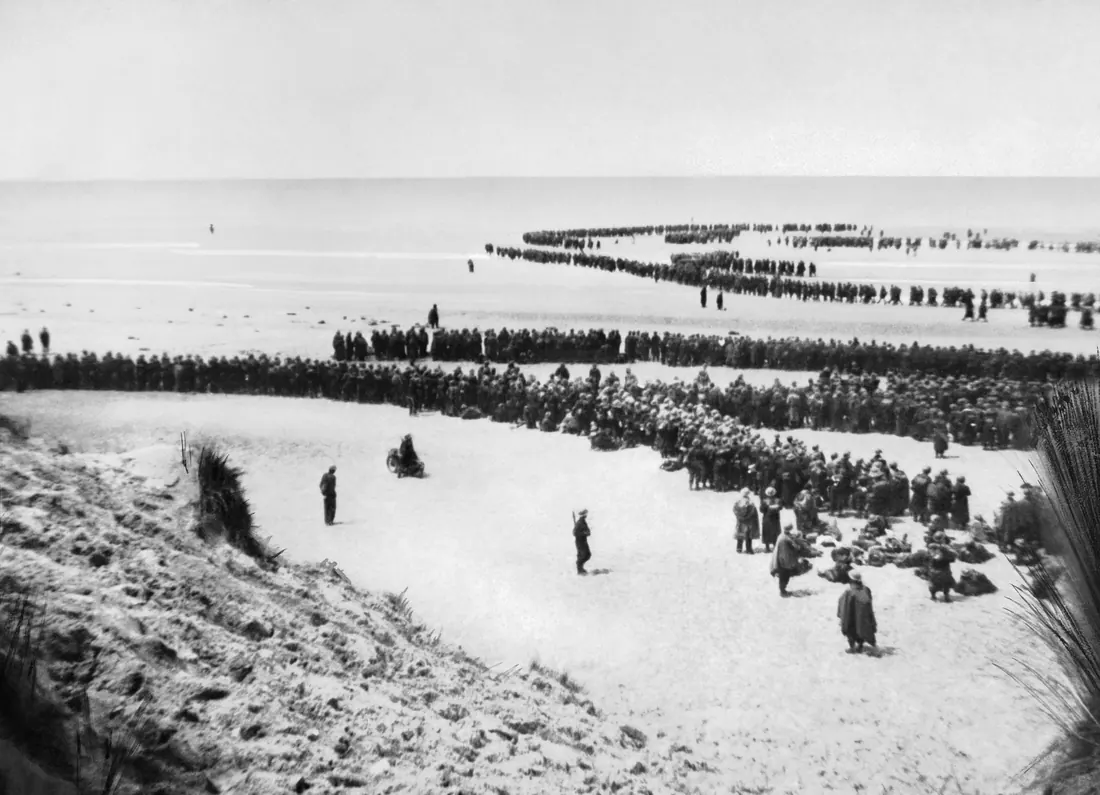
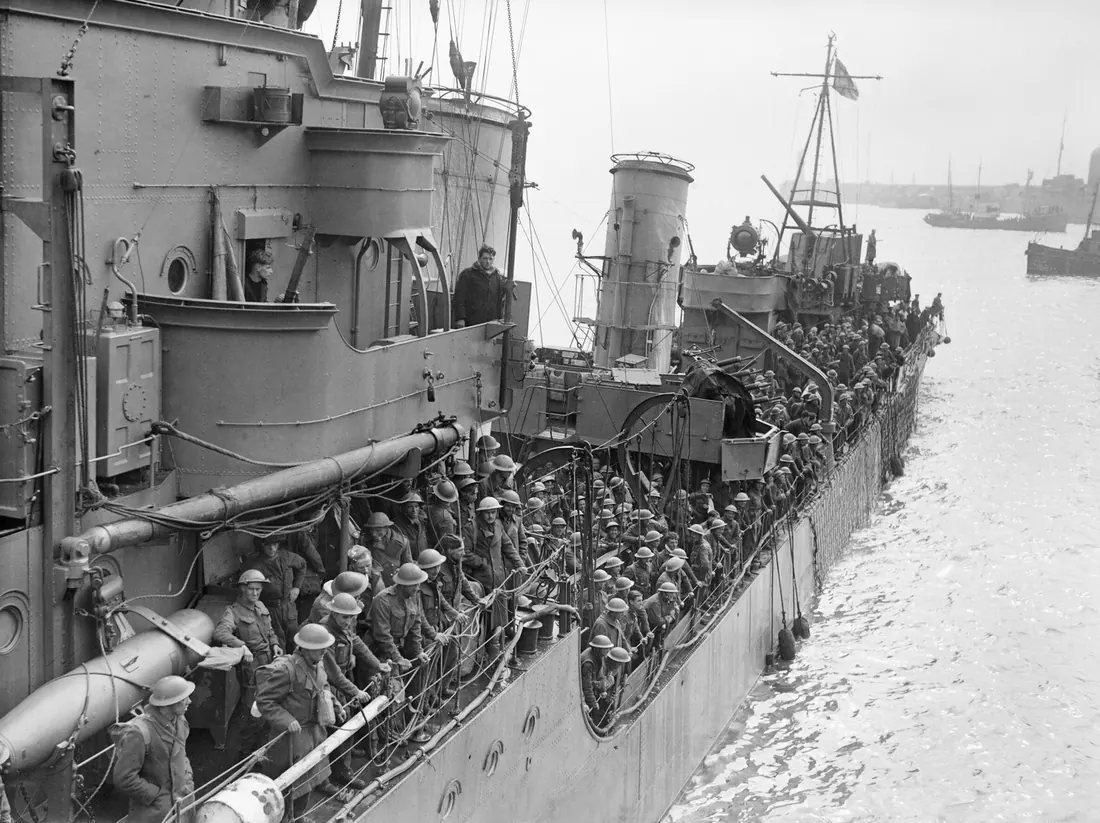
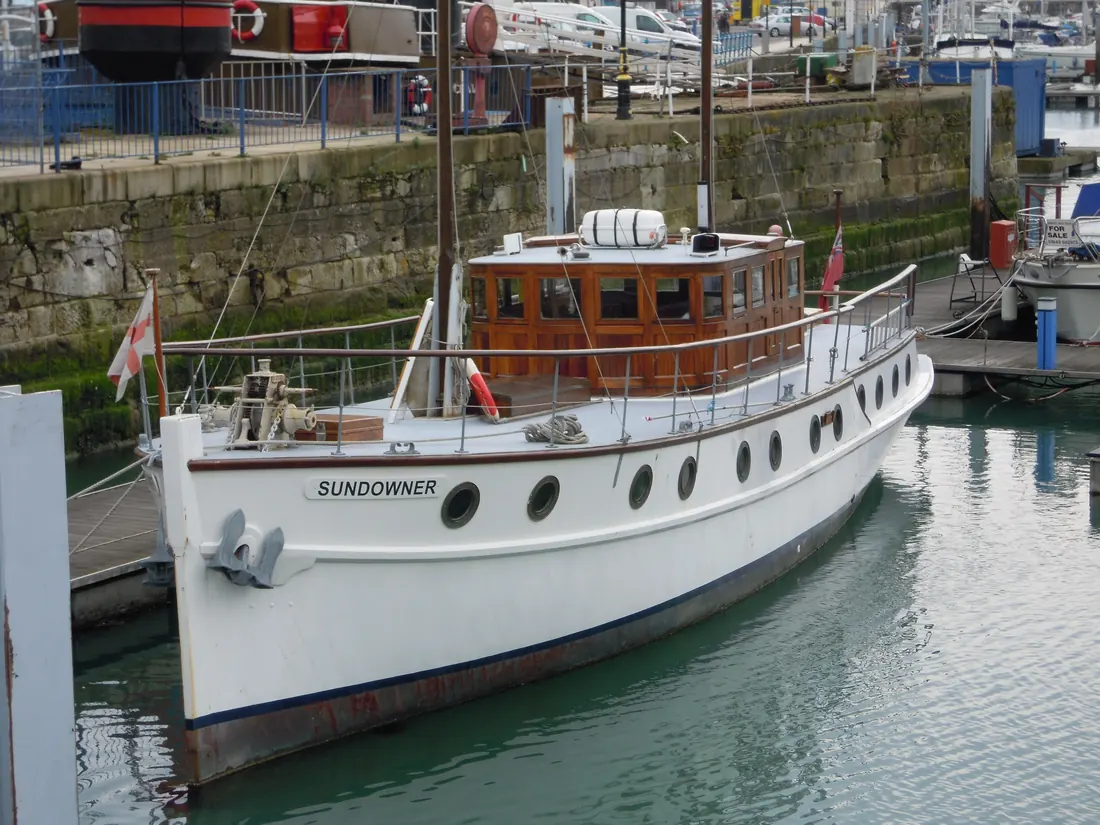
In 1940 Britain’s army was trapped at Dunkirk, and the Admiralty announced that it was going to requisition Lightoller’s motor yacht, Sundowner. Lightoller, 66 and retired, replied that if anyone was going to take her, it would be him. On June 1, 1940, with his eldest son, Roger, and Gerald Ashcroft, an 18-year-old Sea Scout, he sailed her to Dunkirk. In a boat licensed to carry 21 passengers, they packed in about 130 men: 75 in the cabin and 55 on deck, by one count. “We tallied up 130,” Lightoller later said on the radio.
Ashcroft recalled: “We attracted the attention of a Stuka dive bomber.” Then came “Hard a port!” and “The bomb landed on our starboard side.” Lightoller dodged it with a technique described to him by his youngest son, Brian, an RAF pilot, who had been killed in action on September 4, 1939, in a bombing raid over Wilhelmshaven, Germany, on the first night of Britain’s entry into the Second World War. At Ramsgate the troops moving to one side to get off nearly sank Sundowner. He landed every one of them in England.
Fact check
The facts and where they come from
- He survived the Titanic as its second officer. Wikipedia: he was “the most senior crewmember to survive the disaster.” 1
- At 66 he took his own boat to war. He was born on March 30, 1874, and crossed to Dunkirk on June 1, 1940. Wikipedia: “Lightoller, aged 66 and retired, volunteered to take her.” 12
- The night it sank, he loaded lifeboats but never got into one. Wikipedia: on the port side he “strictly enforced the ‘women and children only’ protocol.” At the US Senate inquiry he was asked, “What time did you leave the ship?” and answered, “I didn’t leave it.” 13
- As the ship went under, the sea sucked him against a grating. His British inquiry testimony: “The next thing I knew I was up against that blower on the fore part of the funnel. There is a grating.” … “the water rushing down held me there a little while.” Asked, “Had you been dragged below the surface?” he said, “Yes.” Wikipedia: “He was pinned against the grating for some time by the pressure of the incoming water.” 51
- Then a rush of air from below blew him free. British inquiry: “After a while there seemed to be a rush of air from down below, and I was blown away from it.” Wikipedia: “a blast of hot air … blew him to the surface.” 51
- He spent the night on an upturned lifeboat, Collapsible B, with about 30 men. US Senate inquiry: “When I came to it, it was bottom up”; “Eventually about 30 of us got in it”; “I should roughly estimate about 30. She was packed standing from stem to stern at daylight.” Wikipedia: “the survivors (numbering around 30) on the overturned lifeboat.” 41
- Asked when he left the ship, he said, “I didn’t leave it,” word for word from his testimony on Day 1 of the US Senate inquiry. 3
- In 1940 Britain’s army was trapped at Dunkirk. Wikipedia: British, French and Belgian troops were “cut off and surrounded by German troops” and were evacuated “between 26 May and 4 June 1940.” 8
- The Navy wanted his yacht, the Sundowner. Association of Dunkirk Little Ships: on May 30 “the Admiralty announced that they were going to requisition Sundowner to go over to Dunkirk.” Wikipedia’s Sundowner article says she was requisitioned on May 31, 1940. 62
- He said only he would take her. Association of Dunkirk Little Ships: “The owner’s reply was that if anyone was going to take her it was he.” Wikipedia: “Rather than allow his motor yacht to be requisitioned by the Admiralty, he sailed the vessel to Dunkirk.” Titanic’s Officers: “he agreed only on the basis that he would captain her.” 617
- She was licensed for 21 people. Wikipedia: “In a boat licensed to carry 21 passengers.” Titanic’s Officers: “a boat that had previously never carried more than 21.” 17
- He packed in about 130 men. Association of Dunkirk Little Ships: “Sundowner embarked 130 men and packed them in like sardines.” Wikipedia’s Sundowner article: “Seventy-five men were crammed into the cabin, and another fifty-five on deck, a total of 130.” Lightoller, on the radio: “We tallied up 130.” 6271
- He dodged a dive bomber with a trick from his youngest son, a pilot. Wikipedia: he evaded fire from enemy aircraft “using a technique described to him by his youngest son, Herbert, who had joined the RAF and been killed earlier in the war.” Sea Scout Gerald Ashcroft (IWM oral history, quoted by Wikipedia): “We attracted the attention of a Stuka dive bomber” … “Hard a port!” … “The bomb landed on our starboard side.” Association of Dunkirk Little Ships: “they avoided being hit by enemy aircraft through using evasive techniques of amazing skill.” 16
- That son had been killed in the war’s first days. Wikipedia, citing his war-graves record: “Their youngest son Brian, a Royal Air Force (RAF) pilot, was killed in action on 4 September 1939 in a bombing raid over Wilhelmshaven, Germany, on the first night of Britain’s entry into the Second World War.” Titanic’s Officers: “Brian was among the first British casualties of the Second World War.” 17
- He landed every one of them in England, at Ramsgate. Association of Dunkirk Little Ships: “On arrival at Ramsgate, they were nearly sunk by the weight of troops moving to one side of the ship to disembark.” Wikipedia’s Sundowner article: “After disembarking the troops.” No source reports anyone lost on the crossing. 62
- His crew were his eldest son, Roger, and Gerald Ashcroft, “an 18-year-old Sea Scout.” 21
Sources
- Charles Lightoller Wikipedia
- Sundowner (yacht) Wikipedia
- United States Senate Inquiry, Day 1: Testimony of Charles Lightoller, cont. Titanic Inquiry Project
- United States Senate Inquiry, Day 1: Testimony of Charles Lightoller, cont. Titanic Inquiry Project
- British Wreck Commissioner’s Inquiry, Day 12: Testimony of Charles H. Lightoller, cont. Titanic Inquiry Project
- Sundowner (2013, archived copy) Association of Dunkirk Little Ships
- Second Officer C.H. Lightoller Titanic’s Officers
- Dunkirk evacuation Wikipedia
Notes
How many men: 127 (Wikipedia’s main text and the plaque on his Richmond home), 129 (a crew member’s count) or 130 (Lightoller’s own radio tally, the Association of Dunkirk Little Ships, and the Sundowner article’s 75 in the cabin plus 55 on deck). Stenson (2011, quoted in a Wikipedia note) says the 130 included the 3 crew and 5 men rescued from the burning motor cruiser Westerly, which would leave about 122 soldiers. We say “about 130 men,” not soldiers.
“Licensed for 21” is Wikipedia’s wording; Titanic’s Officers says she had “never carried more than 21.” Her length (52 feet, or 58 feet after lengthening) is left out.
One dive bomber or several: Ashcroft recalled one Stuka; the Association of Dunkirk Little Ships and Wikipedia say “enemy aircraft.” We say a dive bomber.
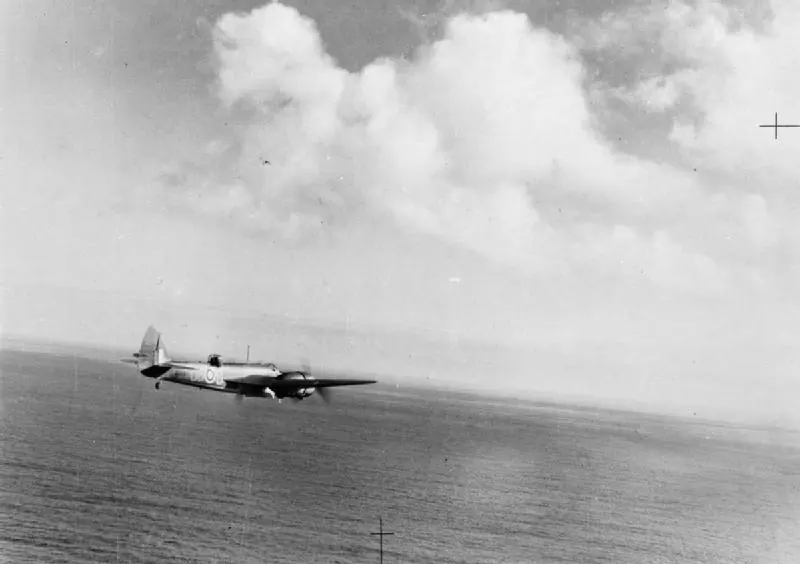
His son’s name: Wikipedia calls him Brian in its family section and Herbert in its Dunkirk section; Titanic’s Officers calls him Brian. Titanic’s Officers also says “it is believed that Brian’s Blenheim was shot down.”
The date of the crossing: Wikipedia says “In May 1940”; the Sundowner article and Titanic’s Officers give June 1, 1940. He was 66 on that day, by his birth date (March 30, 1874).
How it ended: no source says in so many words that every man made it home. The troops were landed at Ramsgate and no source reports anyone lost on the crossing, so we say he landed every one of them in England.
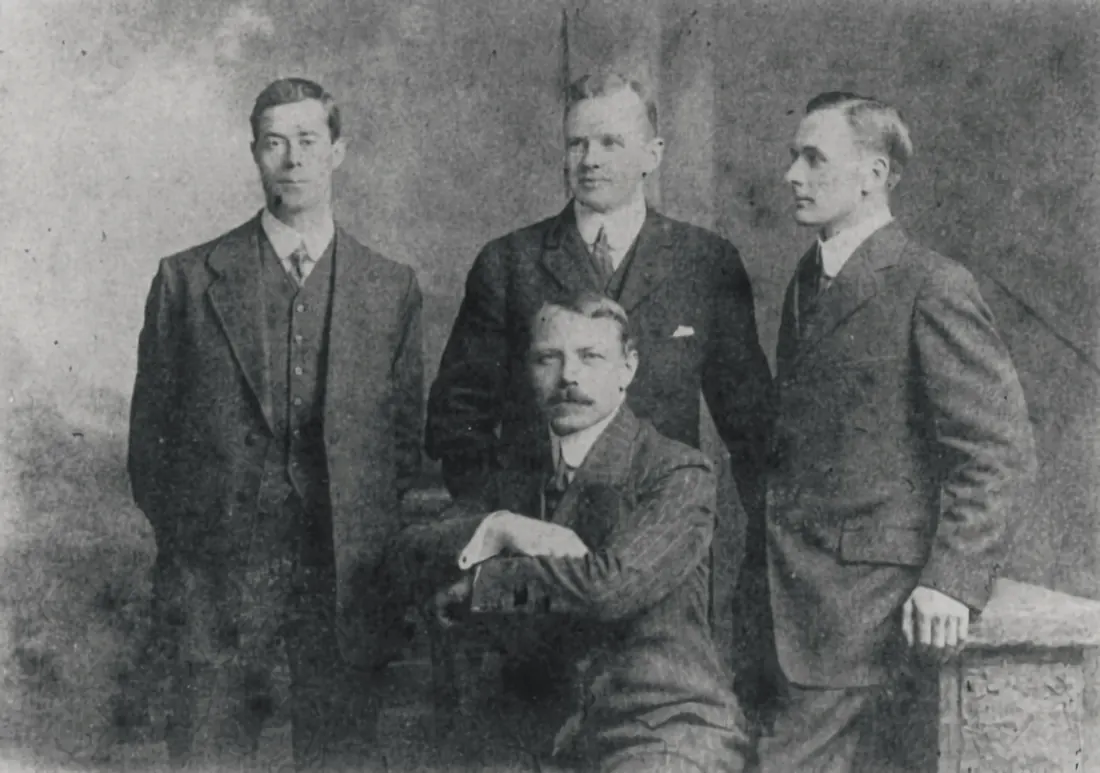
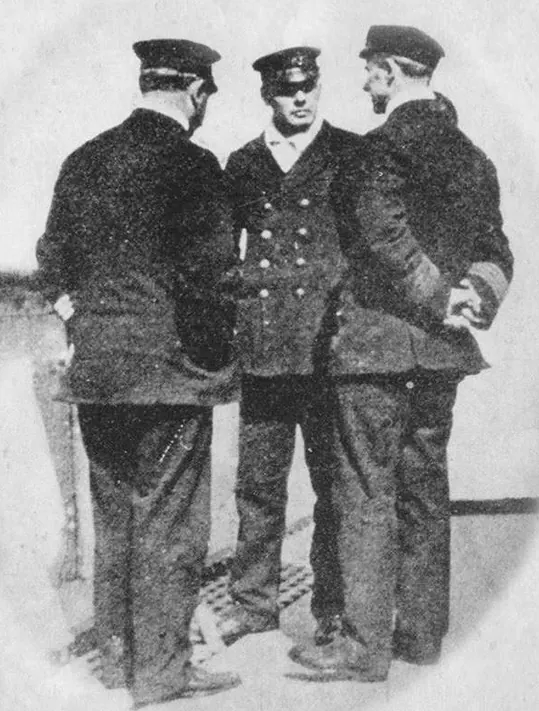
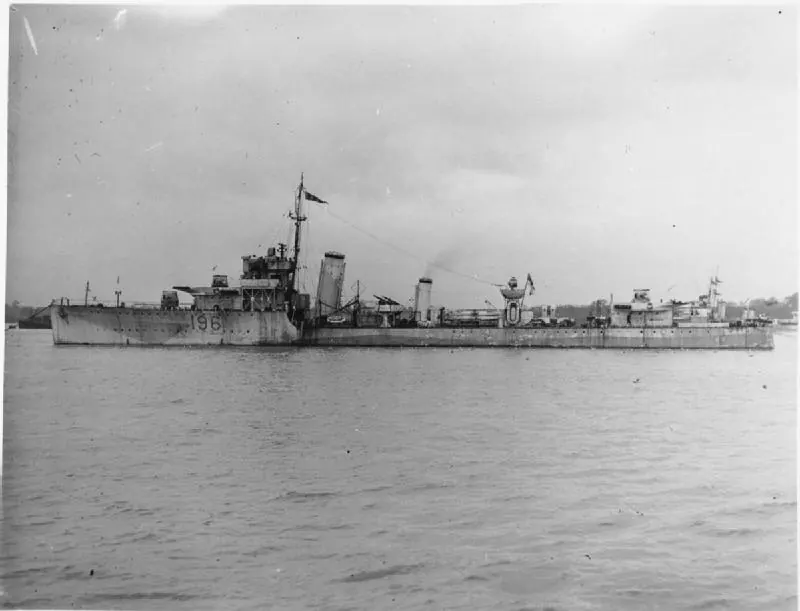
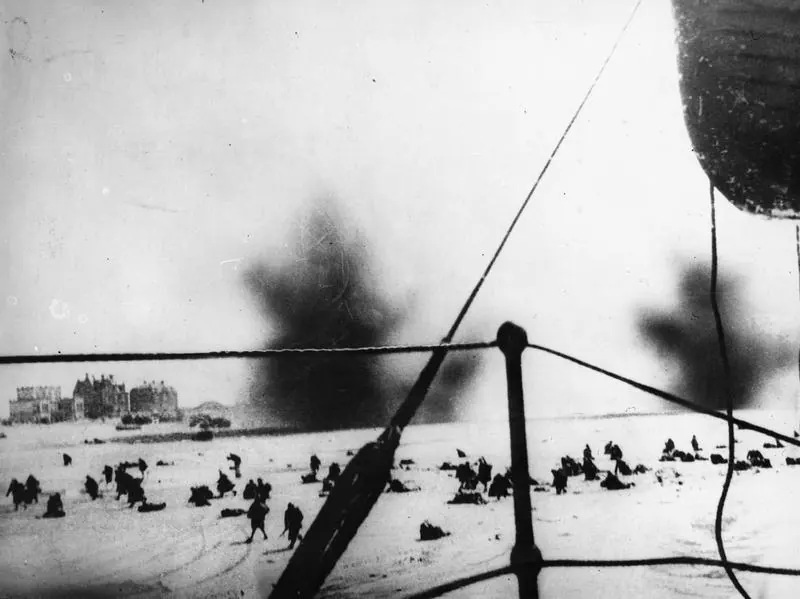
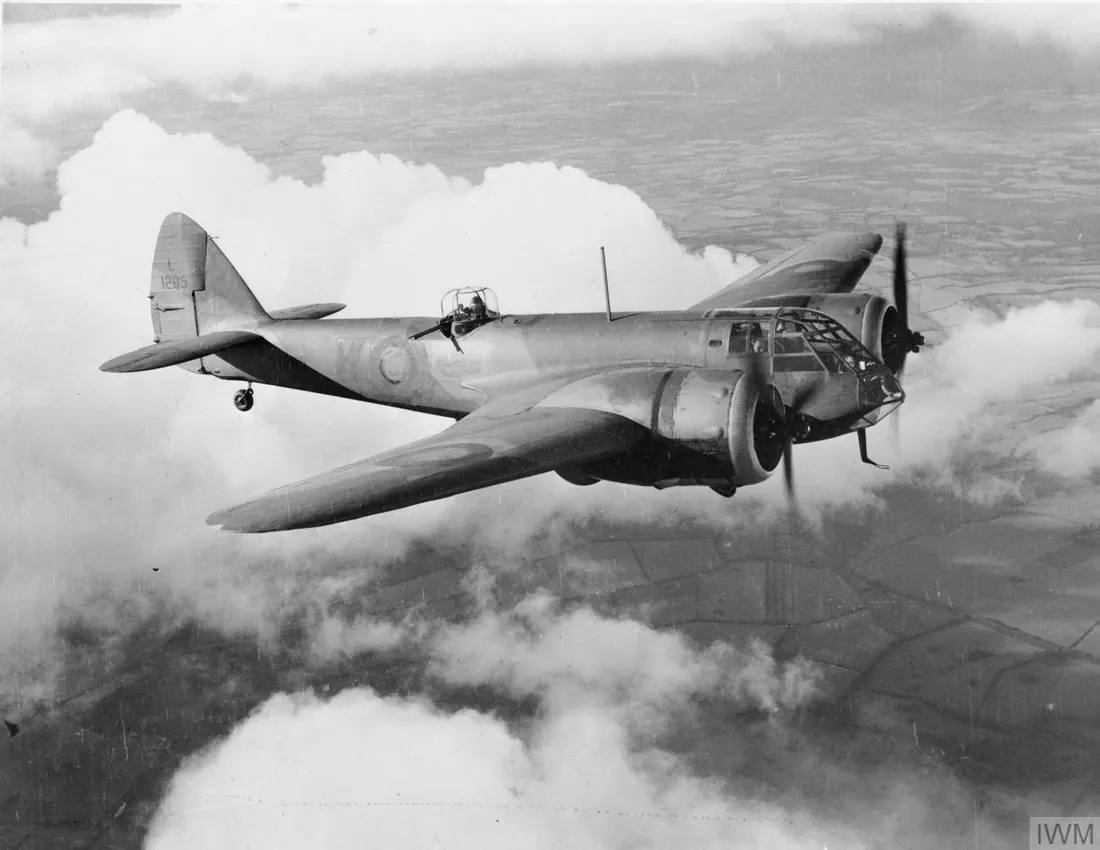
Pictures: Lightoller himself is in three: his portrait in uniform, the four surviving officers in 1912, and the photo aboard the Carpathia. Willy Stöwer’s 1912 engraving is an artist’s illustration of the sinking, and the lifeboat photo shows survivors in another boat that morning. Sundowner is shown at Ramsgate in 2010. The Dover destroyer photo stands in for Sundowner’s packed decks, the photo of troops under fire shows the beaches, not Sundowner’s attack, and the Blenheims show the type of aircraft his son is believed to have flown, not his own. No photo of a German aircraft is shown.
Photo credits
The archive photos in this story
The photographs and illustrations in this story are in the public domain or shared under open licenses; each one is credited below with its license. Tap one to enlarge it, or follow the link to its Wikimedia Commons page for the full record. The narration, music, captions and graphics in the Short are our own.