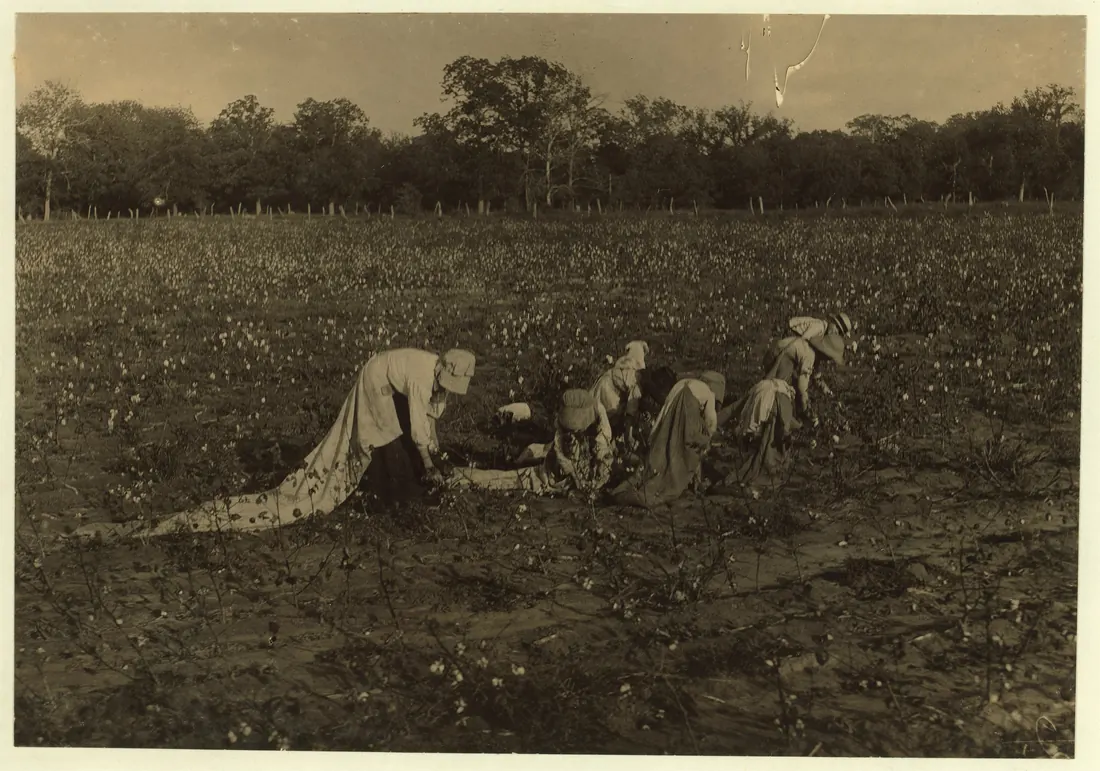
Audie Murphy, the son of poor sharecroppers, grew up on a sharecropper’s farm in Hunt County, Texas. After his father deserted the family, he helped raise his 11 brothers and sisters, and he dropped out of school in the fifth grade to earn money picking cotton.
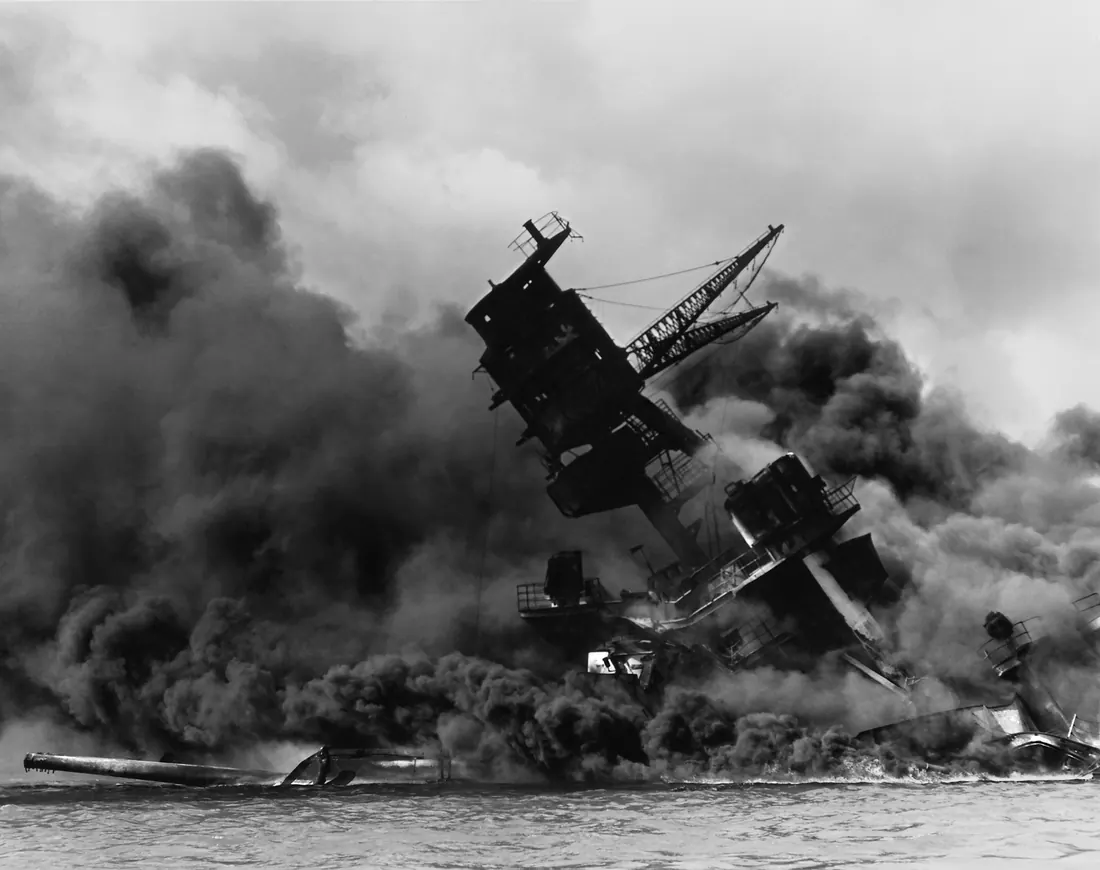
After the attack on Pearl Harbor he tried to enlist. The Marines turned him down as too short and thin, and the paratroopers wouldn’t have him either. Finally, in June 1942, the Army took him. At enlistment his height was recorded as 5 feet 5.5 inches and his weight as 112 pounds.
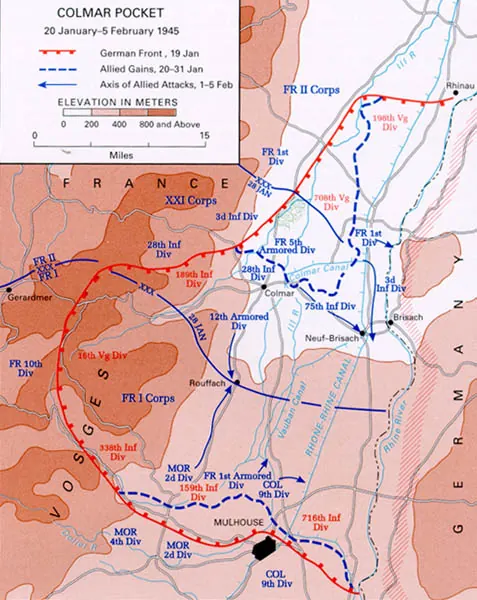
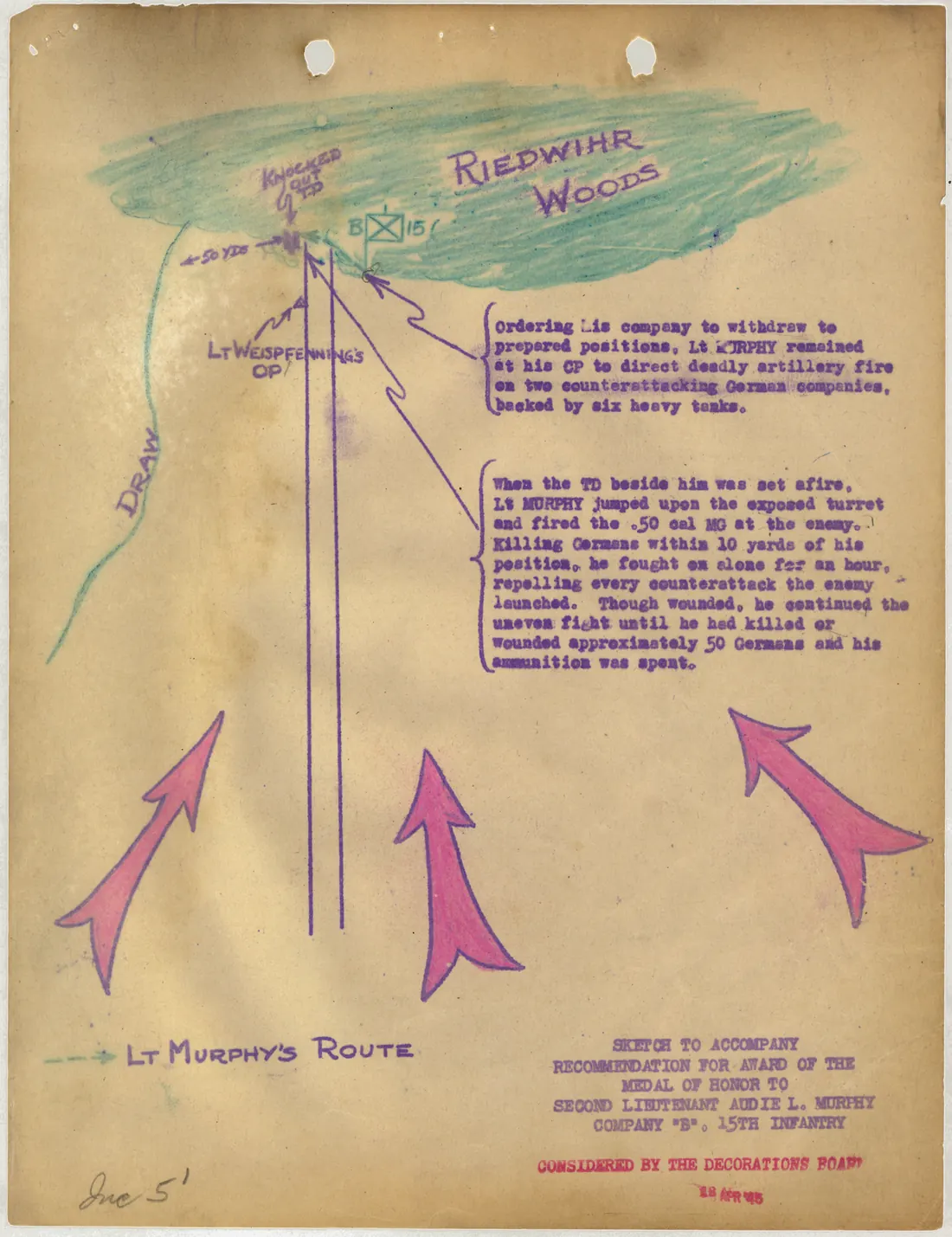
On January 26, 1945, near Holtzwihr, France, Second Lieutenant Murphy was commanding Company B when it was attacked by six tanks and waves of infantry. He ordered his men to withdraw to prepared positions in a woods and stayed forward at his command post. Behind him, one of the American tank destroyers took a direct hit and began to burn. Murphy climbed onto it, though it was “in danger of blowing up at any moment,” and turned its .50-caliber machine gun on the enemy. For an hour, alone and exposed to German fire from three sides, he kept fighting with a leg wound “until his ammunition was exhausted,” his citation says. He killed or wounded about 50 of the enemy.
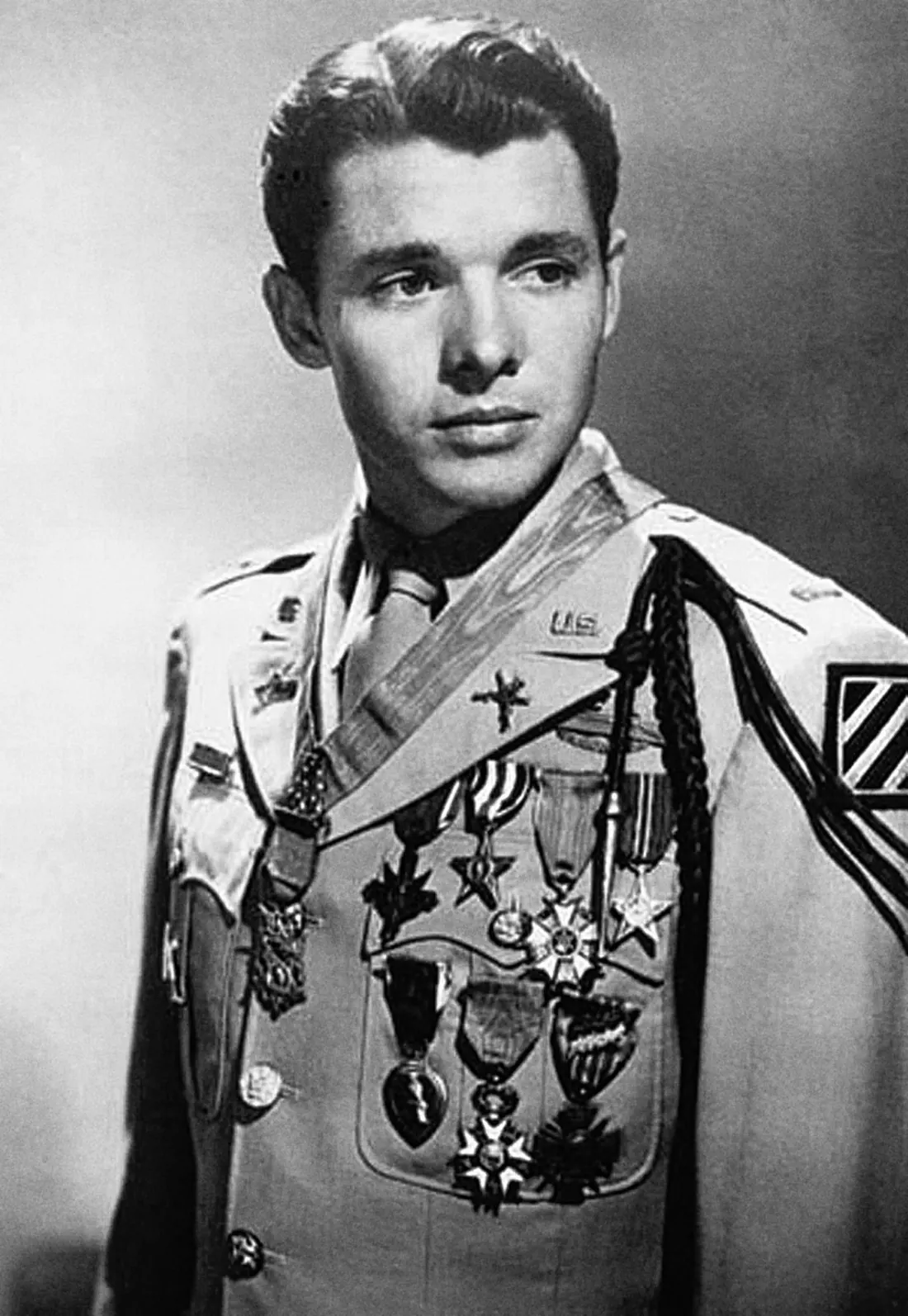
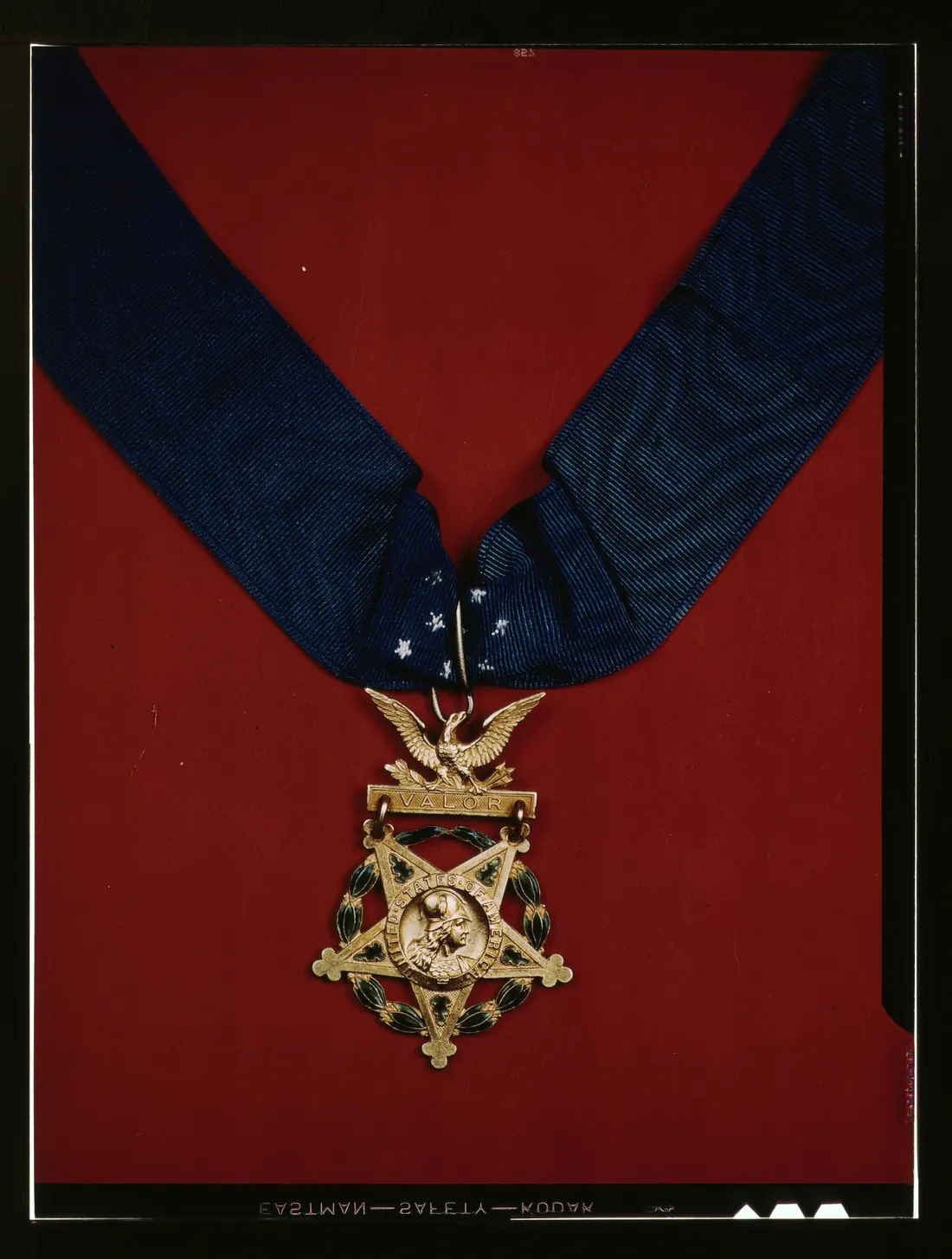
He received the Medal of Honor, presented by Gen. Patch near Salzburg, Austria, that June, and he became, in Arlington National Cemetery’s words, “one of the nation’s most-decorated soldiers.” He suffered from what is now known as post-traumatic stress disorder, with headaches, depression and nightmares, and he once said that he could sleep only with a loaded pistol under his pillow. At a time when veterans kept quiet, he broke the taboo about discussing war-related mental problems: he spoke out candidly about his own PTSD, then known as “Battle Fatigue,” and publicly called for the government to extend health care benefits to returning veterans. In 1973 a new veterans hospital in San Antonio was named the Audie L. Murphy Memorial Veterans Hospital in his honor.
Fact check
The facts and where they come from
- He was too small for the Marines. Arlington National Cemetery: “He wanted to join the Marines, but he was too short. The paratroopers wouldn’t have him, either.” Texas H.C.R. 3: “the marines and paratroopers turned him down on the grounds that he was too short and thin.” Wikipedia: “the Army, Navy, and Marine Corps all turned him down for being underweight and underage.” At enlistment “his height was recorded as 5 feet 5.5 inches (1.66 m) and his weight as 112 pounds (50.8 kg).” 2478
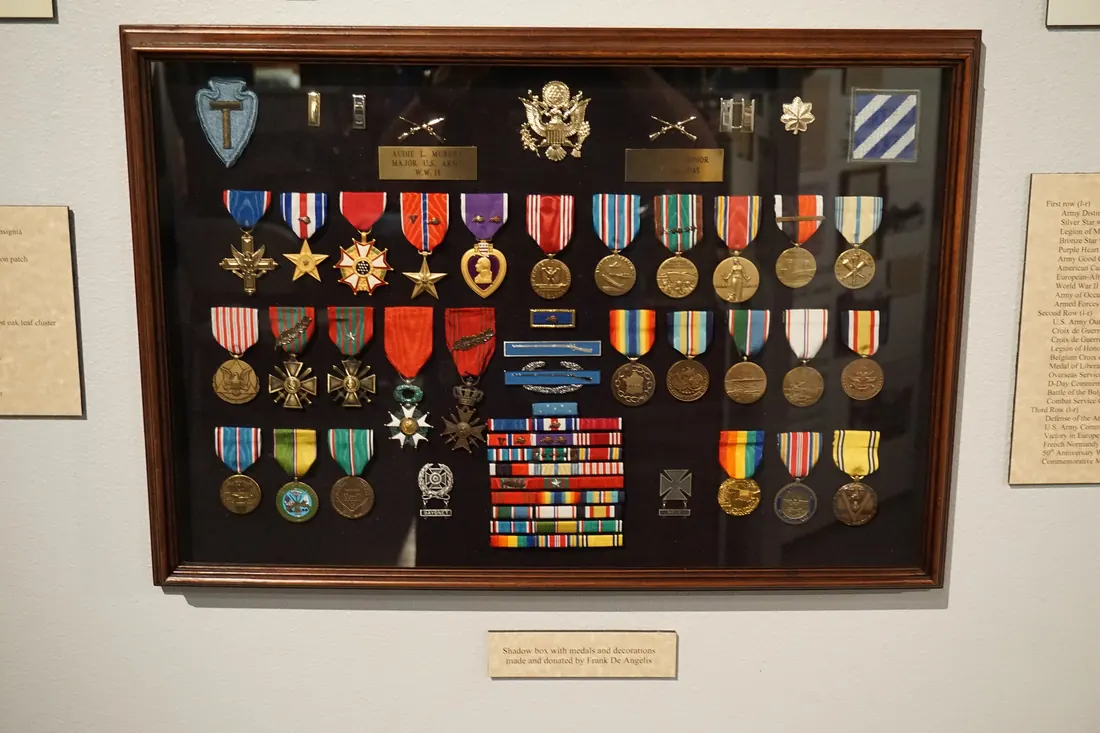
- He became one of America’s most decorated soldiers. Arlington National Cemetery: he “ultimately became one of the most decorated heroes of World War II”; “Murphy had become one of the nation’s most-decorated soldiers, earning an unparalleled 28 medals.” Handbook of Texas: “At the time of his death Murphy was the most decorated combat soldier of World War II.” Fort Lee: “the most decorated U.S. combat soldier of World War II.” 235
- He was a poor Texas sharecropper’s son. Fort Lee: “Audie Leon Murphy, son of poor Texas sharecroppers.” Arlington National Cemetery: “Murphy grew up on a sharecropper’s farm in Hunt County, Texas.” Wikipedia: “The Murphys were sharecroppers.” 527
- He left school in fifth grade to pick cotton for his family. Arlington National Cemetery: “After his father deserted the family, he helped raise his 11 brothers and sisters, dropping out of school in the fifth grade to earn money picking cotton.” Wikipedia: “Murphy dropped out of school in fifth grade and got a job picking cotton for a dollar a day … to help support his family.” Texas H.C.R. 3: “leaving school to help support his family.” 274
- After Pearl Harbor, the paratroopers said no too. Arlington National Cemetery: “The paratroopers wouldn’t have him, either.” Texas H.C.R. 3: he “tried to enlist in the armed forces after the attack on Pearl Harbor but was rejected,” and “the marines and paratroopers turned him down on the grounds that he was too short and thin.” Wikipedia: “After the Japanese attack on Pearl Harbor in December 1941, he attempted to enlist in the U.S. military, but the Army, Navy, and Marine Corps all turned him down for being underweight and underage.” 2478
- Finally, the Army took him, in June 1942. Texas H.C.R. 3: “finally, in June 1942, still misrepresenting his date of birth, he managed to join the army infantry.” Wikipedia: “he was accepted by the U.S. Army on 30 June 1942.” Handbook of Texas: “He enlisted in the United States Army at Greenville, Texas, in June 1942.” 473
- On January 26, 1945, near Holtzwihr, France, six German tanks attacked his company. His citation: “Place and date: Near Holtzwihr France, 26 January 1945”; “2d Lt. Murphy commanded Company B, which was attacked by 6 tanks and waves of infantry.” Arlington National Cemetery: “six Panzer tanks and 250 infantrymen.” Texas H.C.R. 3: “Company B came under attack by six German tanks and 250 German infantrymen.” The sketch with his Medal of Honor recommendation: “backed by six heavy tanks.” 1246
- He sent his men back and stayed alone. His citation: “2d Lt. Murphy ordered his men to withdraw to prepared positions in a woods, while he remained forward at his command post”; “He was alone.” Arlington National Cemetery: “Murphy ordered his men to fall back to better their defenses. Alone, he mounted an abandoned, burning tank destroyer.” 12
- Behind him, a tank destroyer was hit and caught fire. His citation: “Behind him, to his right, 1 of our tank destroyers received a direct hit and began to burn.” 1
- Murphy climbed onto it, though it could blow up at any moment. His citation: “2d Lt. Murphy climbed on the burning tank destroyer, which was in danger of blowing up at any moment.” 1
- He turned its machine gun on the Germans. His citation: he “employed its .50 caliber machinegun against the enemy.” 1
- For an hour, they shot at him from three sides. His citation: “He was alone and exposed to German fire from 3 sides”; “For an hour the Germans tried every available weapon to eliminate 2d Lt. Murphy.” 1
- Wounded, he fired until his ammunition ran out. His citation: “He received a leg wound, but ignored it and continued the single-handed fight until his ammunition was exhausted.” 1
- He earned the Medal of Honor. Handbook of Texas: “For this act of bravery he received the Medal of Honor.” Wikipedia: “Near Salzburg, Austria on 2 June, General Patch presented Murphy with both the Medal of Honor and the Legion of Merit.” 138
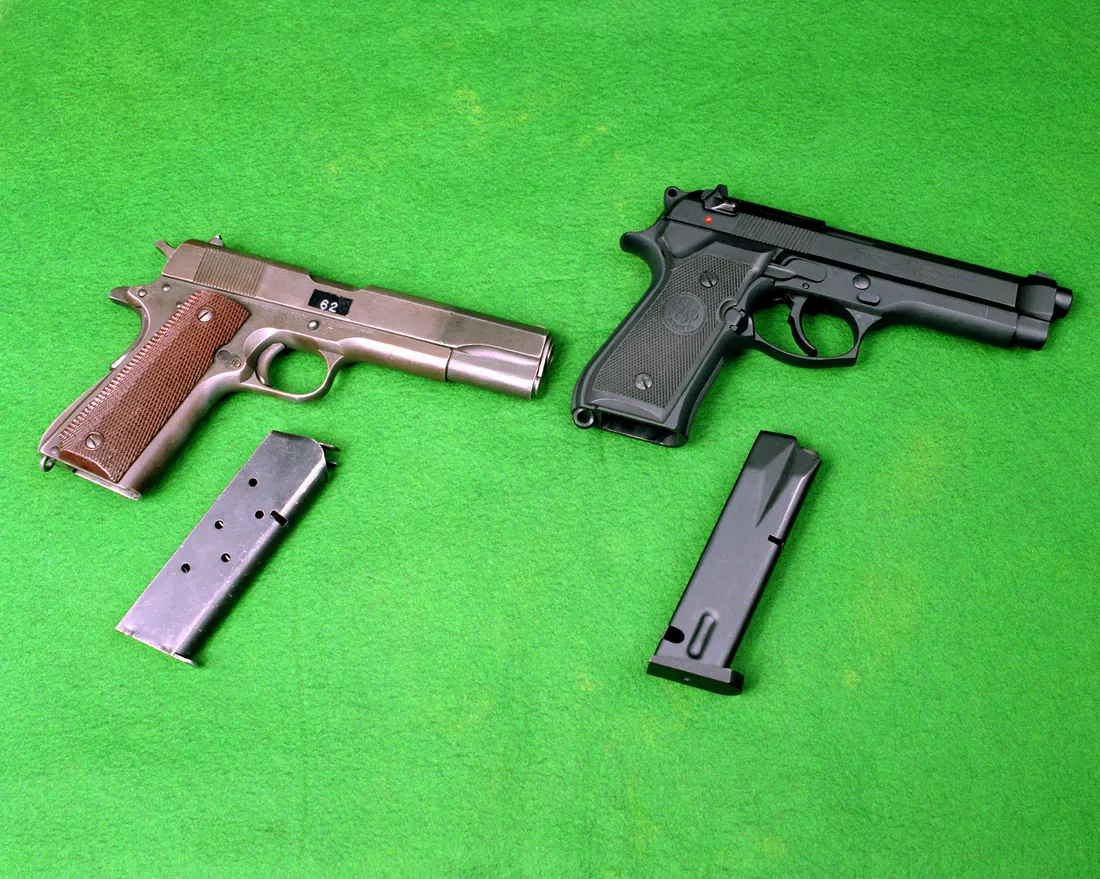
- After the war, he slept with a loaded pistol under his pillow. Arlington National Cemetery: “Murphy suffered from what is now known as post-traumatic stress disorder, experiencing headaches, depression and nightmares; he once said that he could sleep only with a loaded pistol under his pillow.” Wikipedia: “he slept with a loaded pistol under his pillow.” 27
- Back then, veterans kept quiet. Fort Lee: “he broke the taboo about discussing war related mental problems after this experience.” 5
- He spoke out about his PTSD, so others could get help. Fort Lee: “Audie Murphy spoke-out candidly about his personal problems with PTSD, then known as ‘Battle Fatigue’. He publicly called for United States government to give more consideration and study to the emotional impact war has on veterans and to extend health care benefits to address PTSD and other mental health problems of returning war vets.” Wikipedia: “Murphy spoke out candidly about his own problems with post-traumatic stress disorder.” 57
- He killed or wounded about 50 of the enemy. His citation: “he killed or wounded about 50.” 1
- A veterans hospital in San Antonio was named for him in 1973. Handbook of Texas: “A new veterans hospital in San Antonio was dedicated in 1973 and named the Audie L. Murphy Memorial Veterans Hospital in his honor.” 3
Sources
- Medal of Honor citations, World War II (M–S): Murphy, Audie L. US Army
- Audie Murphy Arlington National Cemetery
- Murphy, Audie Leon (Harold B. Simpson) Handbook of Texas Online (Texas State Historical Association)
- H.C.R. No. 3, 83rd Legislature, 2nd Called Session (2013) Texas Legislature
- Sergeant Audie Murphy Award US Army Garrison Fort Lee
- Sketch to accompany recommendation for award of the Medal of Honor to Second Lieutenant Audie L. Murphy, February 17, 1945 (US National Archives 299778) Wikimedia Commons
- Audie Murphy Wikipedia
- Military career of Audie Murphy Wikipedia
Notes
Who turned him down: Arlington National Cemetery and the Texas resolution say the Marines (too short, or too short and thin) and the paratroopers; Wikipedia says the Army, Navy and Marine Corps (underweight and underage). We follow Arlington and the Texas Legislature.
“The most decorated”: the Handbook of Texas, Fort Lee and Wikipedia say “the most decorated”; Arlington says “one of the most decorated.” We say “one of.”
How many medals: 28 (Arlington, the Texas resolution) or 33 “awards, citations, and decorations” (Handbook of Texas, Fort Lee). We give no number.
His age: he was born on June 20, 1925, by the Texas resolution, Wikipedia and Arlington (which says he claimed to be “one year older than he actually was”), but 1924 appears in his enlistment papers, the Handbook of Texas and on his headstone. We give no age.
The tanks: “Mark VI” (Tiger) in Sgt. Elmer Brawley’s eyewitness statement, “Panzer” at Arlington, “6 tanks” in the citation. We say six tanks. “For an hour” follows the citation and the 1945 sketch; Arlington says “nearly an hour.”
“So others could get help” paraphrases Fort Lee’s account that he spoke out “in an effort to draw attention to the problems of returning Korean and Vietnam War veterans” and called for extended health care for them.
Left out: “They were killing my friends” (widely quoted, but found here only in Wikipedia), the figure of 241 kills, and his film career. Brawley’s eyewitness statement isn’t shown because it repeatedly uses slurs for Germans.
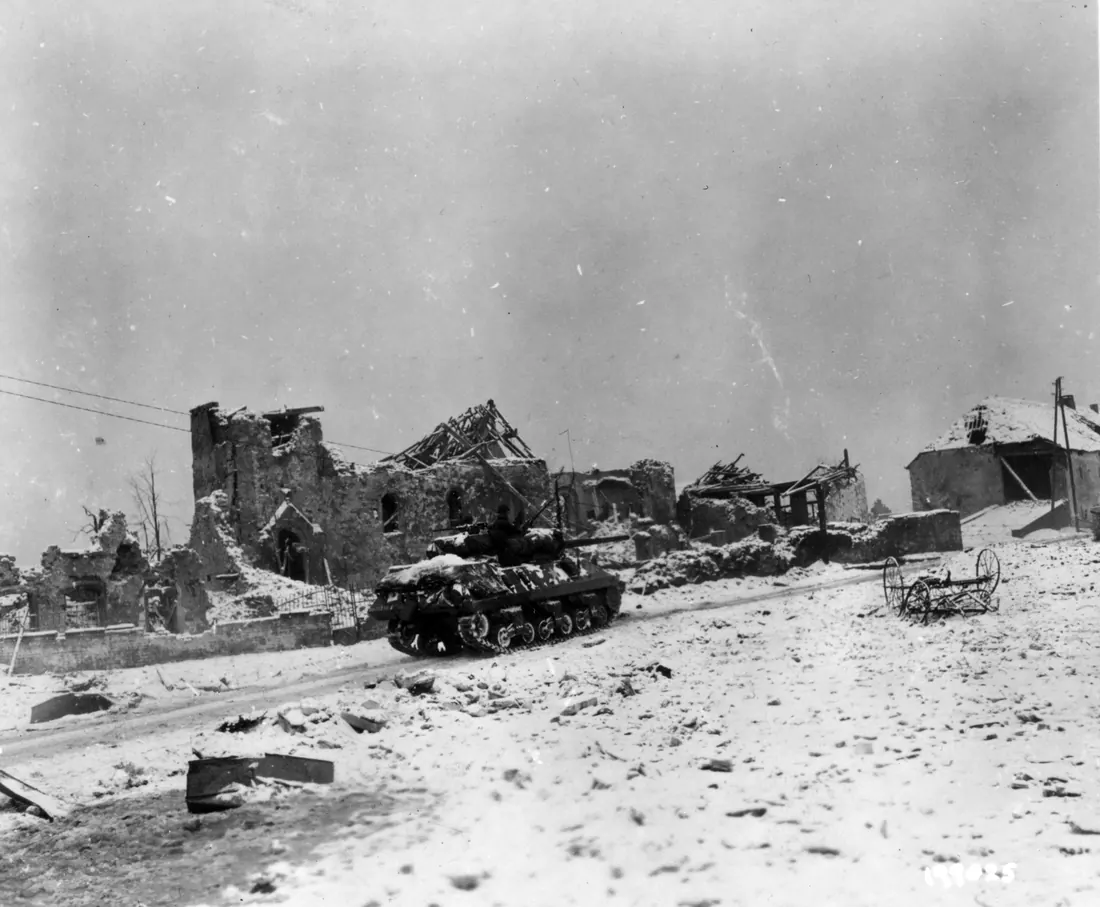
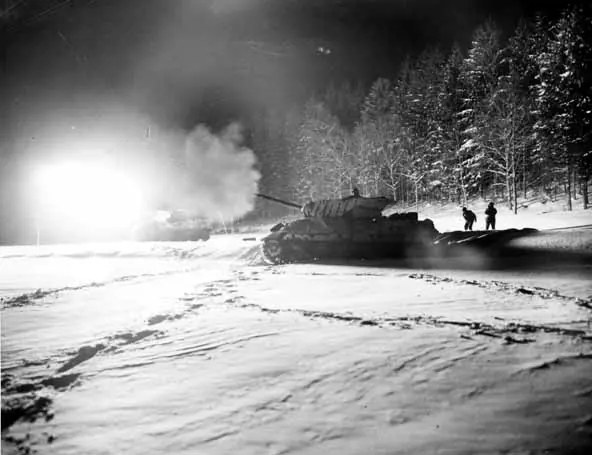
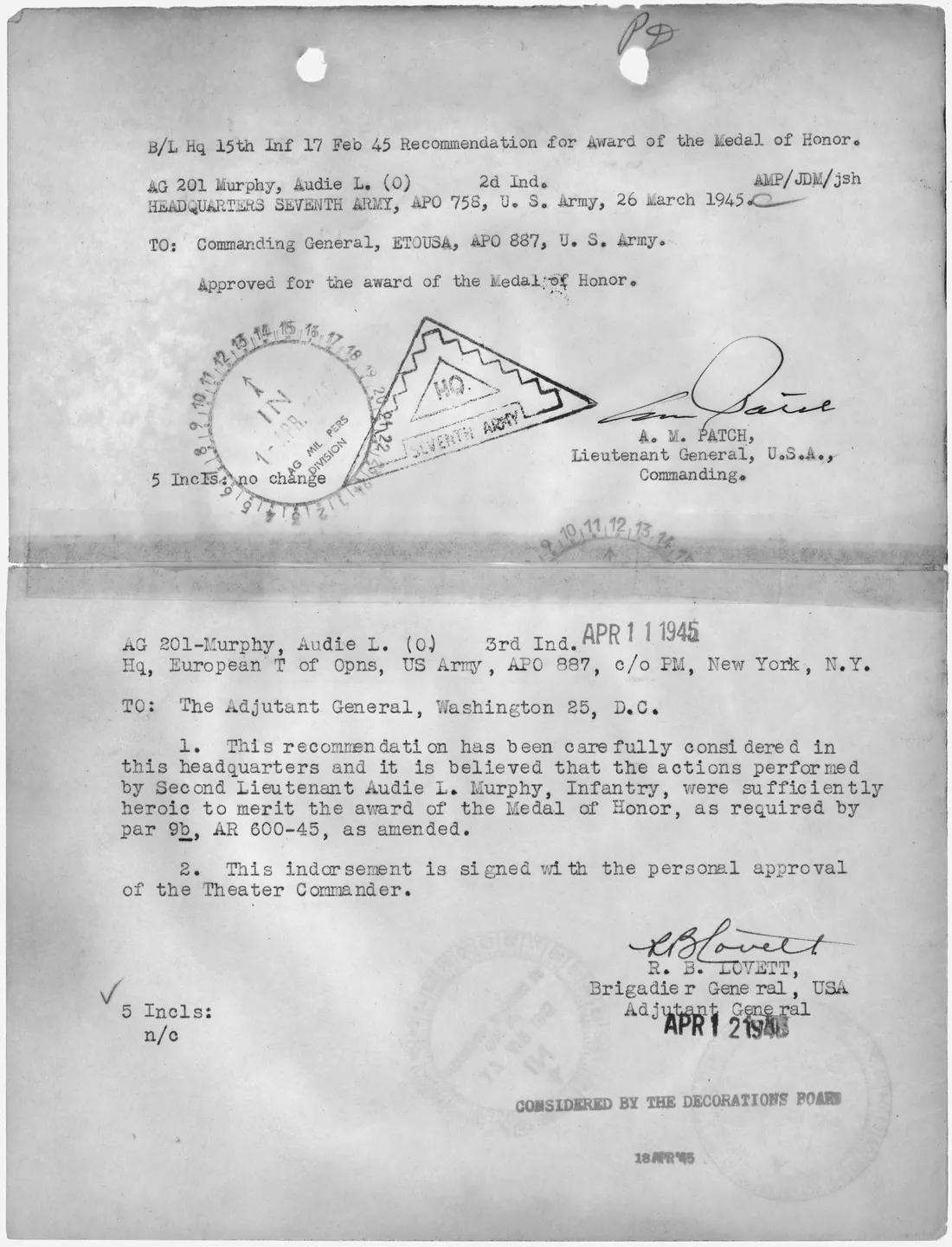
Pictures: the portrait is a US Army publicity photo from 1948, according to Wikimedia Commons, and its public-domain status rests on that Army attribution. The Holtzwihr sketch and the endorsement approving his Medal of Honor come from his own Medal of Honor file. The 1913 cotton field in Bells, Texas, the M10 in Luxembourg (January 12, 1945) and the tank destroyers near Sparsbach (January 26, 1945, the same day, farther north in Alsace) show his world, the era and the equipment, not Murphy or Holtzwihr. The pistol is a standard Army M1911A1, not his own, and the shadow box of his medals and decorations was put together by a collector.
Photo credits
The archive photos in this story
The photographs and illustrations in this story are in the public domain or shared under open licenses; each one is credited below with its license. Tap one to enlarge it, or follow the link to its Wikimedia Commons page for the full record. The narration, music, captions and graphics in the Short are our own.