For nearly 30 years, a woman called Bett was enslaved in Col. John Ashley’s house in Sheffield, Massachusetts. Ashley’s wife, Hannah, reportedly raised a red-hot kitchen shovel to strike a girl in the household. Bett blocked the blow, and bore the scars for the rest of her life.
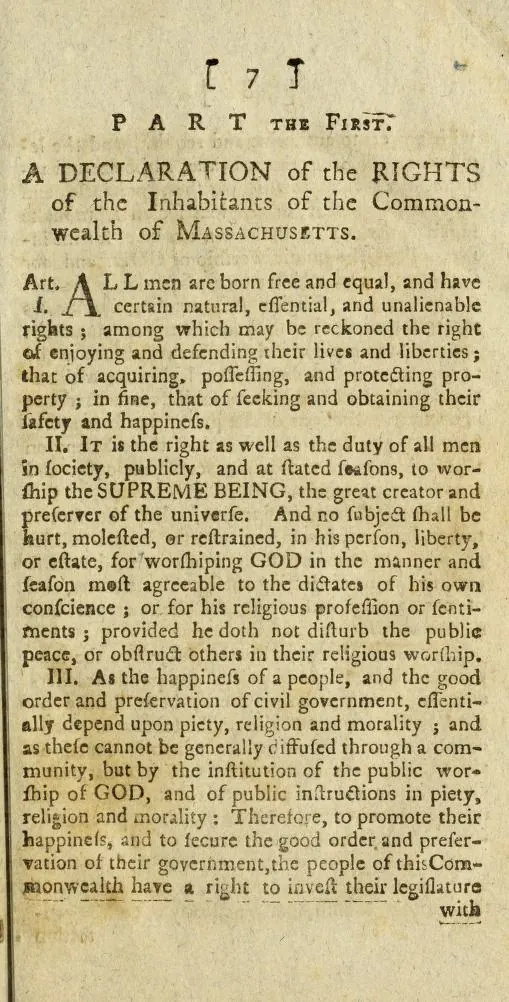
In 1780 Massachusetts adopted a new constitution. Its first article declared: “All men are born free and equal.” Bett could neither read nor write, but she heard those words. In 1781 she asked Theodore Sedgwick, a Stockbridge lawyer, to sue for her freedom. She reportedly said that if she had been offered one minute of freedom and told she must die at the end of it, she would have taken it.
In August 1781 a jury in Great Barrington found in favor of Bett and a man named Brom, in the case Brom and Bett v. Ashley. Both were set free, and they were awarded 30 shillings in damages. Her case, together with the Quock Walker cases, helped end slavery in Massachusetts.
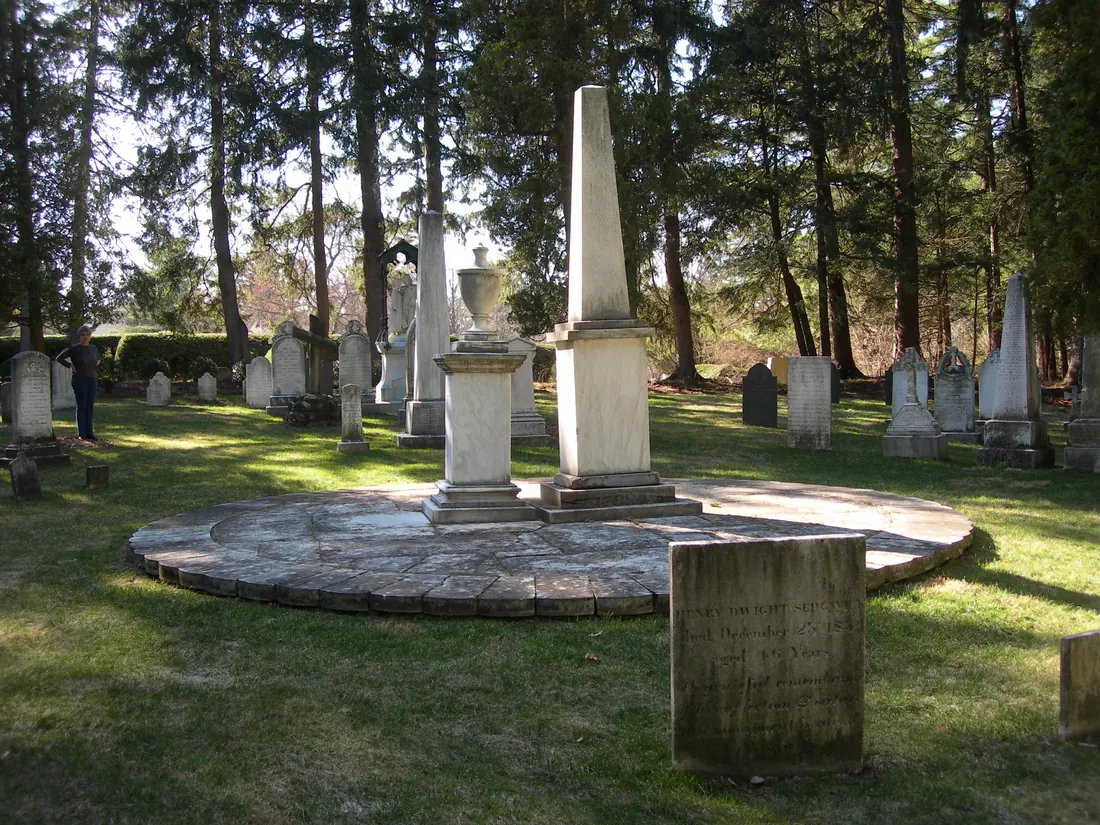
She chose a new name: Elizabeth Freeman. She worked for the Sedgwick family as a senior servant and governess until 1808, and helped raise Theodore and Pamela Sedgwick’s children. She is the only person outside the family buried in the “inner circle” of the Sedgwick family plot in Stockbridge, under a stone that ends: “Good mother, farewell.”
Fact check
The facts and where they come from
- She was enslaved, heard that all people were born free, and took her owner to court. Mass Moments: “she heard gentlemen talking over the Bill of Rights . . and in all they said she never heard but that all people were born free and equal, and she thought long about it, and resolved she would try whether she did not come in among them.” The case was Brom & Bett v. John Ashley, Esq., 1781 (MHS). 317
- Her name was Bett: the case was “Brom & Bett v. John Ashley, Esq.” (MHS), or “Brom and Bett v. Ashley” (Wikipedia). 71
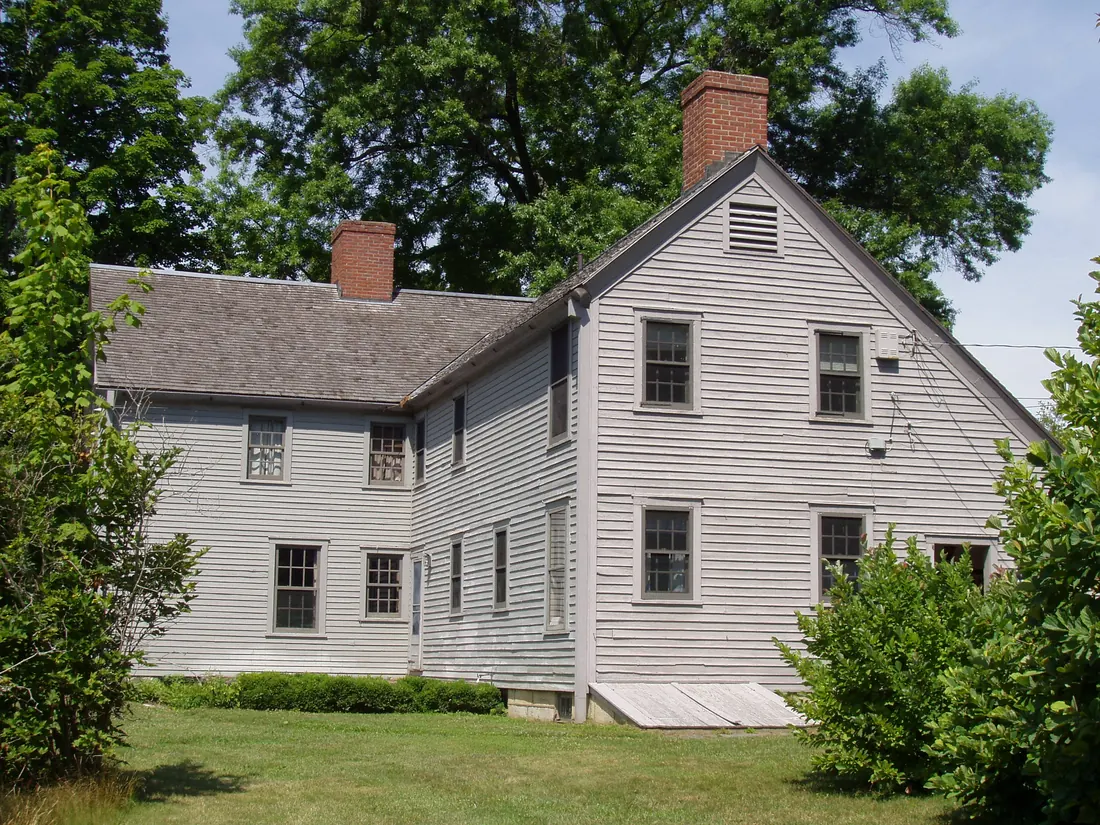
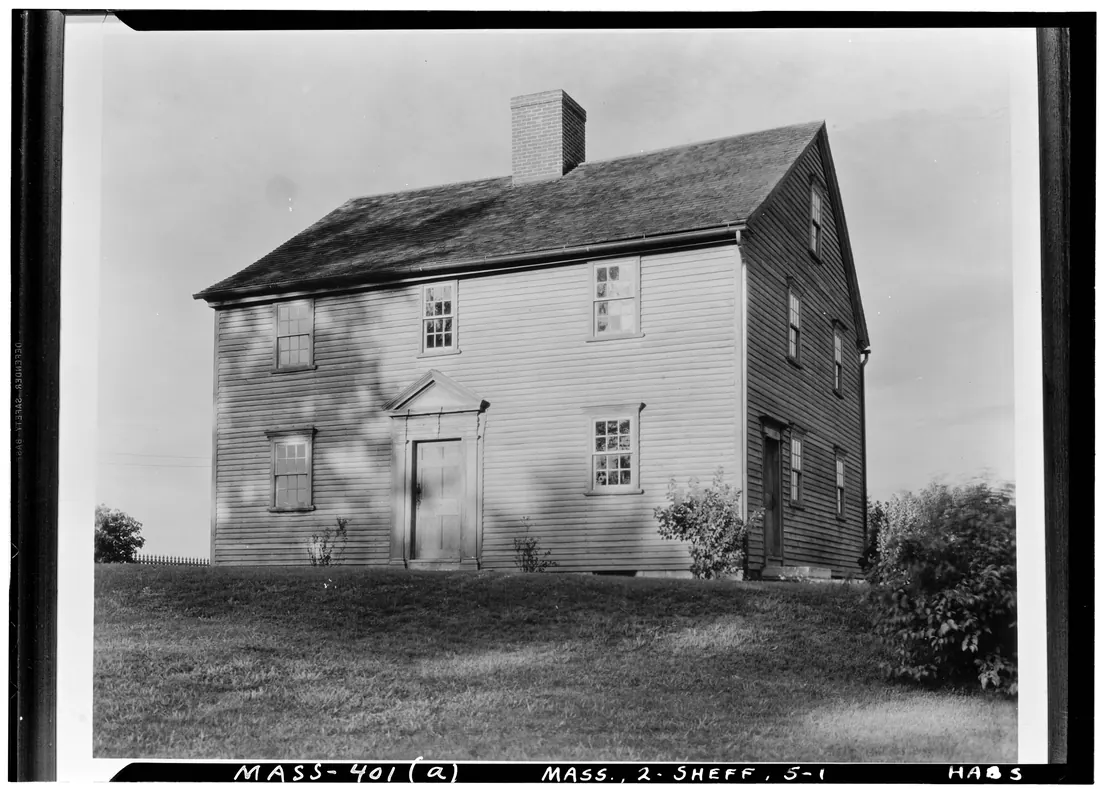
- For nearly 30 years she was enslaved in Sheffield, Massachusetts, in Col. John Ashley’s house. MHS: “thirty years of bondage in the Ashley household”; a man named Hogeboom “gave her to Sheffield, Massachusetts, resident John Ashley.” Her epitaph, as given by MHS: “She was born a slave and remained a slave for nearly thirty years.” The Trustees, on the Ashley House: “Elizabeth Freeman, who was enslaved there.” 14
- Her owner’s wife reportedly swung a red-hot shovel at a girl. Mass Moments: “In a fit of anger one day, Mrs. Ashley raised a red-hot kitchen shovel to strike another Ashley slave, Lizzie.” MHS: Hannah Ashley “attempted to strike a younger female servant in the household with a shovel.” Wikipedia: “a heated shovel.” 317
- Bett blocked the blow, and was scarred for life. MHS: “Freeman blocked the blow, but was seriously injured and bore the scars of the attack for the rest of her life.” Mass Moments: she “bore a scar … for the rest of her life.” 13
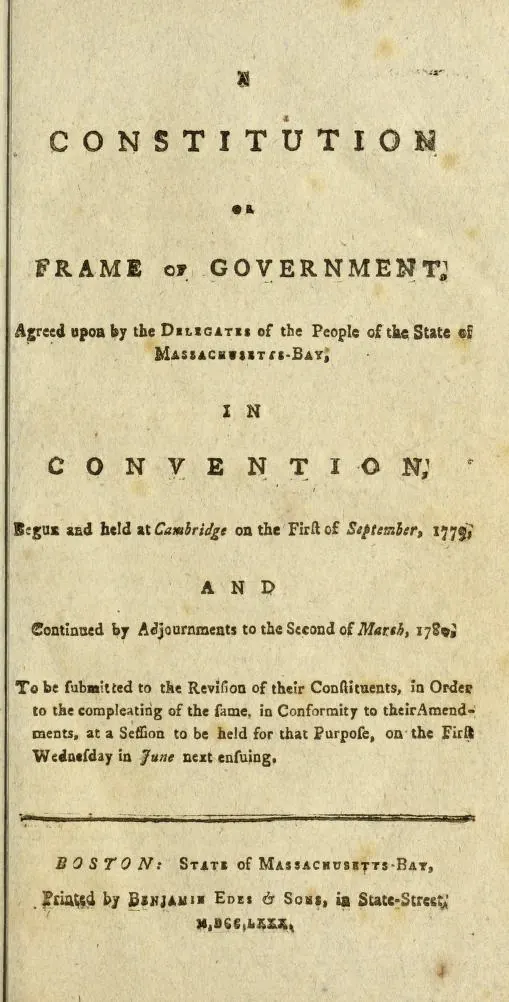
- In 1780 Massachusetts adopted a new constitution: male voters ratified it in 1780, and it took effect on October 25, 1780 (Wikipedia, Constitution of Massachusetts). The 1780 printing itself survives. Wikipedia’s Elizabeth Freeman article calls it “the newly ratified Massachusetts Constitution.” 897
- Its first article said all men are born free and equal. The 1780 printing: “Part the First … Art. I. All men are born free and equal.” MHS: “All men are born free and equal, and have certain natural, essential, and unalienable rights.” 1018
- Bett couldn’t read or write, but she heard those words. Her epitaph, as given by MHS: “She could neither read nor write.” Wikipedia: “Freeman was illiterate.” Mass Moments tells how she heard the words (above). 173
- She asked a lawyer, Theodore Sedgwick, to sue for her freedom. MHS: “In 1781, Freeman turned to Theodore Sedgwick, a prominent Stockbridge attorney, to help secure her freedom.” Wikipedia: she “sought the counsel of Theodore Sedgwick, a young abolition-minded lawyer, to help her sue for freedom in court.” 17
- She reportedly said she would have died for one minute of freedom: that if she had been offered a minute’s freedom and told she must die at the end of it, she would have taken it. Wikipedia gives her words, and the National Women’s History Museum gives the same account, recorded by Catharine Sedgwick in 1853. 76
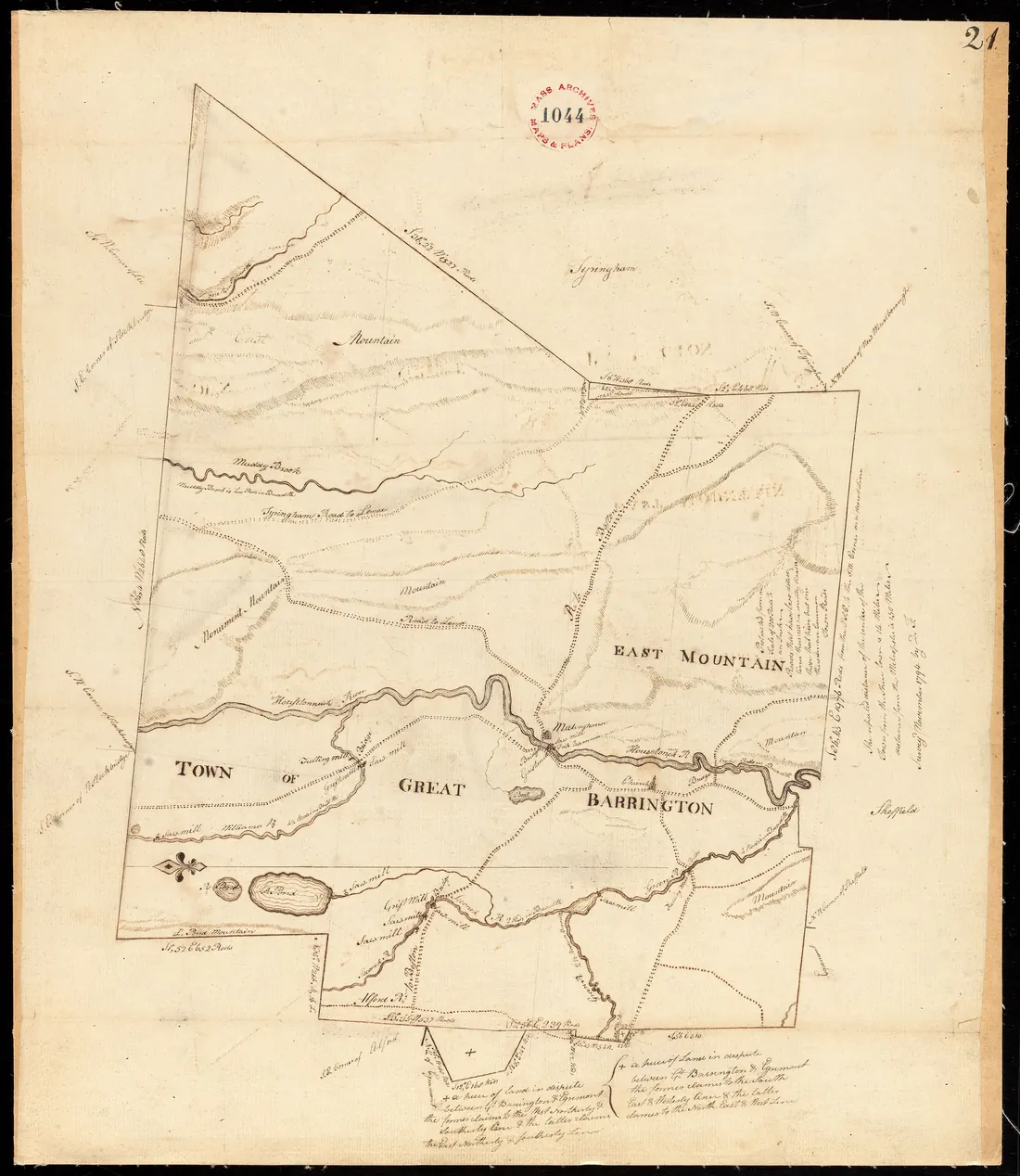
- In 1781 a jury freed her, with Brom, at the Court of Common Pleas in Great Barrington on August 21–22, 1781, and awarded 30 shillings in damages. Mass Moments: “On this day in 1781, a jury in Great Barrington found in favor of ‘Mum Bett,’” and “They were awarded 30 shillings in damages.” MHS: “The jury found Sedgwick’s arguments convincing, and both Freeman and Brom were set free.” 31
- Her case helped end slavery in Massachusetts. The Trustees: “winning her freedom and dealing a deathblow to the institution of slavery in Massachusetts.” National Park Service: “Quock Walker, Elizabeth Mumbet Freeman, and Belinda Sutton, paved the way for the Commonwealth of Massachusetts to outlaw slavery.” MHS: “Together with the Elizabeth Freeman decision, the Quock Walker trials effectively ended slavery as a legal practice in Massachusetts.” 451
- So she chose a new name: Elizabeth Freeman. Mass Moments: “‘Mum Bett’ chose the name Elizabeth Freeman.” Wikipedia also says she took the name after the ruling. 37
- She helped raise the Sedgwick children. Wikipedia: “She worked for his family until 1808 as a senior servant and governess to the Sedgwick children,” and was “a motherly figure for Theodore and Pamela Sedgwick’s children.” MHS: she was a paid servant in the Sedgwick household for more than two decades. 71
- She is buried in their family plot, in Stockbridge. MHS: she is “the only non-family member buried in the ‘inner circle’ of the Sedgwick family plot in Stockbridge, Massachusetts.” Wikipedia: “buried in the Sedgwick family plot in Stockbridge.” 17
- Her gravestone ends “Good mother, farewell.” (Wikipedia); MHS transcribes it “Good mother fare well.” 71
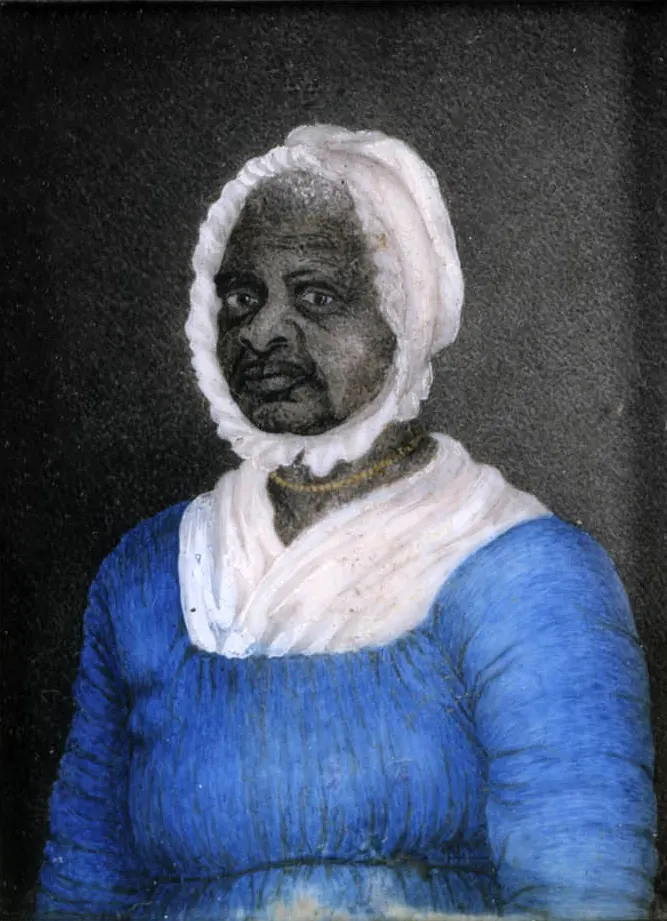
- Her portrait was painted in 1811. MHS: “This miniature portrait of Elizabeth Freeman (‘Mumbet’) was painted by Susan Anne Livingston Ridley Sedgwick in 1811.” 2
Sources
- The Legal End of Slavery in Massachusetts (African Americans and the End of Slavery in Massachusetts) Massachusetts Historical Society
- Elizabeth Freeman (miniature portrait, 1811) Massachusetts Historical Society, Collections Online
- Jury Decides in Favor of Elizabeth “Mum Bett” Freeman Mass Moments (Mass Humanities)
- Ashley House, Sheffield, MA The Trustees of Reservations
- Commemorating 40 Years of Boston African American National Historic Site National Park Service
- Elizabeth Freeman Biography National Women’s History Museum
- Elizabeth Freeman Wikipedia
- Constitution of Massachusetts Wikipedia
- Title page of the 1780 Massachusetts Constitution (Benjamin Edes & Sons, Boston) Wikimedia Commons
- First articles of the 1780 Massachusetts Constitution Wikimedia Commons
Notes
The shovel story and her words about one minute of freedom come from Catharine Sedgwick’s account, written in 1853, decades later, so we say “reportedly” for both, and we paraphrase her words. Sources disagree on whom the blow was meant for (her sister, her daughter, or “a younger female servant”) and on where the scar was (her arm in most accounts; Mass Moments says her face). We say only “a girl” and that she was scarred for life.
What she heard, and where: a public reading in Sheffield, the Ashleys’ guests talking at table, or (MHS) a reading of the Declaration of Independence. We say only that she heard the constitution’s words.
Brom: the suit was Brom and Bett v. Ashley, and both were freed. The Short follows Bett only.
The appeal: Ashley appealed to the Supreme Judicial Court and dropped the appeal in October 1781. Wikipedia’s summary credits the Massachusetts Supreme Judicial Court with the ruling; MHS and Mass Moments say it was the jury of the Court of Common Pleas. We say “a jury.”
“Helped end slavery”: her case did so together with the Quock Walker cases (1781–83), so we say “helped.”
Her name: “Bett,” as in the case papers (Wikipedia uses a one-t spelling). “Mum Bett” or “Mumbet” was a later nickname, which Wikipedia says the Sedgwick children coined. Her birth year (about 1742 or 1744; sources differ) is left out.
The gravestone’s last words: “Good mother, farewell” (Wikipedia) or “Good mother fare well” (MHS transcription).
Left out: the 2022 statue in Sheffield (a copyrighted sculpture, so no photo of it is shown), W. E. B. Du Bois’s family claim, and her defense of the Sedgwick house during Shays’s Rebellion.
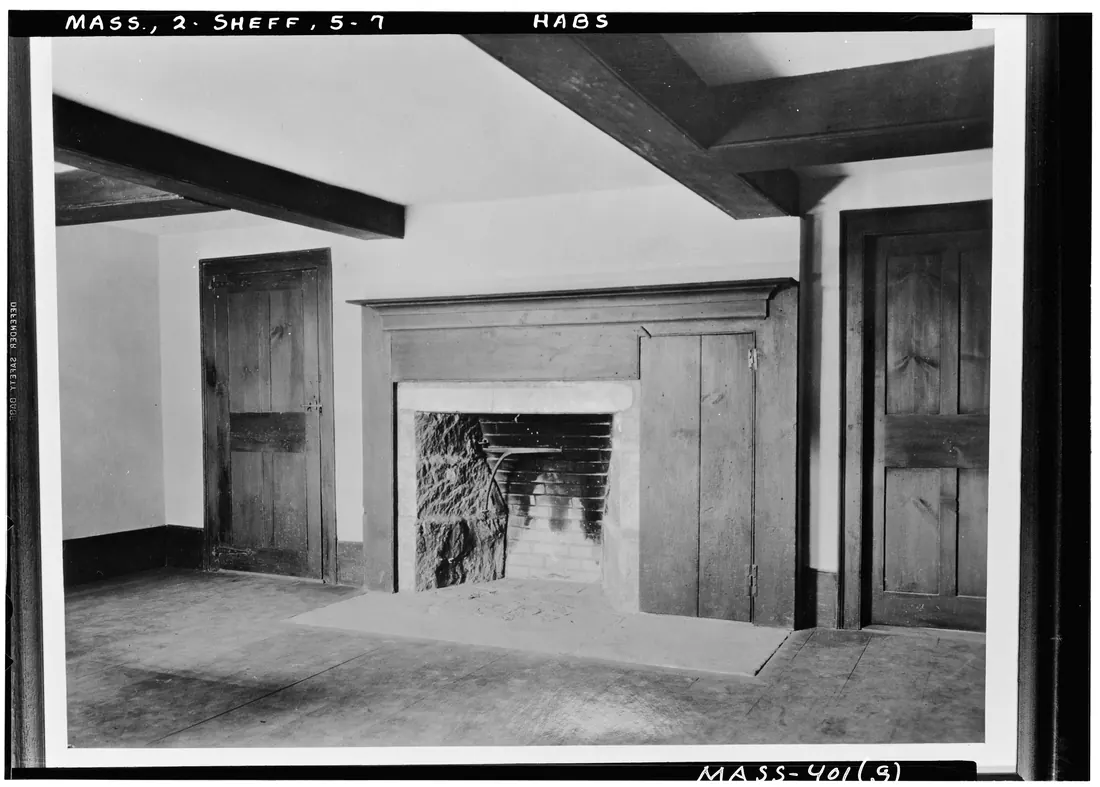
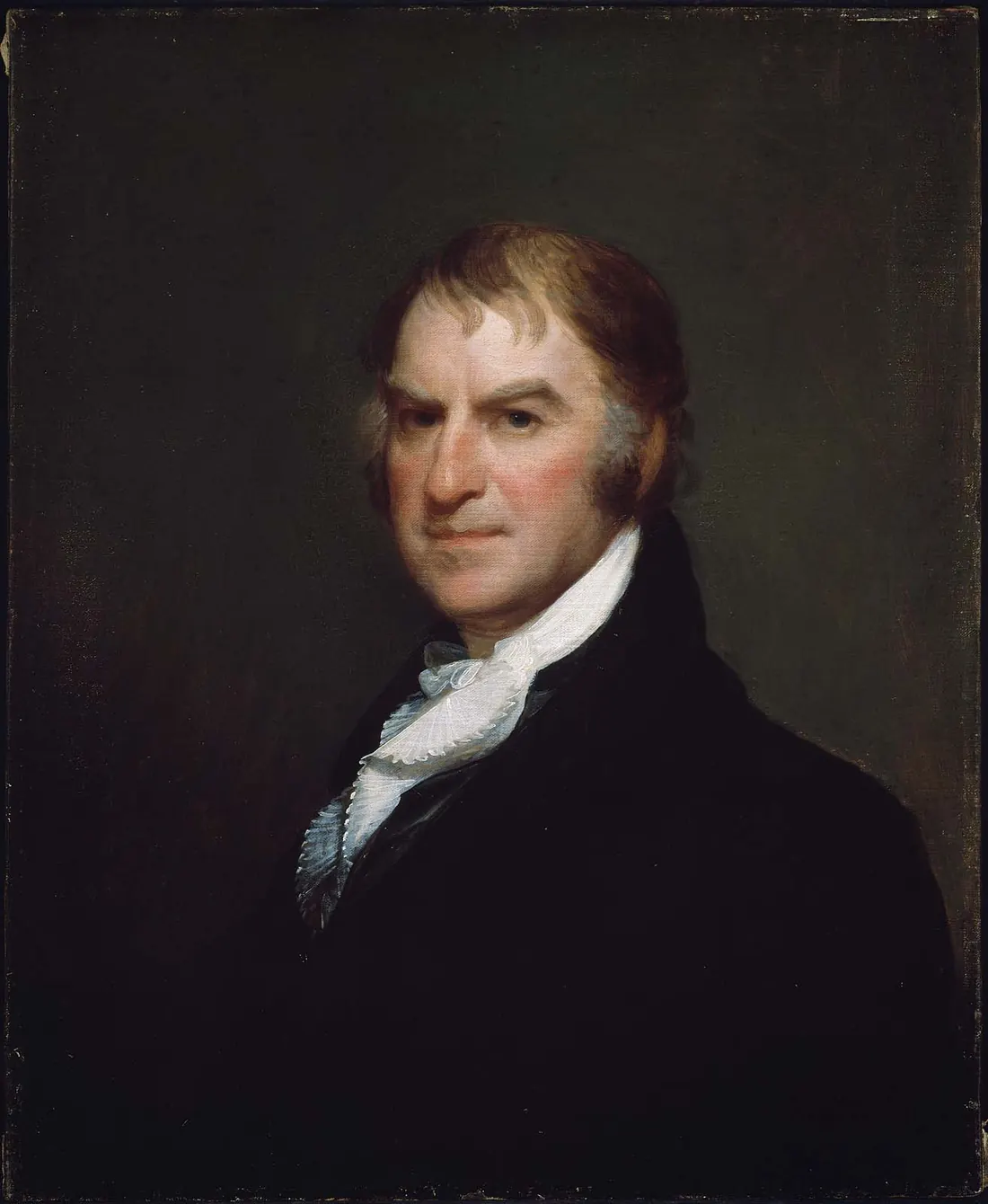
Pictures: the 1811 watercolor on ivory is the only portrait of her. The 1935 photos of the Ashley House and its kitchen, and the 2007 photo of the house, show the place, not the events. The 1794 plan shows Great Barrington, where the court sat. The family-plot photo shows the plot where she is buried; her own stone can’t be picked out in it.
Photo credits
The archive photos in this story
The photographs and illustrations in this story are in the public domain or shared under open licenses; each one is credited below with its license. Tap one to enlarge it, or follow the link to its Wikimedia Commons page for the full record. The narration, music, captions and graphics in the Short are our own.