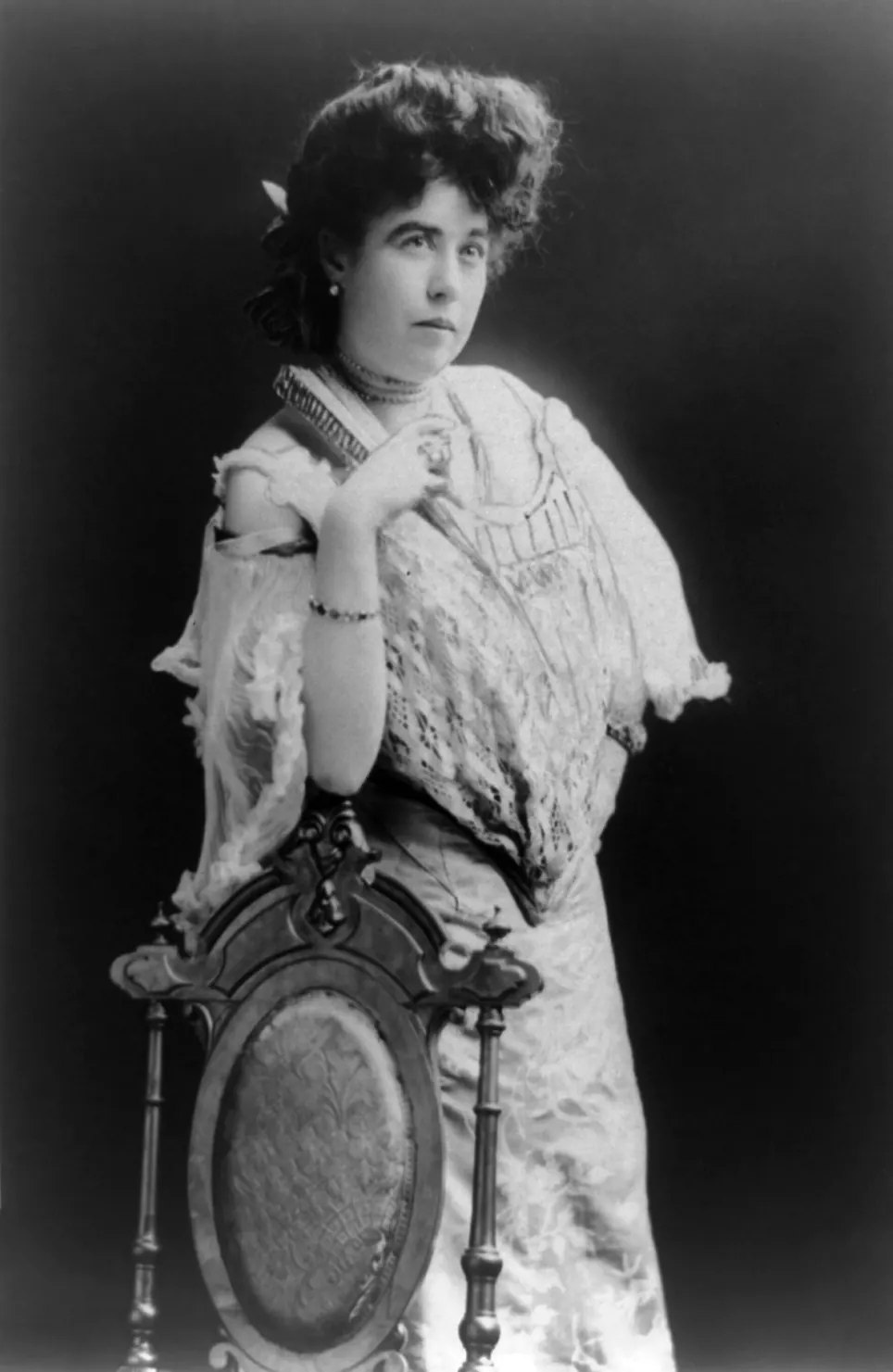
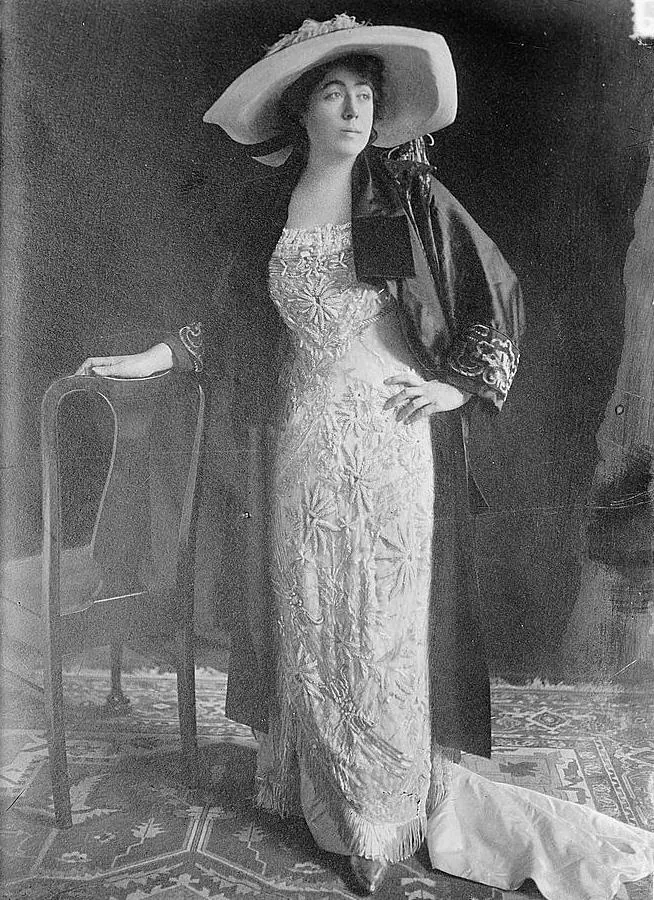
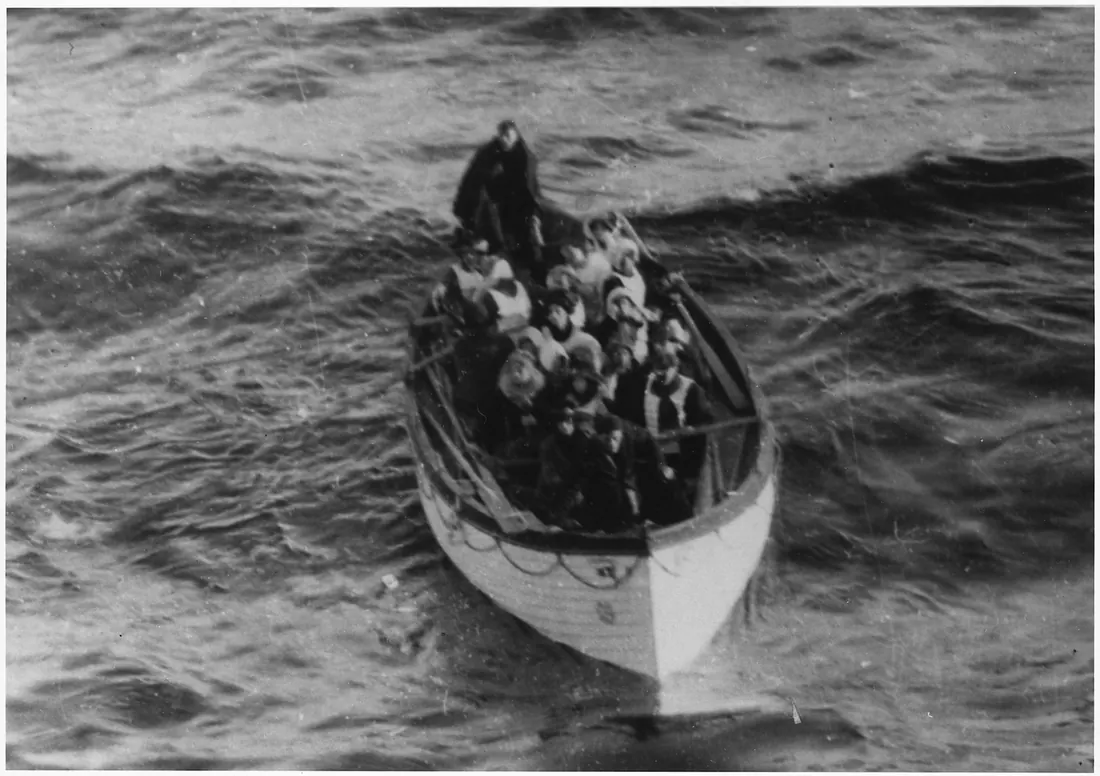
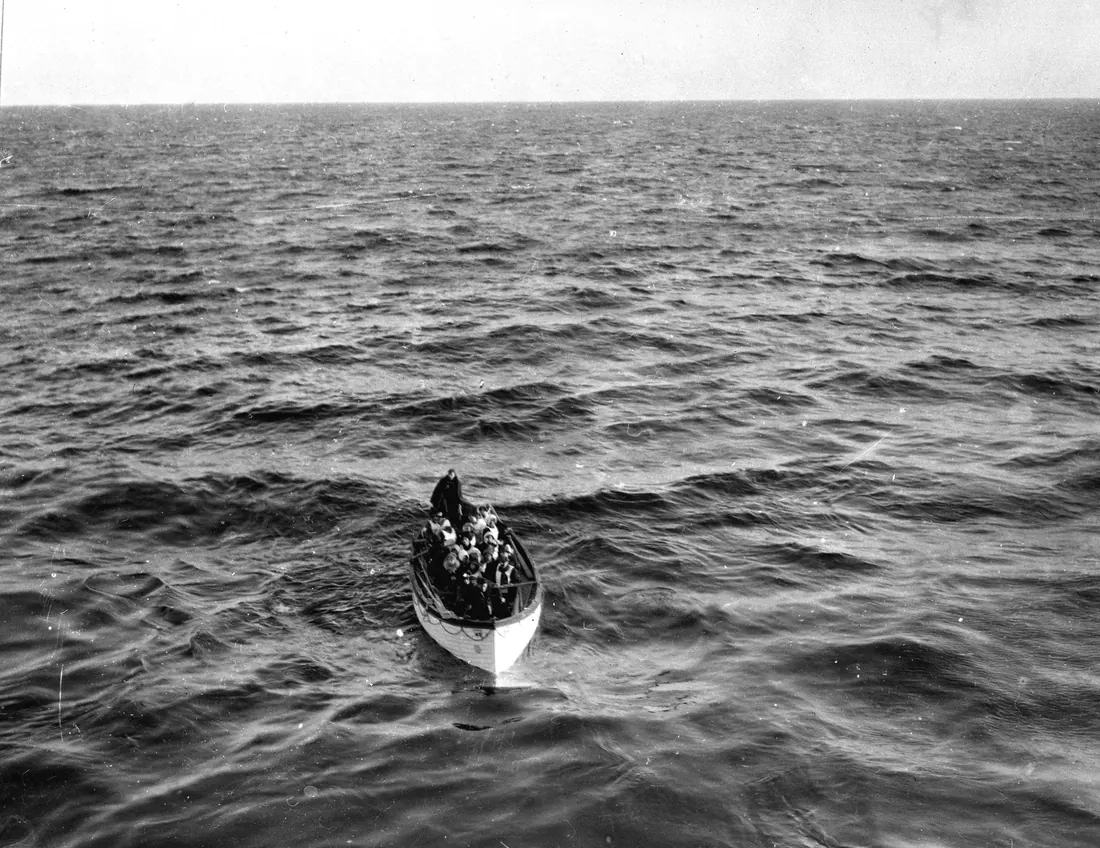
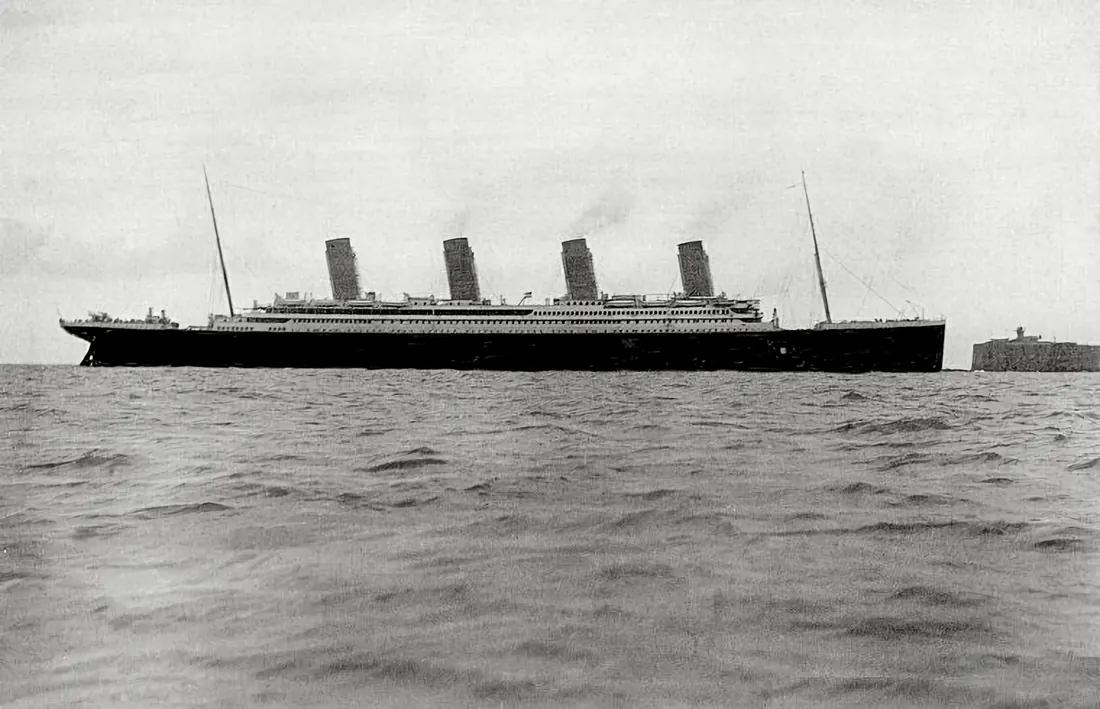
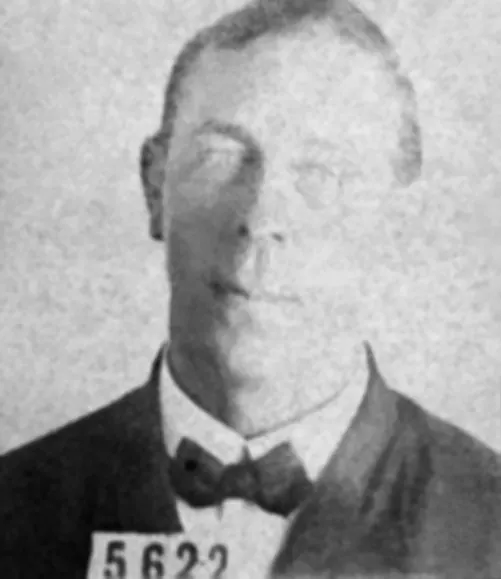
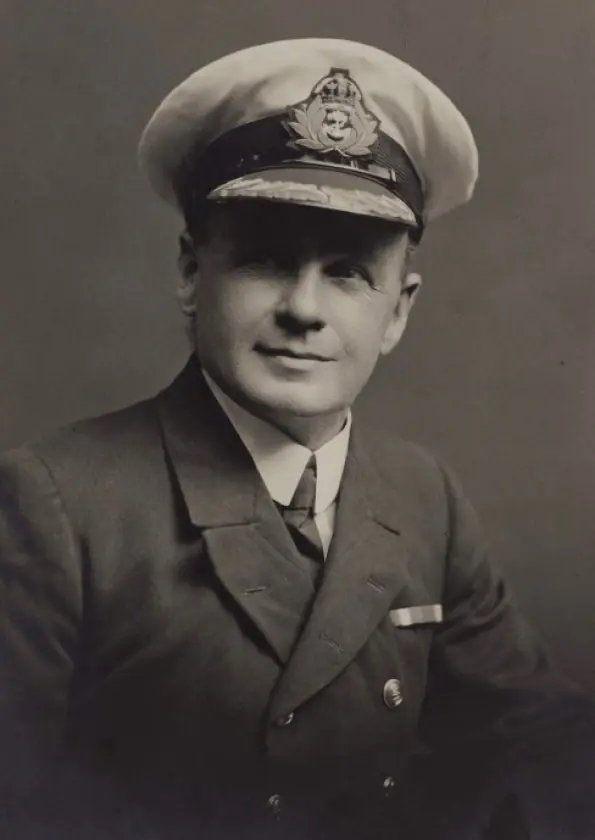
Margaret Brown, born Margaret Tobin and known as Maggie until she married, boarded the Titanic at Cherbourg on April 10, 1912. She was in Lifeboat 6, and after the ship sank, the women in the boat begged the man in charge, Quartermaster Robert Hichens, to go back for the people in the water. He refused. According to Maj. Arthur Peuchen, who was in the boat, Hichens said “it was no use going back there, there was only a lot of stiffs there.” Hichens denied it.
He told them they had no chance, “told us many times,” she said, and that they had no food, no water and no compass. “I told him to be still or he would go overboard,” she told The New York Times. For seven hours in the open boat she worked an oar, and she made the others row too: “I made them all row. It saved their lives.”
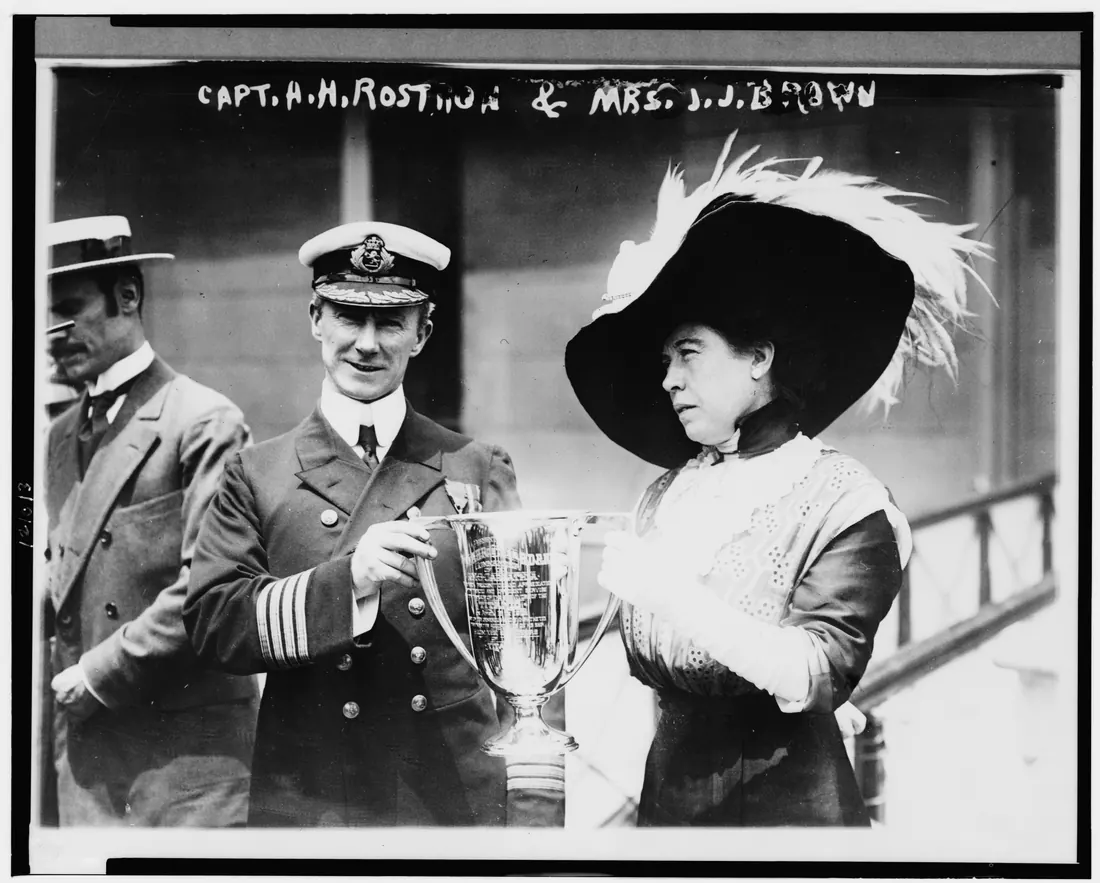
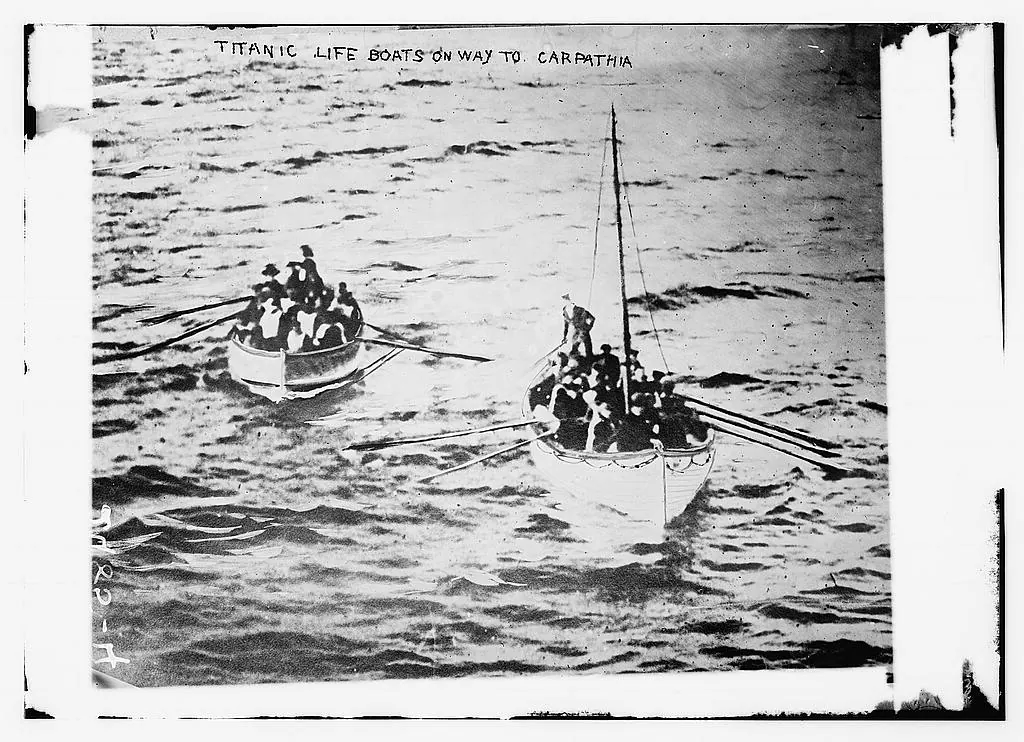
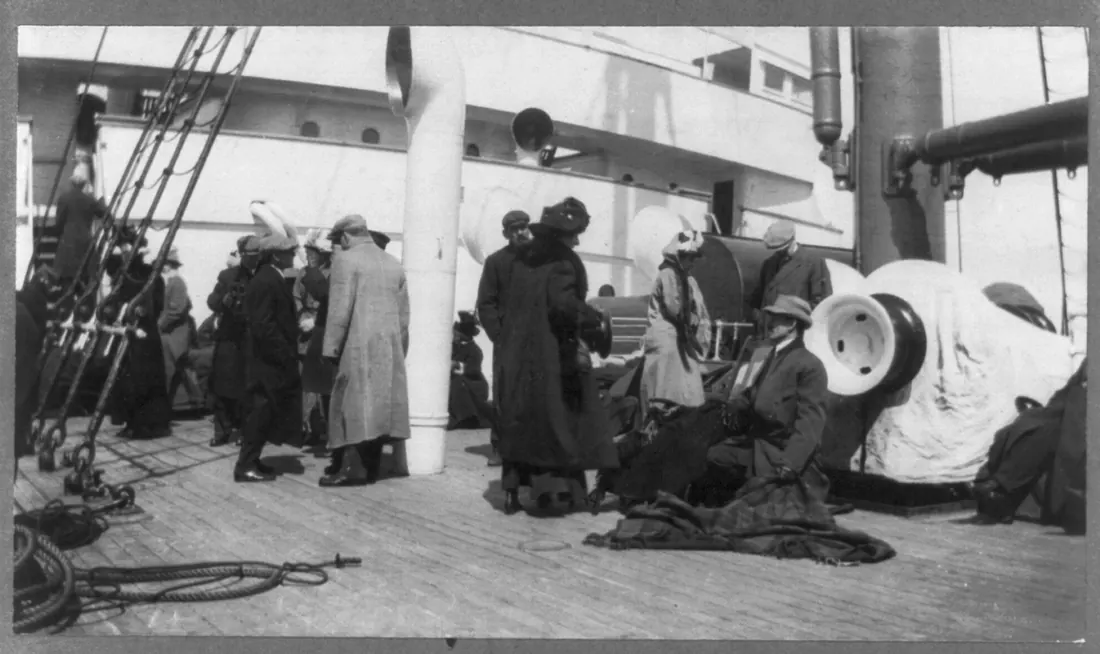
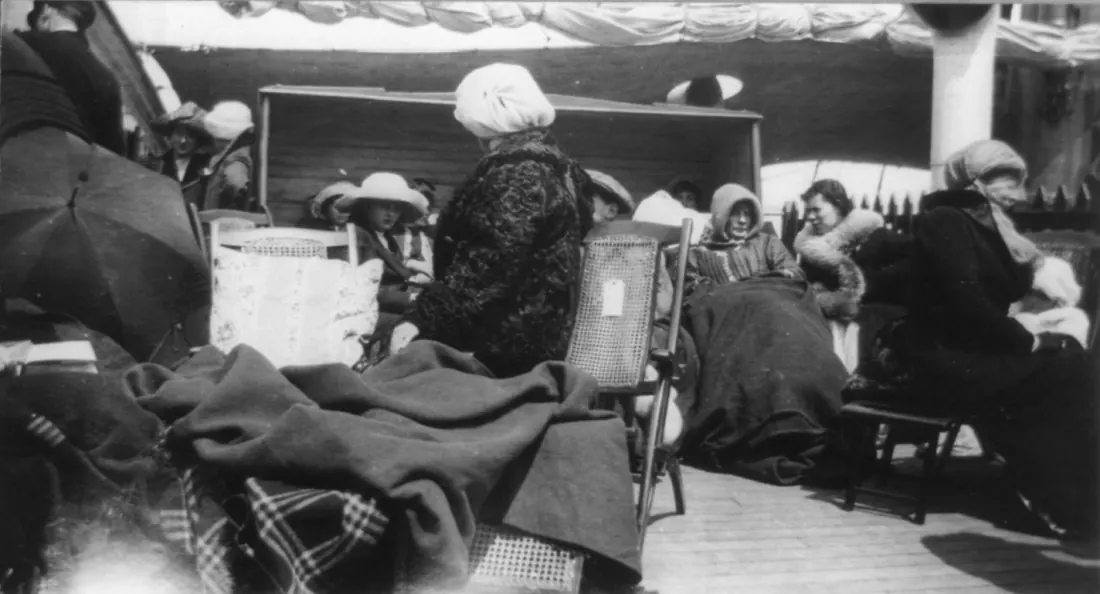
On the rescue ship Carpathia she didn’t rest. Asked whether she had, she said “No,” and: “Why should I? There was work to do.” By the time the Carpathia reached New York, she had helped set up the Survivors’ Committee, been elected its chair, and raised almost $10,000 for destitute survivors. On May 29, 1912, as its chair, she presented a silver loving cup to the Carpathia’s captain, Captain Rostron.
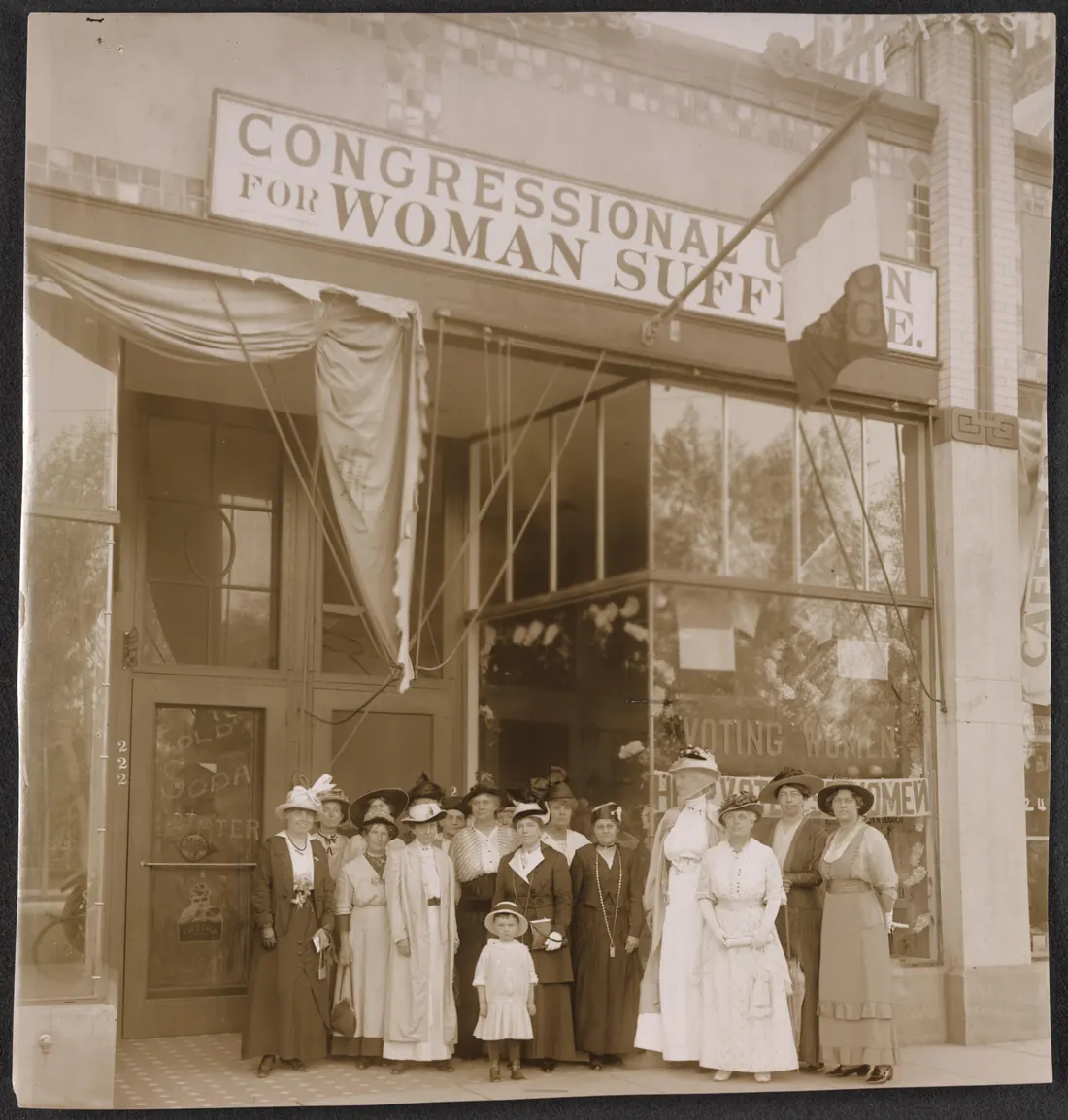
In 1914, six years before the Nineteenth Amendment gave women the vote nationwide, she launched a campaign for the Senate (she later withdrew). She was never called Molly in her lifetime. After her death she became known as the “Unsinkable Molly Brown,” from Gene Fowler’s 1933 book Timber Line and the 1960 Broadway musical, a fictionalized account. As she told The New York Times in 1912: “I simply did what was to be done.”
Fact check
The facts and where they come from
- She begged her lifeboat to go back, and the man in charge refused. Her own account, quoted by Tim Maltin: “we asked him to return and pick up those in the water” … “He not yielding to our entreaties, we pulled away vigorously.” Maj. Arthur Peuchen, asked at the Senate inquiry whether anyone urged the quartermaster to return: “Yes; some of the women did.” Wikipedia: she “urged the lifeboat crew to go back and save more passengers,” and “Her urgings were met with opposition from Quartermaster Robert Hichens, the crewman in charge of lifeboat 6.” 546
- Her name was Margaret Brown, née Tobin, “known as Maggie until she married” (Encyclopedia Titanica). 13
- In April 1912 she boarded the Titanic, at Cherbourg. Encyclopedia Titanica: “Embarked: Cherbourg on Wednesday 10th April 1912.” Molly Brown House Museum: “Margaret boarded the new ocean liner RMS Titanic in April, 1912.” 13
- She was in Lifeboat 6. Molly Brown House Museum: “including Margaret in Lifeboat 6.” Encyclopedia Titanica: she “eventually was forced to board lifeboat six.” The National Archives caption of Louis Ogden’s photo of the boat: “Boat No 6, … Mrs. J. J. Brown.” 318
- After the ship sank, the women begged the quartermaster to go back, and he refused. Peuchen describes cries of distress after the sinking, and says “some of the women did” urge him to return. In her own account, they asked him to return when “none of the calamities that were predicted by our terrified boatman was experienced” (quoted by Tim Maltin). 45
- He reportedly said there were only bodies there. Peuchen: “He said it was no use going back there, there was only a lot of stiffs there.” Hichens denied that the women asked to go back, and denied using the word (Tim Maltin). Hence “reportedly.” 45
- He kept saying they were doomed. The New York Times, April 20, 1912: “after he had told us that we had no chance, told us many times, and after he had explained that we had no food, no water, and no compass.” 2
- She told him to be still, or he would go overboard. Her words in The New York Times, April 20, 1912: “I told him to be still or he would go overboard.” 25
- She rowed for hours and made them all row. The New York Times: “seven hours in an open boat, during which time she continually used an oar,” and her words: “I made them all row. It saved their lives.” Encyclopedia Titanica: “She and the other women in lifeboat six worked together to row.” 21
- On the rescue ship, the Carpathia, she didn’t rest. The New York Times: “after four days in watching over others and waiting on the sick”; asked if she had rested: “No,” … “Why should I? There was work to do.” Molly Brown House Museum: she “refused to leave the rescue ship until she had done all she could to help.” Encyclopedia Titanica: “she remained on Carpathia until all Titanic survivors had met with friends, family, or medical/emergency assistance.” 231
- She raised almost $10,000 for survivors who had lost everything. Encyclopedia Titanica: “By the time the Carpathia reached New York harbour, Margaret had helped establish the Survivor’s Committee, been elected as chair, and raised almost $10,000 for destitute survivors.” Molly Brown House Museum: she “formed a Survivor’s Committee to raise money for the destitute survivors.” Wikipedia: the committee secured basic necessities for “second- and third-class survivors.” The New York Times tells of a young Russian widow who “had lost her husband and all of her money,” whom Brown took to the Russian Consul. 1362
- In 1914 she launched a campaign for the Senate (she later withdrew), before women could vote nationwide. Wikipedia: “In 1914, six years before the Nineteenth Amendment granted women the right to vote, Brown ran for Colorado’s U.S. Senate seat,” but “she ended her campaign to serve abroad.” Molly Brown House Museum: “In 1914 suffrage leaders urged her to run for U.S. Senate”; she was later advised to “drop her campaign.” The Washington Post, July 26, 1914: “a possible candidate for the United States Senate.” 637
- Books and a musical later called her the Unsinkable Molly Brown. Wikipedia: she is “posthumously known as the ‘Unsinkable Molly Brown’”; “Gene Fowler referred to her as ‘Molly Brown’ in his 1933 book Timber Line”; the 1960 Broadway musical The Unsinkable Molly Brown “is a fictionalized account.” Encyclopedia Titanica traces the name from Fowler’s 1933 folk tale to Caroline Bancroft’s booklet, then the musical and the MGM film. 61
- In her lifetime, nobody called her Molly. Encyclopedia Titanica: “Margaret was never known as ‘Molly Brown’ during her lifetime.” 1
- Her words: “I simply did what was to be done.” (The New York Times, April 20, 1912.) 2
- On May 29, 1912, as chair of the Survivors’ Committee, she presented a silver loving cup to Captain Rostron of the Carpathia (Encyclopedia Titanica; the Library of Congress record of the Bain News Service photo). She died on October 26, 1932 (Encyclopedia Titanica). 19
Sources
- Margaret Brown (survivor biography) Encyclopedia Titanica
- Women Revealed as Heroines by Wreck (The New York Times, April 20, 1912) Encyclopedia Titanica (transcription)
- About the Browns Molly Brown House Museum
- United States Senate Inquiry, Day 4: Testimony of Arthur G. Peuchen Titanic Inquiry Project
- Did Molly Brown try to pick up Titanic survivors? Tim Maltin
- Margaret Brown Wikipedia
- The Washington Post, July 26, 1914 (transcription) Encyclopedia Titanica
- Photograph of a Lifeboat Carrying Titanic Survivors (Louis Ogden, 1912; 278337) US National Archives
- Capt. A.H. Rostron & Mrs. J.J. Brown (Bain News Service photo record) Library of Congress
Notes
Going back: everyone agrees the boat did not go back. Hichens denied that the women asked; Peuchen and Brown’s own account say they did. Her New York Times interview of April 20, 1912, doesn’t mention the request, only his “no chance” talk and her overboard threat. We say “begged” for the request and “reportedly” for the “bodies” remark.
“Took the tiller” or “threatened to throw him overboard”: some retellings say she seized the tiller, but no source here supports it, so we leave it out. The overboard line is in her own words: “be still or he would go overboard.”
The Senate run: she launched a campaign in 1914 and dropped it (Molly Brown House Museum, Wikipedia). Encyclopedia Titanica says she ran “eight years before women even had the right to vote,” but 1914 to 1920 is six. Colorado women could already vote, so we say “before women could vote nationwide.”
The $10,000: Encyclopedia Titanica says “almost $10,000”; other retellings give $10,000 to $15,000. We say almost $10,000.
Her name: she was Margaret Brown, née Tobin, “Maggie” before she married. We call her Margaret; “Molly” appears only as the name books and the musical gave her after her death.
Left out: the Legion of Honor (1932); the two men who “practically threw” her into the boat (her own story, questioned by Encyclopedia Titanica’s “Riddle of Boat 6” article); and the claim that Denver society shunned her, which Encyclopedia Titanica calls legend.
Pictures: Lifeboat 6 (Louis Ogden’s photo of April 15, 1912, shown close and wide) is her own boat, and the lifeboats rowing to the Carpathia are from the same day. The iceberg is the one suspected of sinking the Titanic. Hichens’s photo is an ID photo from his seaman’s record, not from 1912. The loving-cup photo was taken in New York on May 29, 1912. The suffrage photo shows Colorado suffragists in 1914, not Margaret, and the Carpathia deck photos show unnamed survivors.
Photo credits
The archive photos in this story
All the photographs and illustrations in this story are in the public domain. Tap one to enlarge it, or follow the link to its Wikimedia Commons page for the full record. The narration, music, captions and graphics in the Short are our own.