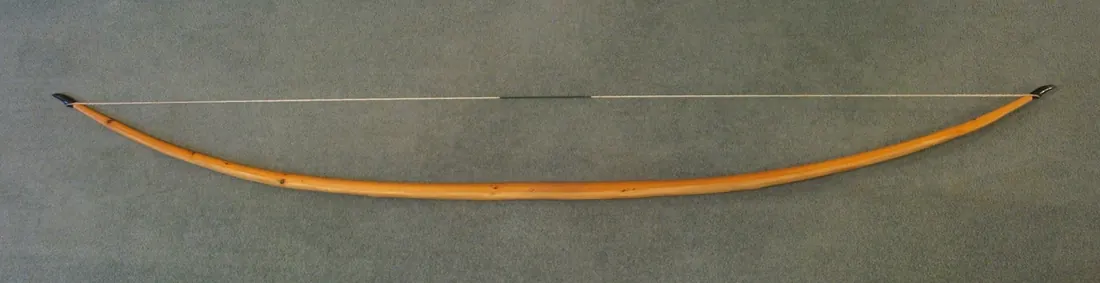
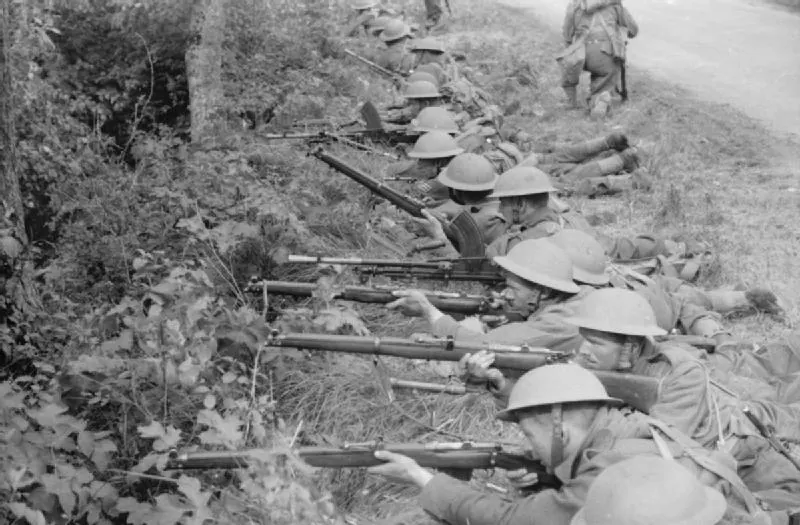
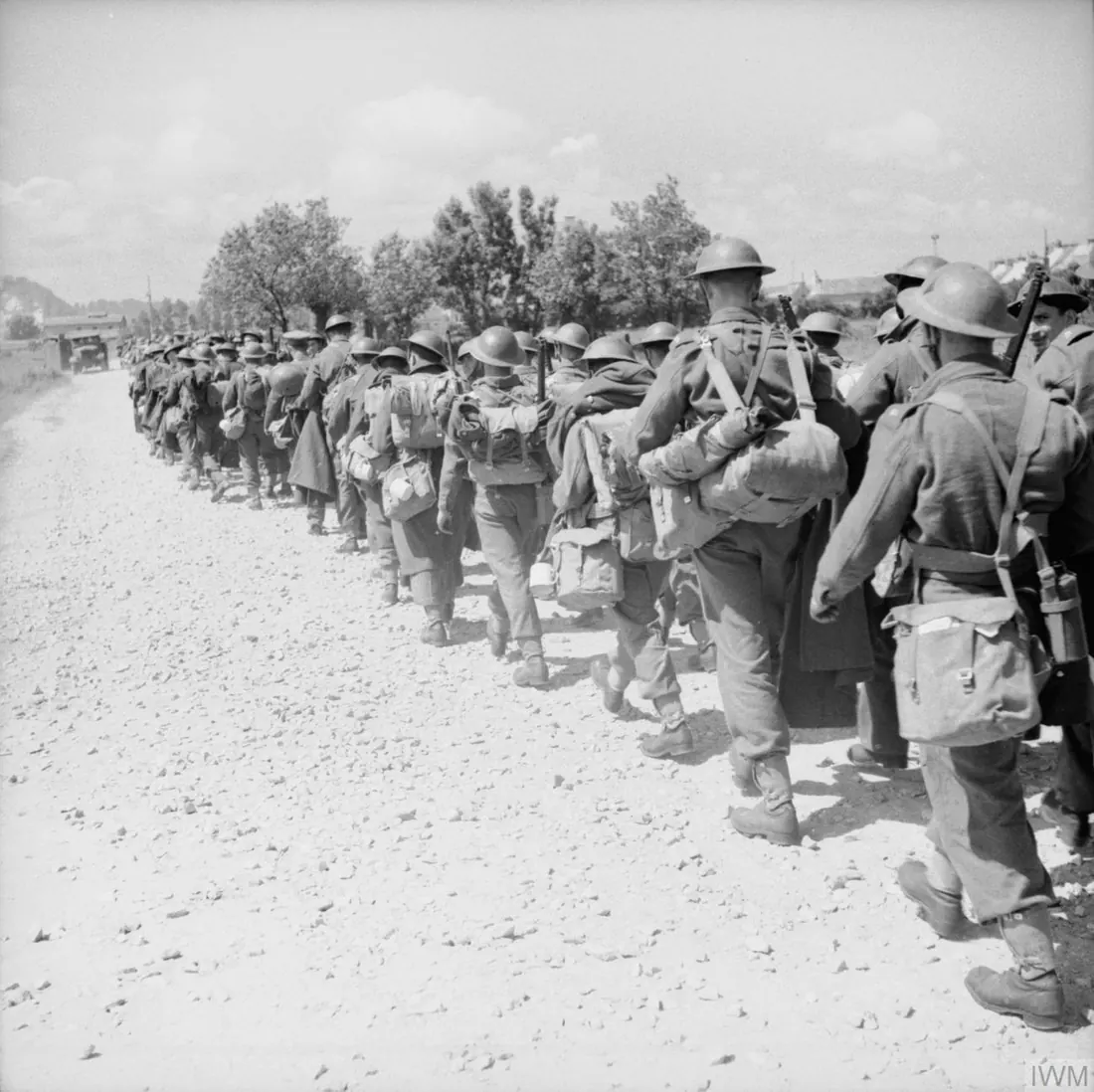
John Malcolm Thorpe Fleming Churchill, a British officer his men nicknamed “Mad Jack,” fought in the Second World War with a broadsword, a longbow and a set of bagpipes. When the Germans attacked France in 1940, his company was trapped at l’Epinette, near Bethune. He “fought back with two machine guns (and his bow) until ammunition was exhausted,” as his Telegraph obituary put it, and won the Military Cross. He reportedly killed a German with an arrow, but Churchill himself later said his bows had been crushed by a truck earlier in that campaign, so the story is disputed.
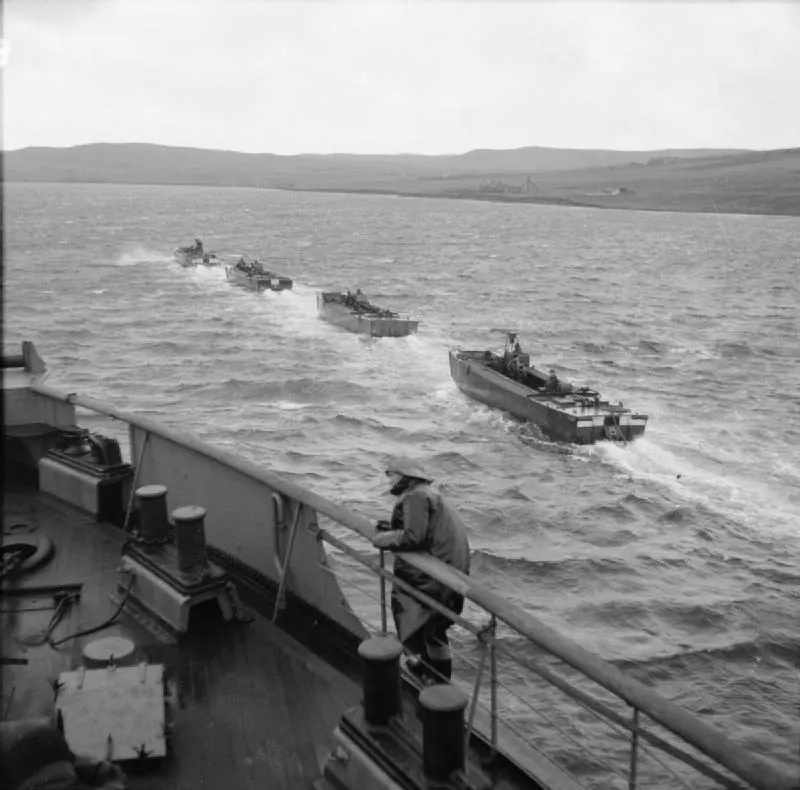
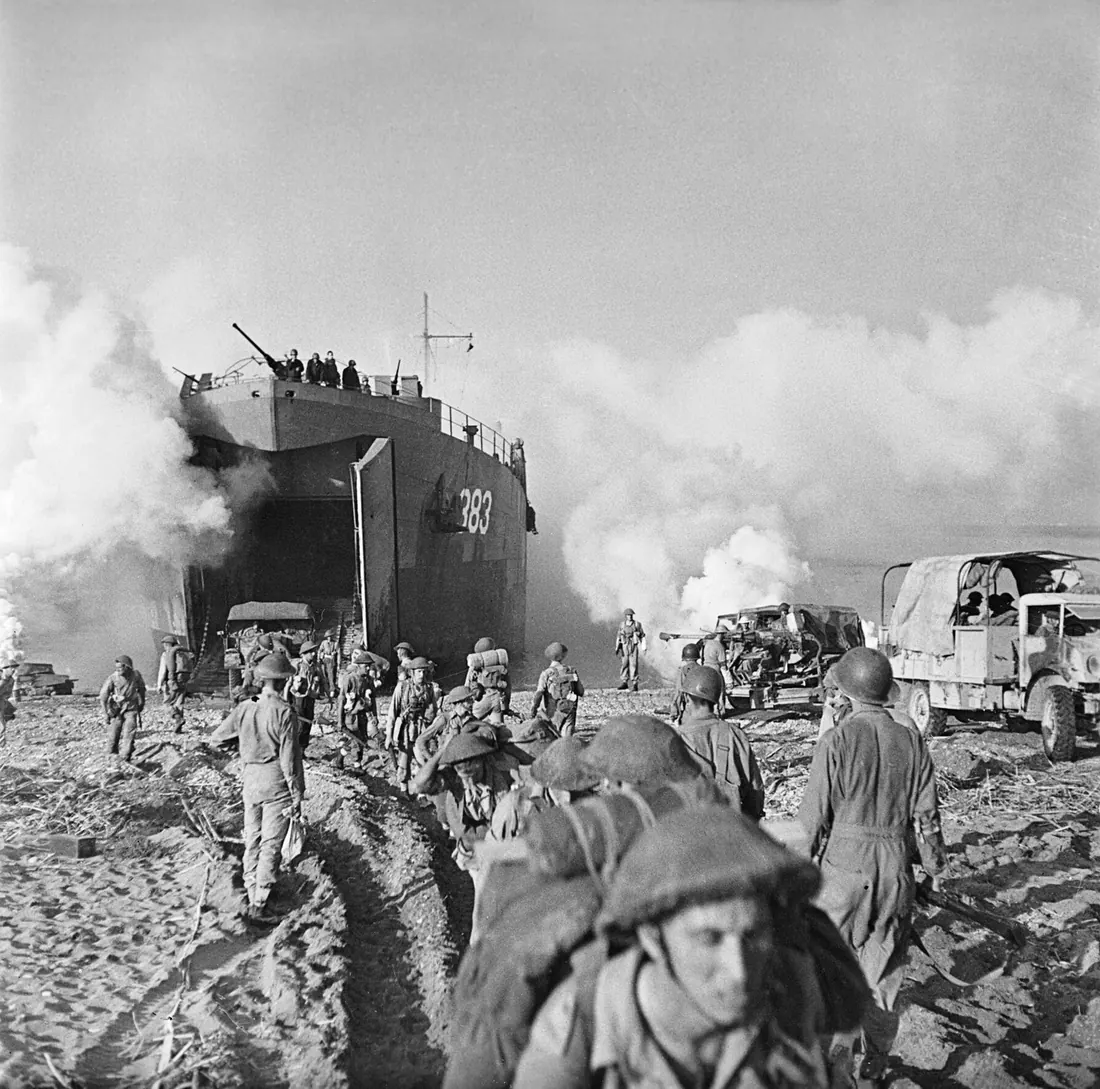
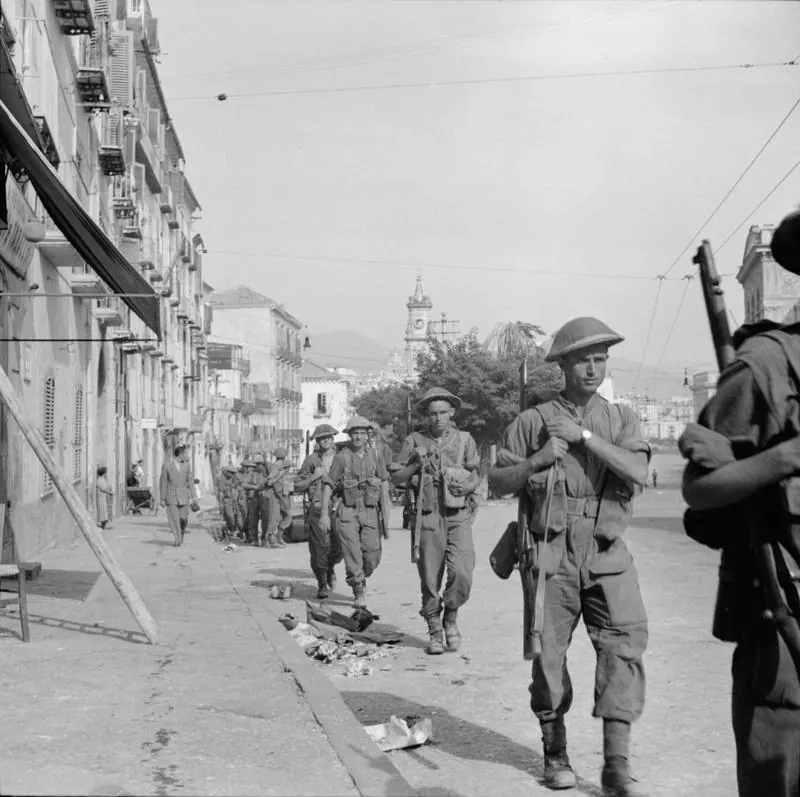
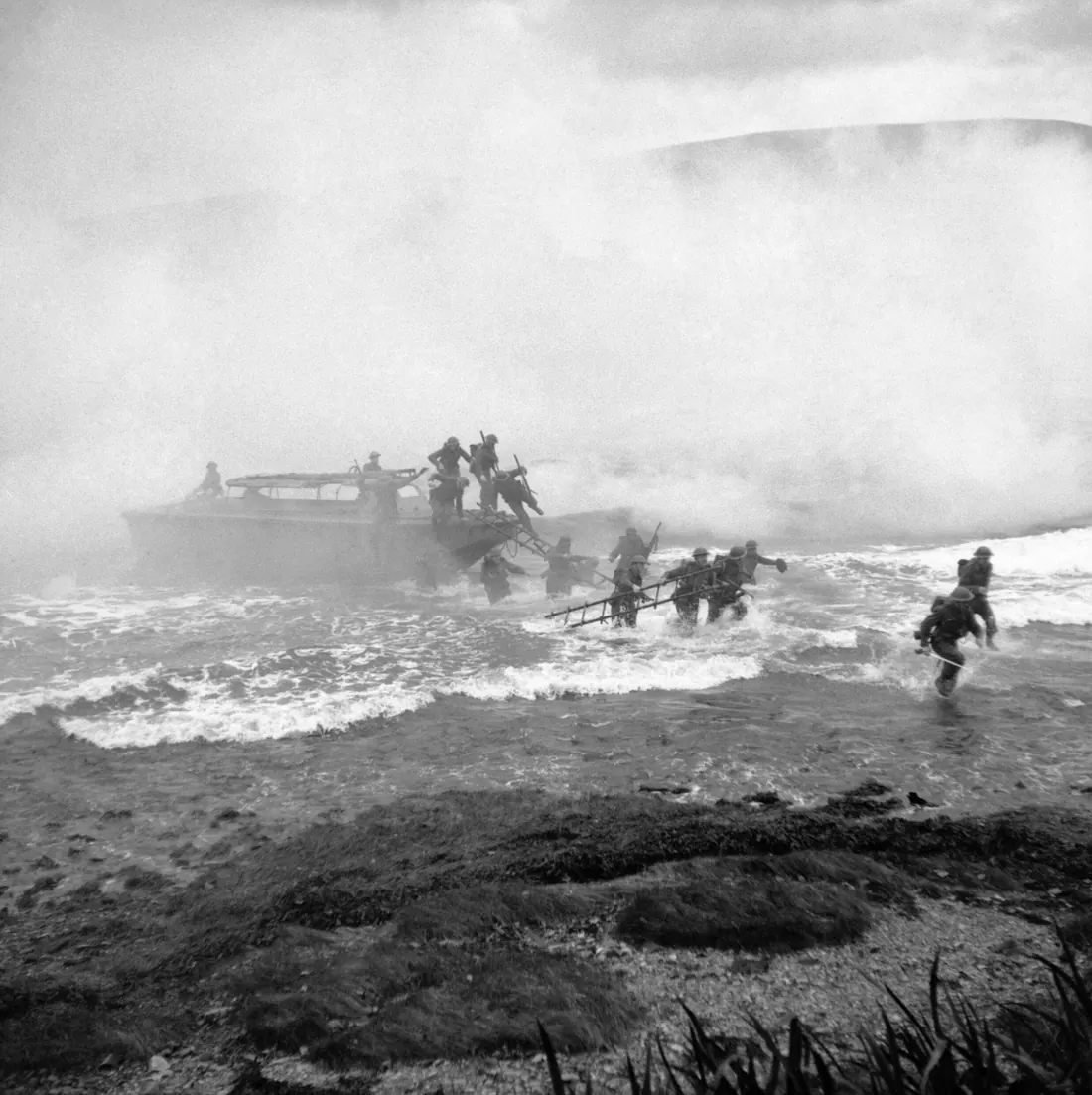
On December 27, 1941, in the raid on Vågsøy in Norway, he led the landing force ashore playing his bagpipes. At Salerno, Italy, in September 1943, he and one corporal reportedly took 42 prisoners, with Churchill carrying his sword; the Telegraph credits his unit with capturing the village of Pigoletti and its garrison of 42 men. He was recommended for the Victoria Cross and received the Distinguished Service Order.
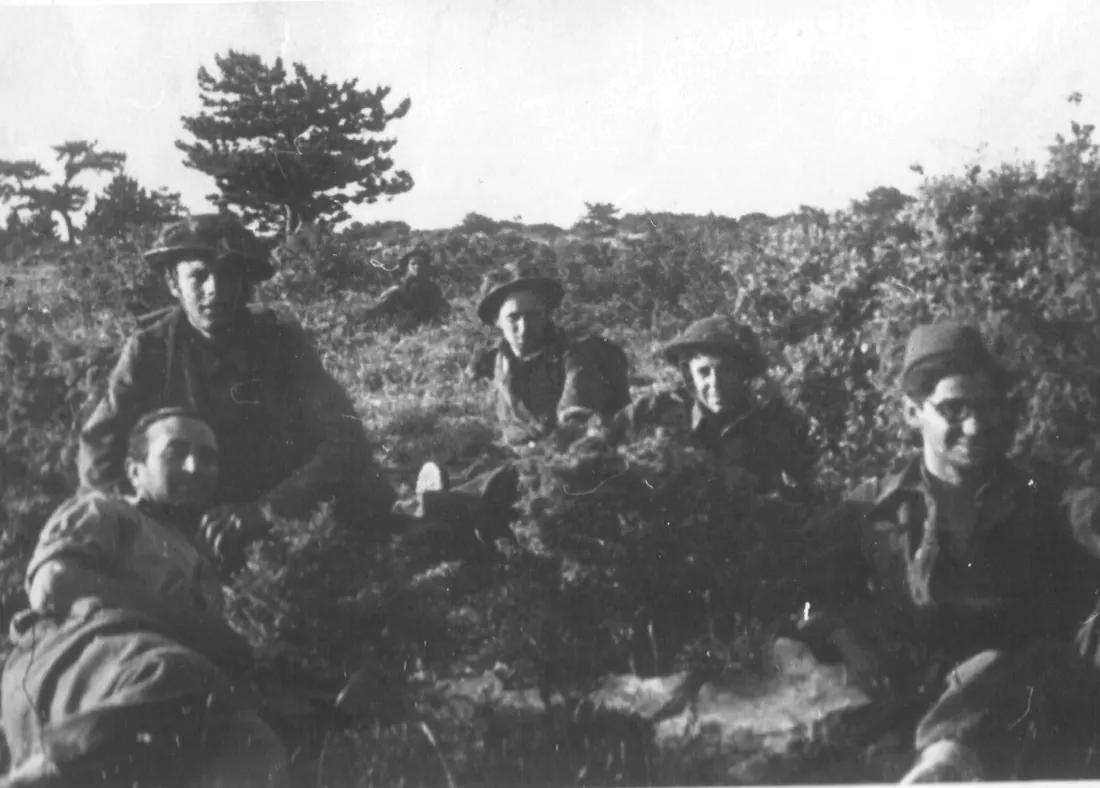
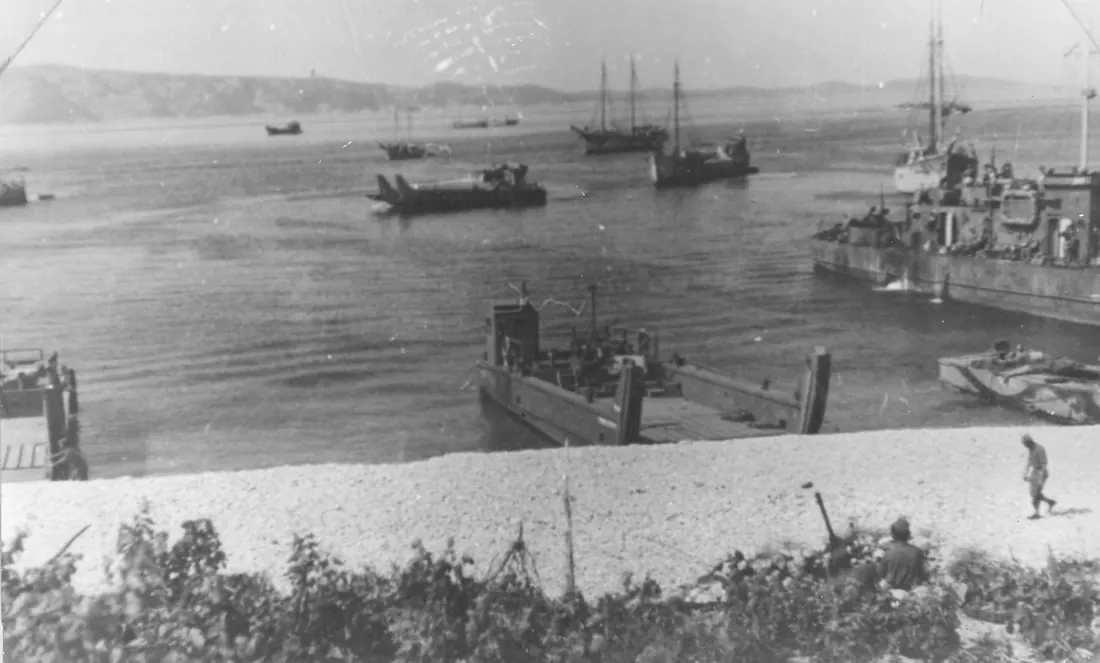
In June 1944, on the island of Brač in Yugoslavia, he led No 40 Commando in a night attack, playing his pipes. A mortar shell killed or wounded everyone around him, and he kept playing until grenades knocked him unconscious. He was captured. The Germans thought, wrongly, that he was related to Winston Churchill, and had him flown to Berlin for interrogation.
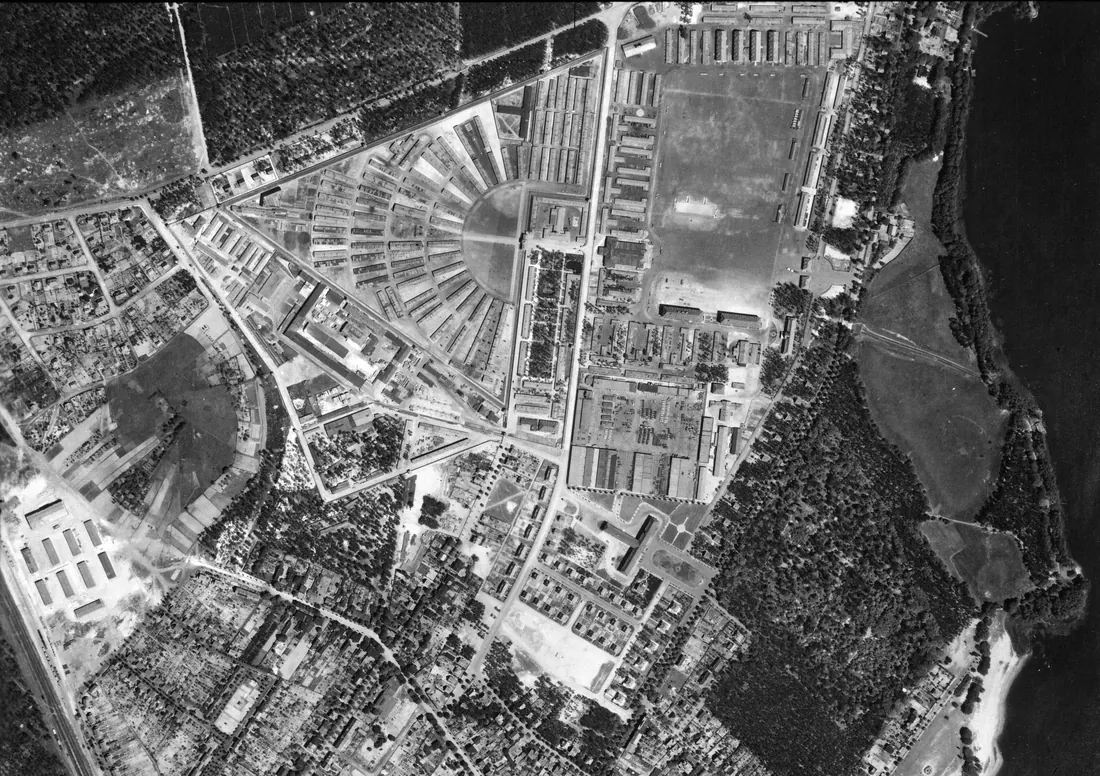
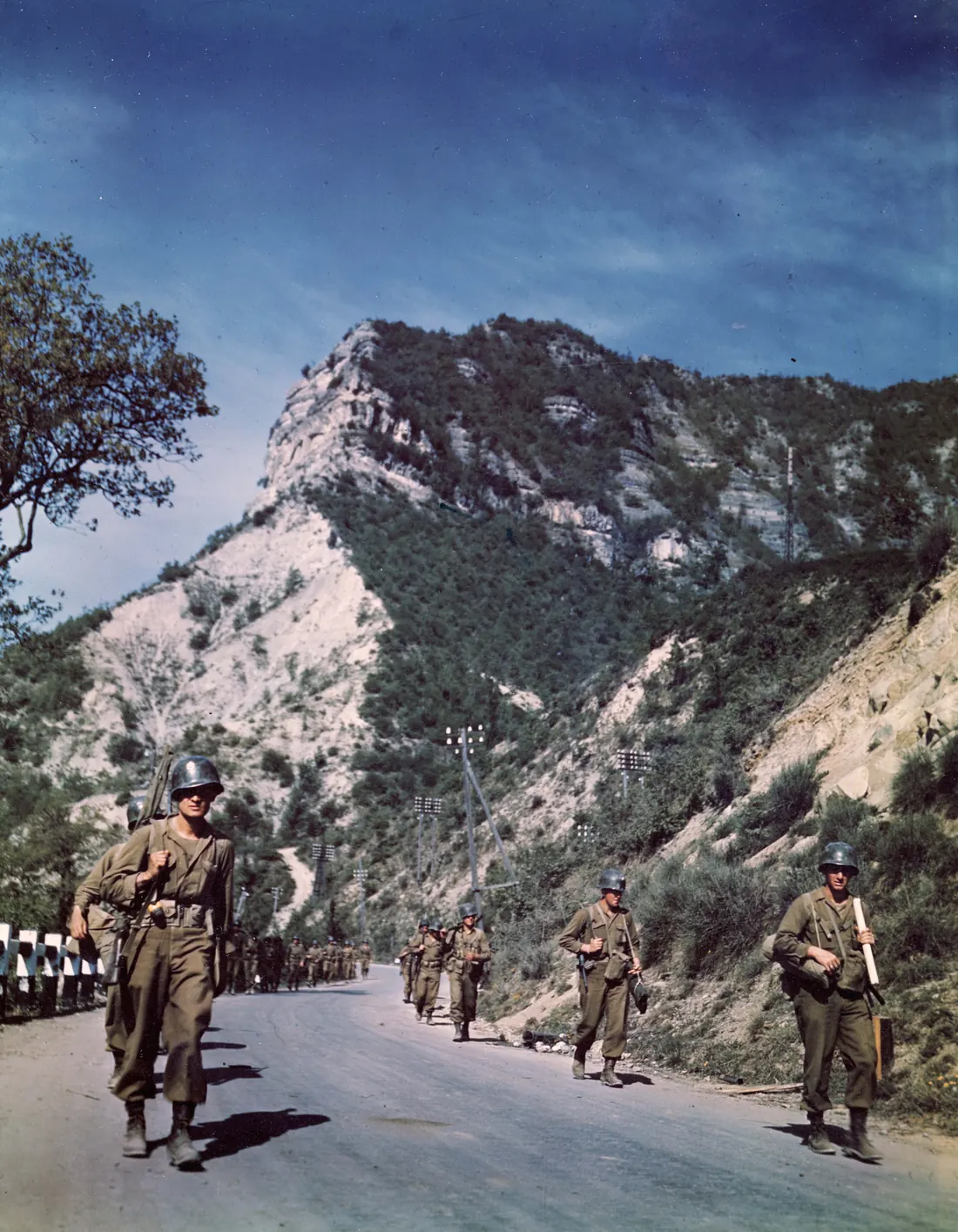
He was held in Sachsenhausen concentration camp, near Berlin. With an RAF officer he tunneled out, but was recaptured near Rostock. In 1945 he escaped again, crossed the Alps and reached American troops. He was posted to the brigade preparing to invade Japan, but the war ended, “much to his regret, as he wanted to be killed in battle.” He died in 1996, aged 89.
Fact check
The facts and where they come from
- He went to war with a sword, a longbow and bagpipes. Wikipedia: “he fought in the Second World War with a broadsword, longbow, and a set of bagpipes.” The Telegraph: he went to France “taking with him his bow and arrows which he used on patrols against the Germans in front of the Maginot Line,” and at Vaagso he “carried his bow and arrows and armed himself with a broad-hilted claymore.” 31
- It worked: he won the Military Cross for l’Epinette in 1940 and the DSO for Salerno in 1943. The Telegraph: “Churchill was awarded the MC in the retreat at the Battle of l’Epinette,” and for Salerno he was “recommended for the VC but eventually received the DSO.” The arrow kill and the 42 prisoners, below, are reported, not certain. 13
- His name was Jack Churchill (John Malcolm Thorpe Fleming Churchill), and his men called him Mad Jack. The Telegraph writes of “the admiration and devotion of those under his command, who nicknamed him ‘Mad Jack’.” 13
- In France in 1940, the Germans trapped his company. The Telegraph: “After the Germans attacked in France, Churchill was awarded the MC in the retreat at the Battle of l’Epinette (near Bethune) where his company was trapped by German forces.” The German attack on France lasted from May 10 to June 25, 1940 (Wikipedia, Battle of France). 15
- He fought back with machine guns, and his bow. The Telegraph: “Churchill fought back with two machine guns (and his bow) until ammunition was exhausted.” 1
- He reportedly killed a German with an arrow. The Telegraph lists “killing with a bow and arrow” among his exploits, and HistoryNet calls it “the only known long bow kill of the war.” But Wikipedia says “A common story is that Churchill killed a German with a longbow,” and that Churchill himself later said “his bows had been crushed by a lorry earlier in the campaign” (citing Owen, Commando, 2012). Hence “reportedly.” 143
- In Norway he led commandos ashore playing the bagpipes, in Operation Archery at Vågsøy on December 27, 1941. The Telegraph: he “led the landing force ashore with his bagpipes.” Wikipedia, citing the BBC’s Great Raids of World War II: “As the ramps fell on the first landing craft, Churchill and his Commando leapt forward,” while he was playing “March of the Cameron Men.” The date is from Wikipedia’s Operation Archery article. 136
- In Italy, with his sword and one corporal, he reportedly took 42 prisoners. Wikipedia, citing Parker’s Commandos: “With the help of a corporal, he infiltrated the town, captured the post and took 42 prisoners including a mortar squad,” and he later “walked back to the town to retrieve his sword, which he had lost in hand-to-hand combat.” HistoryNet: “At Salerno Churchill personally captured 42 German prisoners,” with only his sword and a corporal. The Telegraph gives the unit’s version: “They captured the village of Pigoletti and its garrison of 42 men as well as an 81 mm mortar and its crew.” The Salerno landings began on September 9, 1943 (Wikipedia, Allied invasion of Italy). 3417
- In Yugoslavia, a mortar shell killed or wounded everyone around him, and he kept playing the bagpipes until grenades knocked him out. Wikipedia: “A mortar shell killed or wounded everyone but Churchill,” who was playing “Will Ye No Come Back Again?”; he was then “knocked unconscious by grenades” and captured. HistoryNet gives the same account. The Telegraph: “Playing his pipes, Churchill led No 40 Commando in a night attack which reached the top of the objective where he was wounded and captured.” The IWM interview’s contents list “use of bagpipe tune as signal” and “wounding and capture by German forces on Brac Island, 2/6/1944.” 3412
- The Germans thought he was related to Winston Churchill; he wasn’t. The Telegraph: “The Germans thought, wrongly, that Churchill must be a relation of the Prime Minister.” Wikipedia: “Believing that he might be related to Winston Churchill (which he was not), German military intelligence had Churchill flown to Berlin for interrogation.” 13
- He ended up in a concentration camp near Berlin. The Telegraph: “Eventually he was imprisoned in Sachsenhausen Camp, near Berlin.” IWM: “prisoner of war in Sachsenhausen Concentration Camp in Germany, 7/1944-4/1945.” 12
- He escaped through a tunnel, but was caught. The Telegraph: “Churchill tunnelled out of the camp with an RAF officer, but was recaptured.” The IWM interview’s contents: “account of construction of escape tunnel … escape through tunnel … circumstances of recapture by German authorities near Rostock.” HistoryNet: they “managed to tunnel out and escape in September of 1944.” 124
- So he escaped again, over the Alps to American troops. The Telegraph: he escaped when the floodlights failed and “walked across the Alps near the Brenner Pass. He then made contact with an American reconnaissance column in the Po Valley.” HistoryNet: he slipped away in April 1945, “heading towards the Alps,” and was found “by an American reconnaissance unit.” 14
- He survived it all, and was sorry when the war ended. The Telegraph: he was posted to the brigade preparing to invade Japan, “but the war ended - much to his regret, as he wanted to be killed in battle.” The obituary is of a man “who has died aged 89”; Wikipedia gives the date, March 8, 1996. 13
Sources
- Lieutenant-Colonel Jack Churchill (obituary, March 13, 1996; archived copy) The Daily Telegraph
- Interview with John Malcolm Thorpe Fleming Churchill (1986, catalogue number 9231) Imperial War Museums
- Jack Churchill Wikipedia
- The Daring Exploits of ‘Mad Jack’ Churchill (Chuck Lyons) HistoryNet
- Battle of France Wikipedia
- Operation Archery Wikipedia
- Allied invasion of Italy Wikipedia
Notes
The longbow kill is the shakiest claim. The Telegraph obituary and HistoryNet state it, Wikipedia calls it “a common story,” and Churchill himself said his bows had been crushed earlier in the 1940 campaign. So we say “reportedly.”
The 42 prisoners: the version with one corporal and a sword comes from later books (Parker, cited by Wikipedia; HistoryNet), while the Telegraph credits his unit with taking the 42-man garrison of Pigoletti. Hence “reportedly.” Some retellings give 41 to 43, or 136 (a separate, later action); we use only 42.
The final escape: the Telegraph says he escaped from a camp in Austria and walked over the Alps; HistoryNet says he slipped away from Niederdorf and hopped trains toward the Brenner Pass; Wikipedia describes the SS moving about 140 prominent prisoners to the Tyrol. We say only that he escaped again, crossed the Alps and reached American troops, which every version supports. We give no distance: the “150 miles” in some retellings has no reliable source.
“He wasn’t” related to Winston Churchill: both the Telegraph and Wikipedia say so.
Left out: the “improperly dressed” sword quote and the “those damned Yanks” quote (both found only in later retellings), the kilt, his surfing on the Severn bore, and his birthplace (Colombo per Wikipedia, Surrey per the Telegraph).
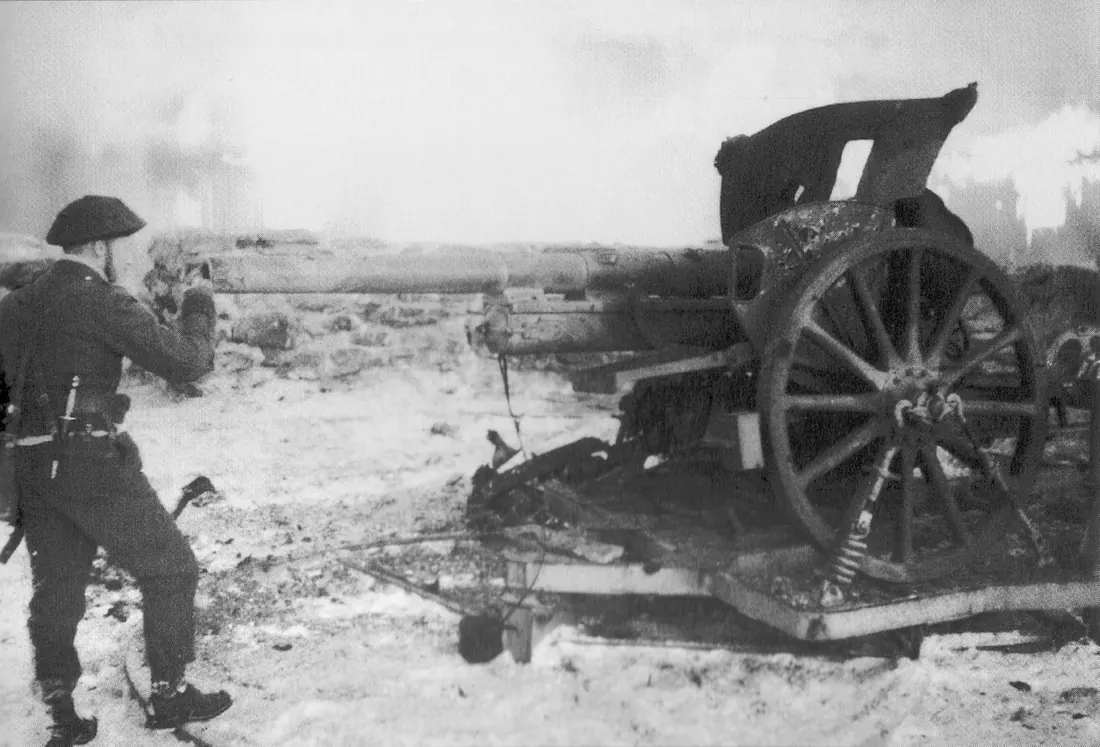
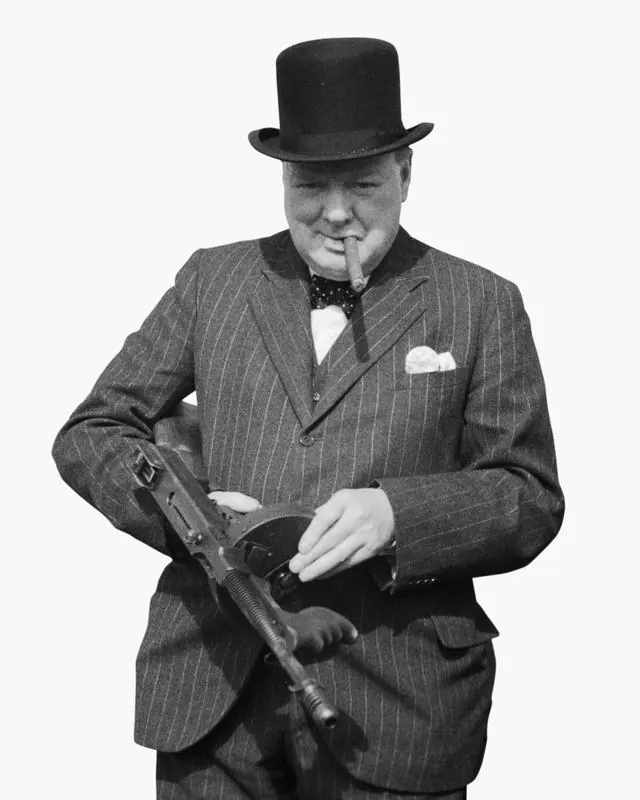
Pictures: only two photos certainly show Churchill himself, both War Office photos: Maj. Churchill examining a captured Belgian 75 gun, and commandos coming ashore in training at Inveraray in October 1941 (IWM H 14597), where he is the officer with the sword at far right. No portrait of him is shown: the portraits on Wikimedia Commons have no clear source, so they fail our rights rule. The 1940 France, Vaagso, Salerno, Brač, Sachsenhausen (an aerial photo from 1943) and US Army photos show the places, times and units of his story, not Churchill himself, and the longbow is a modern yew longbow, not his.
Photo credits
The archive photos in this story
All the photographs and illustrations in this story are in the public domain. Tap one to enlarge it, or follow the link to its Wikimedia Commons page for the full record. The narration, music, captions and graphics in the Short are our own.