
In May 1782, as the Revolutionary War raged on, Deborah Sampson enlisted in the Continental Army in Uxbridge, Massachusetts, disguised as a man. She joined the Fourth Massachusetts Regiment and served, in her own sworn words of 1818, “as a private soldier, under the name of Robert Shurtleff.”
In June or July 1782 she was in combat near Tarrytown, New York. She took a sword cut to her forehead and was shot in her left thigh. Not wanting her identity revealed, she let the doctors treat her head wound, then slipped out of the field hospital unnoticed. She then reportedly dug one of the bullets out of her thigh herself, with a penknife and a sewing needle; the story comes from Herman Mann’s 1797 biography of her. The other was lodged too deep, and her leg never fully healed. Years later a neighbor’s statement for her pension claim said she was often unable to work because of “a musket-ball lodged in her body, which was never extracted.”
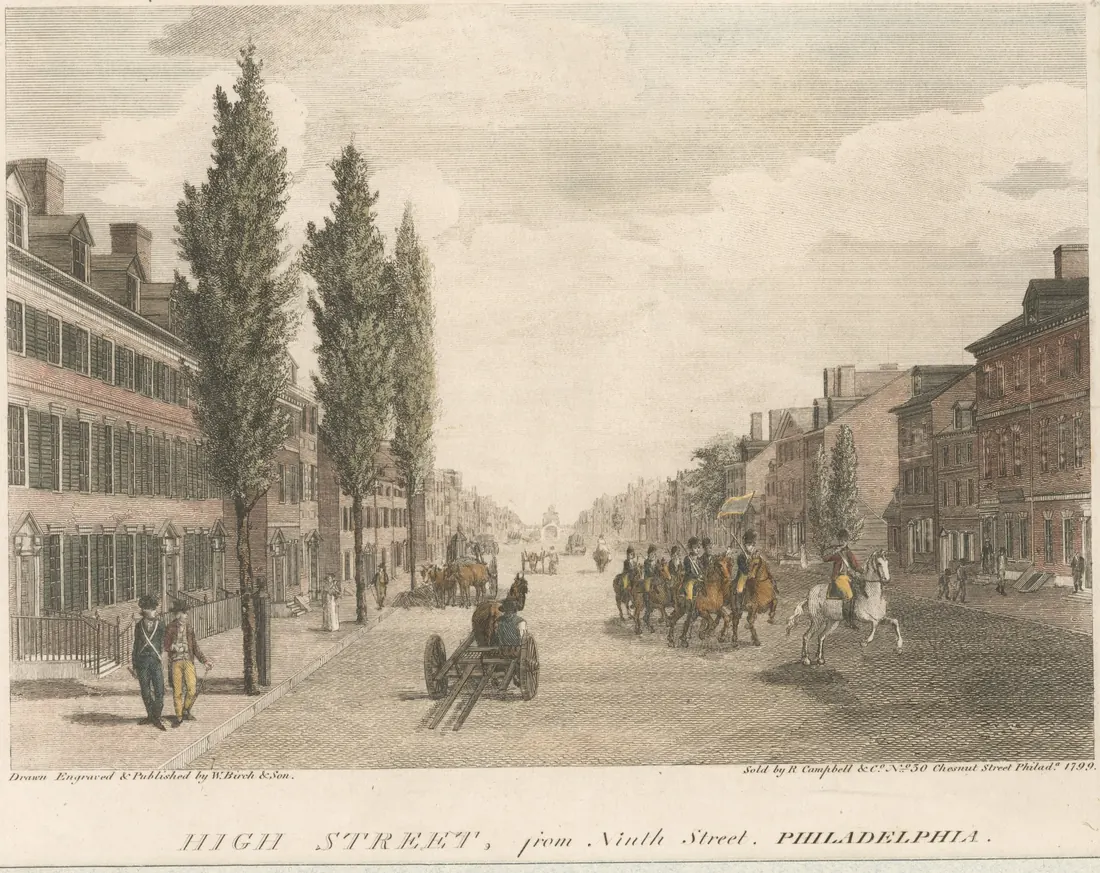
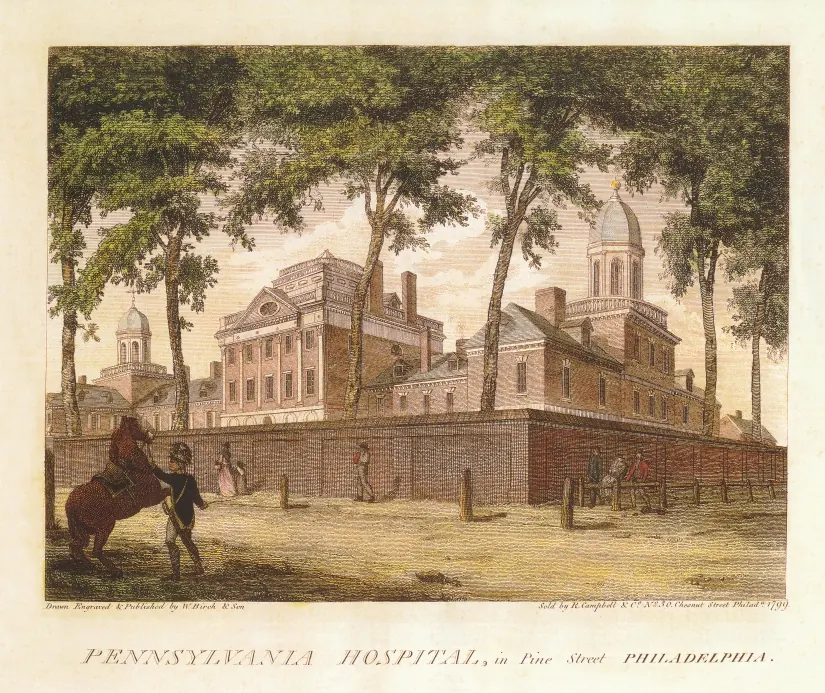
A year later, in the summer of 1783, she was on duty in Philadelphia when she caught a fever during an epidemic and lost consciousness. The doctor who treated her, Barnabas Binney, discovered the cloth she used to bind her breasts. Other women who had posed as men to serve in the army were reprimanded. Sampson was honorably discharged at West Point, New York, by Gen. Henry Knox.
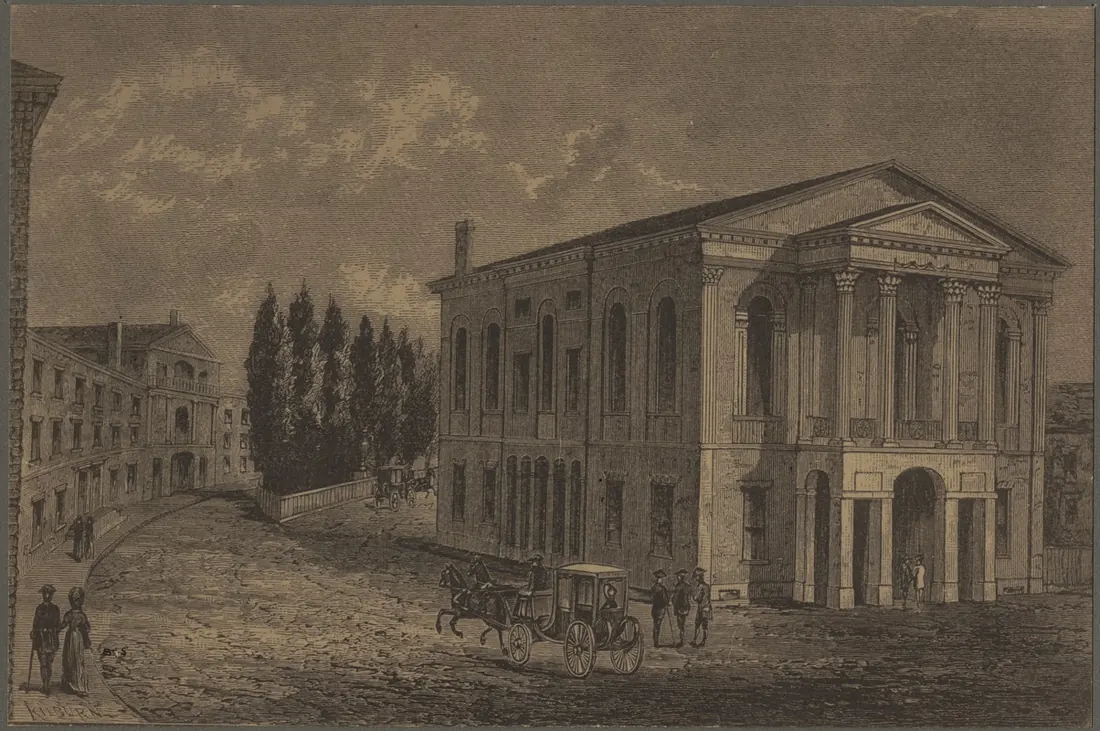
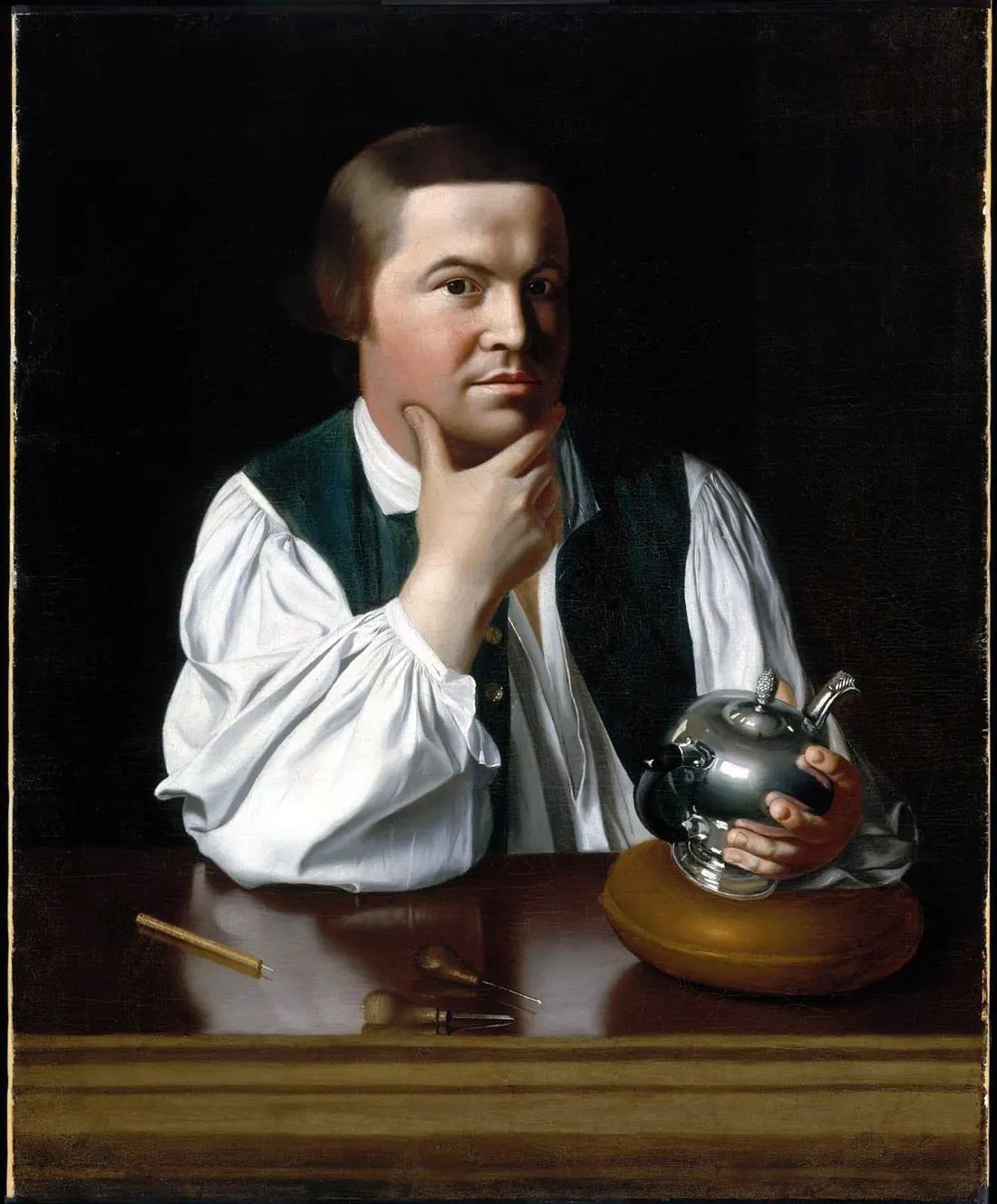
In 1802 she began giving lectures about her service, opening with four nights at the Federal Street Theatre in Boston, beginning March 22. During the show she left the stage and came back in her army uniform to perform “a complicated and physically taxing military drill and ceremony routine.” Paul Revere wrote letters to government officials asking that she be given a pension for her service and her wounds, and Congress placed her on the invalid pension roll at four dollars a month. On May 23, 1983, Massachusetts proclaimed her the Official Heroine of the Commonwealth.
Fact check
The facts and where they come from
- She reportedly dug a bullet out of her own leg, so no one would find out she was a woman. American Battlefield Trust: “Not wanting her identity to be revealed during medical care she permitted physicians to treat her head wound and then slipped out of the field hospital unnoticed, where she extracted one of the bullets from her thigh with a penknife and sewing needle.” National Women’s History Museum: “she extracted the pistol ball herself.” Wikipedia: “She removed the ball herself with a penknife and sewing needle.” The story comes from Herman Mann’s 1797 biography, so we say “reportedly.” 2187
- In 1782 she joined the army disguised as a man named Robert Shurtleff. National Women’s History Museum: “In 1782, as the Revolutionary War raged on, the patriotic Sampson disguised herself as a man named Robert Shurtleff and joined the Fourth Massachusetts Regiment.” Wikipedia: “In May 1782, Sampson enlisted again, this time in Uxbridge, Massachusetts.” Her 1818 testimony: “she served as a private soldier, under the name of Robert Shurtleff.” 183
- Near Tarrytown she was slashed across the forehead and shot in the thigh. Wikipedia: “In June or July 1782, Sampson participated in combat near Tarrytown, New York”; “Sampson was shot in her thigh and sustained a sword cut to her forehead.” National Women’s History Museum: “she received a gash in her forehead from a sword and was shot in her left thigh.” Her 1818 testimony says she “was wounded at Tarrytown.” 813
- A doctor treated her head, but she slipped away before he saw her leg. Wikipedia: “A doctor treated her head wound, but she left the hospital before he could attend to her leg.” The American Battlefield Trust tells it the same way. 82
- Her tools were a penknife and a sewing needle. The American Battlefield Trust and Wikipedia name both, and Mann’s 1797 book says she asked for extra medicine and, with a penknife and a needle, took the ball out of her thigh herself. 287
- Another was too deep, and her leg never fully healed. American Battlefield Trust: “The other bullet was lodged too deep and her leg never fully healed.” Wikipedia: “some of the shot was too deep to reach”; “her leg never fully healed.” A neighbor’s statement for her pension claim, printed in the 1866 edition of Mann’s book, says she was often unable to work because of “a musket-ball lodged in her body, which was never extracted.” 287
- A year later, in Philadelphia, she caught a fever and passed out. American Battlefield Trust: “Her identity was finally revealed during the summer of 1783 when she contracted a fever while on duty in Philadelphia.” National Women’s History Museum: “in Philadelphia, when she became ill during an epidemic, was taken to a hospital, and lost consciousness.” Wikipedia: “After Sampson fell unconscious due to fever.” 218
- A doctor found out her secret. Wikipedia: Dr. Barnabas Binney “discovered the cloth she used to bind her breasts.” American Battlefield Trust: “The physician who treated her kept her secret and cared for her.” 82
- Instead of punishment, she got an honorable discharge. Wikipedia: “In other cases, women who pretended to be men to serve in the army were reprimanded, but Paterson gave her a discharge”; “She was honorably discharged at West Point, New York, by General Henry Knox.” National Women’s History Museum: “Receiving an honorable discharge.” American Battlefield Trust: “she was given an honorable discharge from the army by Henry Knox.” 812
- Later she toured as a lecturer, doing army drills on stage in uniform. Wikipedia: “In 1802, Sampson began giving lectures about her wartime service”; “she left the stage, returned in her army uniform, then proceeded to perform a complicated and physically taxing military drill and ceremony routine.” National Women’s History Museum: “in 1802 she began a year-long lecture tour about her experiences.” Her printed address was “delivered with applause, at the Federal-Street Theatre, Boston, four successive nights … beginning March 22, 1802.” 815
- Even Paul Revere wrote letters for her. Wikipedia: “Revere also wrote letters to government officials on her behalf, requesting that she be awarded a pension for her military service and her wounds.” National Archives: “Her petition was supported by Paul Revere”; “Paul Revere wrote in on her behalf.” 834
- Congress finally gave her a soldier’s pension. Wikipedia: “Congress approved the request and placed Sampson on the Massachusetts Invalid Pension Roll at the rate of four dollars a month.” National Archives: “she received a disability pension of four dollars per month.” 84
- Today Massachusetts calls her its official heroine. Wikipedia: “She was proclaimed the Official Heroine of the Commonwealth of Massachusetts on May 23, 1983.” Massachusetts State Library: “An Act Designating Deborah Sampson The Official Heroine Of The Commonwealth.” 86
Sources
- Deborah Sampson (Debra Michals, 2015) National Women’s History Museum
- Deborah Sampson American Battlefield Trust
- Testimony of Deborah Sampson Gannett, September 14, 1818 (her Revolutionary War pension file S 32722, National Archives) DocsTeach (National Archives Foundation)
- File for Deborah Sampson Gannett (National Archives) DocsTeach (National Archives Foundation)
- Her address, “delivered with applause, at the Federal-Street Theatre, Boston,” 1802 Internet Archive
- 1983 House Bill 2823: An Act Designating Deborah Sampson the Official Heroine of the Commonwealth Massachusetts State Library
- The Female Review: Life of Deborah Sampson (Herman Mann, 1797; 1866 edition with John Adams Vinton’s introduction) Internet Archive
- Deborah Sampson Wikipedia
Notes
The self-surgery is not in her service or pension records; her 1818 testimony says only that she “was wounded at Tarrytown.” It comes from Herman Mann’s The Female Review (1797), a biography written with her help that embellished other episodes. The National Women’s History Museum, the American Battlefield Trust and Alfred F. Young’s biography Masquerade (2004, via Wikipedia) repeat it as fact, so we say “reportedly.” A neighbor’s later statement that a musket ball stayed in her body supports the wound itself.
One ball or more: “the pistol ball” (National Women’s History Museum), two bullets, one too deep (American Battlefield Trust), or “some of the shot” (Wikipedia). We say she dug out one ball and another was too deep.
Her alias is spelled Shurtleff (the National Women’s History Museum and her own 1818 testimony), Shurtliff (American Battlefield Trust) or Shirtliff (Wikipedia and the Massachusetts muster rolls). We use Shurtleff.
When she enlisted: May 1782, by the records (Wikipedia). Her 1818 testimony says April 1781 and claims she was at the capture of Cornwallis at Yorktown, which a neighbor’s diary found in 2019 casts doubt on (National Women’s History Museum). We leave Yorktown out.
The pension: March 11, 1805 (Wikipedia) or 1809 (National Archives); we give no year. The National Women’s History Museum calls her “the only woman to earn a full military pension,” while the National Archives says she was one of two women with a federal pension, with Margaret Corbin. We use neither claim.
“The first woman to go on a lecture tour”: the National Women’s History Museum says she was “the first woman in America to do so”; Wikipedia says she was “one of the first women.” We make no “first” claim.
The discharge date is October 23 (National Women’s History Museum) or October 25, 1783 (Wikipedia). Dr. Binney kept her secret at first, by the American Battlefield Trust’s account, and later sent a letter that revealed it to Gen. Paterson (Wikipedia). Paul Revere’s 1804 letter to Congressman William Eustis is quoted differently in different transcriptions, so we quote none of it.
Left out: her first, failed enlistment as “Timothy Thayer,” her marriage and children, and the statue in Sharon (a copyrighted sculpture, not shown).
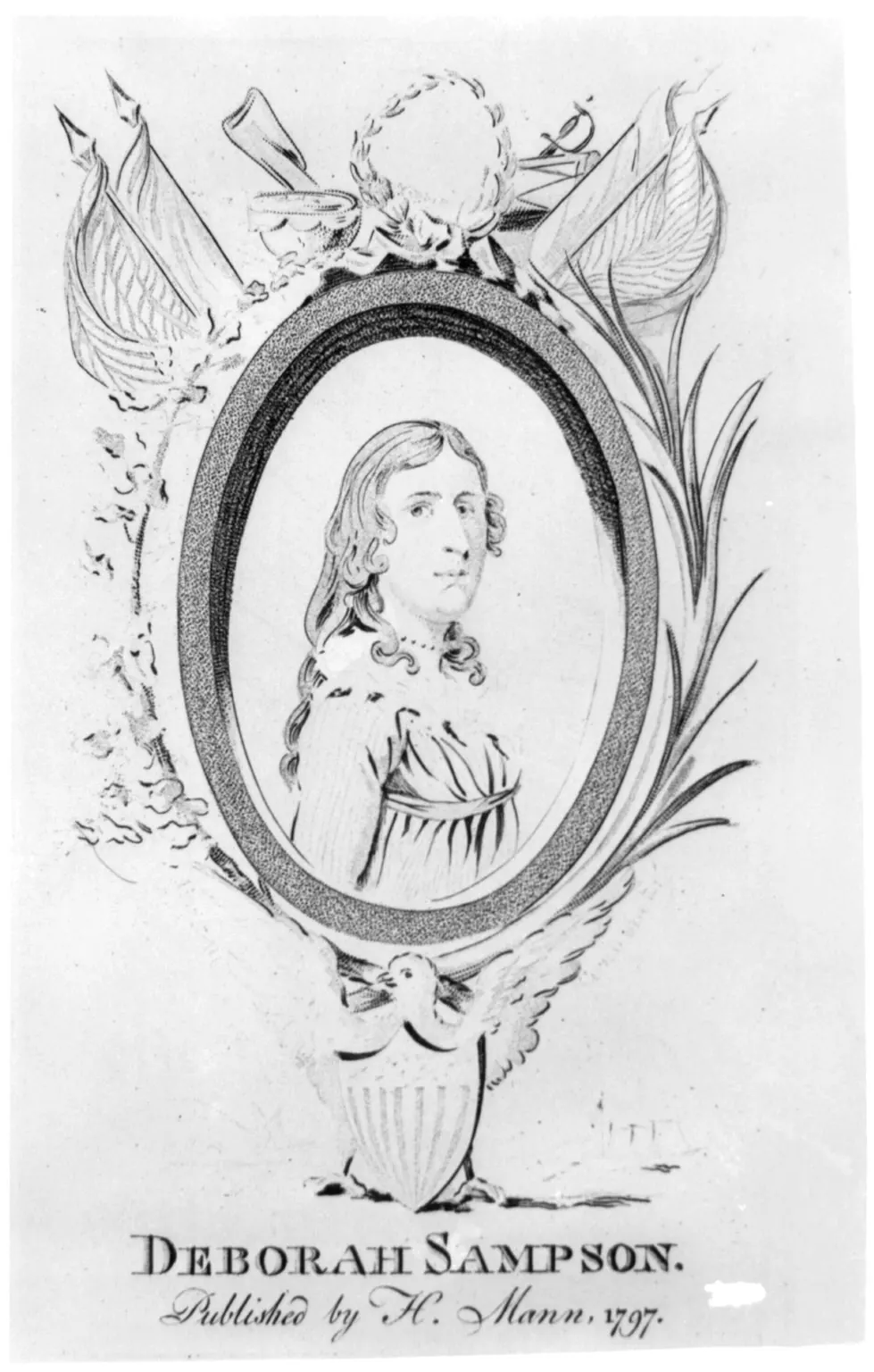
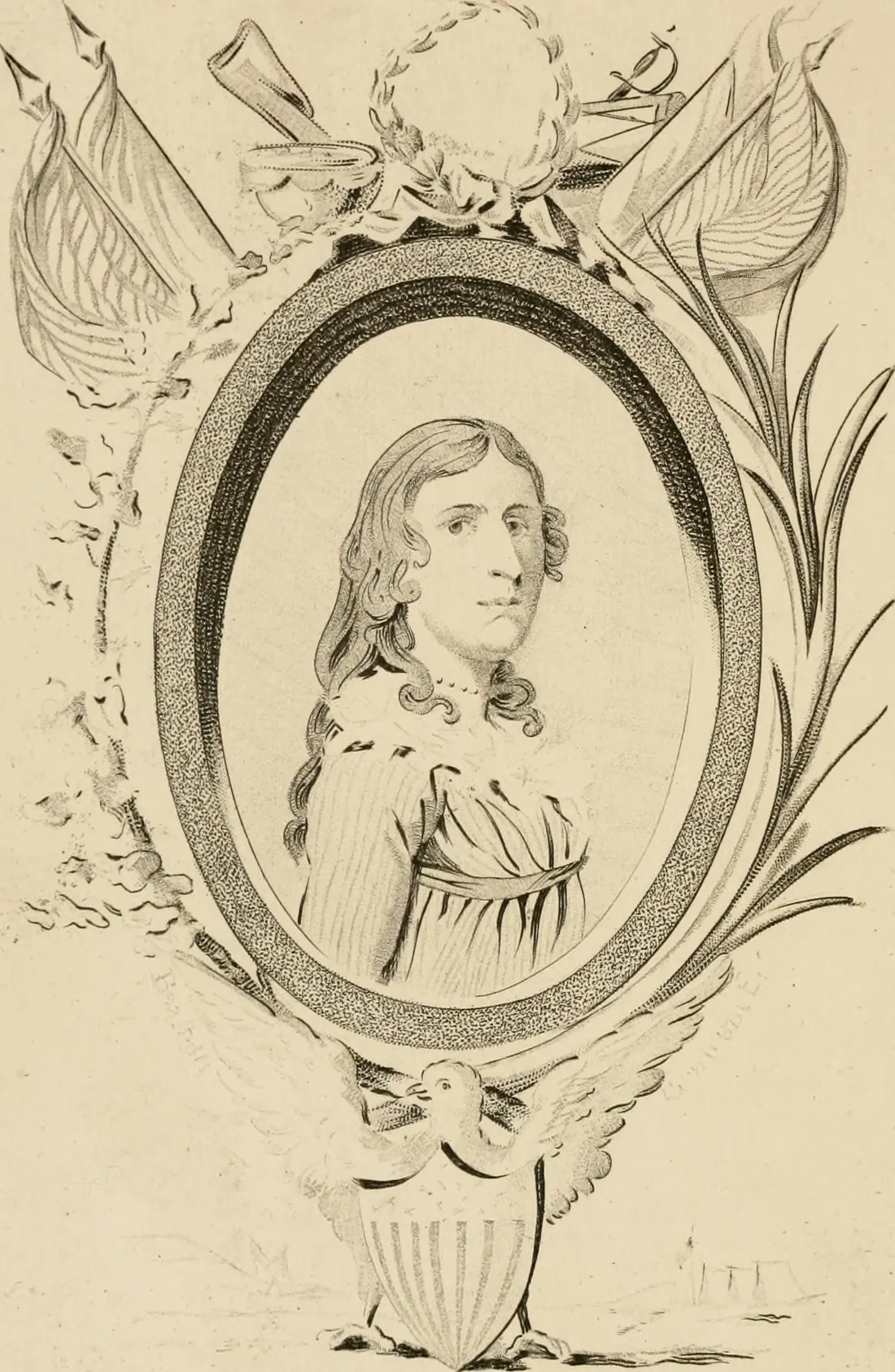
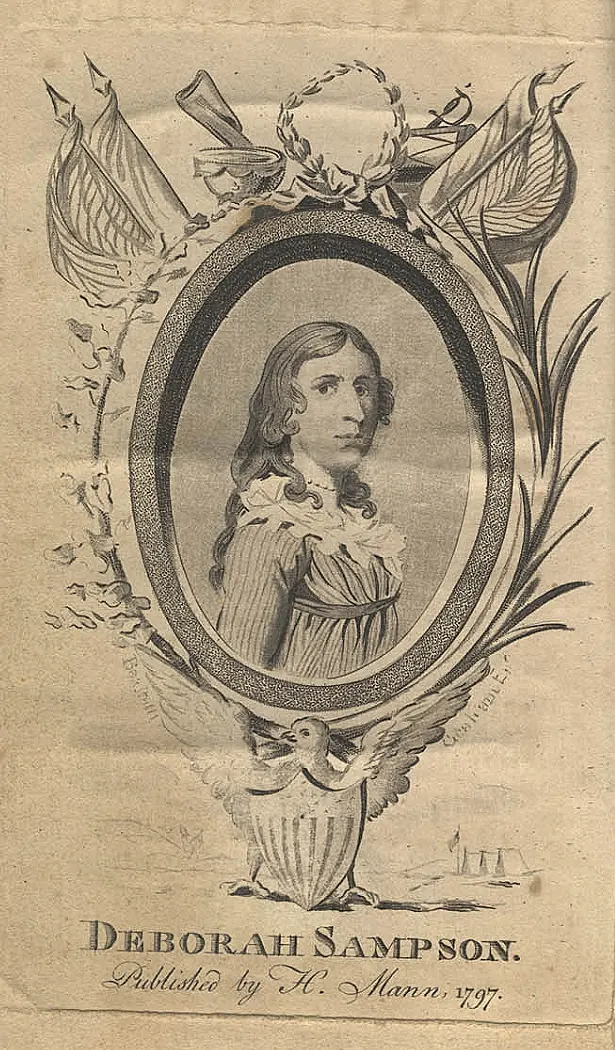
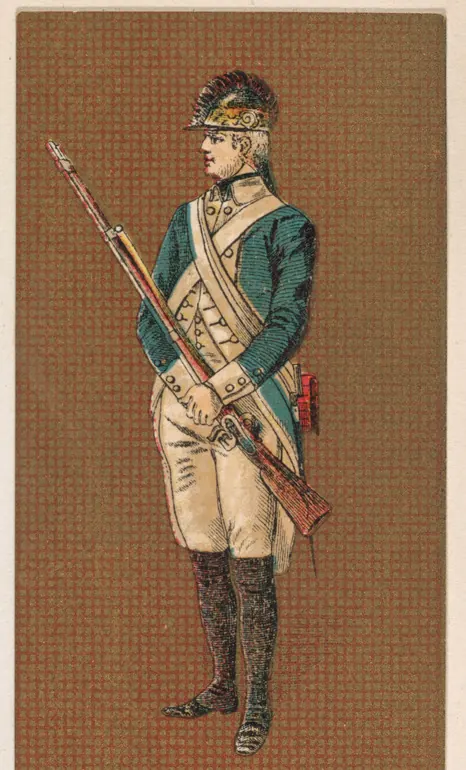
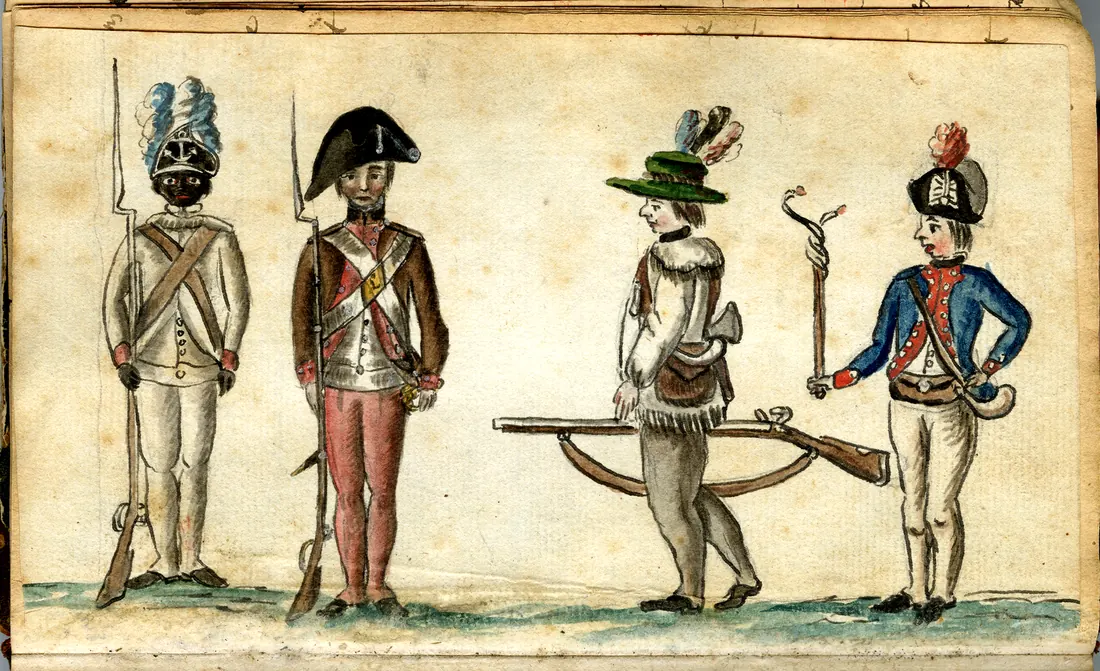
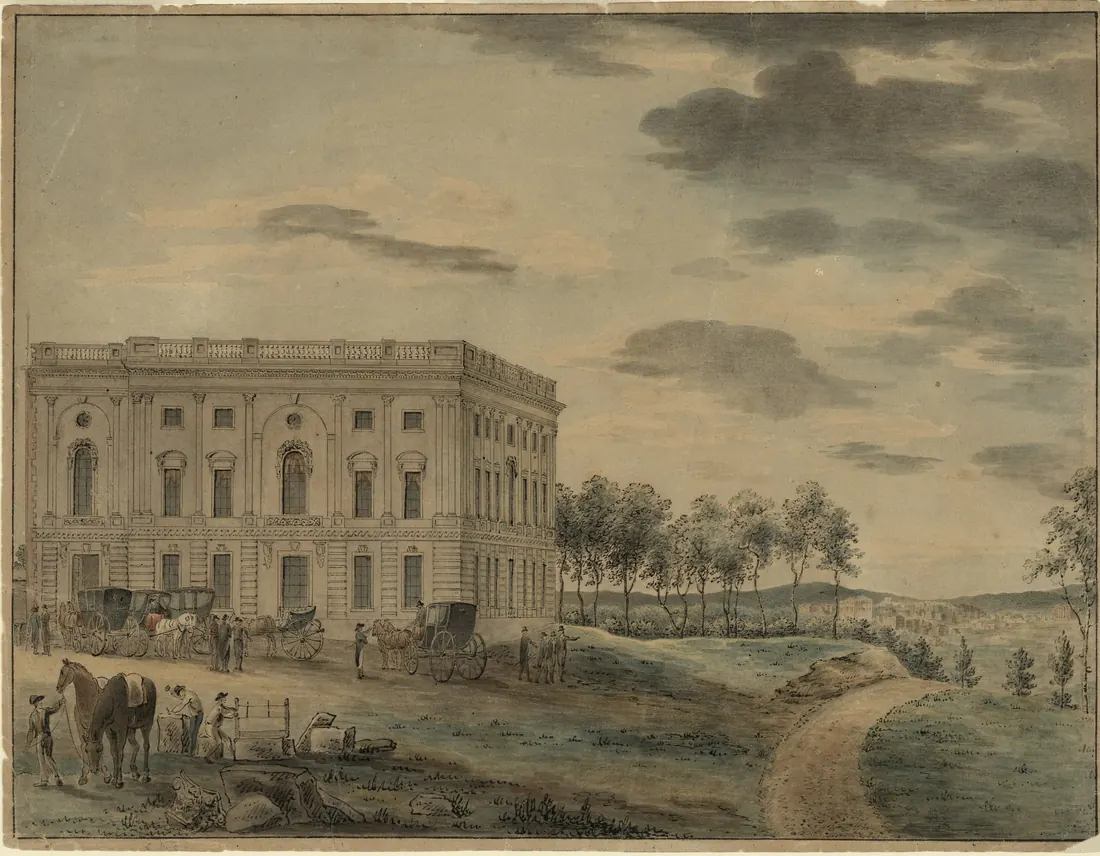
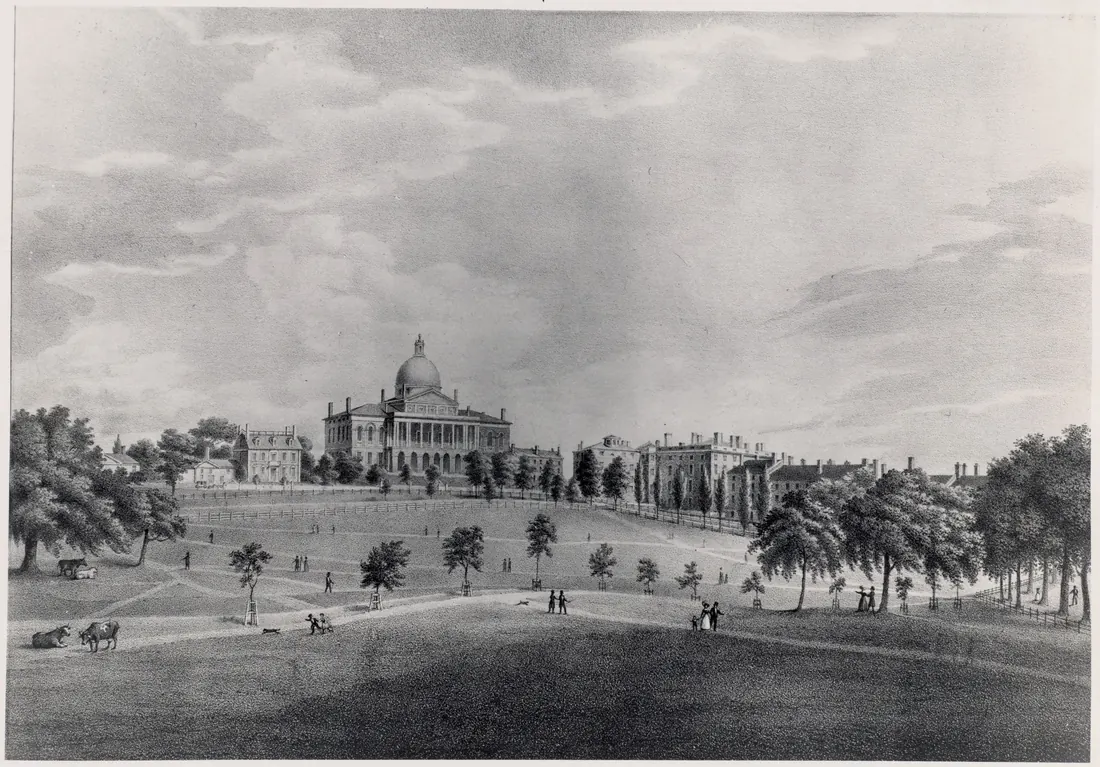
Pictures: the only portrait of her made in her lifetime is George Graham’s engraving, after William Beastall’s drawing of Joseph Stone’s painting, published in Mann’s book in 1797; it appears here three times (the Library of Congress print, the 1866 edition and the 1797 book itself). The 1888 tobacco card “American Light Infantry, 1782” stands in for her disguise; it is not her likeness. De Verger’s 1781 watercolor shows Continental soldiers before she enlisted. William Birch’s 1799 views show Philadelphia; the Pennsylvania Hospital is shown for the city, not as the place where she was treated. The Federal Street Theatre engraving was published in 1898, Copley painted Paul Revere in 1768, and Birch’s view of the Capitol dates from about 1800.
Photo credits
The archive photos in this story
All the photographs and illustrations in this story are in the public domain. Tap one to enlarge it, or follow the link to its Wikimedia Commons page for the full record. The narration, captions and graphics in the Short are our own; its music and sound effects are credited below.
Music and sound effects
Music: Mussorgsky, Pictures at an Exhibition: IV. Bydlo (piano) (Musopen, public domain); Grieg, Peer Gynt Suite No. 1, Op. 46: I. Morning Mood (Musopen Symphony Orchestra, public domain).
Sound effects: Freesound, CC0.


































































