
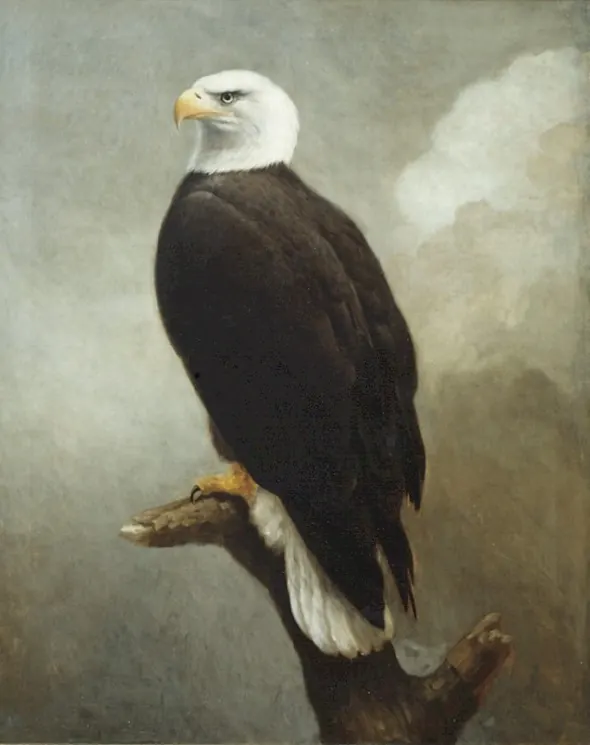
Old Abe was a bald eagle. In 1861 an Ojibwe man, Chief Sky in the Army’s account, traded the eaglet to the McCann family of Eagle Point, Wisconsin, for a bushel of corn. The McCanns sold him to the Eau Claire militia for $2.50, and Capt. John E. Perkins named him Old Abe, after President Lincoln. He became the mascot of the 8th Wisconsin Volunteer Infantry, which was quickly nicknamed the “Eagle Regiment.”
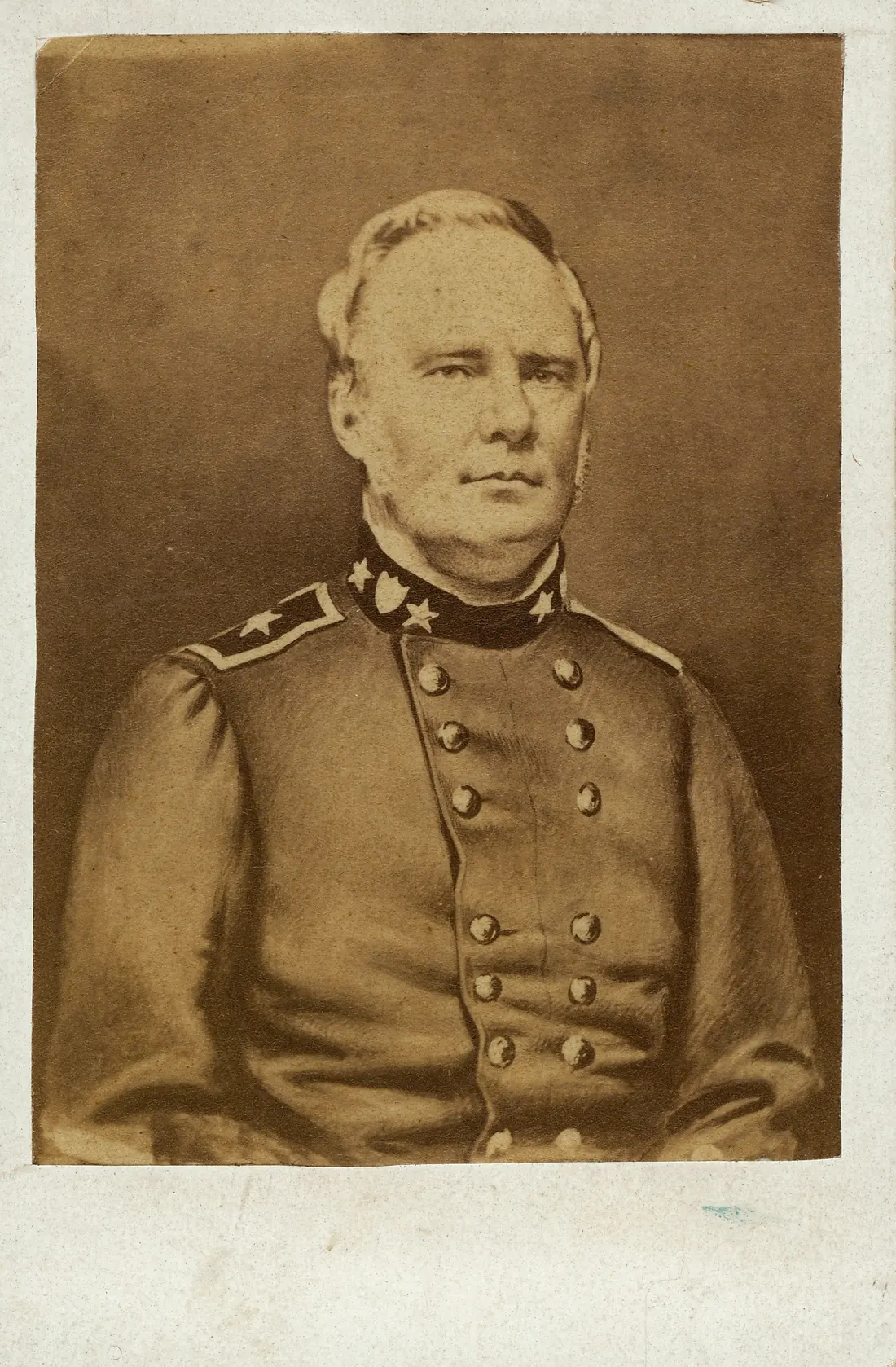
A sergeant carried him into combat on a special perch, alongside the regiment’s national and regimental colors. “He was quite excited always in battle,” his bearer, David McLain, recalled, “and he’d spread his wings and scream but never flew over the lines of either army.” Southern soldiers and civilians called him the “Yankee Buzzard,” and under orders from their officers, Confederate troops made numerous attempts to kill or capture him. Confederate Gen. Sterling Price is said to have declared, “I would rather get that eagle than capture a whole brigade or a dozen battle flags.”
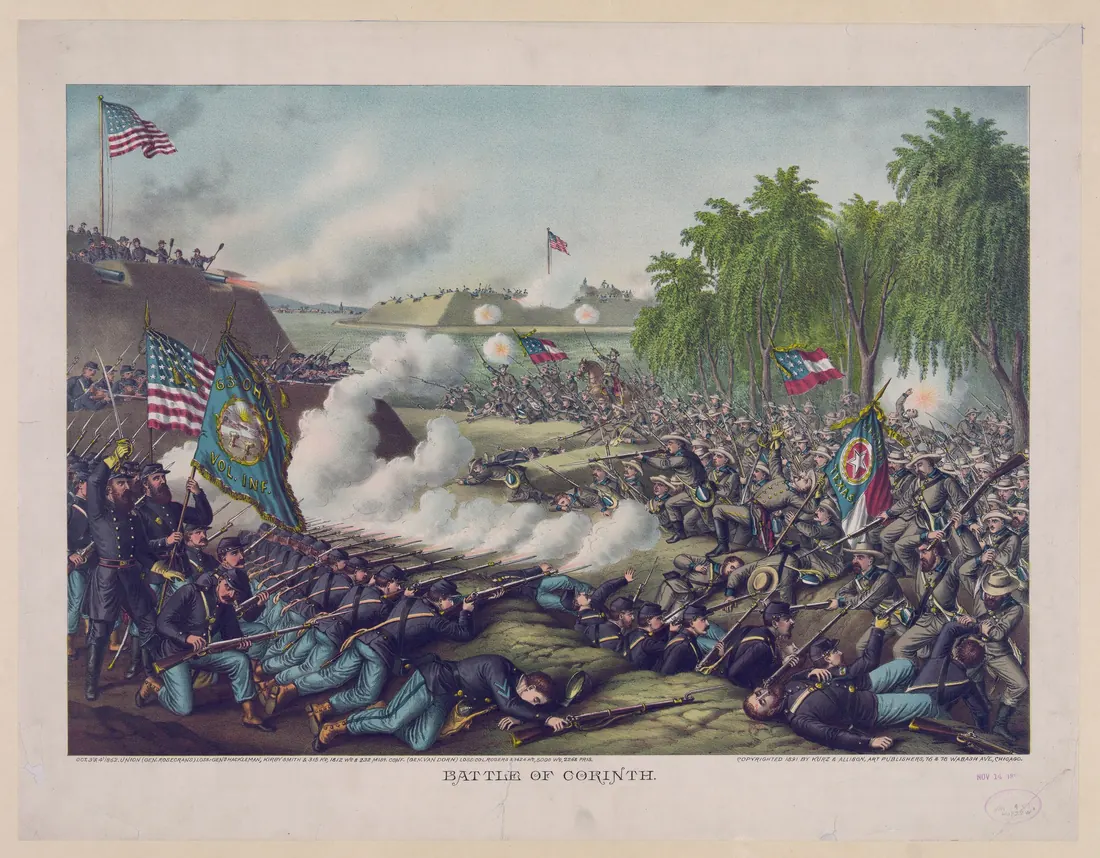
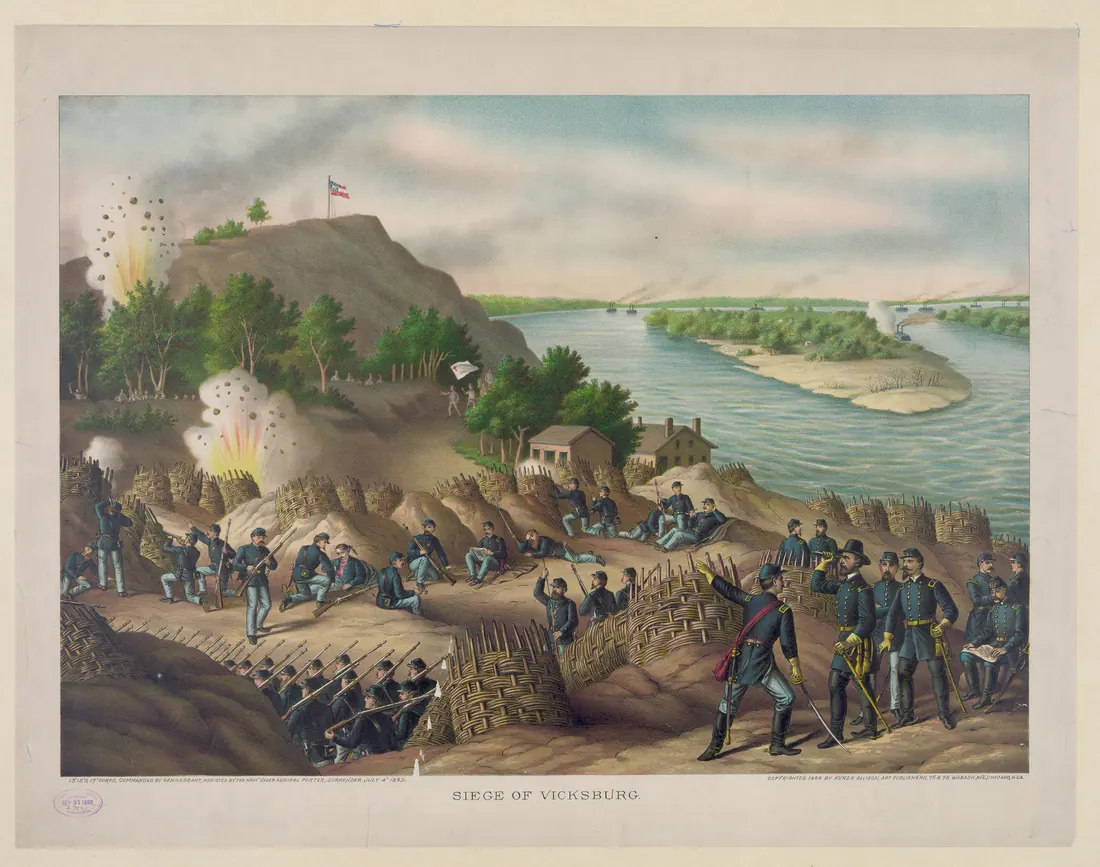
At the Battle of Corinth, Mississippi, in October 1862, a minie ball cut the leather cord that tied him to his perch, setting him loose on the battlefield, and many Confederate soldiers tried to shoot him down. He lost several wing and tail feathers. At Vicksburg a ball traveled down his neck and chest, removing the feathers along its path. The Confederates never succeeded, and by the Wisconsin Historical Society’s count he witnessed 37 battles and skirmishes.
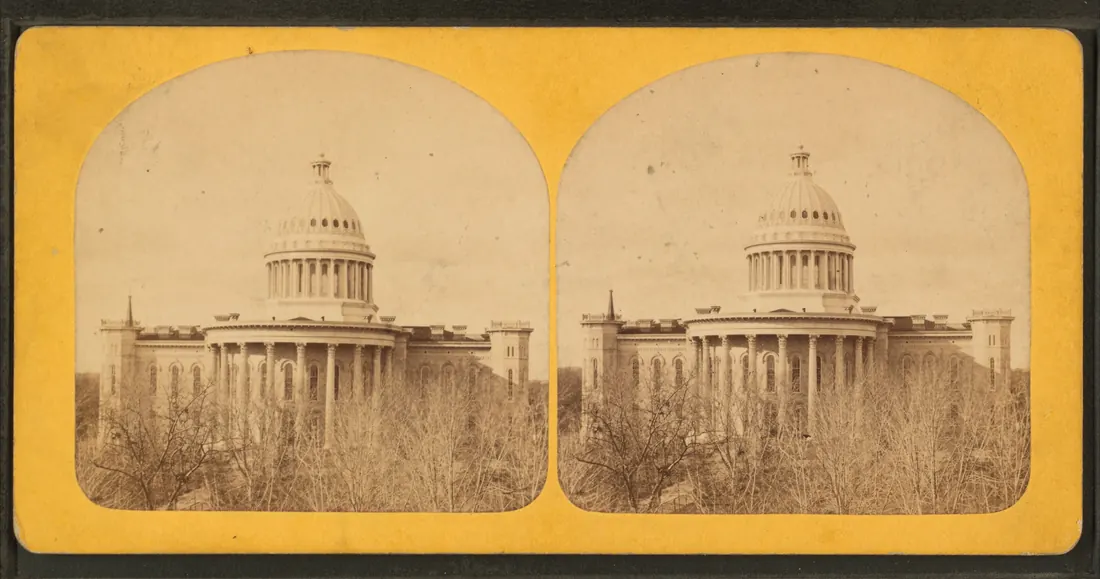
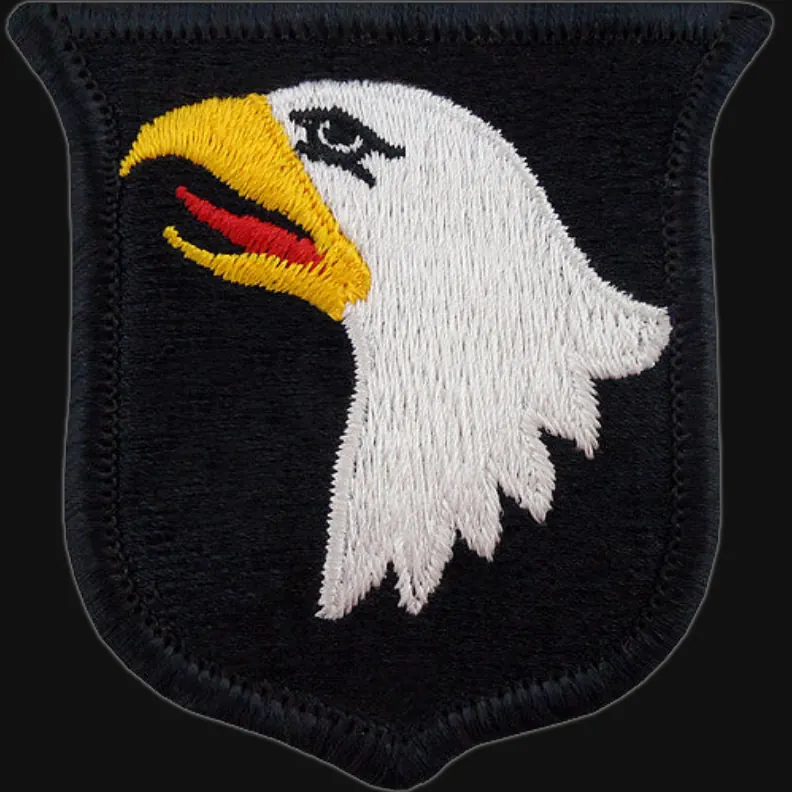
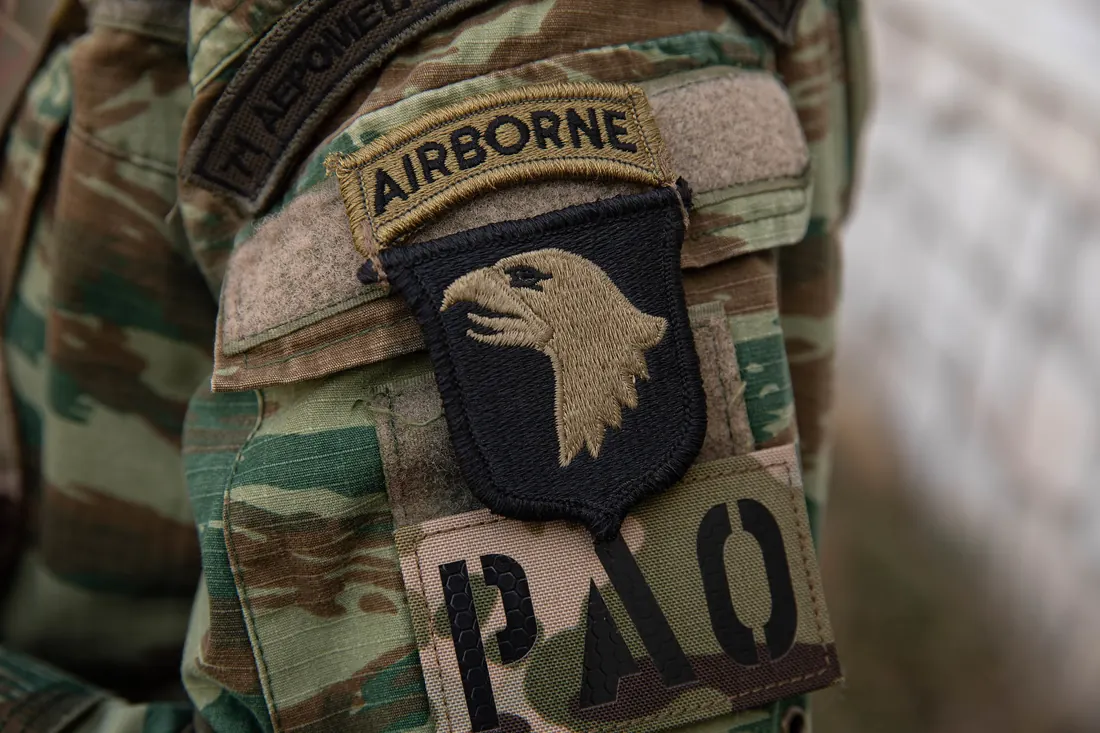
After the war he lived for 15 years in the “Eagle Department” in the basement of the Wisconsin State Capitol, attracting thousands of visitors. In February 1881 a small fire broke out in the basement. Old Abe raised an alarm, and the fire was put out quickly, but he had inhaled a large amount of thick black smoke. On March 26, 1881, he died in the arms of his keeper, George Gilles. Today his head, in profile, is the shoulder sleeve insignia of the 101st Airborne Division: the Screaming Eagle.
Fact check
The facts and where they come from
- This eagle went into battle with the 8th Wisconsin. Wisconsin Historical Society: “Old Abe the War Eagle was the mascot of the 8th Wisconsin Infantry. He was carried on a special perch throughout the entire war.” US Army: “the 8th Wisconsin Volunteer Infantry Regiment which was quickly nicknamed the ‘Eagle Regiment.’” 13
- The enemy wanted him dead. Wikipedia: “Under orders from their officers, Confederate troops made numerous attempts to kill or capture the eagle, but they never succeeded.” Wisconsin Veterans Museum: Confederate soldiers “set bounties on the ‘Yankee Buzzard.’” US Army, quoting Gen. Sterling Price: “that bird must be captured or killed at all hazards.” 423
- His name was Old Abe. Wisconsin Historical Society: “Captain John E. Perkins named him Old Abe after President Lincoln.” 1
- In 1861 he was traded for a bushel of corn. US Army: “Chief Sky later traded the surviving eaglet to Daniel McCann of Eagle Point, Wisc., for a bushel of corn.” Wisconsin Veterans Museum: he “traded the surviving eaglet, for a bushel of corn, to Margaret McCann.” 324
- Soldiers bought him for $2.50 and named him after Lincoln. Wisconsin Historical Society: “the McCanns sold it to the Eau Claire militia for $2.50.” Wisconsin Veterans Museum: “The men of the company pooled their resources to gather $2.50 to purchase the eagle from McCann.” US Army: “the mascot was named ‘Old Abe,’ in honor of President Abraham Lincoln.” 123
- They carried him into battle on a perch. US Army: he “was carried into combat by a sergeant on a special perch alongside the 8th Wisconsin’s National and Regimental colors.” 31
- Under fire, he reportedly spread his wings and screamed. Wikipedia quotes a report from Farmington, May 1862, “Old Abe Spread his wings and screamed,” and his bearer, David McLain: “He was quite excited always in battle and he’d spread his wings and scream but never flew over the lines of either army.” 4
- Confederates called him the Yankee Buzzard. Wikipedia: “This was a name by which southern civilians and soldiers referred to Old Abe.” The Wisconsin Veterans Museum writes of bounties on the “Yankee Buzzard.” 42
- At Corinth, a bullet cut him loose, and rebels fired as he flew. Wisconsin Veterans Museum: “At the Battle of Corinth, a minie ball severed the leather cord connecting the eagle to his perch, setting him loose on the battlefield”; “many Confederate soldiers attempted to shoot him down.” McLain, quoted by Wikipedia: “a bullet cut the cord that held the eagle to his perch.” The museum’s battle record dates Corinth to October 3–4, 1862. 24
- A Confederate general reportedly wanted him more than a brigade. US Army, quoting Gen. Sterling Price: “I would rather get that eagle than capture a whole brigade or a dozen battle flags.” Wisconsin Veterans Museum: the story “is believed to hold some basis in fact.” Wisconsin Historical Society, quoting Col. Rufus Dawes: “I heard [Confederate] prisoners say they would have given more to capture the eagle of the Eighth Wisconsin, than to take a whole brigade of men.” 321
- Bullets clipped his feathers. Wisconsin Veterans Museum: at Corinth, “Old Abe lost several wing and tail feathers from the incident”; at Vicksburg, “a Confederate minie ball traveled down the eagle’s neck and chest, removing the feathers along its path.” Wikipedia: “cutting out three quill feathers, but not drawing blood.” 24
- He went through 37 battles and skirmishes. Wisconsin Historical Society: “Old Abe witnessed 37 battles and skirmishes, including some of the bloodiest fighting at Vicksburg and Corinth, Mississippi.” 1
- After the war he lived in Wisconsin’s Capitol. Wisconsin Historical Society: “For 15 years he lived in the ‘Eagle Department’ in the basement of the Capitol, attracting thousands of visitors.” US Army: he “lived out the remainder of his life in an aviary in the Capitol building.” 13
- In 1881 a fire broke out, and he raised the alarm. Wisconsin Veterans Museum: “A small fire broke out in the basement of the Capitol in February 1881. After Old Abe raised an alarm, the fire was put out quickly.” 24
- But he breathed in the smoke. Wisconsin Veterans Museum: “the eagle inhaled a large amount of thick black smoke.” Wisconsin Historical Society: “he died from smoke inhalation during a fire in the Capitol.” 21
- Weeks later, he died in his keeper’s arms. Wisconsin Veterans Museum: “March 26, 1881, Old Abe died in the arms of his final caretaker George Gilles.” US Army: “A month later the famous Wisconsin War Eagle, weakened by fumes, died in the arms of his handler, George Gilles.” 23
- His head is the Screaming Eagle of the 101st Airborne. US Army: “Since 1921, ‘Old Abe’s’ head, in profile, has served as the shoulder sleeve insignia of the 101st Airborne Division (Air Assault)”; “The Screaming Eagle insignia of the 101st Airborne Division.” Wisconsin Veterans Museum: “The shoulder patch for the famous 101st Airborne Division also features Old Abe.” 324
Sources
- Old Abe, the War Eagle Wisconsin Historical Society
- Old Abe Wisconsin’s War Eagle Wisconsin Veterans Museum
- The Story of “Old Abe,” famous Wisconsin War Eagle on 101st Airborne Division patch (Capt. James A. Page, November 15, 2012) US Army (army.mil)
- Old Abe Wikipedia
Notes
How many battles: 37 battles and skirmishes (Wisconsin Historical Society) or “over 30 battles” (Wisconsin Veterans Museum); a 1919 postcard says 36. We use the Historical Society’s 37.
Price’s words may be legend: the Army quotes them as fact, the Wisconsin Veterans Museum says the story “is believed to hold some basis in fact,” and the Historical Society gives Col. Rufus Dawes’s secondhand version, from prisoners’ talk. We say Price “is said to have” spoken them.
The screaming comes from his bearer David McLain’s account and the Farmington report, so the Short says “reportedly.”
The Corinth flight: newspapers claimed he soared over both armies; McLain said he flew about fifty feet down the Union line and “never flew over the lines of either army.” We say only that rebels fired as he flew.
His wounds: the Wisconsin Veterans Museum says he “did not shed any blood,” yet describes a ball that left “a round hole” in the web of his left wing at Vicksburg. We say only that bullets clipped his feathers.
Who got him for the corn: Daniel McCann (US Army) or Margaret McCann (Wisconsin Veterans Museum); the Historical Society says “the McCanns.” The sources also differ on how the eaglet was taken (the tree was cut down, or someone climbed it) and on how to spell the Ojibwe man’s name: Ahgamahwegezhig, Ogimaa Weigiizhig, “Chief Sky” or “Chief Big Sky.”
When the patch began: 1921 (US Army) or 1923 (a Fort Campbell history). We give no year.
Left out: the 1876 Centennial tour, P. T. Barnum’s reported $20,000 offer, his fight with another eagle, “Andy Johnson,” and his stuffed remains burning in the 1904 Capitol fire.
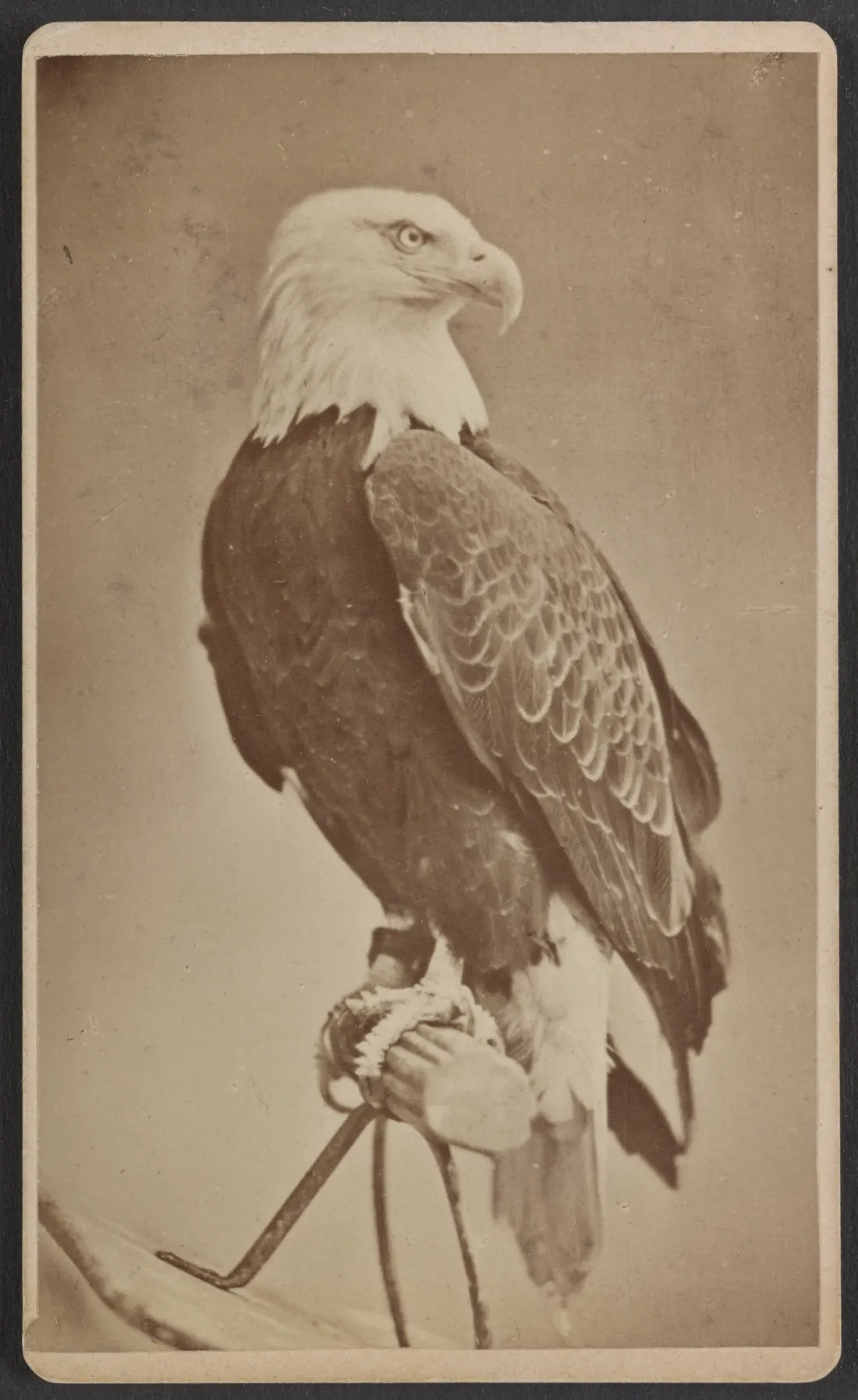
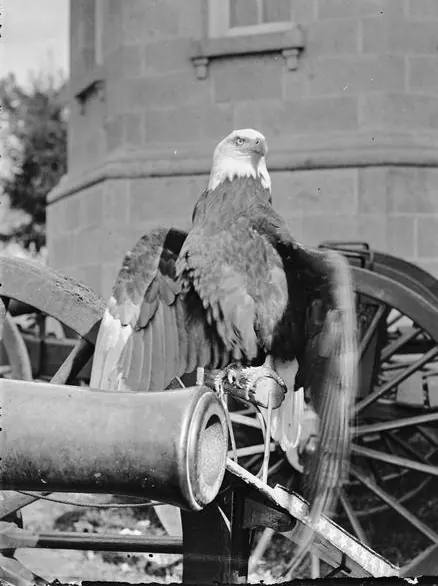
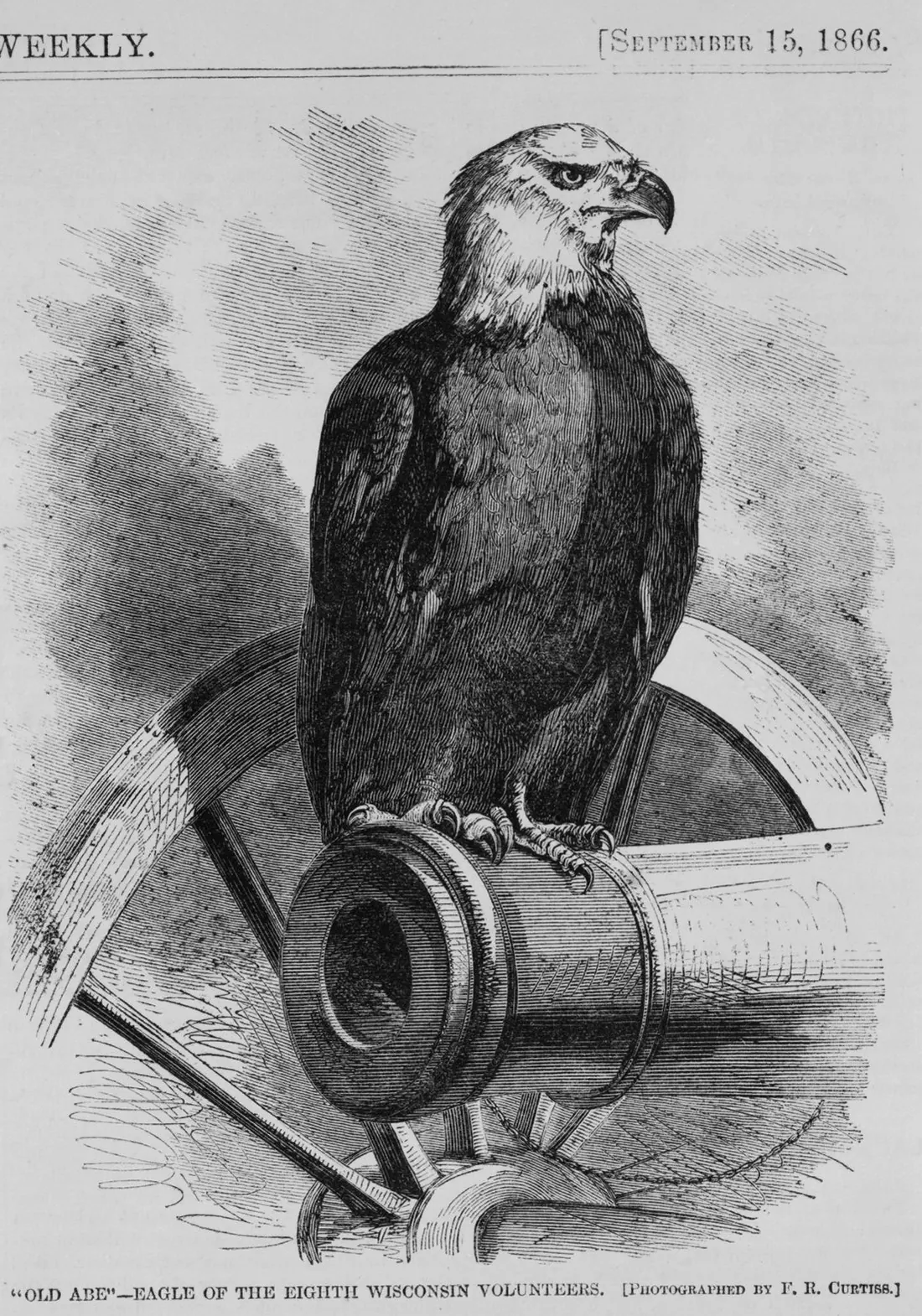
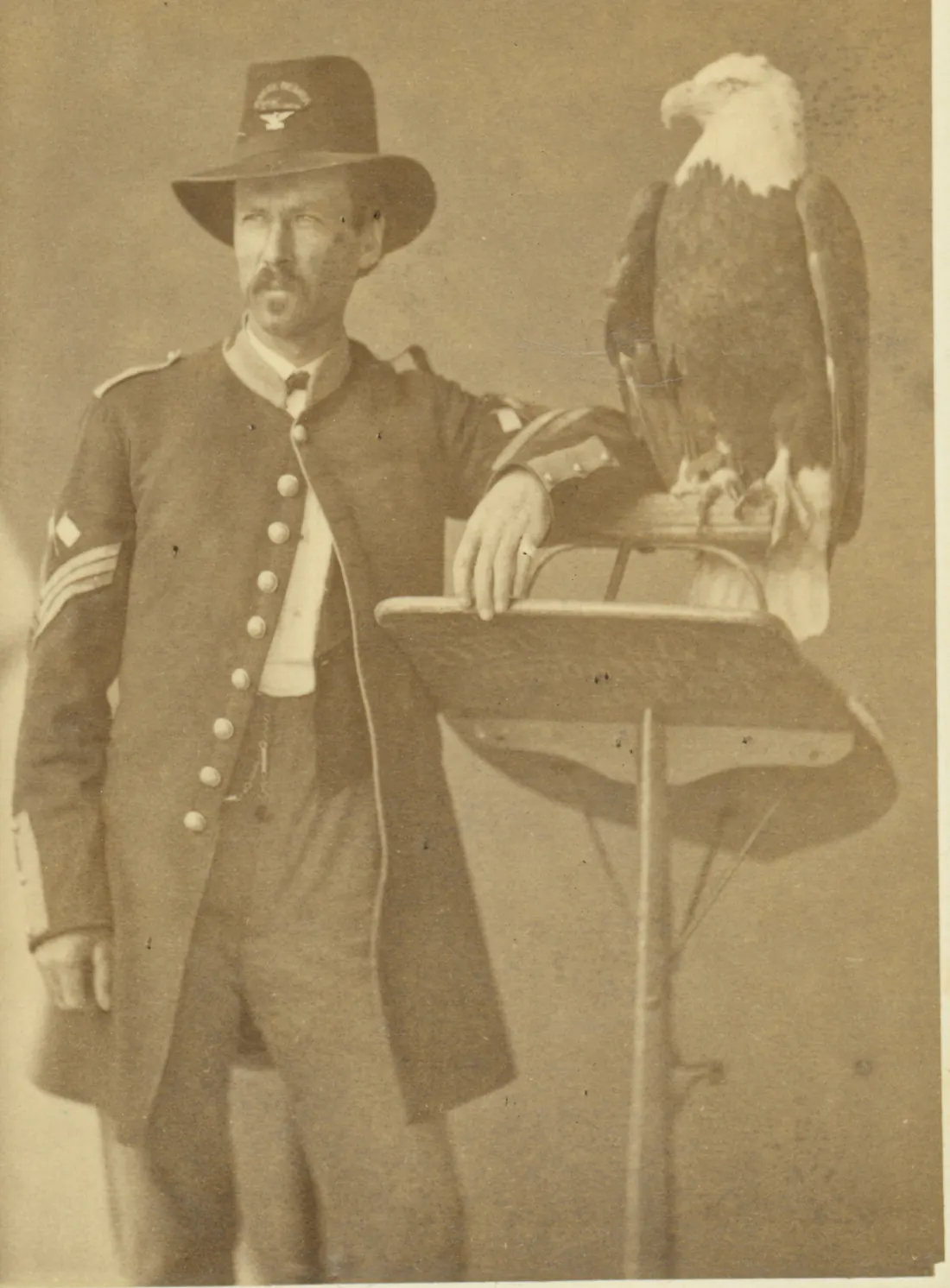
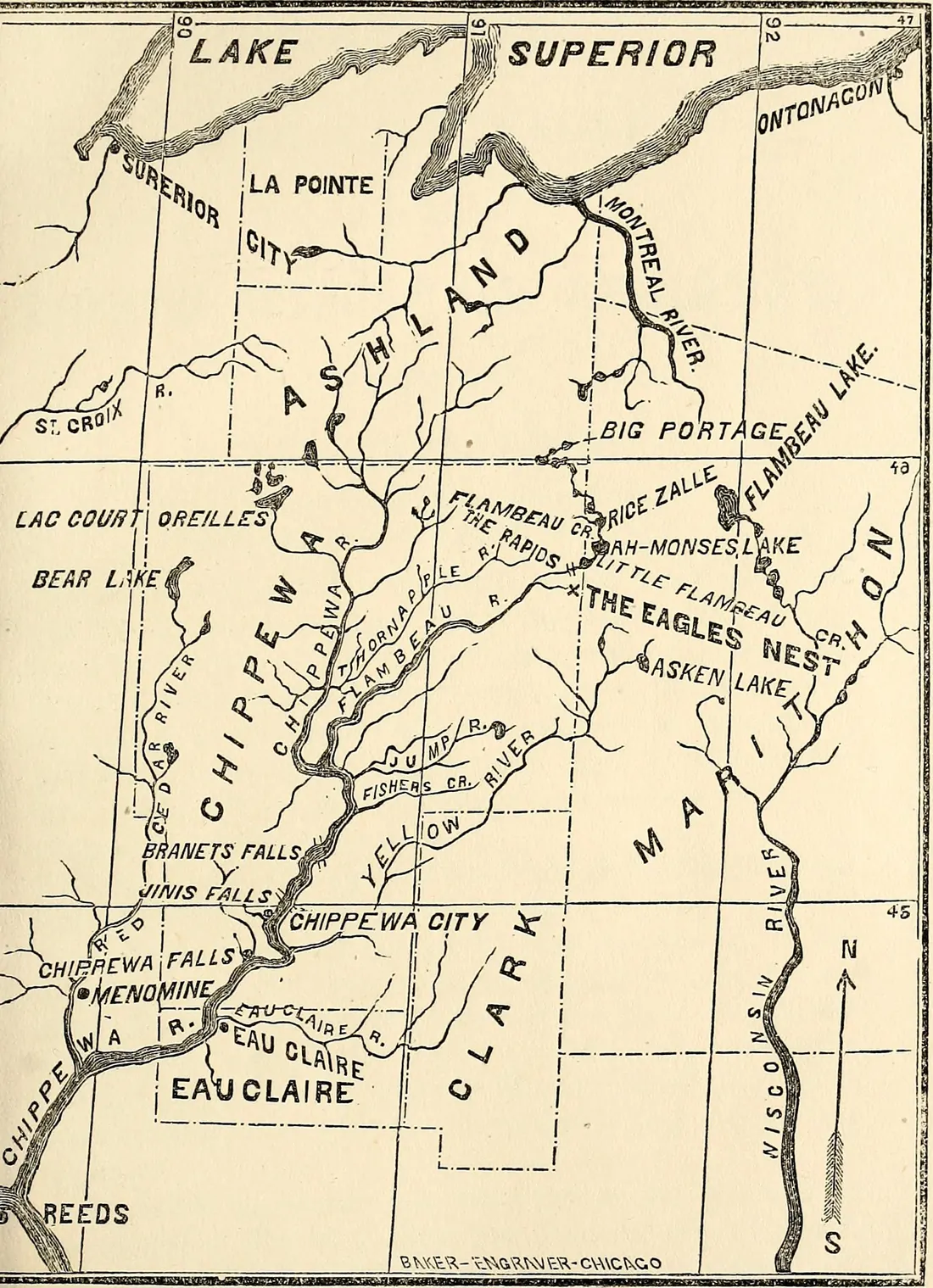
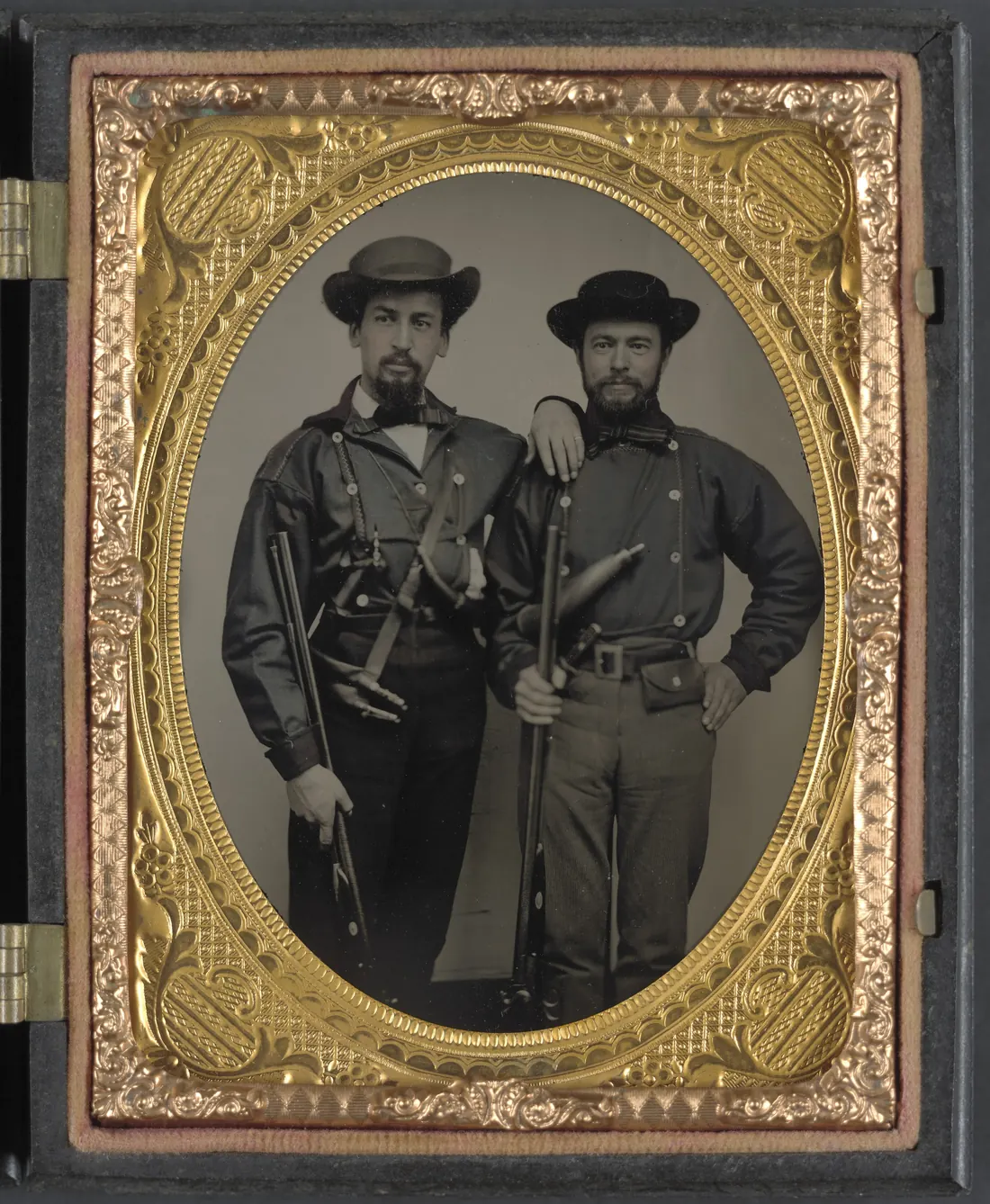
Pictures: Old Abe himself is in the 1876 carte de visite (a handler’s hand holds his jesses), the photo on a cannon (before 1881), the 1866 Harper’s Weekly engraving (after F. R. Curtiss’s photograph), the 1876 photo with a signal sergeant and his perch, and the 1875 painting, made in Madison while he lived there. Barrett’s 1865 map marks the Eagle’s Nest and Eau Claire. The Kurz & Allison prints of Corinth (1891) and Vicksburg (1888) are artists’ illustrations. The two soldiers in Mississippi battle shirts are not known to have faced him, and Gen. Price is shown because the quote is attributed to him. The stereograph shows the old Capitol where he lived and died.
Photo credits
The archive photos in this story
All the photographs and illustrations in this story are in the public domain. Tap one to enlarge it, or follow the link to its Wikimedia Commons page for the full record. The narration, captions and graphics in the Short are our own; its music and sound effects are credited below.
Music and sound effects
Music: Grieg, Peer Gynt Suite No. 1, Op. 46: IV. In the Hall of the Mountain King (Musopen Symphony Orchestra, public domain); Dvorak, Symphony No. 9 'From the New World': II. Largo (Musopen, public domain).
Sound effects: Freesound, CC0.


































































