
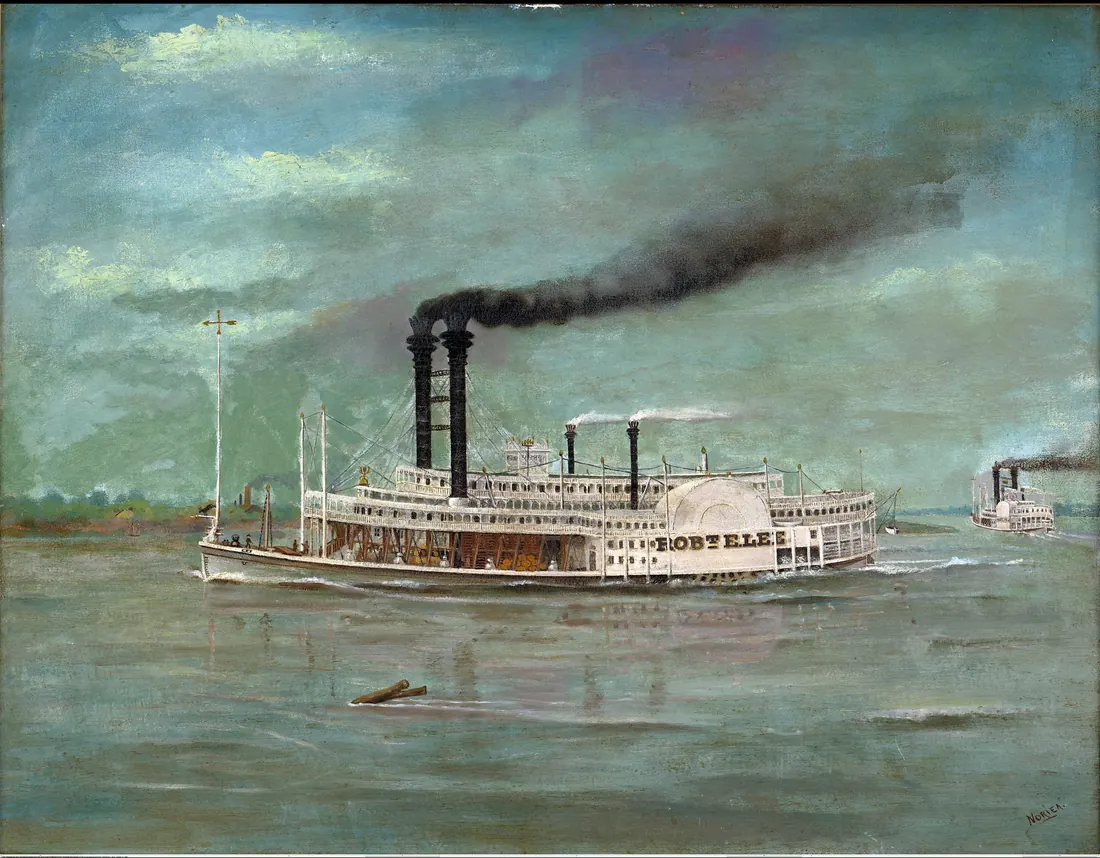
Mary Fields was born enslaved in Tennessee in the early 1830s, and she lived in bondage until the end of the Civil War. Freed, she found work on steamboats on the Mississippi River; the Montana Historical Society says she was a chambermaid on the Robert E. Lee. In the 1870s she began working at the Ursuline convent in Toledo, Ohio.
Nuns from the Toledo convent went to St. Peter’s Mission in Montana, and in 1885 Fields moved to Montana too; the Montana Historical Society says she traveled upriver with the nuns sent by the order. At the mission she kept a large garden and hunted game so that the staff and students were fed, and she hauled supplies from nearby Cascade. But because of her tendency to smoke, swear and bicker with the other hired hands, she drew the ire of the bishop, who banned her from the mission.
In 1895, in her sixties, she won a contract to be a star route carrier for the US Post Office Department. Her route ran between St. Peter’s Mission and the town of Cascade, and she drove it from 1895 to 1903. When the snow was too deep to drive, she reportedly trekked the route on snowshoes and delivered the mail on foot, and she reportedly never missed a day in eight years. She earned the nickname “Stagecoach Mary” for her reliability and speed.
She was the first African American woman to carry the mail on a star route, and reportedly only the second woman to receive a star route contract. She was around 70 when she finally retired in town, where she ran a laundry out of her home, and she died in 1914. In 1959 the actor Gary Cooper, a Montana native, wrote in Ebony that she was born a slave, but “lived to become one of the freest souls ever to draw a breath, or a .38.”
Fact check
The facts and where they come from
- She was born enslaved, but in her sixties she drove the US mail through Montana winters. National Park Service: “Born enslaved in Tennessee in the early 1830s”; “In 1895, Mary obtained a contract to be a Star Route Carrier”; “Even though she was well into her 60s, Mary never let the hardships of the job prevent her from completing her route.” Montana Historical Society: “she drove the fifteen-mile route between the mission and Cascade from 1895 to 1903.” Wikipedia: “By 1895, at sixty years old.” 123
- Her name was Mary Fields, star route mail carrier. National Park Service: “First African American woman to work as a Star Route Carrier.” 1
- Born in Tennessee, she was freed after the Civil War. National Park Service: “Born enslaved in Tennessee in the early 1830s, she lived in bondage until the end of the Civil War.” American Battlefield Trust: “it is widely accepted that Fields was born in Hickman County, Tennessee.” The Montana Historical Society is more careful: “Born around 1832, possibly in Tennessee.” 142
- She worked on a steamboat, then at an Ohio convent. National Park Service: “finding work on steamboats along the Mississippi River. She eventually made her way to an Ursuline convent in Toledo, Ohio.” Montana Historical Society: “After the Civil War, Fields worked as a chambermaid on the Robert E. Lee, a Mississippi River steamboat,” and “In the 1870s, Fields began working at the Ursuline Convent in Toledo, Ohio.” 12
- In 1885 she followed the nuns to a mission in Montana. National Park Service: “We know that Mary moved to Montana in 1885”; the nuns had left Toledo “for St. Peter’s Mission in Montana.” Montana Historical Society: “Mary Fields traveled upriver with the nuns sent by the order.” 12
- But she smoked, swore and bickered, so the bishop banned her. Montana Historical Society: “Because of her tendency to smoke, swear, and bicker with other hired hands at the mission, Fields drew the ire of Bishop Brondell, of Great Falls, who banned her from the mission around 1894.” National Park Service: “The local bishop responsible for the mission banned her from St. Peter’s.” 21
- In 1895 she won a contract to carry the US mail. National Park Service: “In 1895, Mary obtained a contract to be a Star Route Carrier for the United States Post Office Department.” Wikipedia: star route contracts went “to persons who proposed the lowest qualified bids.” 13
- Her route ran from Cascade to the mission, through deep snow. National Park Service: “Mary’s route ran between St. Peter’s Mission and the town of Cascade”; “When the snow was too deep to drive the stagecoach.” Montana Historical Society: “the fifteen-mile route between the mission and Cascade.” 12
- When snow buried the road, she reportedly walked it on snowshoes. National Park Service: “When the snow was too deep to drive the stagecoach, Mary trekked the route with snowshoes, delivering the mail on foot.” Wikipedia: “If the snow was too deep for her horses, Fields delivered the mail on snowshoes, carrying the sacks on her shoulders.” Both rest on later accounts, so we say “reportedly.” 13
- She reportedly never missed a day. National Park Service: “She delivered the mail for eight years without missing a day of work.” Wikipedia: “She never missed a day.” No primary record was seen, so we say “reportedly.” 13
- People called her Stagecoach Mary. Montana Historical Society: “She earned the nickname ‘Stagecoach Mary’ for her reliability and speed.” 23
- She was the first African American woman to carry the mail on a star route. National Park Service: “She was the first African American woman and the second woman to receive a Star Route contract from the United States Post Office Department.” Wikipedia: “the first Black woman to be employed as a star route postwoman in the United States”; the Postal Service established this after documentation went to its Archives Historian in 2006. American Battlefield Trust: “the first African American woman to operate as a Star Route Carrier.” 134
- She kept going until about 70. Montana Historical Society: “She was around seventy years old when she finally ‘retired’ in town and ran a laundry out of her home.” Wikipedia: “In 1903, at the age of 71, Fields retired from star route mail carrier service.” 23
- Gary Cooper said she “lived to become one of the freest souls ever to draw a breath, or a .38.” Wikipedia: “In 1959, actor and Montana native Gary Cooper wrote an article for EBONY in which he stated: ‘Born a slave somewhere in Tennessee, Mary lived to become one of the freest souls ever to draw a breath, or a .38.’” Montana Historical Society: “as Gary Cooper opined, she was born a slave, but ‘lived to become one of the freest souls ever to draw a breath or a .38.’” (Gary Cooper, as told to Marc Crawford, Ebony, October 1959.) 32
- At the mission she grew food, hunted and hauled supplies. National Park Service: “By cultivating a large garden and hunting game, Mary worked to ensure that all staff and students were fed. She also coordinated the delivery of supplies to the isolated mission.” Montana Historical Society: “raising chickens, growing vegetables, and freighting supplies from nearby Cascade.” She died in 1914 (National Park Service, Montana Historical Society). 12
Sources
- Mary Fields (Dr. Katherine Crawford-Lackey) National Park Service
- The Life and Legend of Mary Fields (April 8, 2014) Montana Historical Society, Montana Women’s History
- Mary Fields Wikipedia
- Mary Fields American Battlefield Trust
Notes
Legends left out: the night with a wolf pack, the gunfights and the duel, “whipping any two men” (Gary Cooper), and two found only in Wikipedia, the saloon exemption and the town closing its schools on her birthday. The National Park Service: “There are many legends about Mary Fields … These myths have been exaggerated in the century since her death.”
The snowshoes and the unbroken record come from the National Park Service and Wikipedia, with no primary record seen, so we say “reportedly.”
“Second woman”: the National Park Service says she was the second woman to get a star route contract, after Polly Martin of Massachusetts (about 1860–76). We say “reportedly.”
The stagecoach: the National Park Service and the American Battlefield Trust say she drove one; Wikipedia says “horses and a mule named Moses,” and other writers doubt the coach. We use the word only in her nickname.
Her birth: about 1832, or “the early 1830s,” and “possibly in Tennessee” (Montana Historical Society). We say Tennessee and give no year. Born about 1832, she was about 63 in 1895, so we say “in her sixties” (Wikipedia says sixty).
The bishop’s ban: about a year after she arrived (National Park Service) or around 1894 (Montana Historical Society), so we give no date. A reported duel or gunplay at the mission is left out; the Park Service calls it “rumors.”
Route length: 15 miles (Montana Historical Society) or a 34-mile round trip (National Park Service); we give no number. Her age when she stopped: “around seventy” (Montana Historical Society) or 71, in 1903 (Wikipedia).
“First”: the National Park Service cites a US Postal Service historian’s paper, and Wikipedia says documentation went to the Postal Service’s Archives Historian in 2006. The Smithsonian National Postal Museum page and the Postal Service paper couldn’t be opened here, so nothing rests on them alone.
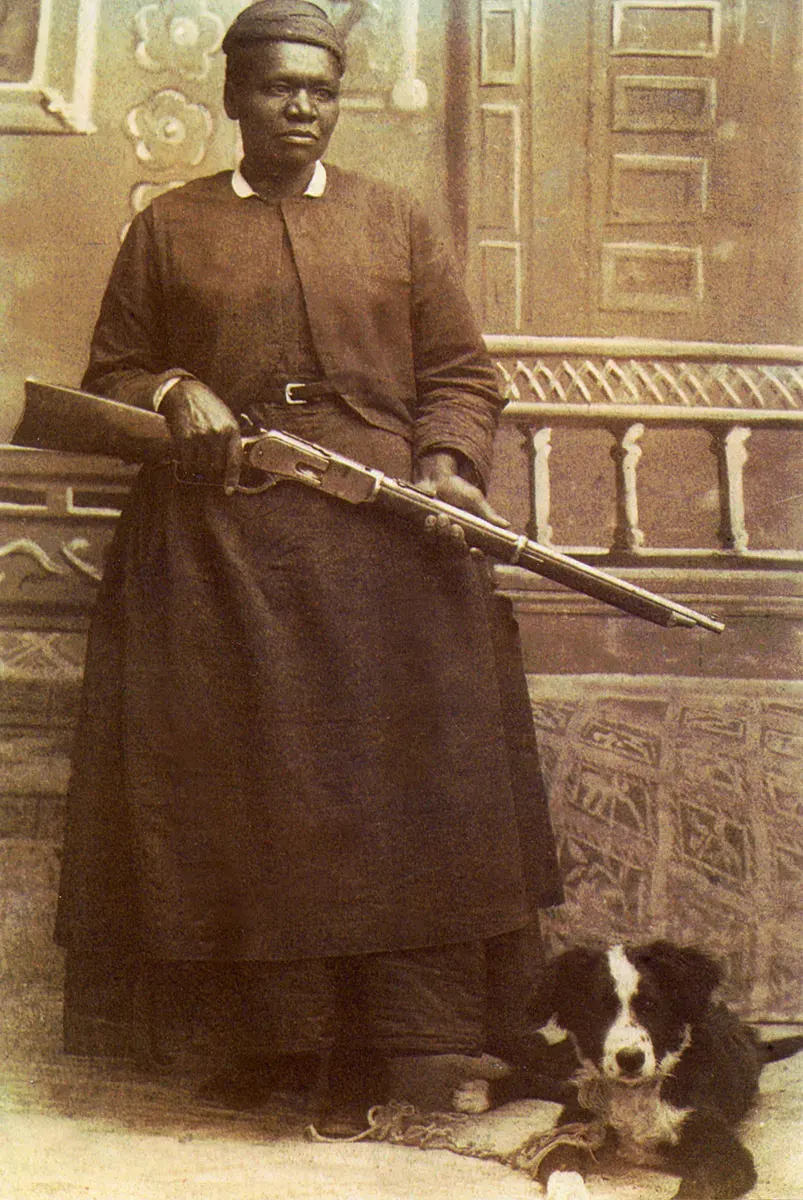
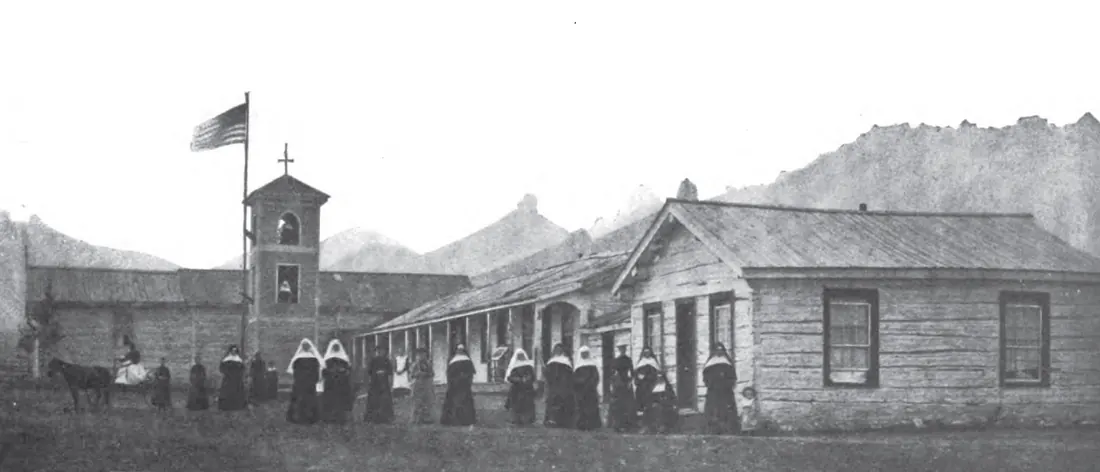
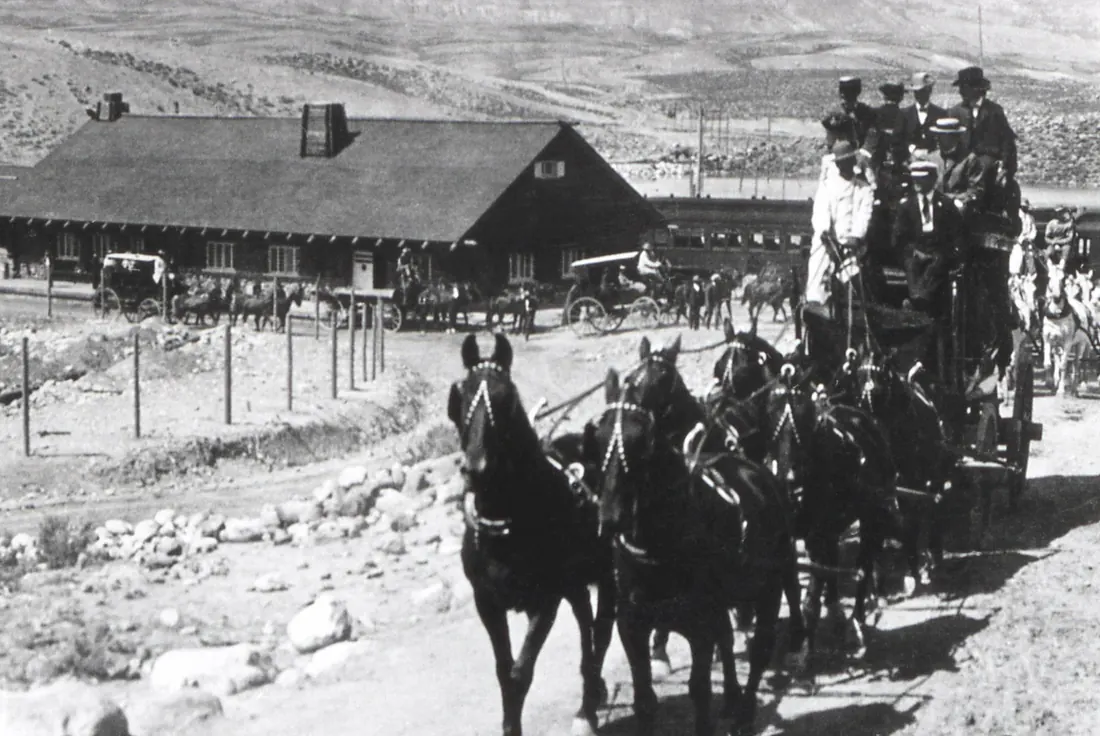
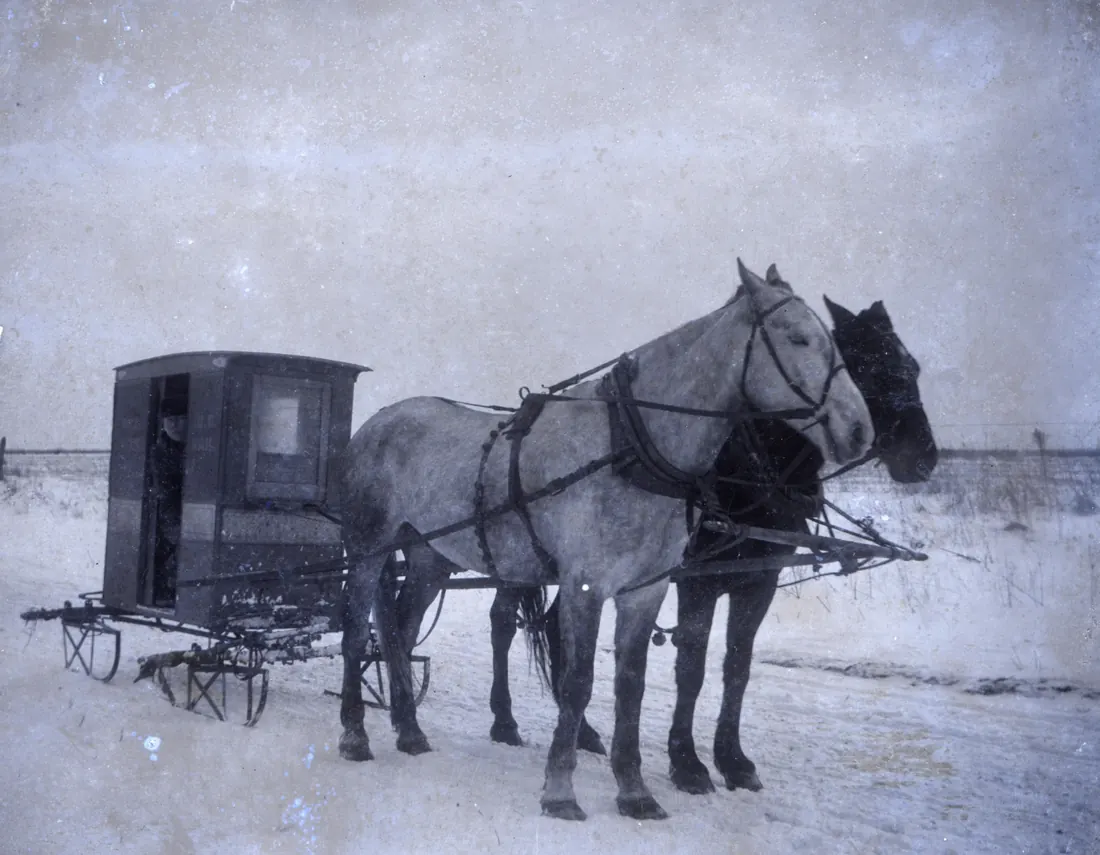
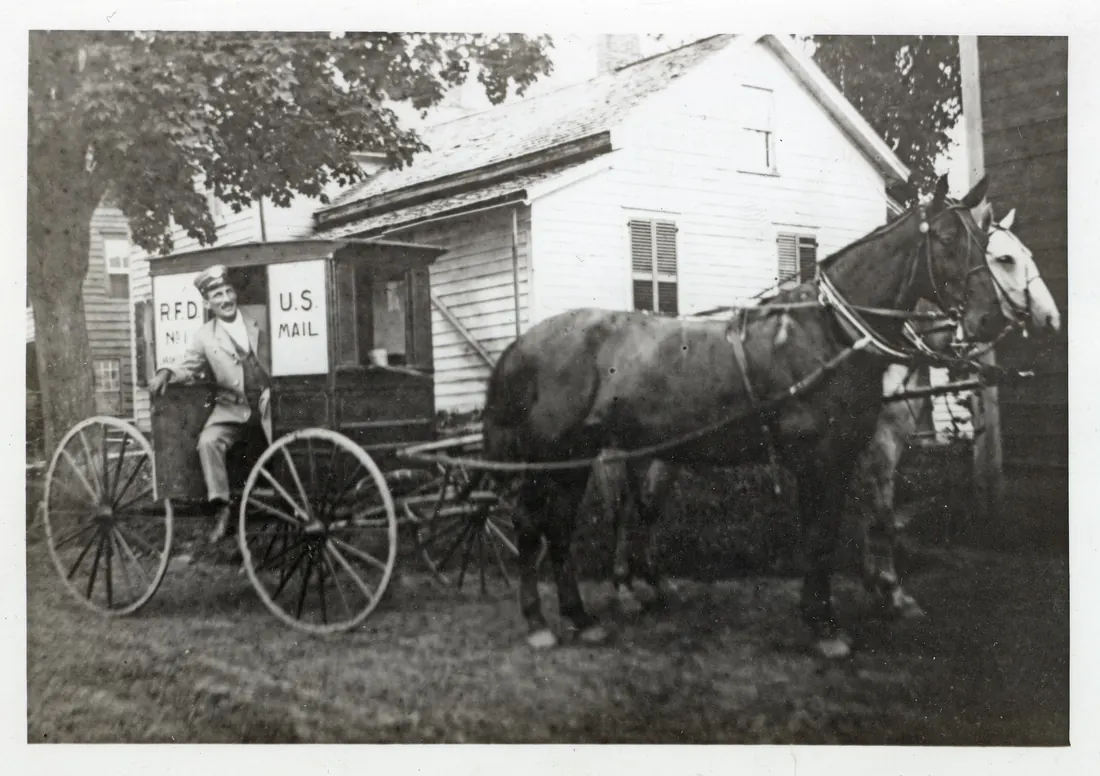
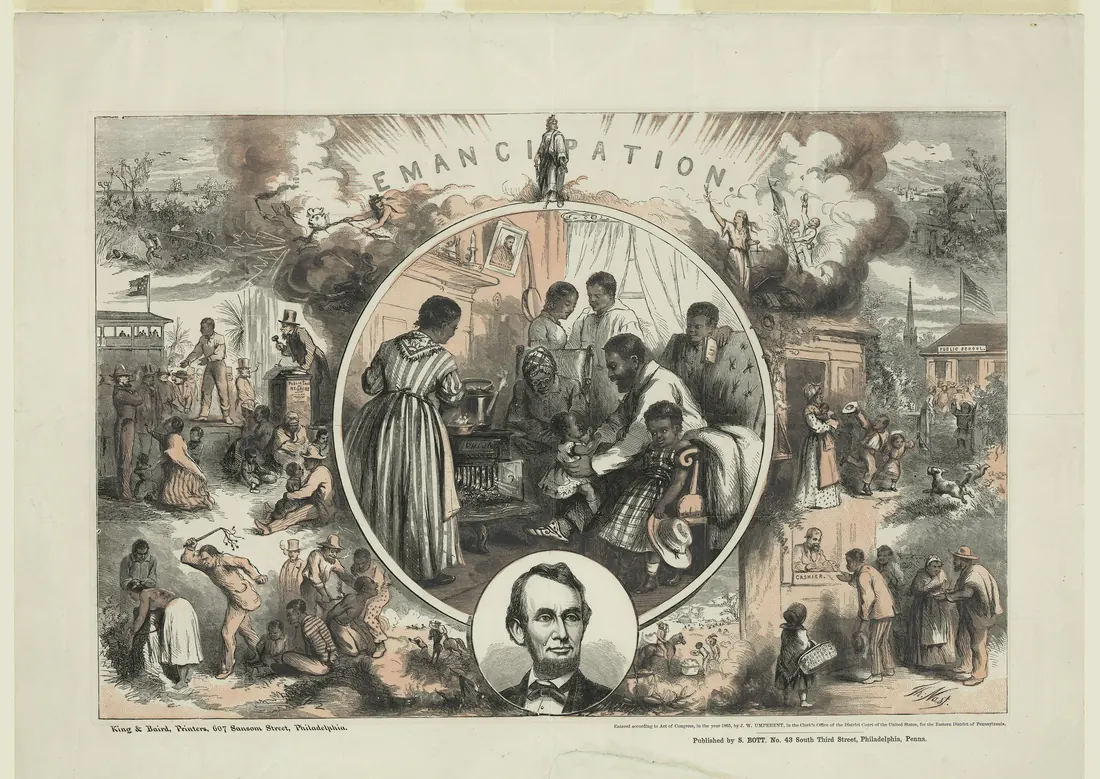
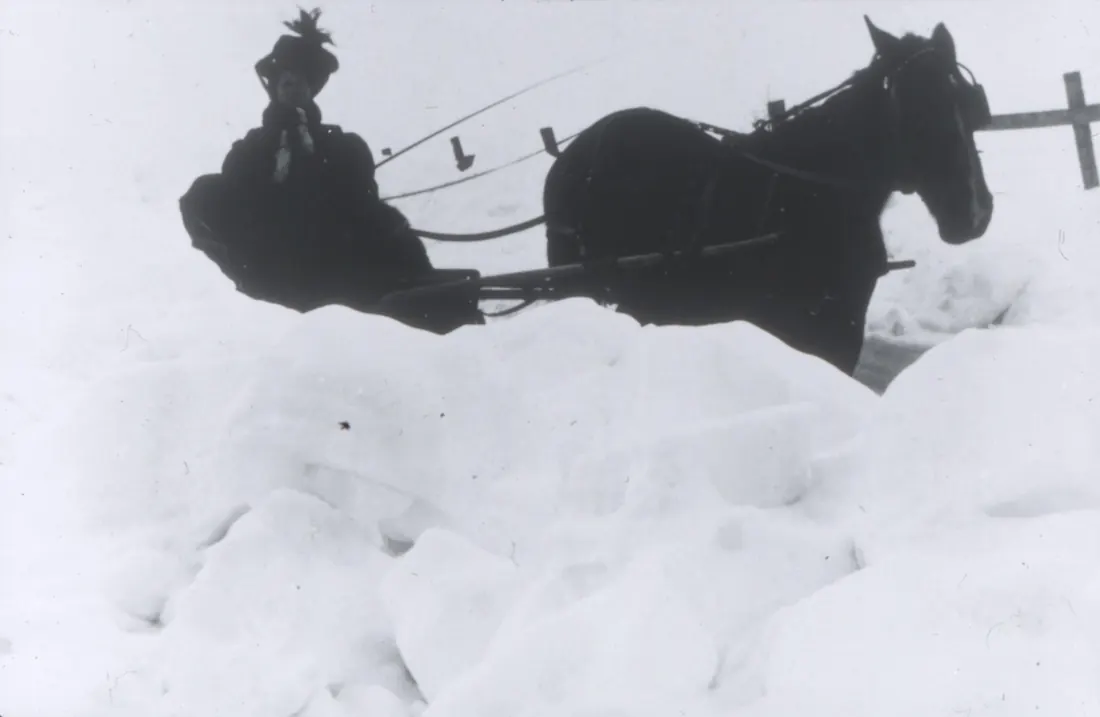
Pictures: only the studio portrait (about 1895) shows Mary Fields; Commons’s source for it is a genealogy blog, and its first publication is unknown. The 1897 mission photo shows the mission and its nuns twelve years after she arrived, after her ban. The Gardiner stagecoaches (1904) are in Montana but not on her route. The mail wagon (Massachusetts, 1900) and the sleighs (about 1910–15) belong to other rural carriers. The steamboat painting shows the Robert E. Lee, the boat the Montana Historical Society says she worked on. Nast’s Emancipation is from 1865.
Photo credits
The archive photos in this story
All the photographs and illustrations in this story are in the public domain. Tap one to enlarge it, or follow the link to its Wikimedia Commons page for the full record. The narration, captions and graphics in the Short are our own; its music and sound effects are credited below.
Music and sound effects
Music: Beethoven, Coriolan Overture, Op. 62 (Musopen Symphony Orchestra, CC0); Dvorak, Goin' Home (US Air Force Band, Concert Band, public domain, US government work).
Sound effects: Freesound, CC0.


































































