
Louis Zamperini ran the 5,000 meters at the 1936 Olympics and finished eighth. In World War II he became a bombardier in the US Army Air Forces. On May 27, 1943, his B-24, the Green Hornet, was on a search mission when mechanical difficulties caused it to crash into the Pacific north of Palmyra, killing eight of the 11 men aboard. Only Zamperini, his pilot and the tail gunner, Francis McNamara, survived.
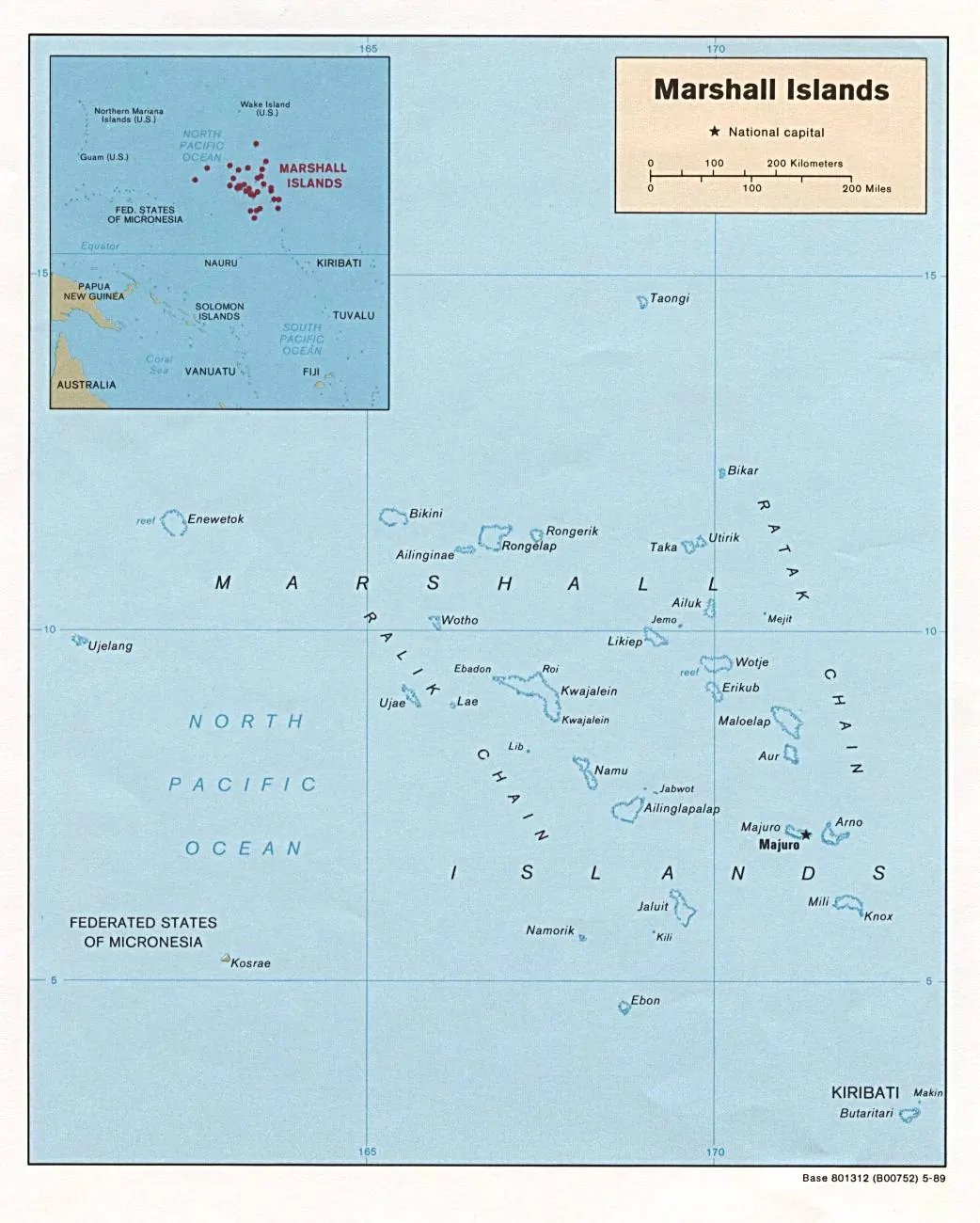
They drifted for 47 days. They lived on rainwater, small fish eaten raw and birds that landed on the raft, and they fended off constant shark attacks. A Japanese bomber strafed them and punctured the raft, though no one was hit. After 33 days McNamara died, and Zamperini and Phillips, the pilot, wrapped his body and pushed it overboard. On day 47 they reached the Marshall Islands and were taken prisoner by the Japanese.
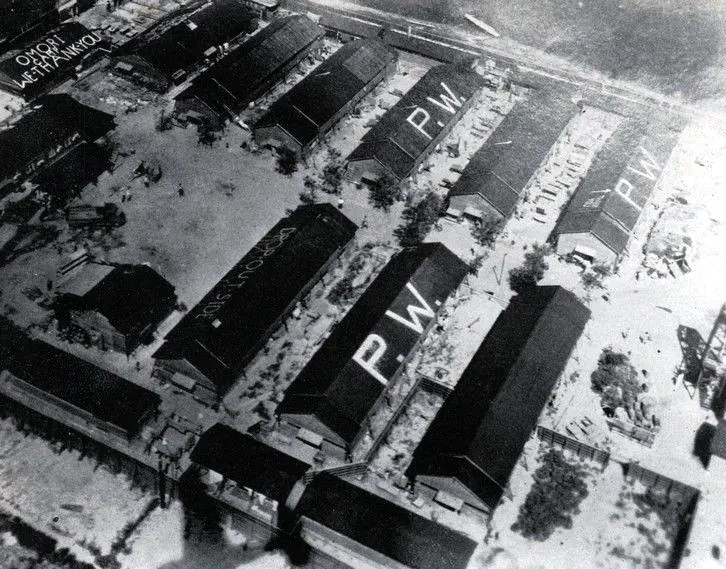
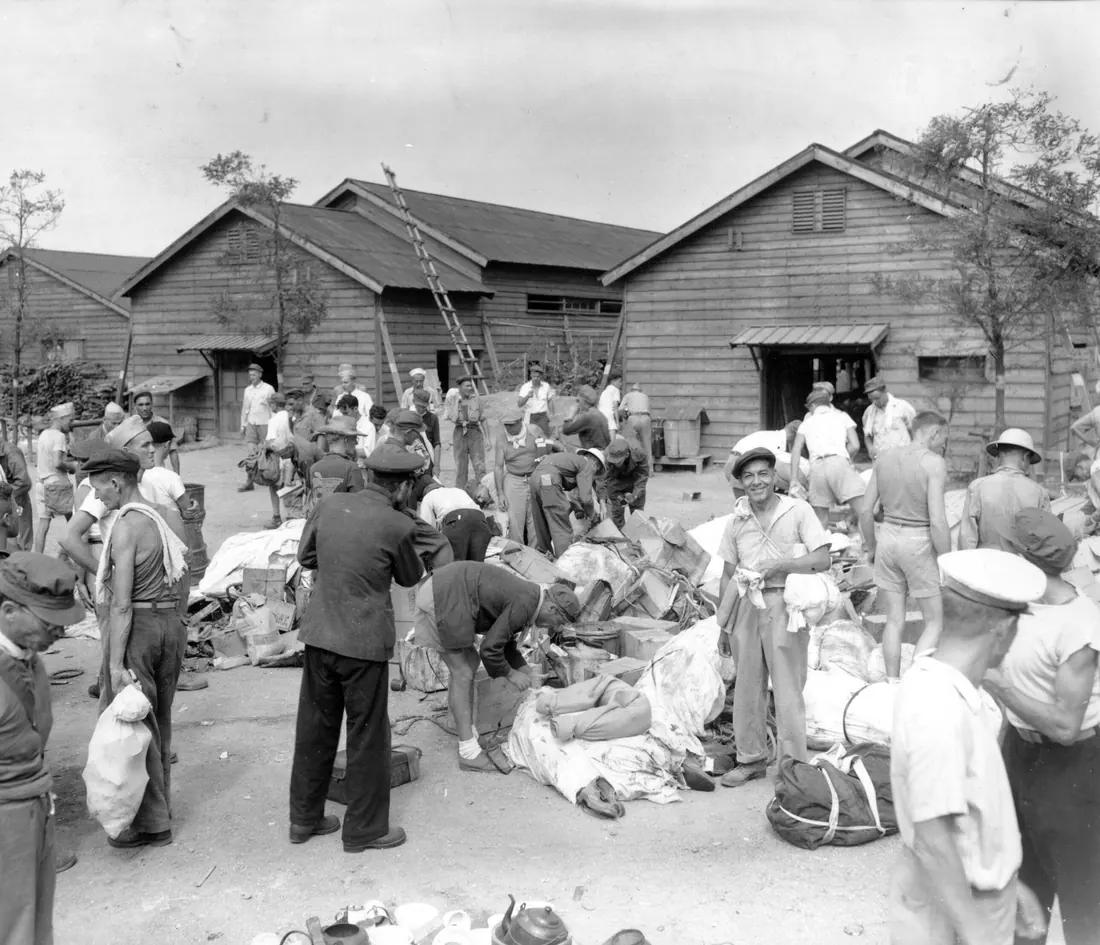
Zamperini spent more than two years as a prisoner of war, held at Kwajalein, Ofuna, Omori and Naoetsu, and survived torture and near-starvation. He was tormented above all by Sgt. Mutsuhiro Watanabe, a guard at Omori and Naoetsu whom the prisoners nicknamed “the Bird.” At home his status was changed to killed in action, and newspaper headlines declared him dead.
He came home alive, to nightmares and drink: Stars and Stripes describes “a downward spiral of drinking, marital problems and despair.” In 1949, at the encouragement of his wife and her Christian friends, he went to a Los Angeles crusade led by Billy Graham and became a born-again Christian. Afterward he forgave his captors, and his nightmares ceased. He went back to Japan, where Gen. Douglas MacArthur granted him access to former guards held as war criminals at Sugamo Prison in Tokyo, and he forgave them face to face.
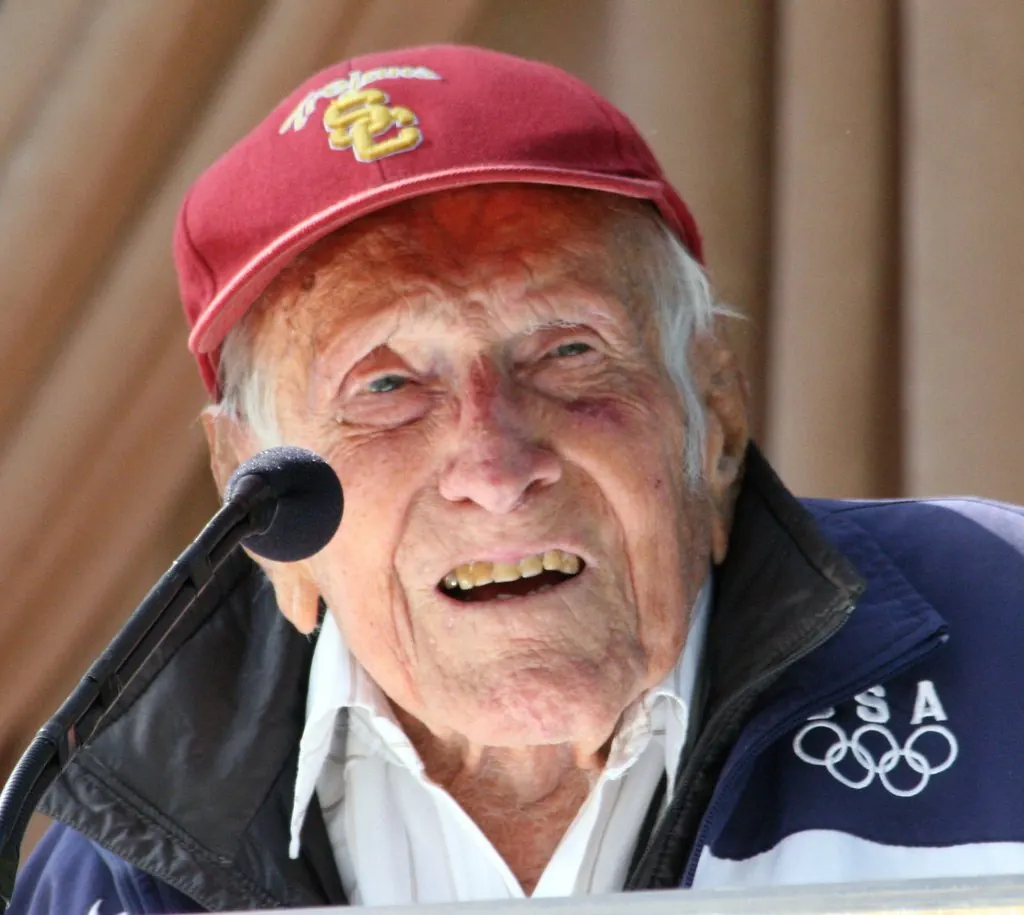
Watanabe, who had been on MacArthur’s list of the 40 most wanted Japanese war criminals, went into hiding and was never prosecuted. In 1998 Zamperini carried the Olympic torch for the Nagano Winter Games near his old camp at Naoetsu, and he tried to meet Watanabe, who refused to see him. Zamperini sent him a letter saying that, though he had suffered great mistreatment from him, he had forgiven him. He died on July 2, 2014, aged 97.
Fact check
The facts and where they come from
- He survived 47 days on a raft. Wikipedia: “After drifting at sea on a life raft for 47 days.” USC Dornsife: “For 47 days, Zamperini and two other survivors floated adrift before washing ashore on the Marshall Islands.” Associated Press: he “drifted for 47 days on a raft in shark-infested waters before being captured by Japanese forces.” Olympedia also gives 47 days at sea. 1364
- His name was Louis Zamperini, a 1936 Olympic runner. Wikipedia: “Zamperini finished 8th in the 5,000-meter distance event at that Olympics.” USC Dornsife: he “placed eighth in the 5,000-meter run” at the 1936 Berlin Games. Olympedia: 5,000 meters, eighth. 1345
- In 1943, his Army bomber crashed into the Pacific: his B-24, the Green Hornet, on May 27, 1943. Wikipedia: “mechanical difficulties caused the bomber to crash into the ocean.” Pacific Wrecks: it was “on a search mission bound for Palmyra Airfield to refuel after the search” and crashed “into the Pacific Ocean north of Palmyra.” Associated Press: he was “a bombardier on a US Army Air Forces bomber that crashed in the Pacific Ocean during a reconnaissance mission.” 156
- Only three of the 11 men aboard survived. Wikipedia: “killing eight of the 11 men aboard.” Pacific Wrecks: “Only three survived the crash: Philips, Zamperini and McNamara.” 15
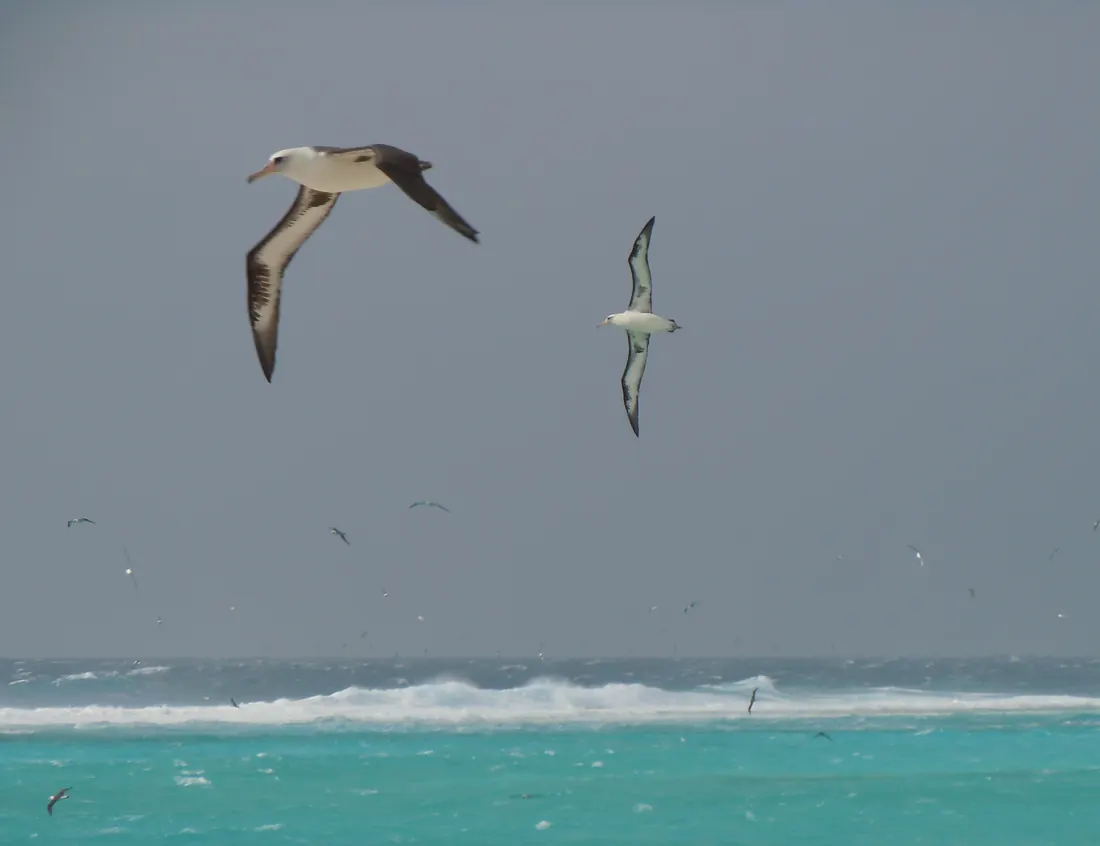
- They lived on rain, raw fish and birds that landed on the raft. Wikipedia: “they subsisted on rainwater, small fish eaten raw, and birds that landed on their raft.” Pacific Wrecks: they “survived by catching and eating two albatross birds.” 15
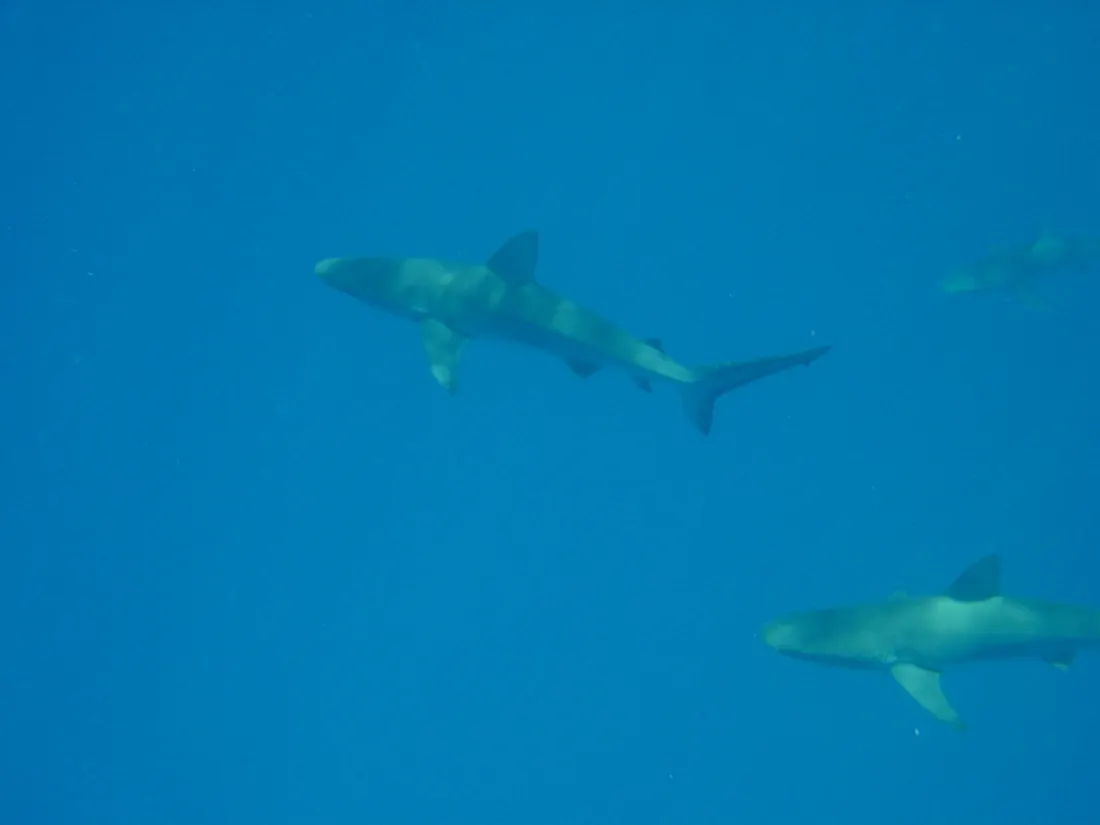
- Sharks circled. Wikipedia: “all while fending off constant shark attacks.” Associated Press: “in shark-infested waters.” 16
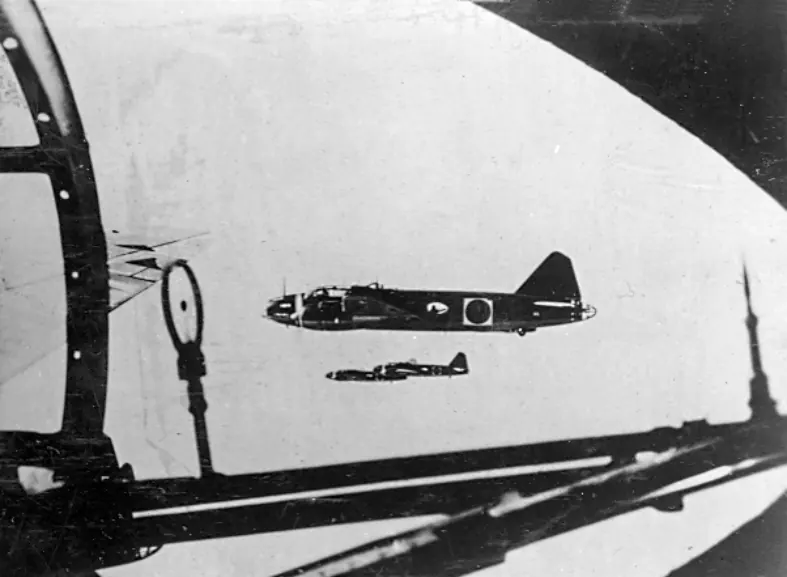
- A Japanese bomber shot their raft full of holes. Wikipedia: “a Japanese bomber, which punctured their life raft, but no one was hit.” Pacific Wrecks: “strafing by a Japanese bomber.” 15
- On day 33, one man died: the tail gunner, Francis McNamara. Wikipedia: “After 33 days at sea, McNamara died; Zamperini and Phillips wrapped up his body and pushed it overboard.” Pacific Wrecks: “McNamera survived 33 days at sea then died.” Stars and Stripes also gives 33 days. 157
- On day 47, the Japanese captured them. Wikipedia: “Zamperini and Phillips reached the Marshall Islands and were immediately taken prisoner by the Japanese Navy.” Pacific Wrecks: “After 47 days at sea, Zamperini and Phillips were found by a Japanese fishing vessel.” USC Dornsife: they washed ashore on the Marshall Islands and were captured. 153
- For two years, he was starved and beaten in prison camps. Associated Press: “He spent more than two years as a prisoner of war, surviving torture and near-starvation at the hands of his captors.” Olympedia: a prisoner of war for about two years. Pacific Wrecks: Kwajalein, Ofuna, then Naoetsu “until the end of the Pacific War”; Wikipedia: Ofuna, Omori and Naoetsu. 6451
- One guard, called the Bird, tormented him most of all. Wikipedia: “he was tormented by prison guard Mutsuhiro ‘The Bird’ Watanabe.” Wikipedia (Watanabe): a sergeant at the Omori and Naoetsu camps, whom the prisoners nicknamed “The Bird.” Associated Press: Watanabe was “his most brutal wartime tormentor.” Stars and Stripes: head guard at Omori and Naoetsu, “as sadistic as former prisoners have reported.” 1267
- Back home, he was declared dead. Wikipedia: “his status was changed to killed in action.” Stars and Stripes says newspaper headlines declared the Olympian dead. 17
- He came home alive, to nightmares and the bottle. Wikipedia: “Zamperini also became addicted to alcohol,” and his nightmares “ceased” only after 1949. Stars and Stripes: “a downward spiral of drinking, marital problems and despair.” 17
- Then, in 1949, he found faith, and the nightmares stopped. Wikipedia: “In 1949, at the encouragement of his wife and her Christian friends,” he went to a Billy Graham crusade; “Following this, he forgave his captors, and his nightmares ceased.” Associated Press: “Mr. Zamperini became a born-again Christian in 1949 after attending a Los Angeles crusade led by evangelist Billy Graham.” 16
- He went back to Japan, and forgave his old guards face to face. Wikipedia describes “an October 1950 visit” to the prison in Tokyo where former guards were held as war criminals, and he forgave them. Stars and Stripes: “Gen. Douglas MacArthur granted him access to war criminals held at the restricted” prison. 17
- Decades later, the Bird refused to meet him, but Zamperini forgave him anyway. Wikipedia: “Watanabe, however, refused to see him”; “Zamperini sent him a letter, stating that while he suffered great mistreatment from him, he had forgiven him.” Associated Press: “But Watanabe, who escaped prosecution as a war criminal, refused to see him.” Wikipedia (Watanabe): Zamperini tried to meet him in 1998, and Watanabe refused. USC Dornsife: he “sent a letter to the Japanese prison warden who had tortured him stating he had forgiven him.” 1623
- The Bird was never prosecuted. Wikipedia (Watanabe): he was No. 23 on MacArthur’s list of the 40 most wanted Japanese war criminals, hid, and was never prosecuted. Associated Press: he “escaped prosecution as a war criminal.” 26
- In 1998, near his old camp at Naoetsu, he carried the Olympic torch for the Nagano Winter Games (Wikipedia). Stars and Stripes: he carried the torch in Takada, near his former prison camp. 17
- He died on July 2, 2014, aged 97 (Wikipedia; Pacific Wrecks). Associated Press: “He was 97.” 165
Sources
- Louis Zamperini Wikipedia
- Mutsuhiro Watanabe Wikipedia
- Meet 5 exceptional USC Dornsife Olympic athletes (Margaret Crable, July 15, 2021) USC Dornsife
- Lou Zamperini Olympedia
- Louis Zamperini Pacific Wrecks
- Associated Press obituary of Louis Zamperini (July 3, 2014) The Boston Globe
- Torch runner Louis Zamperini kindles spirit of forgiveness (January 26, 1998) Stars and Stripes
Notes
How they were captured: Wikipedia says the Japanese Navy took them prisoner when they reached the Marshall Islands, Pacific Wrecks says a Japanese fishing vessel found them, and USC Dornsife says they washed ashore. We say only that they reached the Marshall Islands and were taken prisoner.
The Sugamo Prison visit: October 1950 (Wikipedia) or 1952 (Stars and Stripes). We give no year.
Who refused the 1998 meeting: Watanabe himself (Wikipedia, the Associated Press) or his family (Stars and Stripes). We follow Wikipedia and the AP. Watanabe gave an interview to CBS that year, so he could be reached.
Raft days: Stars and Stripes once says “41 days in the life raft” but also “47 days after his B-24 bomber crashed.” Every other source says 47.
The Bird’s treatment of Zamperini is kept general: no specific acts are claimed. Wikipedia lists only “alleged” abuses of other prisoners; the AP calls Watanabe Zamperini’s “most brutal wartime tormentor.”
His age at the 1998 torch run: 80 (Wikipedia) or 81 (the AP, Stars and Stripes). We give none.
Left out: his 56-second last lap at the Olympics (Wikipedia only) and the 2,000-mile drift (no reliable source was opened). The US Air Force pages couldn’t be read here; his Army Air Forces service rests on Pacific Wrecks (his enlistment record) and the National Archives record of the Super Man photo.
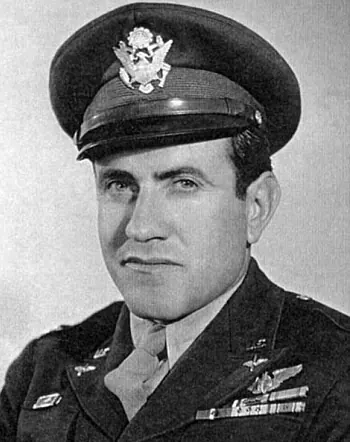
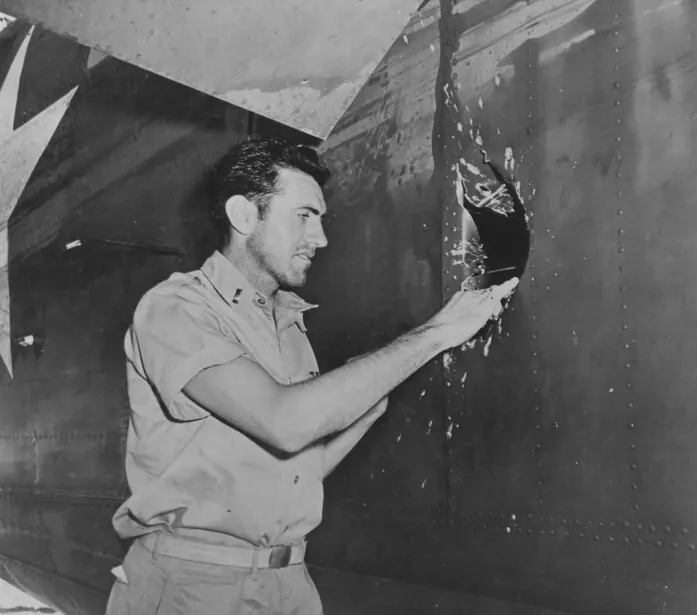
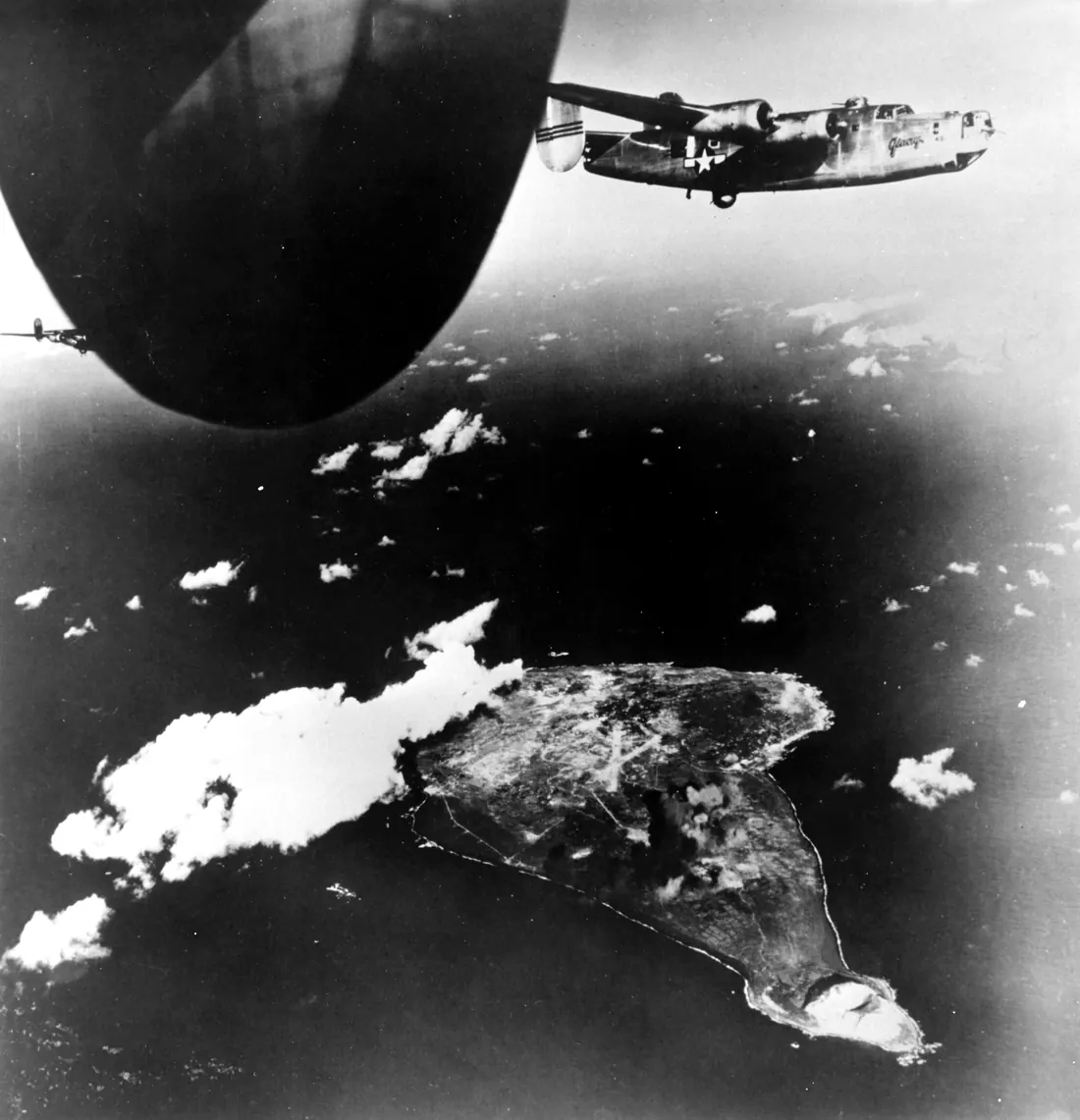
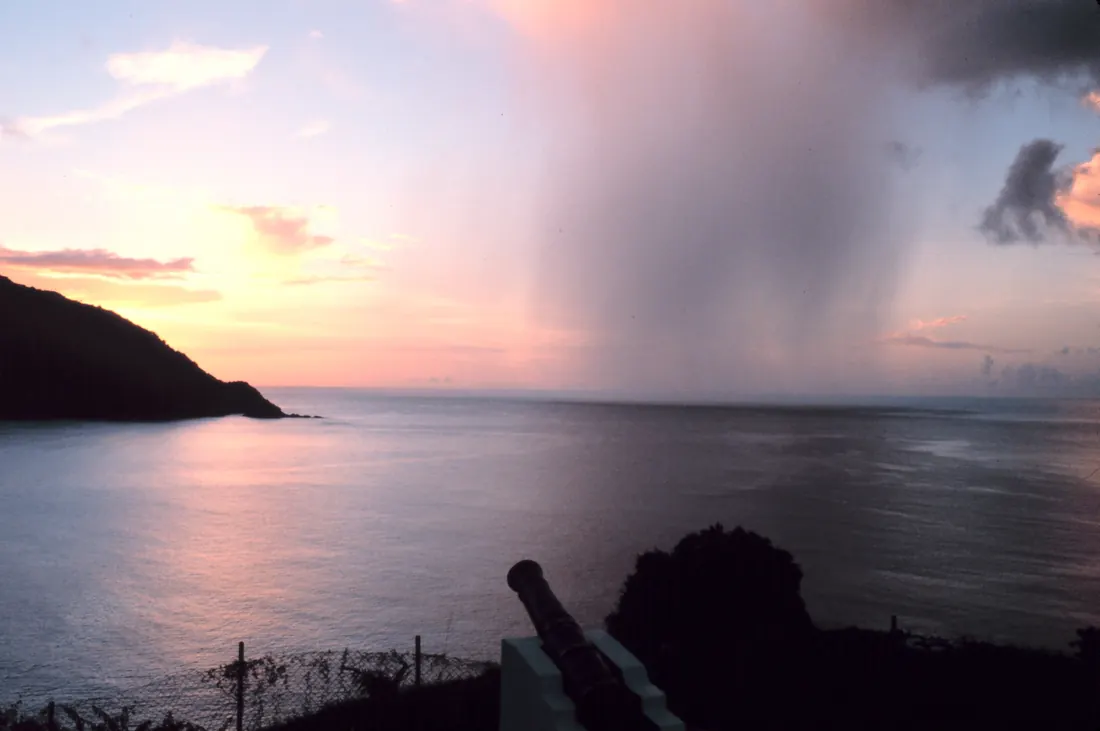
Pictures: the Super Man is the B-24 he flew in April 1943, not the Green Hornet that crashed in May. The B-24s over Iwo Jima are his own 11th Bomb Group, but from 1944. The G4M bombers stand for the type, not the plane that strafed the raft. The rain (Tobago), the albatross (Midway), the sharks (Hawaii) and the map illustrate the story. Omori was one of his camps, and the Bird was a guard there; its photos are from its liberation in August 1945. The Army Air Forces portrait’s public-domain status rests on the Army attribution on Commons. No picture of Watanabe is shown.
Photo credits
The archive photos in this story
The photographs and illustrations in this story are in the public domain or shared under open licenses; each one is credited below with its license. Tap one to enlarge it, or follow the link to its Wikimedia Commons page for the full record. The narration, captions and graphics in the Short are our own; its music and sound effects are credited below.

Music and sound effects
Music: Grieg, Peer Gynt Suite No. 1, Op. 46: II. Ase's Death (Musopen Symphony Orchestra, CC0); Bach, Orchestral Suite No. 3 in D, BWV 1068: II. Air ('Air on the G String') (US Air Force Band, Air Force Strings, public domain, US government work).
Sound effects: Freesound, CC0.


































































