
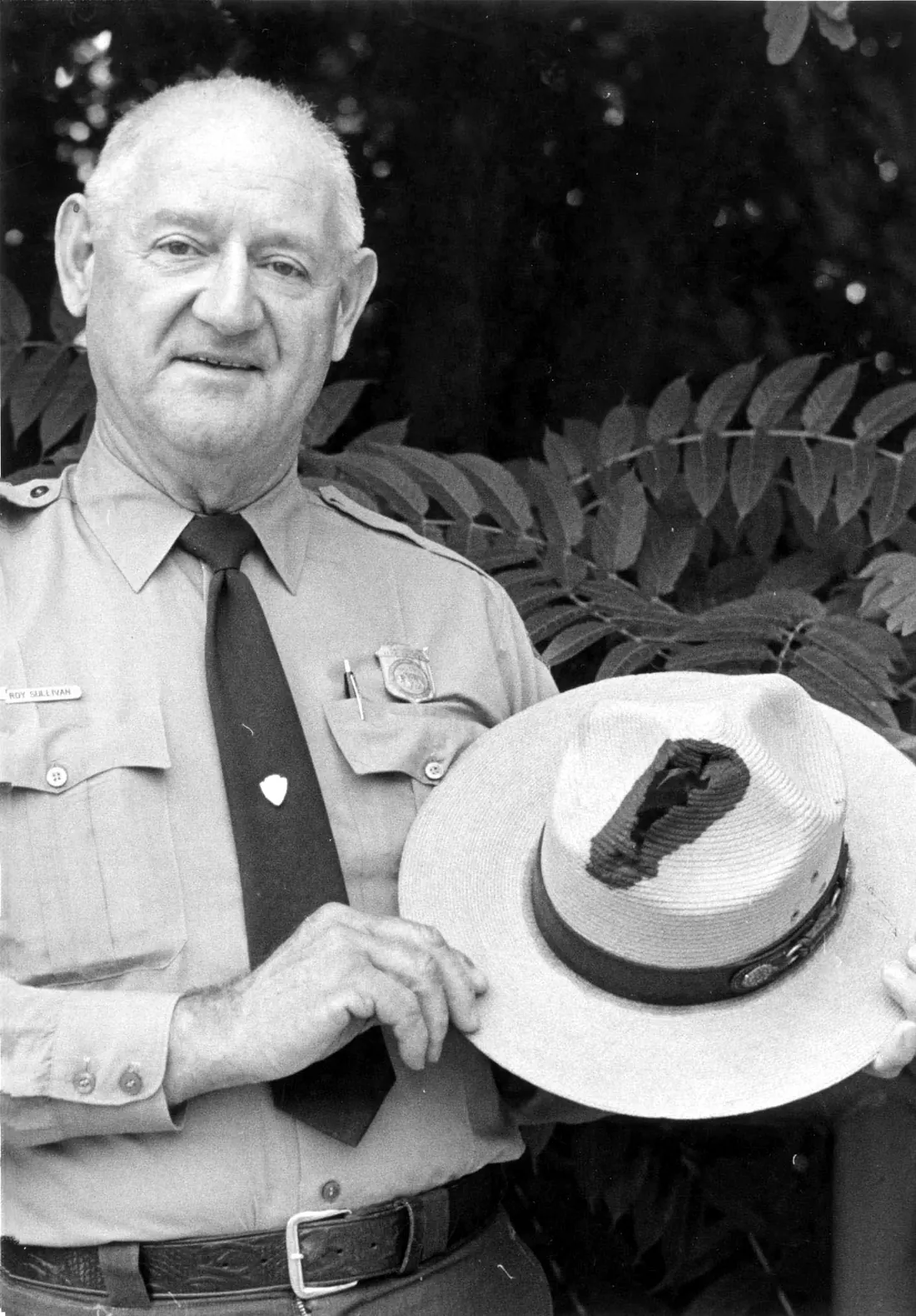
Roy Sullivan was a ranger at Shenandoah National Park, in Virginia’s Blue Ridge Mountains. Between 1942 and 1977 lightning struck him seven times, and he survived every one. The chances of being struck even once in an 80-year lifespan are around 1 in 10,000, Guinness World Records says, and it lists Sullivan as “the only man in the world to be struck by lightning seven times.”
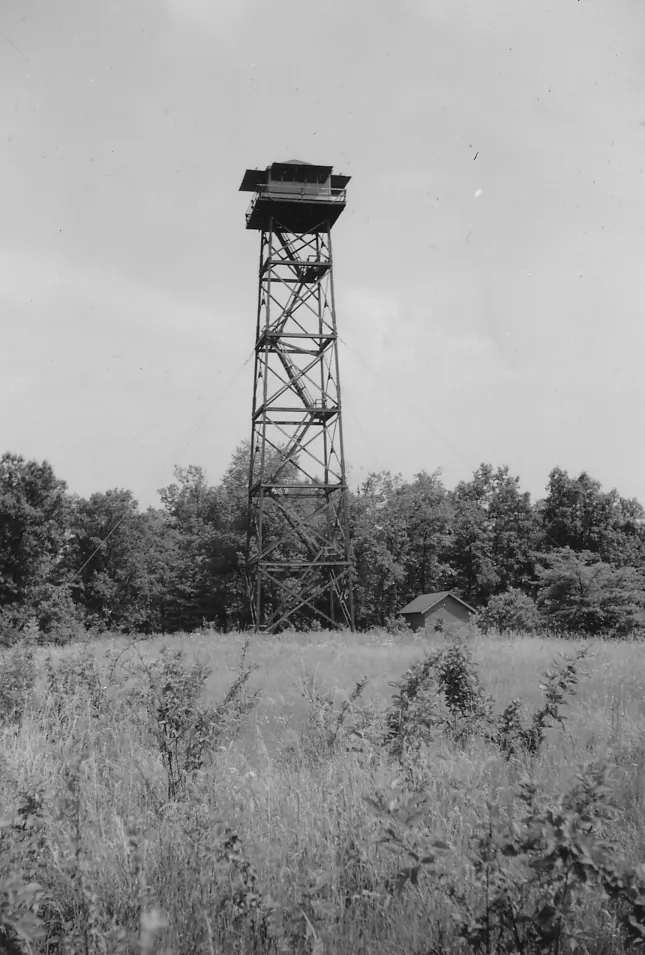
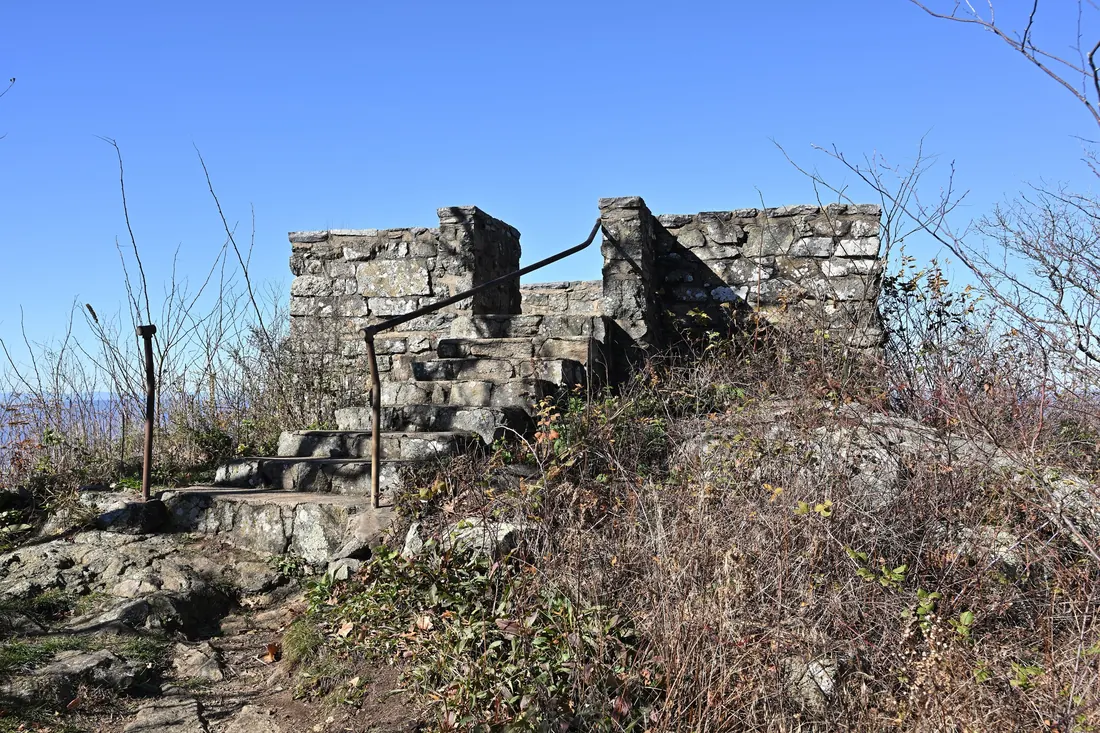
The first strike came in April 1942. He was stationed as a fire lookout in the Millers Head tower, which was newly built and had no lightning rod, when a heavy storm set it ablaze. As he fled, a bolt hit his right leg and knocked off the nail of his big toe. In July 1969 lightning struck him while he was driving his truck, knocking him unconscious, burning off his eyebrows and destroying his wristwatch. In July 1970 it hit him in his garden and seared his left shoulder.
On April 16, 1972, a strike set his hair on fire while he was in a guardhouse at work. “I have never been a fearful man,” he told the press that year. “But I have to tell you the truth. When I hear it thunder now, I feel a little shaky.” People began to avoid him. “Who wants to be near somebody that’s all the time getting hit by lightning?” he said. When a storm blew up, he would put his wife and three children in the living room and sit by himself in the kitchen.
It kept coming. On August 7, 1973, it set his new hair on fire again and seared his legs; on June 5, 1976, it injured his ankle; and on June 25, 1977, while he was fishing, it burned his chest and stomach. His wife was struck once too, while hanging out the washing in their back yard; he was there helping her, and that time he escaped it. Sullivan survived every strike and earned the nickname “Spark Ranger.” No one ever saw a strike happen, only the aftermath, but Guinness accepted all seven.
Fact check
The facts and where they come from
- He was hit by lightning seven times, and survived every one. Guinness World Records: “The only man in the world to be struck by lightning seven times was ex-park ranger Roy C. Sullivan”; “he survived every single strike.” National Park Service: he “was struck by lightning a total of 7 times over 40 years...and lived through every single strike!” 123
- He was a Virginia park ranger. Guinness World Records: “He was working as a ranger at Shenandoah National Park in the Blue Ridge Mountains”; “the human lightning conductor of Virginia, USA.” 214
- In April 1942 lightning set his fire tower ablaze. Guinness World Records: “His first unfortunate encounter with electrostatic discharge came in April 1942”; he was “fleeing a watchtower that had been set ablaze.” The Campo Santo Quarterly Review: “He was stationed as a fire lookout in the Millers Head lookout tower in April, when a heavy storm set the newly constructed tower ablaze.” Wikipedia: “The tower was newly built and had no lightning rod at the time.” 254
- As he ran, a bolt hit his leg and knocked off a toenail. Guinness World Records: he “was hit in the right leg by a direct bolt while fleeing” and “lost the nail on his big toe”; its record entry: “1942 (lost big toe nail).” National Park Service: “Knocked off his big toenail.” 213
- In 1969 it knocked him out in his truck and burned off his eyebrows. Guinness World Records: “The next incident came in July 1969, when Roy was knocked unconscious and left with burned eyebrows and a destroyed wristwatch after being struck while driving his truck”; its record entry: “1969 (lost eyebrows).” National Park Service: “Burned off his eyebrows.” 2134
- The next year it seared his shoulder at home. Guinness World Records: “In July 1970, he was struck while in his garden and his left shoulder was seared.” Wikipedia: “In July 1970, Sullivan was struck while in his front yard.” 24
- Then it set his hair on fire. Guinness World Records: “on 16 April 1972 (hair set on fire)”; “a lightning strike set his hair on fire while he was in a guardhouse at work.” National Park Service: “Set his hair on fire.” 123
- He said, “When I hear it thunder now, I feel a little shaky.” The Campo Santo Quarterly Review: “‘I have tried to lead a good life,’ Sullivan told the press in 1972. ‘I have never been a fearful man. But I have to tell you the truth. When I hear it thunder now, I feel a little shaky.’” Damn Interesting gives the same words, spelled “shakey.” 56
- People were scared to stand near him. Sullivan, quoted by The Campo Santo Quarterly Review: “people avoid me” and “Who wants to be near somebody that’s all the time getting hit by lightning?” Wikipedia: “He was said to have been avoided by people during the later years of his life, owing to fears of being struck by lightning.” Damn Interesting: “Allegedly, some of his friends and family began to avoid him for fear of being struck by lightning themselves.” 546
- In storms he sat alone in the kitchen, away from his family. The Campo Santo Quarterly Review: “‘When a storm blows up,’ Sullivan explained, ‘I put my wife and three kids in the living room and go off by myself and sit in the kitchen, scared.’” Wikipedia: “he would put his wife and three children in the living room, while he sat apart in the kitchen, afraid for their wellbeing.” 54
- But it kept coming: it hit him three more times. Guinness World Records: “on 7 August 1973 (new hair re-fired and legs seared), on 5 June 1976 (ankle injured) and on 25 June 1977 (chest and stomach burns).” 1
- The last time, he was fishing. Guinness World Records: “Roy’s chest and stomach were burned when he was struck during a fishing trip on a boat in June 1977.” Wikipedia: “On June 25, 1977, Sullivan was struck while fishing in a freshwater pool.” 24
- Guinness calls him the only man in the world struck seven times. Guinness World Records: “The only man in the world to be struck by lightning seven times was ex-park ranger Roy C. Sullivan.” Wikipedia: “Sullivan is recognized by Guinness World Records as the person struck by lightning more recorded times than any other human.” 14
- Every time, he got back up. Guinness World Records: “he survived every single strike.” The Campo Santo Quarterly Review: “Sullivan recovered, and returned to work.” 25
- He was nicknamed the “Spark Ranger.” Guinness World Records: “he eventually earned the nickname ‘Spark Ranger.’” 2
- Even one strike is rare. Guinness World Records: “The chances of being struck just once in an 80-year lifespan are around 1 in 10,000.” 2
- His wife was struck once too. Guinness World Records: “Roy’s wife was also struck by lightning once while hanging out the washing in their back yard. And although he was there helping her, he managed to escape it that time.” 2
- No one saw a strike happen. Wikipedia: the strikes were documented by superintendent R. Taylor Hoskins, who “was never present at any of the reported strikes.” Mental Floss: “no one ever witnessed any of the strikes, only the aftermath.” 47
Sources
- Most lightning strikes survived Guinness World Records
- Incredible story of man who survived being struck by lightning SEVEN times (Vicki Newman, January 26, 2023) Guinness World Records
- Lightning Safety (Bryce Canyon National Park) National Park Service
- Roy Sullivan Wikipedia
- Unbearable Lightning The Campo Santo Quarterly Review
- The Conductor (Alan Bellows, July 12, 2013) Damn Interesting
- Meet the Man Who Was Struck by Lightning 7 Times Mental Floss
Notes
Nobody saw a strike happen, only the aftermath. Guinness accepts all seven, and we say Guinness lists him as the only man struck seven times.
The toe: Guinness and the National Park Service say he lost his big toenail; Mental Floss quotes him saying it “knocked my big toe off,” and Damn Interesting says the toe was destroyed. We follow Guinness and the Park Service.
1973: “while in his vehicle” (Guinness) or just after he got out of his truck (Wikipedia, Damn Interesting). 1977: on a boat (Guinness) or in a freshwater pool (Wikipedia, Damn Interesting); we say only that he was fishing.
The 1972 quote is from a press interview (Wikipedia cites Hank Burchard, “Lightning strikes four times,” Lakeland Ledger, May 2, 1972). We checked it in two independent retellings, The Campo Santo Quarterly Review and Damn Interesting, not in the original newspaper.
The National Park Service says “over 40 years,” but the strikes span 35 years, 1942 to 1977.
Left out: the bear he reportedly beat off with a branch after the 1977 strike (it comes from one book, retold by Wikipedia, The Campo Santo Quarterly Review and Damn Interesting), a childhood strike he never claimed, and the year he started at the park (1936 by Wikipedia, 1940 by an AP obituary).
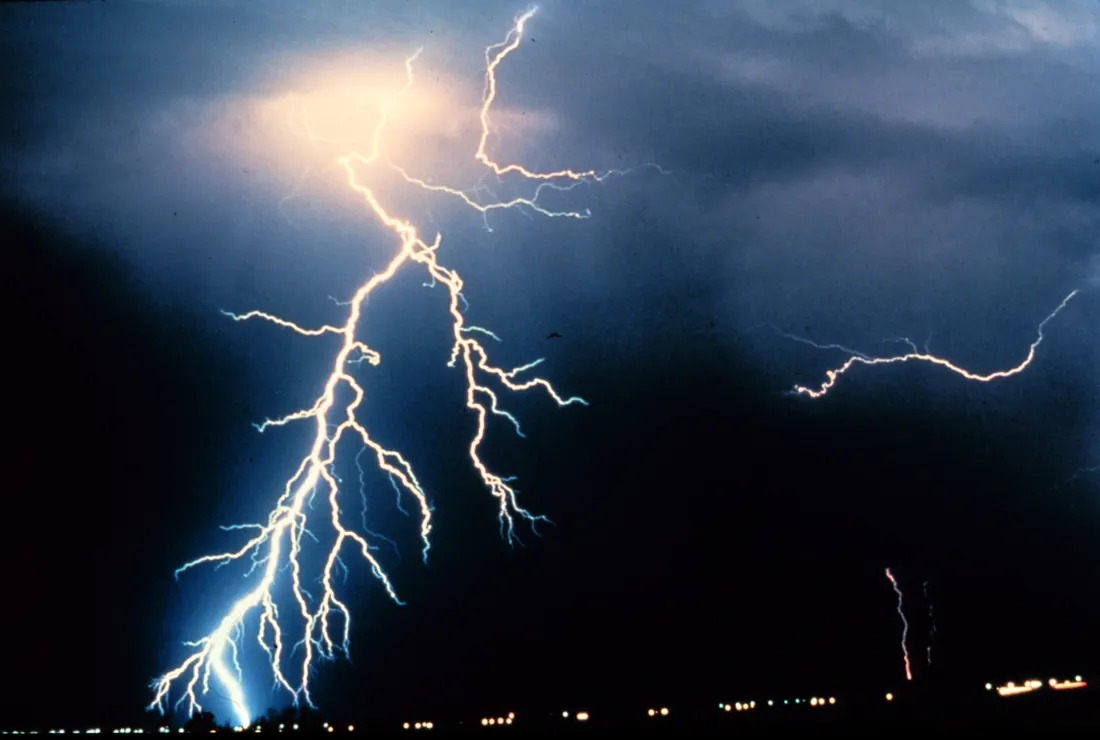
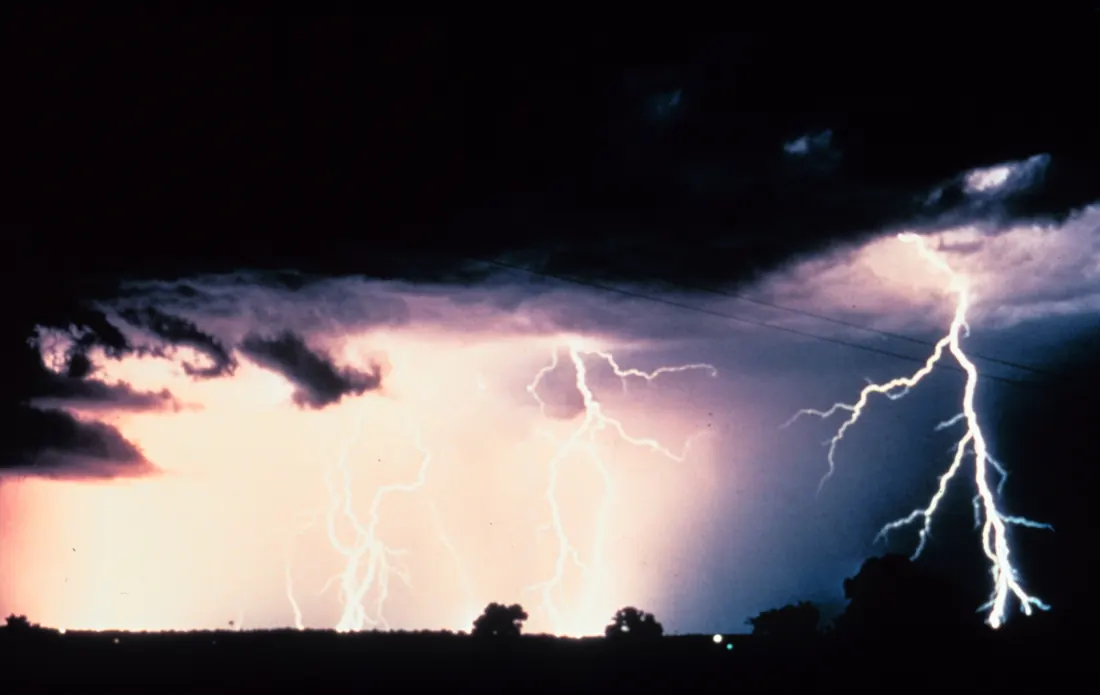
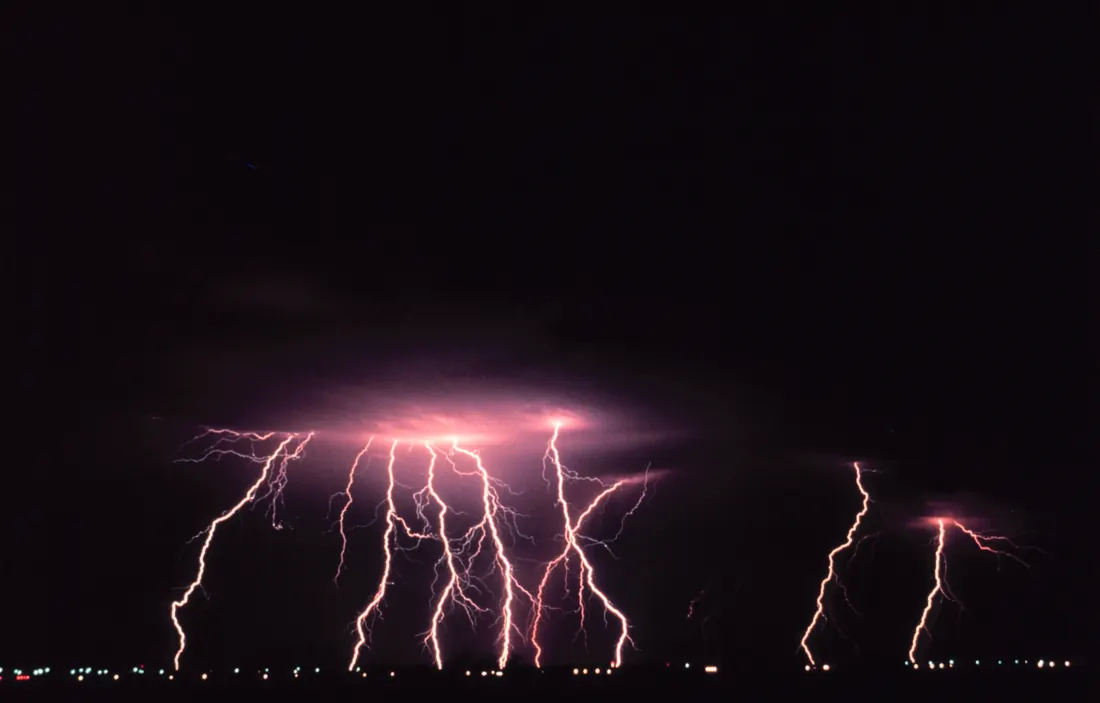
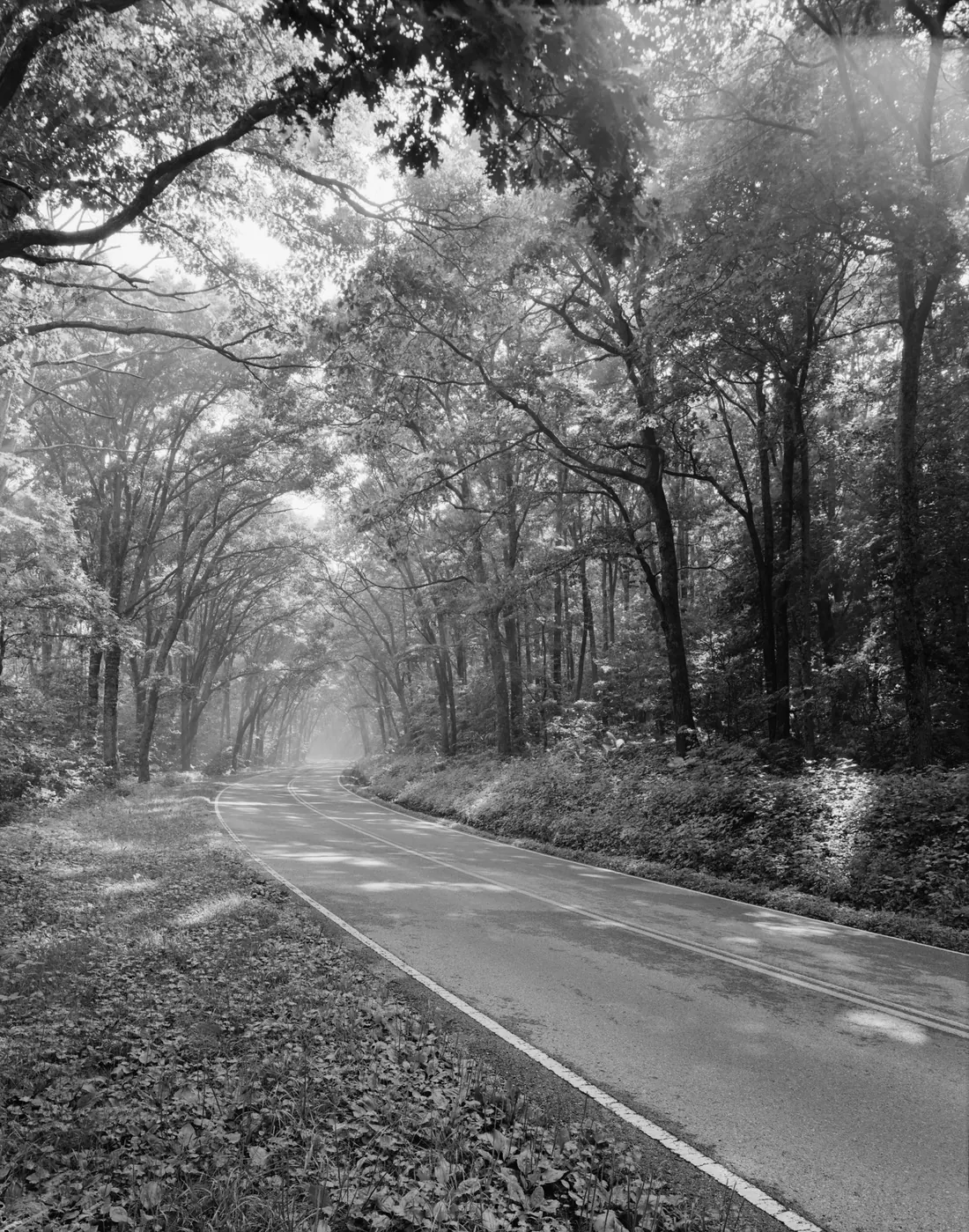
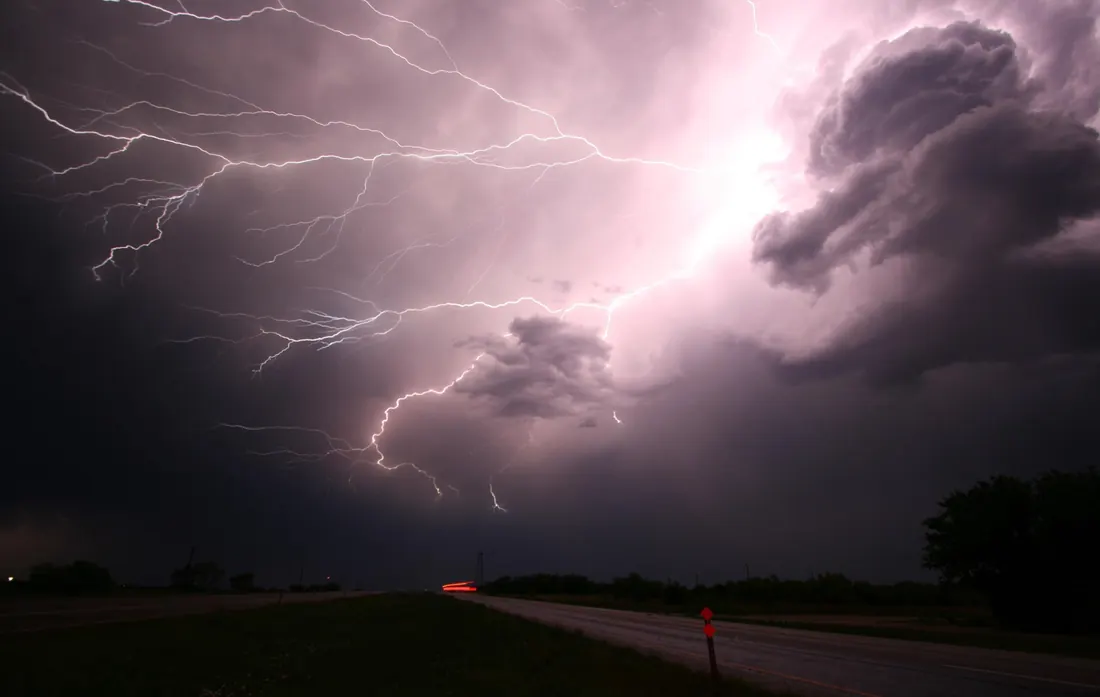
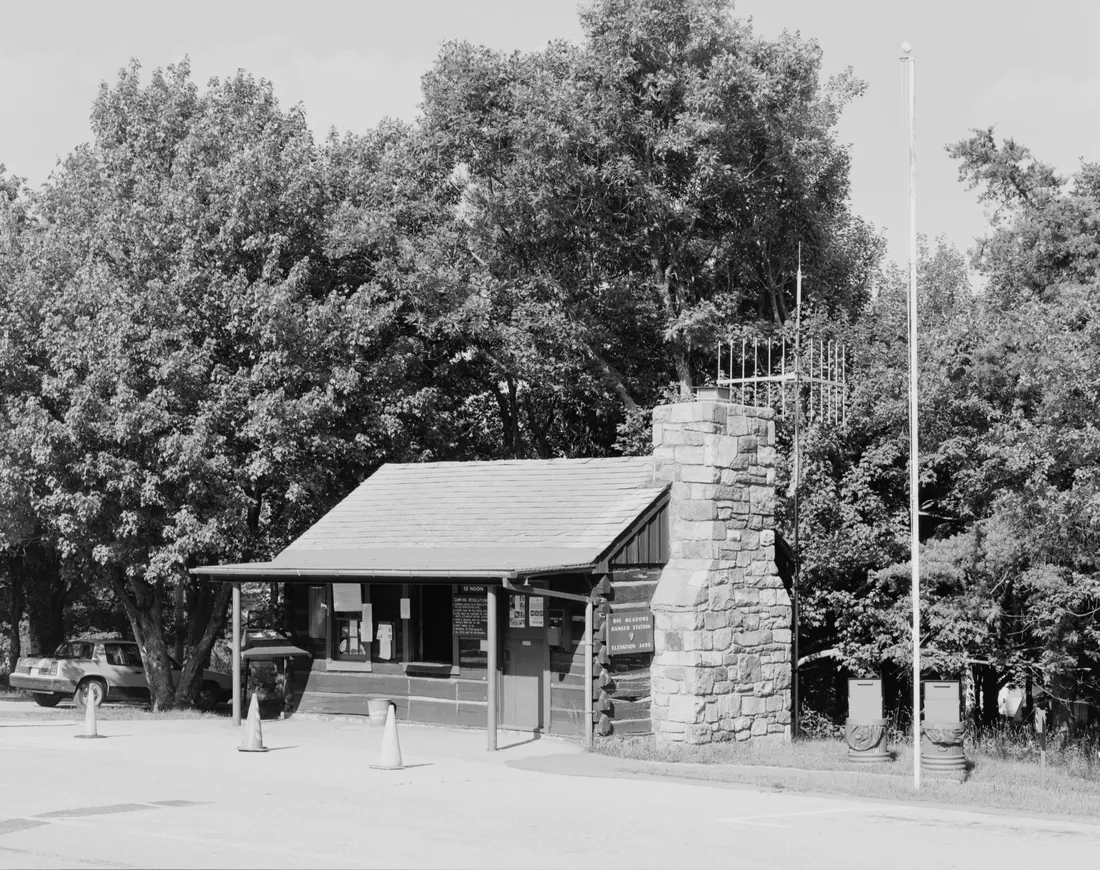
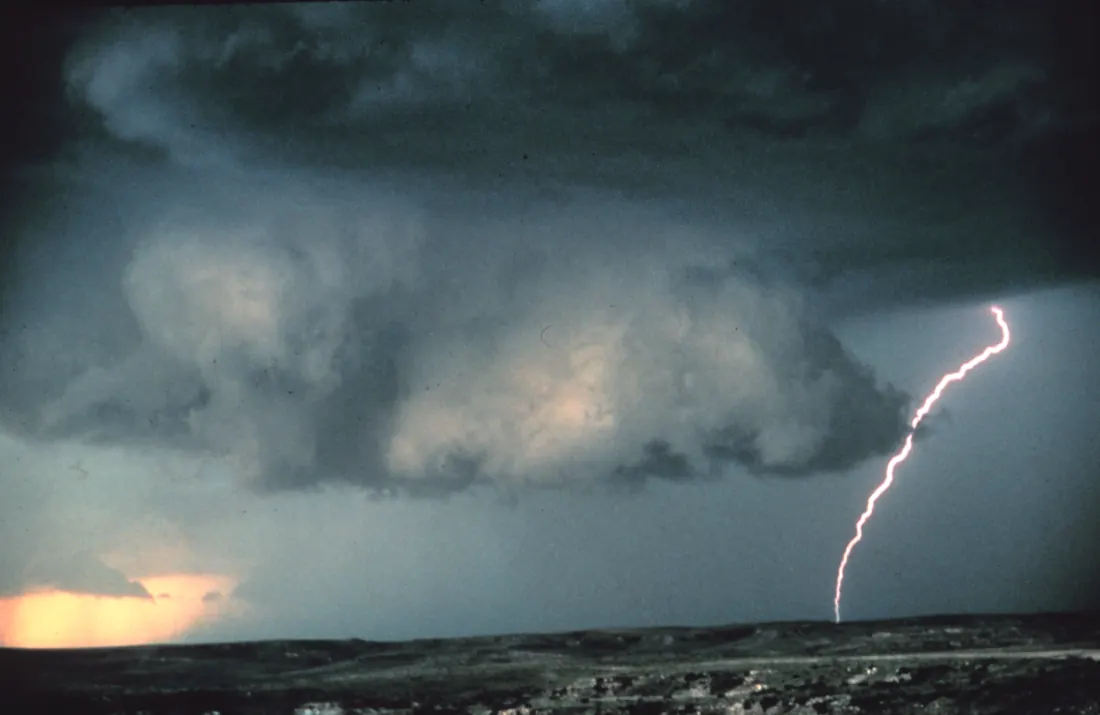
Pictures: the photo of Sullivan holding his burned ranger hat, posted by Shenandoah National Park, is the only one of him here; which strike burned the hat isn’t recorded. The 1941 lookout tower is in Illinois, of the same era and type, not his. Millers Head shows the site of his 1942 tower as it is today. The Skyline Drive and Big Meadows check-in station photos (1996) show the park’s roads and ranger stations, not the scenes of the strikes. The lightning photos are NOAA’s, from Oklahoma and Texas, and the Rose River is in the park but is not where he was fishing.
Photo credits
The archive photos in this story
The photographs and illustrations in this story are in the public domain or shared under open licenses; each one is credited below with its license. Tap one to enlarge it, or follow the link to its Wikimedia Commons page for the full record. The narration, captions and graphics in the Short are our own; its music and sound effects are credited below.

Music and sound effects
Music: Mussorgsky, Night on Bald Mountain (1886 version) (Musopen, public domain); Brahms, Symphony No. 2 in D major, Op. 73: IV. Allegro con spirito (Musopen Symphony Orchestra, CC0).
Sound effects: Freesound, CC0.


































































