Ellen Craft was born in Clinton, Georgia, in 1826. She grew up as the daughter of a white slaveholder and an enslaved mother, and she appeared, in the National Park Service’s words, “almost white.” Her husband, William, told her that if she disguised herself as an ill, young, white planter, and he played the role of the planter’s enslaved man, they could escape to freedom.
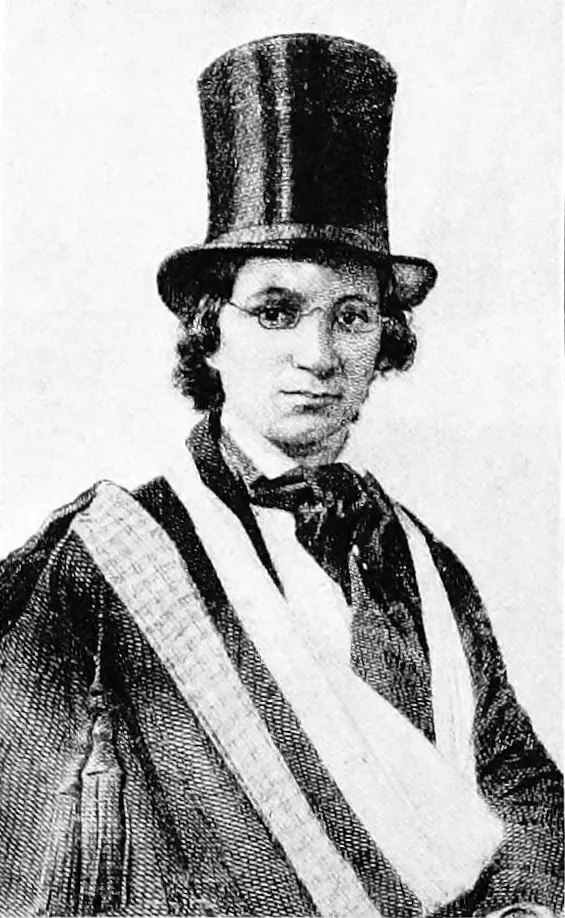
William cut her hair square at the back of her head. Because she could not write, she bound up her right hand in a sling, so that she could, in her words, “with propriety ask the officers to register my name for me.” A poultice in a white handkerchief, worn under her chin, up her cheeks and tied over her head, hid much of her face, and she wore a pair of green spectacles. On December 21, 1848, they left Macon, Georgia, with William masquerading, as the New Georgia Encyclopedia puts it, as her “attentive valet.”
On the train out of Macon, a Mr. Cray sat on the same seat as Ellen. He was an old friend of her master, had dined with the family the day before and had known her from childhood. She resolved to feign deafness “as the only means of self-defence.” On Saturday evening, December 24, Christmas Eve, they reached Baltimore, and there an officer stopped them: “It is against our rules, sir, to allow any person to take a slave out of Baltimore into Philadelphia, unless he can satisfy us that he has a right to take him along.” Right or no right, he told them, “we shan’t let you go.” Just then the bell rang for the train to leave, and the officer told the clerk to tell the conductor to “let this gentleman and slave pass.”
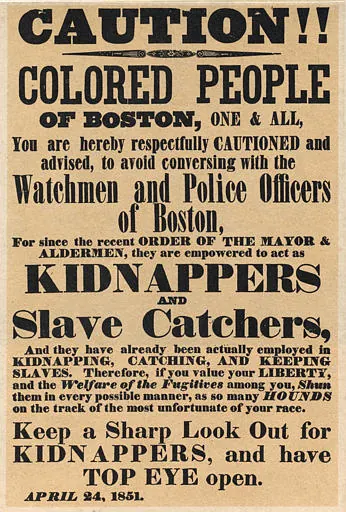
They reached Philadelphia on Christmas morning, at the end of what the Crafts called “the thousand miles of slave territory.” There Ellen grasped William by the hand and said, “Thank God, William, we are safe!” After the Fugitive Slave Law of 1850, two slave catchers came to Boston and got a warrant to take the Crafts back into slavery. Once the men had left Boston, the Crafts, aided by their supporters, decided to escape to England.
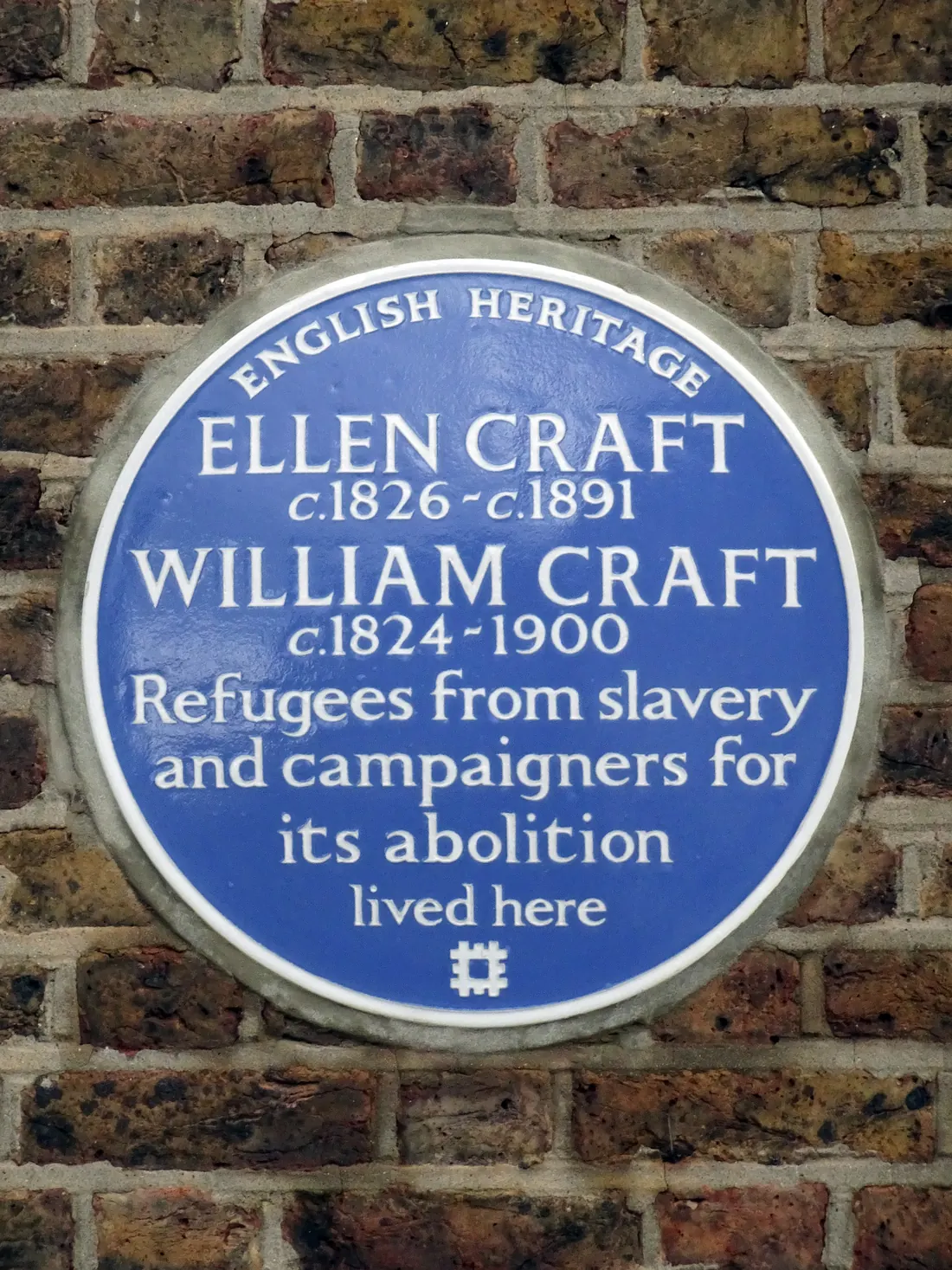
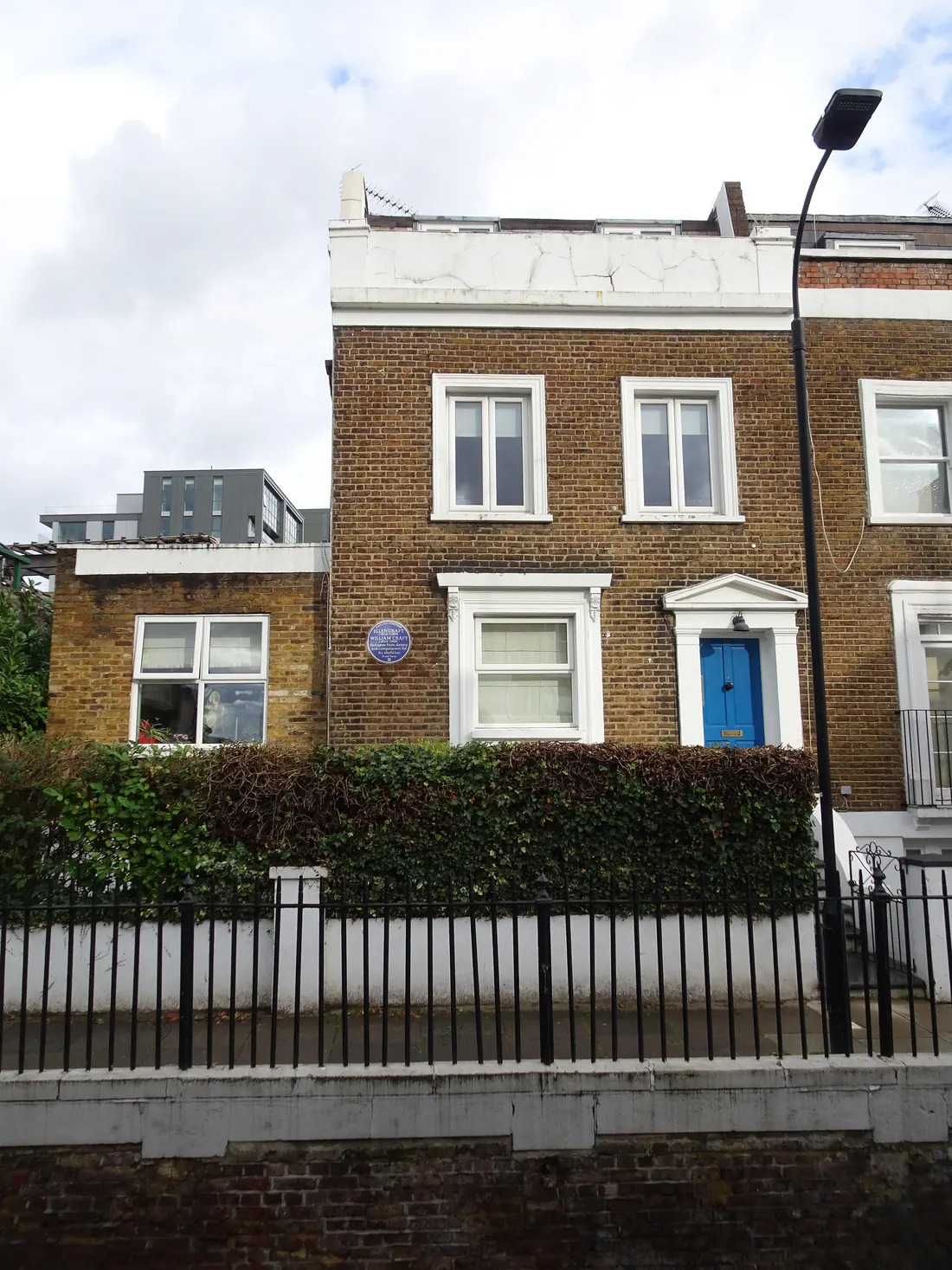
In England, Harriet Martineau arranged for their schooling at the village school in Ockham, Surrey, and there Ellen learned to read and write. In a letter published in December 1852 she wrote that she “had much rather starve in England, a free woman, than be a slave.” The Crafts spent 19 years in England and had five children there, and in 1860 they told their story in Running a Thousand Miles for Freedom. In 2021 an English Heritage blue plaque was unveiled at 26 Cambridge Grove, Hammersmith, in London, where they had lived.
Fact check
The facts and where they come from
- She was enslaved, but escaped dressed as a white master, with her husband as her slave. New Georgia Encyclopedia: “Ellen looked white and was able to dress as a southern slaveholder”; “Her darker-skinned husband, William, accompanied her by masquerading as her attentive valet.” Wikipedia: “passing as a white planter with William posing as her servant.” 34
- Her name was Ellen Craft, freedom seeker. National Park Service: “Freedom seeker and abolitionist, Ellen Smith Craft notably disguised herself as a sickly, White gentleman in order to escape to freedom.” The National Park Service and Wikipedia give her birth as 1826, in Clinton, Georgia; her blue plaque says “c.1826.” 24
- Her skin was light enough to pass for white. National Park Service: she “grew up as the daughter of a White slaveholder and an enslaved mother” and appeared “almost white.” Wikipedia: “Ellen planned to take advantage of her appearance to pass as white.” 24
- In 1848 she disguised herself as a sick young planter. National Park Service: William told Ellen “that if she disguised herself as an ill, young, White planter, and he played the role of the planter’s enslaved man, they could escape to freedom”; “On December 21, 1848, Ellen and William Craft began their journey to freedom. They left Macon, Georgia.” Their book: “I cut off my wife’s hair square at the back of the head.” 21
- Since she couldn’t write, she put her arm in a sling. Wikipedia: “She wore her right arm in a sling to hide the fact that she could not write.” Ellen, in their book: “I think I can make a poultice and bind up my right hand in a sling, and with propriety ask the officers to register my name for me.” 41
- Green glasses and a bandage hid her face. Their book: “another poultice, and put it in a white handkerchief to be worn under the chin, up the cheeks, and to tie over the head,” and “so I went to a shop and bought a pair of green spectacles.” 1
- On the first train, her master’s old friend sat beside her. Their book, on the train from Macon: “a Mr. Cray—an old friend of my wife’s master, who dined with the family the day before, and knew my wife from childhood,” “sitting on the same seat.” 1
- She pretended to be deaf. Their book, in which William calls Ellen in her disguise “my master”: “my master resolved to feign deafness as the only means of self-defence.” 1
- In Baltimore, an officer refused to let them board without proof William was hers. Their book: “We left our cottage on Wednesday morning, the 21st of December, 1848, and arrived at Baltimore, Saturday evening, the 24th (Christmas Eve).” The officer: “It is against our rules, sir, to allow any person to take a slave out of Baltimore into Philadelphia, unless he can satisfy us that he has a right to take him along,” and “right or no right, we shan’t let you go.” 1
- The train bell rang, and he let them go. Their book: “Just then the bell rang for the train to leave,” and the officer told the clerk to tell the conductor to “let this gentleman and slave pass.” 1
- On Christmas morning, after a thousand miles, they reached Philadelphia. National Park Service: “The Crafts successfully obtained their freedom when they arrived in Philadelphia on Christmas morning.” Their book: “every inch of the thousand miles of slave territory over which we had to pass”; “on this Sabbath, and Christmas-day.” 21
- Ellen grabbed his hand and said, “Thank God, William, we are safe!” Their book: she “grasped me by the hand, and said, ‘Thank God, William, we are safe!’” 1
- When slave catchers came, they fled to England. National Park Service: after the Fugitive Slave Law of 1850, “two slave catchers successfully acquired a warrant to take the Crafts back into slavery”; “Once these men left Boston, the Crafts decided to leave for England.” Wikipedia: “A month after the new law took effect, Collins sent two bounty hunters to Boston to capture the Crafts,” and “Aided by their supporters, the Crafts decided to escape to England.” 24
- There, she learned to write. Wikipedia: Harriet Martineau “arranged for their intensive schooling at the village school in Ockham, Surrey,” and “Having learned to read and write, Ellen Craft published the following.” New Georgia Encyclopedia: “The Crafts attended the Ockham School in Surrey for three years.” 43
- And wrote, “I had much rather starve in England, a free woman, than be a slave.” Her letter of December 1852, word for word in both the National Park Service’s copy (from the Massachusetts Spy, December 29, 1852) and Wikipedia’s (from the Anti-Slavery Advocate): “for I had much rather starve in England, a free woman, than be a slave.” 24
- They stayed in England for 19 years. Wikipedia: “The Crafts spent 19 years together in England, where they had five children.” Their book was published in London in 1860, and Wikipedia says the English Heritage blue plaque at 26 Cambridge Grove, Hammersmith, was unveiled in 2021. 41
Sources
- Running a Thousand Miles for Freedom; or, The Escape of William and Ellen Craft from Slavery (William Craft, with Ellen Craft, London, 1860) Project Gutenberg
- Ellen Craft National Park Service
- William and Ellen Craft (1824–1900; 1826–1891) (Barbara McCaskill) New Georgia Encyclopedia
- Ellen and William Craft Wikipedia
Notes
“A white master”: she posed as a young white planter and slaveholder, not as her own enslaver.
The start date: their book and the National Park Service say they left Macon on December 21, 1848; Wikipedia’s account of the escape garbles it (“On December 21, they boarded a steamship for Philadelphia”). We follow the book.
“A thousand miles” is the Crafts’ own figure (their book’s title and text), not a measured distance.
Her letter: the National Park Service (Massachusetts Spy, December 29, 1852) and Wikipedia (Anti-Slavery Advocate, December 1852) agree word for word as far as “than be a slave” and differ after it, so we stop there.
The book: its 1860 title page names only William; Wikipedia and the New Georgia Encyclopedia say scholars now credit Ellen too, so we call it their book.
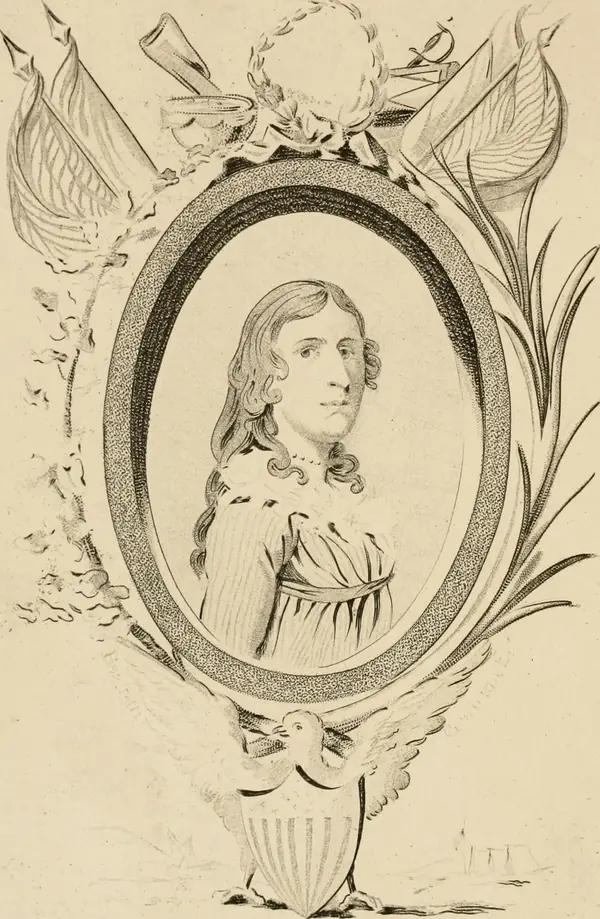
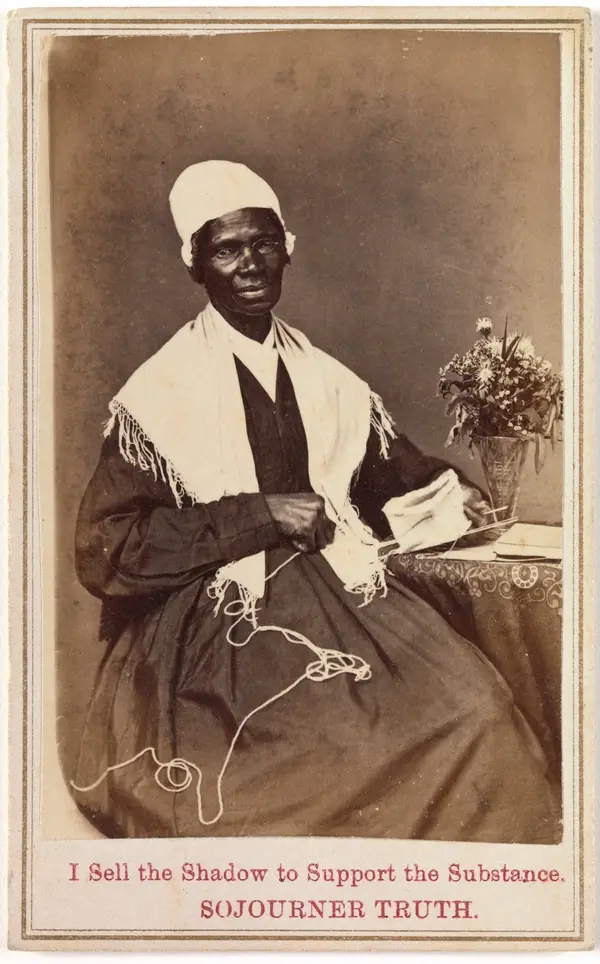
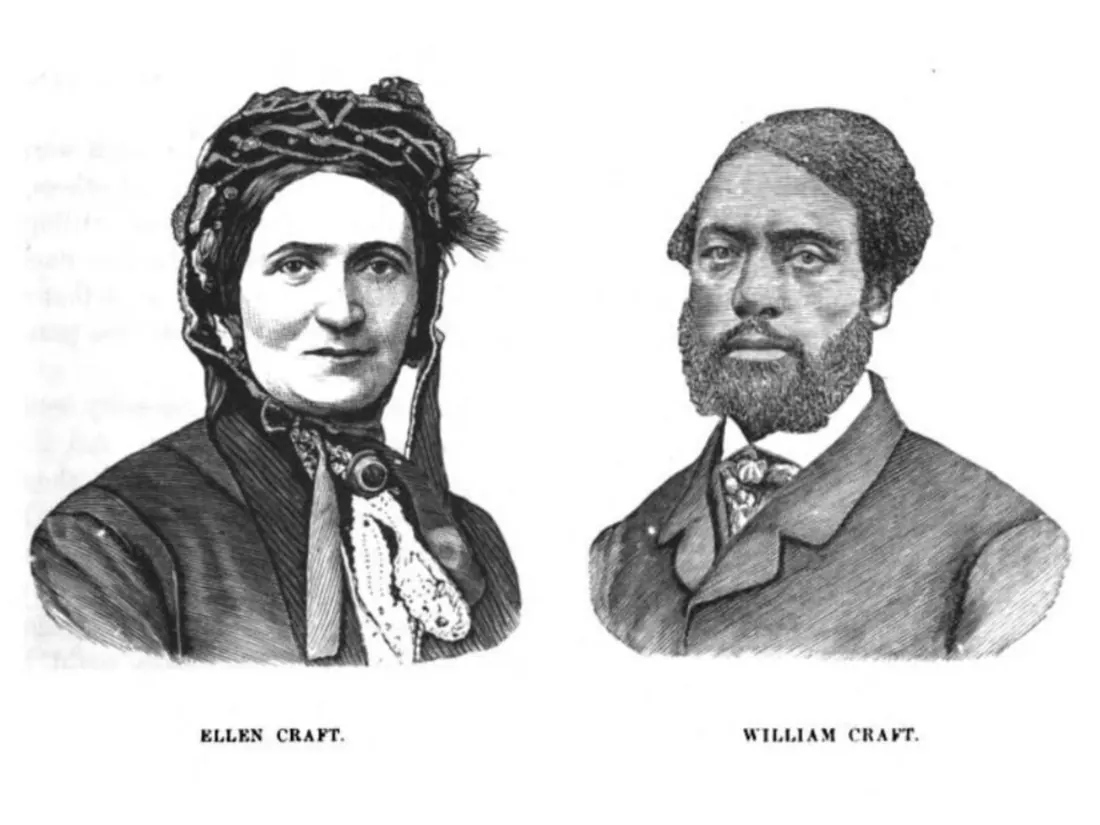
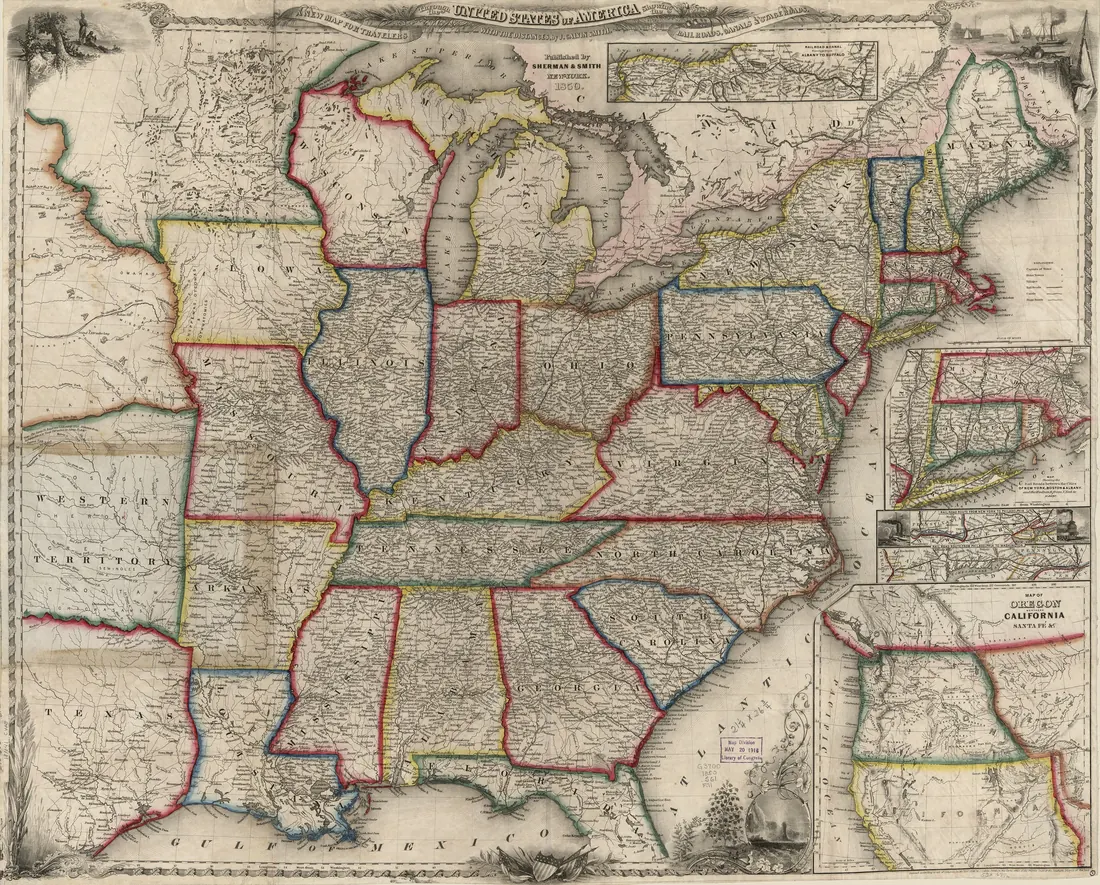
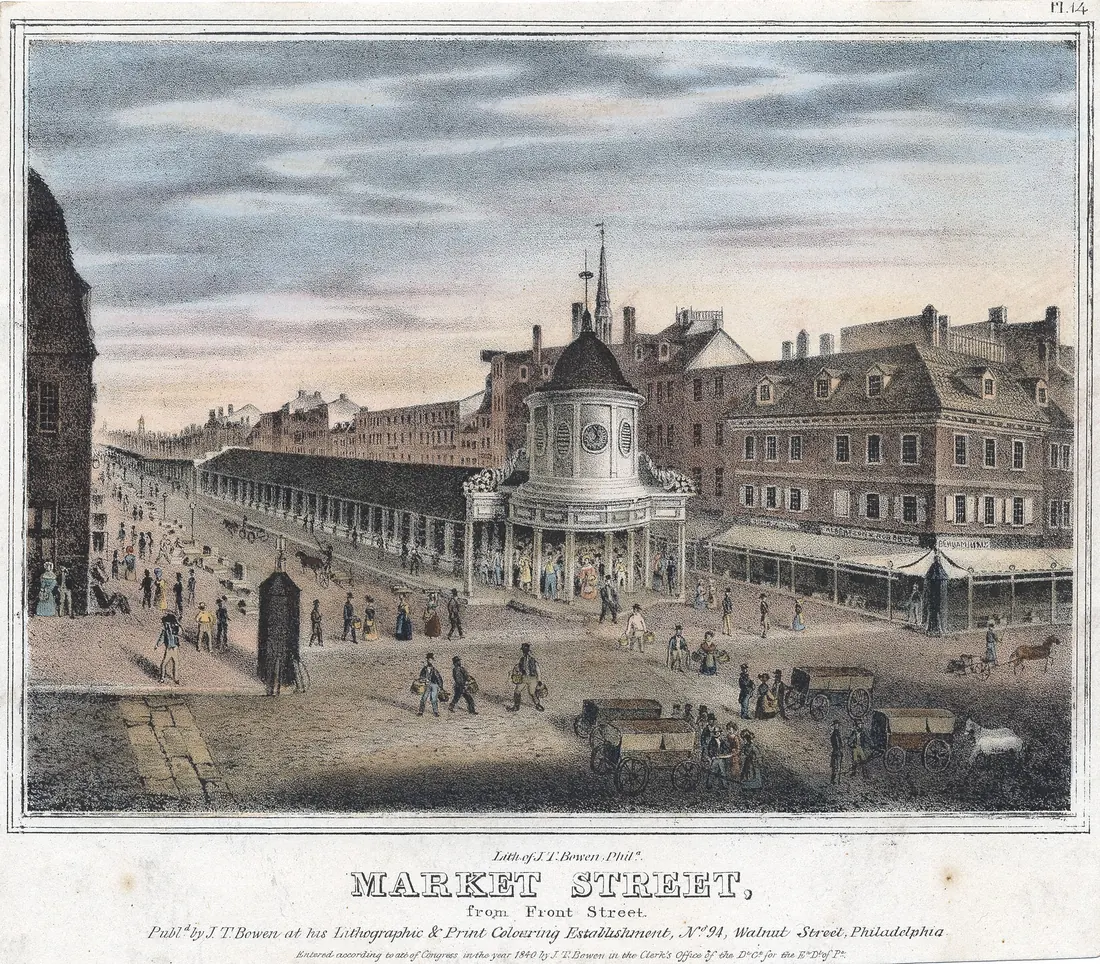
Pictures: Ellen Craft herself is in the engraving of her disguise, the portrait from their book, as reprinted in 1898 (it leaves off the bandage; their book: “The poultice is left off in the engraving”), and, with William, in William Still’s engravings, which show them later in life. The 1850 map, Market Street in 1840 and the Boston poster of April 1851, a few months after the Crafts left, show the places and times of the story, not the Crafts. No free picture of their trains, of the Baltimore station of 1848 or of the Ockham school was found. The plaque photos are from 2021.
Photo credits
The archive photos in this story
The photographs and illustrations in this story are in the public domain or shared under open licenses; each one is credited below with its license. Tap one to enlarge it, or follow the link to its Wikimedia Commons page for the full record. The narration, captions and graphics in the Short are our own; its music and sound effects are credited below.
Music and sound effects
Music: Grieg, Peer Gynt Suite No. 1, Op. 46: II. Ase's Death (Musopen Symphony Orchestra, CC0); Dvorak, Goin' Home (US Air Force Band, Concert Band, public domain, US government work).
Sound effects: Freesound, CC0.