
Sojourner Truth was born Isabella Baumfree in 1797 in Ulster County, New York. When she was nine years old she was sold away from her parents to John Neely near Kingston, who bought her and a flock of sheep for $100.
Her later owner, John Dumont, promised to free her, but in 1826 he changed his mind. Before the year ended she freed herself and her infant daughter, Sophia. “A little before day-break,” her Narrative says, “she might have been seen stepping stealthily away from the rear of Master Dumont’s house, her infant on one arm.” As she told Dumont, “I did not run away; I walked away by day-light.”
Then she learned that her son Peter, a boy of five, had been sold. The sale was illegal (“The law expressly prohibited the sale of any slave out of the State,” the Narrative says), but the boy had been passed on to a wealthy planter named Fowler, who took him to his home in Alabama. She had no money, but she told her old mistress, Mrs. Dumont, “I’ll have my child again.”
On March 1, 1828, Isabella, who had taken the Van Wagenen surname of her employers, applied to a Supreme Court commissioner, Abraham Bruyn Hasbrouck, for a writ of habeas corpus “to obtain her son’s freedom.” Her deposition said that Eleazar Gedney had sold Peter to his brother, Solomon W. Gedney, who had exported the boy to a southern state. On March 14 Solomon Gedney and Peter appeared before the commissioner, who was convinced by her evidence and ordered the boy released, to “be delivered into the hands of the mother.” Peter’s body was covered in scars. “It is where Fowler whipped, kicked, and beat me,” he told her. She had become one of the first Black women to go to court against a white man and win. The court papers of People v. Solomon Gedney were found again in the New York State Archives in February 2022.
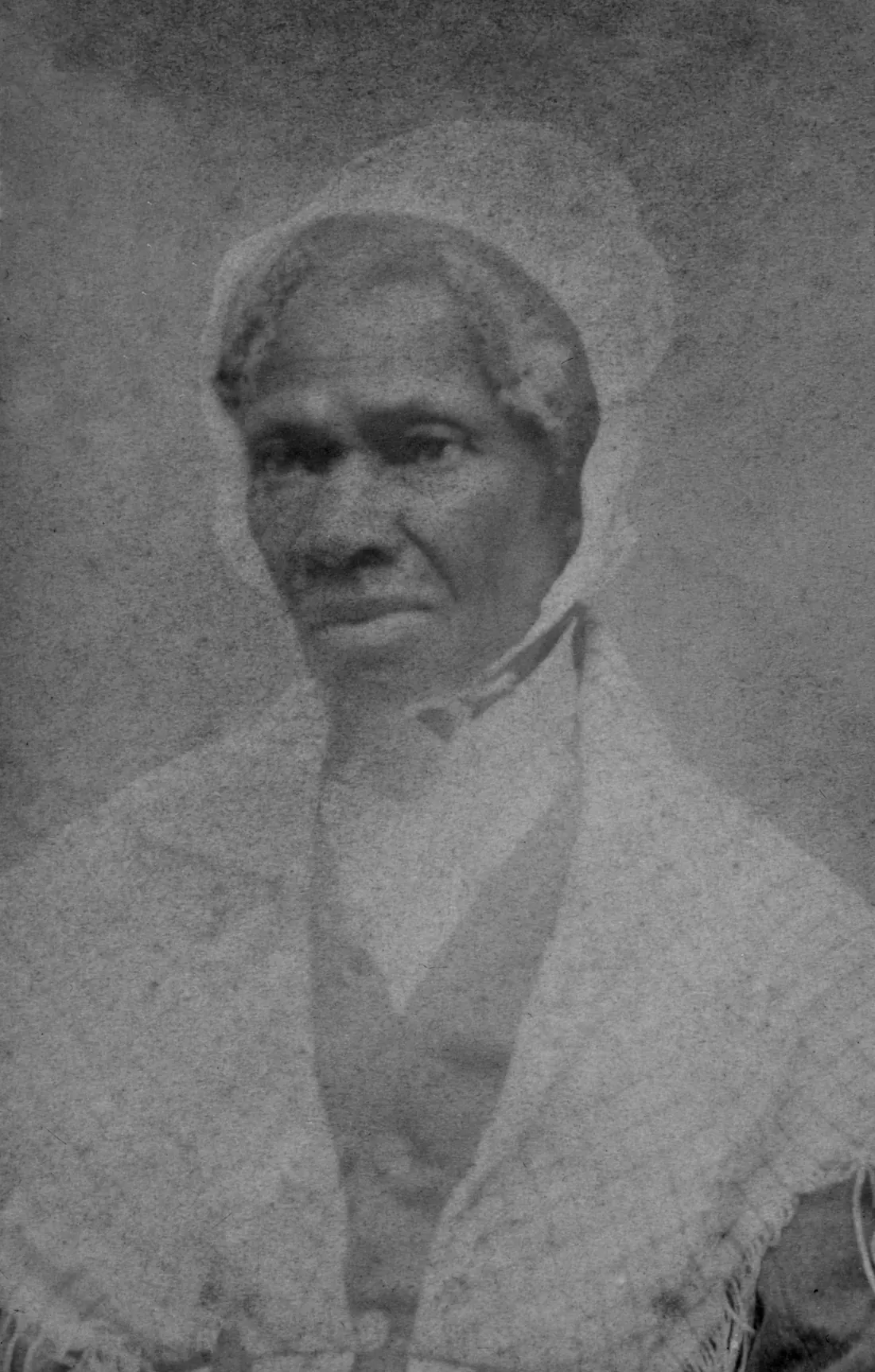
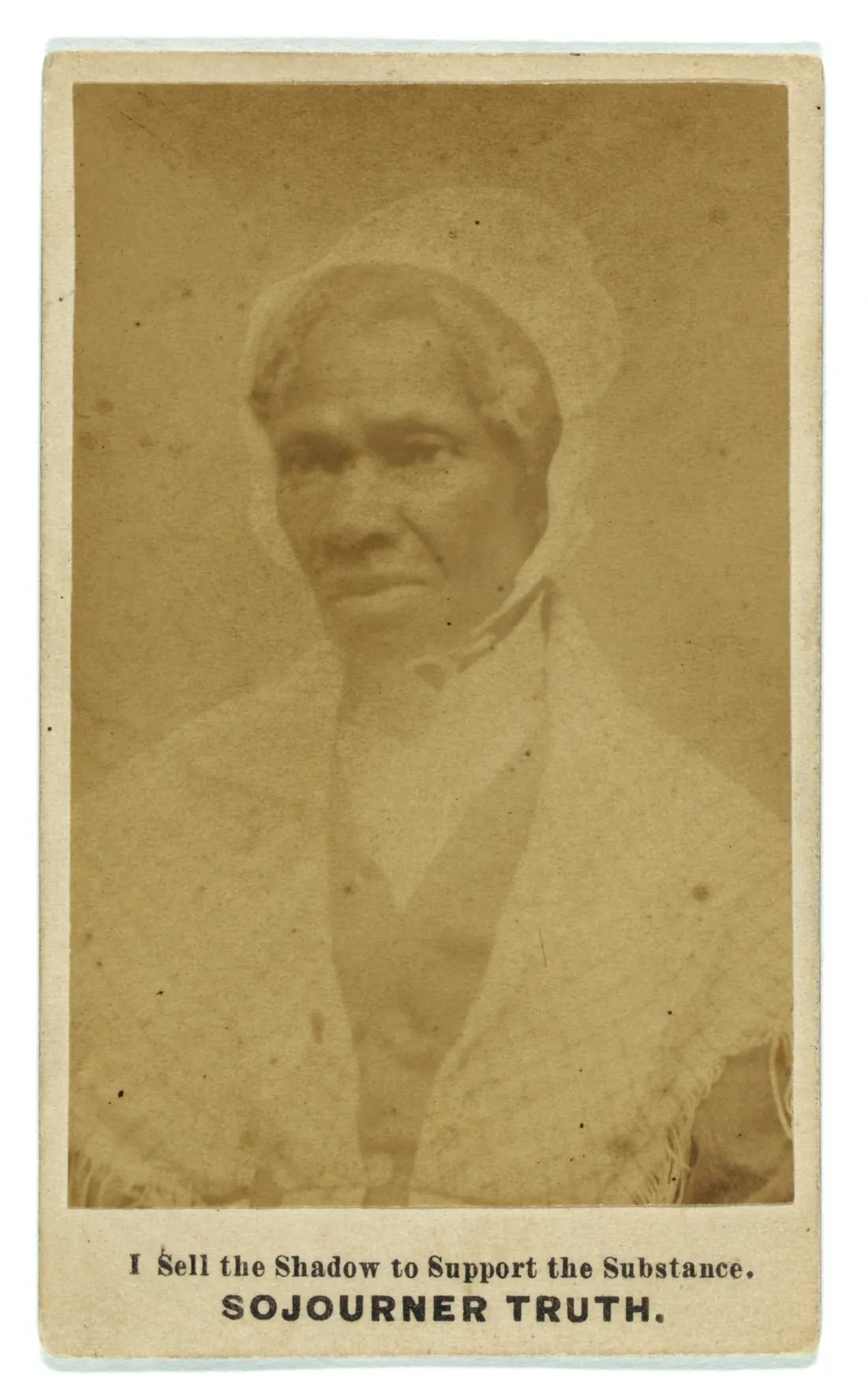
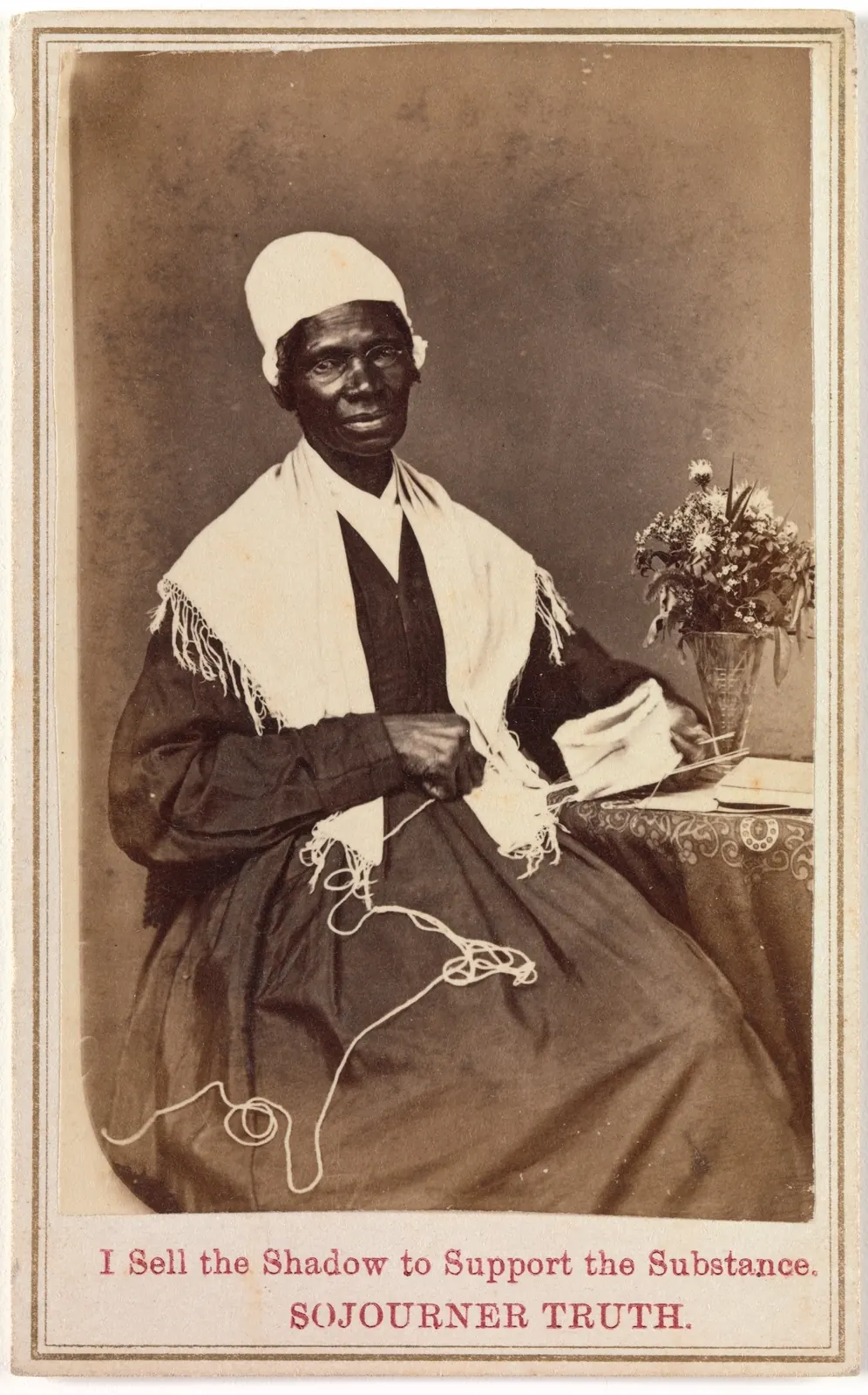
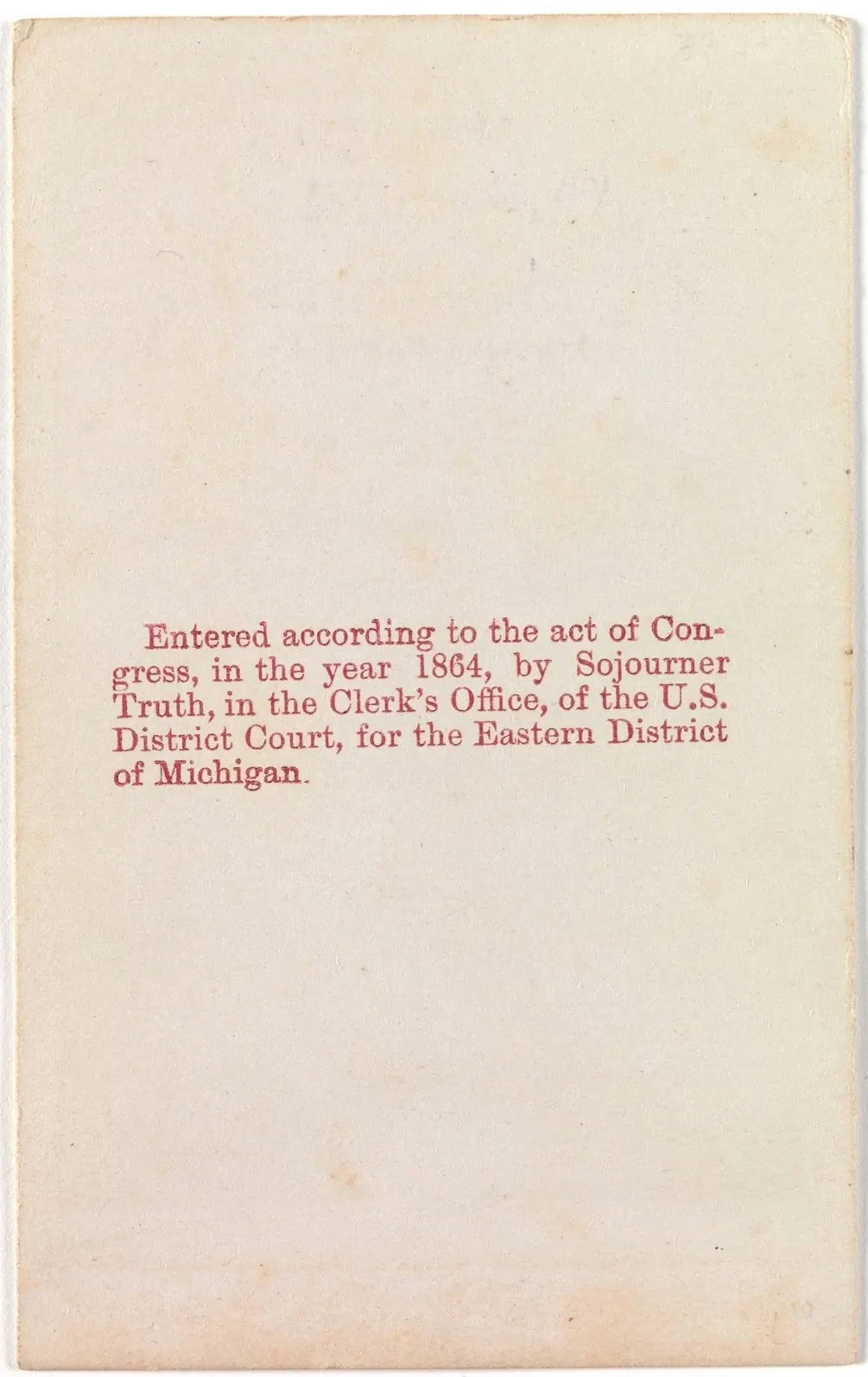
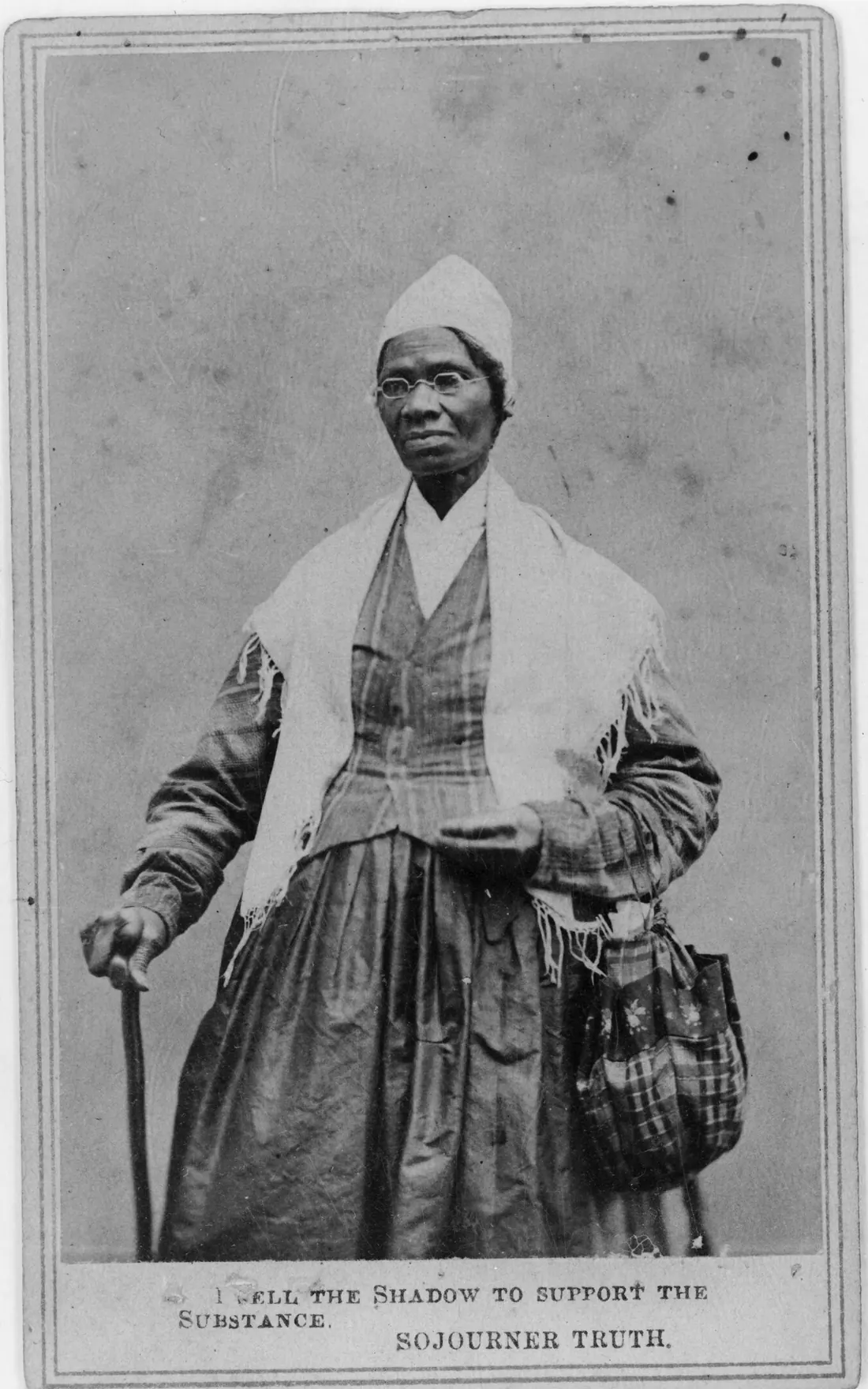
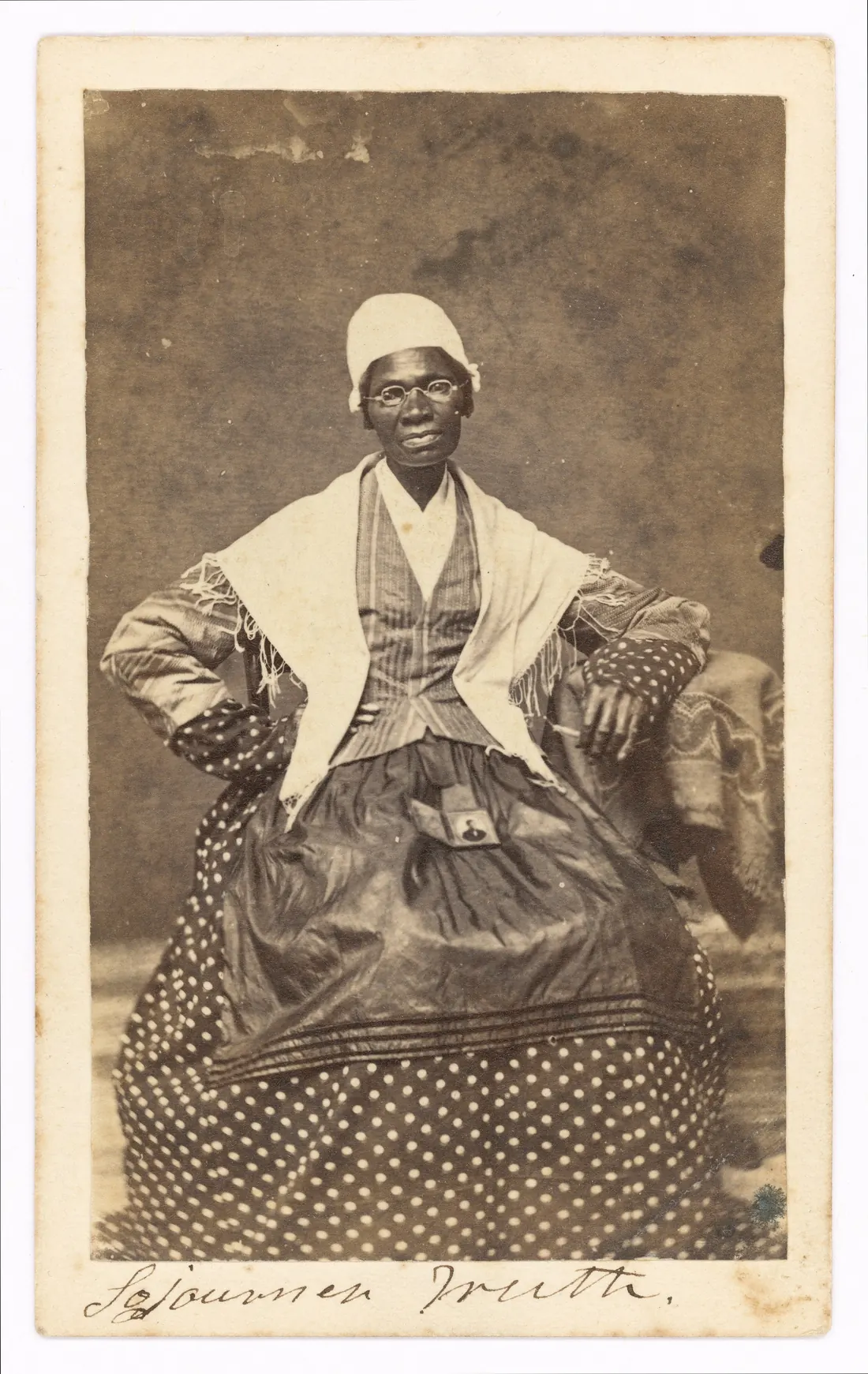
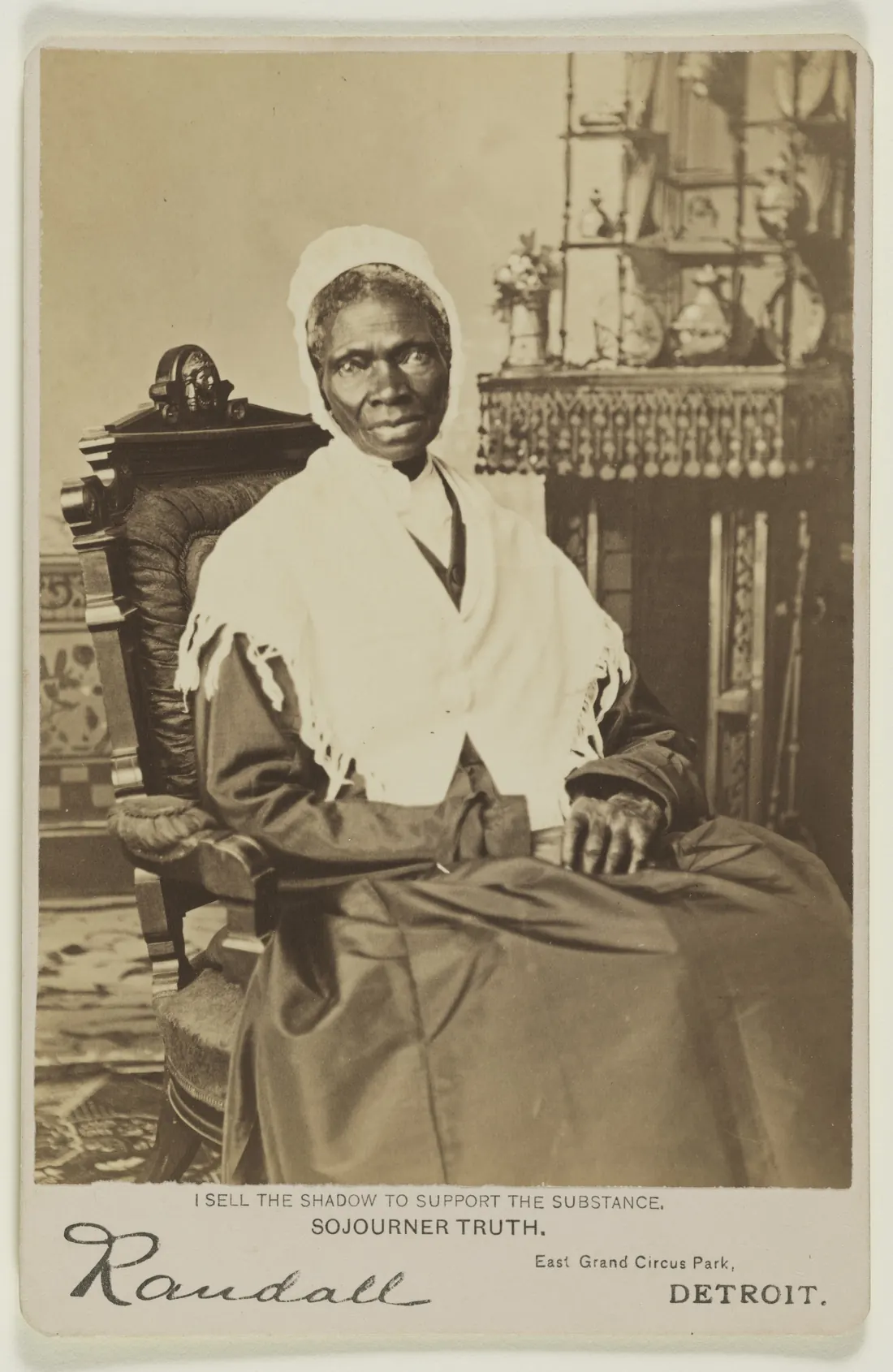
In 1843 she took the name Sojourner Truth and began touring the country speaking against slavery. She sold photographs of herself captioned “I sell the shadow to support the substance,” and registered them in her own name: the back of one card is printed “Entered according to the act of Congress, in the year 1864, by Sojourner Truth.” Once sold with a flock of sheep, she now owned her own image. She died in Battle Creek, Michigan, on November 26, 1883.
Fact check
The facts and where they come from
- She had been enslaved, but she took a white man to court, and won. New York State Education Department: “successfully suing a white man for her son, Peter, to secure his freedom after he was illegally sold into slavery.” Wikipedia: “After going to court to recover her son in 1828, she became the first Black woman to win such a case against a white man.” 37
- Her name was Sojourner Truth. National Park Service: “Sojourner Truth was born Isabella Baumfree in 1797 in Ulster County, New York.” She took the name Sojourner Truth in 1843. 1
- Her owner promised to free her, then broke his word. National Park Service: “John Dumont promised to emancipate Baumfree before this final date of emancipation. In 1826, he changed his mind.” 1
- In 1826 she walked away at dawn, carrying her baby. National Park Service: “before the year ended, Baumfree freed herself and her infant daughter Sophia.” Her Narrative: “a little before day-break, she might have been seen stepping stealthily away from the rear of Master Dumont’s house, her infant on one arm”; to Dumont: “I did not run away; I walked away by day-light.” Wikipedia: “Late in 1826, Truth escaped to freedom with her infant daughter, Sophia.” 127
- Then she learned her five-year-old son Peter had been sold. Her Narrative: “he had sold her child, a boy of five years”; “This illegal and fraudulent transaction had been perpetrated some months before Isabella knew of it.” Wikipedia: “Truth learned that her son Peter, then five years old, had been sold.” National Women’s History Museum: “her five-year-old son, Peter.” 276
- Illegally, to a planter in Alabama. Her Narrative: “This man disposed of him to his sister’s husband, a wealthy planter, by the name of Fowler, who took him to his own home in Alabama”; “The law expressly prohibited the sale of any slave out of the State.” National Park Service: “after Dumont sold him south to Alabama in defiance of the law.” 21
- She had no money, but told her old mistress, “I’ll have my child again.” Her Narrative, to her former mistress, Mrs. Dumont: “I’ll have my child again.” And: “‘No,’ answered Bell, ‘I have no money, but God has enough, or what’s better! And I’ll have my child again.’” 2
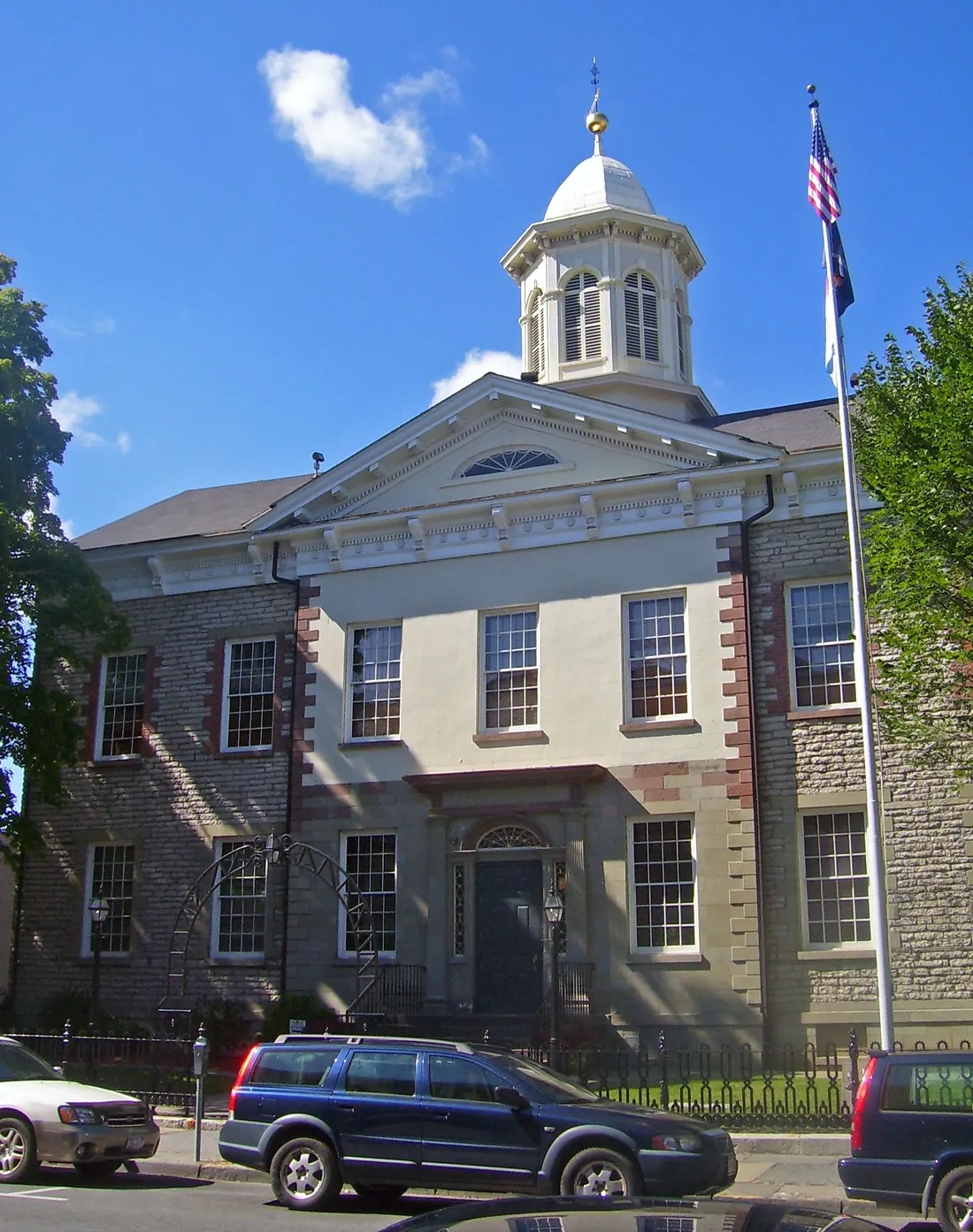
- In 1828 she sued the man who sent him south. New York State Education Department: “On March 1, 1828, Isabella, who had taken the Van Wagenen surname of her employers, applied to a Supreme Court commissioner, Abraham Bruyn Hasbrouck, for a writ of habeas corpus to obtain her son’s freedom … Her deposition alleged that Eleazar Gedney had sold Peter to his brother Solomon W. Gedney, who had exported the boy to a southern state.” New York State Archives: the case is “People v. Solomon Gedney”; “his mother Isabella Van Wagenen, later known as Sojourner Truth, successfully sued for it.” The Pomeroy Foundation marker at the Kingston courthouse: “At this courthouse in 1828.” 345
- And won: Peter was handed back to her. New York State Education Department: “On March 14, both Solomon Gedney and Peter appeared before the commissioner, who was convinced by Isabella’s evidence. He ordered Peter to be released.” Her Narrative gives the court’s sentence, that the “boy be delivered into the hands of the mother.” The Pomeroy marker: she “successfully sued to free her son Peter from enslavement.” 325
- He was covered in scars. Her Narrative: “from the crown of his head to the sole of his foot, the callosities and indurations on his entire body were most frightful to behold”; Peter: “It is where Fowler whipped, kicked, and beat me.” Wikipedia: “she got back her son, who had been abused by his owners.” 27
- She was among the first Black women to beat a white man in an American court. Wikipedia: “Truth became one of the first black women to go to court against a white man and win the case.” The National Women’s History Museum goes further: “the first Black woman to sue a White man and win.” 76
- The court papers were found again in 2022. New York State Education Department: “The discovery of the historic New York State Supreme Court documents among 5,000 cubic feet of early court records in the New York State Archives happened in February 2022.” 3
- She became a famous speaker against slavery. National Park Service: “she took the name Sojourner Truth and began touring the country speaking against slavery.” By the Park Service’s account, she died in Battle Creek, Michigan, on November 26, 1883. 1
- She sold photos of herself captioned “I sell the shadow to support the substance.” National Park Service: “selling photographs of herself captioned, ‘I sell the shadow to support the substance.’” Library of Congress: “‘I sell the shadow to support the substance, Sojourner Truth’--printed below photo.” 18
- And copyrighted them in her own name. Library of Congress: “Copyright 1864 by Sojourner Truth.” The back of the Met’s card is printed: “Entered according to the act of Congress, in the year 1864, by Sojourner Truth, in the Clerk’s Office, of the U.S. District Court, for the Eastern District of Michigan.” 89
- Once, she had been sold with a flock of sheep. National Park Service: “When she was nine years old, she was sold away from her parents to John Neely near Kingston, New York. He purchased her and a flock of sheep for $100.” 1
Sources
- Sojourner Truth National Park Service
- Narrative of Sojourner Truth (Olive Gilbert and Sojourner Truth, 1850) Project Gutenberg
- Sojourner Truth’s Historic Supreme Court Documents From the New York State Archives on Display in Kingston (2024) New York State Education Department
- People v. Solomon Gedney (1828) New York State Archives
- Historic marker “Sojourner Truth,” Ulster County Courthouse, Kingston William G. Pomeroy Foundation
- Sojourner Truth National Women’s History Museum
- Sojourner Truth Wikipedia
- Sojourner Truth, carte de visite (Library of Congress record) Library of Congress on Flickr
- Sojourner Truth, “I Sell the Shadow to Support the Substance” (1864) The Metropolitan Museum of Art
Notes
“The first”: Wikipedia says both that she “became the first Black woman to win such a case against a white man” and that she was “one of the first”; the National Women’s History Museum and Ulster County call her the first. We say one of the first.
Peter’s age: five, by her own Narrative, Wikipedia and the National Women’s History Museum; the New York State Education Department says he was “born in 1818,” which would make him about eight. We follow her own account.
Who sold Peter: the National Park Service says Dumont sold him south; the 1828 deposition, as the New York State Education Department summarizes it, says Eleazar Gedney sold him to his brother Solomon W. Gedney, who sent him to a southern state; the Narrative says he was then passed on to Fowler, the Alabama planter. When he was sold is also told two ways: shortly before she left (the Narrative) or shortly after (the National Women’s History Museum). We say only that she learned he had been sold, illegally, and that she sued the man who sent him south.
“Ain’t I a Woman?” is left out: the National Park Service notes that the first record of her full speech, published within a month of her giving it, does not include the phrase.
The photographs: the National Park Service and Wikipedia link her photo sales to paying off her house in Northampton in the early 1850s, but the “shadow” cards shown here are copyrighted 1864, so we say only that she sold them.
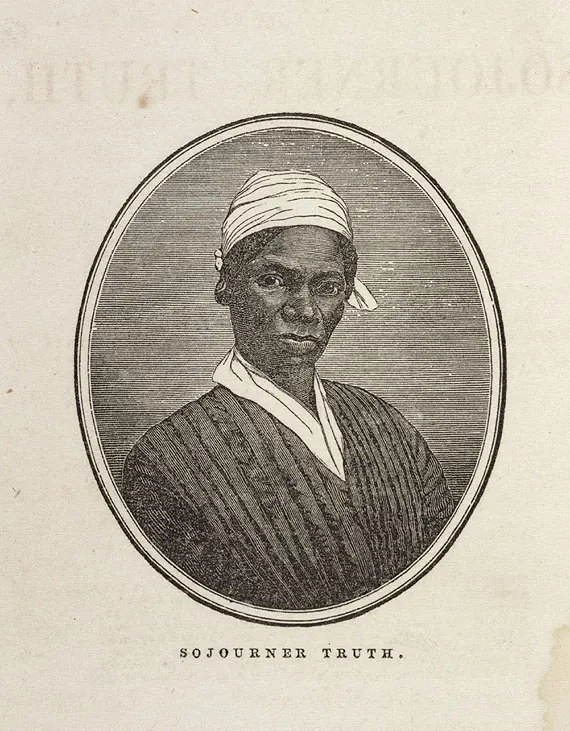
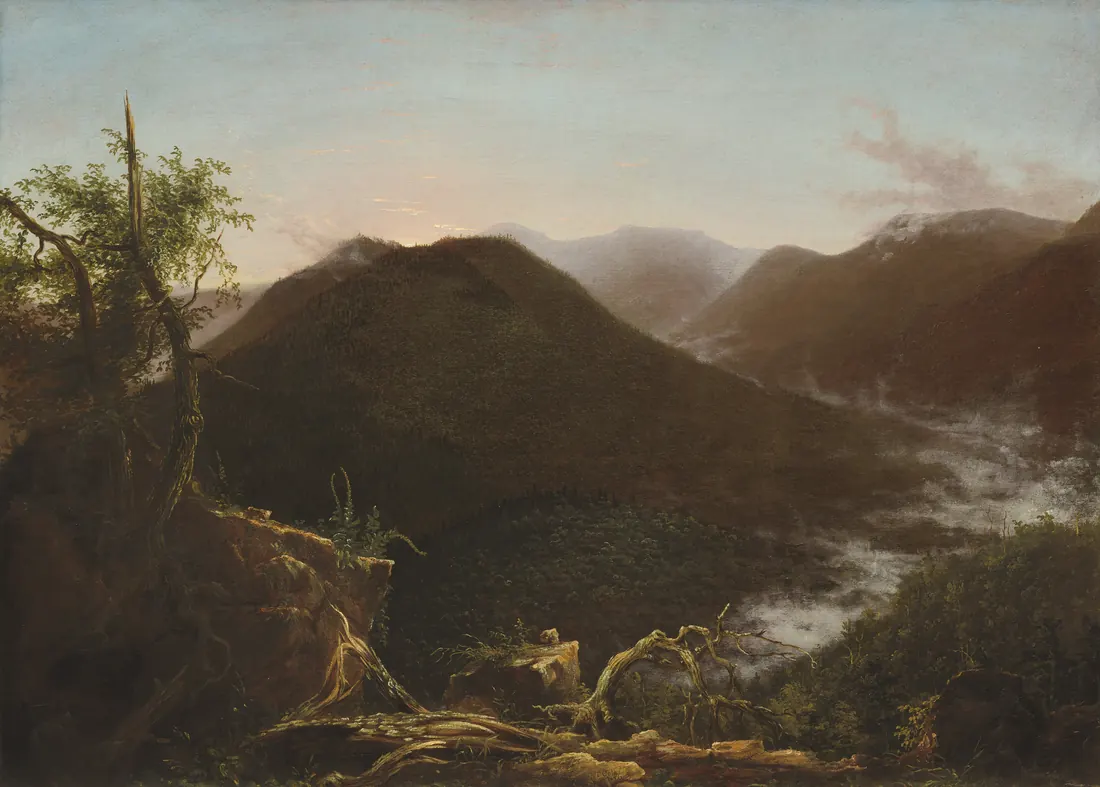
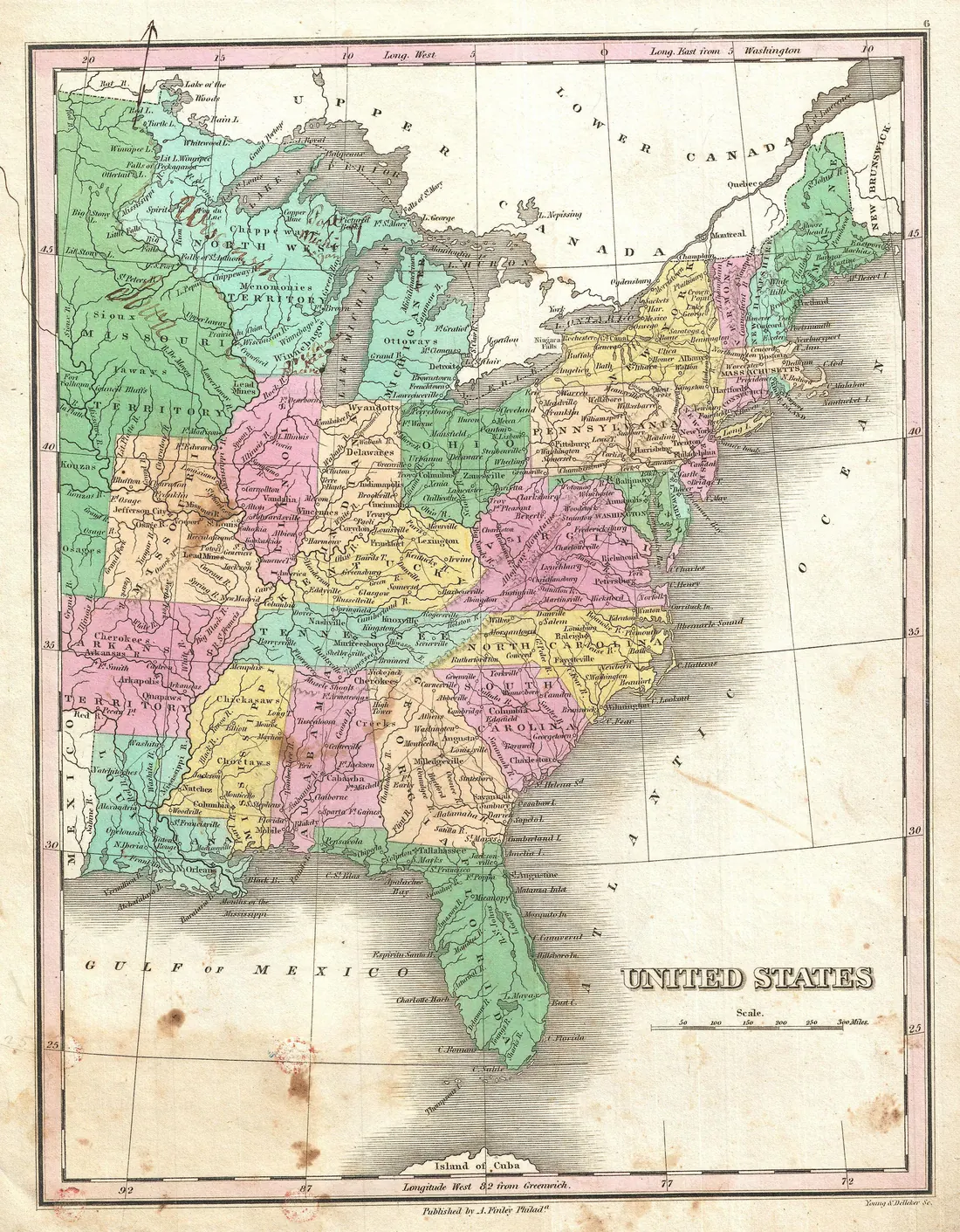
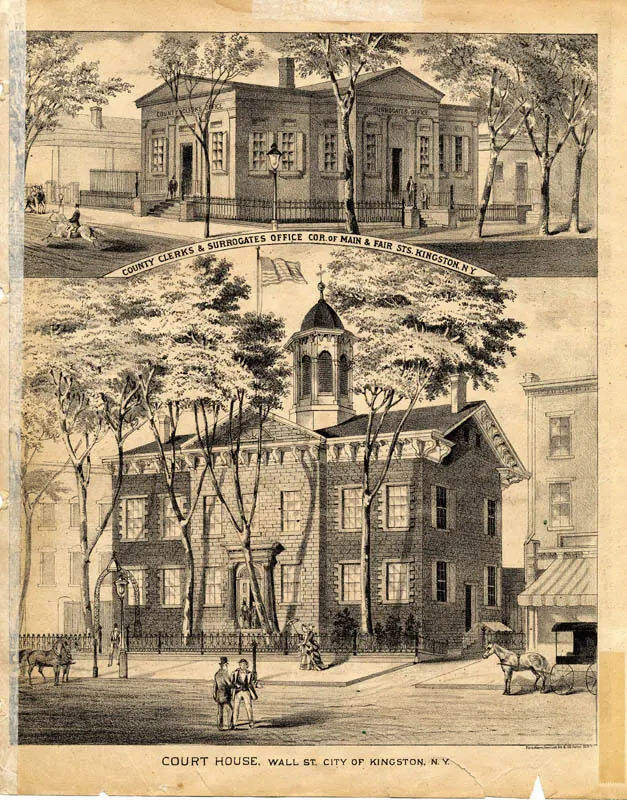
Pictures: all the photographs of Truth date from 1863 to 1870, decades after 1826–28, and the 1850 engraving from her Narrative is the earliest likeness. No picture of Peter exists; the 1863 photo shows her with a picture of her grandson, James Caldwell of the 54th Massachusetts. Thomas Cole painted the Catskills in 1826, the year she left, not her route, and Finley’s 1827 map shows New York and Alabama as they were then. The 1875 engraving and the 2008 photo show the Ulster County Courthouse in Kingston, built in 1818, where the Pomeroy marker places the 1828 case.
Photo credits
The archive photos in this story
The photographs and illustrations in this story are in the public domain or shared under open licenses; each one is credited below with its license. Tap one to enlarge it, or follow the link to its Wikimedia Commons page for the full record. The narration, captions and graphics in the Short are our own; its music and sound effects are credited below.
Music and sound effects
Music: Mussorgsky, Pictures at an Exhibition: IV. Bydlo (piano) (Musopen, public domain); Brahms, Symphony No. 2 in D major, Op. 73: IV. Allegro con spirito (Musopen Symphony Orchestra, CC0).
Sound effects: Freesound, CC0.










































































