
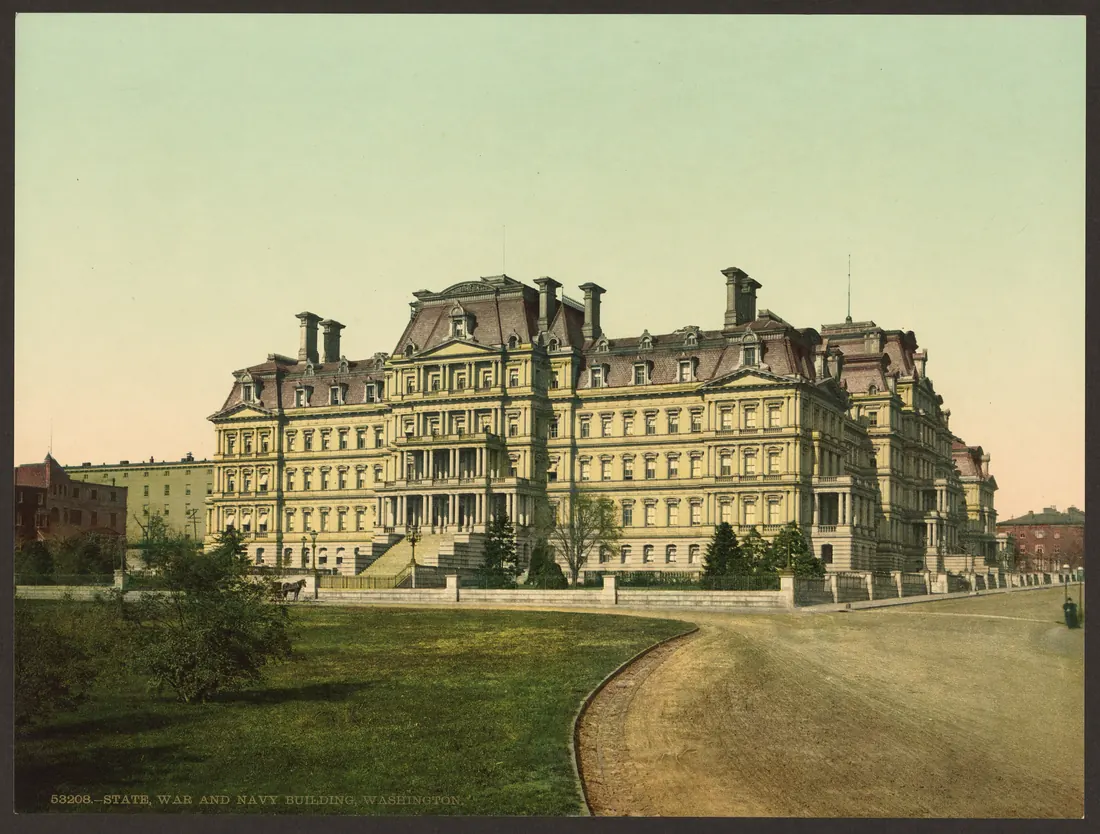
Virginia Hall was born in Baltimore, Maryland. In 1933 she tripped on a fence while hunting birds and accidentally shot herself in the left foot. After the wound turned gangrenous, her leg was amputated below the knee and replaced with a wooden one that she named “Cuthbert.” Fitted with it, she went back to work, but when she asked to take the oral exam for the Foreign Service, she was told, in the CIA’s words, “that the loss of her leg was cause for rejection and that her dream of becoming a diplomat was over.” That was in 1937.
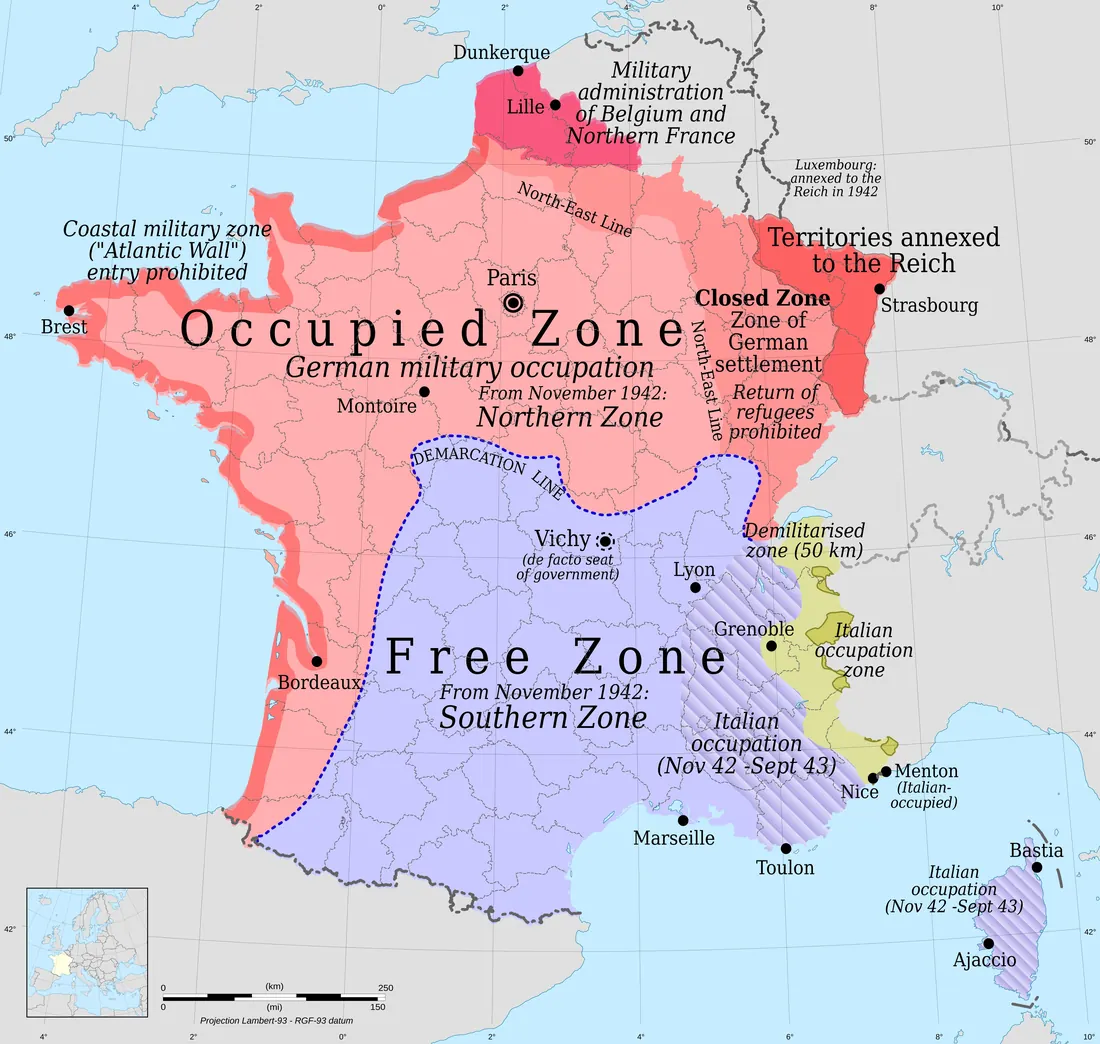
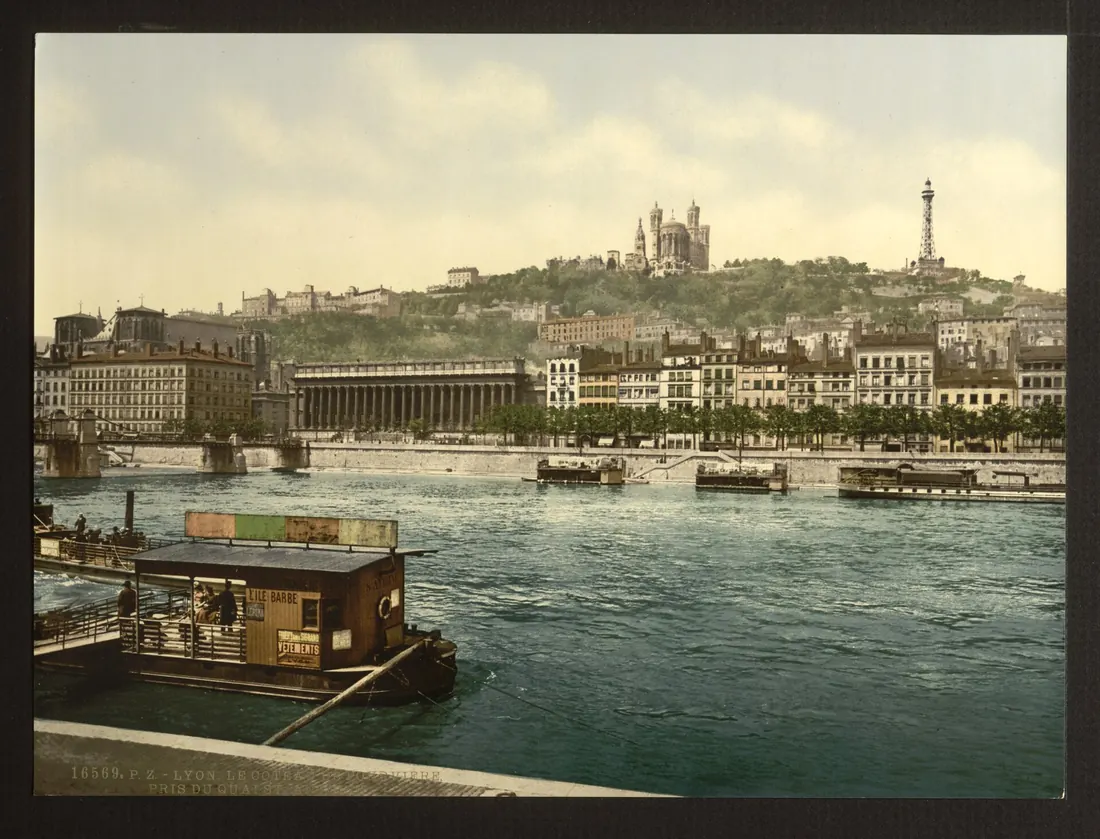
She resigned from the State Department in 1939. In April 1941 she joined Britain’s Special Operations Executive (SOE), whose objective was espionage, sabotage and reconnaissance in occupied Europe, and on August 23, 1941, after training, she arrived in Vichy France, then unoccupied by Germany and nominally independent. Her cover was as a reporter for the New York Post. She based herself in Lyon and created the Heckler network there, staying one step ahead of the Gestapo, “who wanted desperately to apprehend ‘The Limping Lady.’” The Gestapo reportedly considered her “the most dangerous of all Allied spies.”
In November 1942, when the Germans moved to occupy Vichy France, Hall fled Lyon without telling anyone. She escaped by train to Perpignan and then, with a guide, walked over a snowy 7,500-foot pass in the Pyrenees to Spain, covering up to 50 miles over two days “in considerable discomfort.” Before her escape she had signaled SOE that she hoped “Cuthbert” would not trouble her on the way. SOE did not understand the reference and replied, by Wikipedia’s account, “If Cuthbert troublesome, eliminate him.”
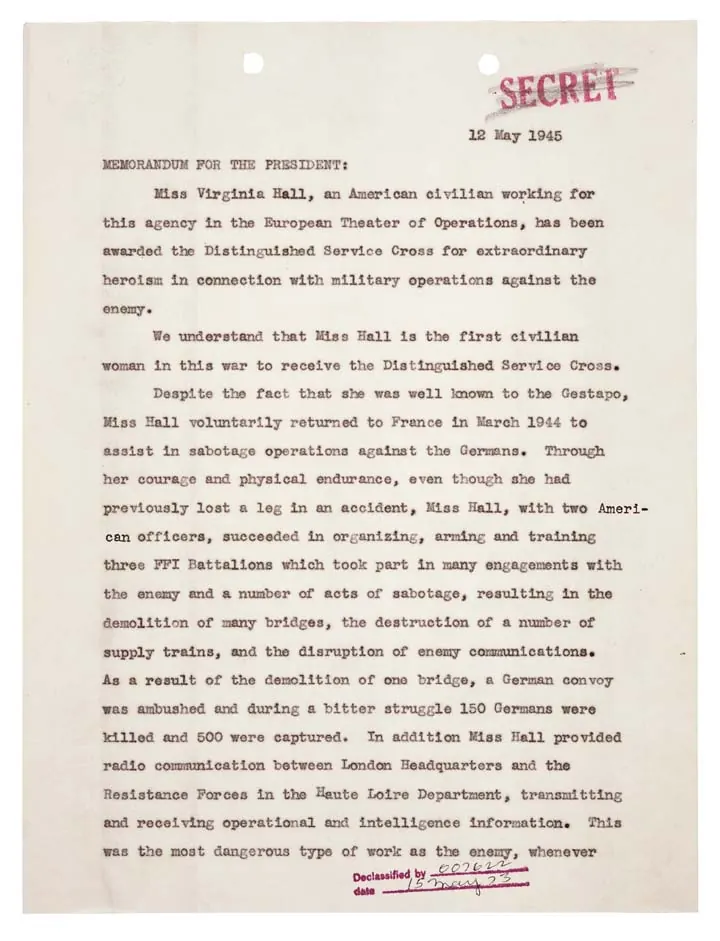
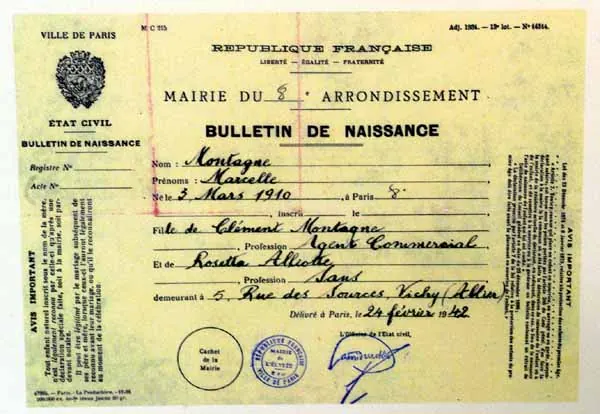
SOE’s leaders declined to send her back to France as an agent: she was compromised, they said, and too much at risk. So she quit and joined the American OSS. On March 21, 1944, she returned to France by sea, disguised as an older woman and carrying forged French papers in the name of Marcelle Montagne. In her area she supplied arms, training and direction to three battalions of Maquisards, about 1,500 men. Their sabotage, Gen. William J. Donovan wrote to the President, resulted in “the demolition of many bridges, the destruction of a number of supply trains, and the disruption of enemy communications.”
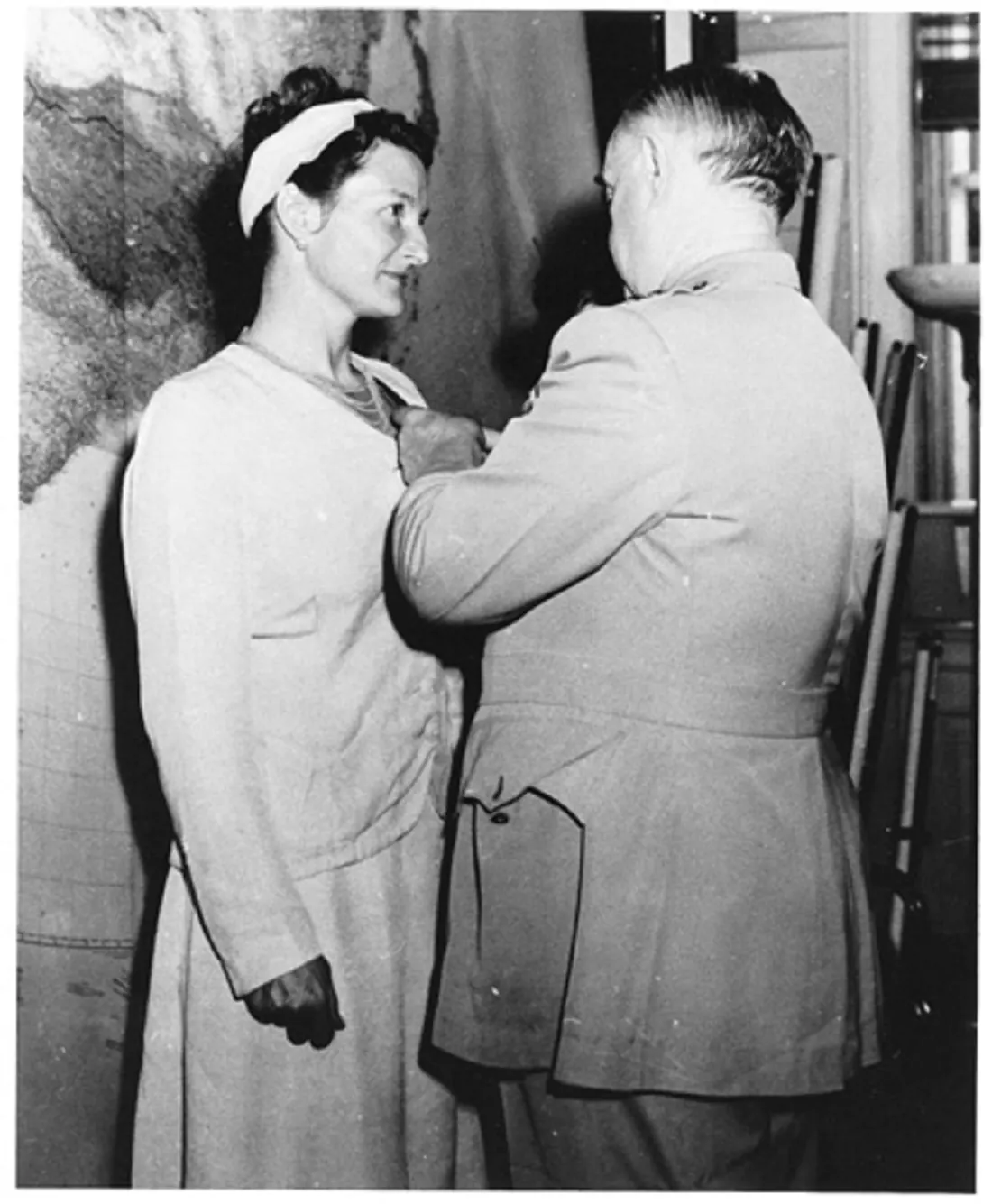
In September 1945 Donovan presented her with the Distinguished Service Cross, the only one awarded to a civilian woman in World War II. President Truman wanted a public award of the medal, but Hall demurred: she was “still operational and most anxious to get busy.” She went on to serve in the CIA until her mandatory retirement in 1966.
Fact check
The facts and where they come from
- She was rejected as a diplomat because of her wooden leg. CIA: “she asked to take the oral exam for the foreign service only to be informed that the loss of her leg was cause for rejection and that her dream of becoming a diplomat was over.” Wikipedia: “In 1937, she was turned down because of an obscure State Department rule against hiring people with disabilities as diplomats.” American Forces Press Service: “After being turned down by the Foreign Service because of her gender and disability.” 165
- So she became a spy, though not at once: by Wikipedia’s account she resigned from the State Department in 1939 and joined Britain’s Special Operations Executive in April 1941. 6
- Her name was Virginia Hall. CIA: “Virginia Hall Goillot was born in Baltimore, Maryland.” 1
- After a hunting accident, she wore a wooden leg she named Cuthbert. Wikipedia: “In 1933, she tripped on a fence while hunting birds and accidentally shot herself in the left foot. After the wound turned gangrenous, her leg was amputated below the knee and replaced with a wooden appendage that she named ‘Cuthbert’.” CIA: “There she suffered a serious hunting accident and lost her left leg below the knee. Fitted with a wooden leg, she went back to work”; “a prosthetic leg, which she named Cuthbert.” Donovan’s 1945 memo: “even though she had previously lost a leg in an accident.” 614
- In 1941, Britain’s secret sabotage agency sent her into France. Wikipedia: “Hall joined the SOE in April 1941 and after training arrived in Vichy France, unoccupied by Germany and nominally independent at that time, on August 23, 1941”; “The objective of SOE and OSS was to conduct espionage, sabotage and reconnaissance in occupied Europe.” 6
- Posing as a reporter, she built a spy network in Lyon. Wikipedia: “Hall’s cover was as a reporter for the New York Post”; “She based herself in Lyon”; “She created the Heckler network in Lyon.” HISTORY: “forged papers as an American reporter with the New York Post.” 67
- The Gestapo reportedly called her one of the most dangerous Allied spies. Wikipedia: “the Gestapo reportedly considered her ‘the most dangerous of all Allied spies.’” HISTORY: “the Gestapo dubbed her ‘the most dangerous of all Allied spies.’” US Army: German intelligence regarded her as “one of the most dangerous Allied agents in France.” CIA: “staying one step ahead of the Gestapo, who wanted desperately to apprehend ‘The Limping Lady.’” Donovan’s memo: “Despite the fact that she was well known to the Gestapo.” 67314
- In November 1942 she escaped on foot over the snowy Pyrenees. Wikipedia: “the Germans moved to occupy Vichy France. Hall … fled Lyon without telling anyone”; “She escaped by train from Lyon to Perpignan and then, with a guide, walked over a snowy 7,500-foot pass in the Pyrenees to Spain.” CIA: “she hiked through the Pyrenees and into Spain.” 61
- Up to 50 miles in two days, on her wooden leg. Wikipedia: “covering up to 50 miles over two days in considerable discomfort.” HISTORY: “a grueling 50-mile trek over the Pyrenees mountains southward into Spain”; “her prosthetic was agonizing.” 67
- She told London Cuthbert might trouble her, and they told her to eliminate him. Wikipedia: “Hall signaled to SOE before her escape that she hoped that ‘Cuthbert’ would not trouble her on the way. The SOE did not understand the reference and replied, ‘If Cuthbert troublesome, eliminate him.’” HISTORY gives the reply as “If Cuthbert is giving you difficulty, have him eliminated.” 67
- Britain wouldn’t send her back. Wikipedia: “SOE leaders declined to send Hall back to France as an agent, despite her requests that they do so. She was compromised, they said, and too much at risk.” CIA: “They said this was far too dangerous and so she quit and she joined the OSS here in the United States.” 61
- So she joined the Americans, and returned disguised as an old woman. Wikipedia: “she returned to France on March 21, 1944, arriving by motor gunboat at Beg-an-Fry”; “Hall was disguised as an older woman”; “OSS provided her with a forged French identification card in the name of Marcelle Montagne.” CIA: “We sent her in disguise as an old woman.” American Forces Press Service: “The OSS of World War II forged a French identification certificate for ‘Marcelle Montagne,’ an alias of spy Virginia Hall.” 615
- She armed about 1,500 resistance fighters. Wikipedia: “The three battalions of Maquisards (about 1,500 men) in her area”; “she supplied arms, training, and direction to French resistance groups.” CIA: “She also had over fifteen hundred French resistance forces fighting under her leadership.” Donovan’s memo: she “succeeded in organizing, arming and training three FFI Battalions.” 614
- They blew up bridges and supply trains. Donovan’s memo: “resulting in the demolition of many bridges, the destruction of a number of supply trains, and the disruption of enemy communications.” 4
- She became the only civilian woman of the war awarded the Distinguished Service Cross. CIA: “she was awarded the Distinguished Service Cross—the only civilian woman to be so honored.” Wikipedia: “This was the only DSC awarded to a civilian woman in World War II.” American Forces Press Service: “Hall is the only civilian woman during World War II who received the Distinguished Service Cross.” Donovan’s memo: “Miss Hall is the first civilian woman in this war to receive the Distinguished Service Cross.” 1654
- Donovan presented the medal in September 1945, with no public ceremony. CIA (2007): “Virginia Hall of Special Operations Branch receiving the Distinguished Service Cross from General Donovan, September 1945.” Wikipedia: “President Truman wanted a public award of the medal, but Hall demurred, stating that she was ‘still operational and most anxious to get busy.’” The CIA says she served there until her mandatory retirement in 1966. 261
Sources
- Virginia Hall: The Courage and Daring of ‘The Limping Lady’ Central Intelligence Agency
- The People of the CIA … Making an Impact: Virginia Hall (2007, archived copy) Central Intelligence Agency
- Miss Virginia Hall (Military Intelligence Hall of Fame) US Army
- Memorandum for the President from William J. Donovan on the Distinguished Service Cross award to Virginia Hall, May 12, 1945 (US National Archives) Wikimedia Commons
- “Clandestine Women” exhibit article (Rudi Williams, American Forces Press Service, 2002; archived copy) US Department of Defense
- Virginia Hall Wikipedia
- World War II’s ‘Most Dangerous’ Allied Spy Was a Woman With a Wooden Leg (Dave Roos) HISTORY
Notes
“Most dangerous”: no source we found cites the German document or its exact words. Wikipedia and HISTORY give “the most dangerous of all Allied spies”; the US Army page has “one of the most dangerous Allied agents in France.” We say “reportedly” and use the milder wording. Donovan’s 1945 memo, a primary source, says only that she was “well known to the Gestapo.”
The Cuthbert reply is worded two ways, by Wikipedia and by HISTORY; we quote Wikipedia’s and say so.
Why she was turned down: the CIA and Wikipedia say her leg; the 2002 American Forces Press Service article says “her gender and disability,” and HISTORY says an earlier application was refused because she was a woman. Her rejection came in 1937, and she joined SOE in 1941, so the Short’s “so she became a spy” is the story’s link, not a direct cause.
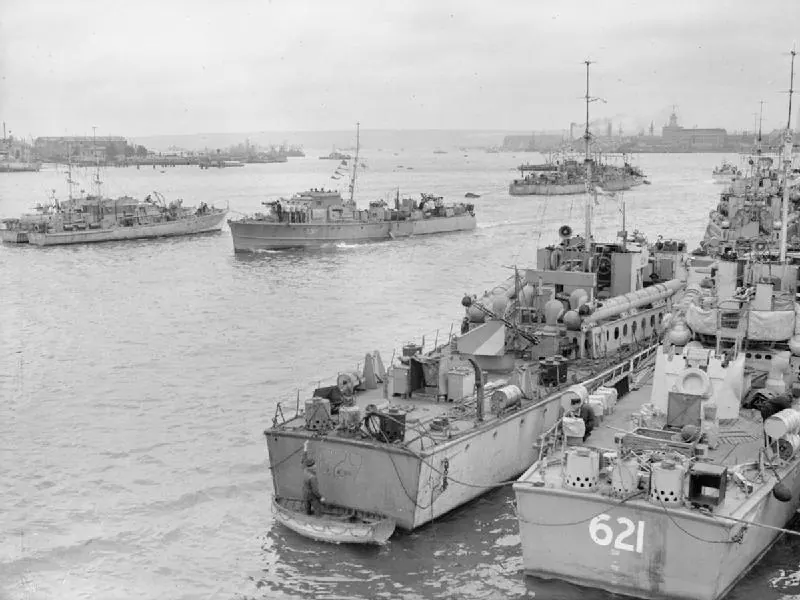
How she went back: by motor gunboat (Wikipedia), “a British PT boat” (CIA, 2007) or “a British torpedo ship” (HISTORY). We say by sea.
“The only” or “the first”: the CIA, Wikipedia and the Defense Department article say she was the only civilian woman of the war to receive the Distinguished Service Cross; Donovan’s memo of May 12, 1945, says “the first.”
Her forged papers: Wikipedia calls them “a forged French identification card,” and the Defense Department “a French identification certificate”; the document itself is headed “Bulletin de naissance,” a birth certificate. We say “forged French papers.”
Left out: Klaus Barbie’s reported words about a “limping Canadian” (HISTORY), and the 150 Germans killed and 500 captured after one bridge was blown (Donovan’s memo and HISTORY).
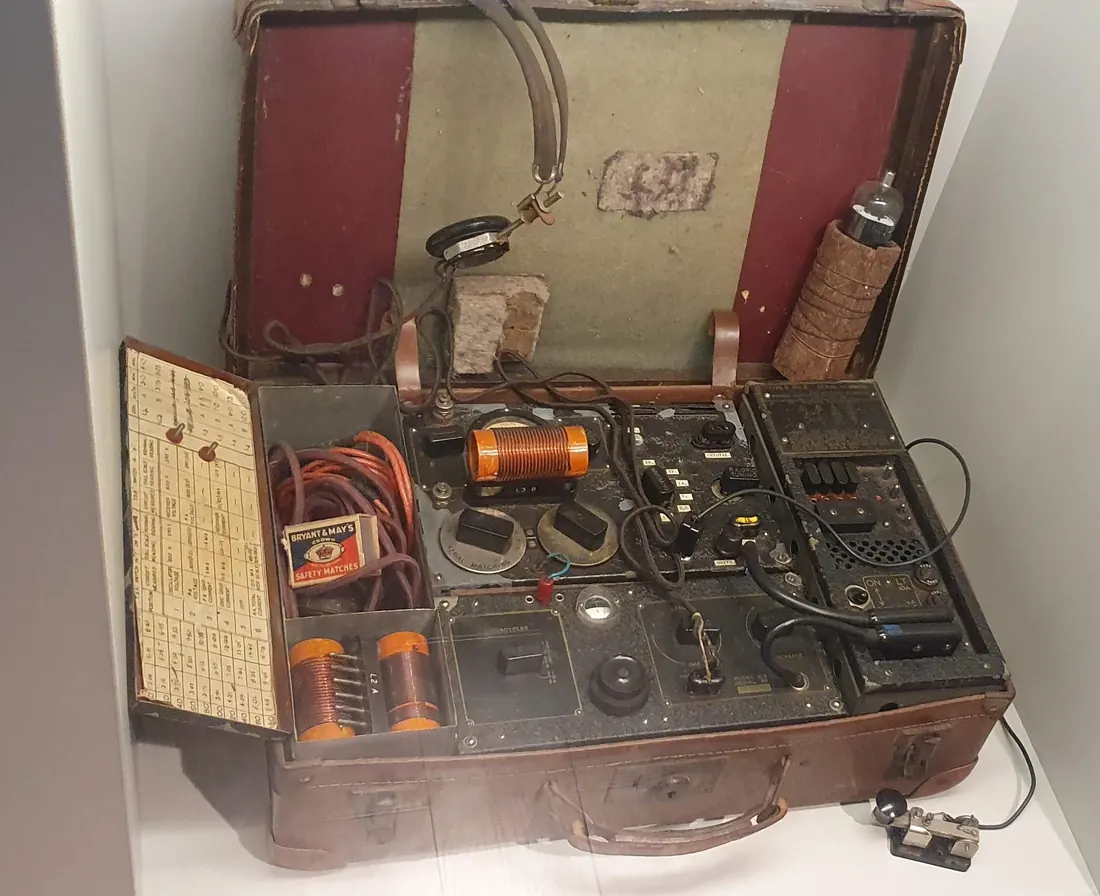
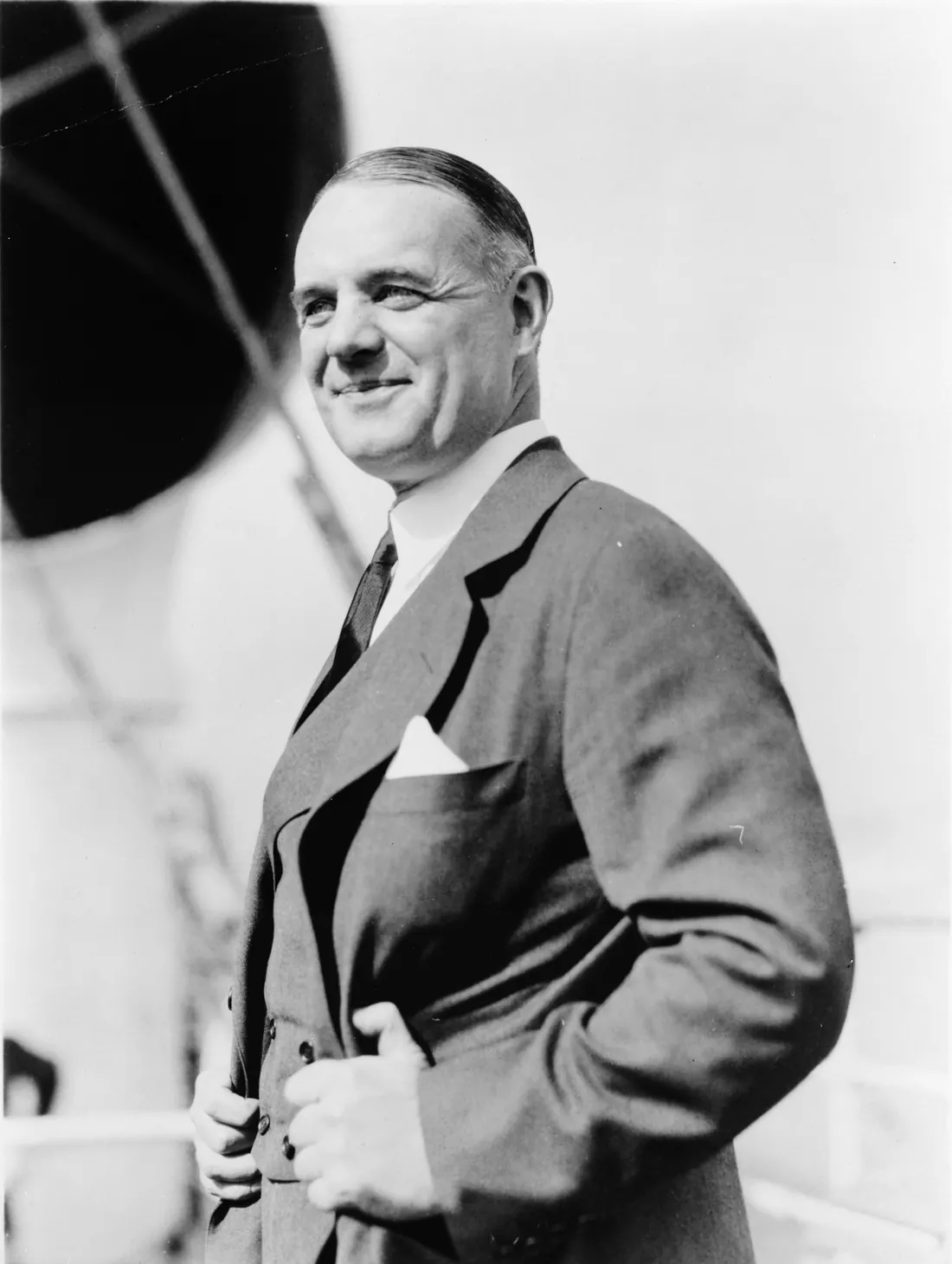
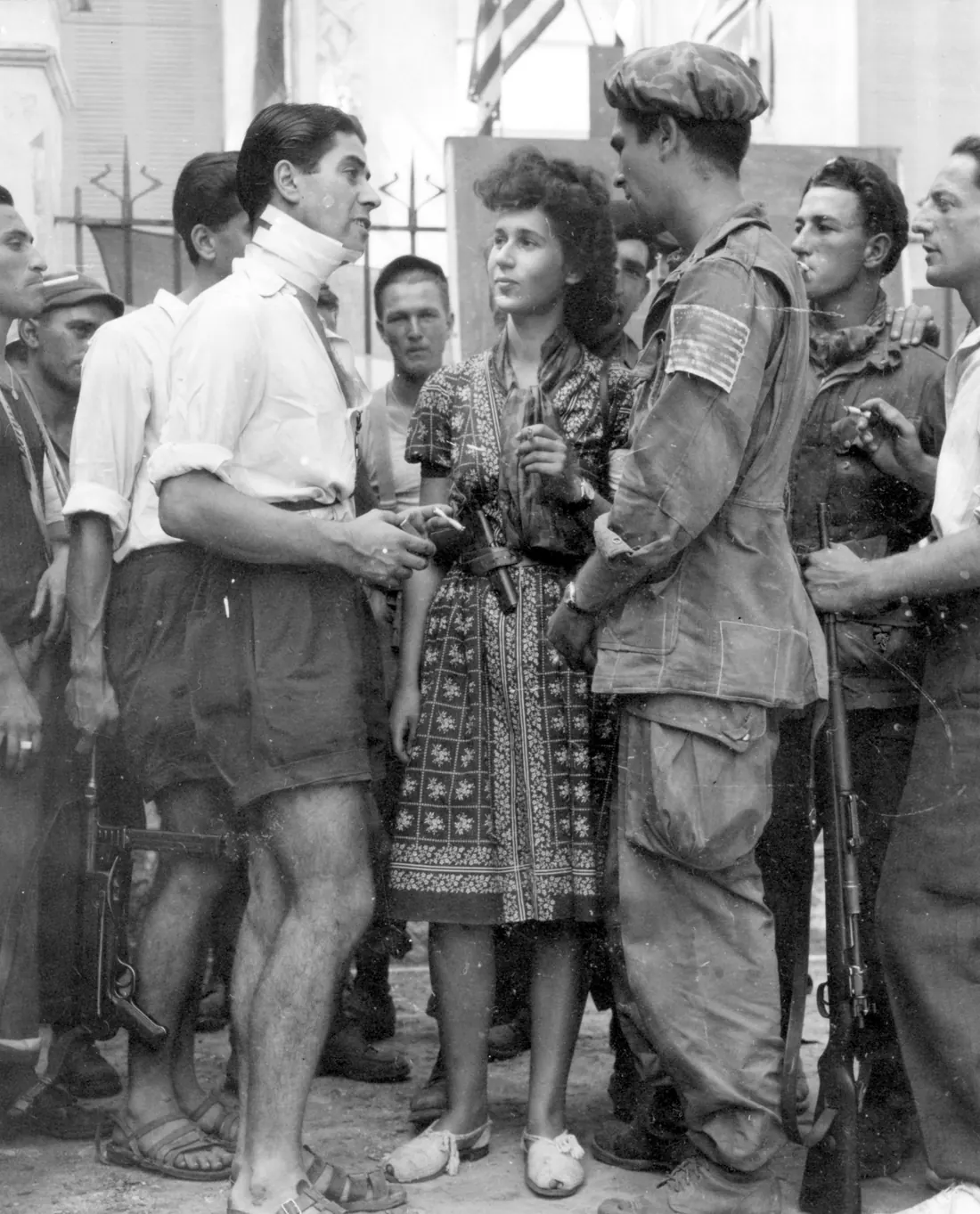
Pictures: the only photo of Hall here is the Distinguished Service Cross ceremony of September 1945, an official US government photo; family and studio portraits of her are not shown because their rights are unclear. The State, War, and Navy Building, which housed the State Department, is shown about 1898, and Lyon about 1890–1900. The Pyrenees photos are modern (2018 and 2019) views of the eastern Pyrenees she crossed, not her exact pass. The B2 suitcase radio is the type SOE agents used, not hers; the Coastal Forces boats of June 1944 are Royal Navy craft of the time, not her boat; and the French Forces of the Interior at St. Tropez in August 1944 are not her battalions. Donovan’s portrait dates from 1928.
Photo credits
The archive photos in this story
The photographs and illustrations in this story are in the public domain or shared under open licenses; each one is credited below with its license. Tap one to enlarge it, or follow the link to its Wikimedia Commons page for the full record. The narration, captions and graphics in the Short are our own; its music and sound effects are credited below.


Music and sound effects
Music: Grieg, Peer Gynt Suite No. 1, Op. 46: IV. In the Hall of the Mountain King (Musopen Symphony Orchestra, public domain); Debussy, La Mer: III. Dialogue du vent et de la mer (US Air Force Band, Concert Band, public domain, US government work).
Sound effects: Freesound, CC0.










































































