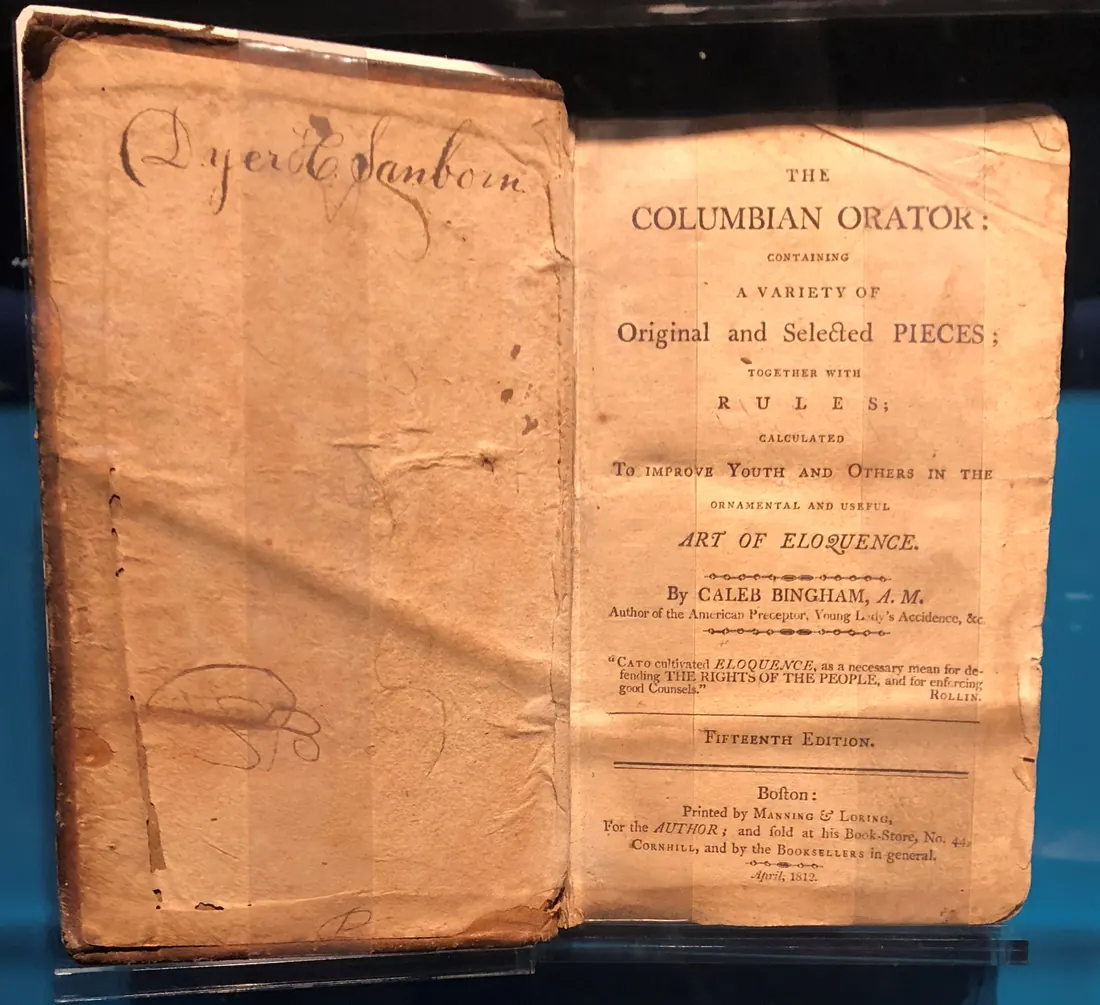
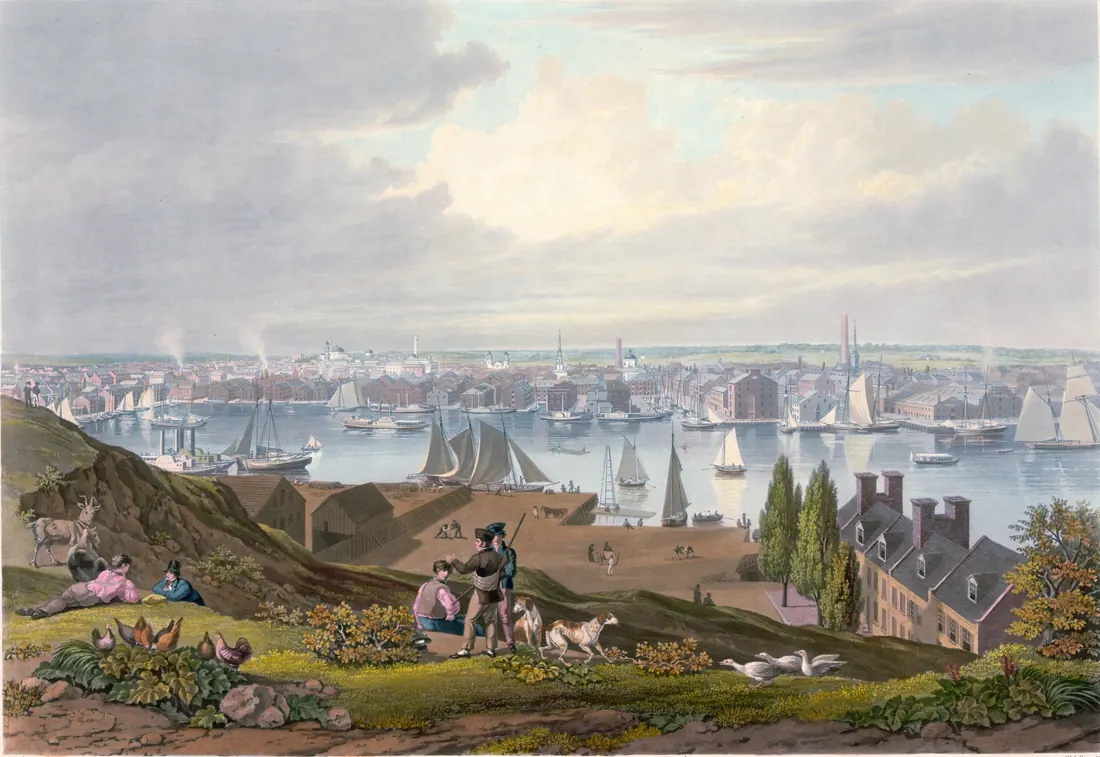
Not allowed to attend school, Frederick Augustus Washington Bailey, who was enslaved, taught himself to read and write in the streets of Baltimore. Sophia Auld had begun teaching him the alphabet, but her husband, Hugh, disapproved, and she stopped teaching him altogether. He went on teaching himself in secret, and Wikipedia says he discovered The Columbian Orator at about the age of 12. In 1837 he met and fell in love with Anna Murray, a free Black woman in Baltimore about five years older than he was.
Anna sewed a sailor’s uniform for him, the National Park Service says, and she sold a feather bed to help pay his way. The protection papers he carried belonged to a sailor friend, and they described a different man. “Indeed, it called for a man much darker than myself,” he wrote, “and close examination of it would have caused my arrest at the start.” On September 3, 1838, dressed as a sailor, he escaped on a northbound train of the Philadelphia, Wilmington and Baltimore Railroad, jumping aboard “when the train was already in motion.”
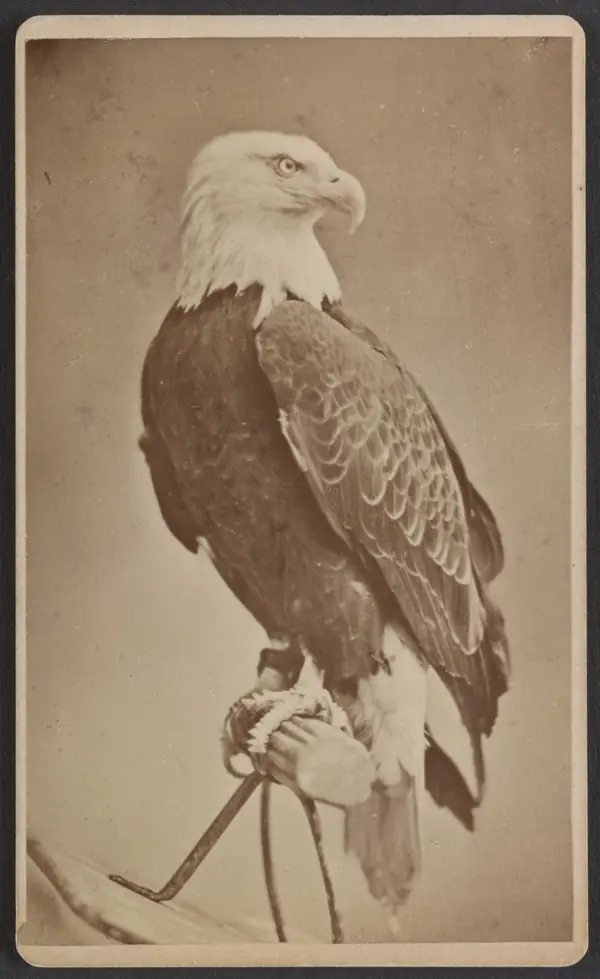
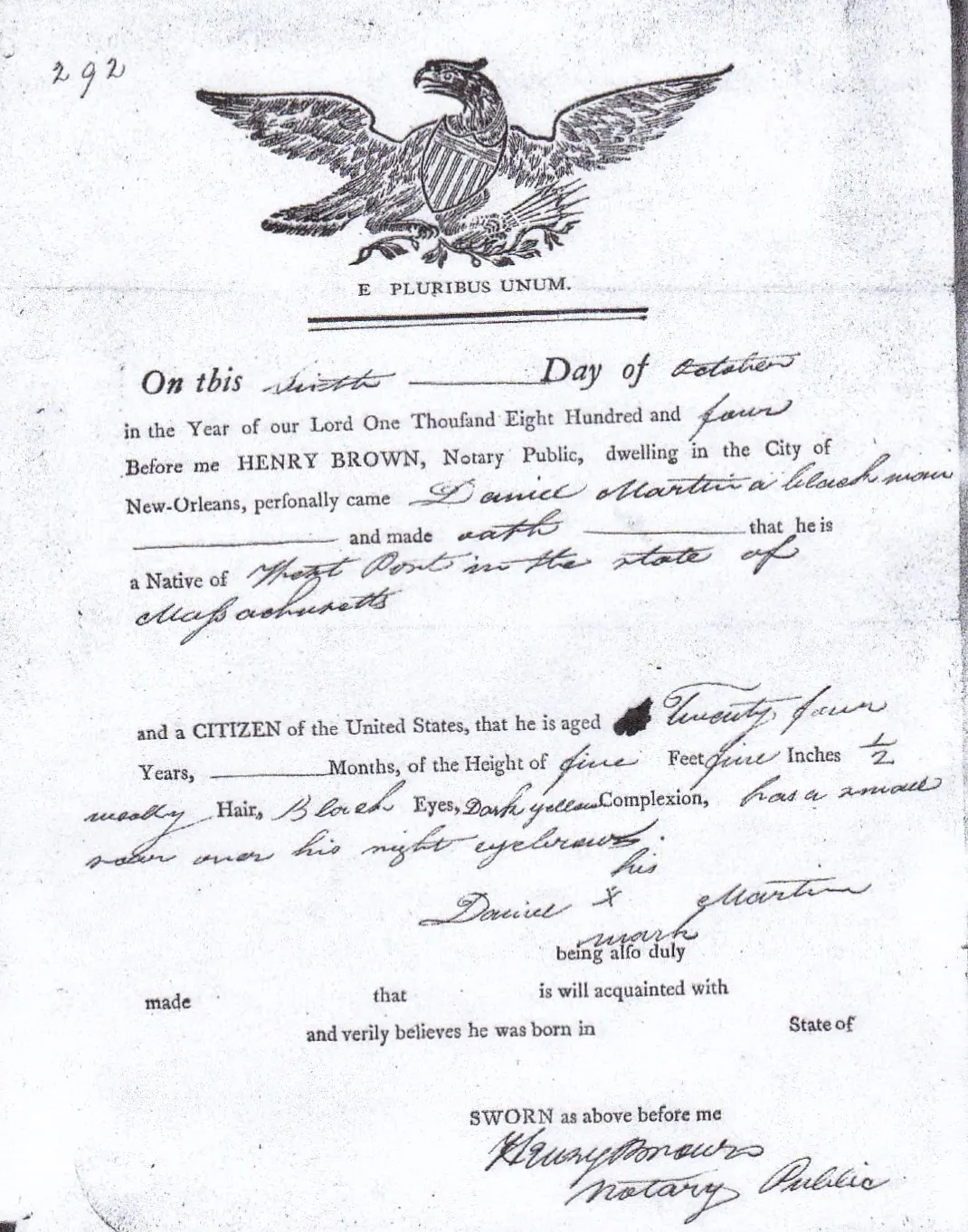
When the conductor came to him, he said, in a friendly contrast with the way he had treated the others, “I suppose you have your free papers?” “Yes, sir,” Bailey answered; “I have a paper with the American eagle on it, and that will carry me round the world.” The merest glance at the paper satisfied the conductor, who took his fare and went on about his business. He went on by train to Havre de Grace, by the railroad’s steam ferry across the Susquehanna, by train to Wilmington and by steamboat to Philadelphia, and then to New York, which he reached on Tuesday morning, “having completed the journey in less than twenty-four hours.”
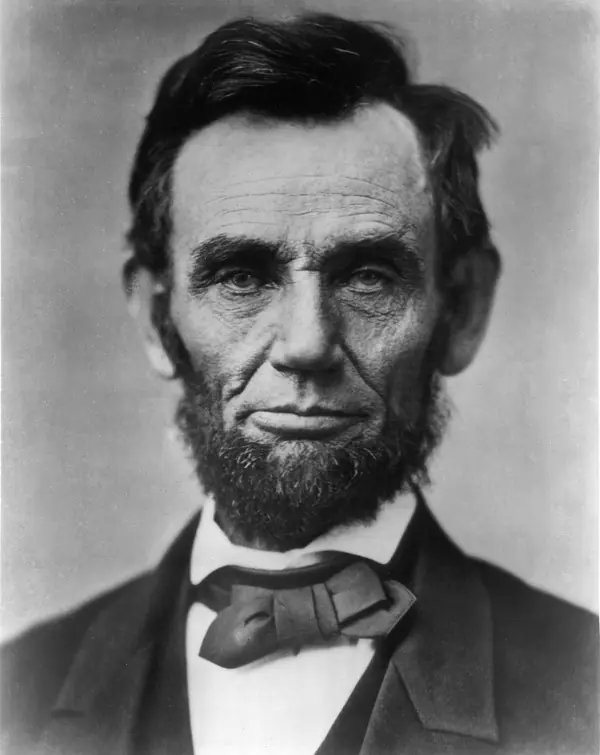
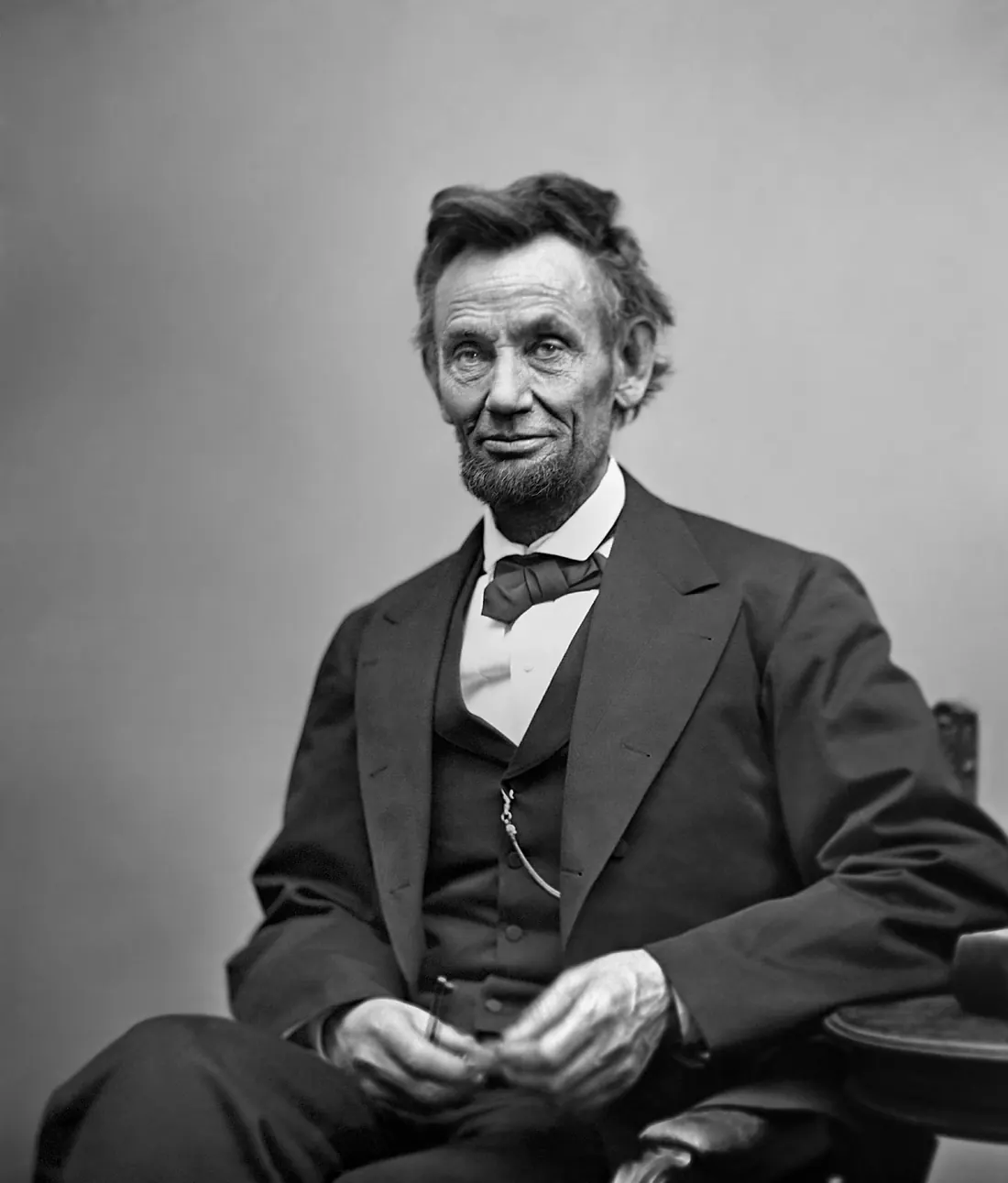
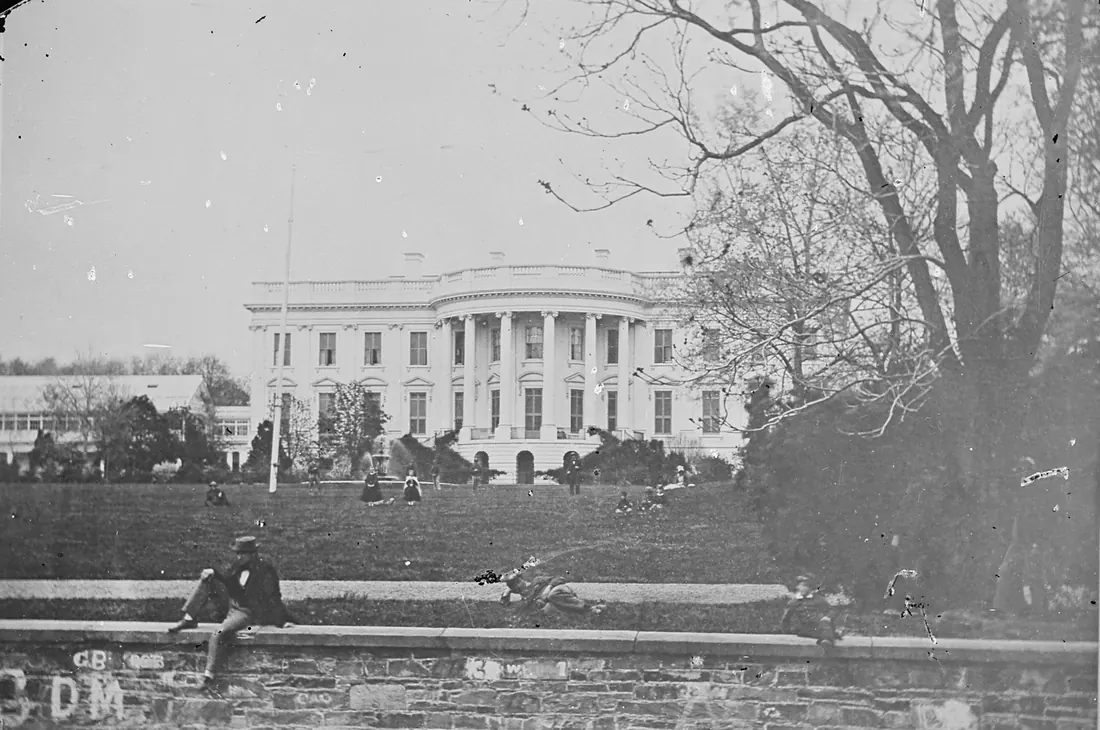
On September 15, 1838, twelve days after he had set off from Maryland, he and Anna were married in New York, and in New Bedford he took the name Douglass. He became the most photographed American of the 19th century: 160 photographs of him are known, against 126 of Abraham Lincoln. He conferred with President Lincoln in 1863 on the treatment of Black soldiers and in 1864 on how to mobilize the enslaved people of the Confederate states. At the inaugural reception at the White House in March 1865, Douglass wrote, Lincoln recognized him even before he reached him and exclaimed so that all around him could hear, “Here comes my friend Douglass.”
Fact check
The facts and where they come from
- He escaped slavery in a sailor’s uniform, but the papers he carried belonged to another man. Wikipedia: “Dressed in a sailor’s uniform provided to him by Murray … he carried identification papers and protection papers that he had obtained from a free black seaman.” National Park Service: “Dressed as a mariner and carrying another seaman’s protection papers, Frederick Augustus Washington Bailey boarded a train in Baltimore, Maryland in September 1838.” 64
- His name was Frederick Douglass. Born Frederick Augustus Washington Bailey, he took the name Douglass in New Bedford after his escape (Wikipedia, National Park Service). 64
- Forbidden to learn to read, he taught himself. Wikipedia: “Sophia Auld began teaching him the alphabet. Hugh Auld disapproved”; “She stopped teaching him altogether”; “Douglass continued, secretly, to teach himself to read and write.” National Park Service: “Not allowed to attend school, he taught himself to read and write in the streets of Baltimore.” Wikipedia says he discovered The Columbian Orator at about age 12. 62
- In Baltimore, he fell in love with Anna Murray, a free Black woman. Wikipedia: “In 1837, Douglass met and fell in love with Anna Murray, a free black woman in Baltimore about five years his senior.” 6
- She sewed his sailor’s uniform. National Park Service: “Anna sewed a sailor’s uniform for Frederick and borrowed a freedman’s protection certificate to help him escape to New York.” 3
- And sold a feather bed to help pay. National Park Service (New Bedford): “she sold a feather bed to buy Bailey’s train ticket north.” Wikipedia: “She also gave him part of her savings, which she augmented by selling one of her feather beds.” National Park Service (Frederick Douglass NHS): “Anna Murray used her money to buy him a train ticket.” 472
- The papers came from a sailor friend, but described a much darker man. Douglass: “But I had one friend—a sailor—who owned a sailor’s protection”; “Indeed, it called for a man much darker than myself, and close examination of it would have caused my arrest at the start.” 1
- On September 3, 1838, he jumped onto a moving train. Wikipedia: “On September 3, 1838, Douglass successfully escaped by boarding a northbound train of the Philadelphia, Wilmington and Baltimore Railroad in Baltimore.” Douglass: “jumped upon the car myself when the train was already in motion.” 61
- The conductor asked for his free papers. Douglass: “he said to me in a friendly contrast with that observed towards the others: ‘I suppose you have your free papers?’” 1
- He said, “I have a paper with the American eagle on it, and that will carry me round the world.” Douglass: “‘Yes, sir,’ I answered; ‘I have a paper with the American eagle on it, and that will carry me round the world.’” 1
- The conductor barely glanced at it. Douglass: “The merest glance at the paper satisfied him, and he took my fare and went on about his business.” 1
- By train, ferry and steamboat, he reached New York in under 24 hours. Wikipedia traces the route: a train to Havre de Grace, the railroad’s steam ferry across the Susquehanna, a train to Wilmington, a steamboat to Philadelphia, then on to New York; “His entire journey to freedom took less than 24 hours.” Douglass: “I reached New York Tuesday morning, having completed the journey in less than twenty-four hours.” National Park Service: “In less than 24 hours, Frederick arrived in New York City.” 612
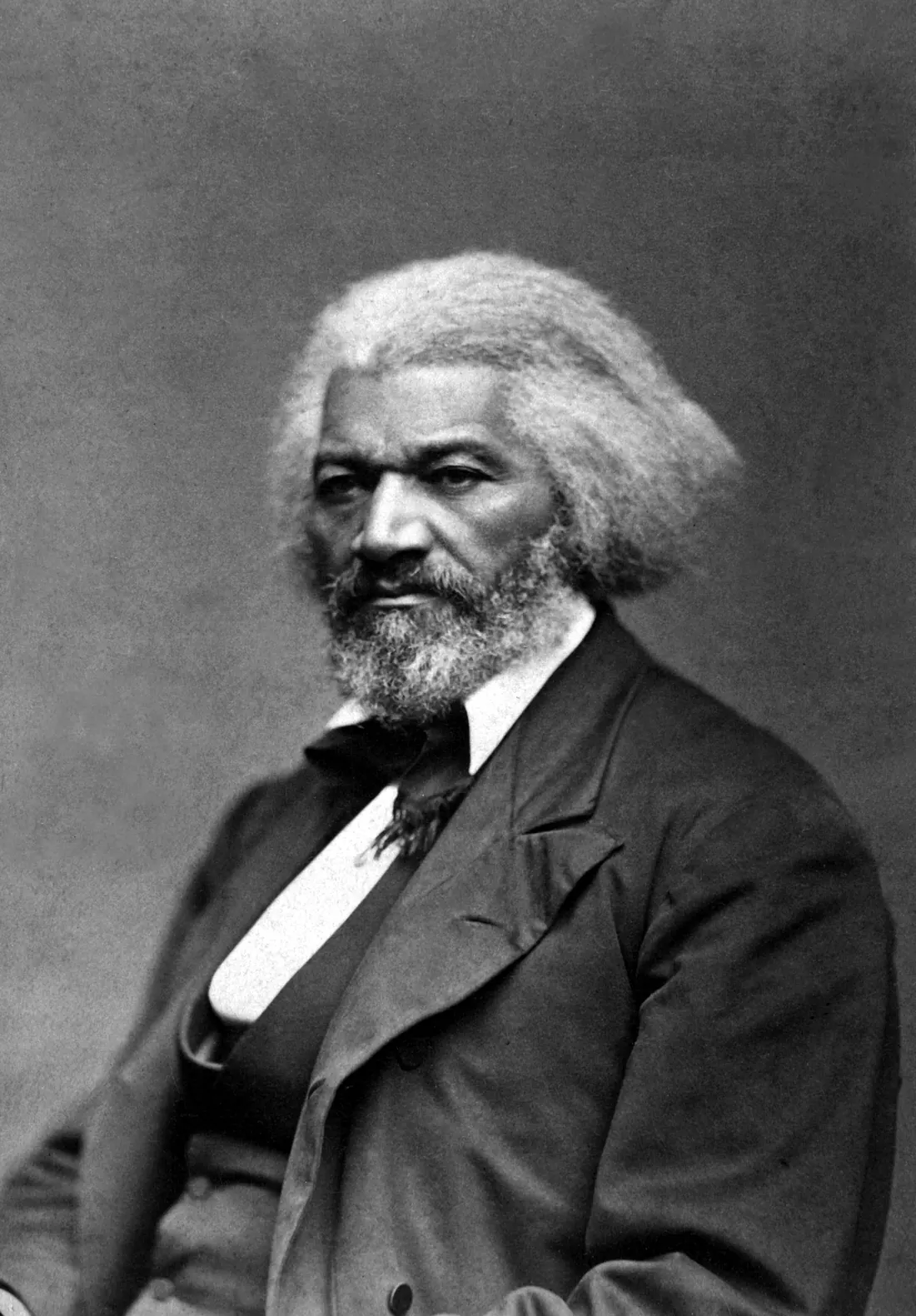
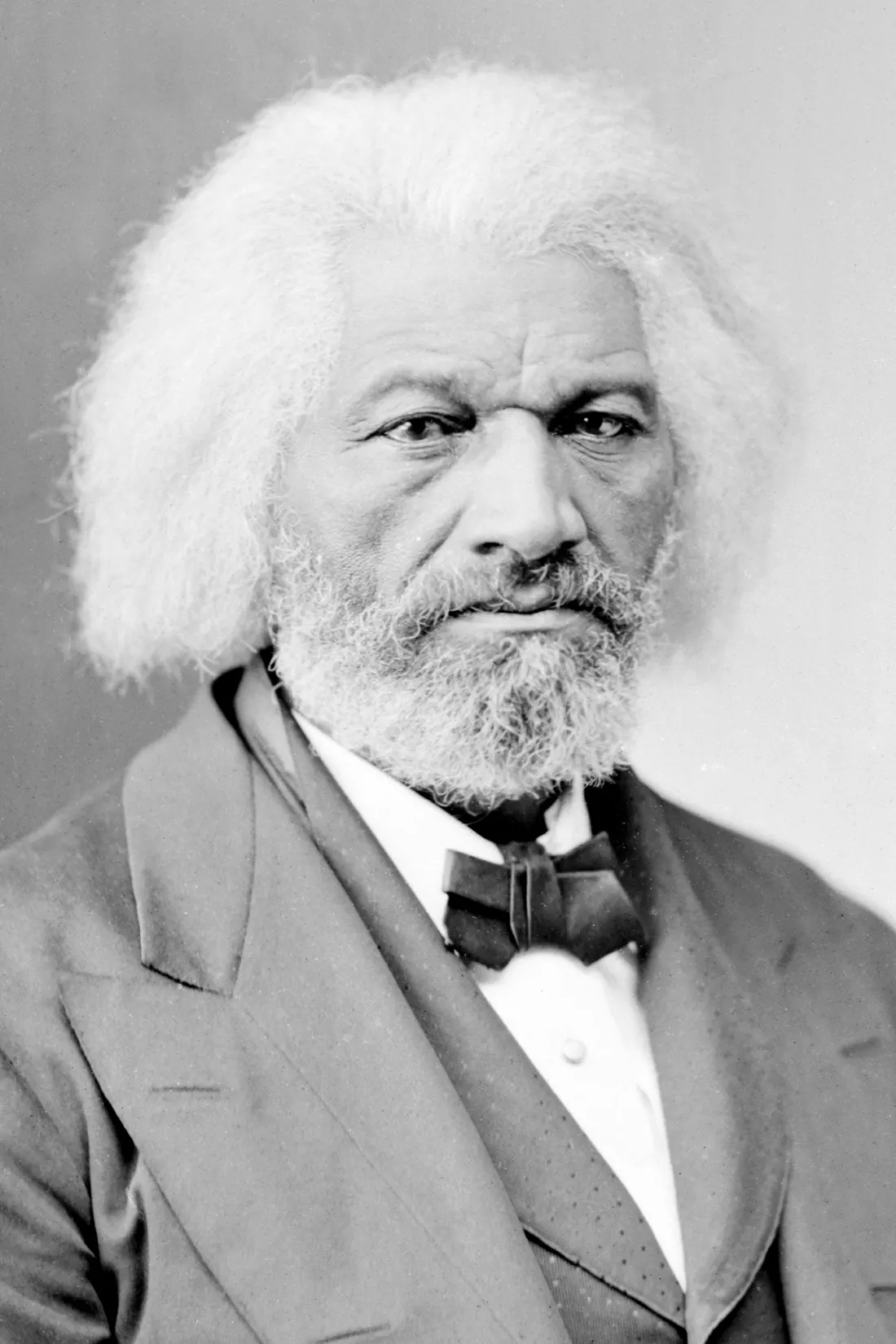
- He became the most photographed American of his century. Wikipedia: “Frederick Douglass was the most photographed American of the 19th century.” Hyperallergic, after Stauffer, Trodd and Bernier’s Picturing Frederick Douglass (2015): “There are 160 known photographs of Douglass … (Abraham Lincoln, in comparison, has 126 known photographs.)” 68
- And advised President Lincoln. Wikipedia: “Douglass conferred with President Abraham Lincoln in 1863 on the treatment of black soldiers and in 1864 on ‘how to mobilize the southern slaves of the Confederate states …’” National Park Service: “President Lincoln invited Frederick Douglass back to the White House. On August 19, 1864 … Lincoln wanted Douglass to help with a special mission.” 65
- At the White House, Lincoln called out, “Here comes my friend Douglass.” National Park Service, quoting Douglass on the inaugural reception of March 1865: “Recognizing me, even before I reached him, he exclaimed so that all around him could hear, ‘Here comes my friend Douglass.’” The same words are in his Life and Times. 51
- Anna joined him, and they married. Wikipedia: they married in New York on September 15, 1838; the National Park Service: “12 days after Bailey had set off from Maryland.” 64
Sources
- Life and Times of Frederick Douglass (Frederick Douglass, 1881) Project Gutenberg
- Frederick Douglass National Park Service, Frederick Douglass National Historic Site
- Anna Murray Douglass National Park Service, Frederick Douglass National Historic Site
- Frederick Douglass National Park Service, New Bedford Whaling National Historical Park
- Confronting a President: Douglass and Lincoln National Park Service, Frederick Douglass National Historic Site
- Frederick Douglass Wikipedia
- Anna Murray Douglass Wikipedia
- Why Frederick Douglass Was the Most Photographed 19th-Century American (Allison Meier, February 6, 2017) Hyperallergic
Notes
Sewn or supplied? The National Park Service (Frederick Douglass NHS) says Anna sewed the sailor’s uniform; Wikipedia’s article on her says she provided “some sailor’s clothing her laundry work gave her access to.” We follow the Park Service.
Who got the papers: the National Park Service says Anna borrowed the protection certificate; Douglass himself says only that a sailor friend owned it; Wikipedia says he obtained it from a free Black seaman. We say, as he did, that it came from a sailor friend.
The ticket: the National Park Service (New Bedford) says the feather bed bought his train ticket, but Douglass says he jumped onto the moving train and paid the conductor his fare, so we say only that it helped pay his way.
Where he boarded: older accounts say the President Street station; research cited in 2021 says the Canton depot (Wikipedia). We say only Baltimore.
“Most photographed” rests on a scholarly count (160 photographs, Stauffer, Trodd and Bernier, 2015) that is widely repeated; it isn’t an official record.
Lincoln’s greeting is known only from Douglass’s own account (1881).
Left out for length: the near misses on the way north (Captain McGowan, a German blacksmith, the ferry hand Nichols) and his “den of hungry lions” letter.
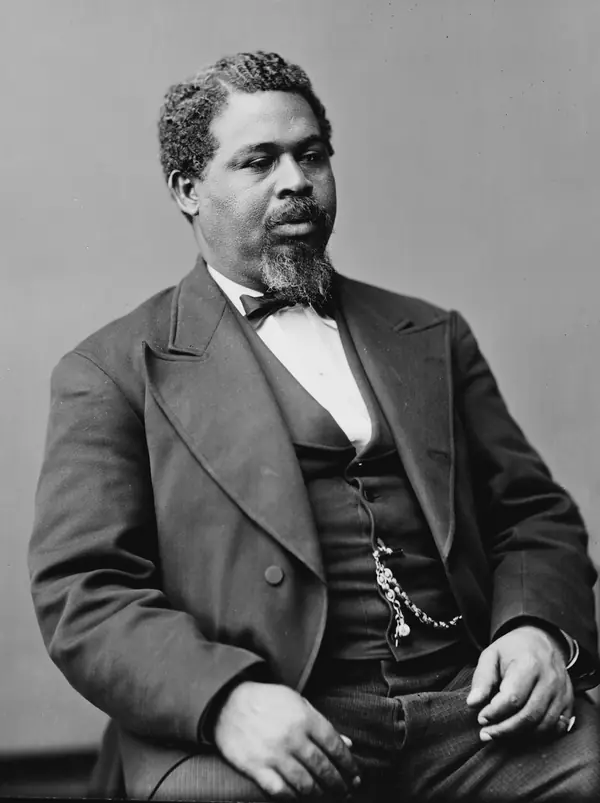
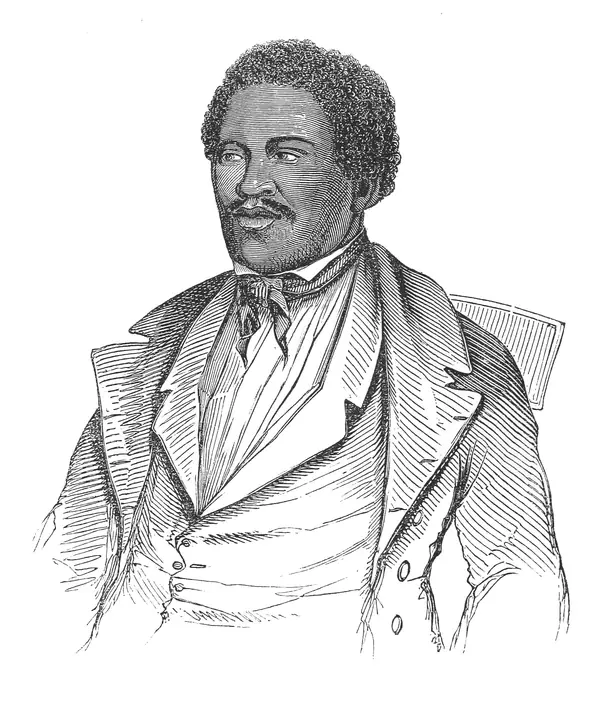
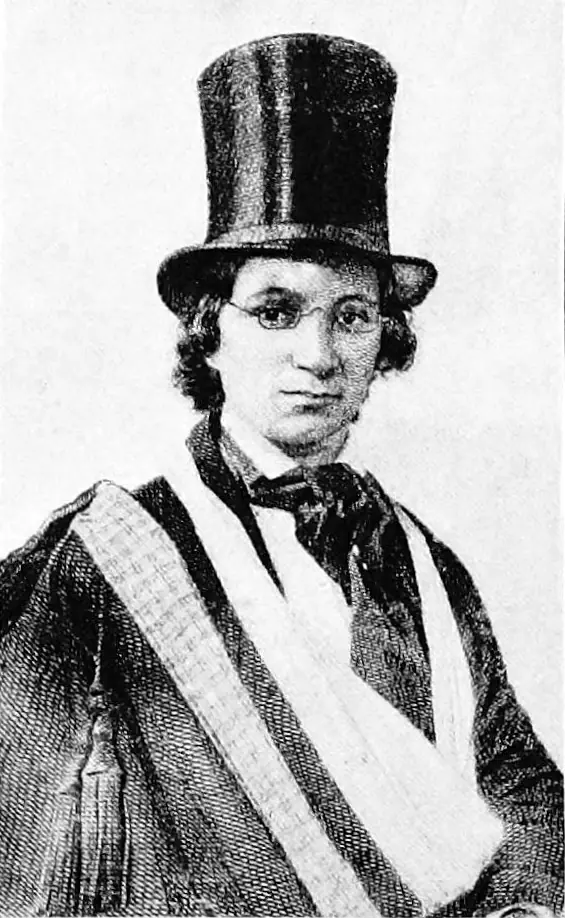
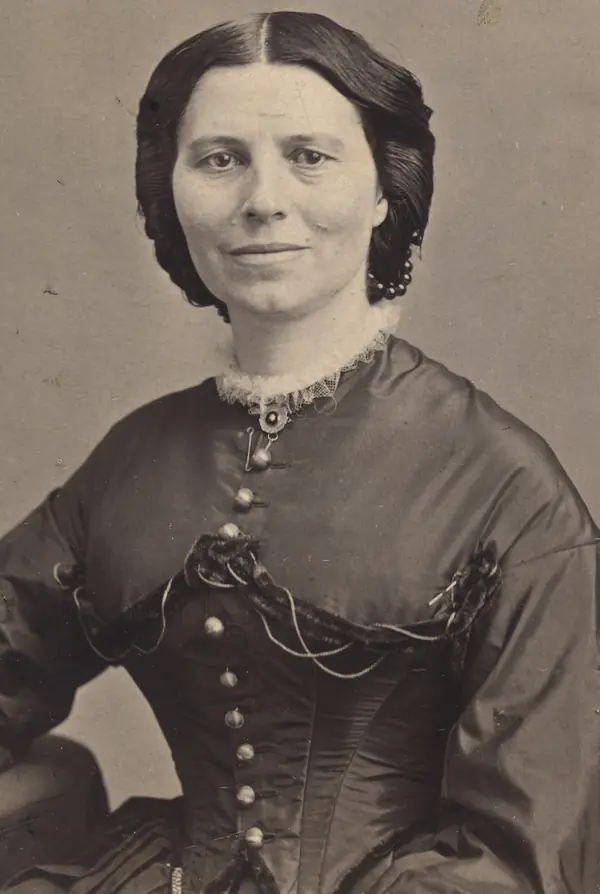
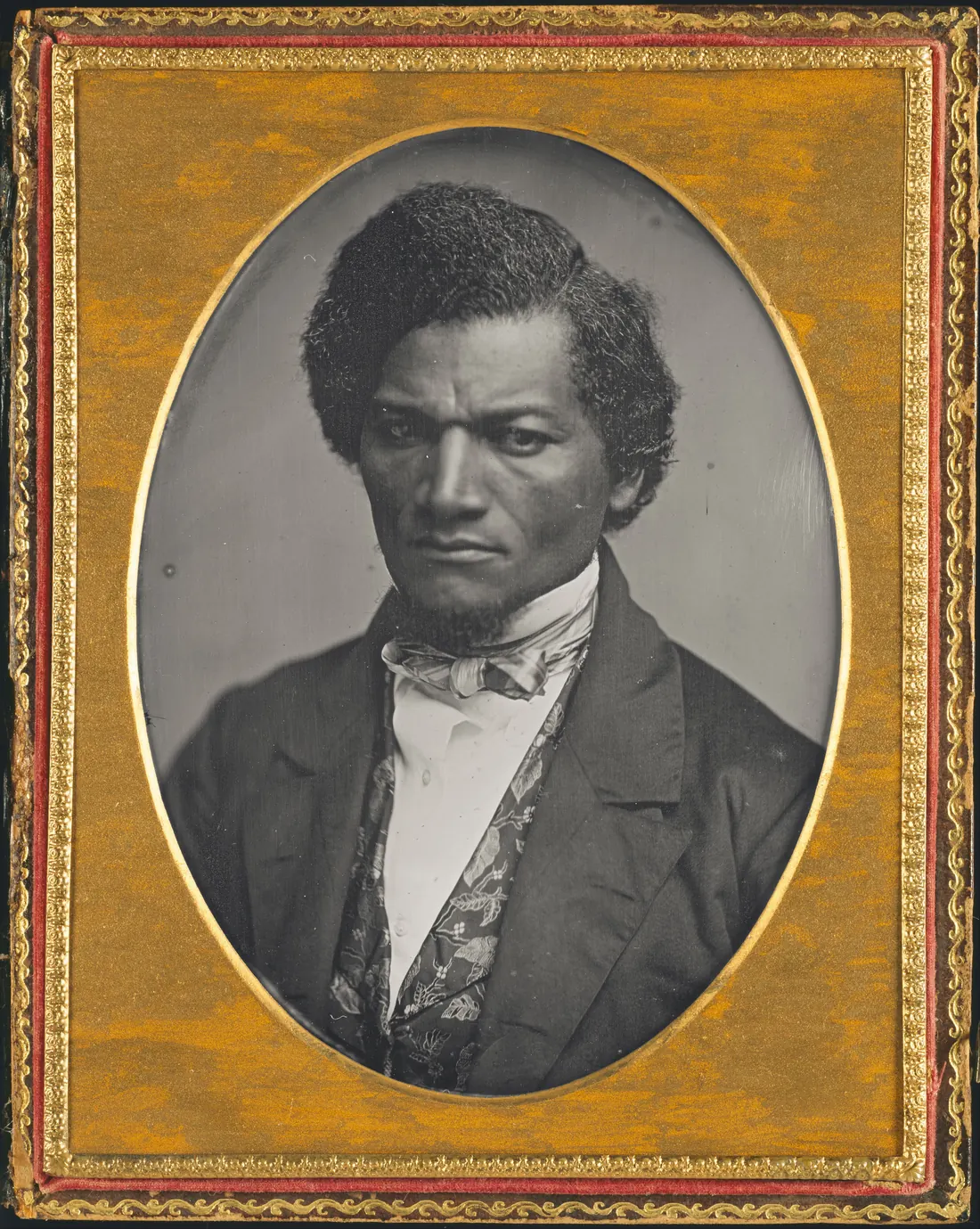
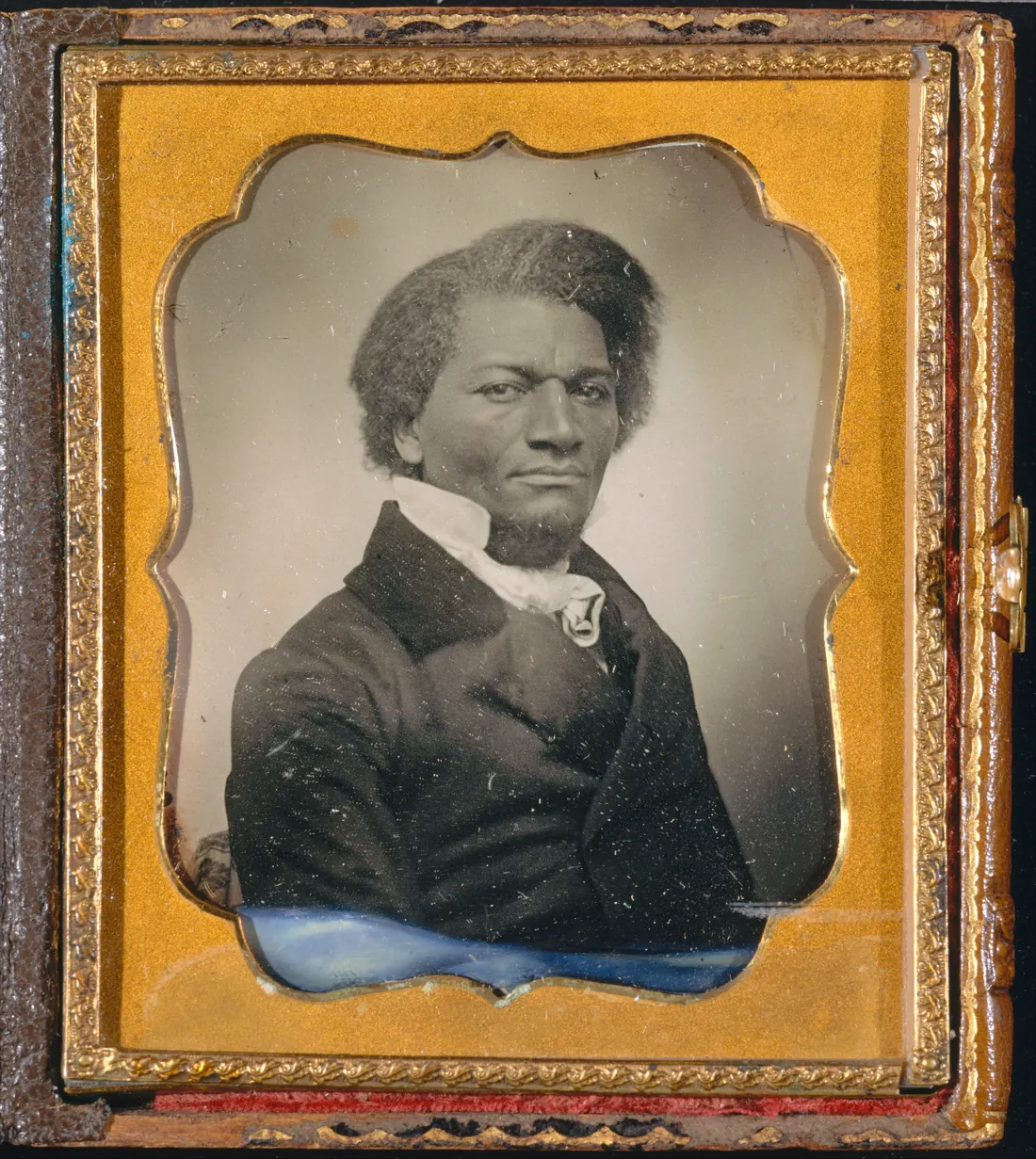
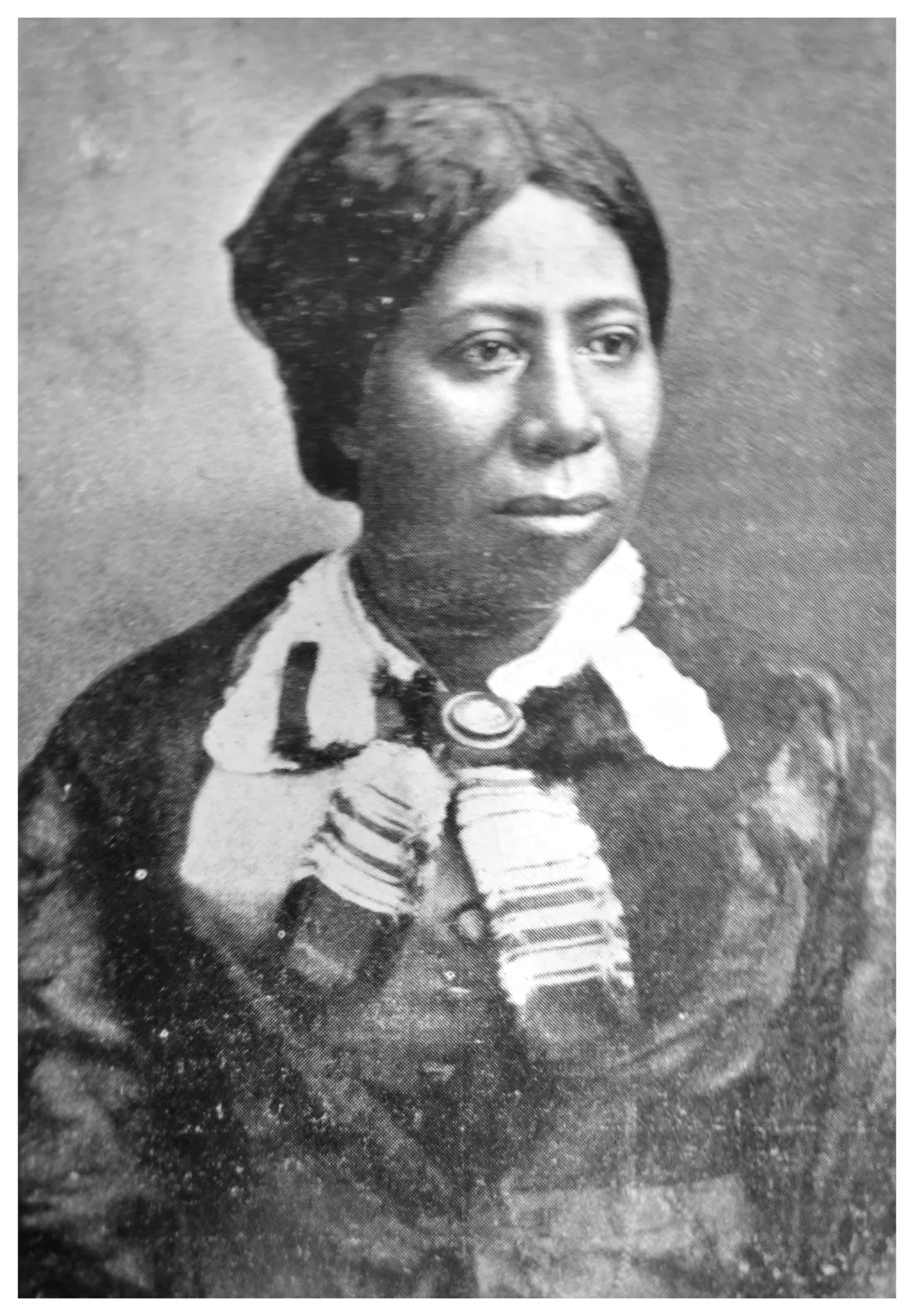
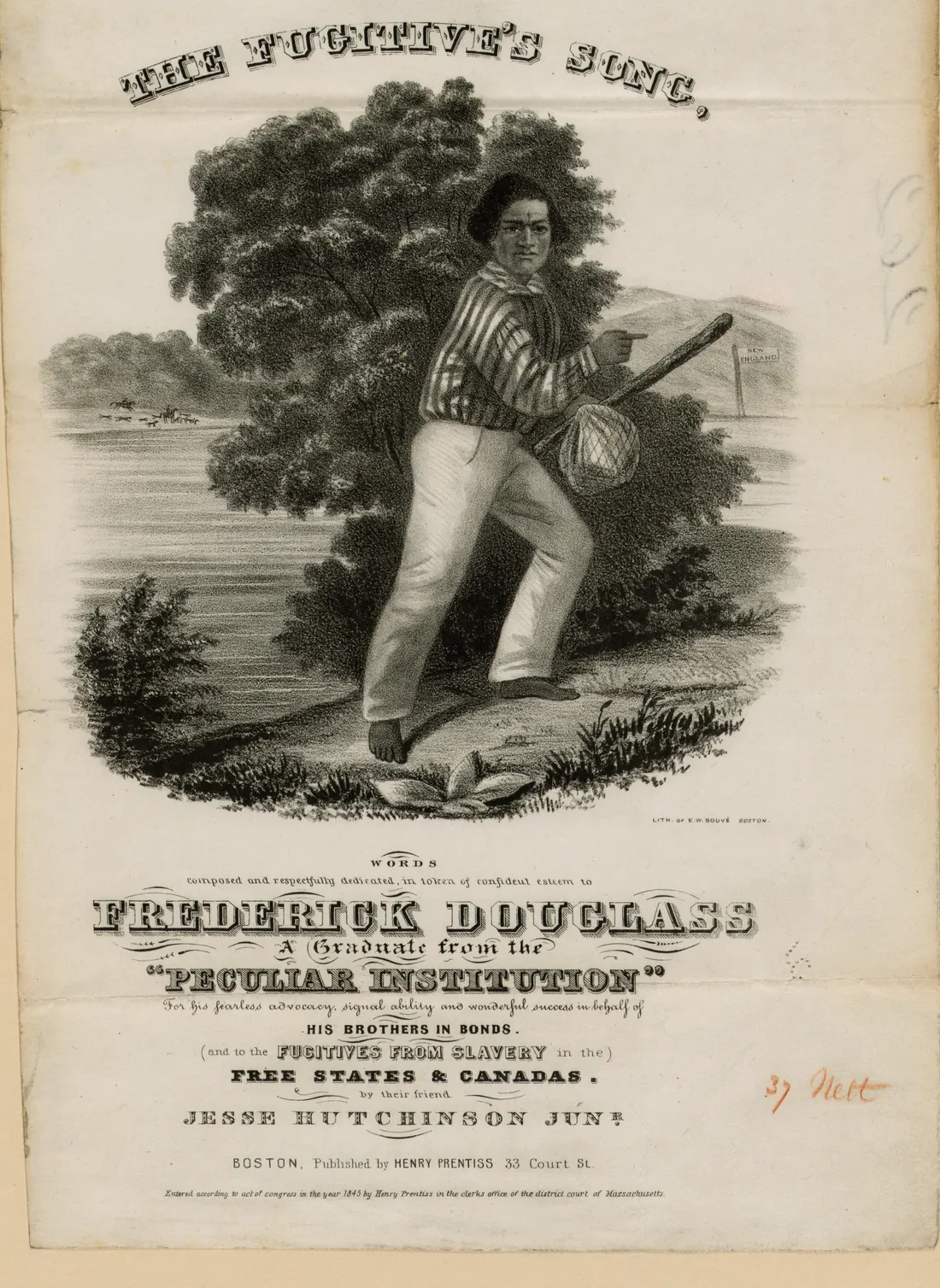
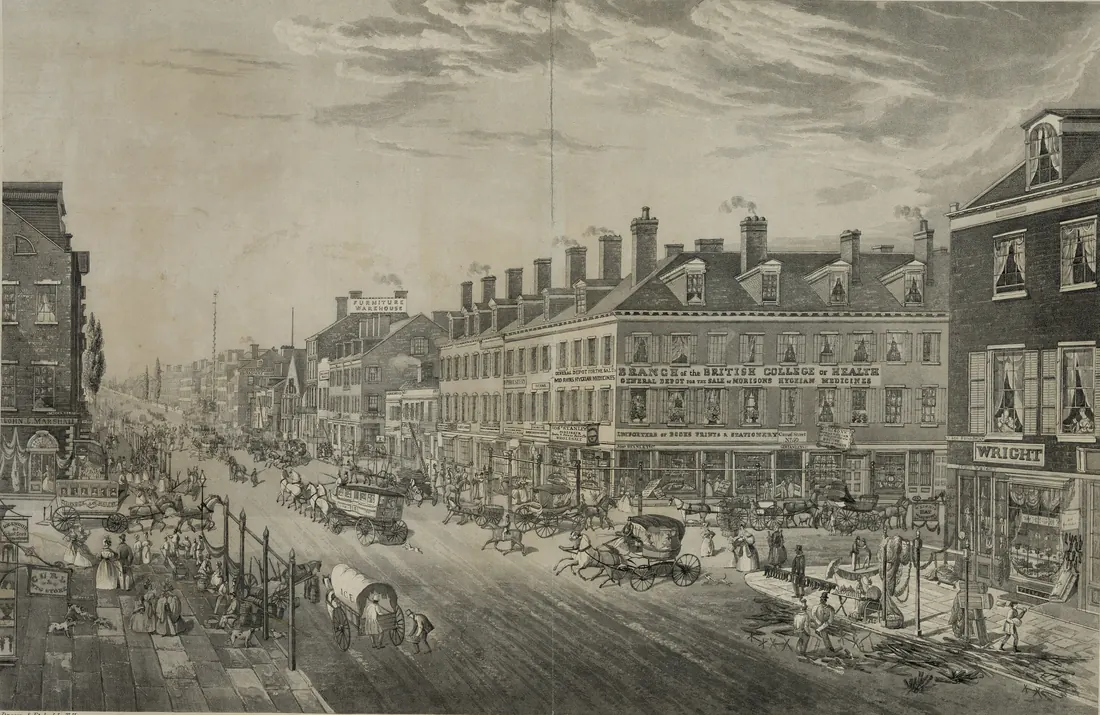
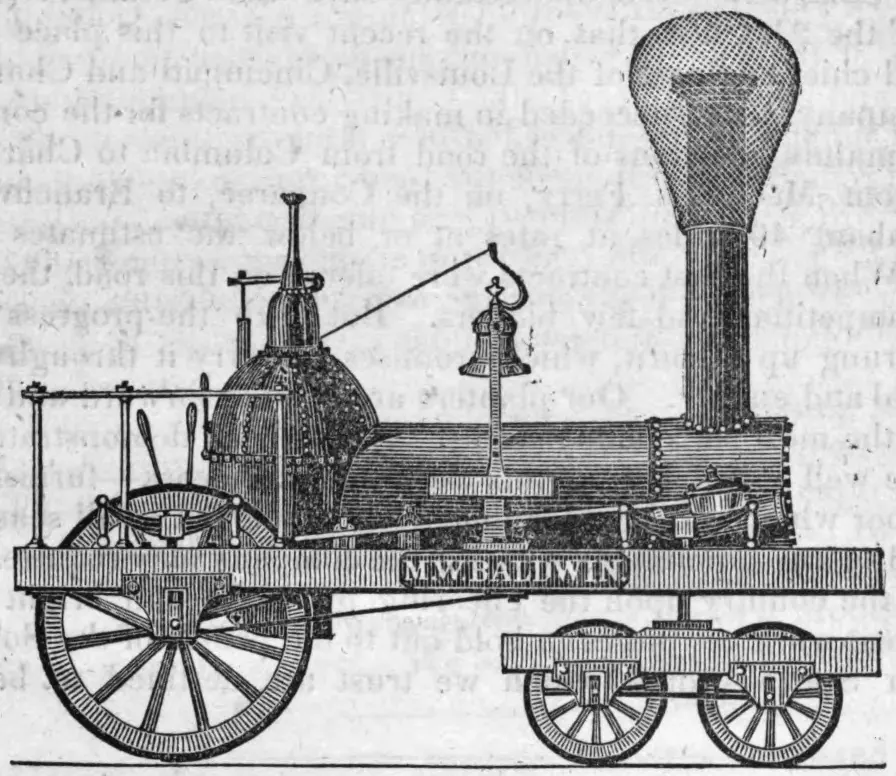
Pictures: Douglass himself is in the daguerreotypes by Samuel J. Miller (1847–52) and of about 1855, and in the photographs by the Brady-Handy studio (about 1865–80) and George K. Warren (about 1879); Anna Murray Douglass is in the photograph of about 1860. The seaman’s protection certificate of 1804 is a real one of the period, with the eagle he described, not his own, which does not survive. The 1838 locomotive comes from a Baldwin advertisement and isn’t his train. Baltimore is shown in 1831 and Broadway in 1836. The Fugitive’s Song (1845) shows Douglass as a fugitive, not the clothes he wore, and the Columbian Orator is a museum copy of the book he read, not known to be his.
Photo credits
The archive photos in this story
The photographs and illustrations in this story are in the public domain or shared under open licenses; each one is credited below with its license. Tap one to enlarge it, or follow the link to its Wikimedia Commons page for the full record. The narration, captions and graphics in the Short are our own; its music and sound effects are credited below.
Music and sound effects
Music: Beethoven, Coriolan Overture, Op. 62 (Musopen Symphony Orchestra, CC0); Bach, Orchestral Suite No. 3 in D, BWV 1068: II. Air ('Air on the G String') (US Air Force Band, Air Force Strings, public domain, US government work).
Sound effects: Freesound, CC0.