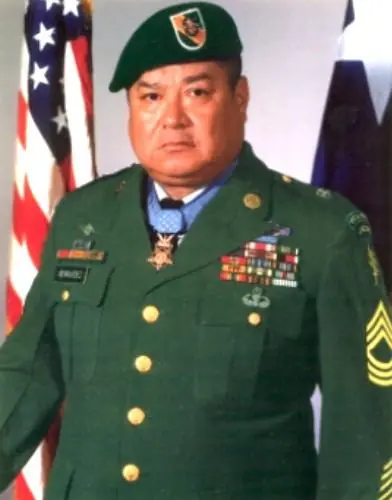
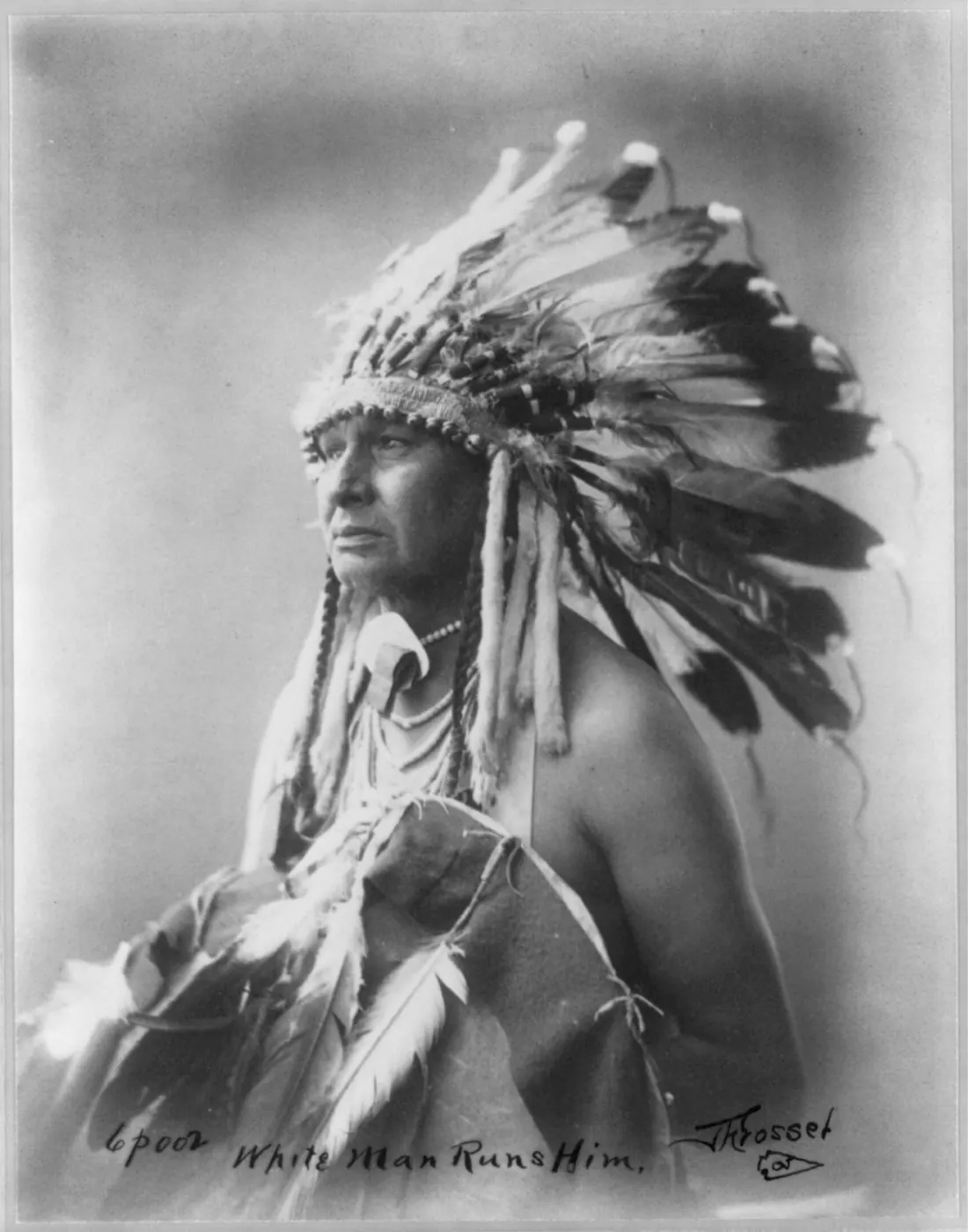
Joseph Medicine Crow was born in 1913 on the Crow Indian Reservation near Lodge Grass, Montana. His maternal step-grandfather, White Man Runs Him, had been a scout for Gen. George Armstrong Custer. In 1939 Medicine Crow graduated from the University of Southern California with a master’s in anthropology, the first member of his tribe to earn a master’s degree.
By Crow tradition, a war chief had to complete four deeds: touch a living enemy without killing him (counting coup), take an enemy’s weapon, lead a successful war party and steal an enemy’s horse. In World War II Medicine Crow served as a scout in the US Army’s 103rd Infantry Division, and whenever he went into battle he wore his war paint, two red stripes on his arms, beneath his uniform, with, in President Obama’s words, “a sacred feather beneath his helmet.”
Once, he found himself face to face with a young German soldier. In the National Park Service’s telling, he gave the man a butt stroke with his rifle and knocked the enemy’s rifle out of his hand; he touched him, disarmed him and in the end spared his life. He was also ordered to lead a group of soldiers through the lines to procure much-needed ammunition, and he led his squad through land mines, avoiding enemy fire, to reach the US lines.
Then came the horses. At dawn he and another soldier entered a corral where a German unit kept its horses, before the Germans left the farm building. Medicine Crow mounted a horse, had his companion open the gate and herded about fifty horses out, singing a traditional Crow honor song as he rode off. When he came home and recited his war deeds to the tribal elders, as tradition required, they made him a full-fledged war chief, the last of the Crow.
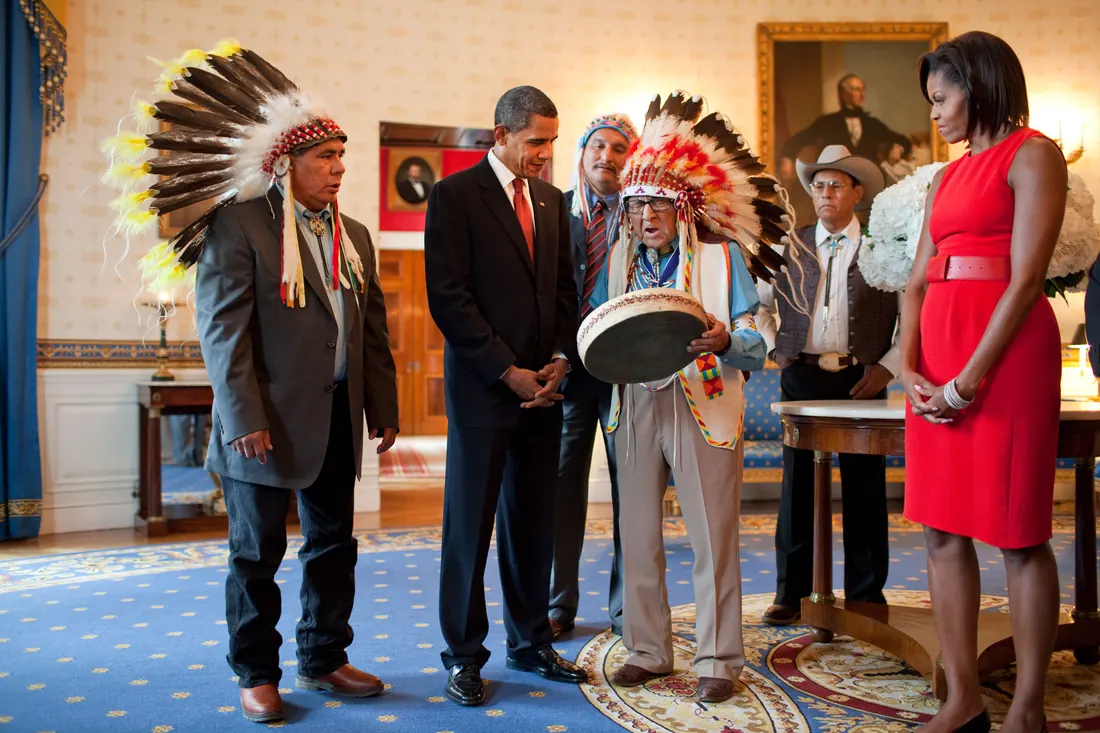
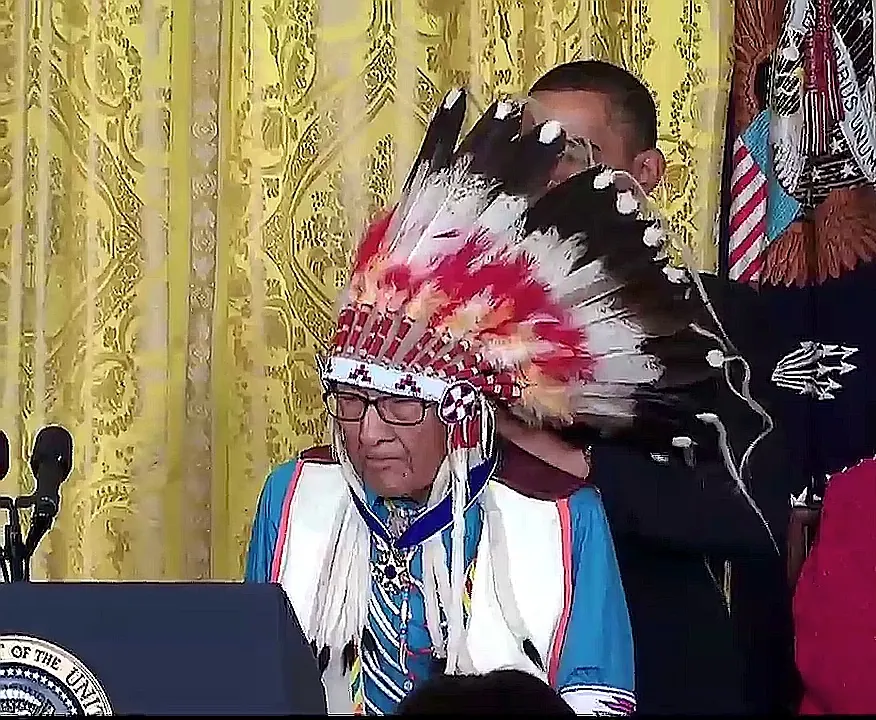
On August 12, 2009, President Barack Obama awarded him the Presidential Medal of Freedom, saying that “Joseph Medicine Crow completed the four battlefield deeds that made him the last Crow war chief.” He died on April 3, 2016, at the age of 102.
Fact check
The facts and where they come from
- He went to war as a US Army scout, and came home the last Crow war chief. Wikipedia: “serving as a scout in the 103rd Infantry Division of the U.S. Army”; “He was the last war chief of the Crow Tribe.” President Obama: “Joseph Medicine Crow completed the four battlefield deeds that made him the last Crow war chief.” 13
- His name was Joseph Medicine Crow. Wikipedia: “a Native American writer, historian and war chief of the Crow Tribe.” 1
- He grew up on the Crow Reservation and was the first of his tribe with a master’s degree. Wikipedia: “born in 1913 on the Crow Indian Reservation near Lodge Grass, Montana.” PBS NewsHour: “He graduated with a master’s in anthropology from the University of Southern California in 1939, the first member of his tribe to earn a master’s degree.” 18
- His grandfather had been a scout for Custer. The White House: “his grandfather was a scout for General George Armstrong Custer.” Wikipedia: “His maternal step-grandfather, White Man Runs Him, was a scout for U.S. General George Armstrong Custer.” 21
- A Crow war chief needed four deeds: touch an enemy without killing him, take his weapon, lead a war party, steal horses. Wikipedia: “Medicine Crow completed all four tasks required to become a war chief: touching a living enemy without killing him (counting coup), taking an enemy’s weapon, leading a successful war party, and stealing an enemy’s horse.” The National Park Service lists the same four, “consisting of four deeds.” 14
- In battle, he wore war paint under his uniform. President Obama: “Wearing war paint beneath his uniform, and a sacred feather beneath his helmet.” Wikipedia: “Whenever he went into battle, he wore his war paint (two red stripes on his arms) beneath his uniform.” 31
- He ran face to face into a German soldier. Wikipedia: “After turning a corner and finding himself face to face with a young German soldier, he touched the soldier and disarmed him.” National Park Service: “He saw an opening in a gate and a German was doing the same thing. They bumped heads.” 14
- He knocked the rifle away and spared his life: two deeds done. National Park Service: “Joe gave him a butt stroke with his rifle and knocked the enemy’s rifle out of his hand.” Associated Press: “engaging in hand-to-hand combat with a German soldier whose life Medicine Crow ultimately spared.” Touching and disarming him, in Wikipedia’s account, were the coup and the captured weapon. 471
- He led his squad through a minefield under fire. National Park Service: “He was ordered to lead a group of soldiers on a mission through the lines to procure much needed ammunition”; “Medicine Crow led his squad through land mines, avoiding enemy fire to reach the U.S lines.” Wikipedia: “He also led a successful war party.” 41
- At dawn he crept into a German corral, jumped on a horse and drove out about fifty. His oral history: “Joseph Medicine Crow captured 50 enemy horses in Germany”; “At dawn, the two Americans entered the corral before the Germans left the farm building. Medicine Crow mounted a horse and told his assistant to open the gate. At that, Medicine Crow herded the horses out of the corral.” The White House: “including stealing fifty Nazi SS horses from a German camp.” National Park Service: “He asked the Captain to give him five minutes before daylight … They went to the shed and crawled in. He got on a horse with a little rope.” 524
- He rode off singing a Crow honor song. Wikipedia: “stole fifty horses owned by the Waffen SS from a German camp, singing a traditional Crow honor song as he rode off.” His oral history: “While escaping with the horses, Medicine Crow sang the same song that he sang earlier in the interview.” 15
- Back home, the elders named him war chief. His oral history: “After returning home, Medicine Crow recited his war deeds to the tribal elders as part of the ritual tribal tradition. When the elders heard of his war deeds, they designated him a full fledged authentic Crow war chief.” The National WWII Museum: “his grandfather and other tribal elders immediately granted him war chief status.” 56
- In 2009, Obama gave him the Medal of Freedom. The White House named him on July 30, 2009: “President Obama will present the awards at a ceremony on Wednesday, August 12.” Wikipedia: “from President Barack Obama on August 12, 2009.” 21
- He died at 102, the last Crow war chief. PBS NewsHour: “Joseph Medicine Crow, a Native American historian and the last war chief of the Crow Tribe in Montana, died Sunday in a hospice”; “He was 102.” Wikipedia: “until his death, at the age of 102, on April 3, 2016.” 81
Sources
- Joe Medicine Crow Wikipedia
- President Obama Names Medal of Freedom Recipients (July 30, 2009, archived) The White House
- Remarks by the President at the Medal of Freedom Ceremony (August 12, 2009, archived) The White House
- Joseph Medicine Crow National Park Service (Bighorn Canyon National Recreation Area)
- Joseph Medicine Crow (oral history, recorded at age 98) The National WWII Museum
- Joe Medicine Crow, 103rd Infantry Division (April 20, 2020) The National WWII Museum
- Associated Press obituary of Joseph Medicine Crow Fox News
- Joseph Medicine Crow, last Crow tribe war chief, dies at 102 PBS NewsHour
Notes
His grandfather: the White House says “his grandfather”; Wikipedia says White Man Runs Him was his maternal step-grandfather. The National WWII Museum says White Man Runs Him told him the four deeds before he went overseas, but White Man Runs Him died in 1929 (Wikipedia; the National Park Service says 1925), so we leave that out.
The horses: the White House and Wikipedia say fifty “Nazi SS” or “Waffen SS” horses from “a German camp”; his own oral history, recorded at 98, describes about fifty horses of a mounted German unit penned in a farm corral at dawn; the National Park Service says a shed before daylight, and a “big war whoop” instead of a song. We say about fifty German horses.
The coup is told four ways: Wikipedia (he turned a corner, came face to face with the soldier, touched him and disarmed him), the National Park Service (they bumped heads at a gate, and he knocked the rifle away), the Associated Press (hand-to-hand, his life spared) and his oral history (a German who came out under a white flag to fight one American hand to hand). We tell what they share.
The war party: Wikipedia says only that he “led a successful war party.” The minefield mission is the National Park Service’s account; no source says outright which mission counted as the deed.
His rank: Wikipedia gives Technician 5th grade, and no source we checked calls him a private, so we call him a scout.
Not used: the National Park Service page dates his Legion of Honor to 1948 (Wikipedia: June 25, 2008) and lists a “Gold Congressional Medal of Honor” (Wikipedia: the Congressional Gold Medal bill did not pass).
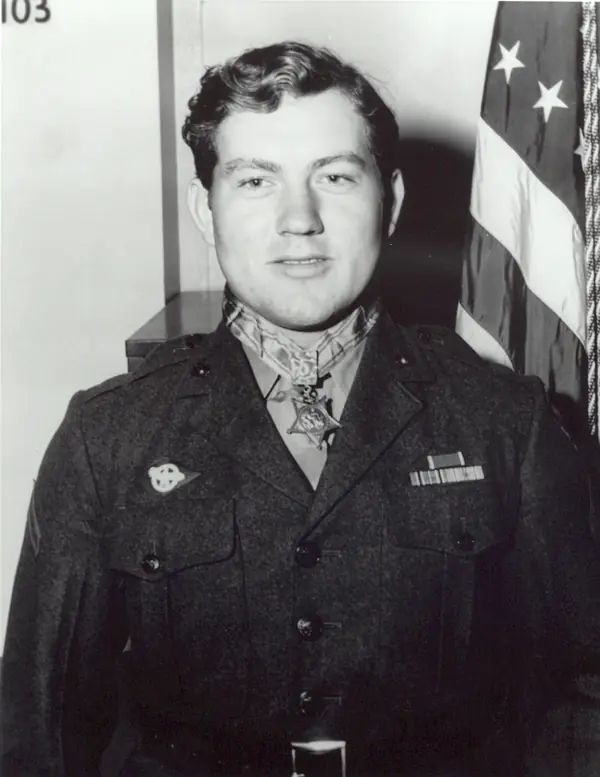
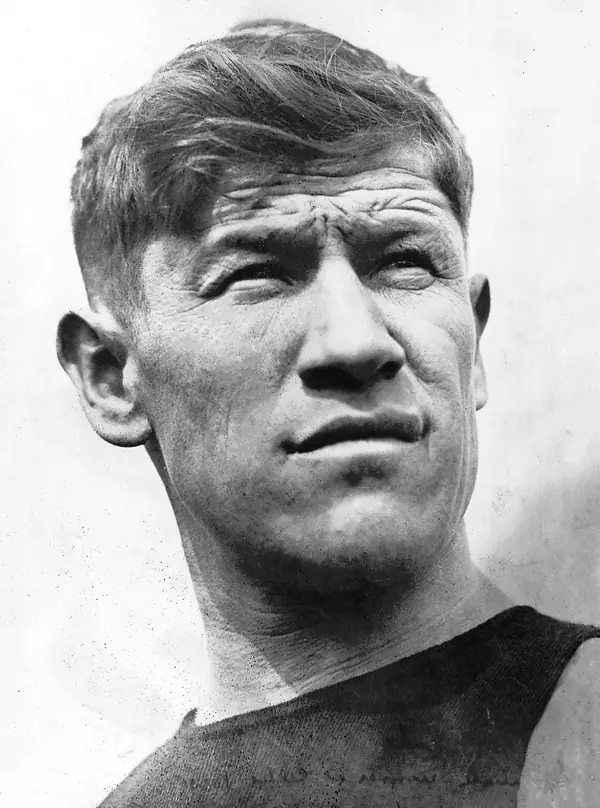
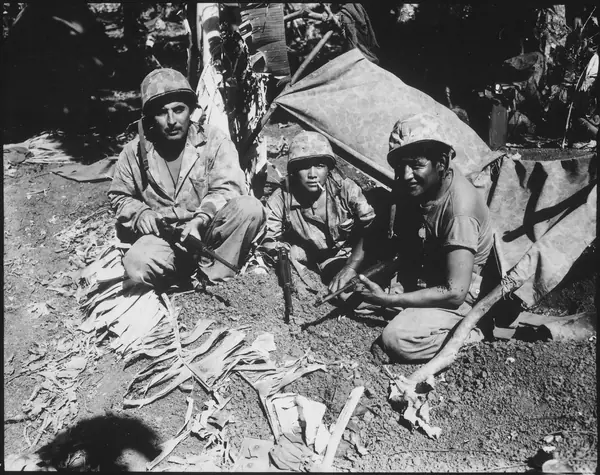
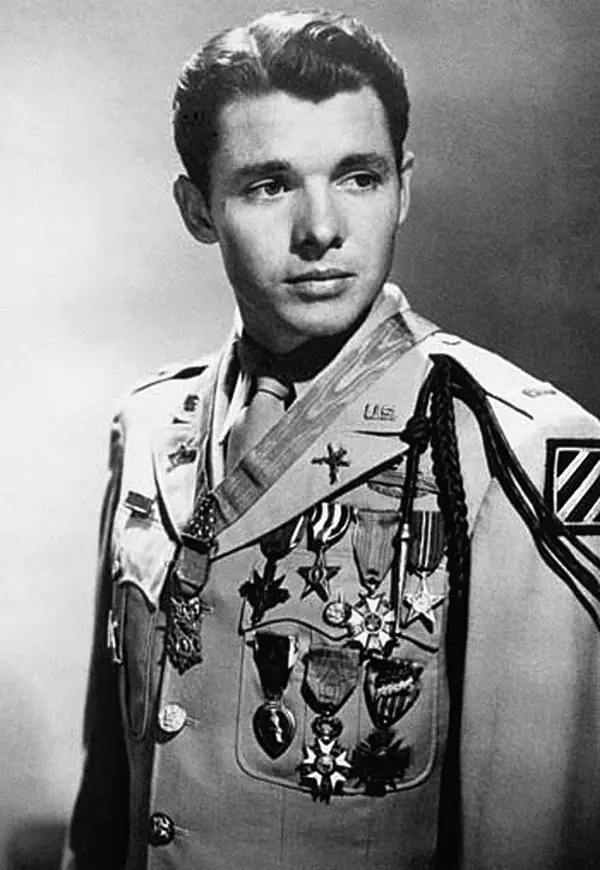
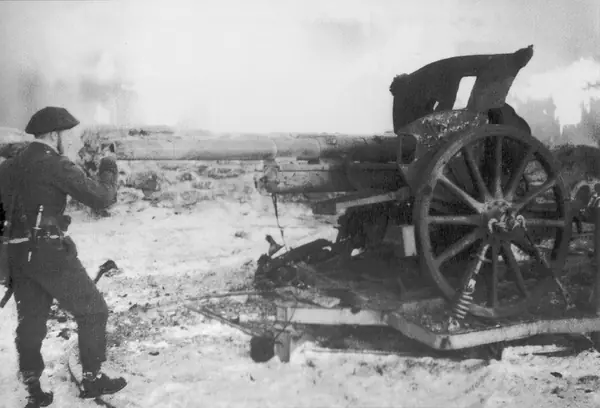
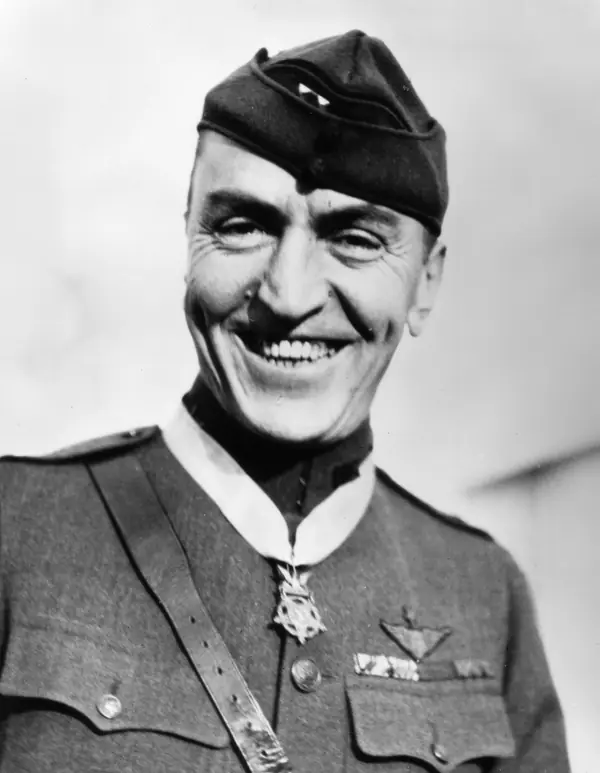
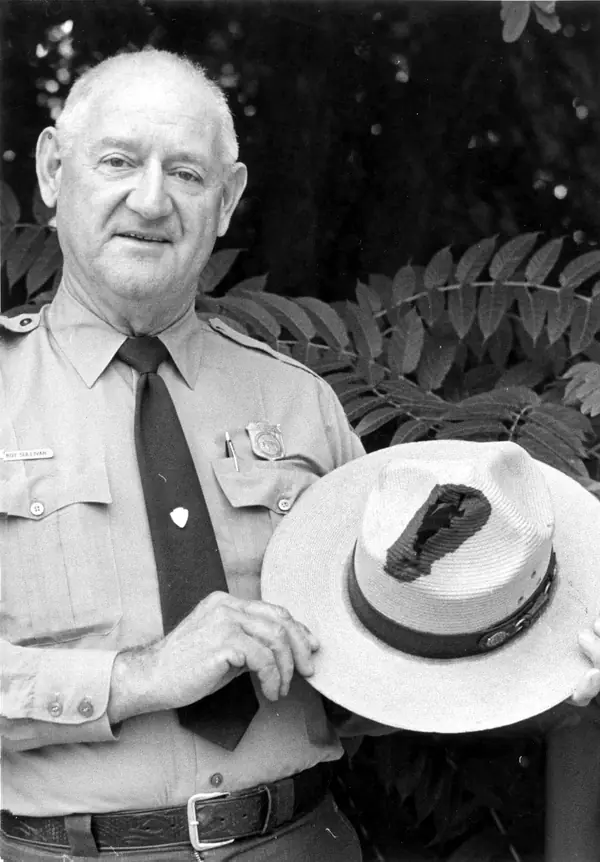
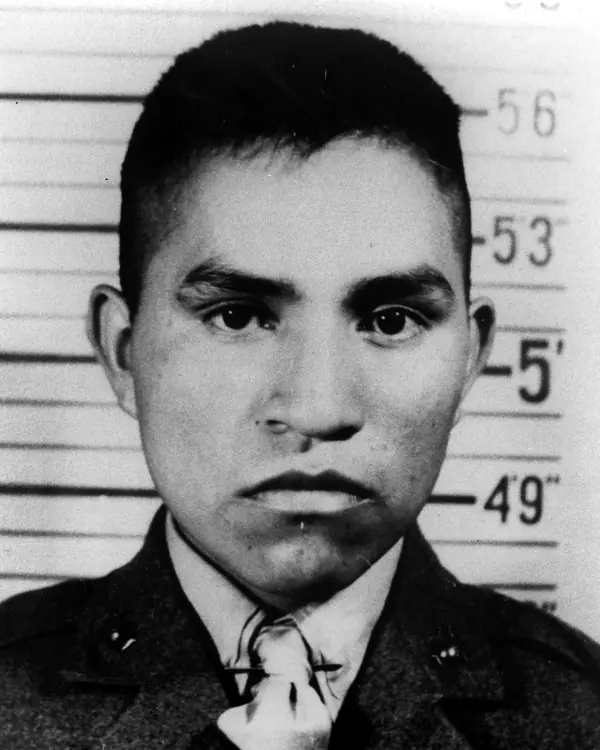
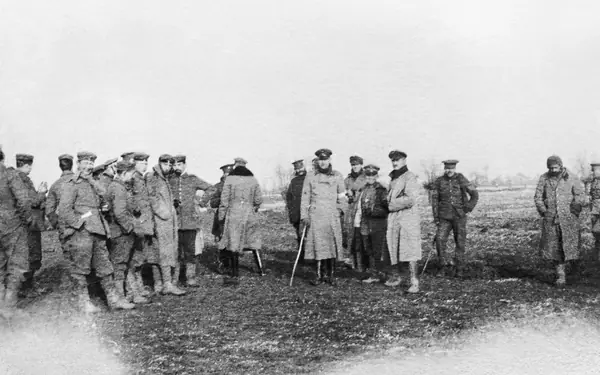
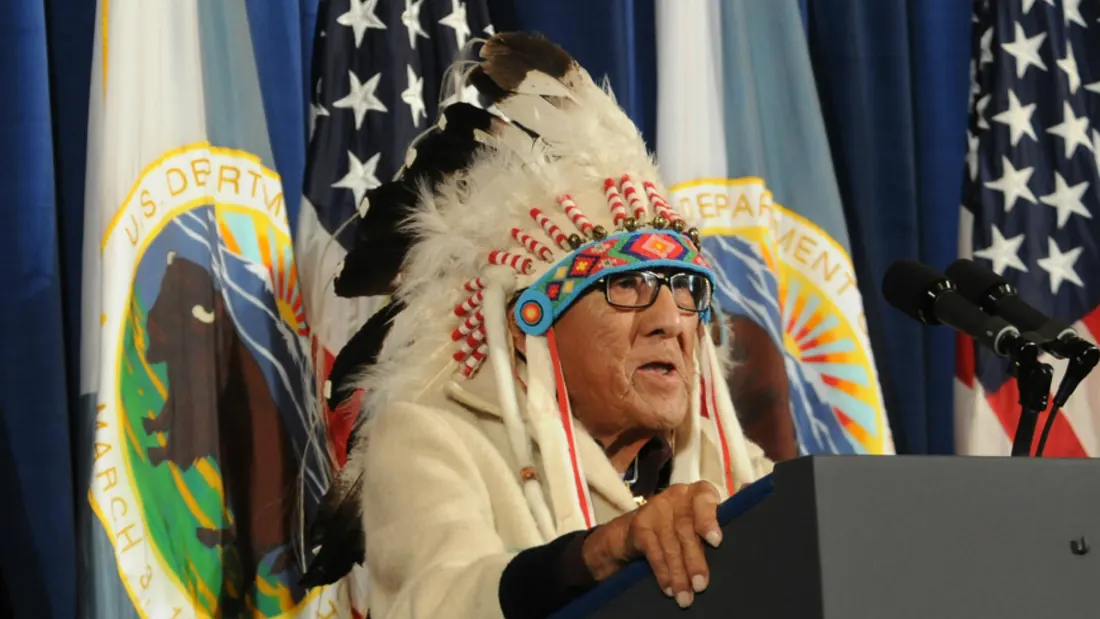
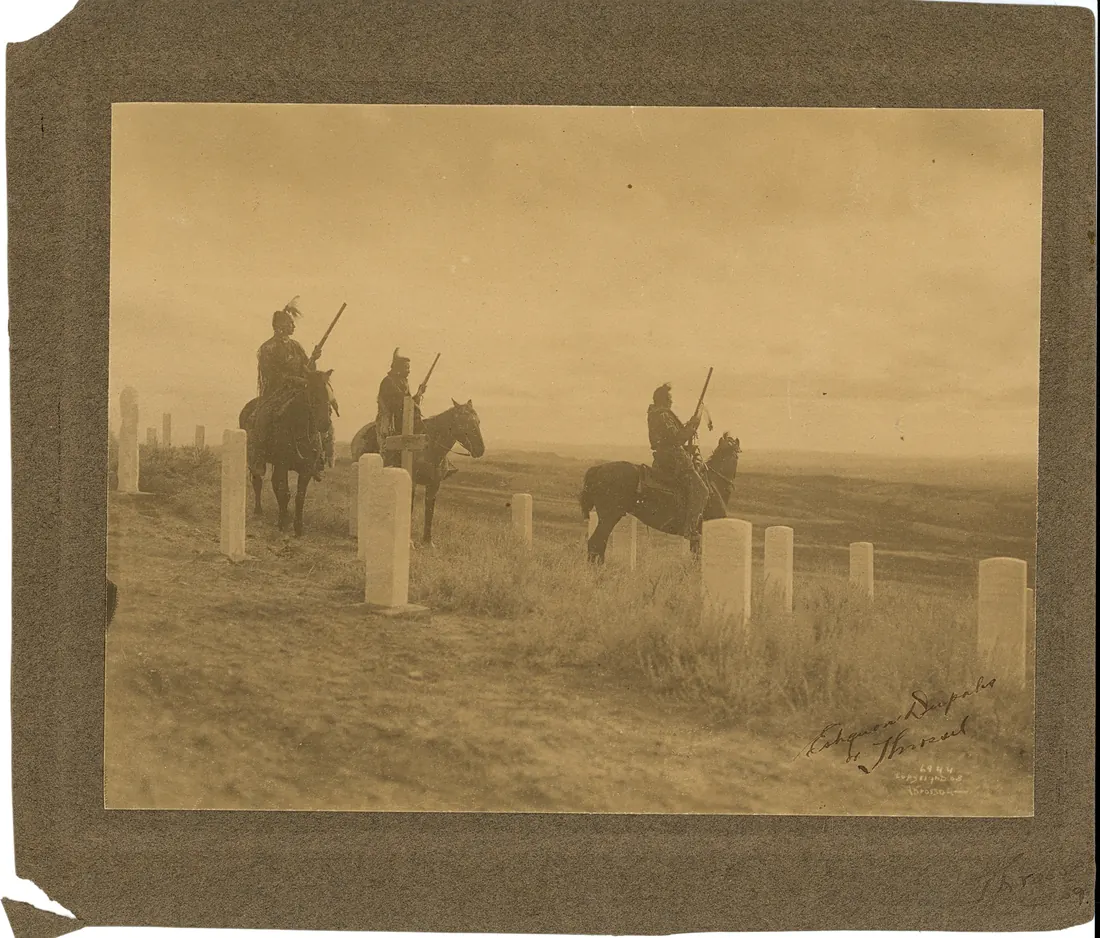
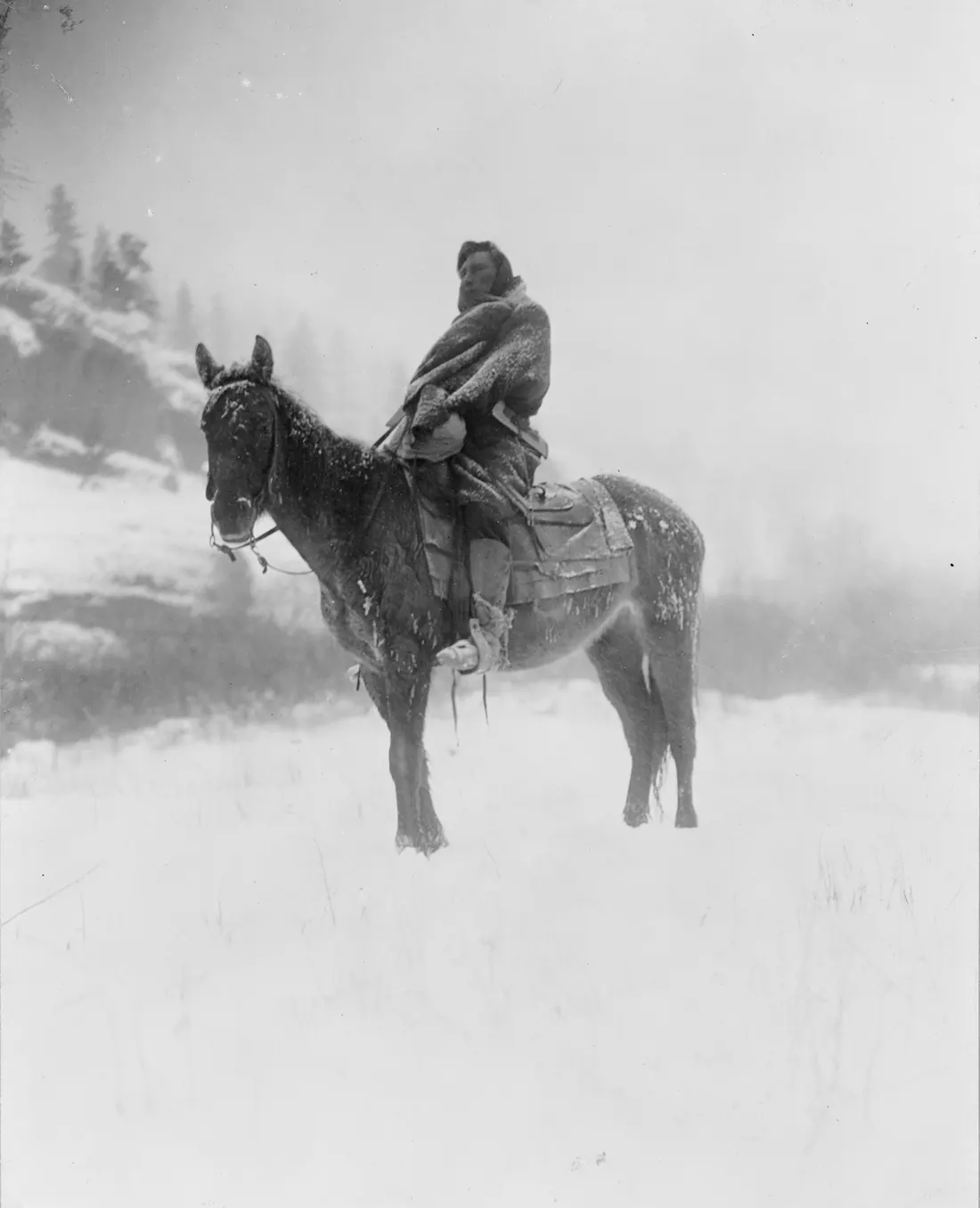
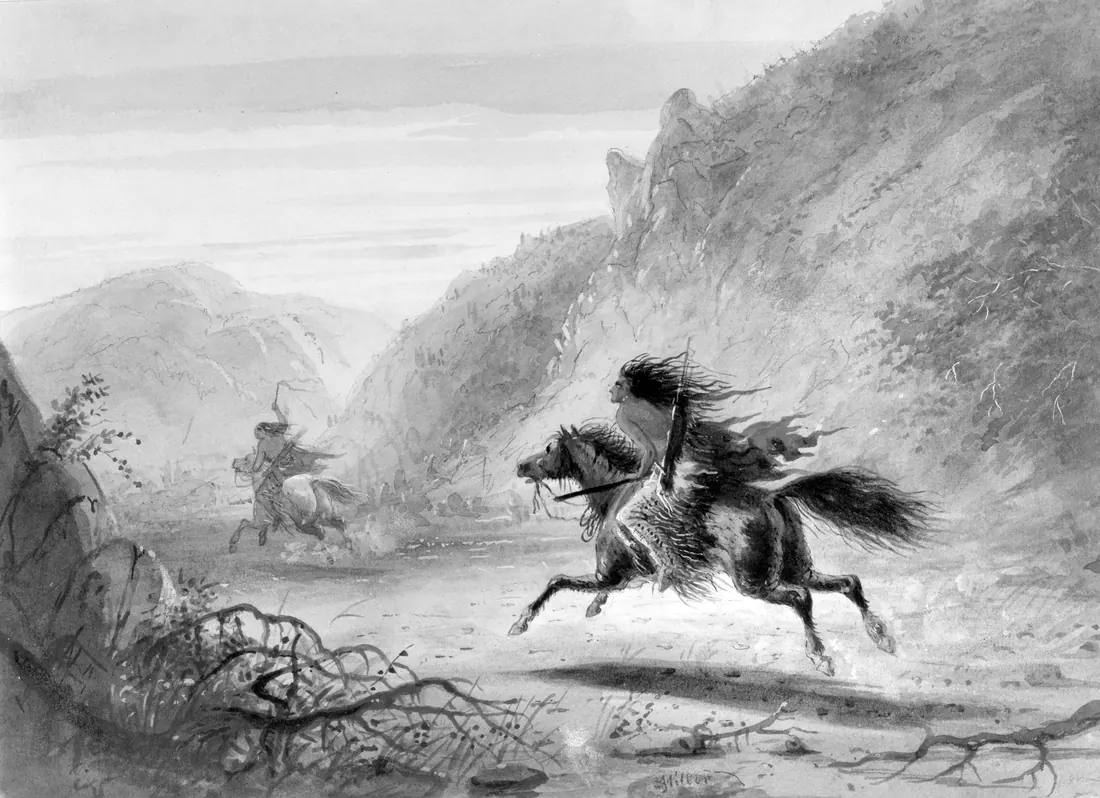
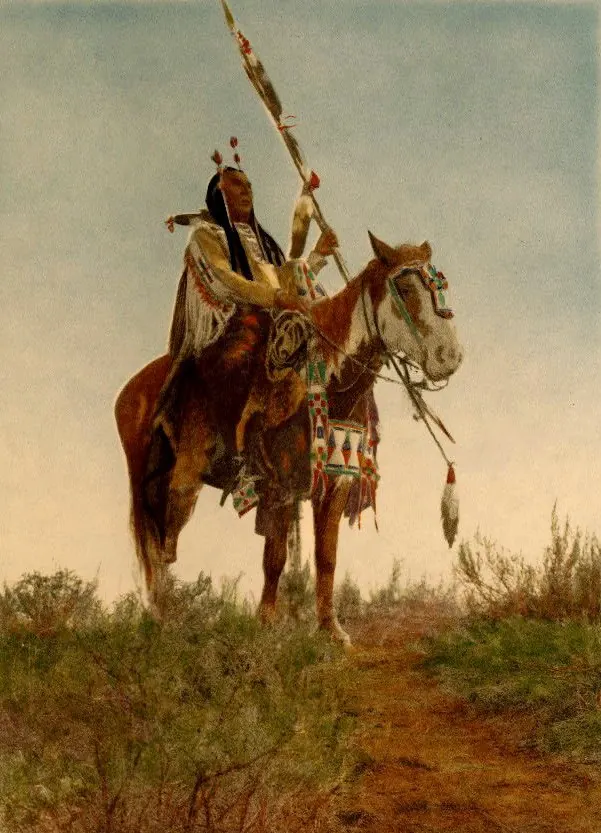
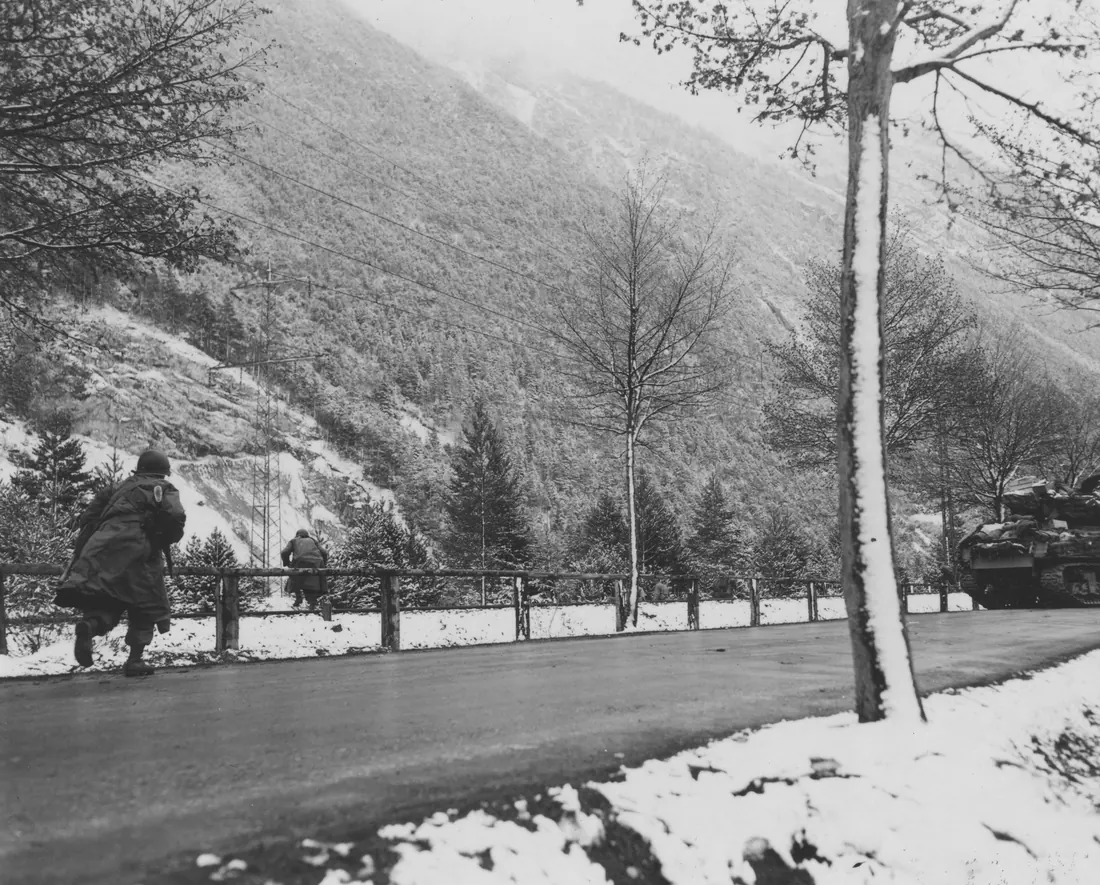
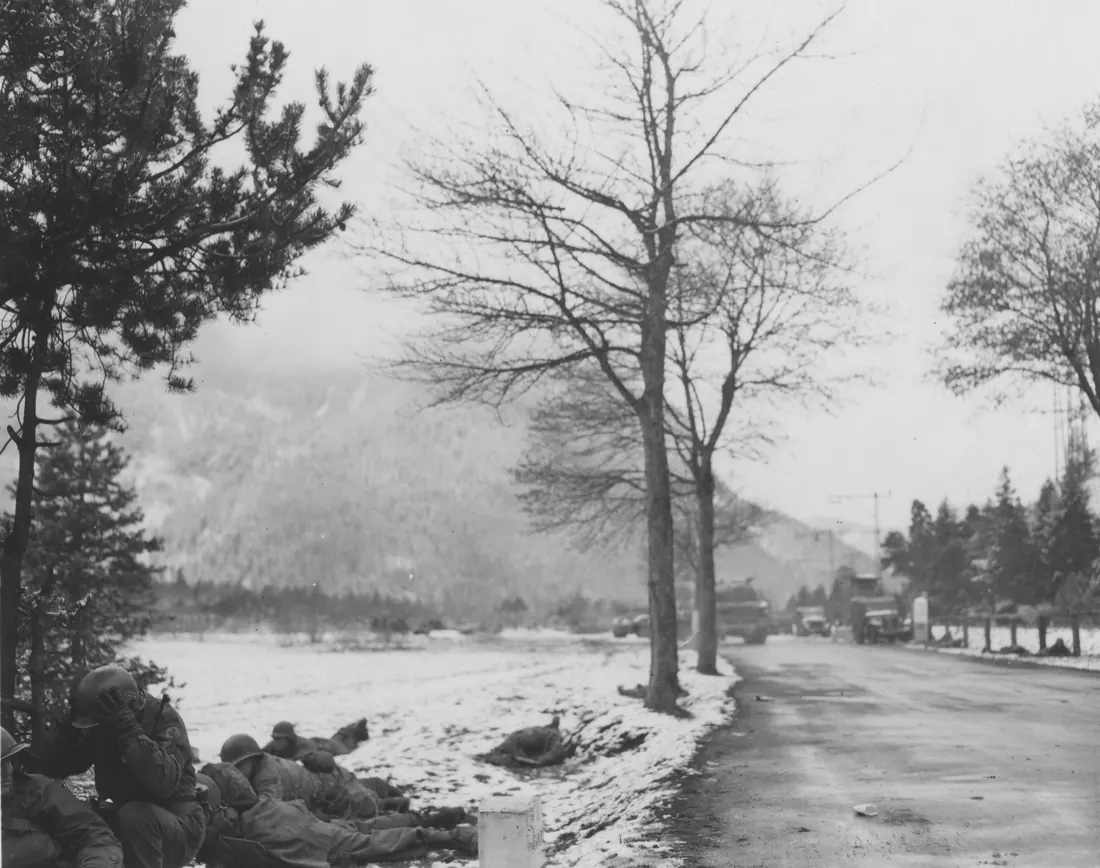
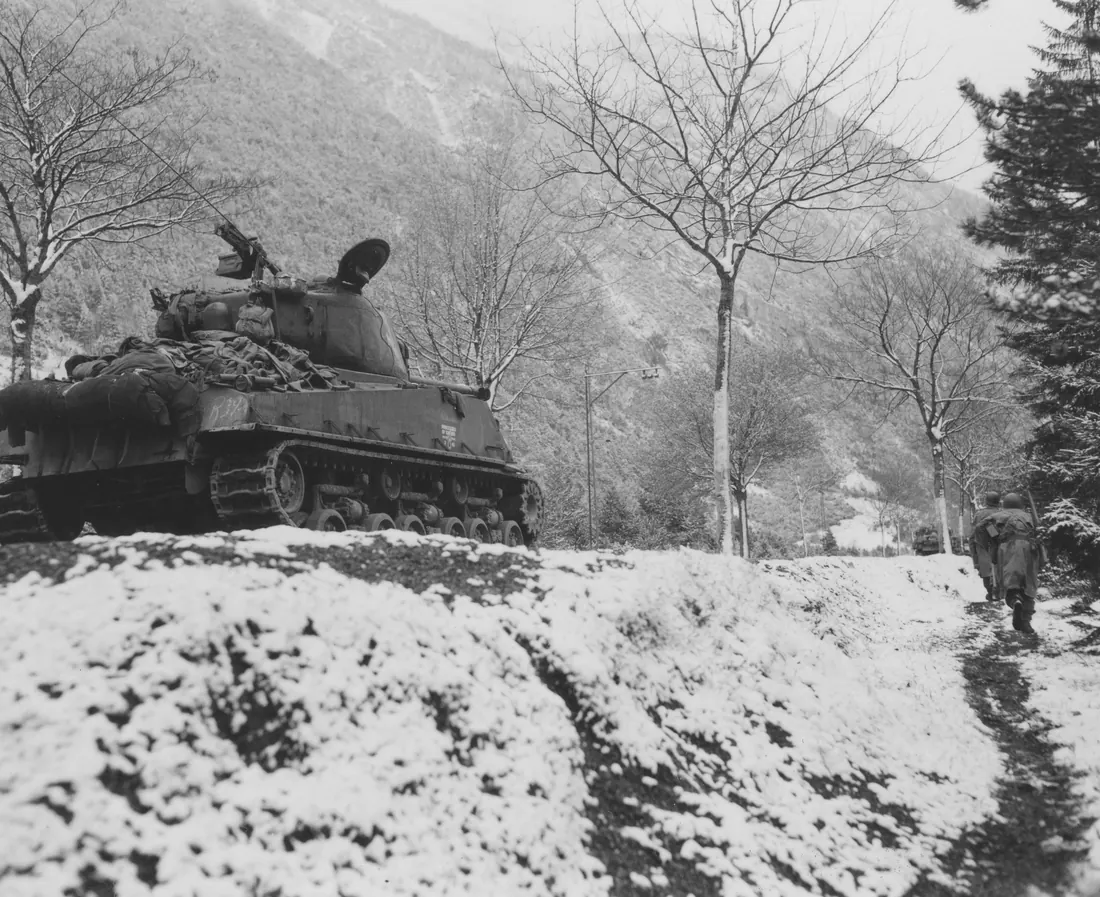
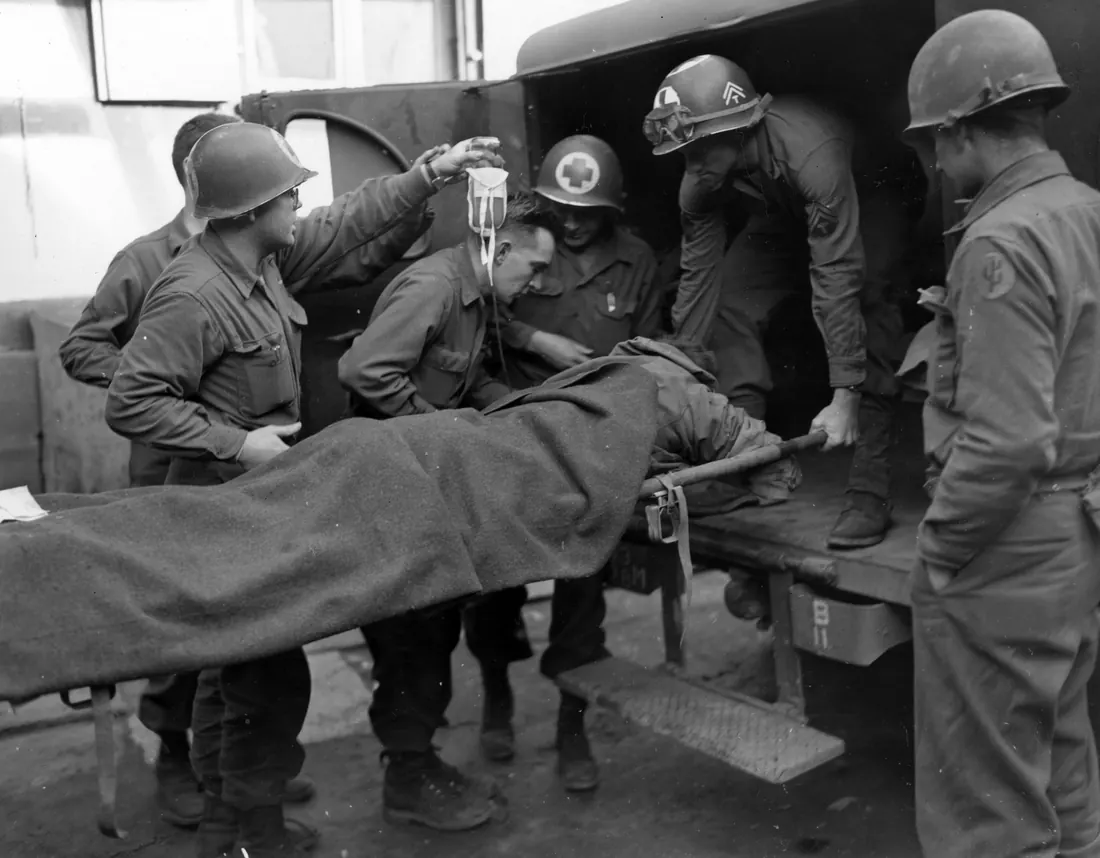
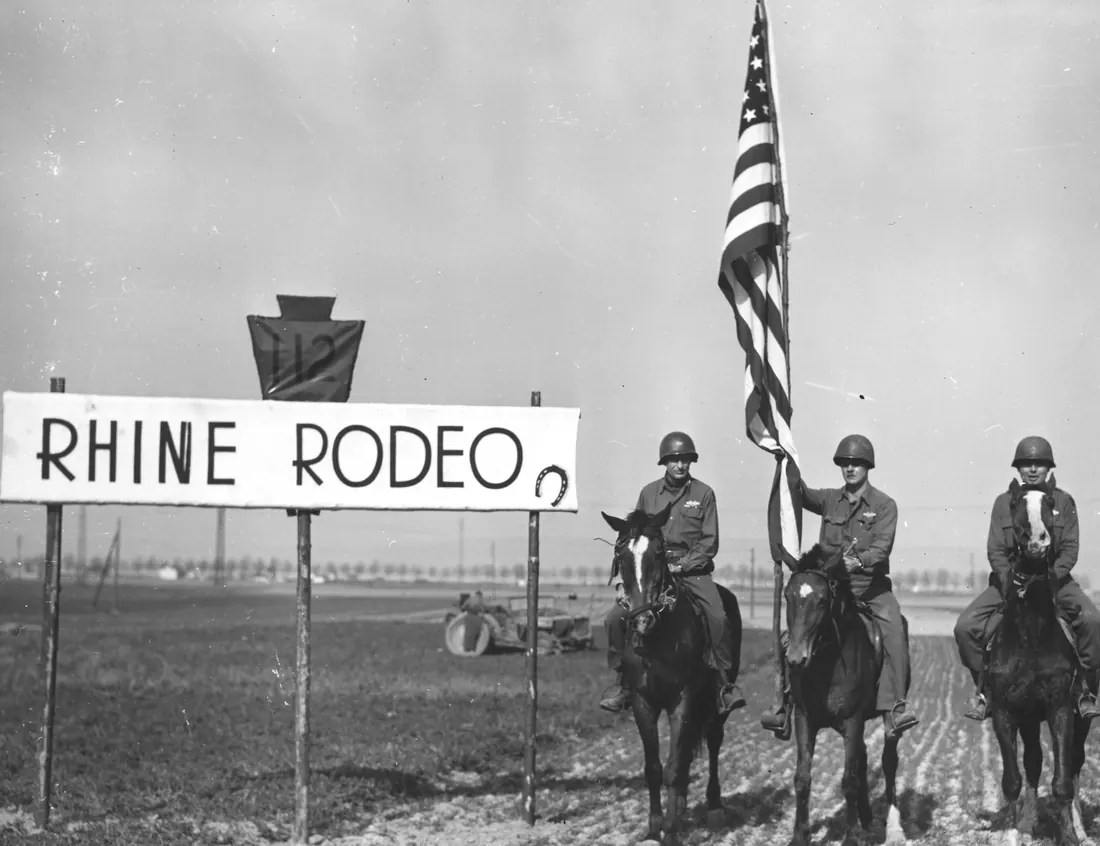
Pictures: only three show Medicine Crow: the Interior Department photo of about 2009, Pete Souza’s photo in the White House Blue Room and a still from the White House ceremony video, both of August 12, 2009. The 1945 Signal Corps photos show his division, the 103rd, and, for the horses, 28th Division soldiers on horses in Germany (“Rhine Rodeo”); none of them shows him. White Man Runs Him appears in Richard Throssel’s portrait and in his photo at the Little Bighorn with Hairy Moccasin and Goes Ahead, which Little Bighorn Battlefield National Monument dates to 1909 and whose mount is pencilled “09,” though the inscription on the image itself reads “Copyright 08”; we say about 1908–09. Edward S. Curtis’s 1908 photos and Alfred Jacob Miller’s painting of about 1858–60 show Crow riders of earlier times, not Medicine Crow’s raid.
Photo credits
The archive photos in this story
All the photographs and illustrations in this story are in the public domain. Tap one to enlarge it, or follow the link to its Wikimedia Commons page for the full record. The narration, captions and graphics in the Short are our own; its music and sound effects are credited below.
Music and sound effects
Music: Brahms, Tragic Overture, Op. 81 (Musopen Symphony Orchestra, CC0); Brahms, Symphony No. 2 in D major, Op. 73: IV. Allegro con spirito (Musopen Symphony Orchestra, CC0).
Sound effects: Freesound, CC0.