Richard Norris Williams, known as R. Norris or “Dick” Williams, was born on January 29, 1891, in Geneva, to parents from Philadelphia. In April 1912 the 21-year-old tennis player was traveling first class on the Titanic with his father, Charles Duane Williams; both had boarded at Cherbourg.
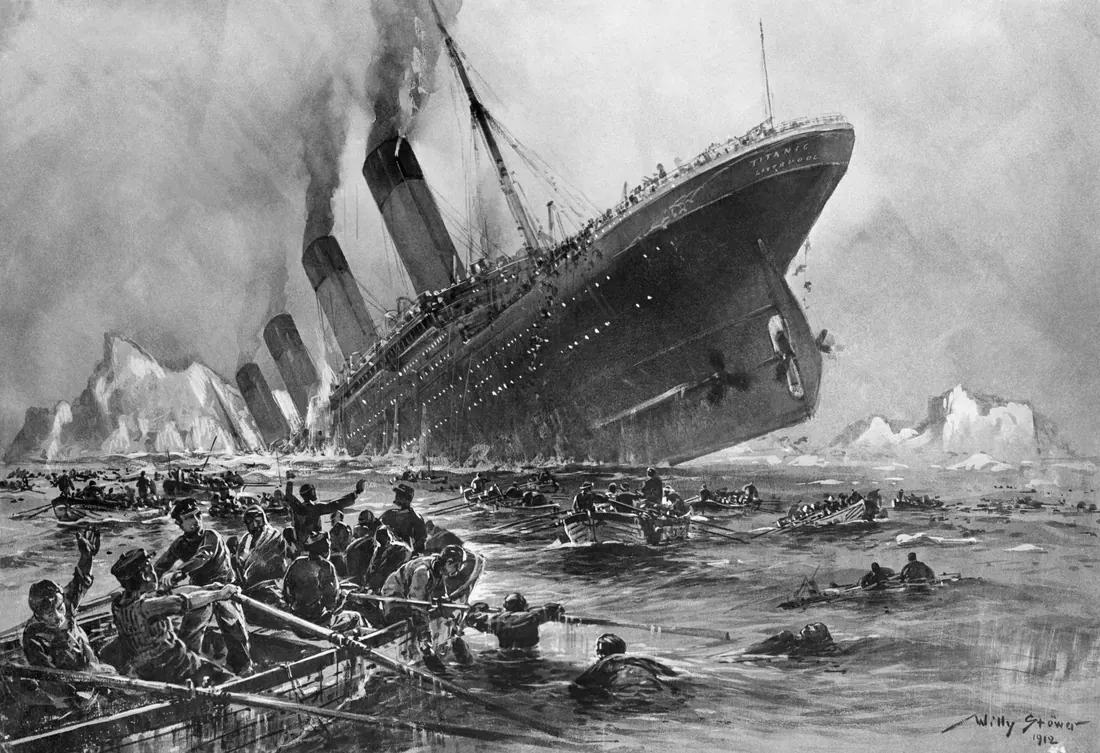
When the liner struck an iceberg and sank, father and son jumped into the water as she began her final plunge. Williams’s father was killed by the first funnel to fall from the ship. In Williams’s own words, “I saw one of the four great funnels come crashing down on top of him.” He made his way to the partially submerged Collapsible A, a lifeboat that was “little more than buoyant platform,” in Mental Floss’s words, and held on to its side for quite a while before getting in. Then he spent several hours in it, knee-deep in the freezing water.
The ordeal left his legs so severely frostbitten that the doctor on the rescue ship, the Carpathia, wanted to amputate them. Williams was “stoutly against such a drastic medical procedure,” says the International Tennis Hall of Fame. Instead he worked through the injury, getting up and walking around every two hours, around the clock, and gradually the feeling returned to his legs.
Later that year he won his first US title, in mixed doubles with Mary Browne. He won the US National Championships in men’s singles in 1914 and 1916, and in 1920, with Chuck Garland, the Wimbledon gentlemen’s doubles. At the 1924 Paris Olympics, at 33 and with a sprained ankle, he won the gold medal in mixed doubles, partnering Hazel Hotchkiss Wightman. He went on to win the Davis Cup in 1925 and 1926, entered the International Tennis Hall of Fame in 1957 and died in 1968.
Fact check
The facts and where they come from
- A doctor wanted to cut off his frozen legs, but he refused. Wikipedia: “The ordeal left his legs so severely frostbitten that the Carpathia’s doctor wanted to amputate them.” International Tennis Hall of Fame: “When a physician aboard the Carpathia suggested amputating both of the legs,” and “Williams was stoutly against such a drastic medical procedure.” 12
- His name was Richard Norris Williams. Wikipedia calls him R. Norris “Dick” Williams and gives his birth as January 29, 1891, in Geneva, to Philadelphia parents. 1
- In April 1912 he sailed on the Titanic with his father. Wikipedia: “He and his father, Charles Duane Williams, were traveling first class on the liner when it struck an iceberg and sank.” His father’s Wikipedia article says both boarded at Cherbourg as first-class passengers. Mental Floss calls him “the 21-year-old.” 153
- As it sank, father and son jumped into the sea. Wikipedia: “As Titanic began her final plunge, father and son jumped into the water.” 1
- He watched a giant funnel crash down on his father. Wikipedia: “his father was killed by the first funnel falling from the ship,” and in Williams’s own words, “I saw one of the four great funnels come crashing down on top of him.” Mental Floss: “According to an unpublished account written by Williams, Charles was struck by a funnel from the ship that had broken off.” 13
- He swam to a half-sunk lifeboat and clung to its side. Wikipedia: “He made his way to the partially submerged Collapsible A, holding onto its side for quite a while before getting in.” Mental Floss: “Williams swam to a collapsible lifeboat that was little more than buoyant platform, gripping its side.” 13
- For hours he sat in it, knee-deep in icy water. Wikipedia: “After entering the lifeboat, he spent several hours knee-deep in the freezing water.” International Tennis Hall of Fame: “Williams’ legs were frostbitten from being submerged in the icy ocean for hours.” 12
- On the rescue ship Carpathia, a doctor wanted to amputate his frostbitten legs. Wikipedia: “the Carpathia’s doctor wanted to amputate them.” Mental Floss: “But he resisted the doctor’s pleas to amputate the appendages.” 123
- He said no. International Tennis Hall of Fame: “Williams was stoutly against such a drastic medical procedure.” Wikipedia: he “opted instead to work through the injury.” 21
- Instead he walked every two hours, day and night. Wikipedia: “simply getting up and walking around every two hours, around the clock.” Mental Floss: “Williams walked around the Carpathia every two hours, even at night, and gradually, feeling returned to his limbs.” 13
- Slowly, the feeling came back. International Tennis Hall of Fame: he “walked the deck until sensation returned.” Mental Floss: “gradually, feeling returned to his limbs.” 23
- That year he won a US national title. Wikipedia: “later that year, he won his first U.S. Tennis Championship, in mixed doubles.” At the 1912 U.S. National Championships, Mary Browne and R. Norris Williams won the mixed doubles over Eleonora Sears and William Clothier, 6–4, 2–6, 11–9. 16
- Then he won the US Championships twice. Wikipedia: “He won the U.S. National Tennis Championships in men’s singles in 1914 and 1916.” International Tennis Hall of Fame: he “won the first of two U.S. National Men’s Singles Championships in 1914,” and “Williams won his second U.S. Nationals title in 1916.” 12
- And Wimbledon, in doubles. International Tennis Hall of Fame: “With Chuck Garland, Williams earned the Wimbledon Gentlemen’s doubles title in 1920.” In the 1920 final, Garland and Williams beat Kingscote and Parke 4–6, 6–4, 7–5, 6–2. 27
- At 33, with a sprained ankle, he played the Paris Olympics. Wikipedia: “During the 1924 Olympics, at the age of 33 (and with a sprained ankle).” Mental Floss quotes Williams: “I had sprained an ankle badly in the semis.” Tennis Majors: the official report says he was “unable to give his best in the singles owing to a foot injury.” 134
- The legs a doctor wanted to cut off won him a gold medal. Wikipedia: he “became a gold medalist in the mixed doubles, partnering Hazel Hotchkiss Wightman.” International Tennis Hall of Fame: “winning a Gold Medal in mixed doubles at the 1924 Olympic Games in Paris, France with Hazel Hotchkiss Wightman.” For the gold, Wightman and Williams beat Marion Zinderstein and Vincent Richards. 128
- Later he won the Davis Cup in 1925 and 1926, entered the International Tennis Hall of Fame in 1957 and died in 1968 (Wikipedia). 1
Sources
- Richard Norris Williams Wikipedia
- Richard Norris Williams II International Tennis Hall of Fame
- The Star Tennis Player Who Survived the ‘Titanic’ and Went On to Win Olympic Gold (Jake Rossen, August 2, 2024) Mental Floss
- July 21, 1924: The day Titanic survivor Dick Williams won Olympic gold in Paris Tennis Majors
- Charles Duane Williams Wikipedia
- 1912 U.S. National Championships (tennis) Wikipedia
- 1920 Wimbledon Championships – Men’s doubles Wikipedia
- Tennis at the 1924 Summer Olympics – Mixed doubles Wikipedia
Notes
The jump: the International Tennis Hall of Fame and Mental Floss say he leapt forty feet (“published accounts report”); Wikipedia says only that father and son jumped into the water. We give no height.
How long in the water: “several hours” (Wikipedia), “for hours” (International Tennis Hall of Fame) or “an estimated six hours” (Mental Floss). We say several hours.
Both legs: the International Tennis Hall of Fame says the physician suggested amputating both legs; Wikipedia says “amputate them.” His reported words to the doctor (“I’m going to need these legs”) come from later retellings, and the Hall of Fame itself says “he reportedly said,” so we don’t quote them.
The 1912 title was the US mixed doubles, with Mary Browne.
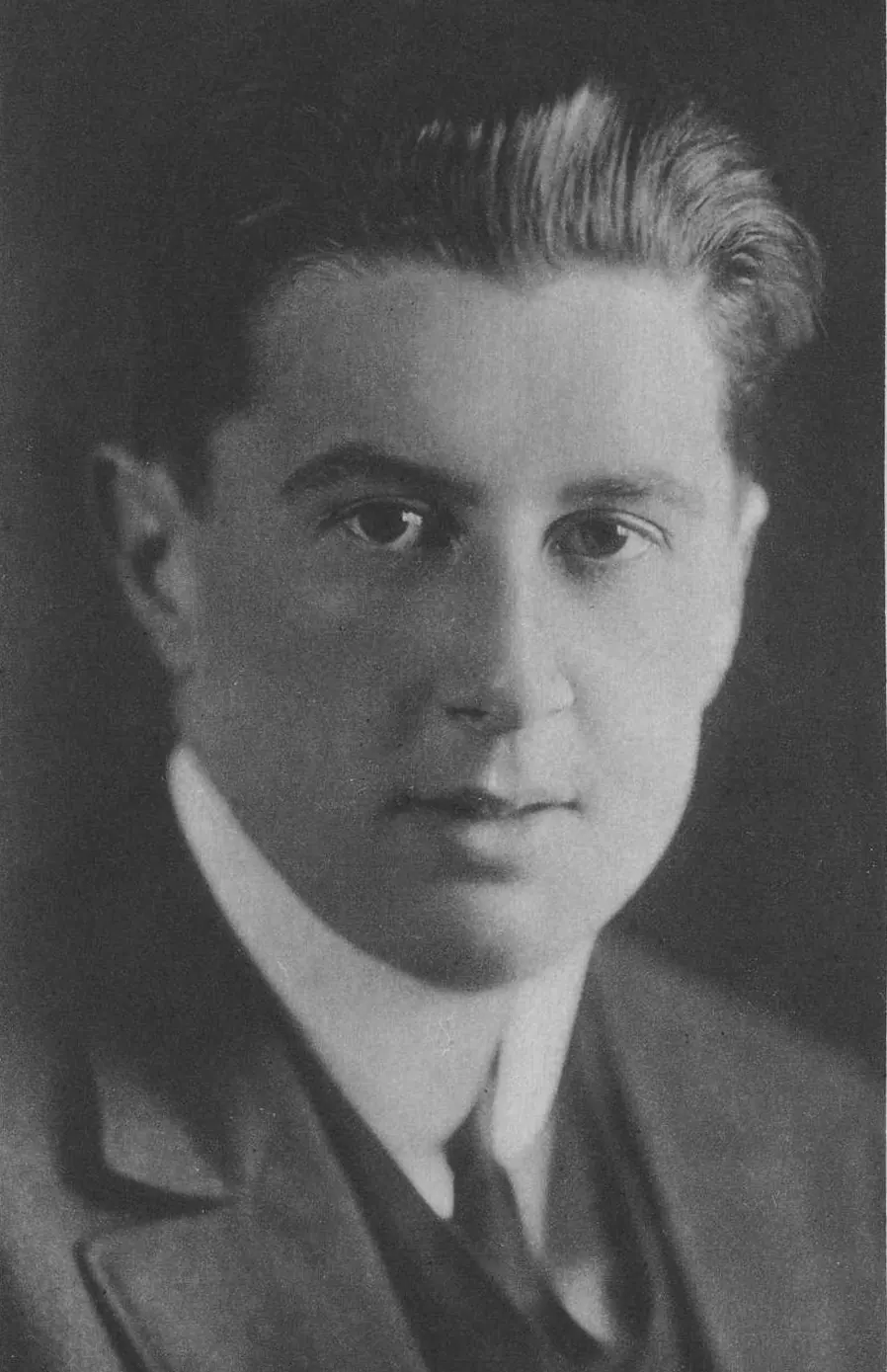
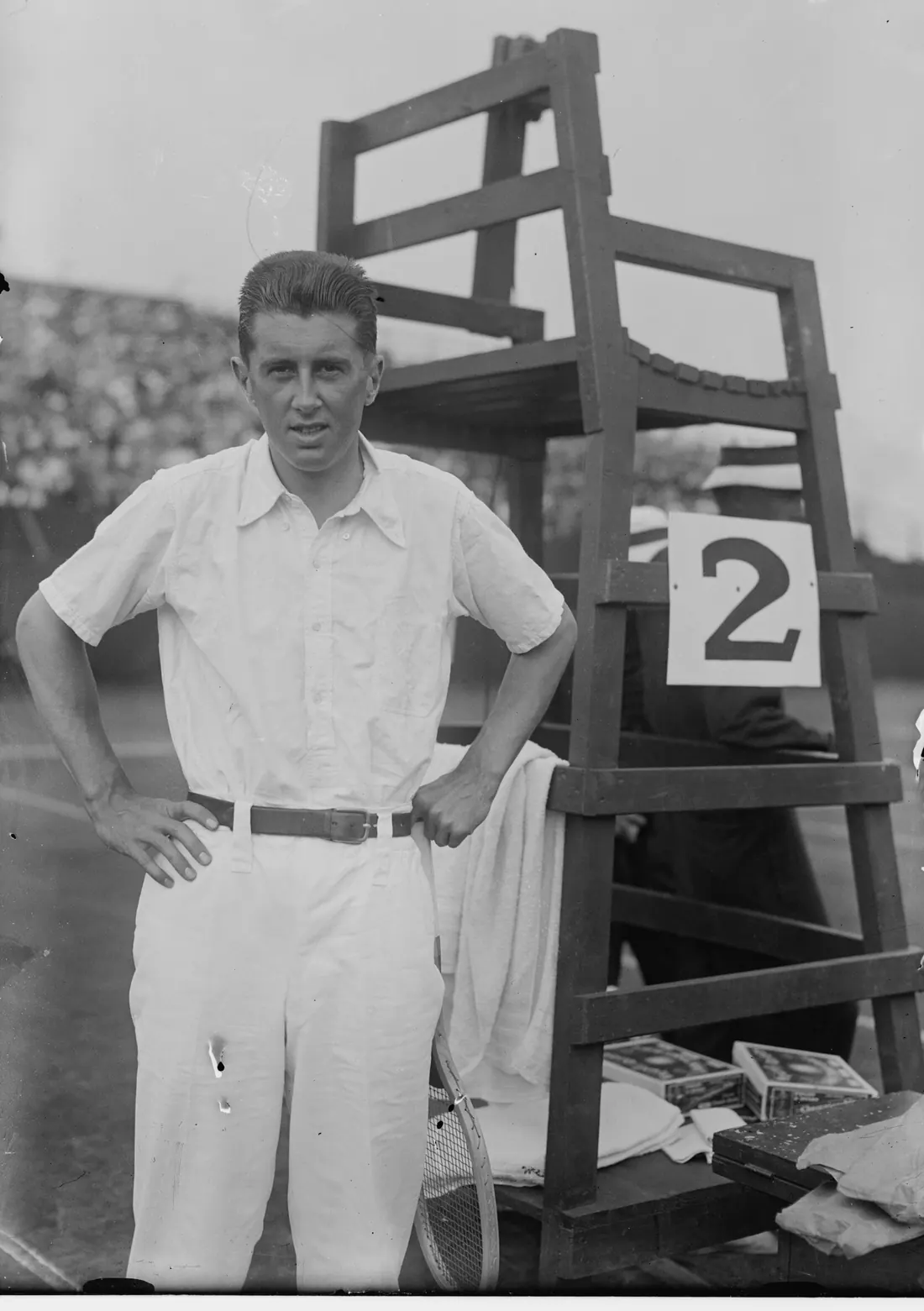
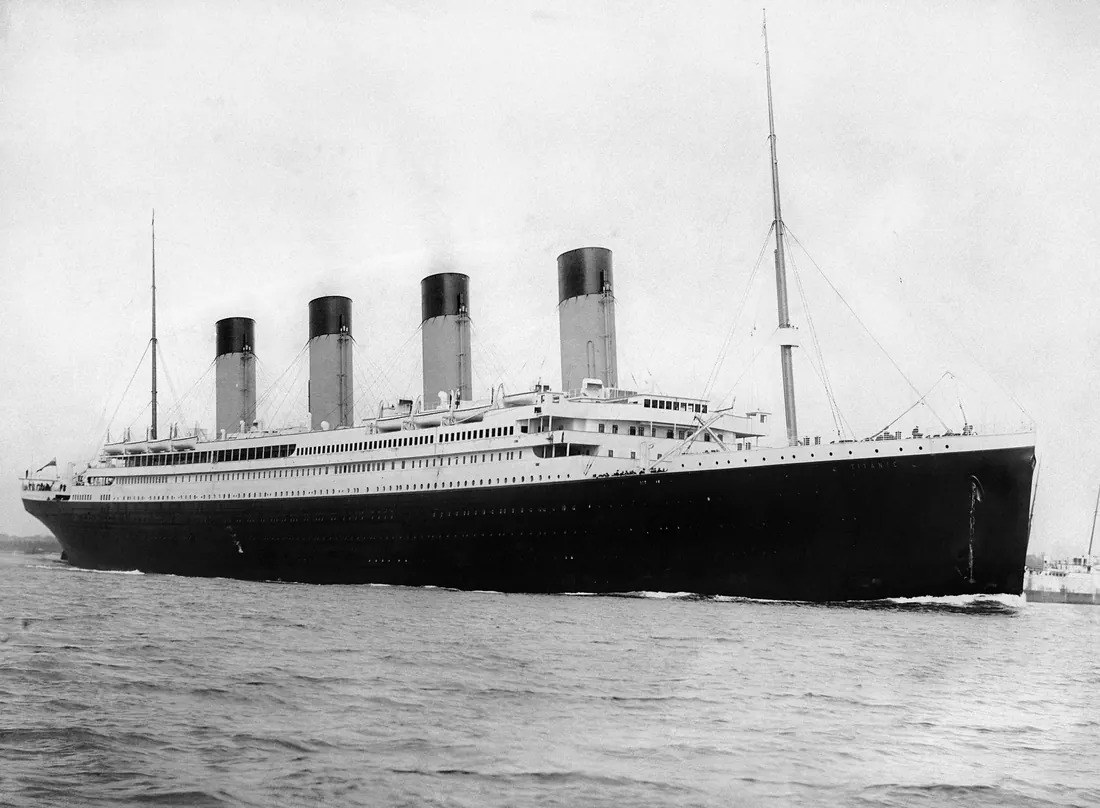
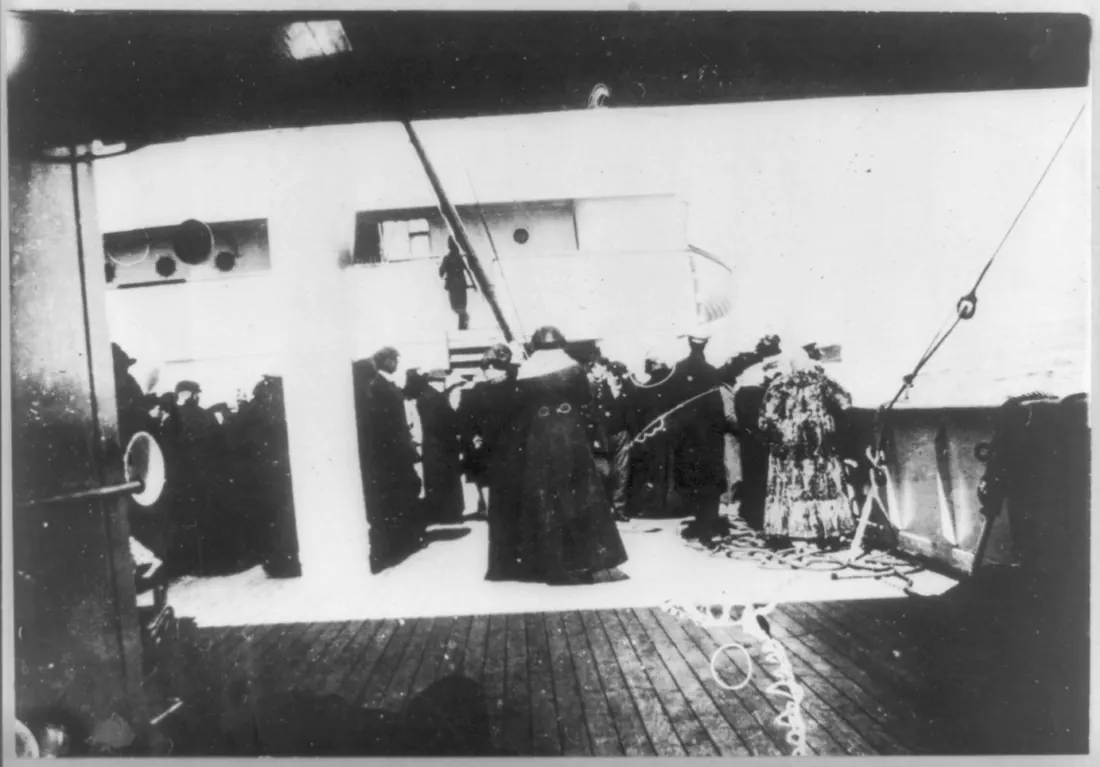
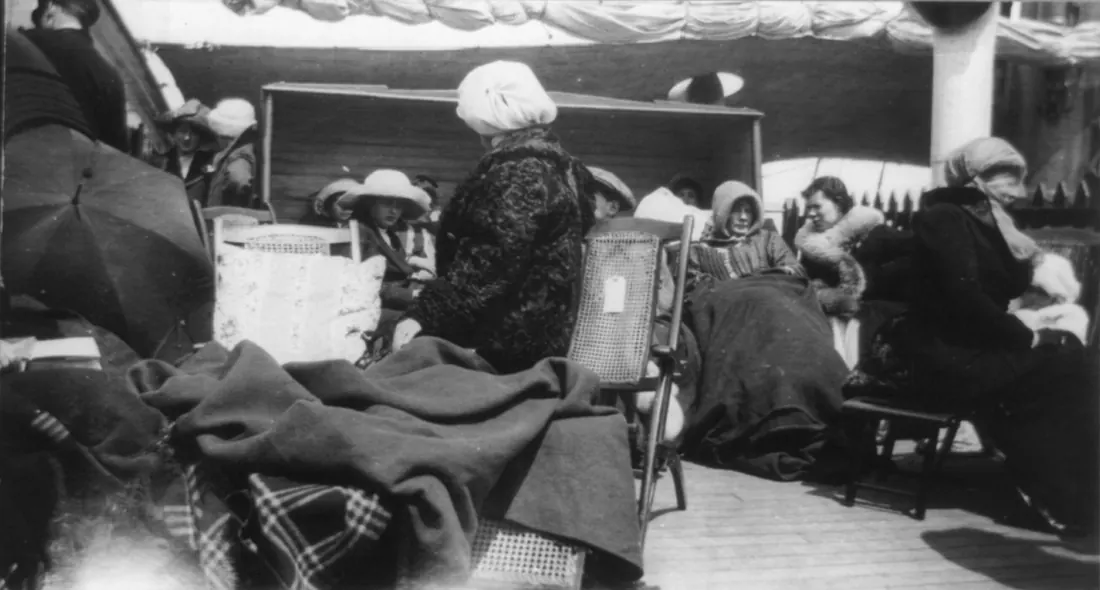
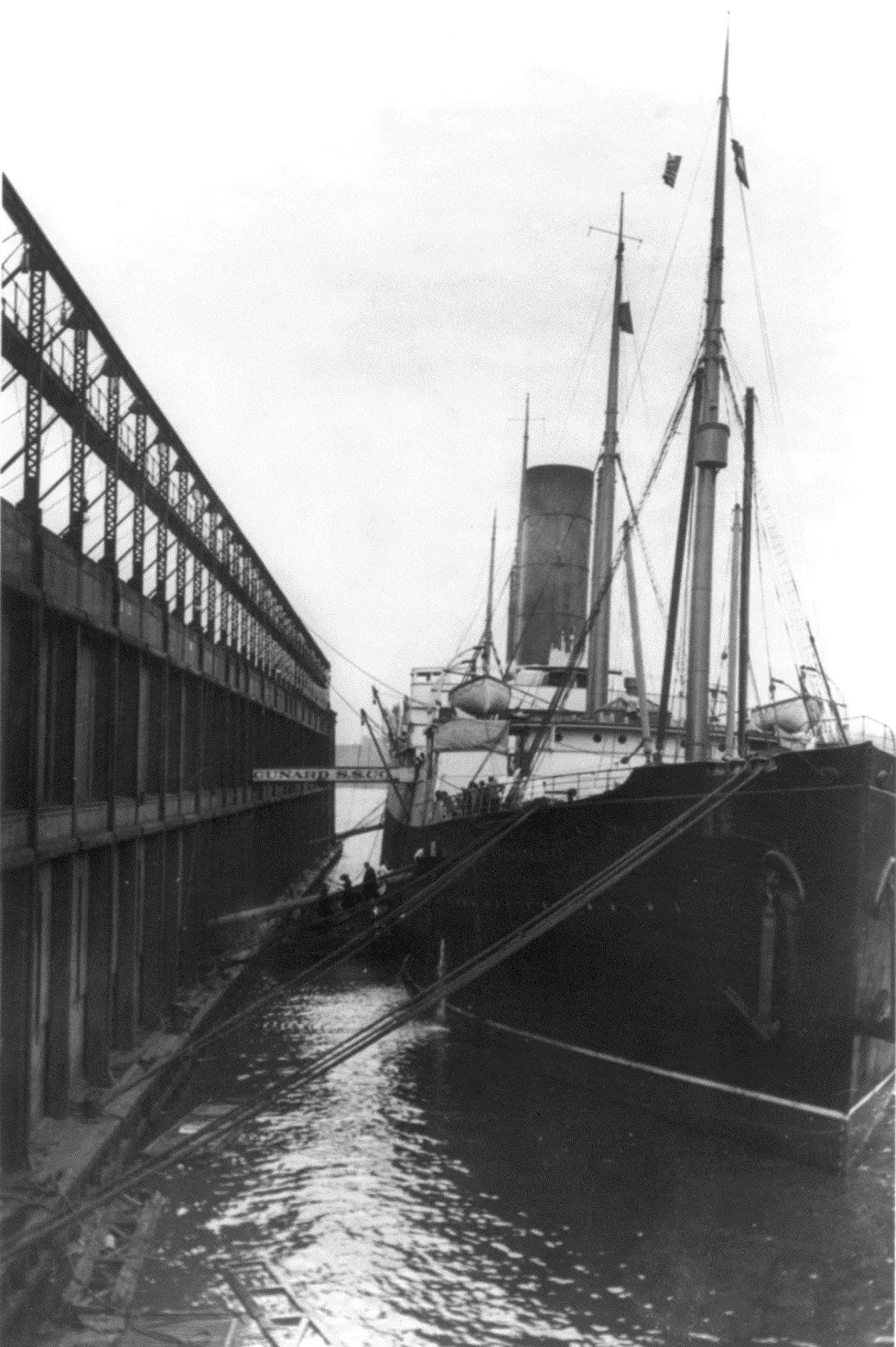
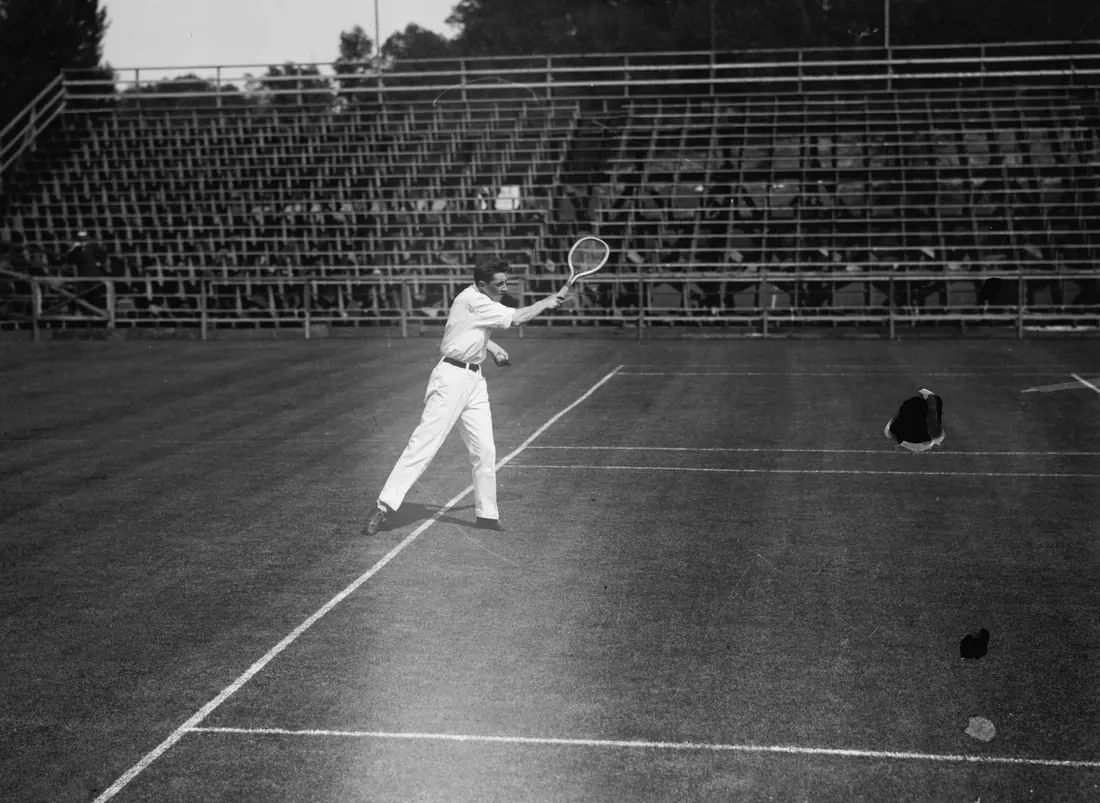
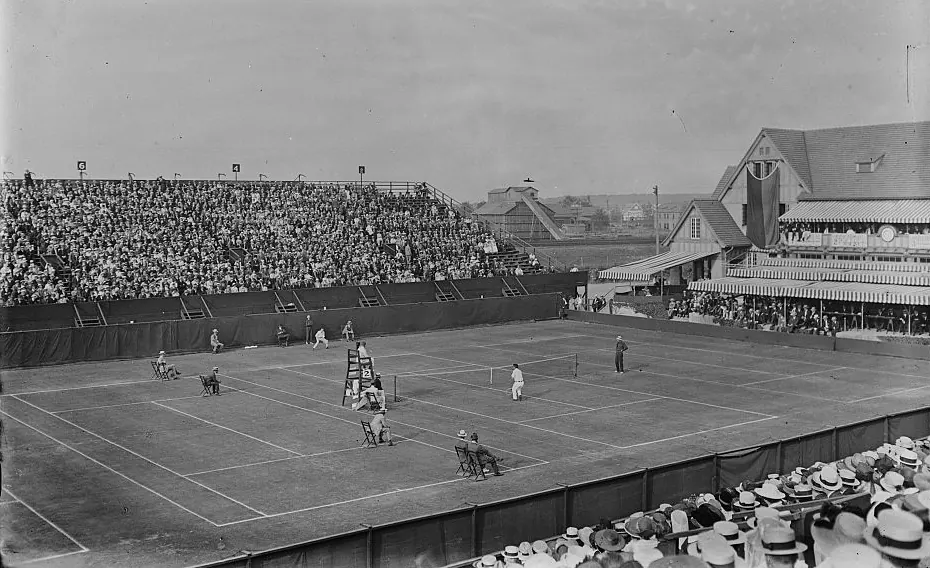
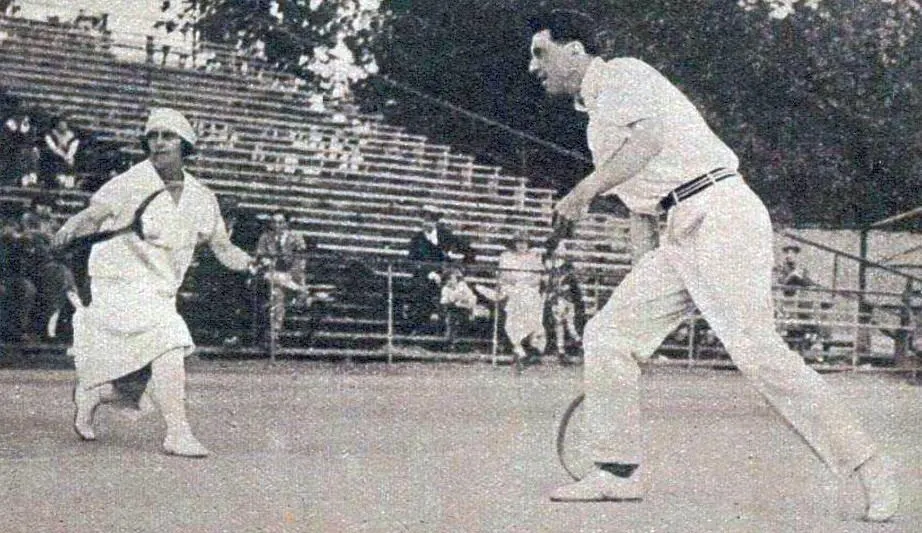
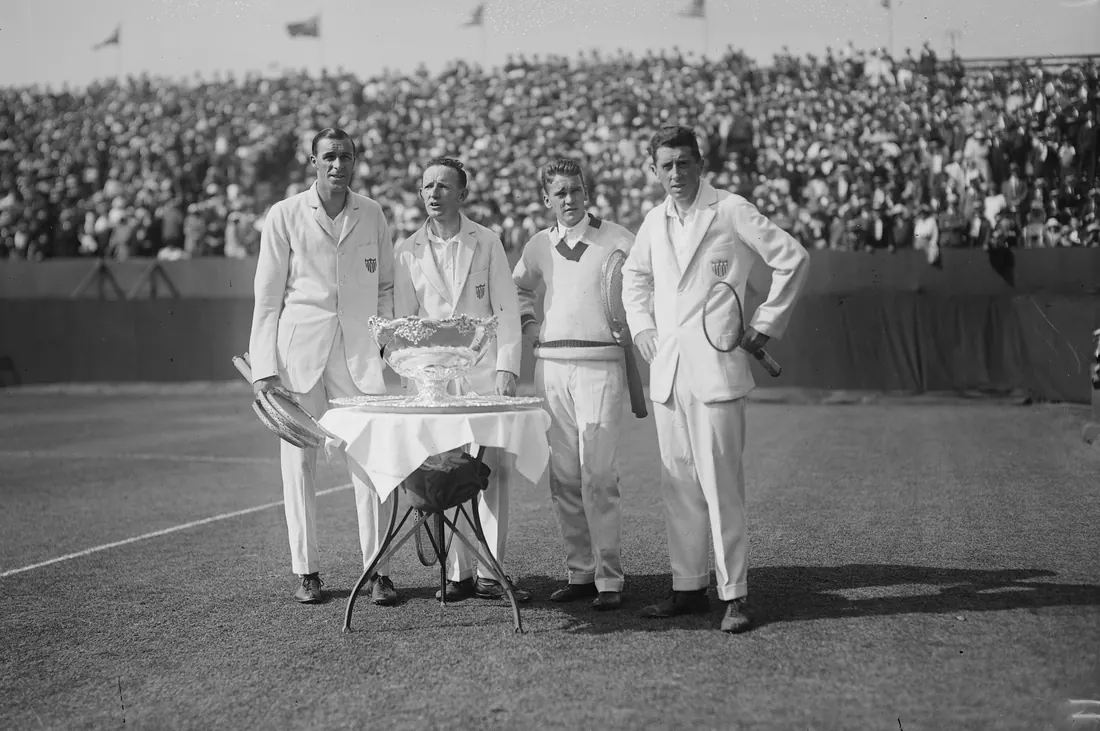
Pictures: the portrait was published in J. Parmly Paret’s Methods and Players of Modern Lawn Tennis (1915). No photo of Williams in the water or on the Carpathia is known in the free record, so the sinking is shown in Willy Stöwer’s 1912 engraving, an artist’s impression, and the Carpathia photos show the ship and other survivors, not Williams. The Titanic photo was taken as she left Southampton on April 10, 1912. The tennis photos come from other years of his career: practicing in 1913, at Forest Hills about 1915–16, and with the Davis Cup team in the 1920s (the Library of Congress record gives no year), where the negative’s caption names the players “Tilden – Johnston – Richards – Williams,” left to right. The Olympic photo was published in Le Miroir des Sports in 1928.
Photo credits
The archive photos in this story
All the photographs and illustrations in this story are in the public domain. Tap one to enlarge it, or follow the link to its Wikimedia Commons page for the full record. The narration, captions and graphics in the Short are our own; its music and sound effects are credited below.
Music and sound effects
Music: Debussy, La Mer: III. Dialogue du vent et de la mer (US Air Force Band, Concert Band, public domain, US government work); Brahms, Symphony No. 2 in D major, Op. 73: IV. Allegro con spirito (Musopen Symphony Orchestra, CC0).
Sound effects: Freesound, CC0.