
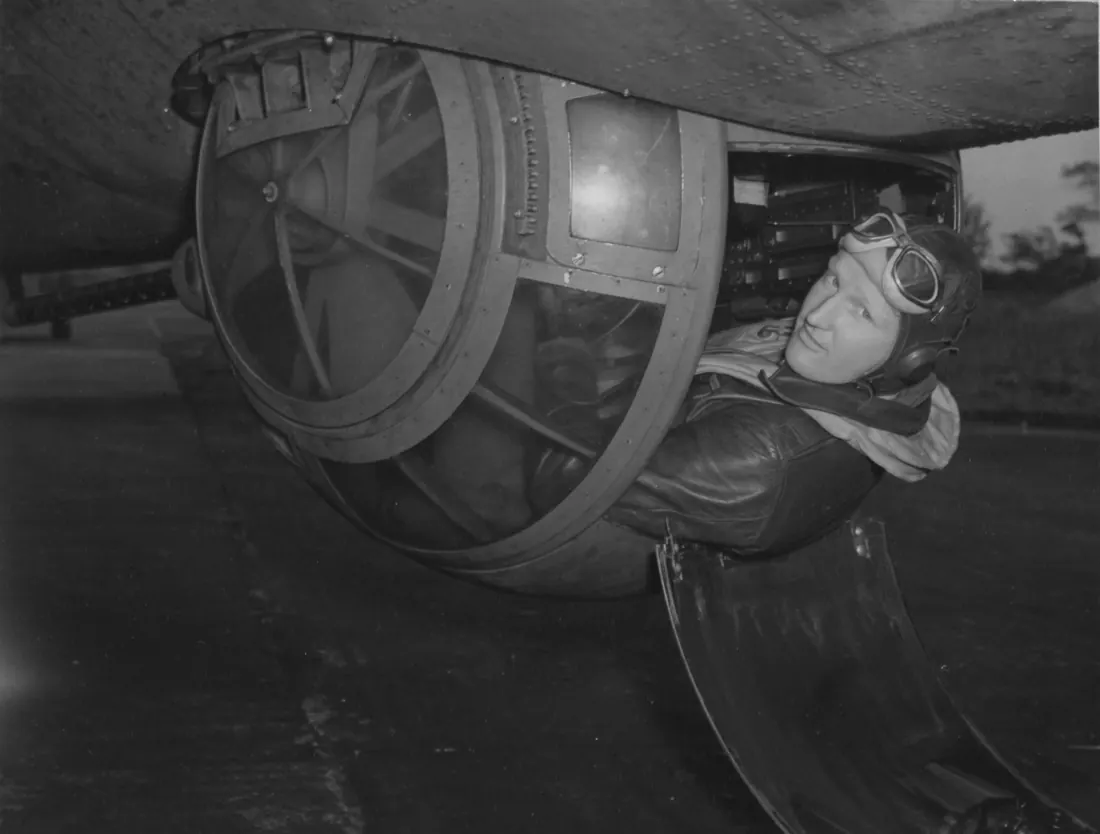
Staff Sgt. Alan Magee, of the 360th Squadron, 303rd Bomb Group, was a ball turret gunner on a B-17F Flying Fortress, 41-24620, “aptly named Snap! Crackle! Pop!” On January 3, 1943, the bomber was on a daylight bombing run over Saint-Nazaire, France, in the midst of a raid on German torpedo stores. When German flak damaged his ball turret and it stopped working, Magee left it, and he discovered that his parachute had been torn and rendered useless. Business Insider says it had been shredded by the flak.
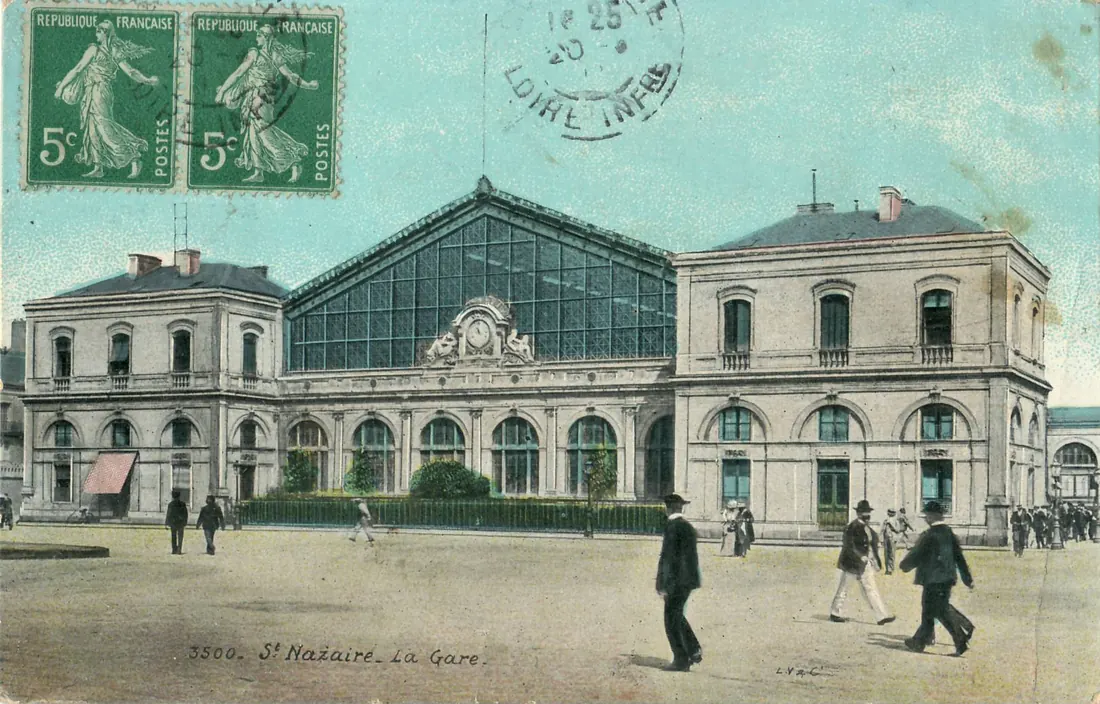
Another flak hit blew off a section of the right wing, and the aircraft went into a deadly spin. Magee blacked out from lack of oxygen and was thrown clear of the aircraft about four miles up: at 20,000 feet, says his bomb group’s association, or 22,000, say Wikipedia and Business Insider. As he fell, he asked God to save his life: “I don’t wish to die because I know nothing of life.” Then he lost consciousness and crashed through the glass roof of the Saint-Nazaire railroad station. The glass roof shattered, mitigating the force of his final impact.
He had 28 shrapnel wounds as well as the injuries from his fall: several broken bones, severe damage to his nose and eye, lung and kidney damage, and a nearly severed right arm. He was taken prisoner, and his captors gave him medical treatment. “I owe the German military doctor who treated me a debt of gratitude,” Magee said. “He told me, ‘we are enemies, but I am first a doctor and I will do my best to save your arm.’” The doctor, whose name he never found out, saved his arm and also took care of “his multitude of injuries.” Seven of his crewmates were killed in the crash of Snap! Crackle! Pop! in the forest at La Baule-Escoublac.
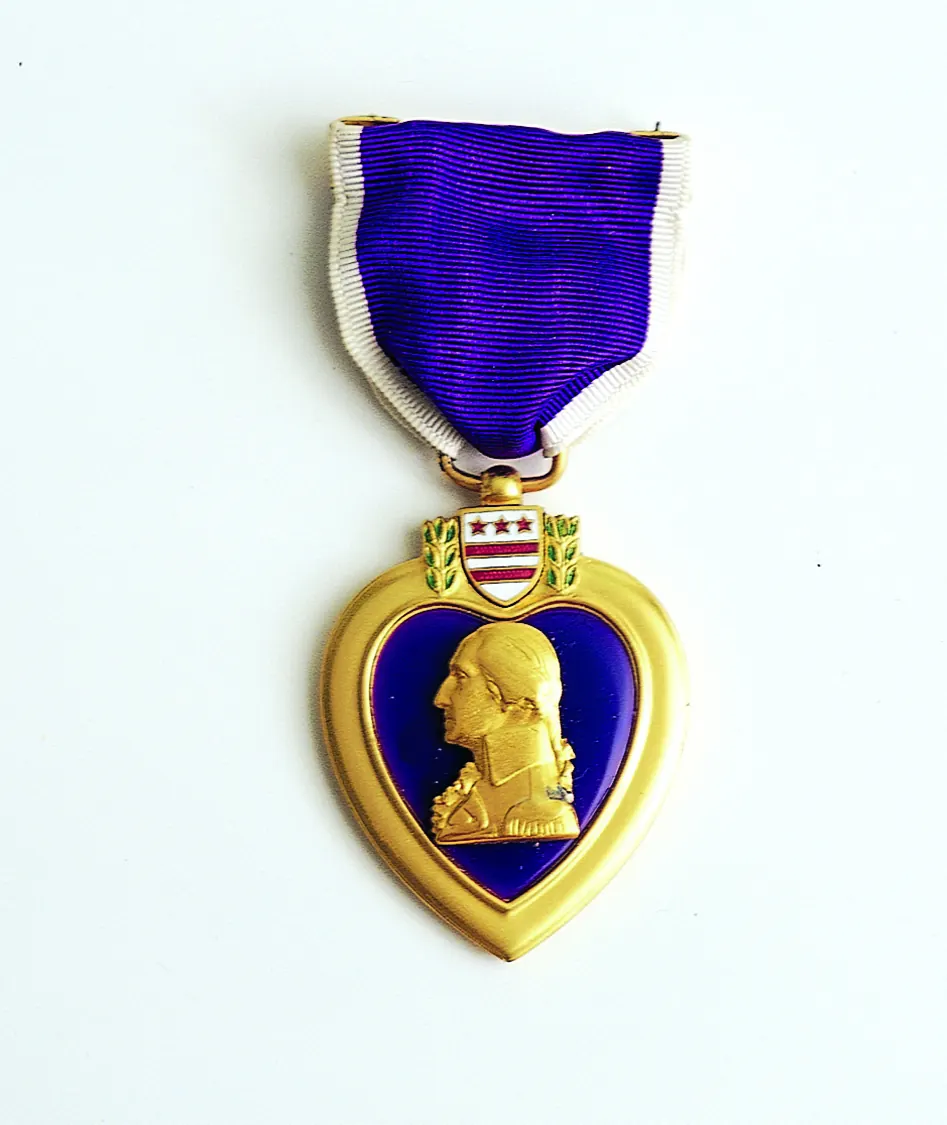
Magee was liberated in May 1945 and received the Air Medal and the Purple Heart. On September 23, 1995, with his wife, Helen, he returned to Saint-Nazaire. He visited the Hermitage Hotel, where the German doctor had treated him, the harbor, the submarine pens and the old railroad station. Looking at the station, he said, “I thought it was much smaller.” He had never seen it before, the 303rd Bomb Group Association wrote, “because he was unconscious when he hit it on his fall from 20,000 feet.” The association says Saint-Nazaire named him a “Citizen of Honor.” He died on December 20, 2003, aged 84.
Fact check
The facts and where they come from
- He fell four miles without a parachute, and he lived. Wikipedia: he “survived a 22,000-foot (6,700-meter) fall”; “He fell over 4 miles (6.4 km).” 303rd Bomb Group Association: he “was tossed out of his burning aircraft at 20,000 feet. Unfortunately, he was not wearing a parachute.” Vintage Aviation News: “4 miles (More than 20,000 feet).” 214
- His name was Alan Magee. 303rd Bomb Group Association: “S/Sgt. Alan Magee, from the 360th Sqdn.” 1
- He was a ball turret gunner on the bomber Snap! Crackle! Pop! Wikipedia: he was “assigned as a ball turret gunner on a B-17F bomber”; “his Flying Fortress—B-17F-27-BO, 41-24620, nicknamed Snap! Crackle! Pop!—part of the 360th Bombardment Squadron, 303rd Bomb Group.” 303rd Bomb Group Association: “a gunner in B-17 #41-24620, aptly named Snap! Crackle! Pop!” 21
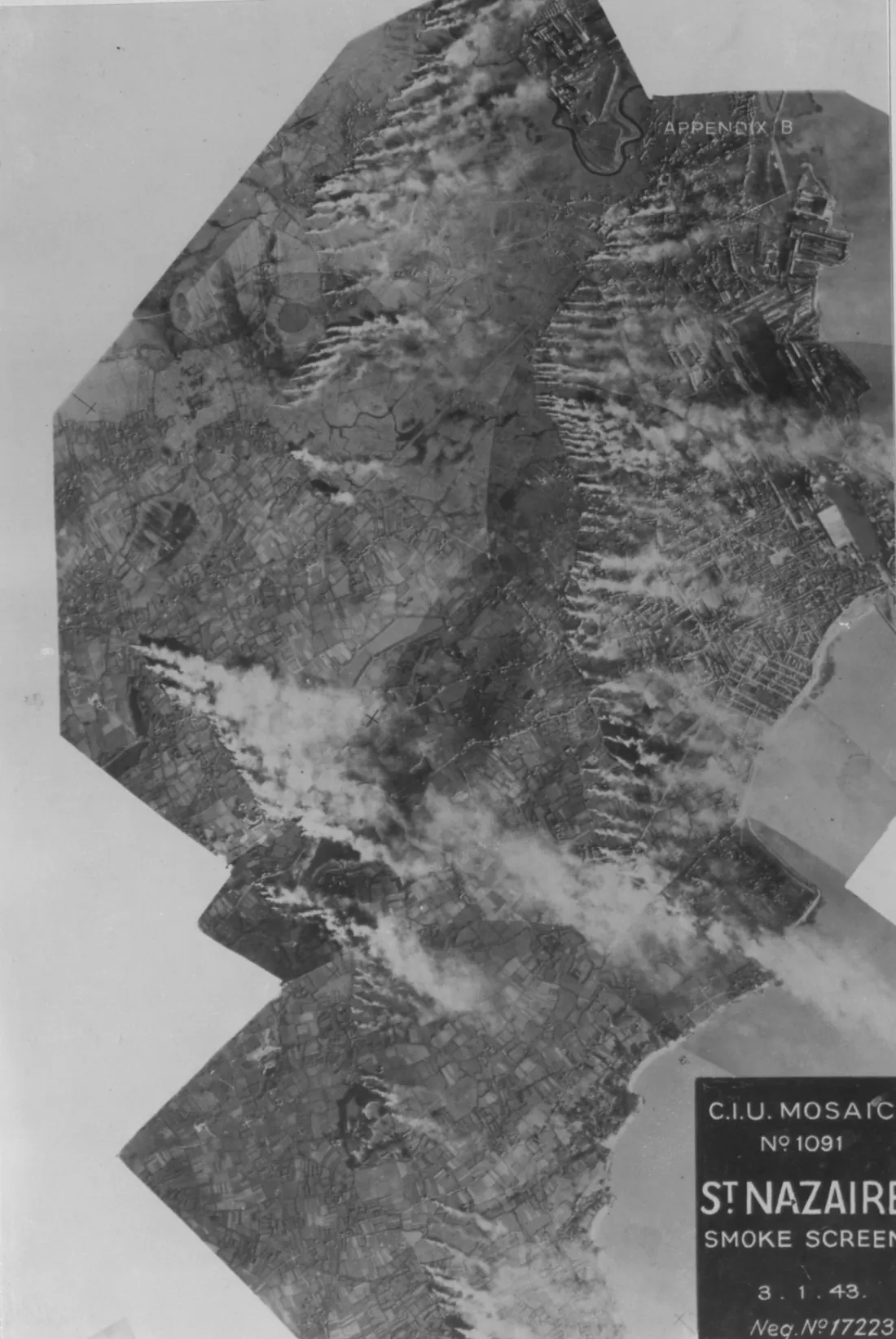
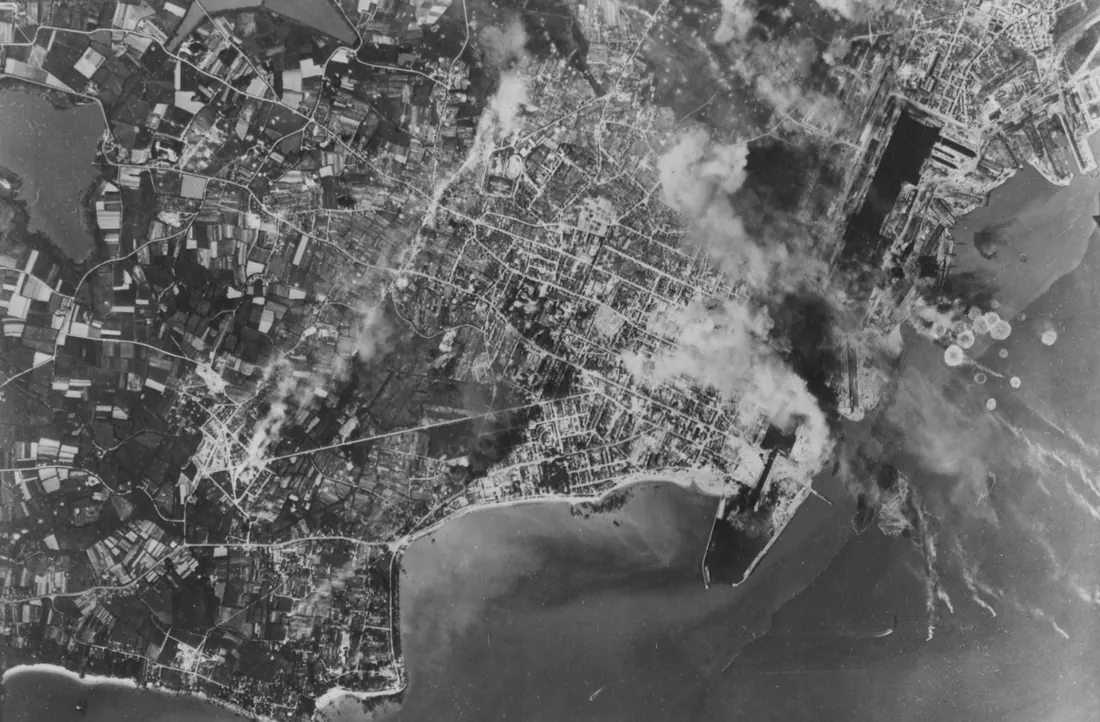
- In January 1943, they bombed Saint-Nazaire. Wikipedia: “On January 3, 1943 … was on a daylight bombing run over Saint-Nazaire, France.” 303rd Bomb Group Association: “On January 3, 1943, in the midst of a bombing raid on German torpedo stores at St Nazaire, France.” A reconnaissance mosaic of that day in the US National Archives is labeled “St Nazaire smoke screen 3.1.43.” 215
- German flak wrecked his turret and shredded his parachute. Wikipedia: “Magee left his ball turret when it became inoperative after German flak damaged it and discovered his parachute had been torn and rendered useless.” Business Insider: “Magee climbed into the fuselage to get his chute and bail out, but it had been shredded by the flak.” 23
- The bomber spun and threw him out. Wikipedia: “Another flak hit then blew off a section of the right wing, causing the aircraft to enter a deadly spin. Magee … blacked out from lack of oxygen … and was thrown clear of the aircraft.” Business Insider: “Magee was knocked unconscious and thrown from the aircraft.” 303rd Bomb Group Association: “tossed out of his burning aircraft.” 231
- Falling, he prayed, “I don’t wish to die because I know nothing of life.” 303rd Bomb Group Association: “As he fell from the plane, he asked God to save his life. ‘I don’t wish to die because I know nothing of life’ was his appeal to The Almighty.” Business Insider: Magee told God, “I don’t wish to die because I know nothing of life.” 13
- He blacked out and smashed through the glass roof of the town’s railroad station. 303rd Bomb Group Association: “Then he lost consciousness and crashed through the glass roof of the St. Nazaire railroad station.” Wikipedia: “crashing through the glass roof of the Saint-Nazaire railroad station.” Business Insider: he “passed out again … fell into the town of St. Nazaire and through the glass roof of the train station.” 123
- The glass broke his fall. Wikipedia: “The glass roof shattered, mitigating the force of Magee’s final impact.” 303rd Bomb Group Association: “the ancient railroad station with its glass roof that cushioned his fall.” Business Insider: “The glass had slowed his fall.” 213
- He had 28 wounds, and his right arm was nearly cut off. Wikipedia: “He had 28 shrapnel wounds in addition to his injuries from the fall: several broken bones, severe damage to his nose and eye, lung and kidney damage, and a nearly severed right arm.” Business Insider: “he had 28 wounds from shrapnel and glass, and his right arm was cut nearly the whole way off.” 23
- The Germans took him prisoner. Wikipedia: “Magee was taken as a prisoner of war and given medical treatment by his captors.” 2
- But their doctor told him, “we are enemies, but I am first a doctor and I will do my best to save your arm.” 303rd Bomb Group Association, quoting Magee: “I owe the German military doctor who treated me a debt of gratitude”; “He told me, ‘we are enemies, but I am first a doctor and I will do my best to save your arm.’” Business Insider gives the same words. 13
- He saved it. 303rd Bomb Group Association: “The doctor, whose name he never found out, saved his arm and also took care of his multitude of injuries.” 1
- Decades later, Magee went back to the old station. 303rd Bomb Group Association: “On the 23rd of September 1995 Alan E. Magee, accompanied by his wife Helen, returned to St Nazaire”; “During his visit to St. Nazaire, Alan visited the Hermitage Hotel, where he was treated by the German doctor, also the harbor and the submarine pens and also the ancient railroad station.” Vintage Aviation News: he would “revisit France decades later to honor his fallen crew.” 14
- “I thought it was much smaller,” he said. 303rd Bomb Group Association: “As he looked at the railroad station with its glass roof, he said, ‘I thought it was much smaller.’” Vintage Aviation News quotes the same words. 14
- He had never seen it. 303rd Bomb Group Association: “Actually he had never seen the railroad station before because he was unconscious when he hit it on his fall from 20,000 feet.” 1
Sources
- 20,000 Feet – Without a Chute: The Alan Magee Story (Hal Susskind, Hell’s Angels Newsletter, February 1996) 303rd Bomb Group Association
- Alan Magee Wikipedia
- The story of the World War II gunner who fell 22,000 feet without a parachute and lived (Logan Nye, 2016) Business Insider
- The Gunner Who Fell From the Sky…Without a Parachute (Michael W. Michelsen Jr., 2026) Vintage Aviation News
- Reconnaissance mosaic “C.I.U. Mosaic No 1091, St Nazaire smoke screen, 3.1.43” (U.S. Air Force Number 26342AC) US National Archives
Notes
The height: 20,000 feet (the 303rd Bomb Group Association, 1996) or 22,000 feet (Wikipedia, Business Insider; Vintage Aviation News says “nearly 22,000”). 20,000 feet is about 3.8 miles and 22,000 about 4.2, so we say about four miles, as Wikipedia does (“over 4 miles”).
Jumped or thrown: Vintage Aviation News says he jumped; Wikipedia, Business Insider and the 303rd Bomb Group Association say he was thrown or tossed out after blacking out. We follow the three.
The memorial to his crew is left out, because its date is told three ways: January 3, 1993 (Wikipedia), September 23, 1995, at the crash site in the forest of La Baule-Escoublac, with Magee present (the 303rd’s 1996 newsletter), or September 23, 1993, “some accounts say 1995” (Vintage Aviation News).
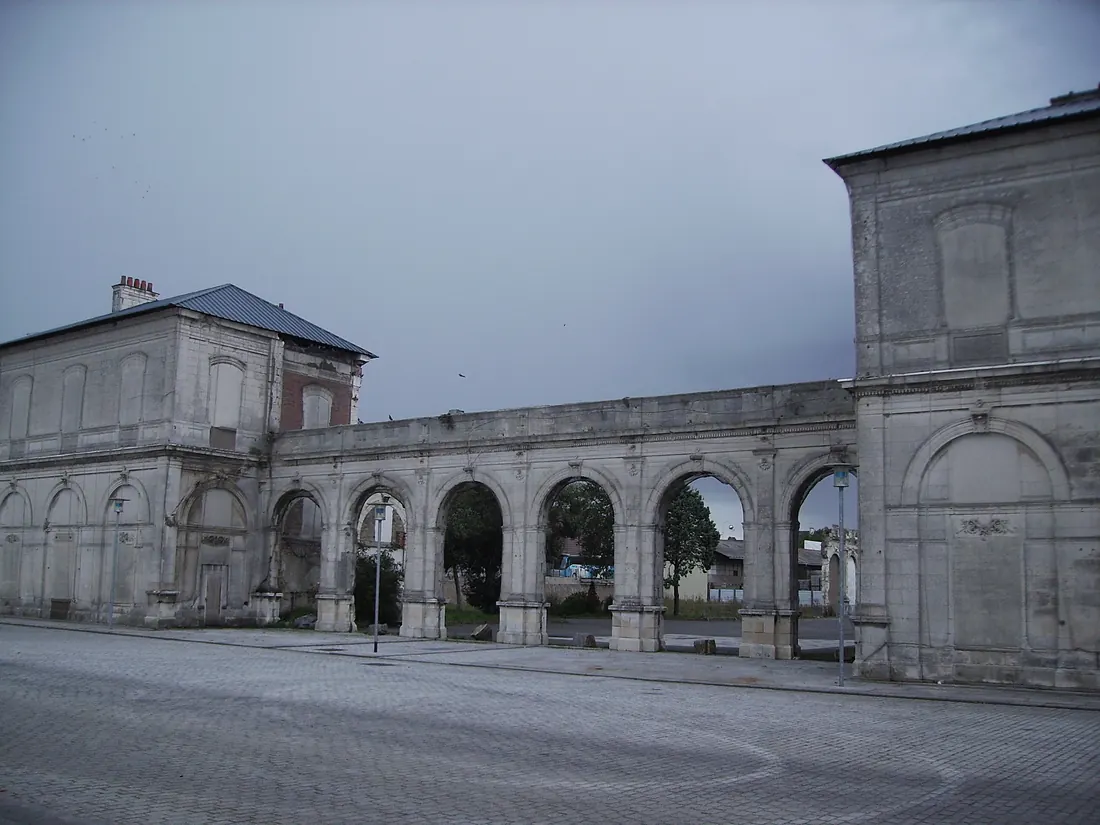
The station in 1995: the 303rd’s newsletter says he looked at the station “with its glass roof,” but the 2006 photo of the old station shows no glass hall, so we say only that he went back to the old station.
Left out: where he was found (“dangling on the steel girders,” Business Insider, or on the station floor, Wikipedia), a falling speed of about 120 mph (Wikipedia, with no source given), Stalag 17B (Vintage Aviation News only) and a reported Smithsonian list of survival stories (not checked against the magazine).
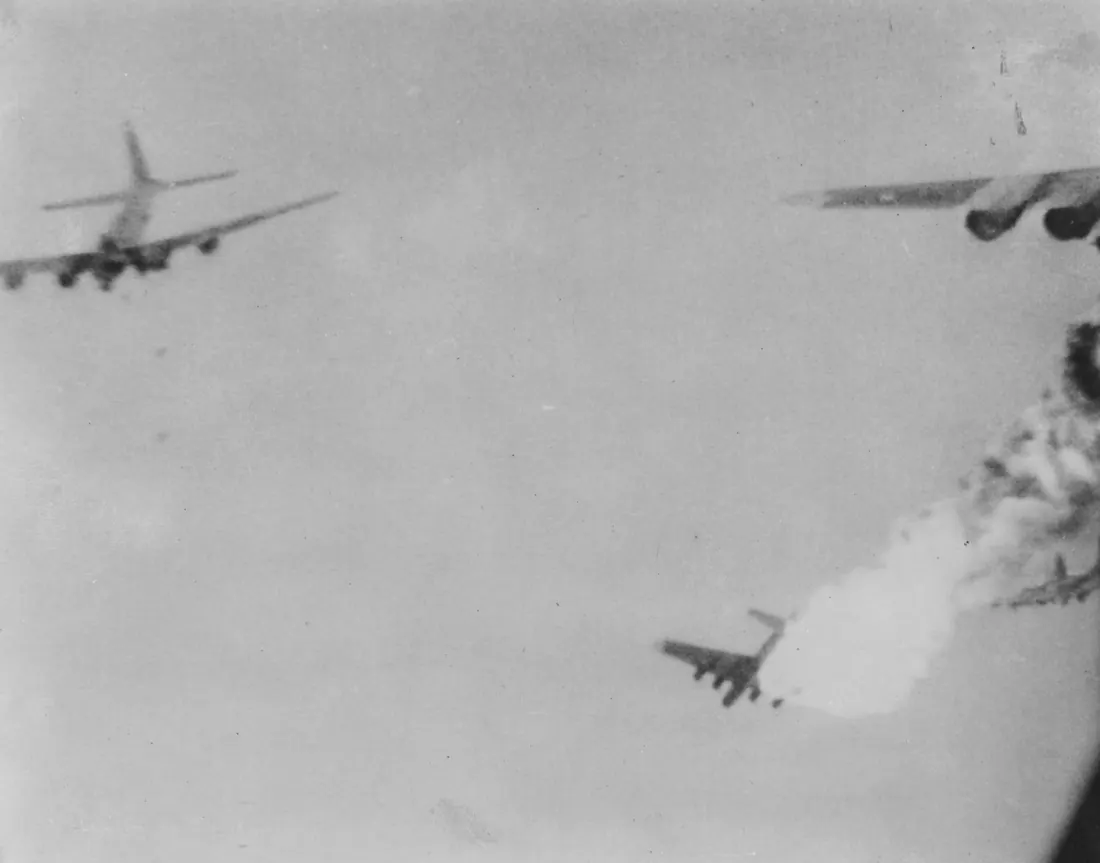
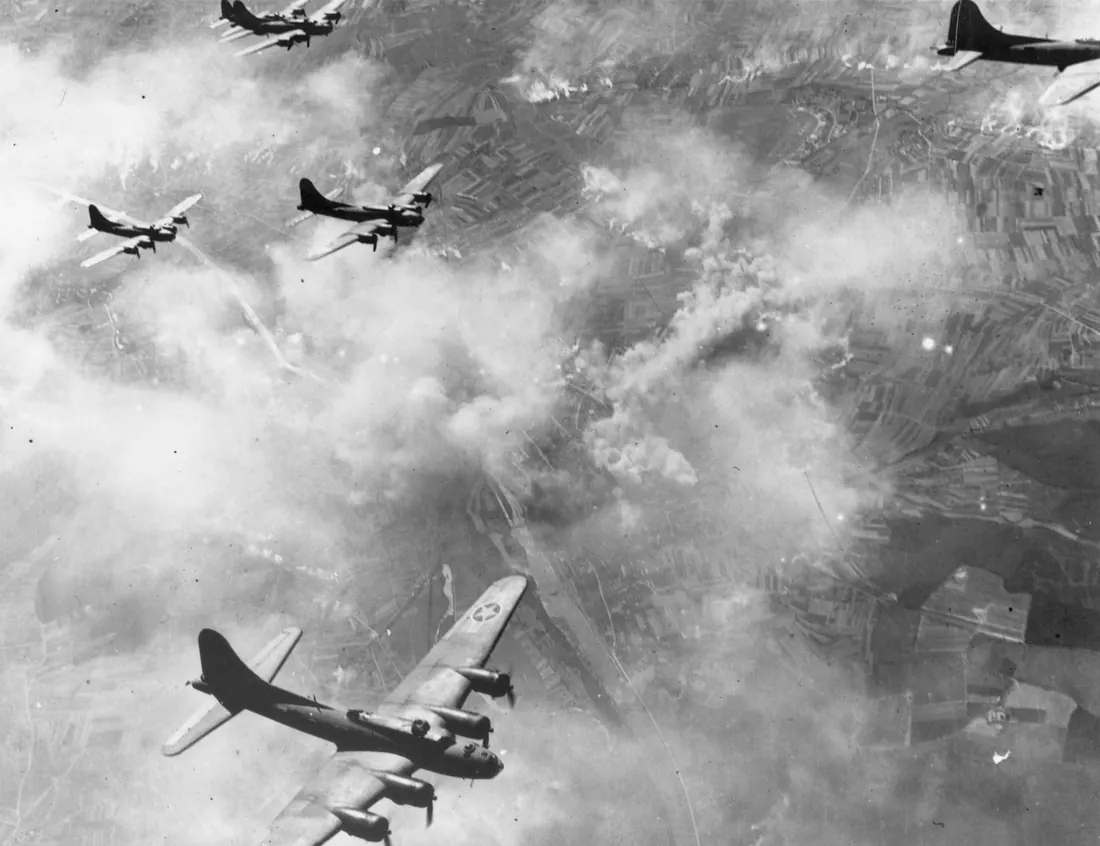
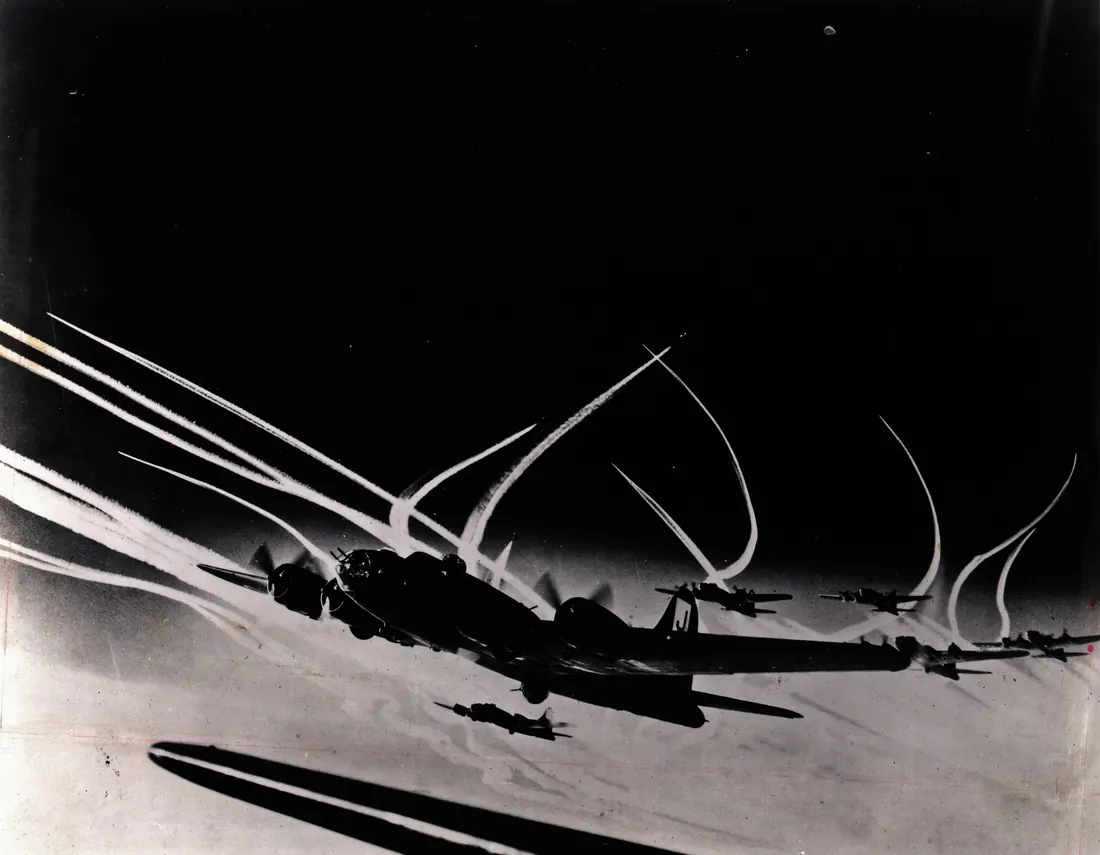
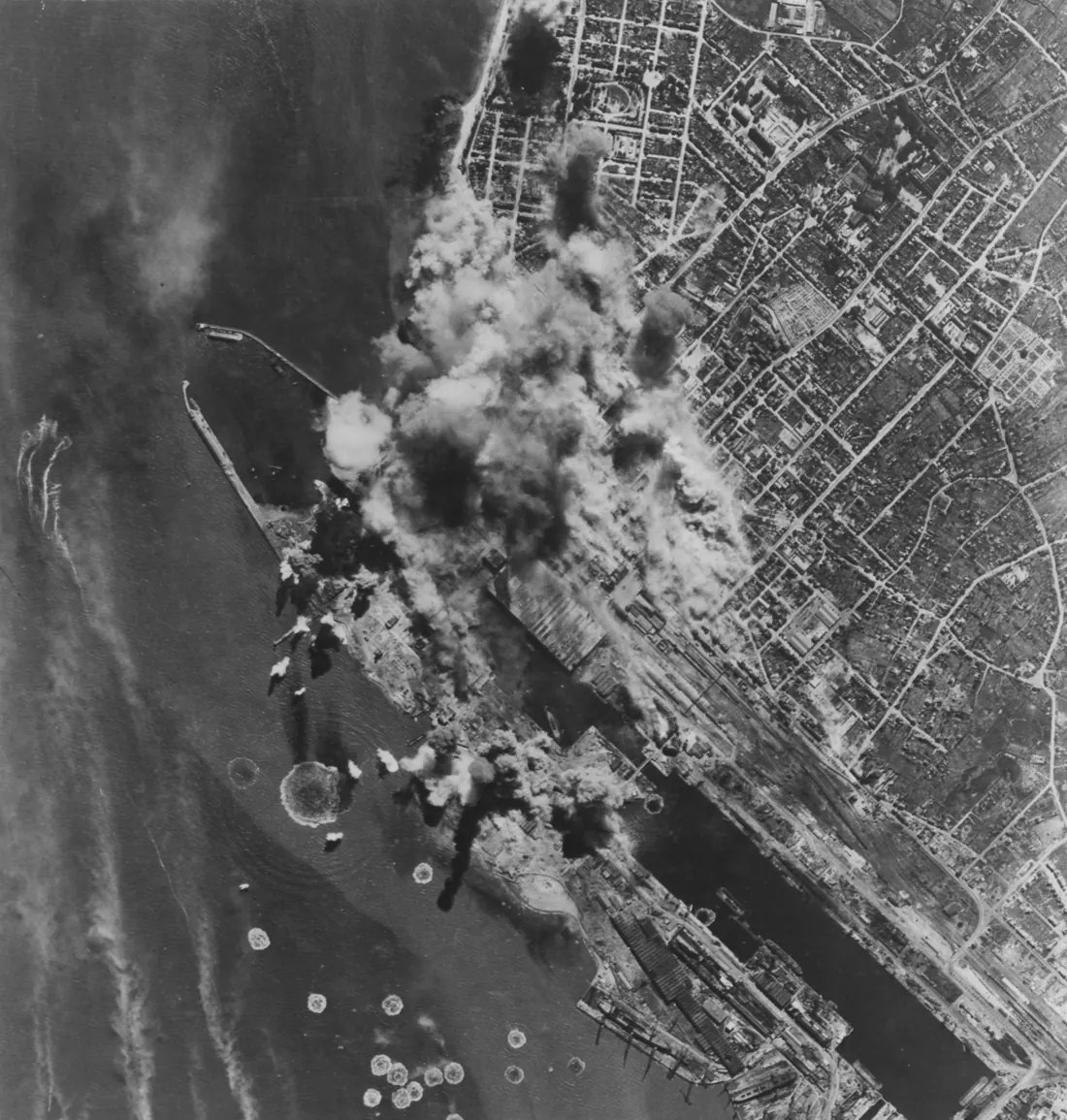
Pictures: no free photo of Alan Magee is known (the photos of him online come with no named photographer or archive), so none is shown. The ball turret gunner climbing into the B-17 “Hell’s Angels” on June 6, 1943, is another gunner of Magee’s 303rd Bomb Group, not Magee. The burning B-17 was photographed over Ploesti, Romania, in 1944, and the formations are B-17Fs over Schweinfurt on August 17, 1943, and of the 390th Bomb Group in 1943: none of them is his plane. Only the reconnaissance mosaic is from the day of his raid, January 3, 1943; the other two Saint-Nazaire photos show other USAAF raids on the same target in 1942–43. The Purple Heart is a medal of an unknown recipient, not his. The station postcard is from about 1910 (it was posted before March 21, 1911), and the photo of the old station was taken in 2006.
Photo credits
The archive photos in this story
The photographs and illustrations in this story are in the public domain or shared under open licenses; each one is credited below with its license. Tap one to enlarge it, or follow the link to its Wikimedia Commons page for the full record. The narration, captions and graphics in the Short are our own; its music and sound effects are credited below.
Music and sound effects
Music: Mussorgsky, Pictures at an Exhibition: IV. Bydlo (piano) (Musopen, public domain); Dvorak, Goin' Home (US Air Force Band, Concert Band, public domain, US government work).
Sound effects: Freesound, CC0.


















































































